St Martin’s Hospital
February 2020 | England | Extant
My first asylum explore…
***
| Name | ST MARTIN’S HOSPITAL |
| Previous Name(s) | STONE HOUSE HOSPITAL, CANTERBURY CITY MENTAL HOSPITAL |
| Architect | W. J. JENNINGS |
| Layout | COMPACT ARROW |
| Opened | 1902 |
| Closed | 2020 (partial) |
***
HISTORY: St Martin’s Hospital in Canterbury, Kent, is an absolute little gem of a psychiatric hospital. Construction of the site began in the late 19th century on the grounds of a former manor house known as Stone House on the outskirts of the City of Canterbury. The site opened in 1902 as Stone House Hospital, consisting of a main hospital and two outlying villas – Stone House was retained as the female villa. Canterbury was one of the smallest boroughs to construct its own asylum. Overcrowding at the nearby St Agustine’s Hospital in Chartham (then known as the Kent County Mental Hospital) necessitated the City’s need for its own asylum. The building was designed by a local architect by the name of William Joseph Jennings and was built in the compact arrow layout which was pioneered by eminent asylum architect George Thomas Hine. The site was one of the smallest mental hospitals built at the time, with only around 250 beds compared to the 1,000-2,500 beds of other sites such as Hellingly Hospital or Whitchurch Hospital.
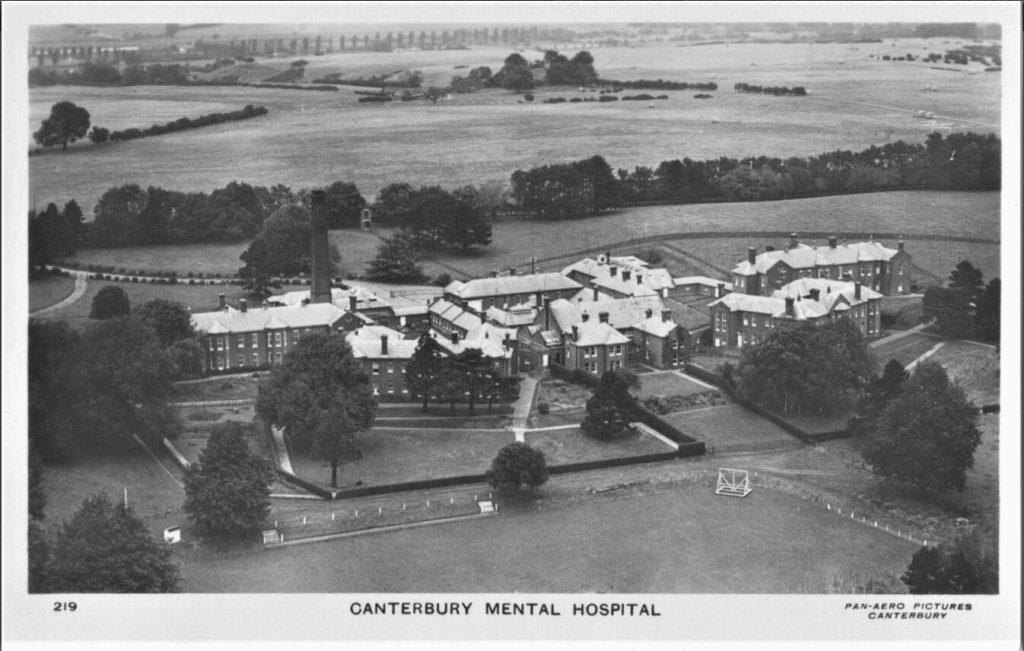
The name changed in the 1920s from Stone House Hospital to the Canterbury City Mental Hospital. During the Second World War, the building became home to displaced patients from other hospitals that had been requisitioned by the War Effort. After the War, the hospital joined the newly formed National Health Service in 1948 and was again renamed, this time to St Martin’s Hospital. This name change was drawn from the name of a local church, St Martin’s, which happens to be the oldest church building and oldest church in the English speaking world, predating the refounding in 597 by St Augustine by several centuries. However, these changes were not all good for the hospital. After the introduction of Care in the Community in the 1980s, St Martin’s went into a period of decline and the number of outpatients was reduced. Phased closure of the Victorian side began and culminated with the last ward closing in 2020. Demolition of the site for 200 houses is to start in 2024, which frankly I find appalling.
***
THE EXPLORE: I’d known about this place since October 2019, but had no idea it was derelict. And then, about two months ago as of writing this (February 2020), I was in the general area of the hospital so I went around just to see what it was like as I’d never been up to an asylum. Lo and behold to my surprise, the place was shuttered up. But, there were contractors moving things out of it. So, I went home and prepared my camera stuff. I went to bed really early and woke up at 5 the next morning, ready to go.
I’ve got to say, this is the first ever asylum I have explored. And I can tell you, the seven year wait to explore one has paid off so damn well. I found one in good condition! The explore was full of adrenaline. I found my way into the hospital and began my explore. It was cold inside, but the lighting worked (at the time) so it wasn’t too dark. I began by making my way to the corridors and immediately went to the main hall, that being something I had wanted to photograph first. Once inside for the first time, I felt quite disoriented. The corridors seemed to stretch for miles and echoed noisily.
I think the following photographs will tell the rest of the story! I reshot them in 2023 as my original photographs were not of satisfactory quality. Enjoy.
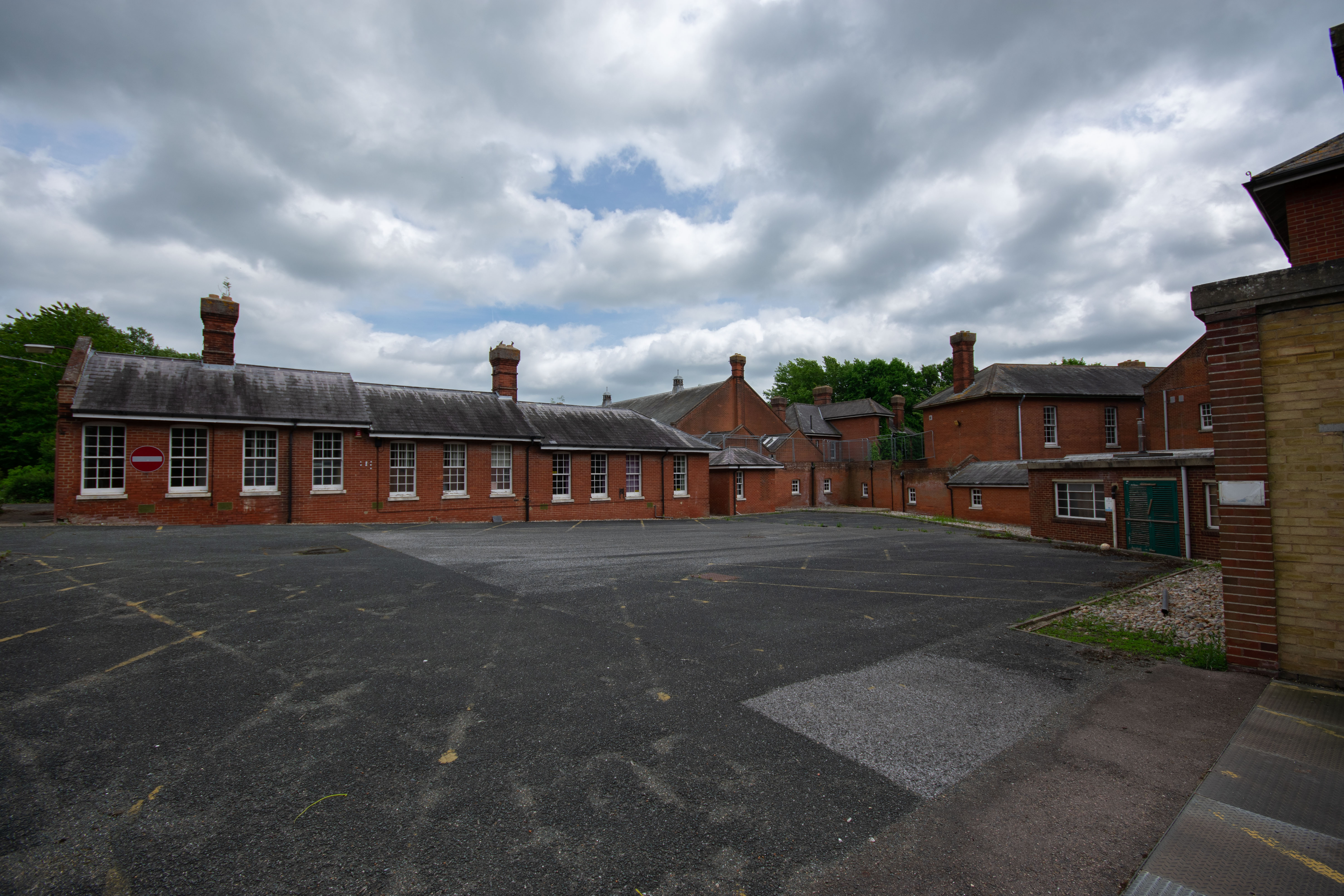
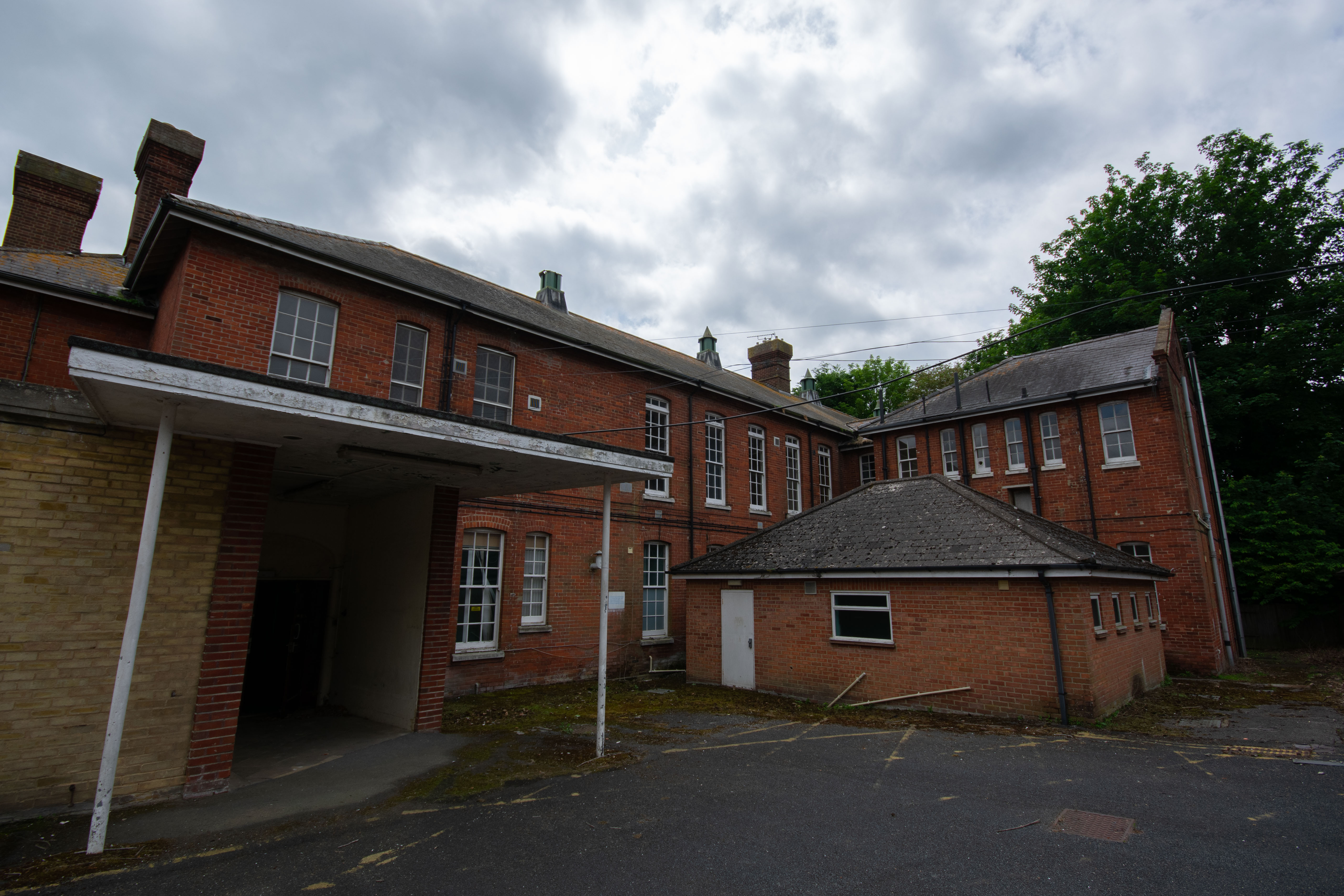
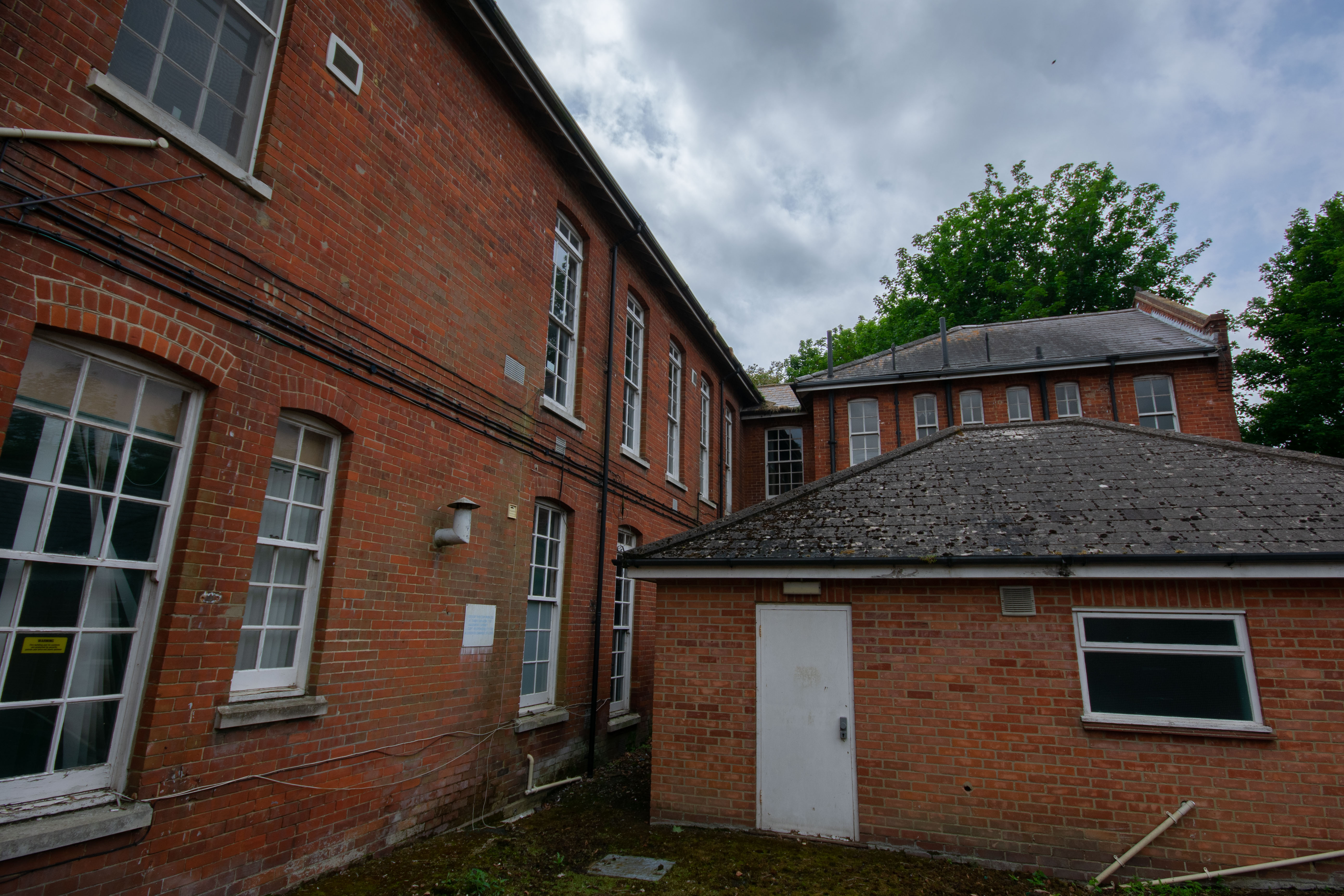
EXTERIOR
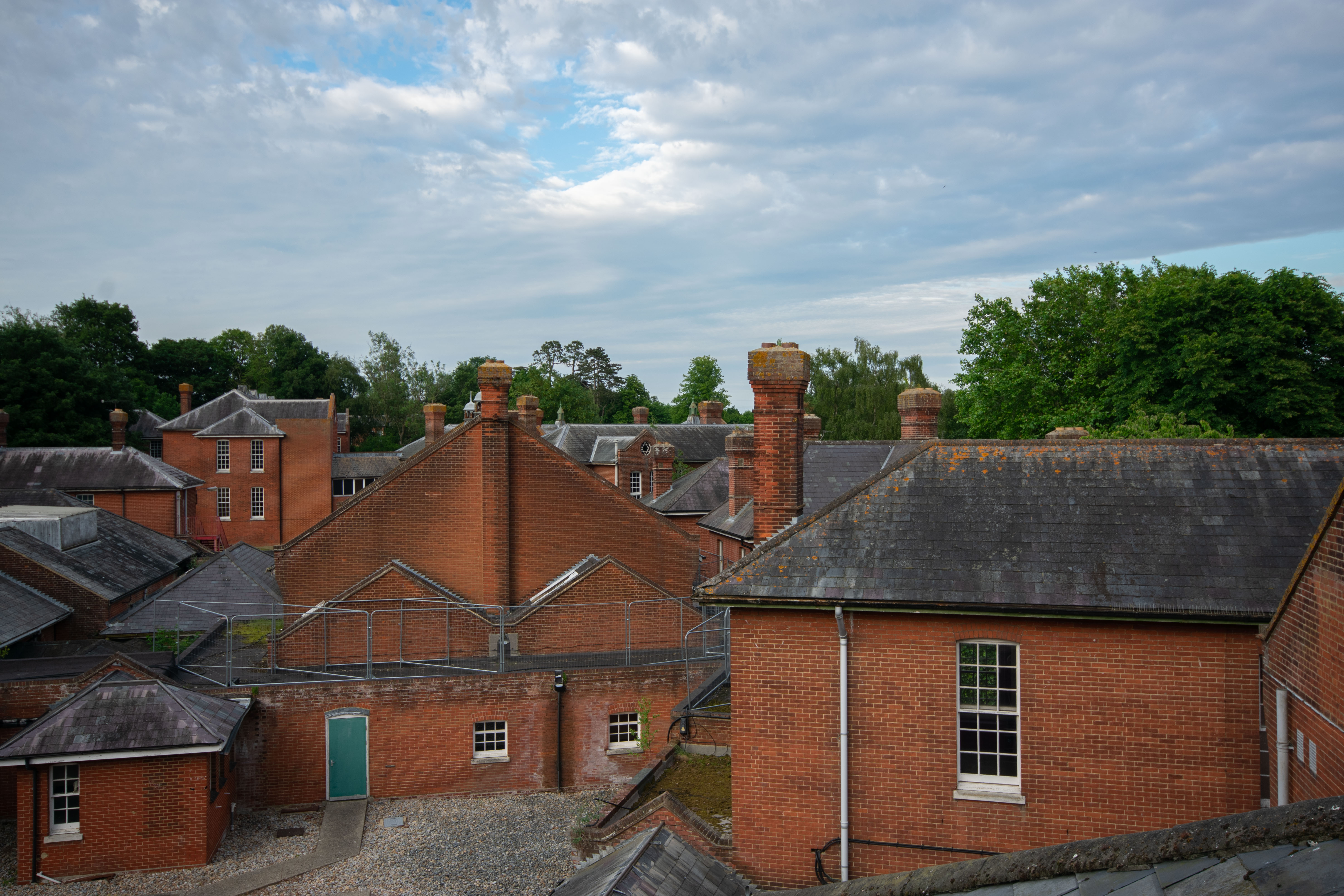
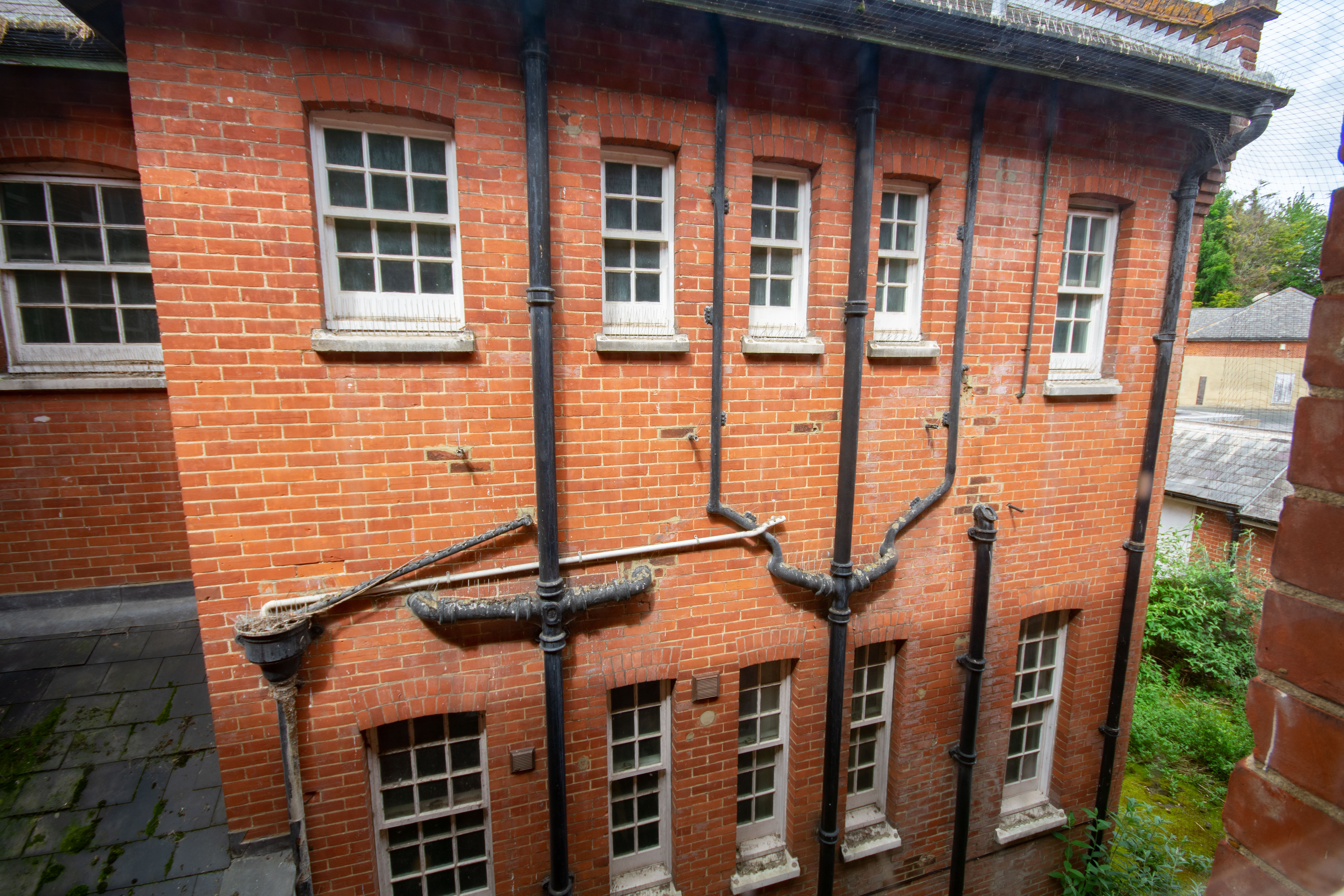
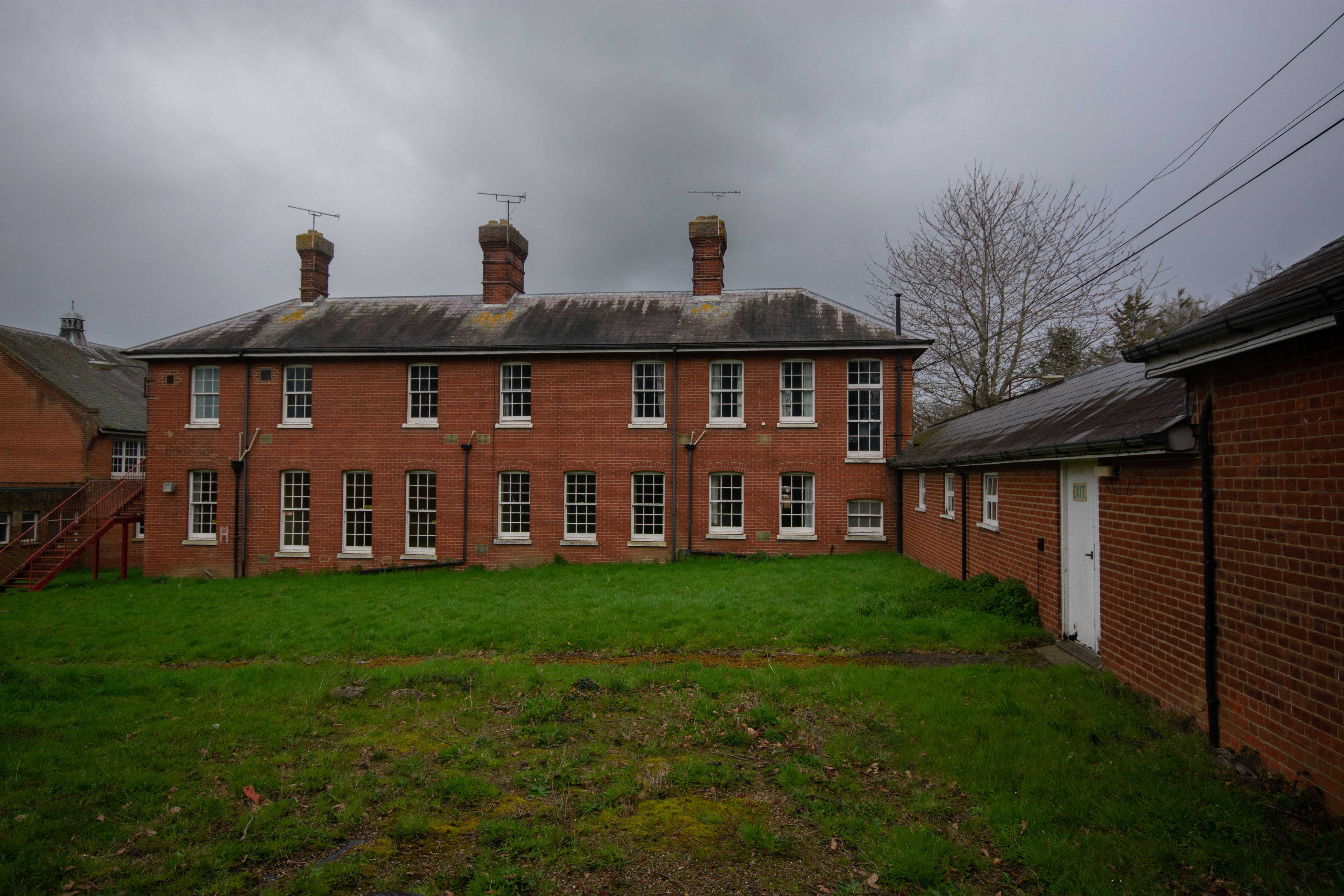
Showing the exterior of the hospital which has standard hospital architecture. Edwardian styling can be seen.






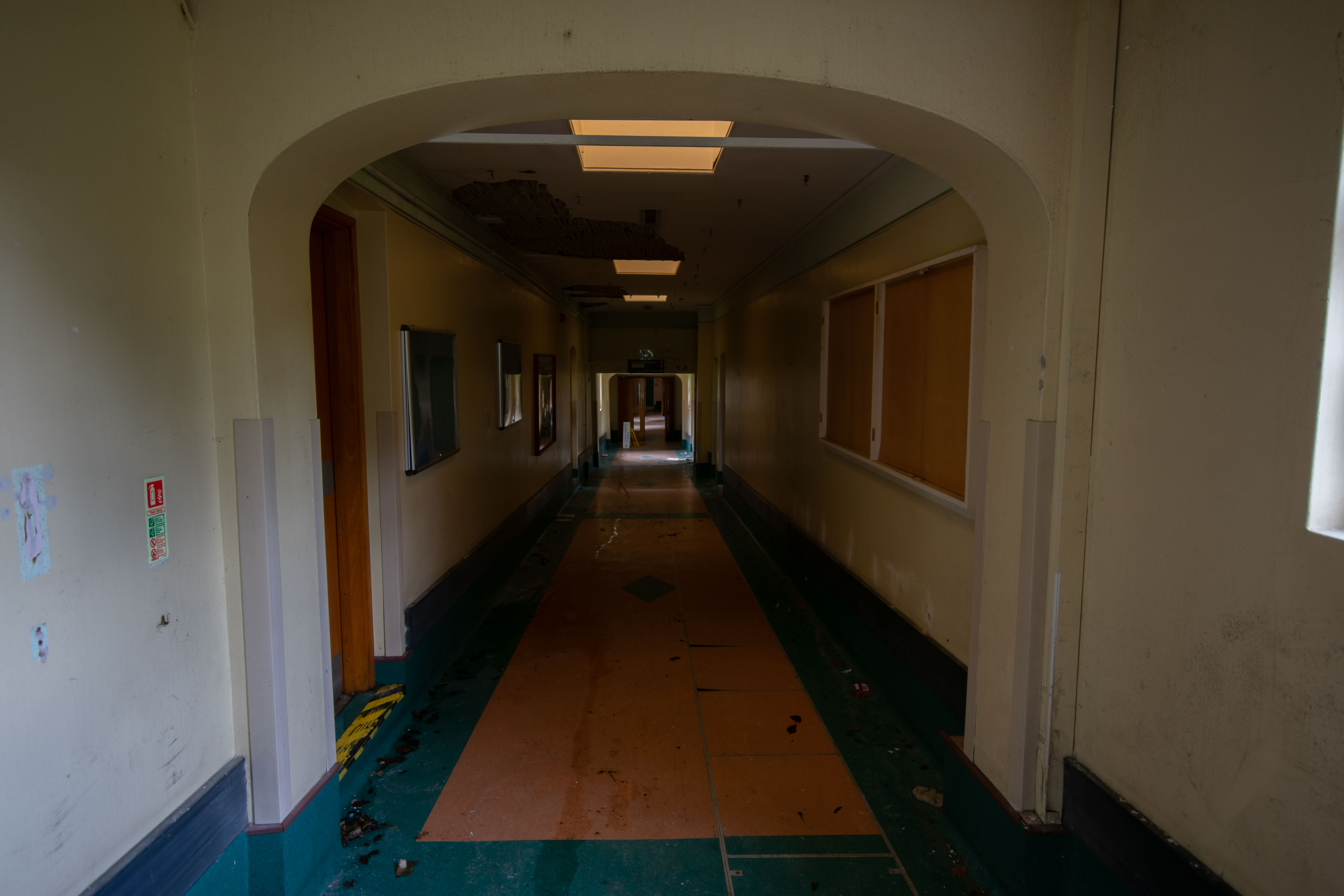
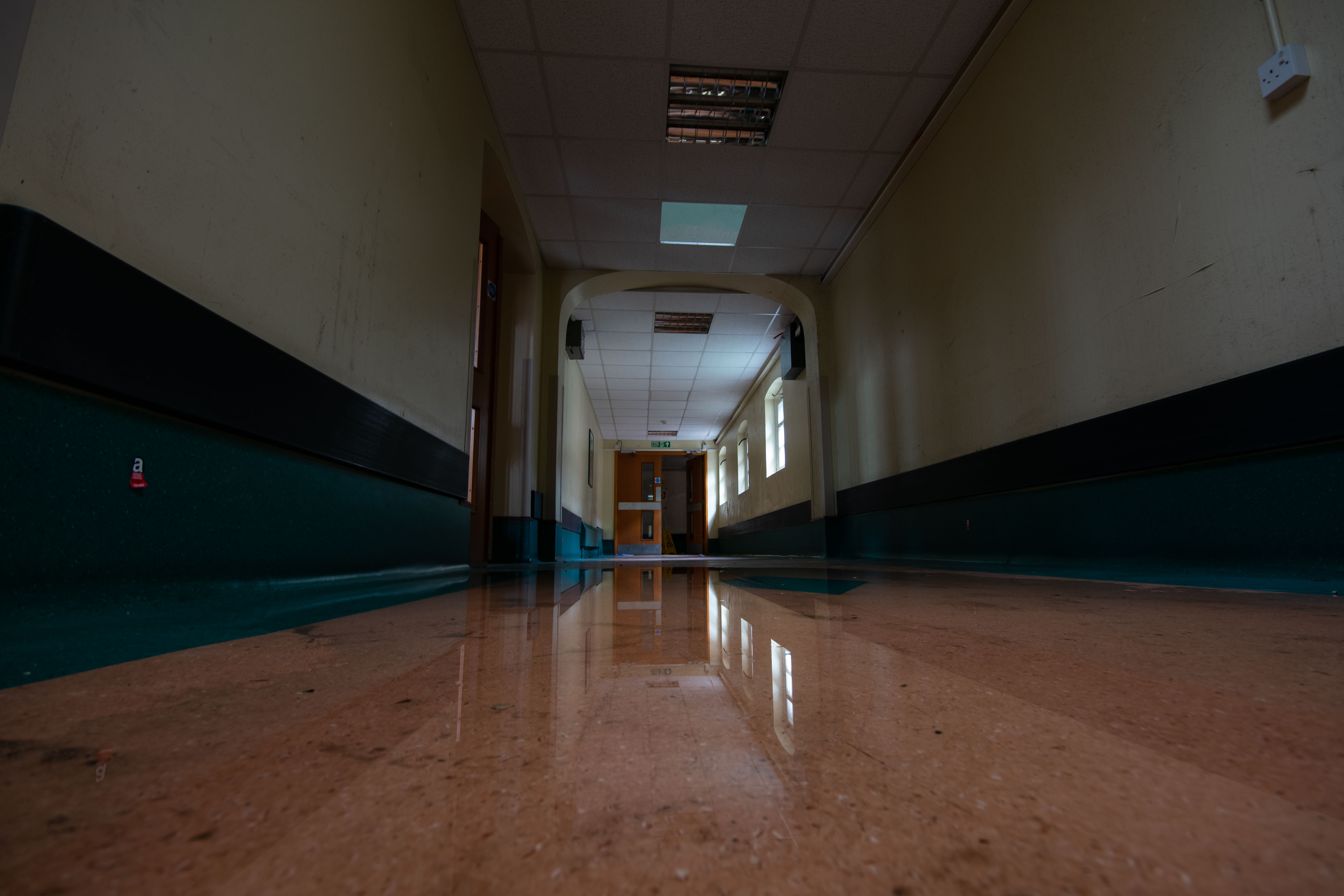
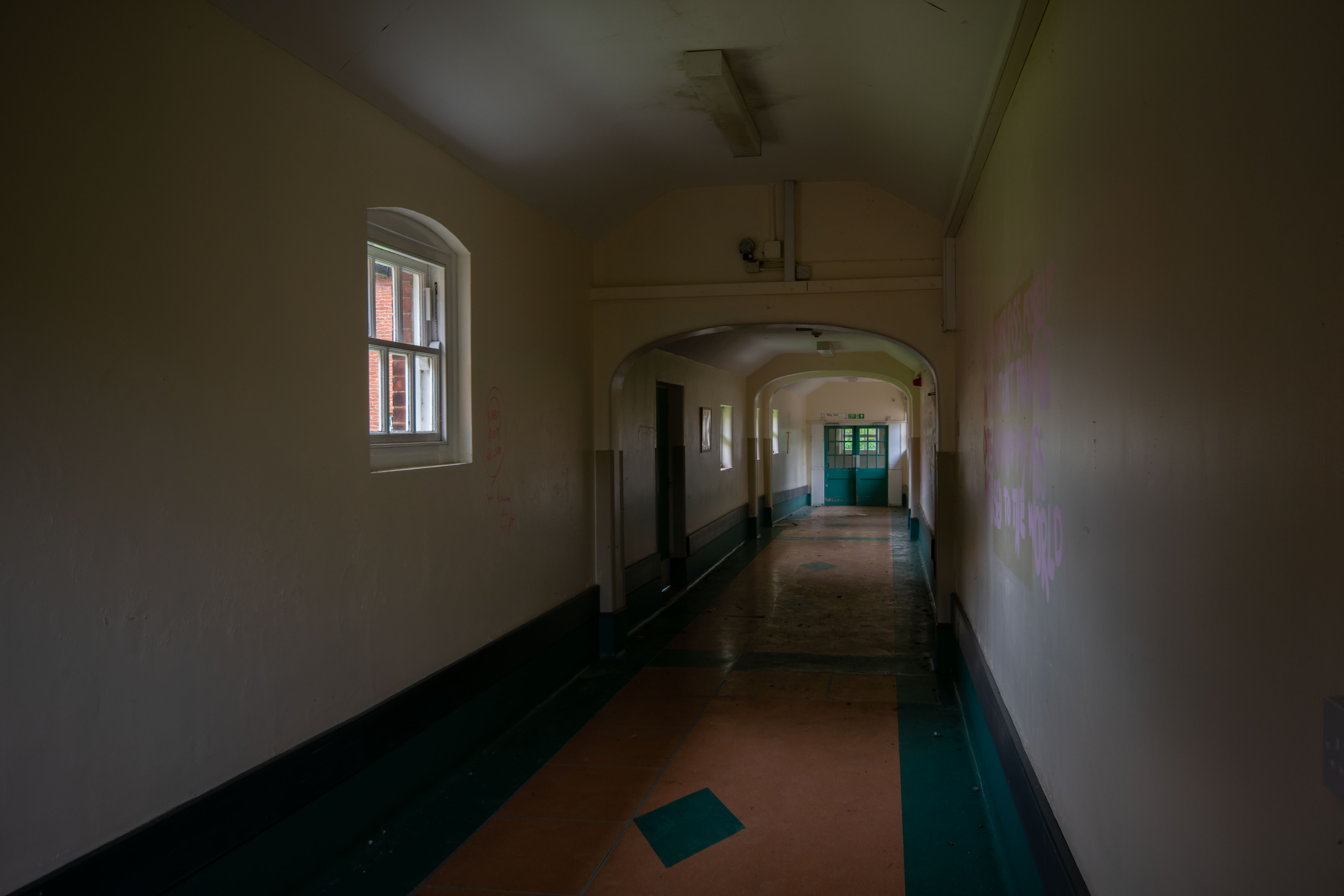
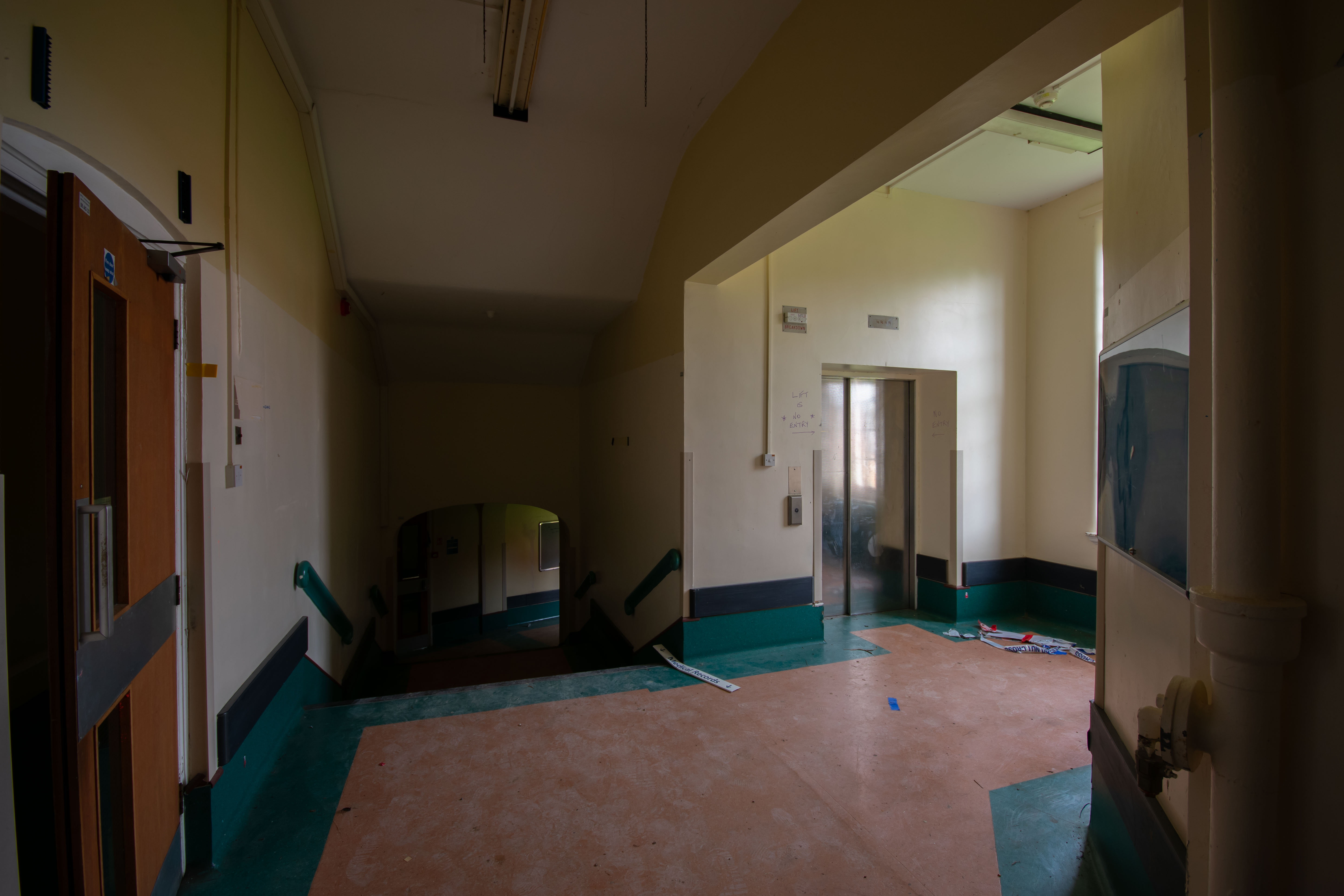
CORRIDORS
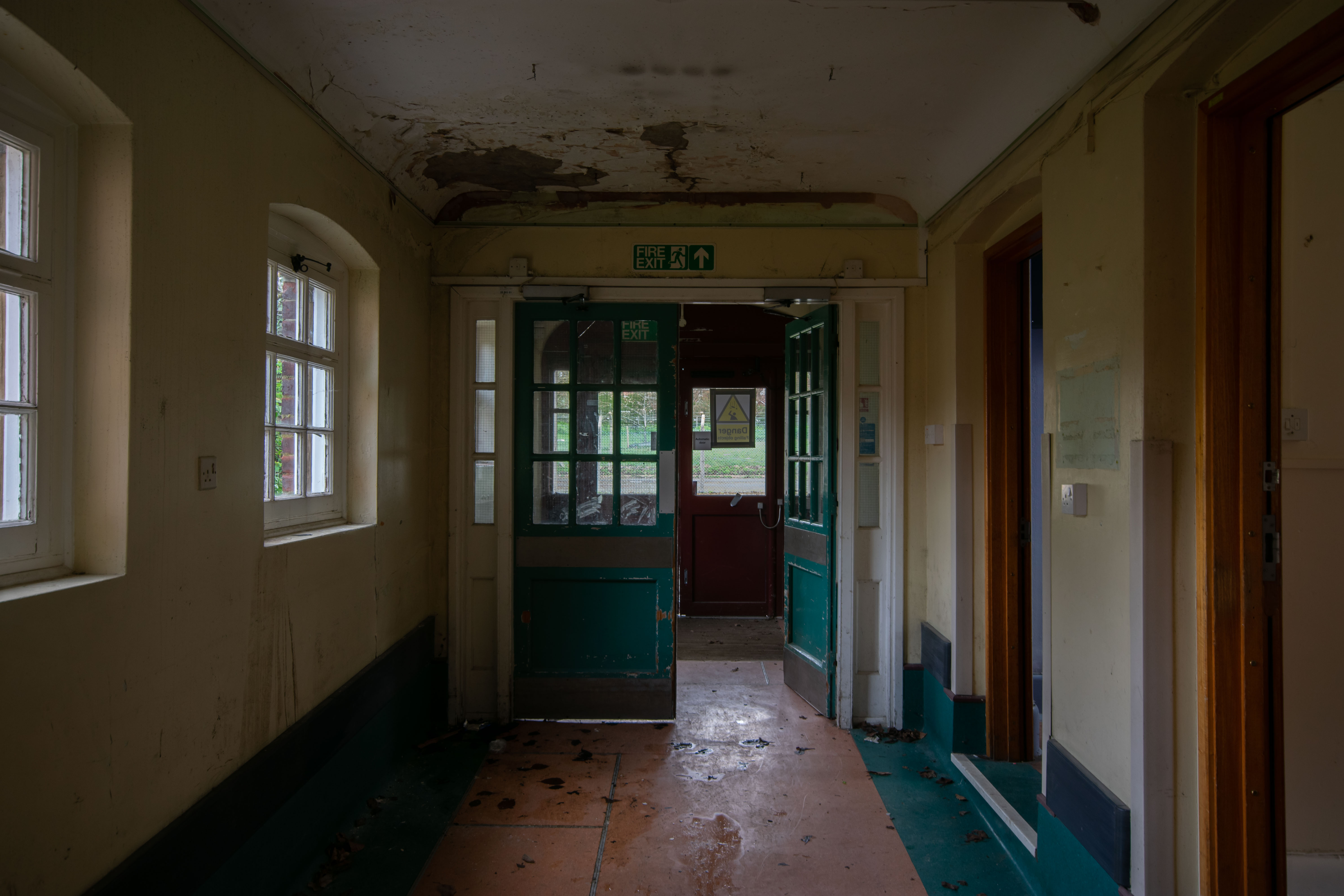
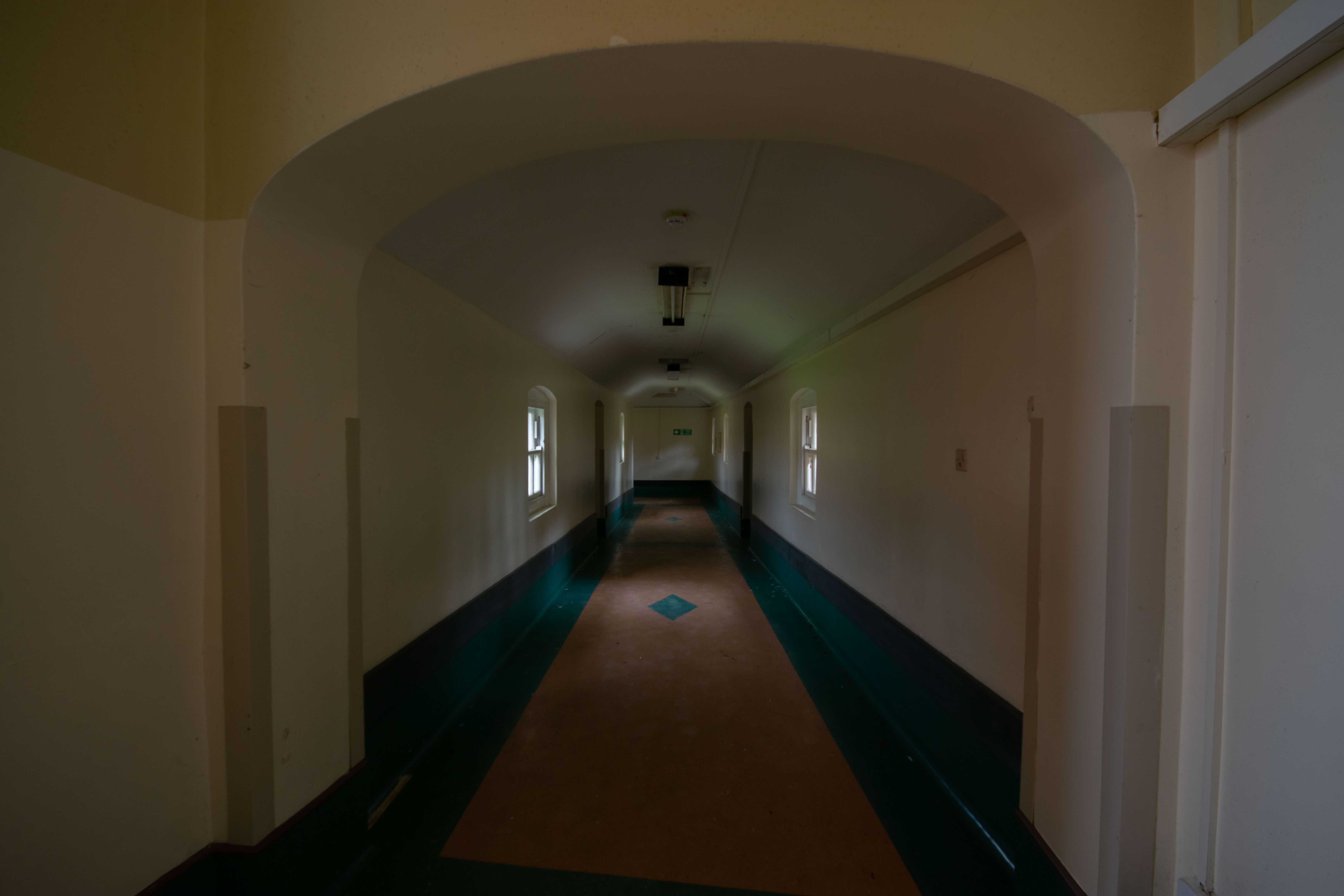
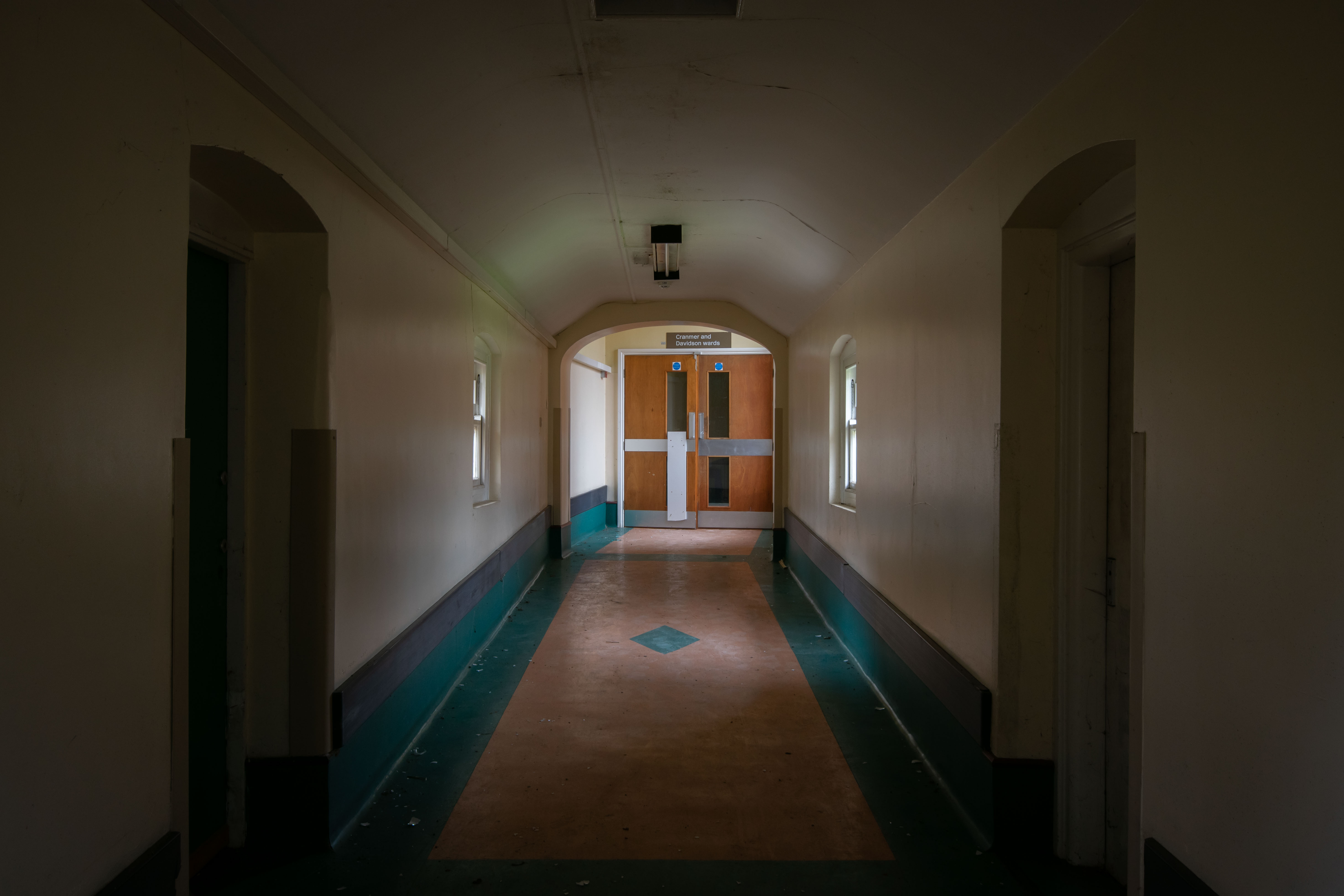
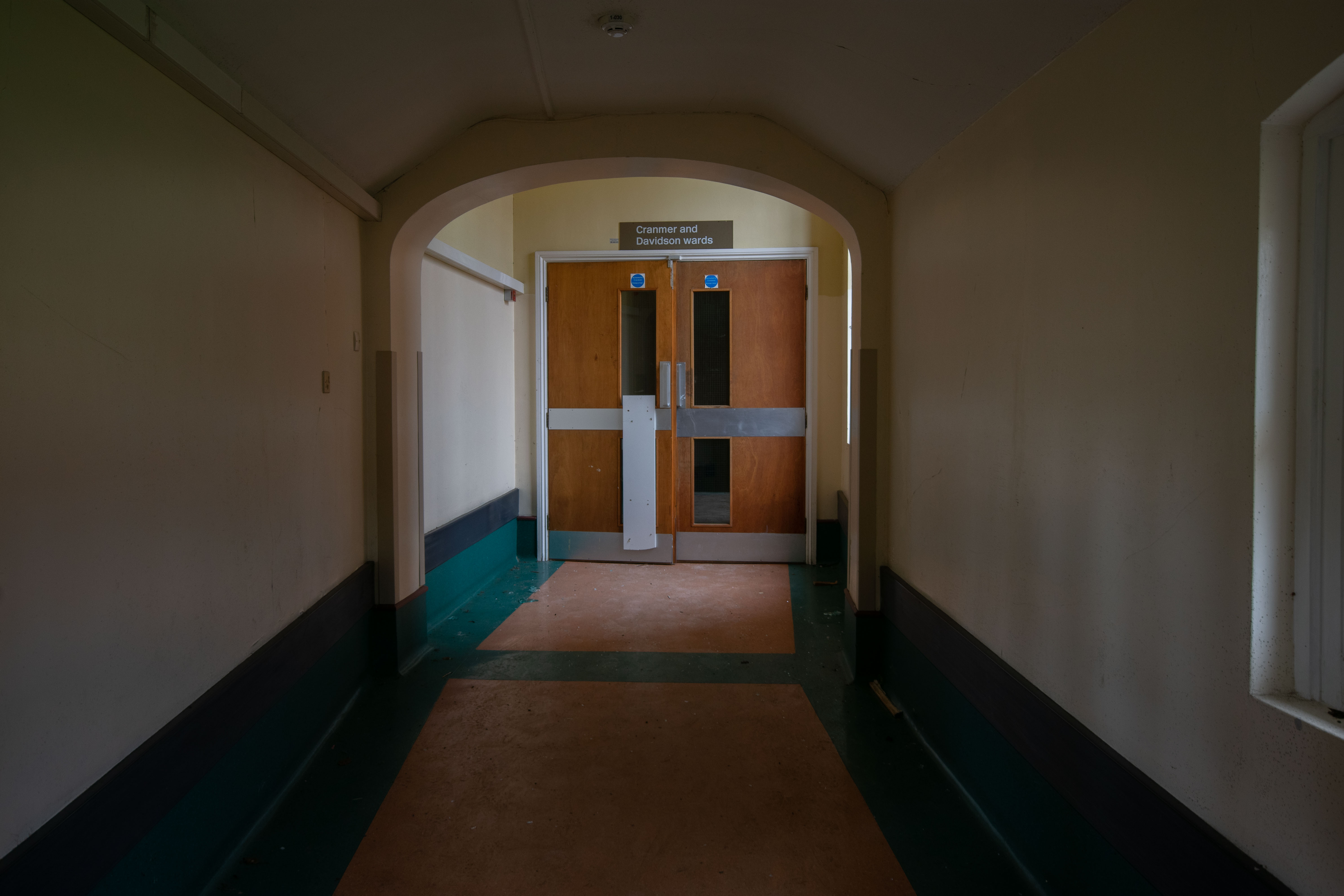
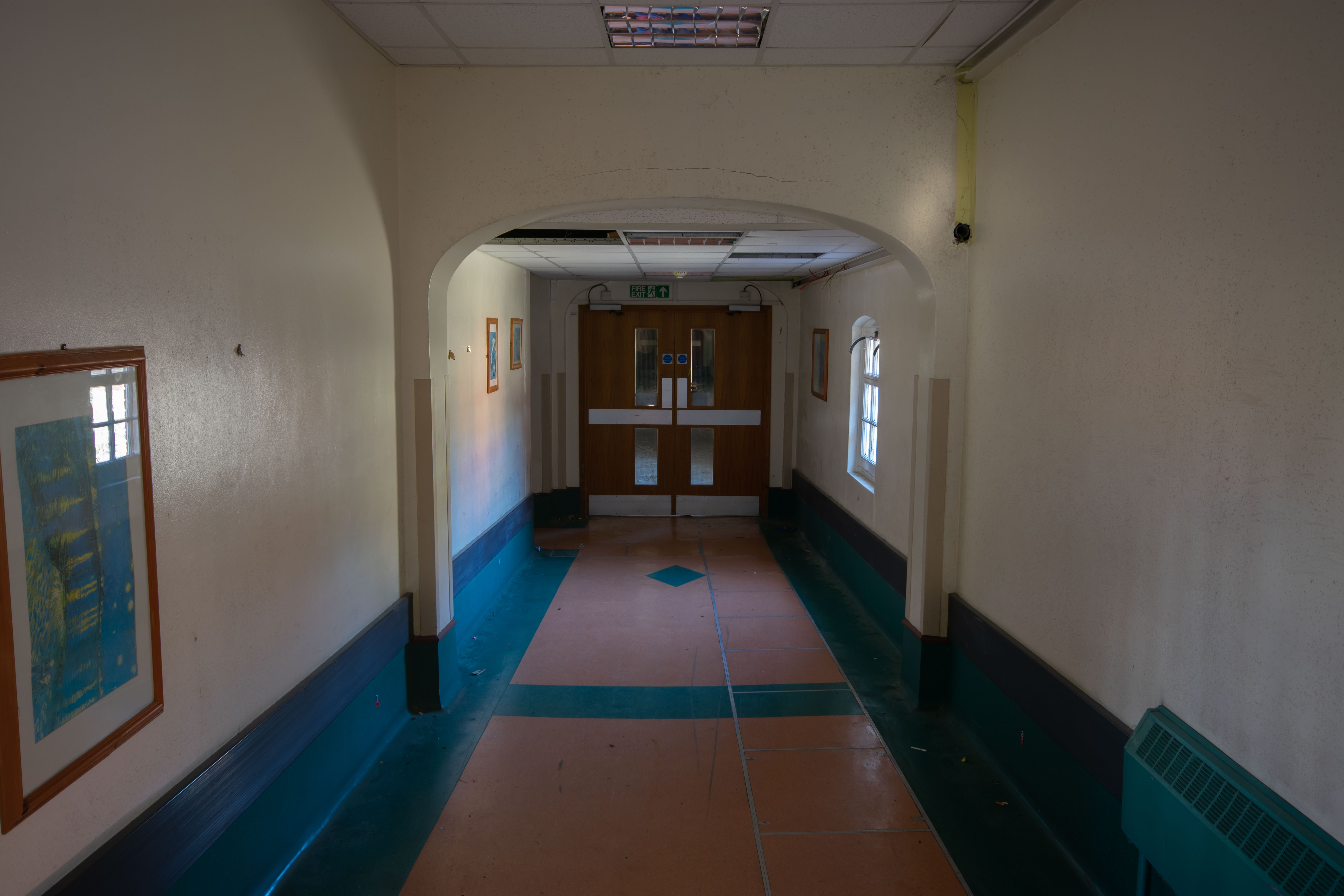
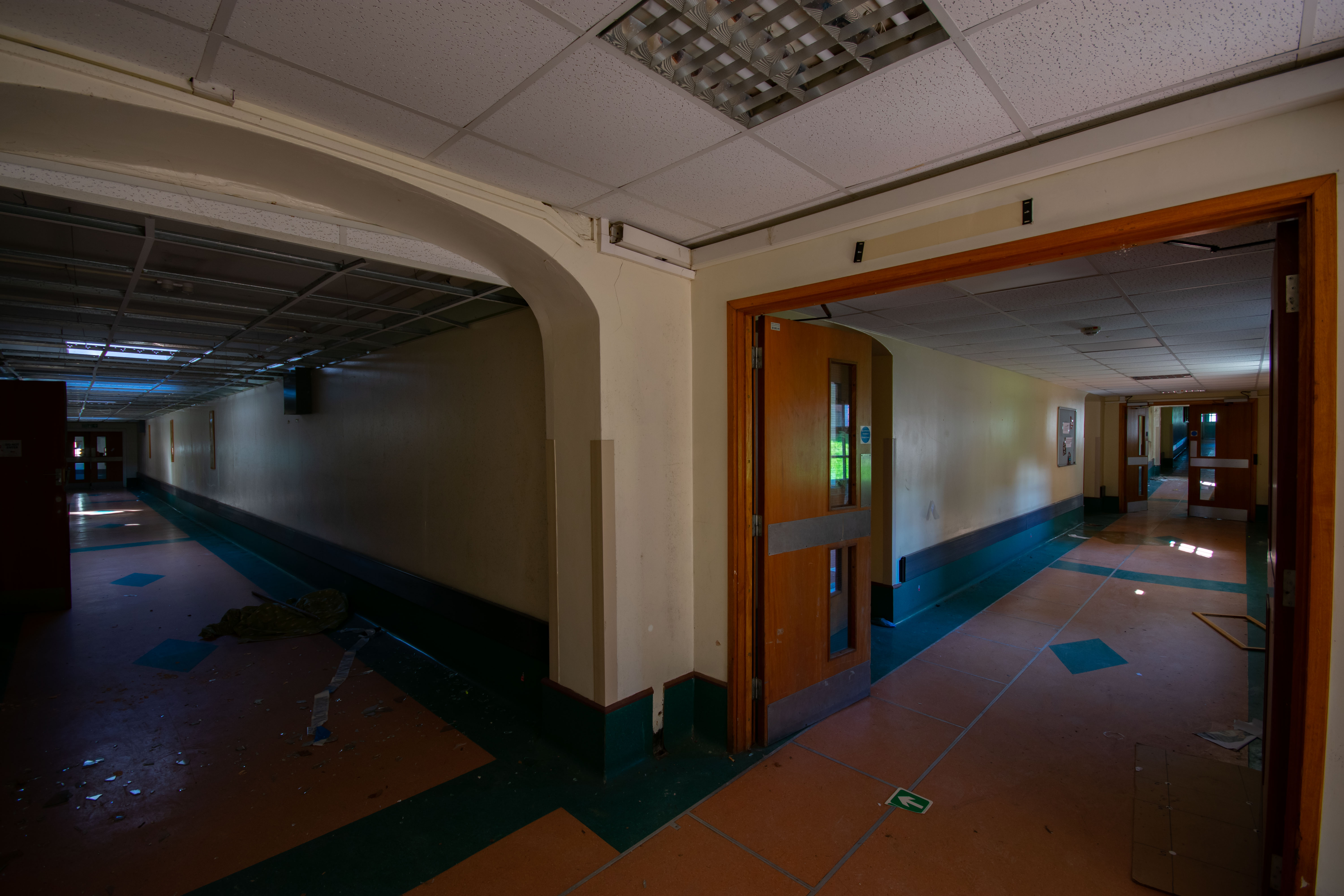
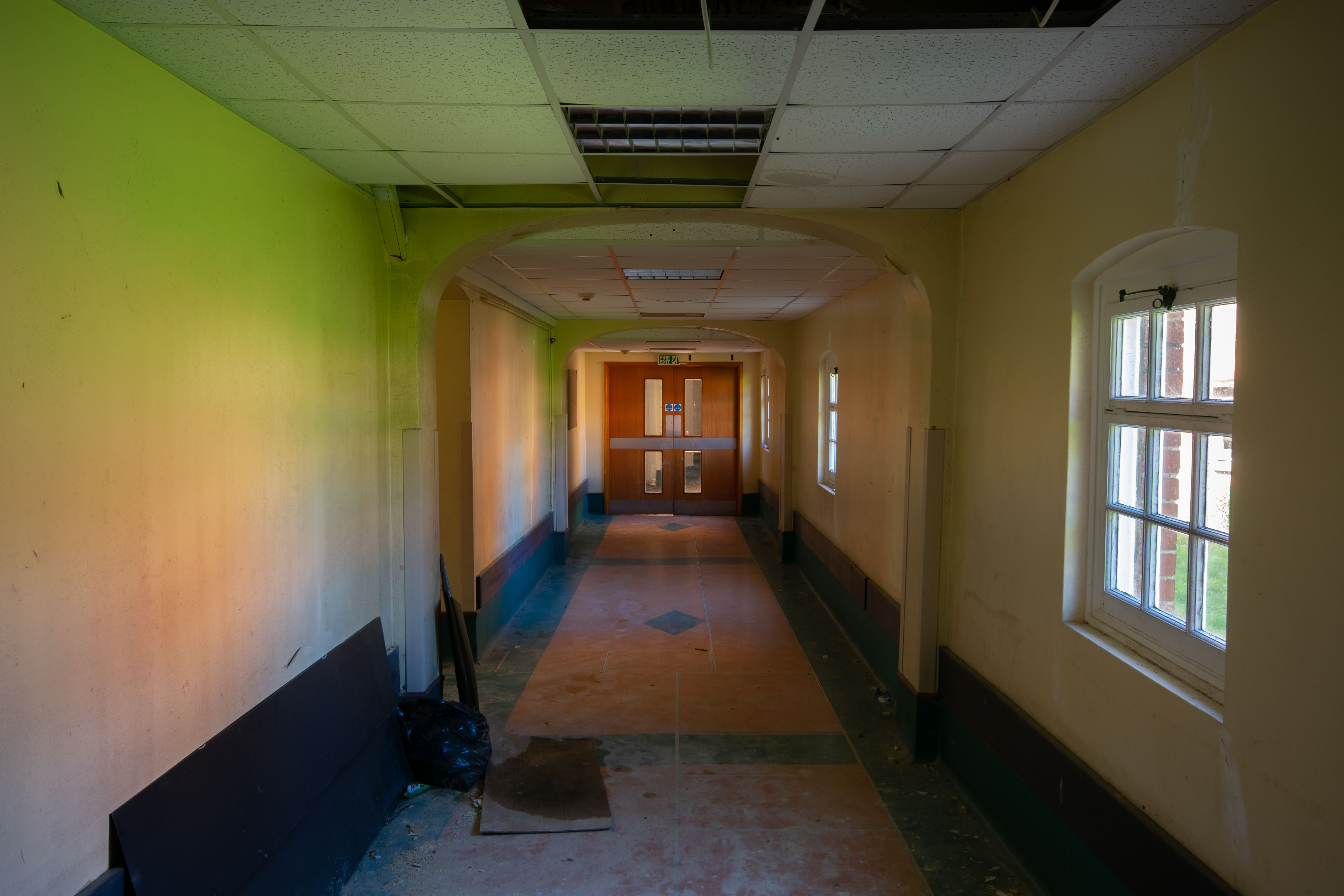
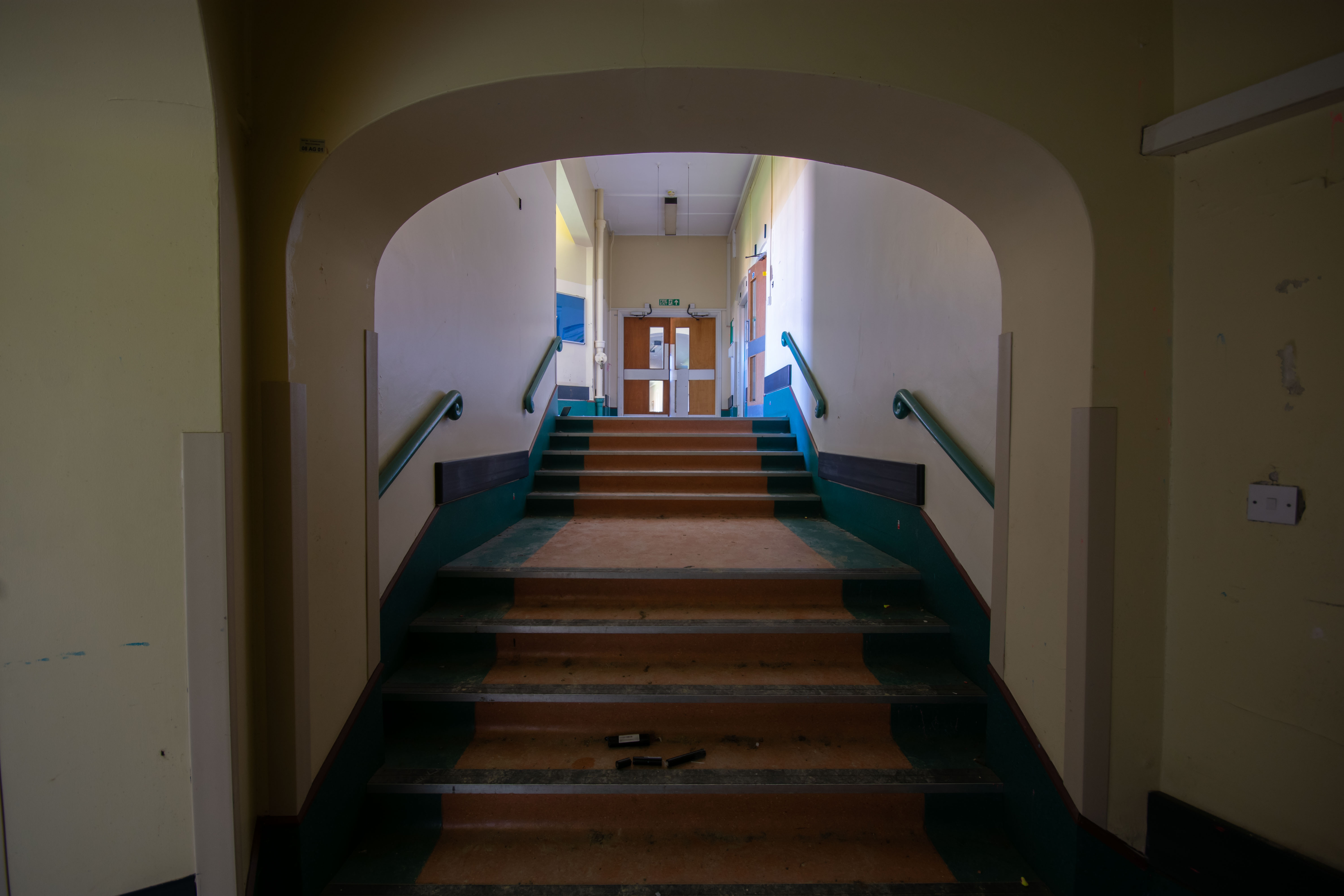
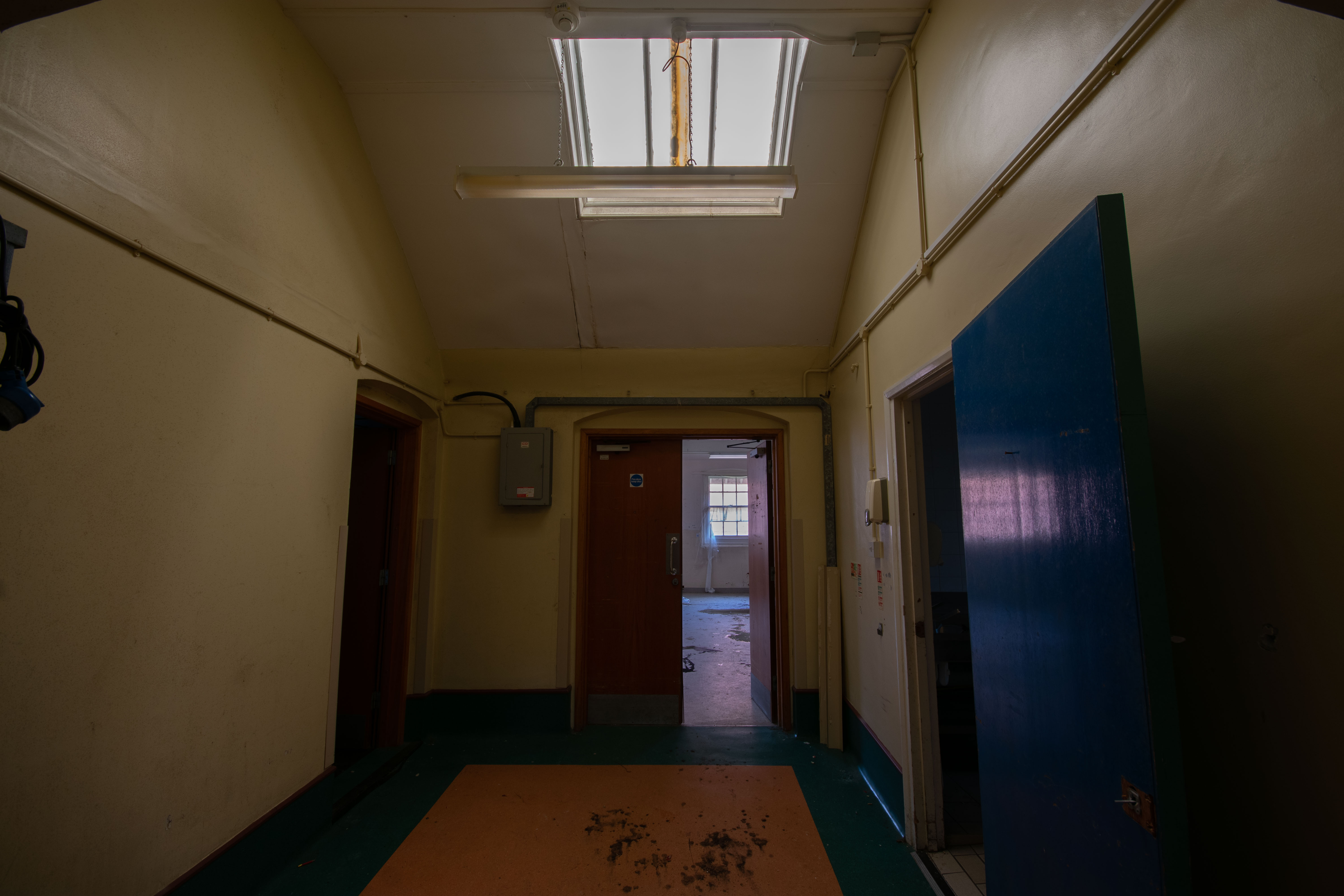
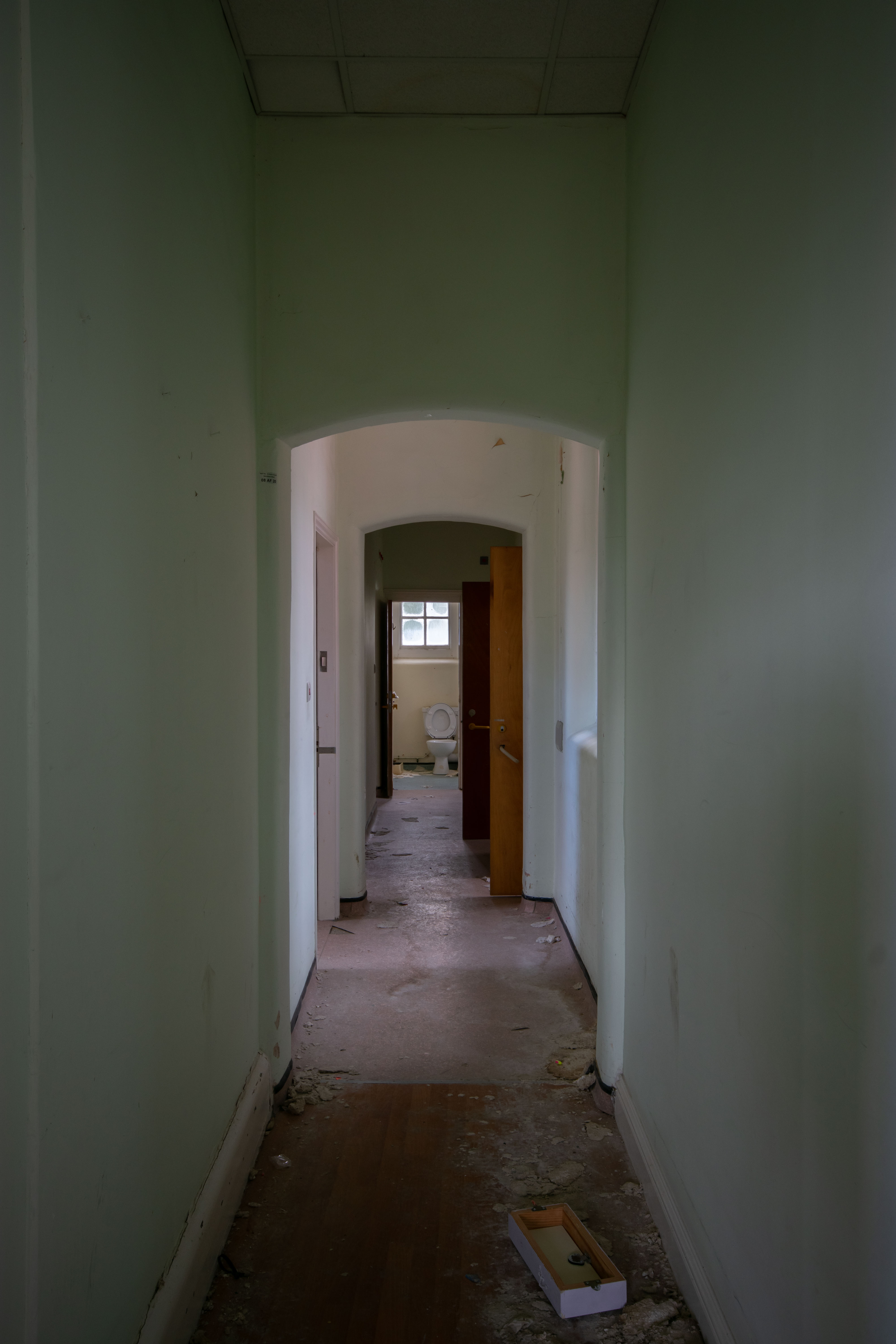
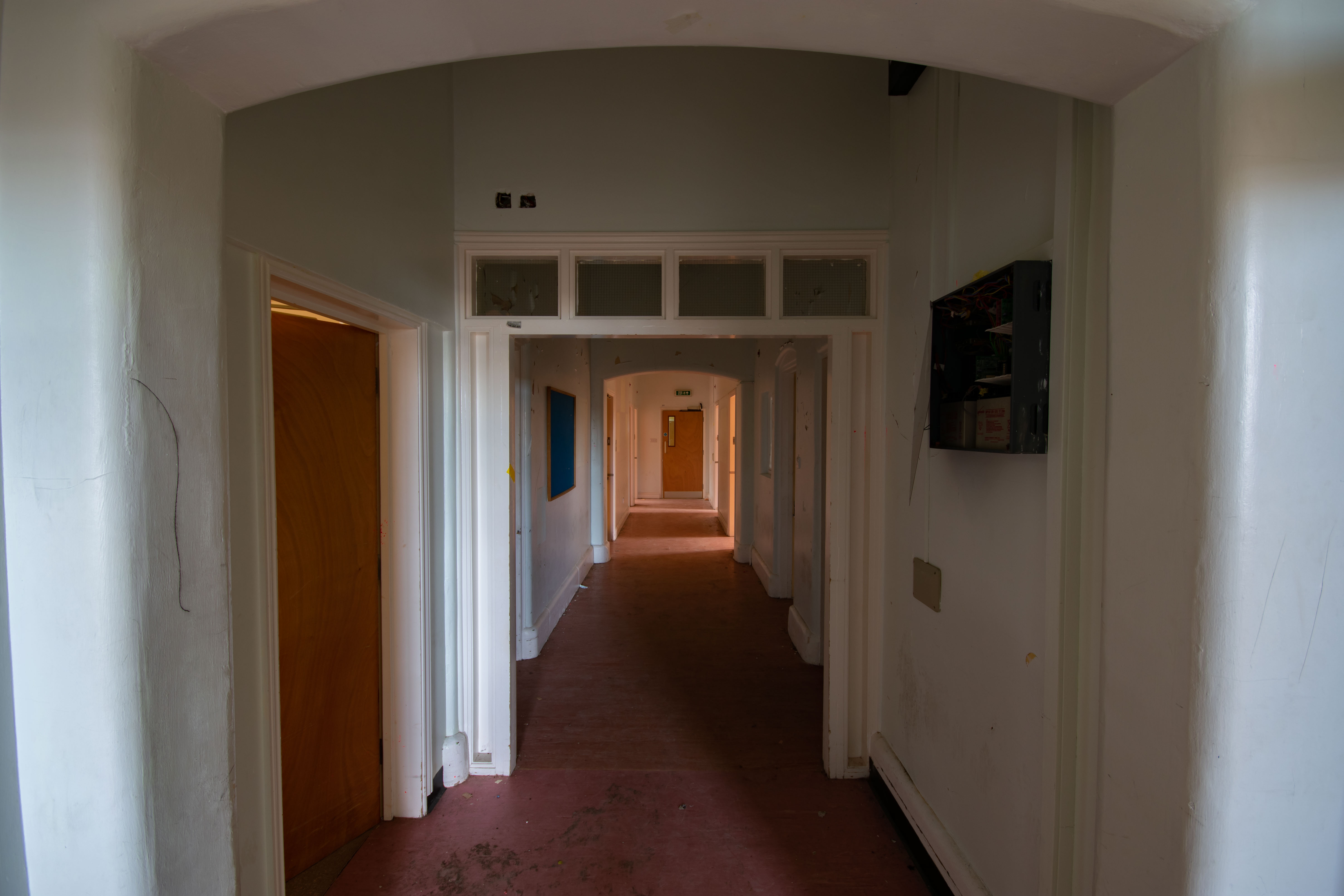
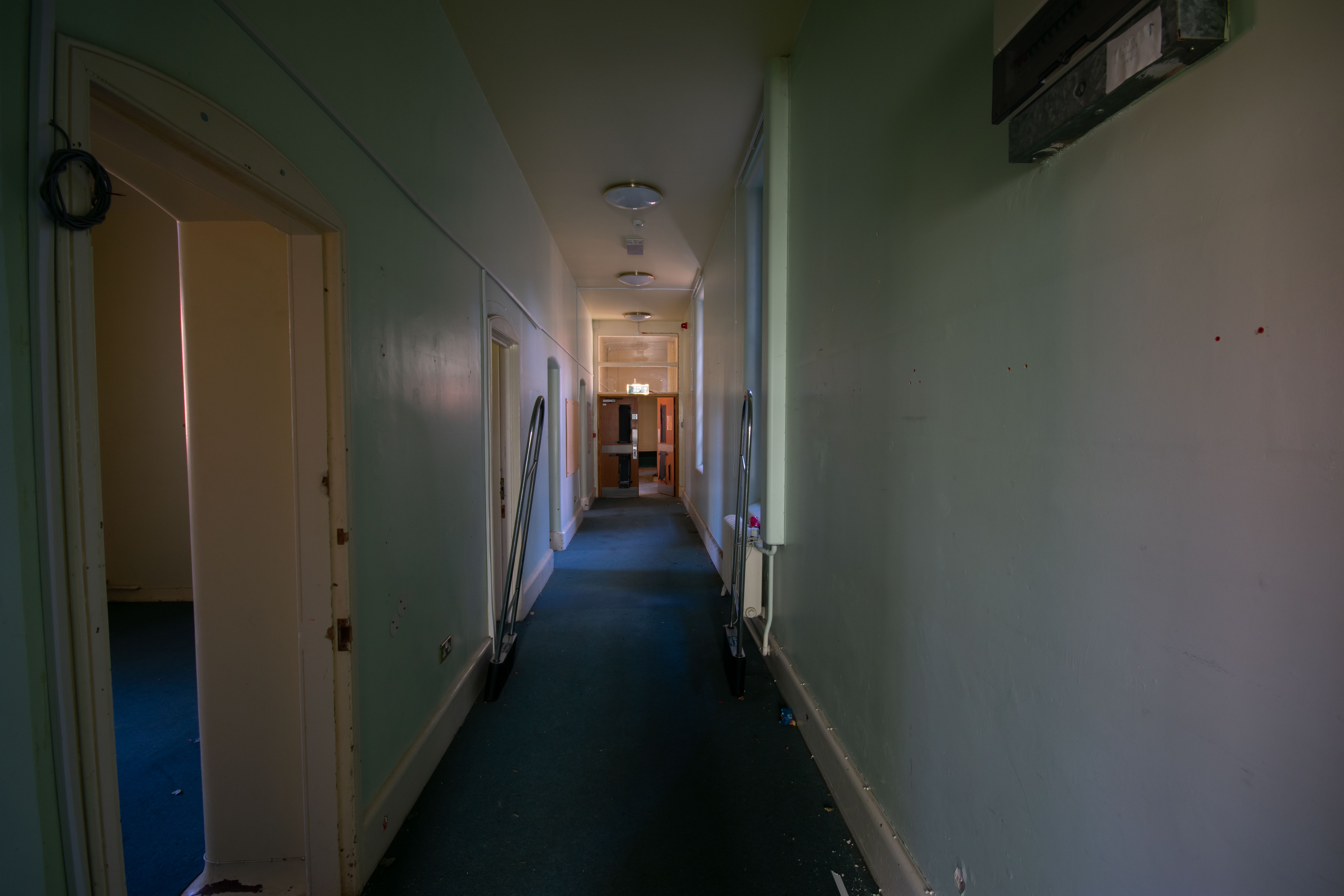
The extensive corridors of the hospital.







MAIN HALL
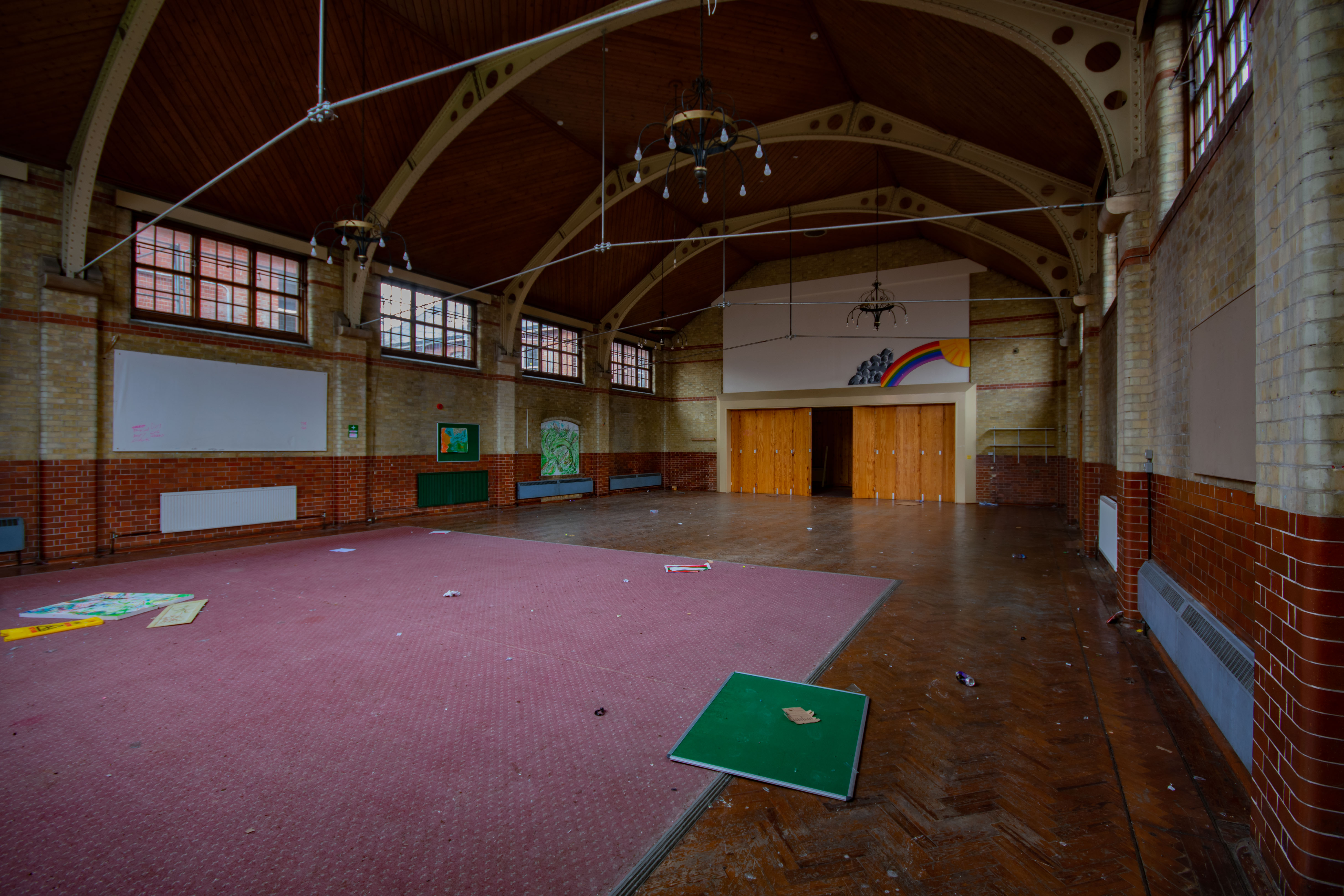
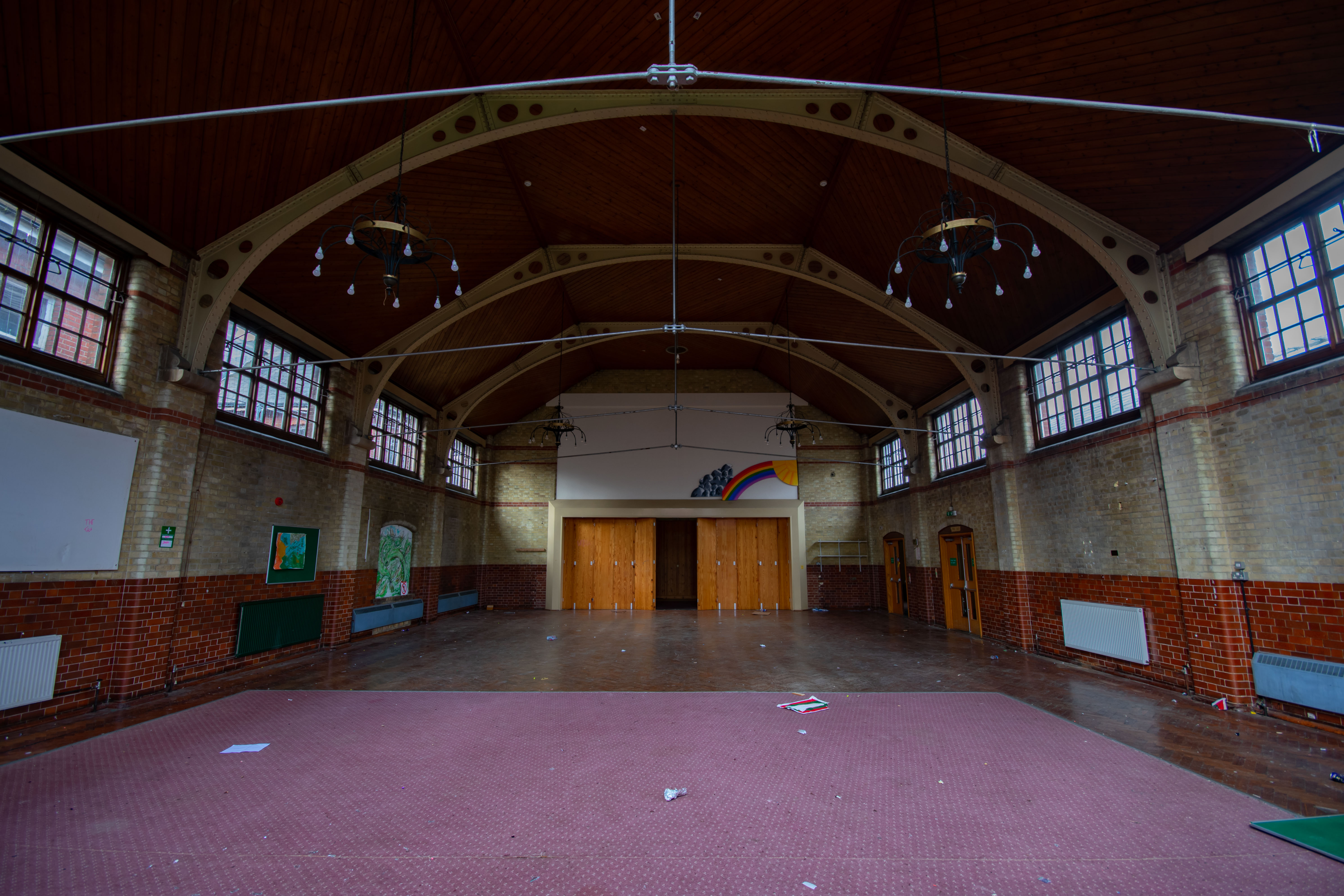
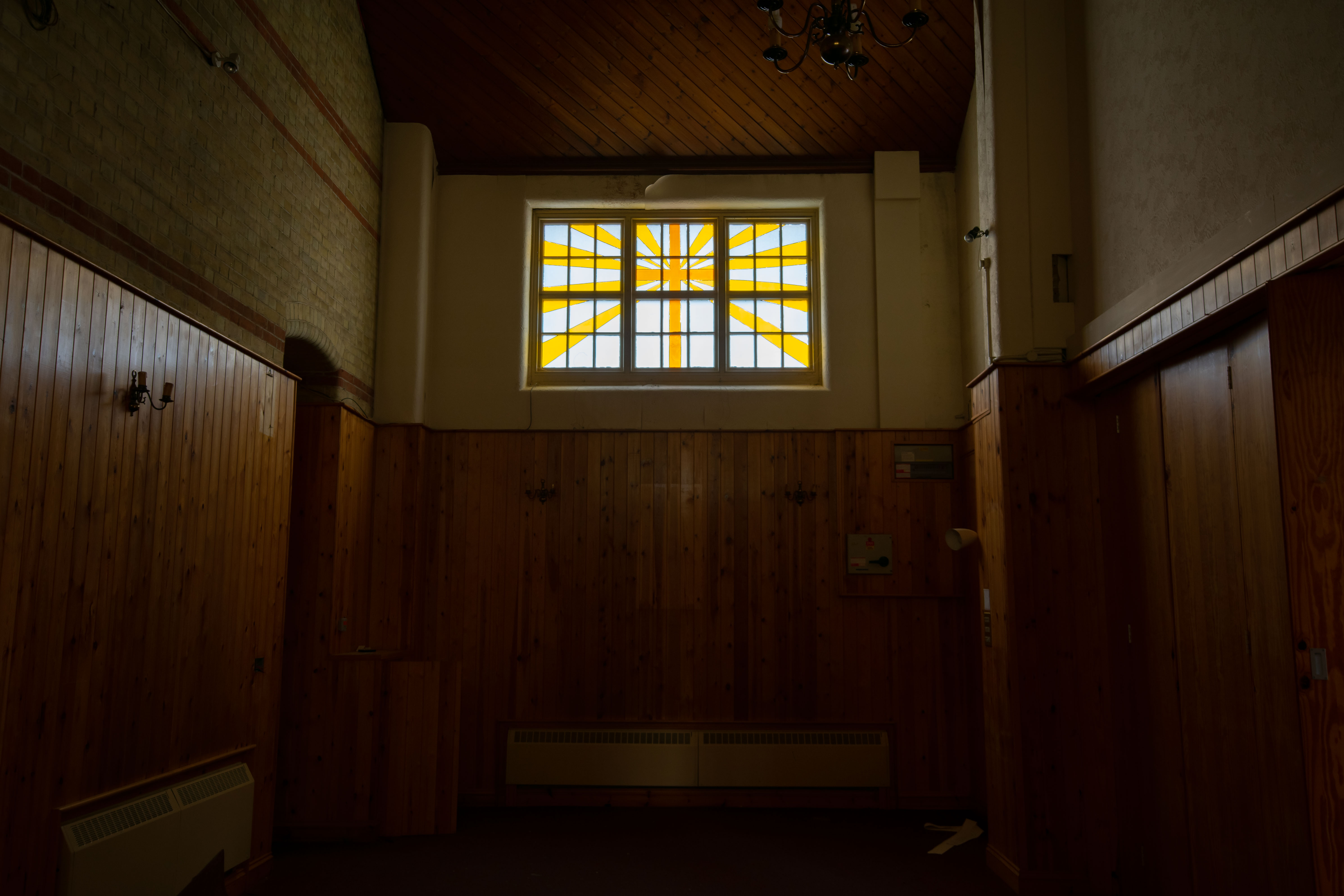
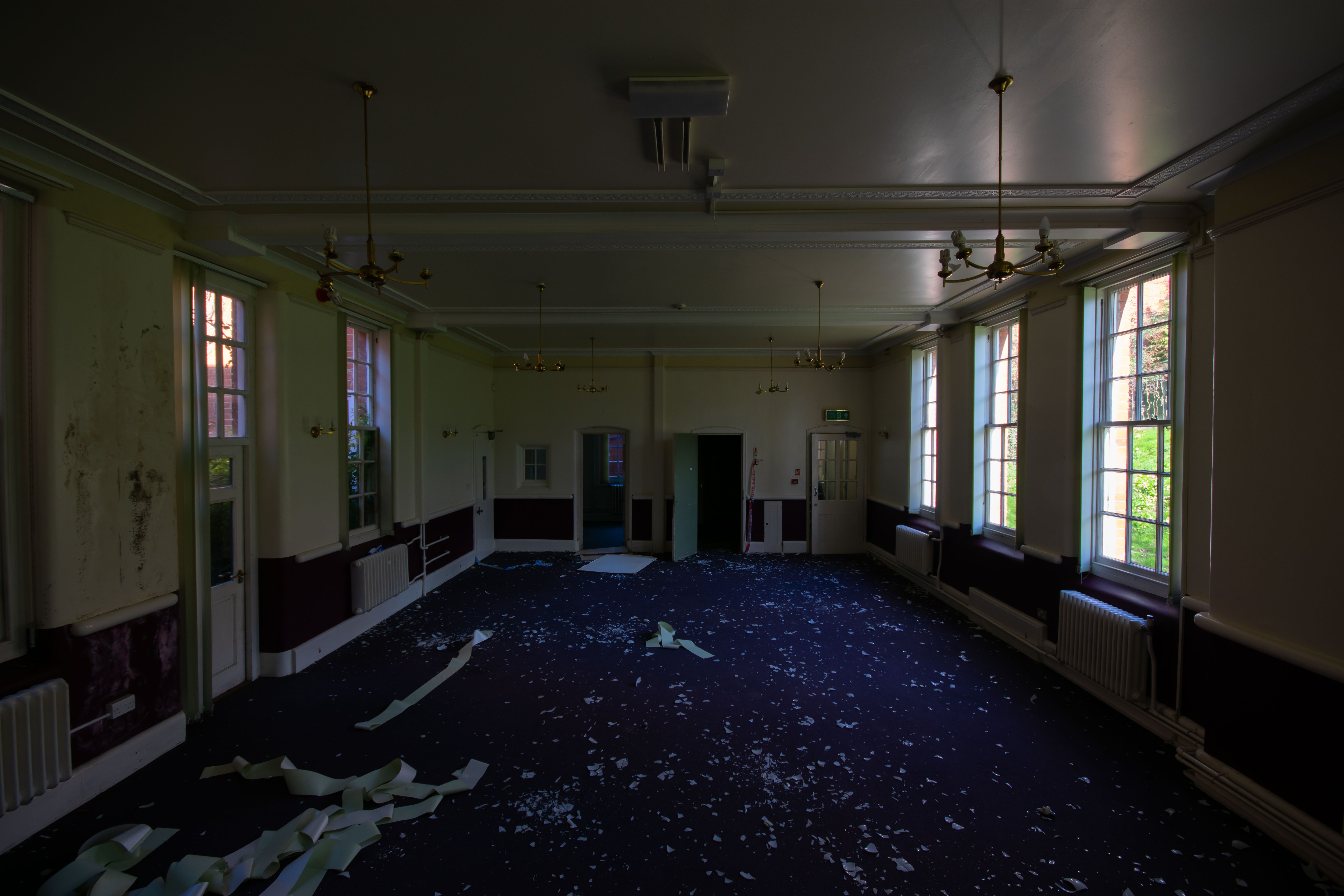
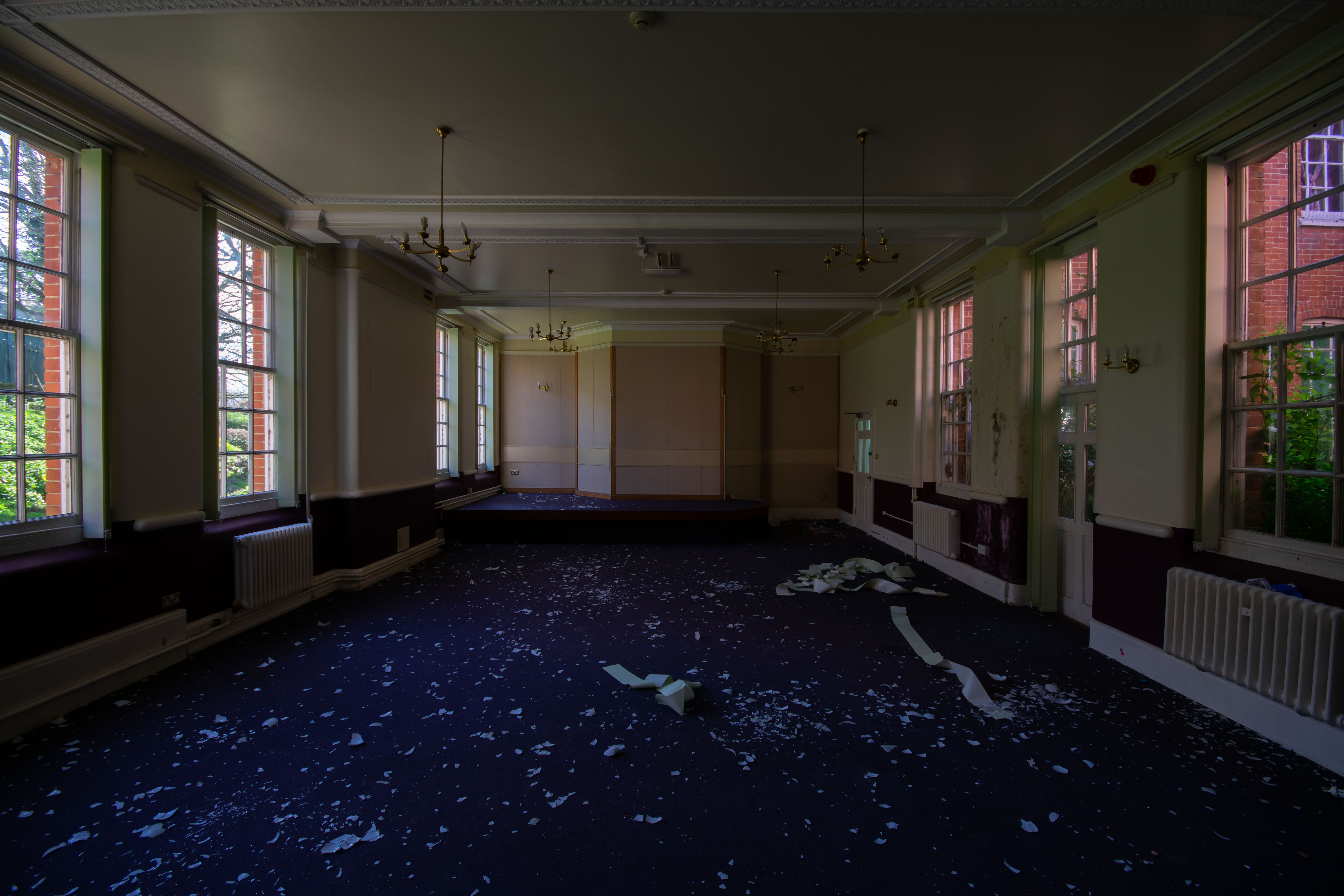
The main hall, with the chapel at the far end. Impressive cast iron arches support the roof.




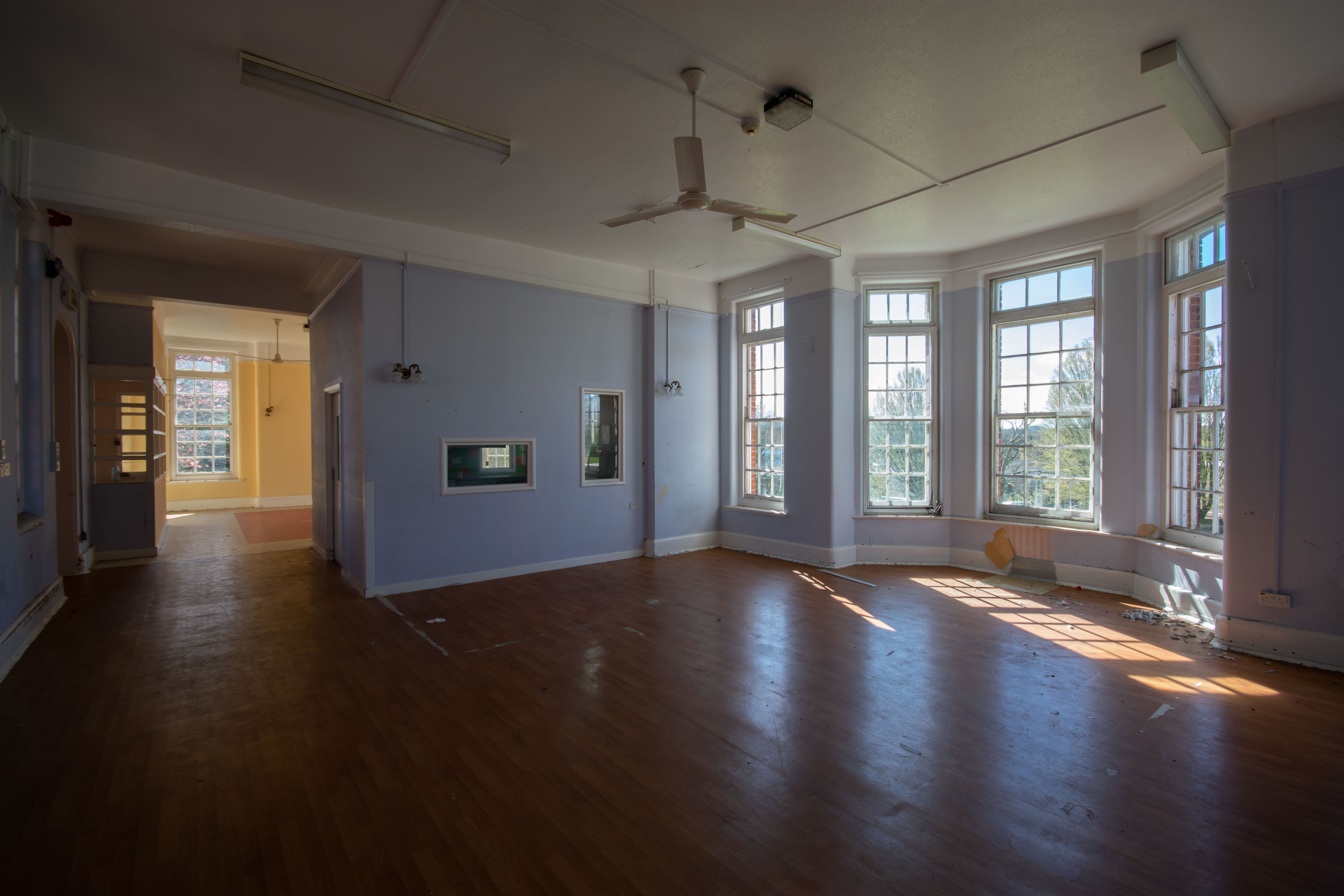
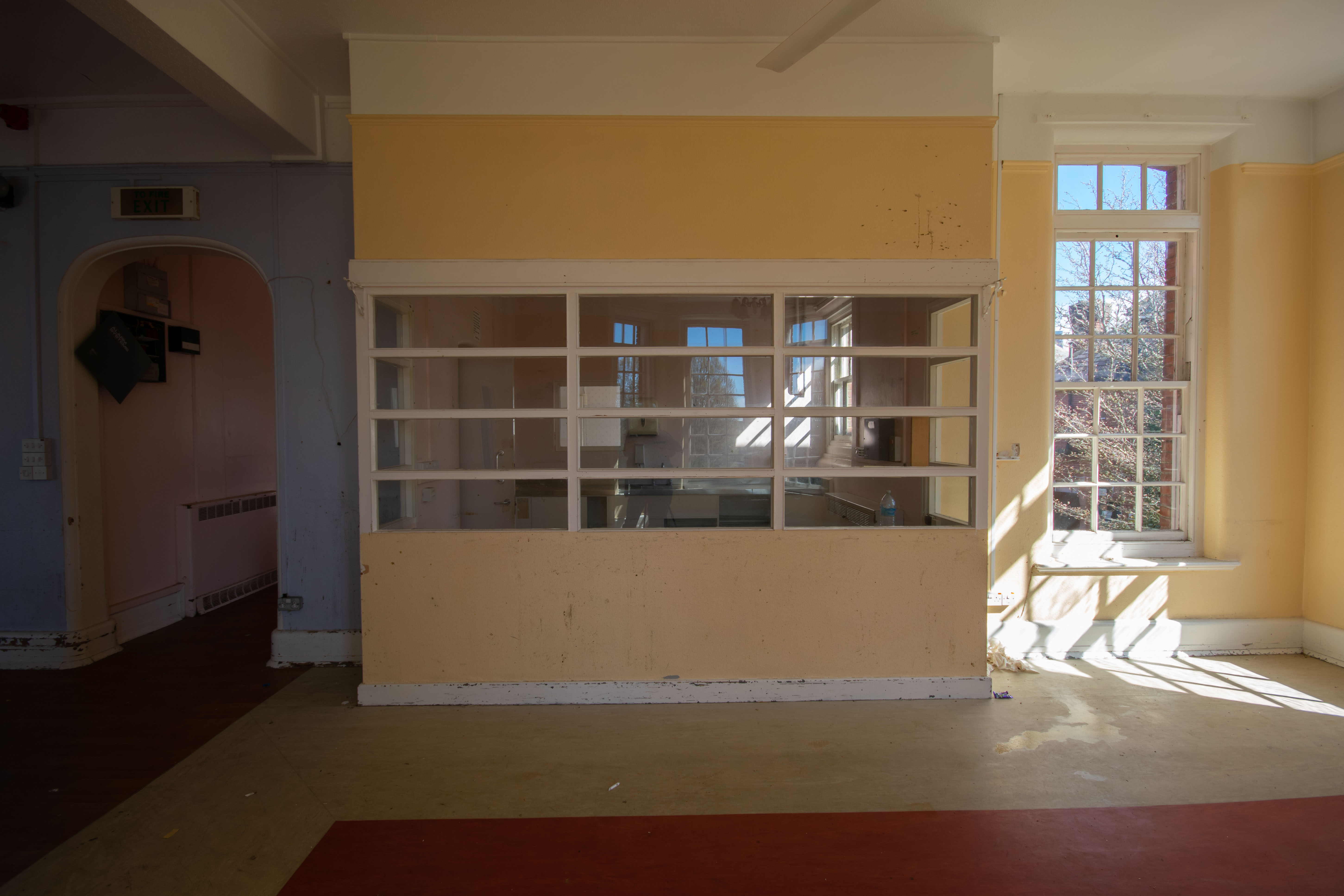
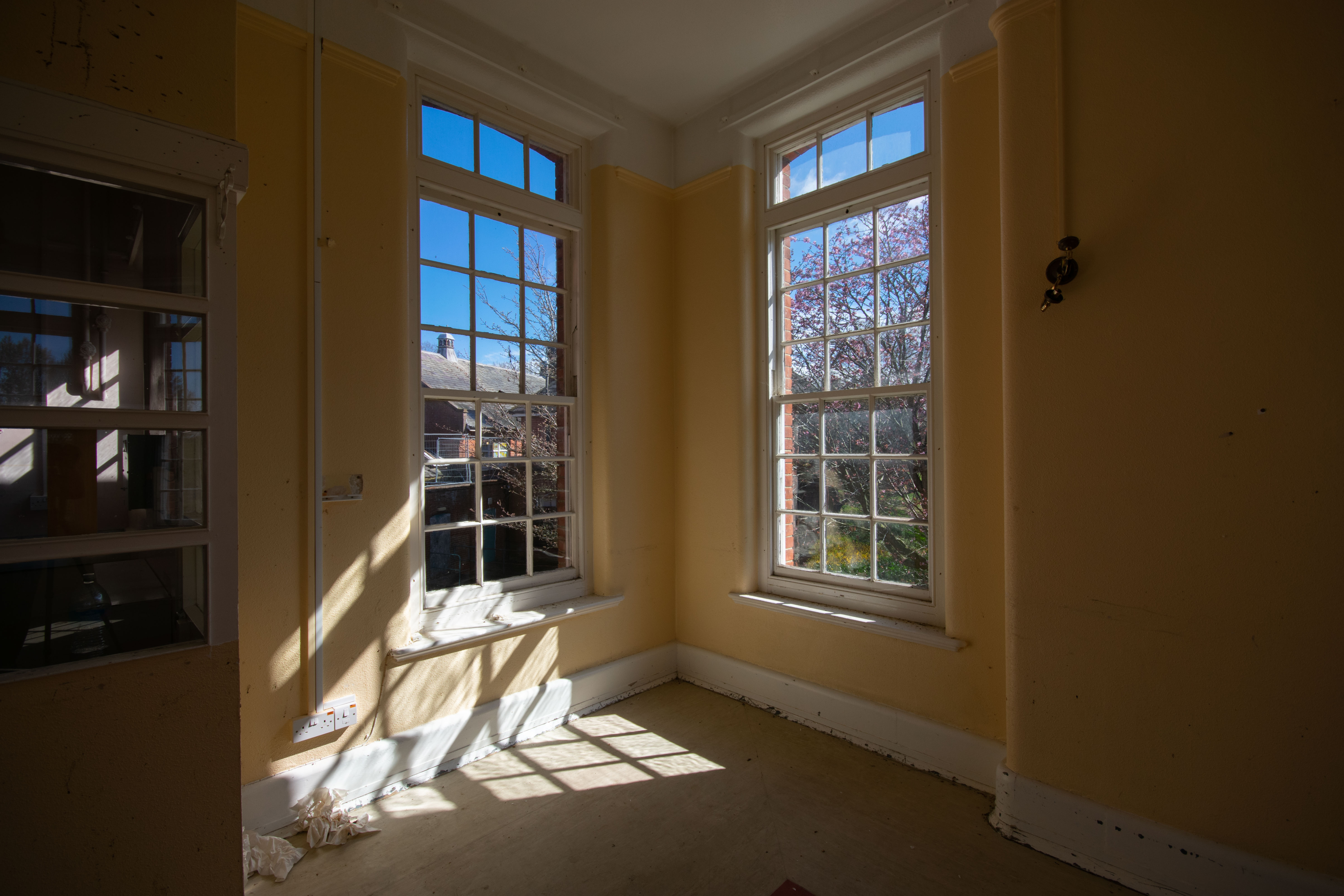
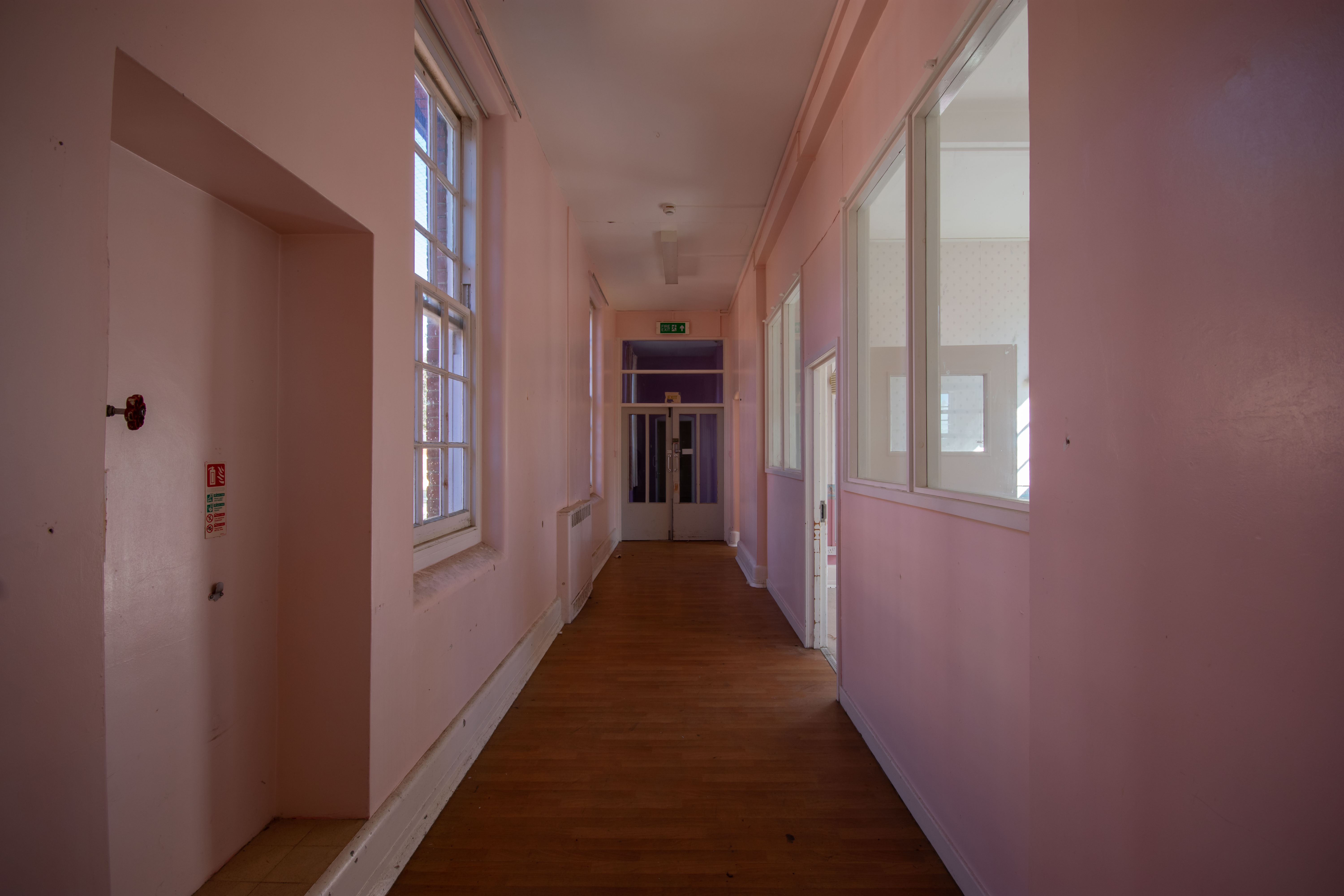
WARDS
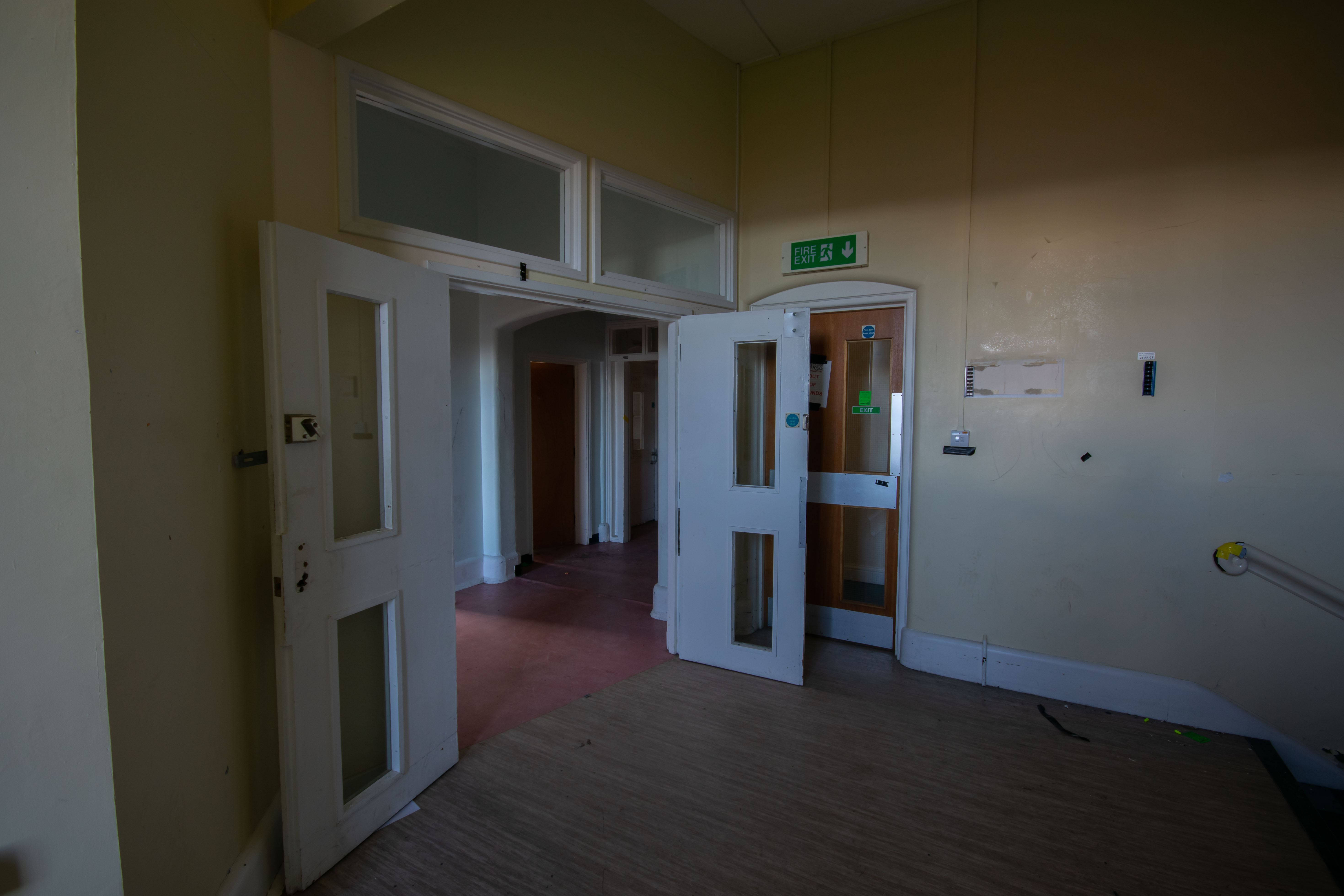
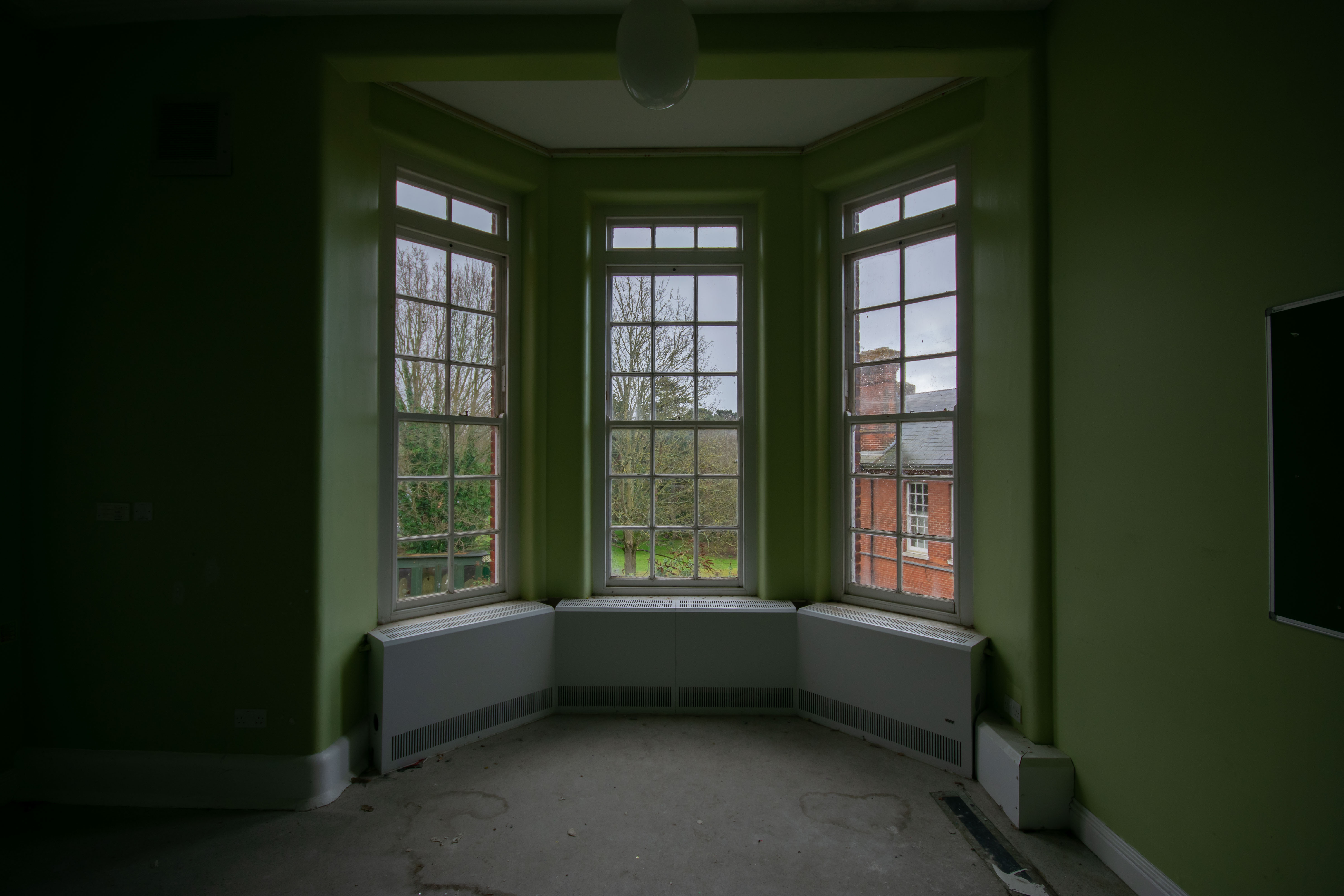
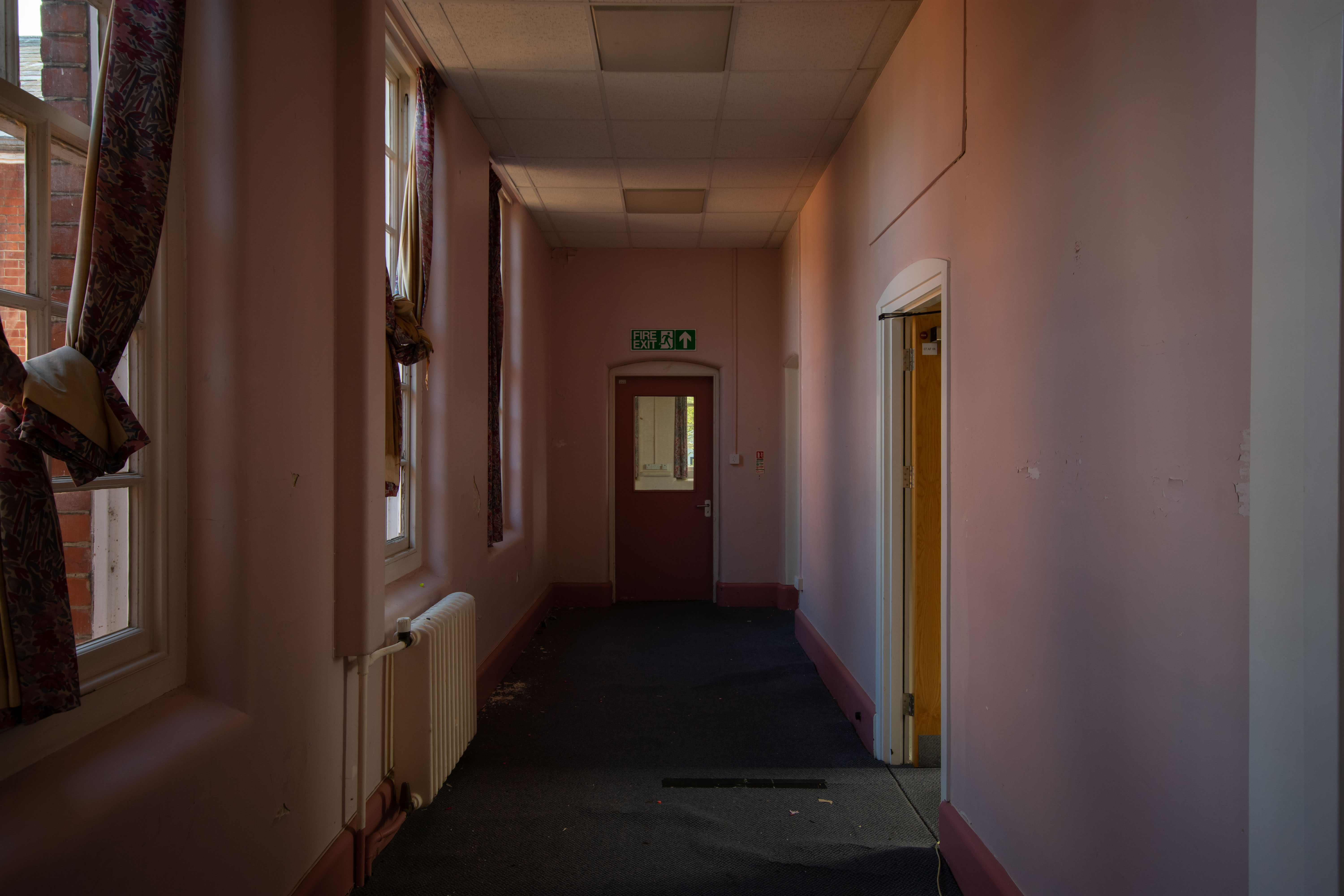
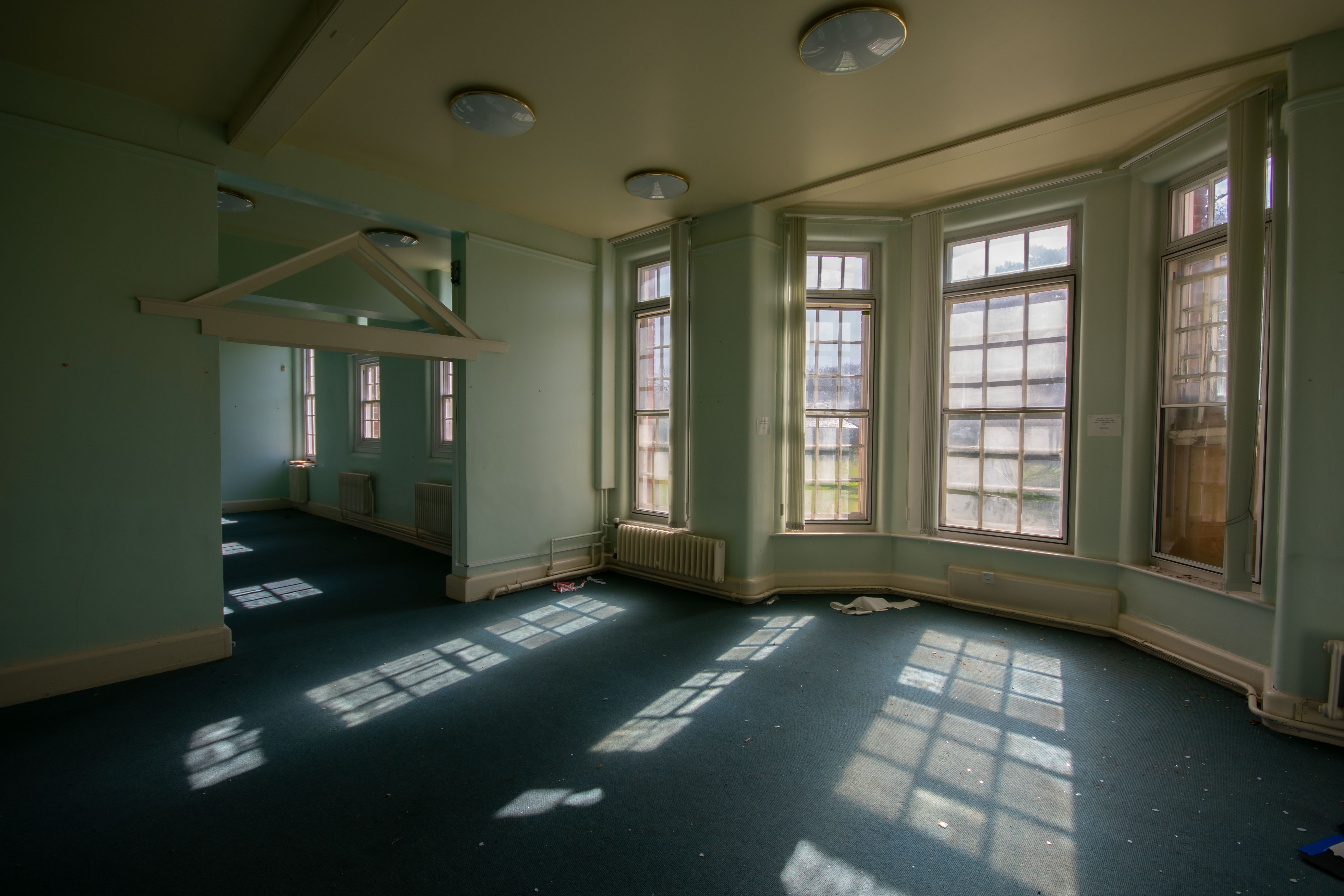
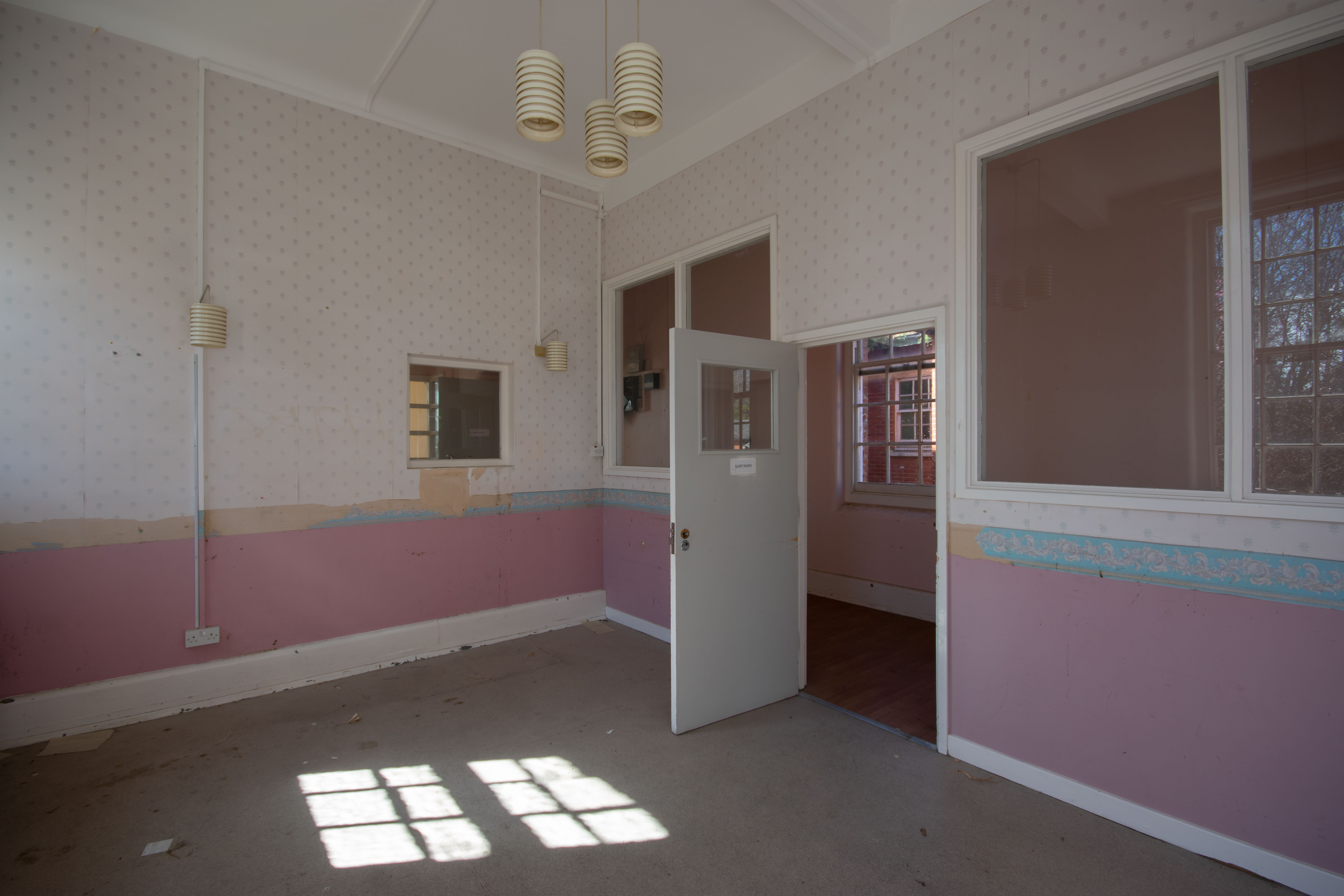
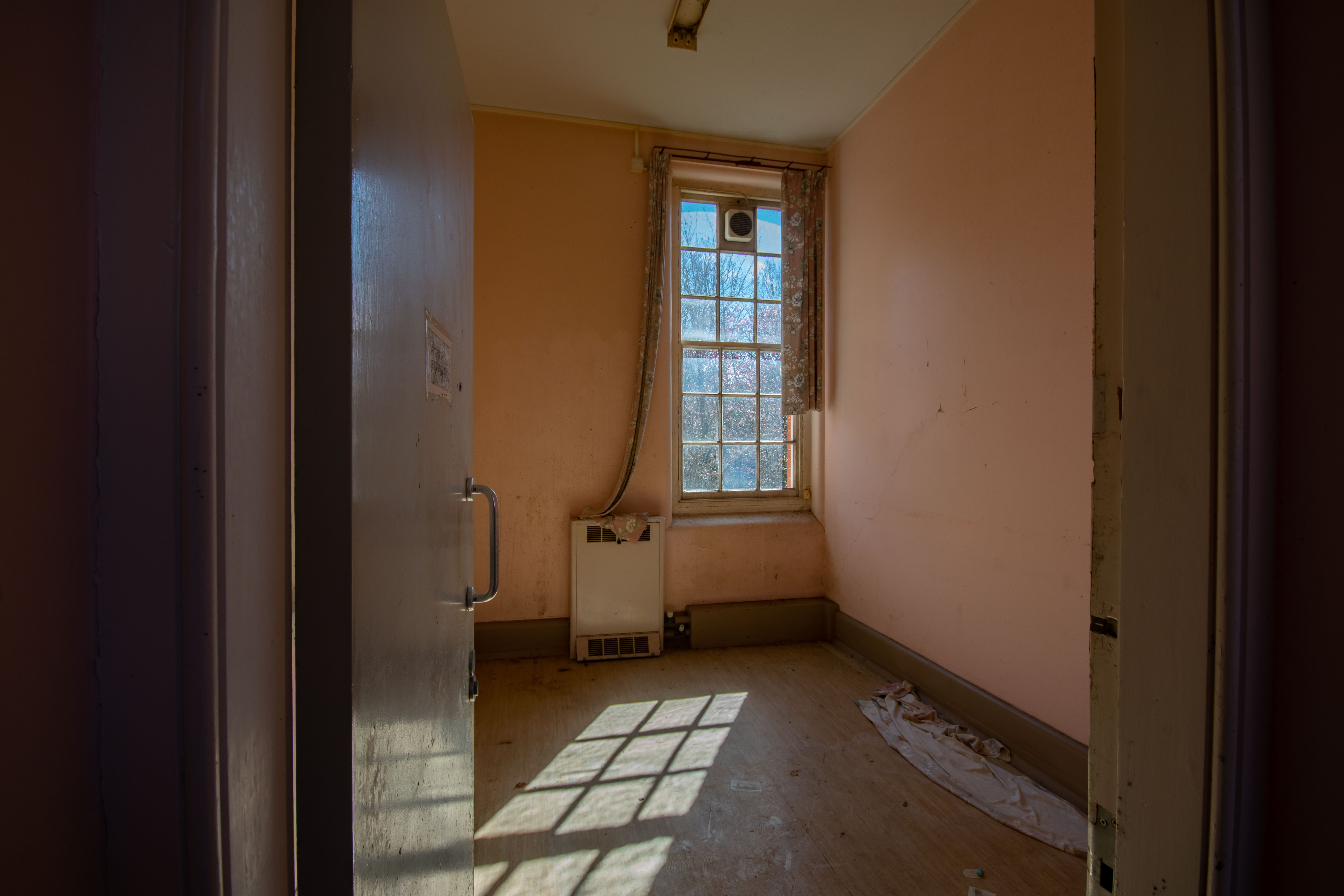
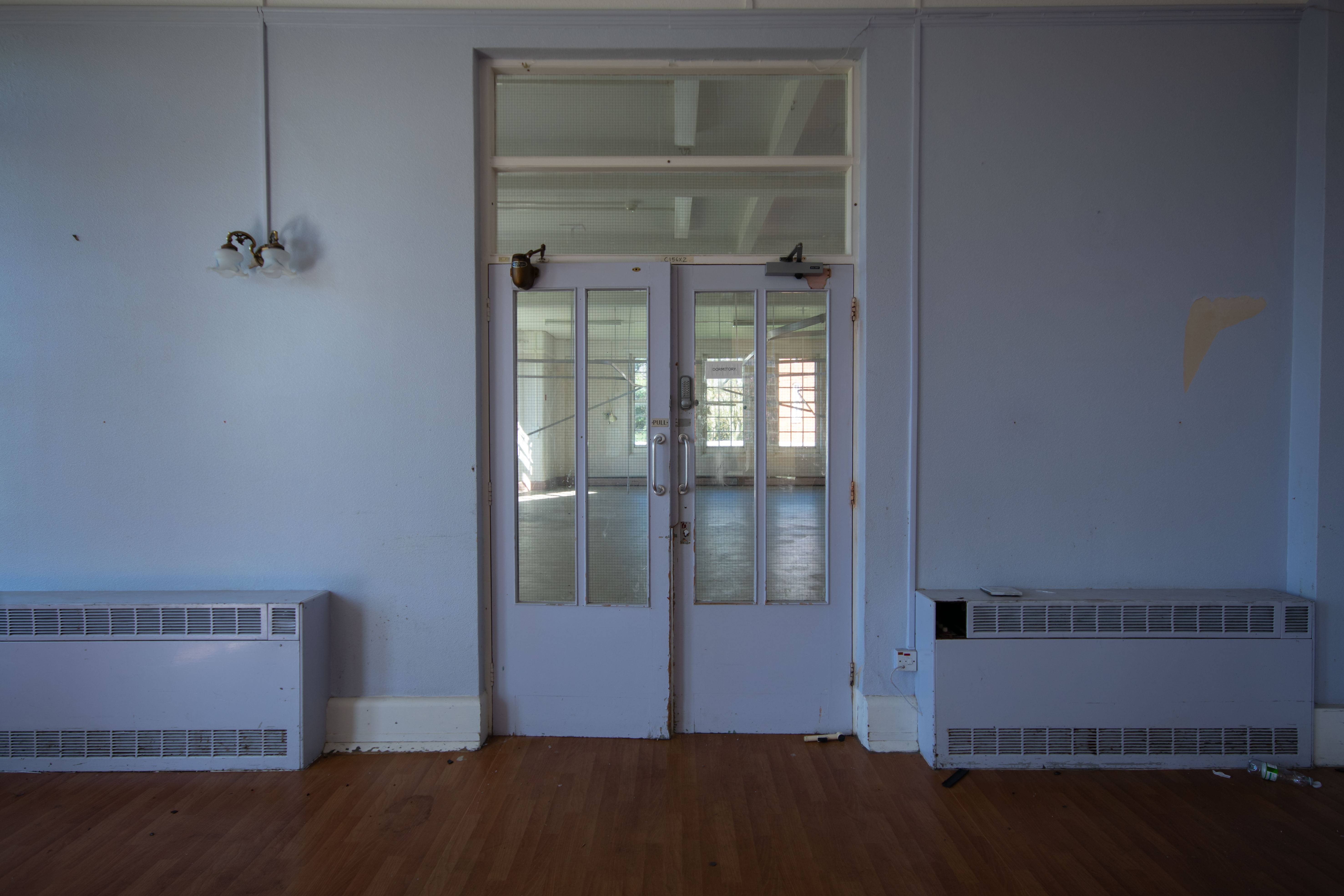
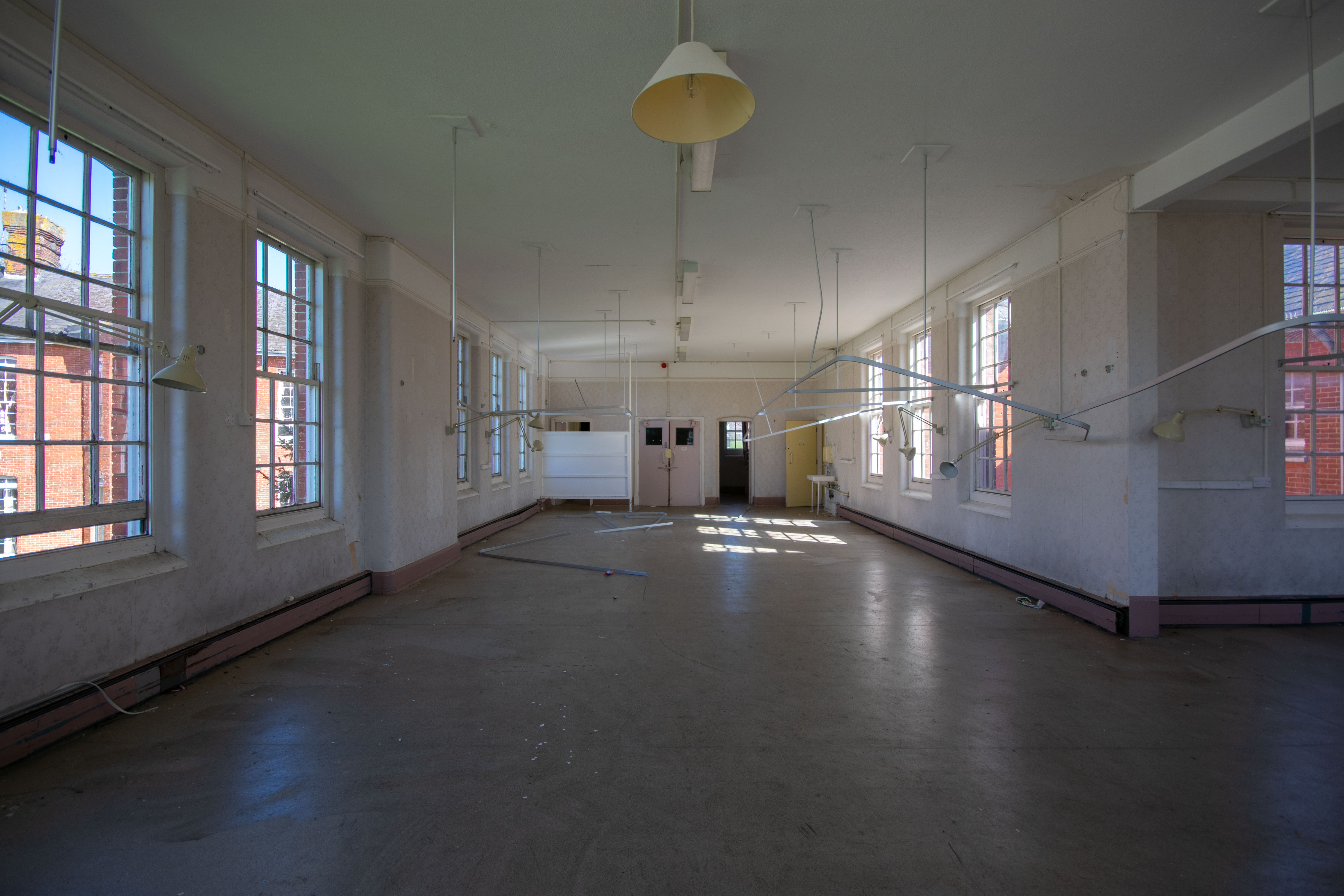
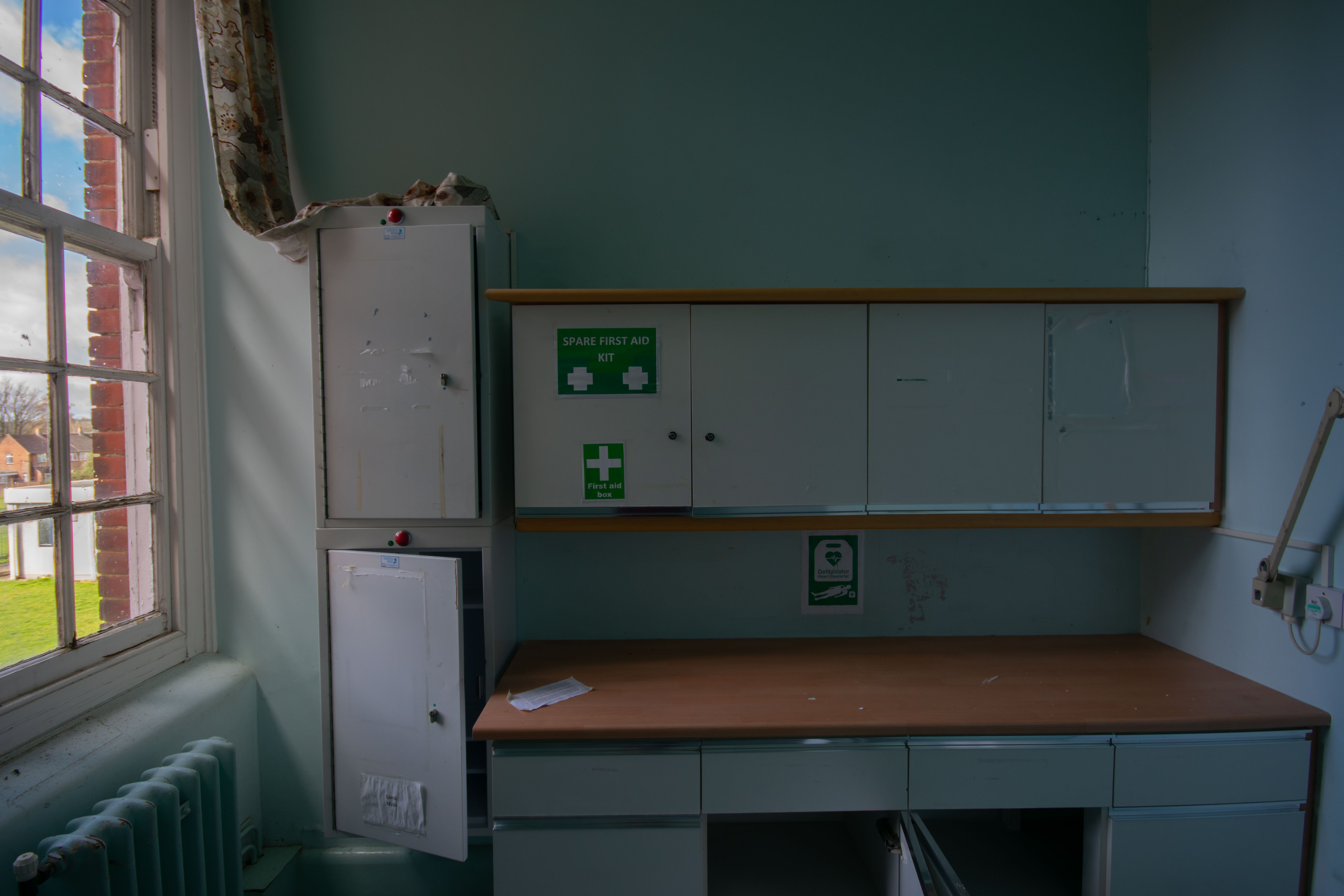
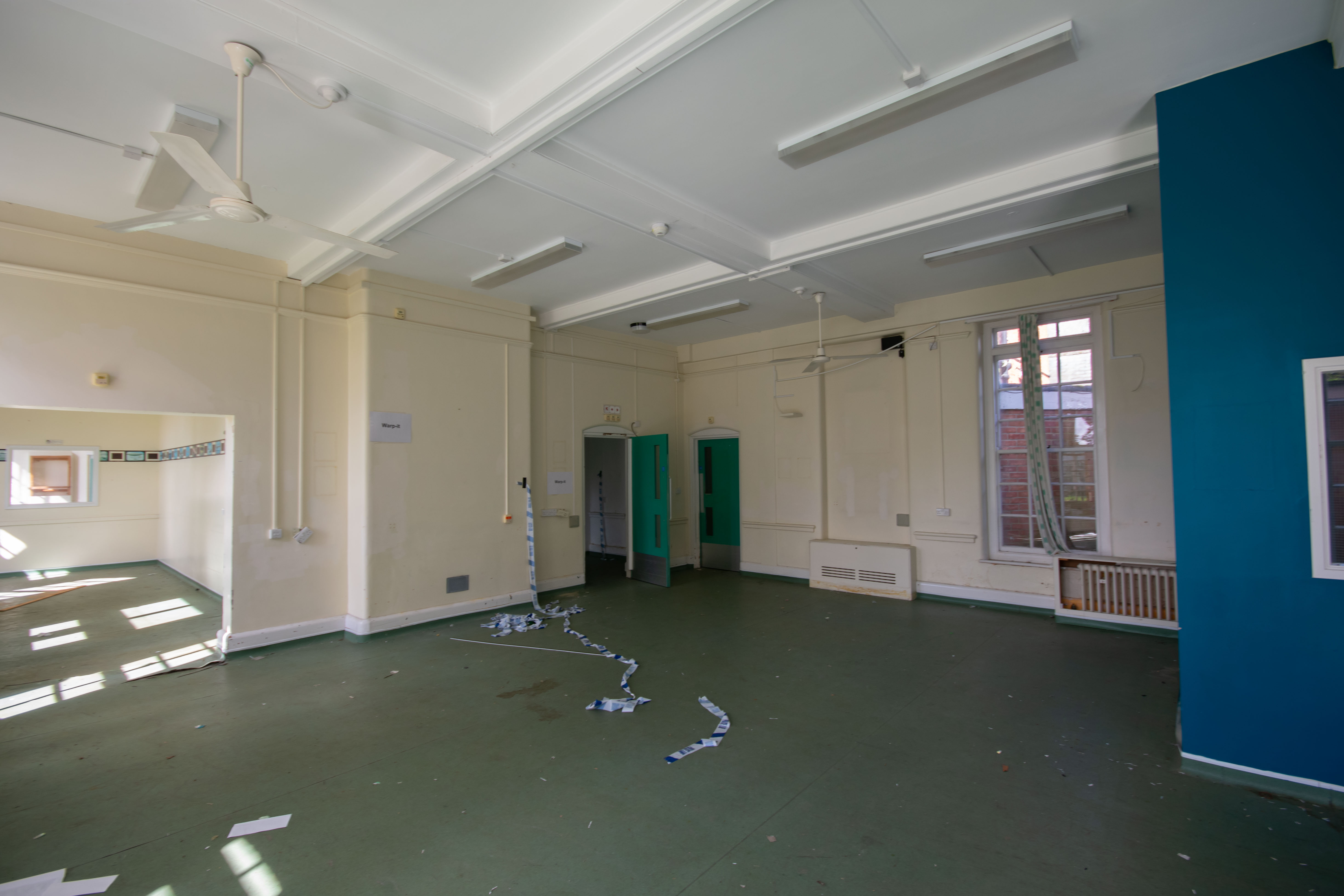
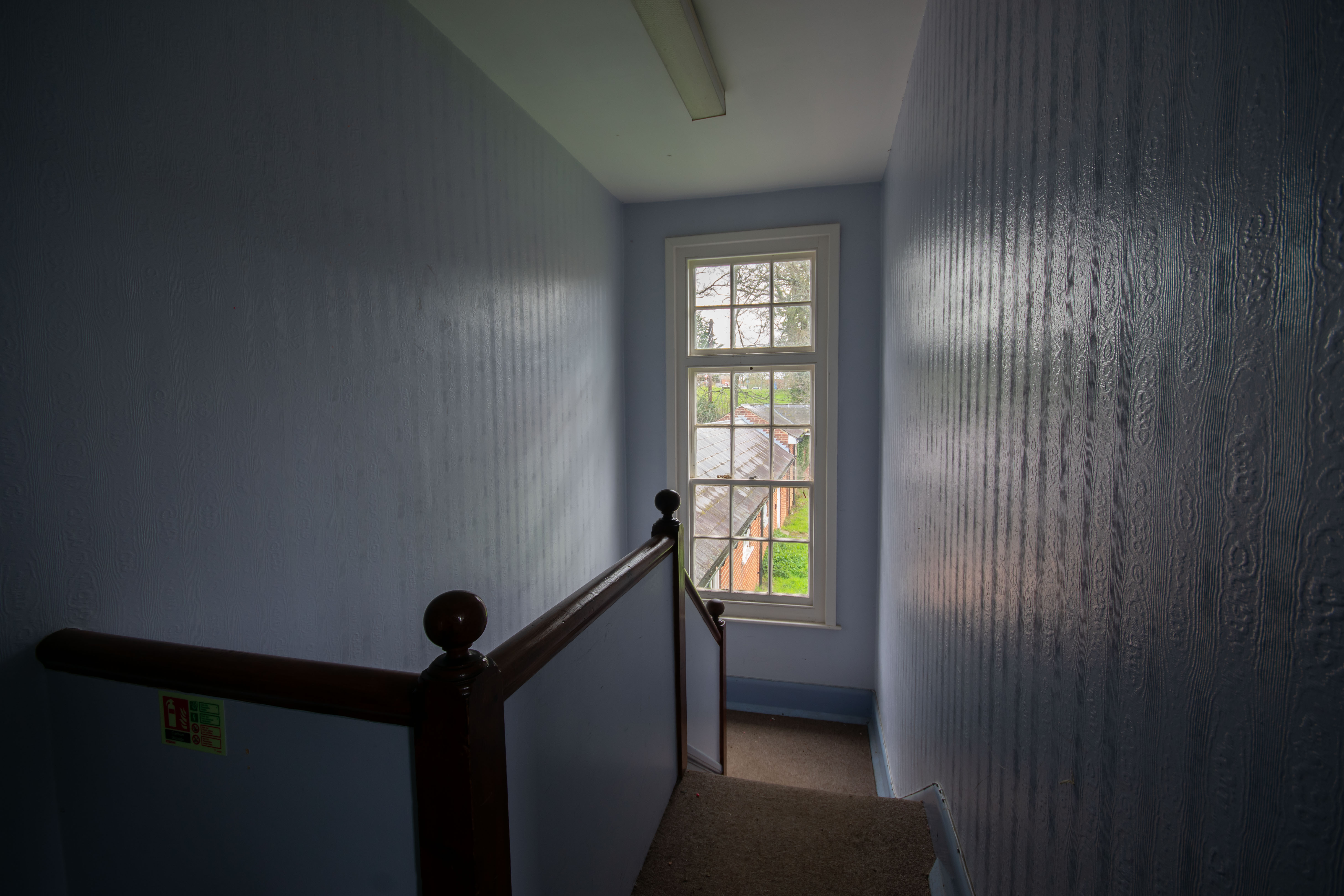
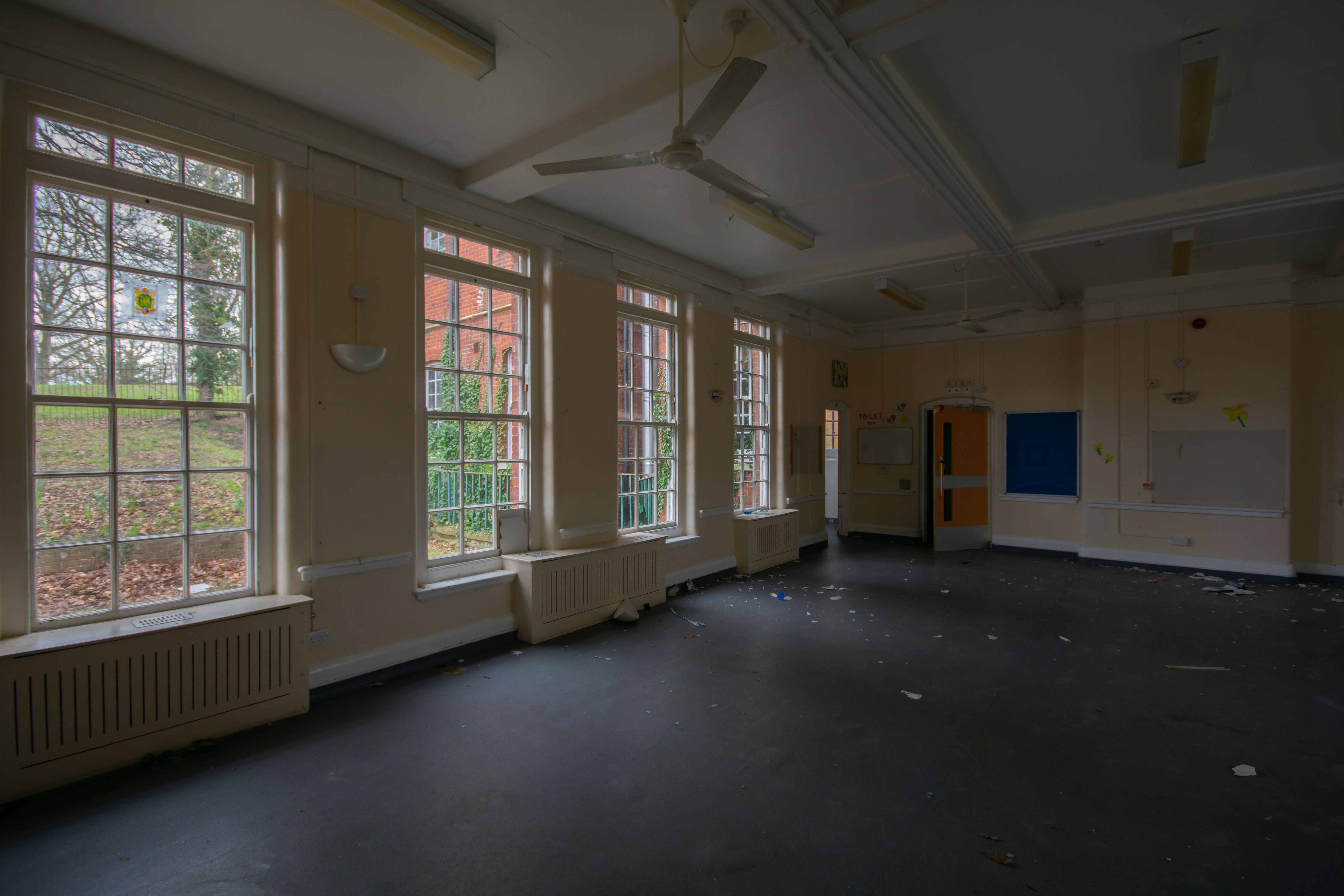
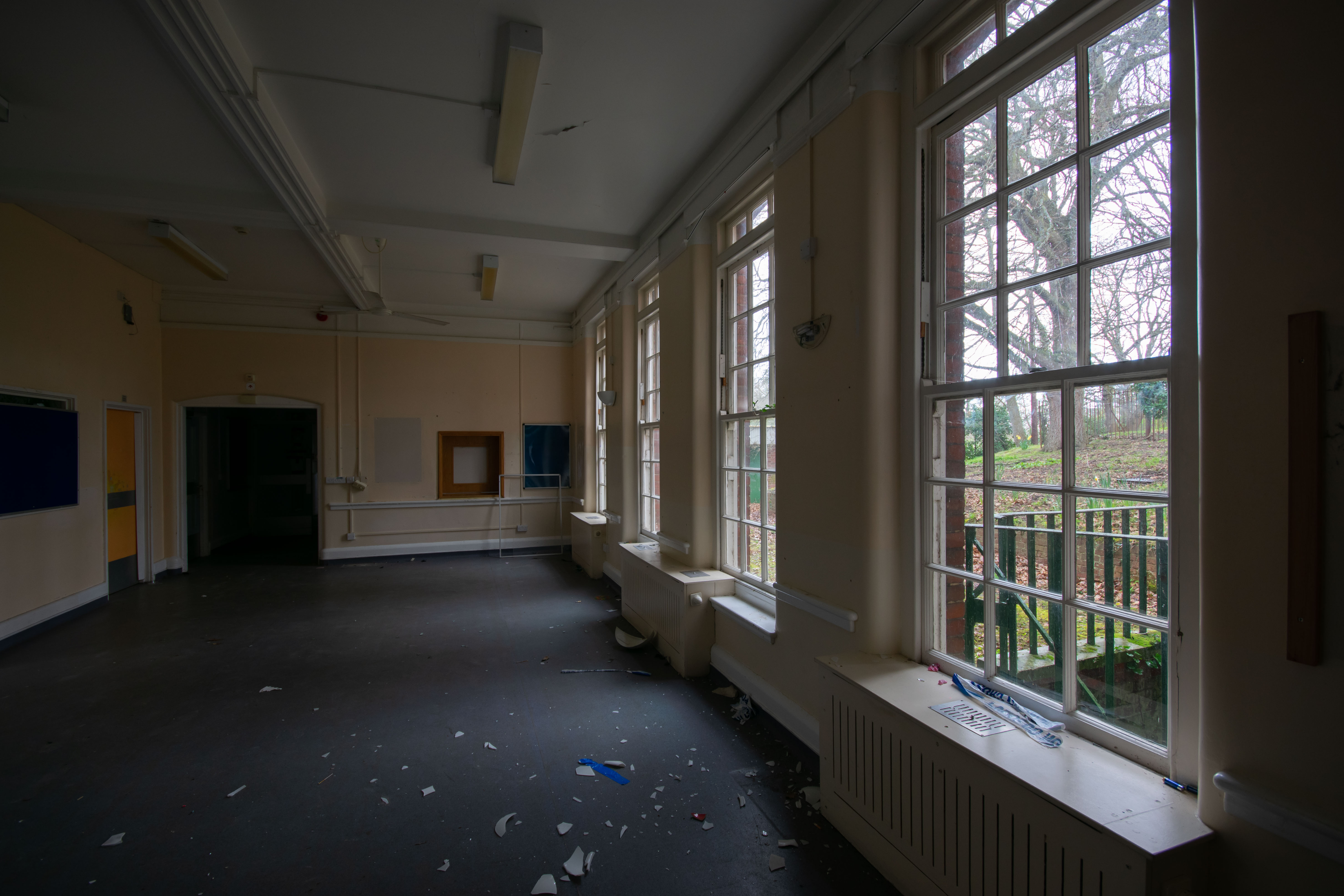
The hospital comprised male wards on the west and female on the right when it opened.














HYDROTHERAPY BATHS
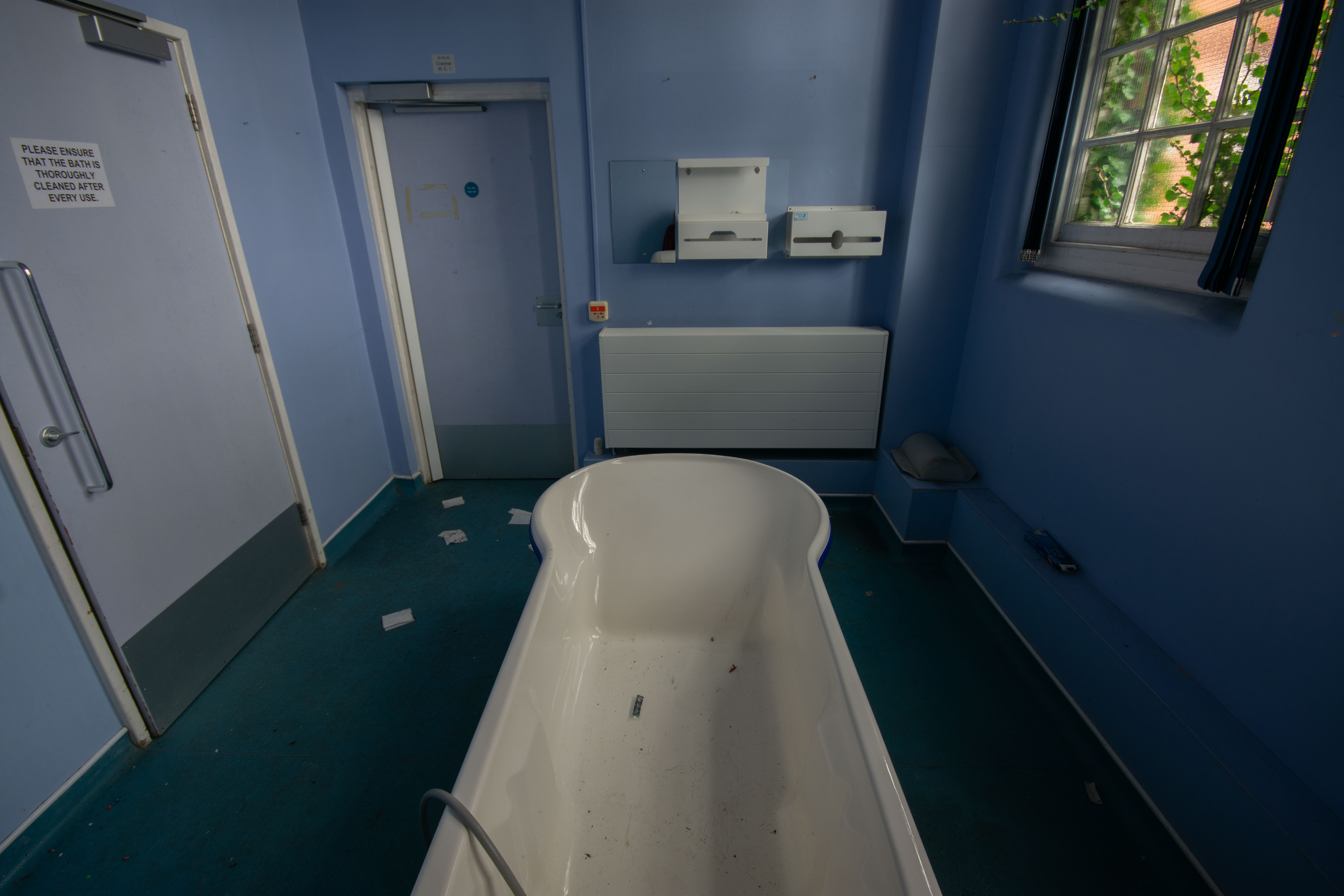
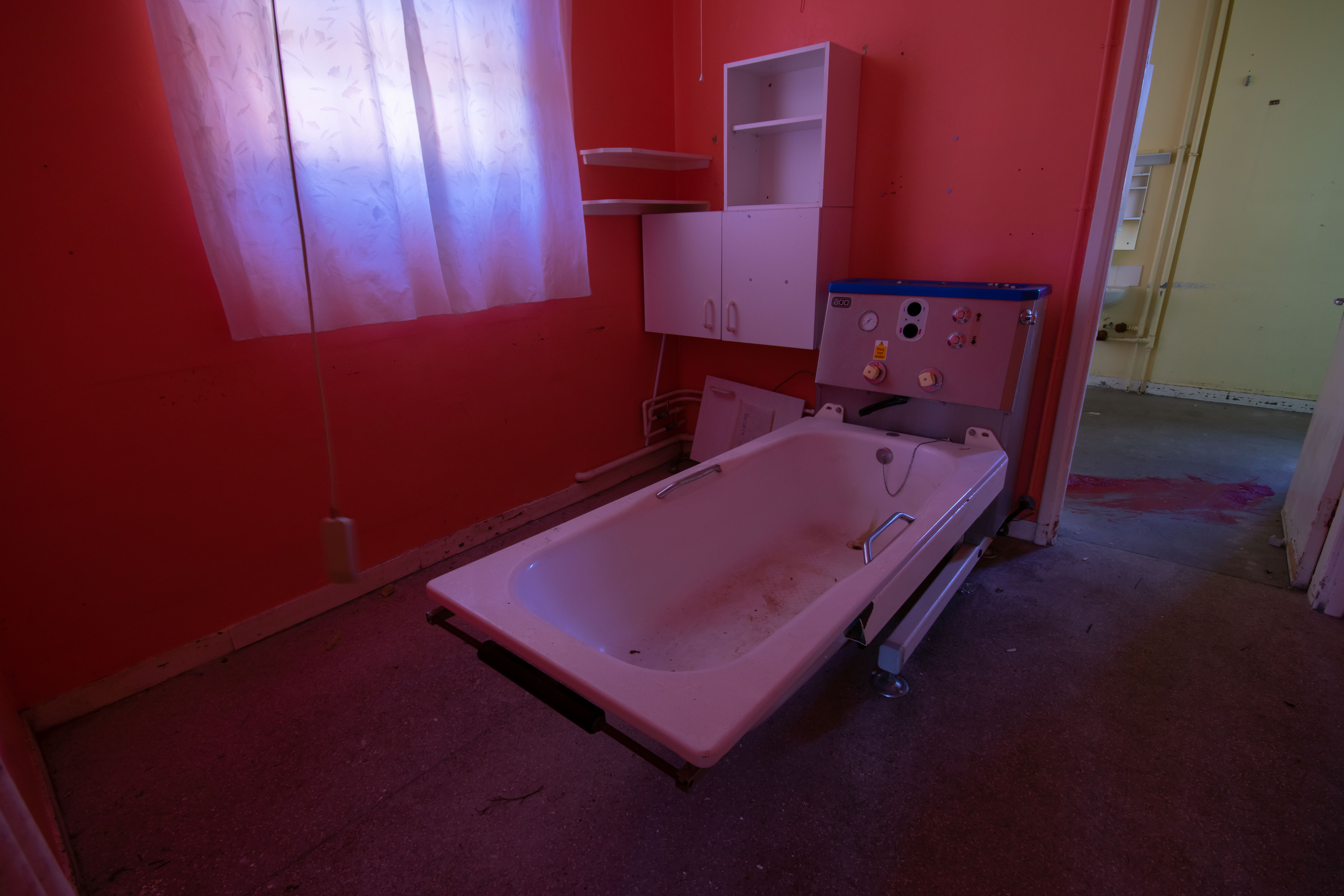
The hospital has two specialised hydrotherapy baths.



 Shadow Dragon