Par China Clay Drying Works
February 2025 | England | Extant
A more modern relic of the dying Cornish china clay industry…
***
HISTORY: The production of English china began in 1745 in Cornwall when William Cookworthy discovered china clay (the common name of a mineral called kaolin) deposits at Tregonning Hill. Consequently, this gave rise to the china clay industry. By the early nineteenth century the kaolin mining industry had become big business. The deposits around St Austell had emerged as the largest in the world, and the large scale mining activities are the reaosn behind the enormous “hills” locally known as the Cornish Alps. These “hills” are actually gigantic spoil tips!
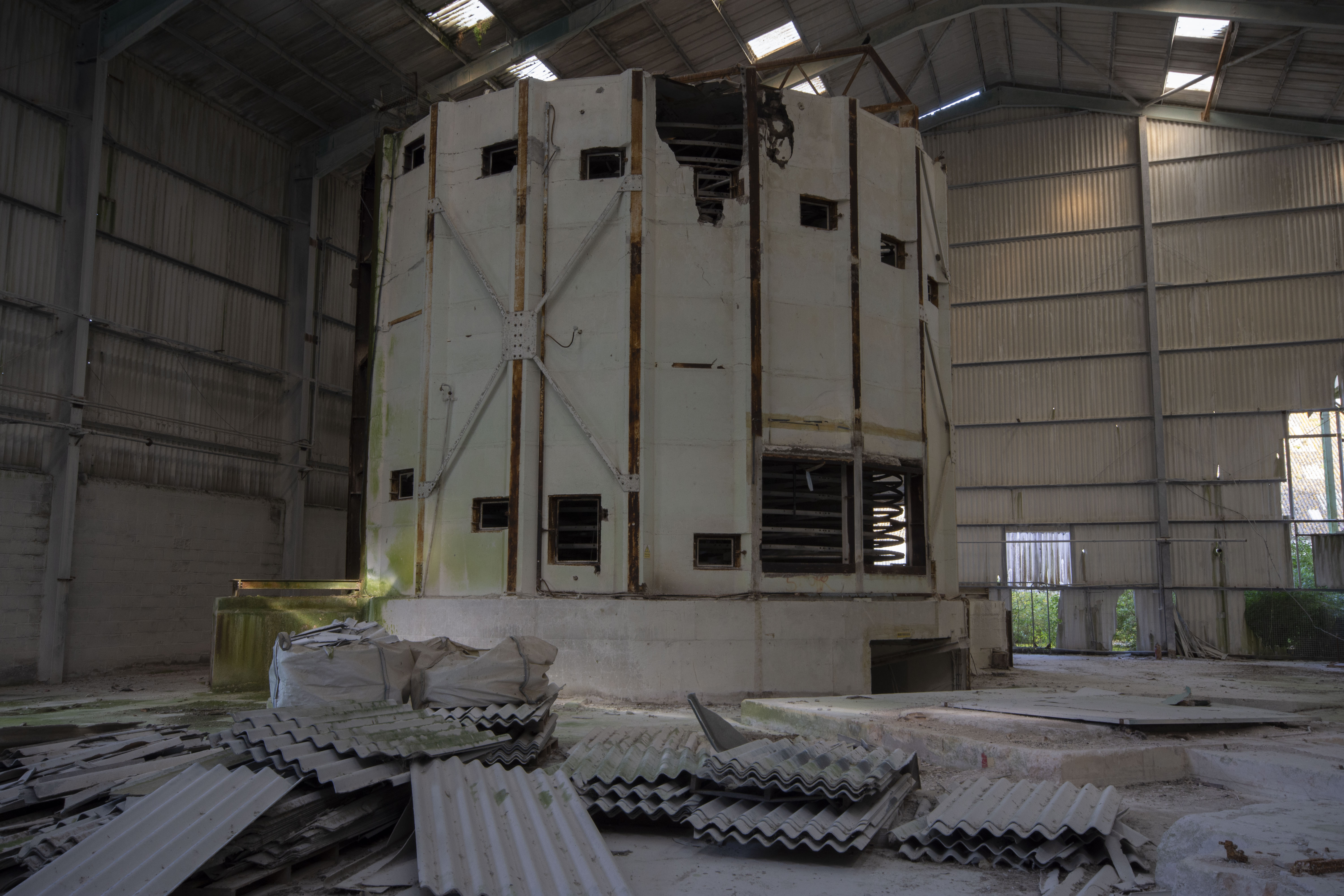
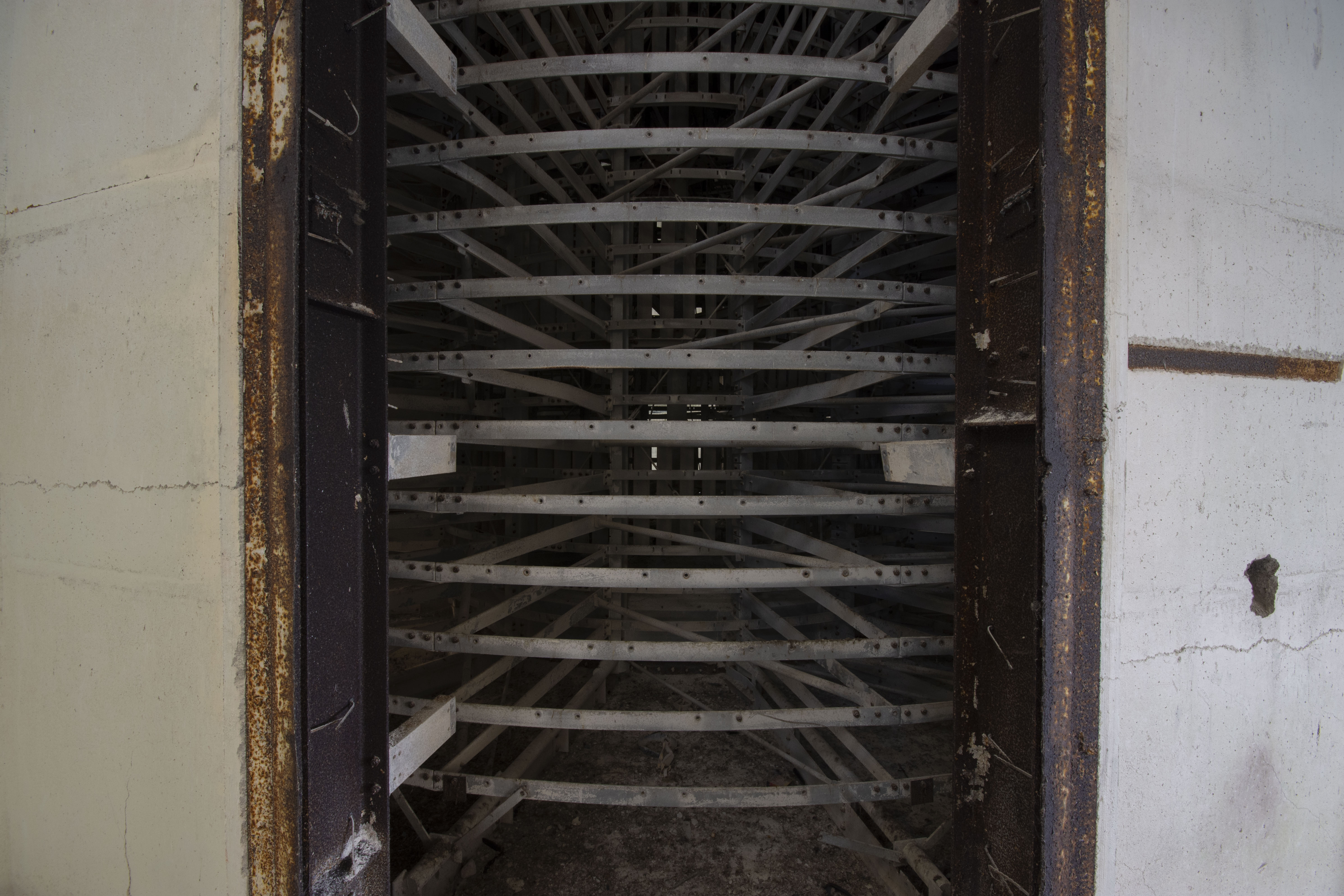
Demand for china clay peaked in the nineteenth century with Cornish china being exported across the world to places such as America. The clay would have first been quarried at mines like those visible across the landscape around St Austell, and then processed at plants like those at Par Docks. This particular clay drying works was commissioned in the early 1950s and was equipped with Buell driers which are still in situ – these are tall cylindrical driers with racks inside them for efficiency. The Par drying works operatedup until recently and the site closed down by 2008 at the latest. Since then it has sat derelict.
***
THE EXPLORE: I first explored this site in August of 2024, but returned in February 2025 to get a few more photos that I felt I wanted. It’s quite a chilled out explore, however, the amount of brambles and prickly bushes makes it rather annoying to get around. The buildings themselves have some interesting features left over but they are largely stripped out. That said though, it’s still a nice little explore if you have a few hours to kill.
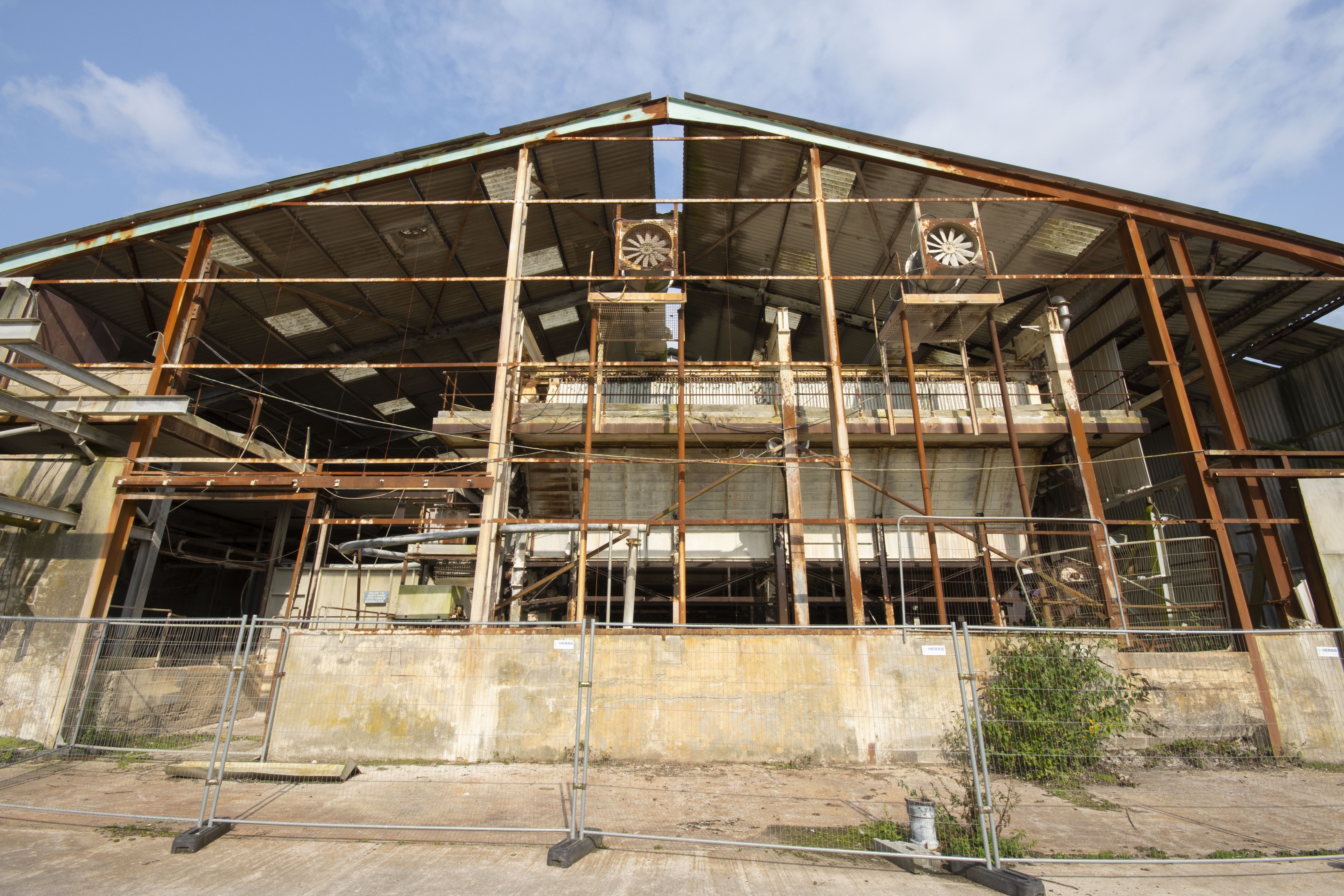
EXTERIORS
Showing the ruinous state of the buildings.

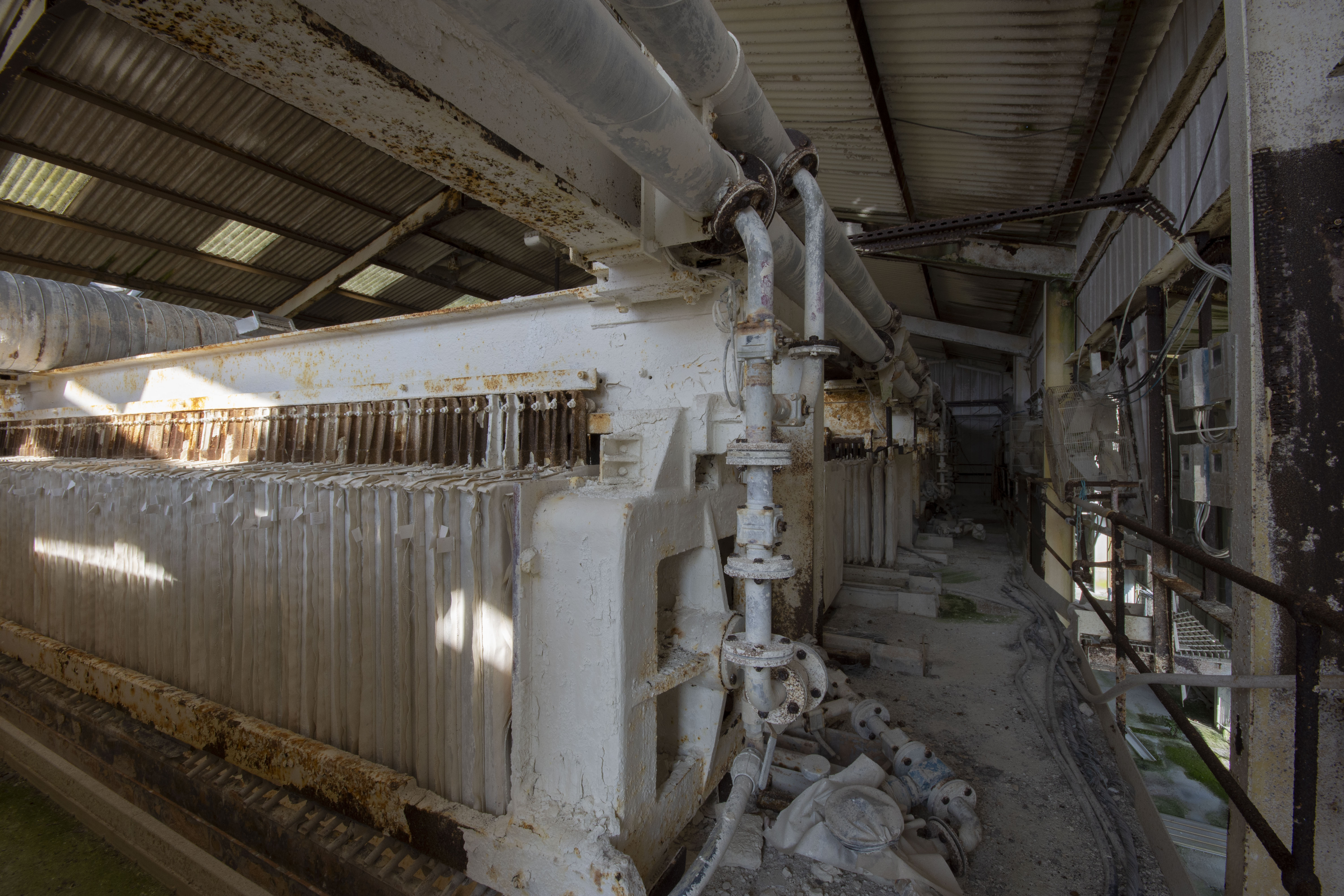
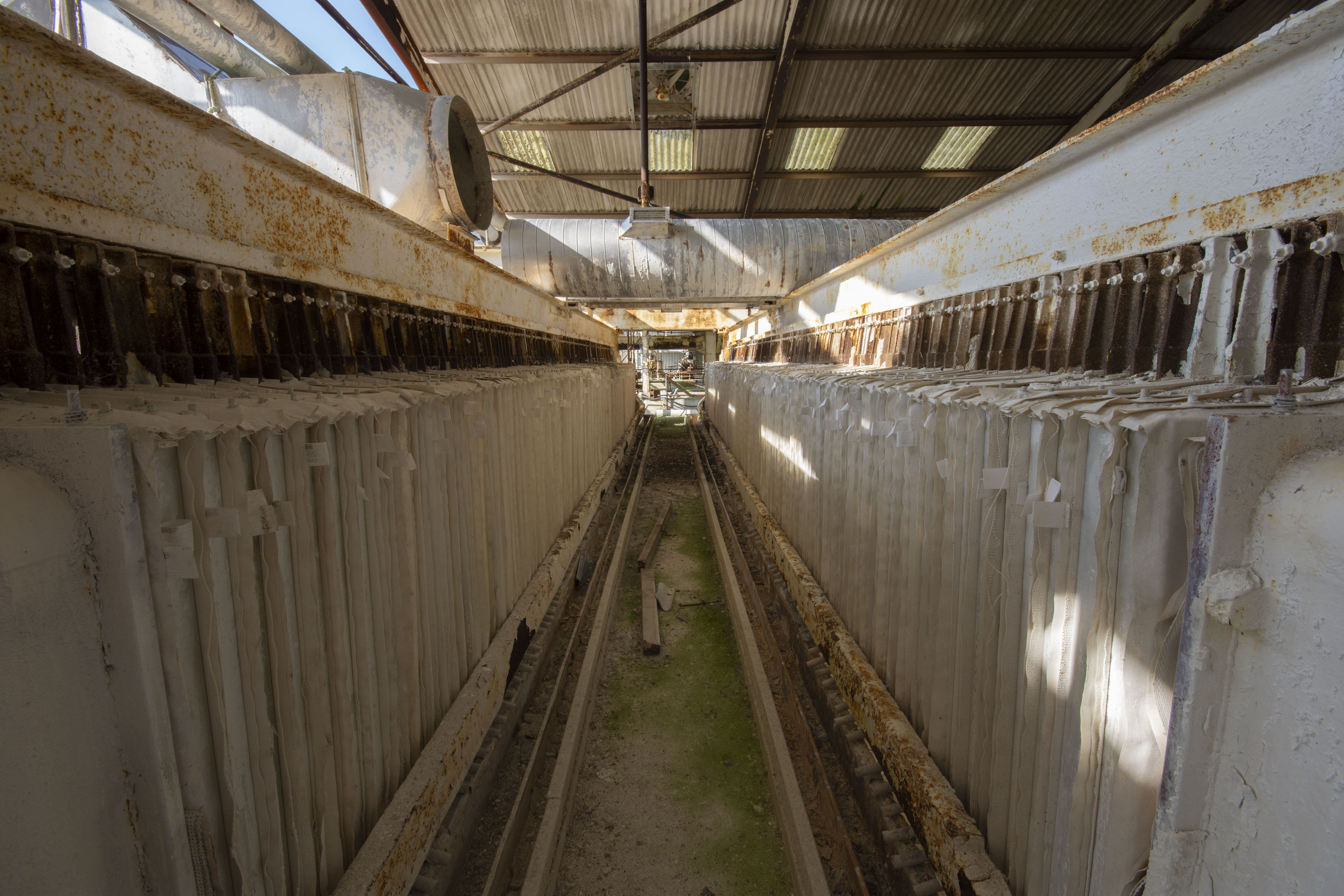
FILTER PRESSES
The more photogenic side of the old clay plant.


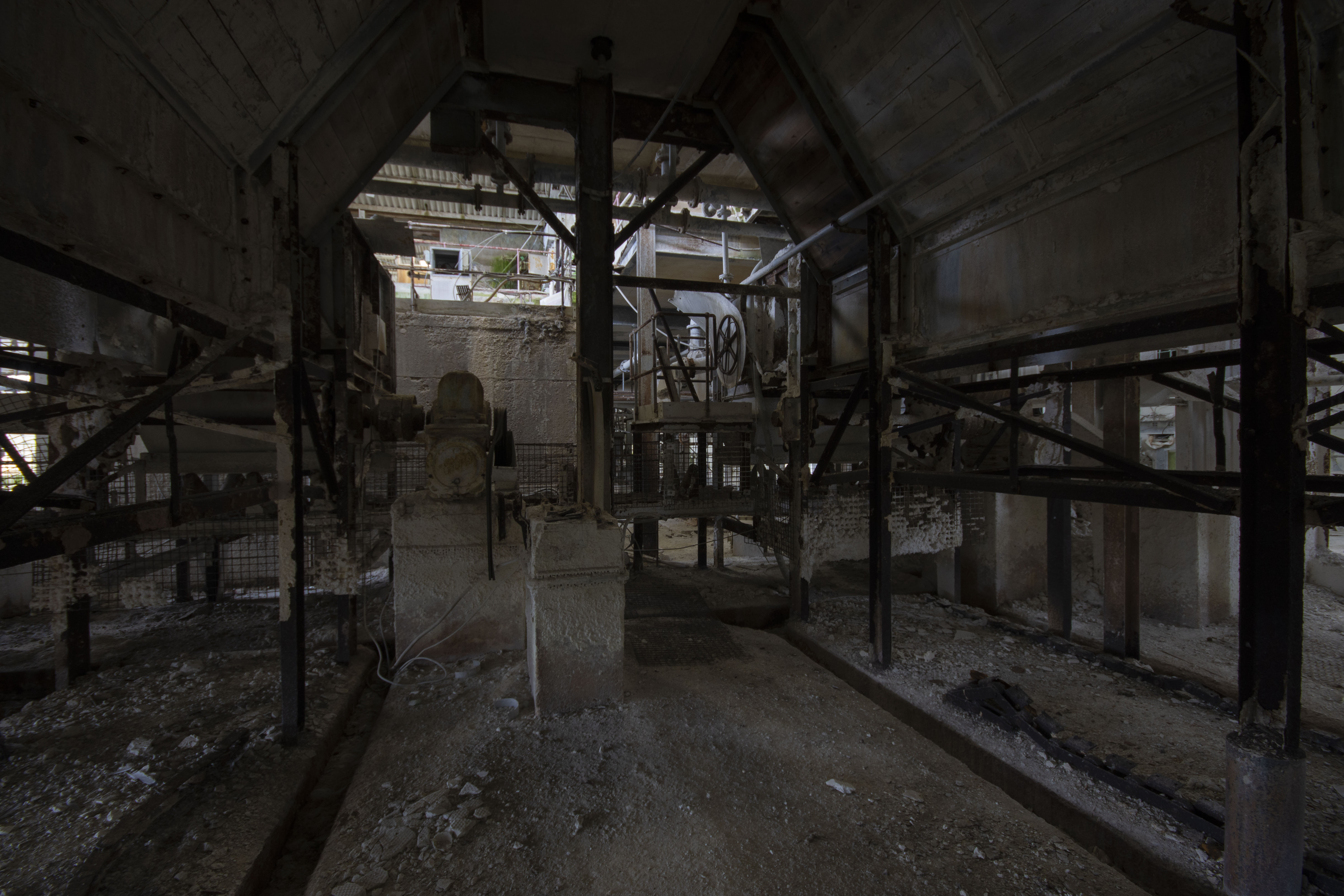
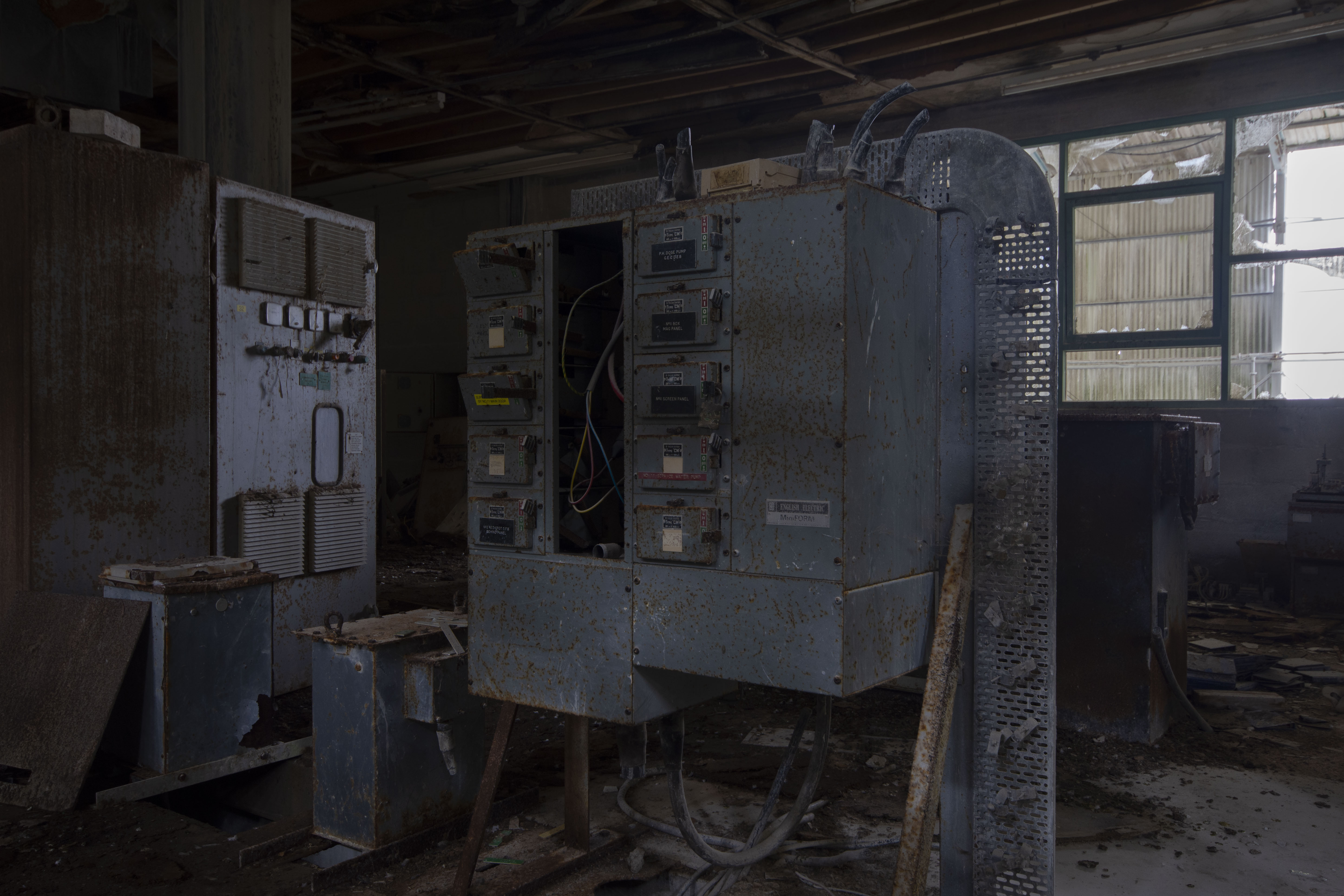
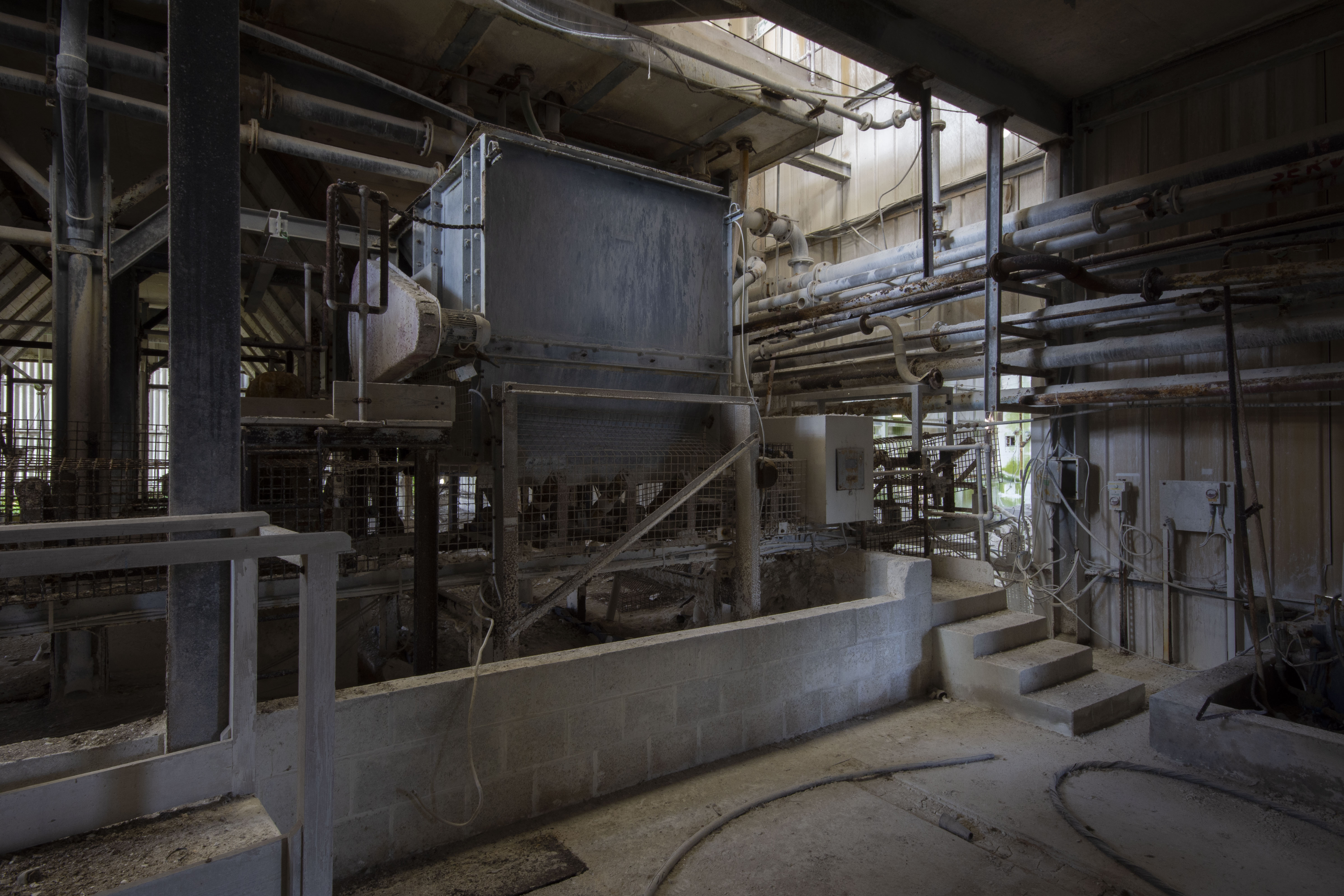
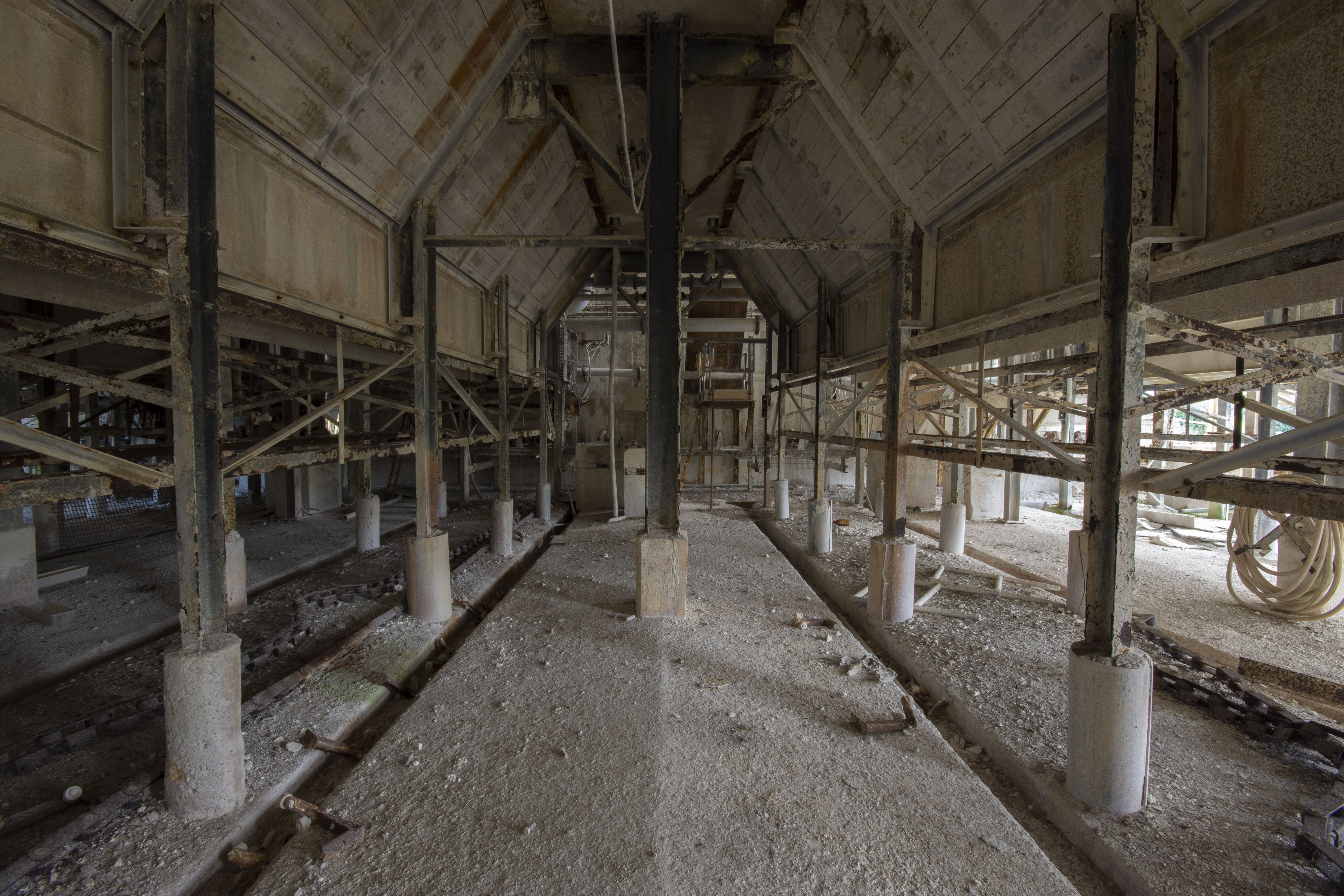
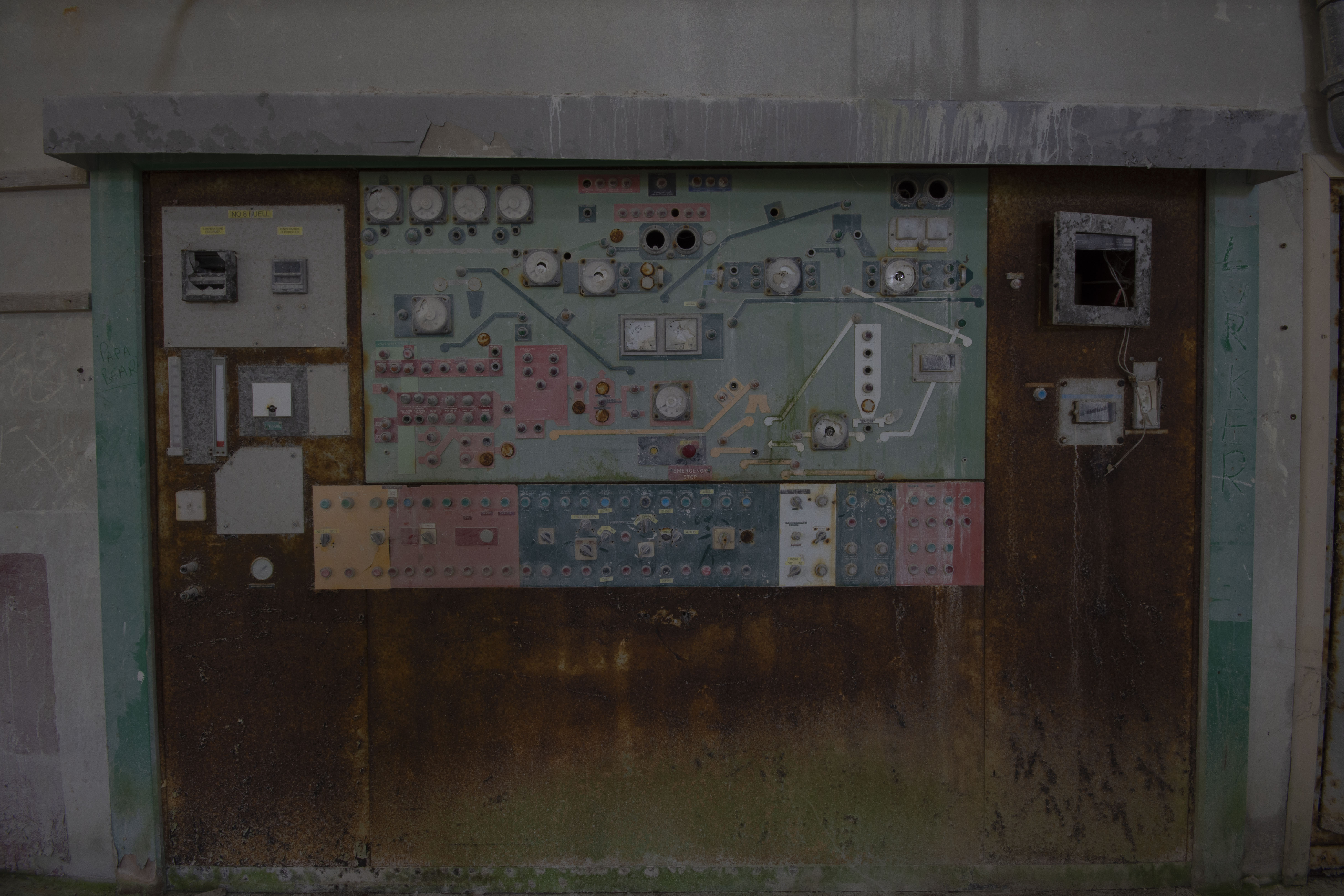
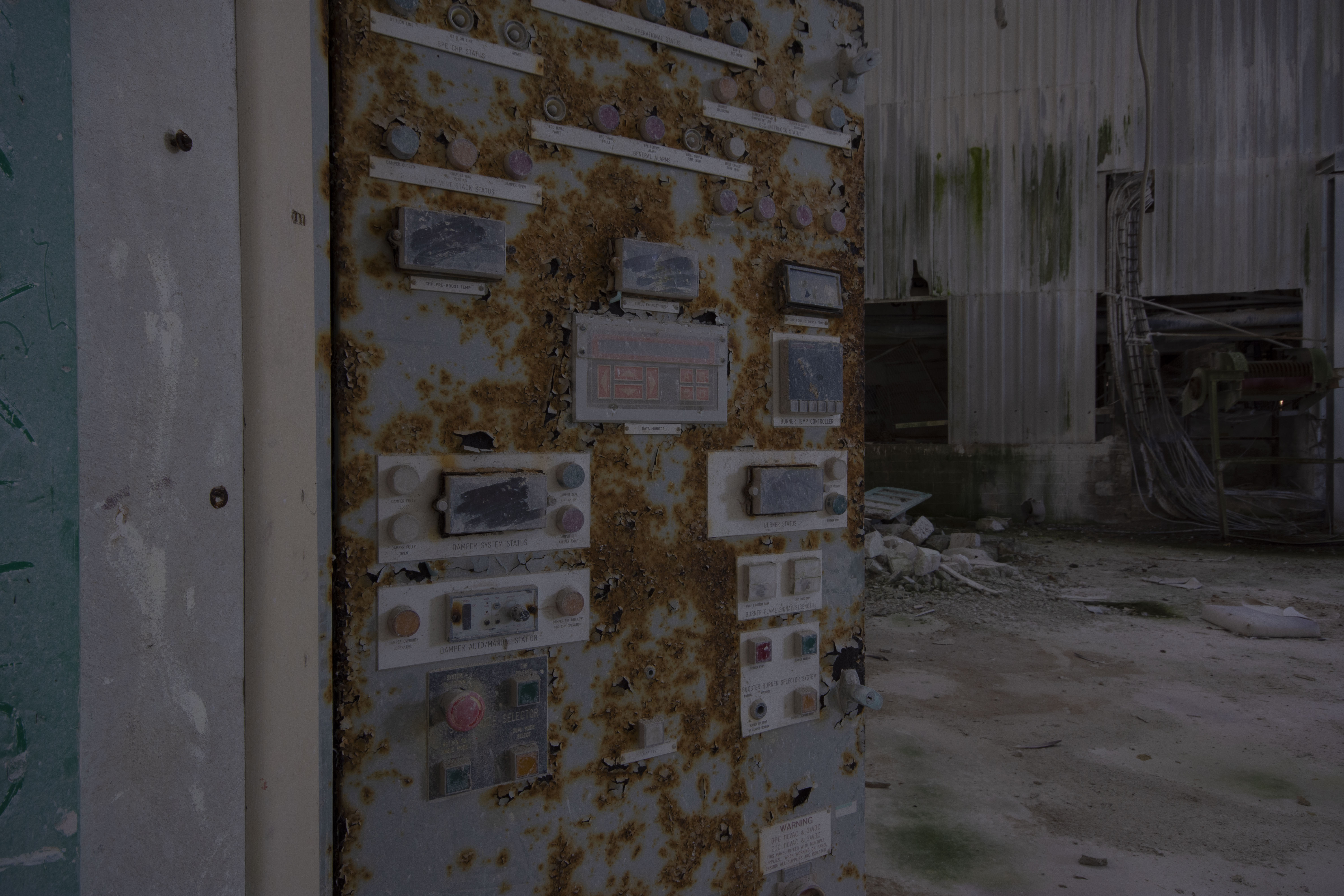
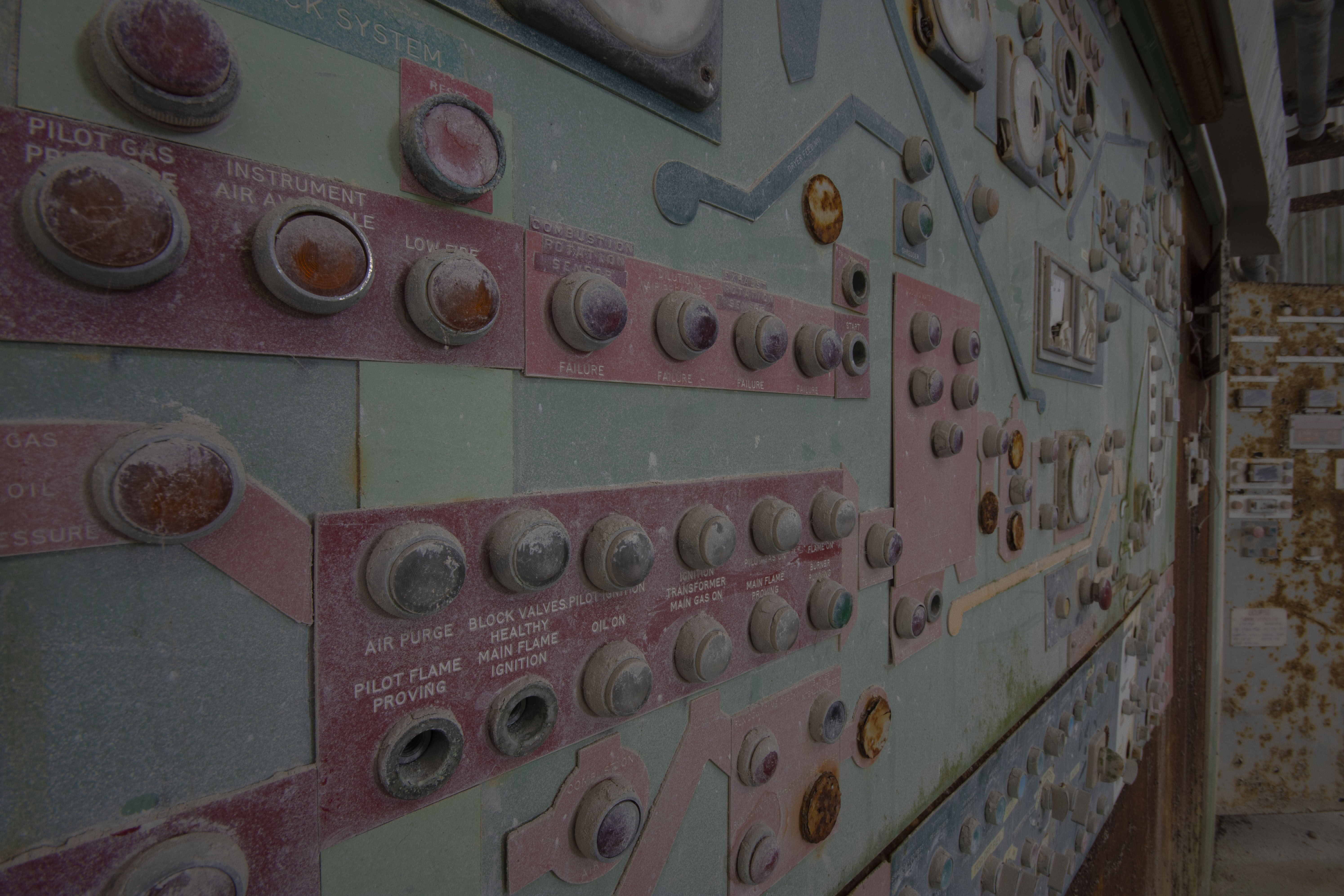
MACHINERY
The machine halls under the filter presses.




DRYING KILNS
Two enormous drying kilns are sited within the plant.


 Shadow Dragon