Fiddler’s Ferry Power Station
January 2021 | England | Demolition Ongoing
My first proper power station explore…
***
| Commission Date | 1971. |
| Decommission Date | 2020. |
| Capacity | 2,000MW (four 500MW units). |
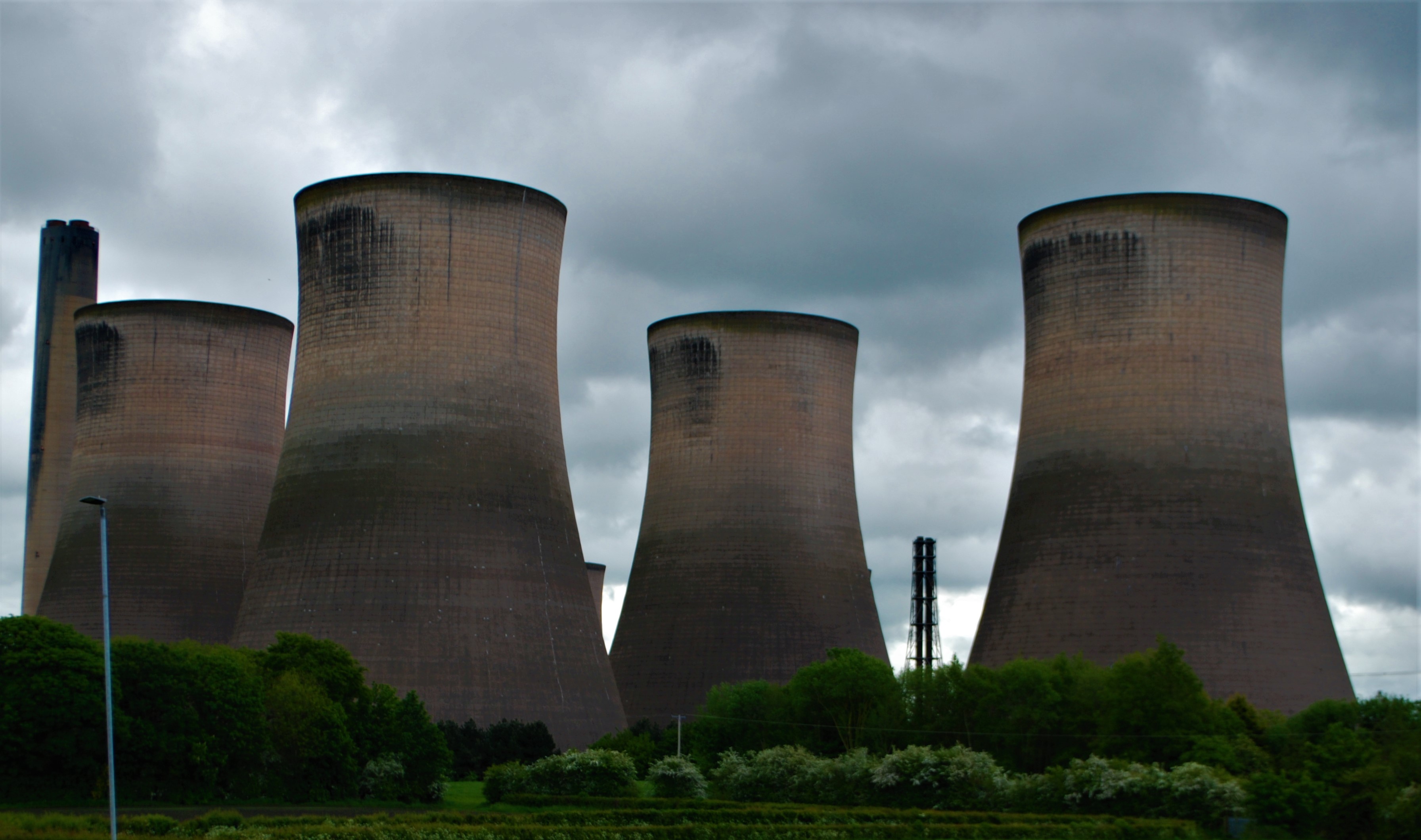
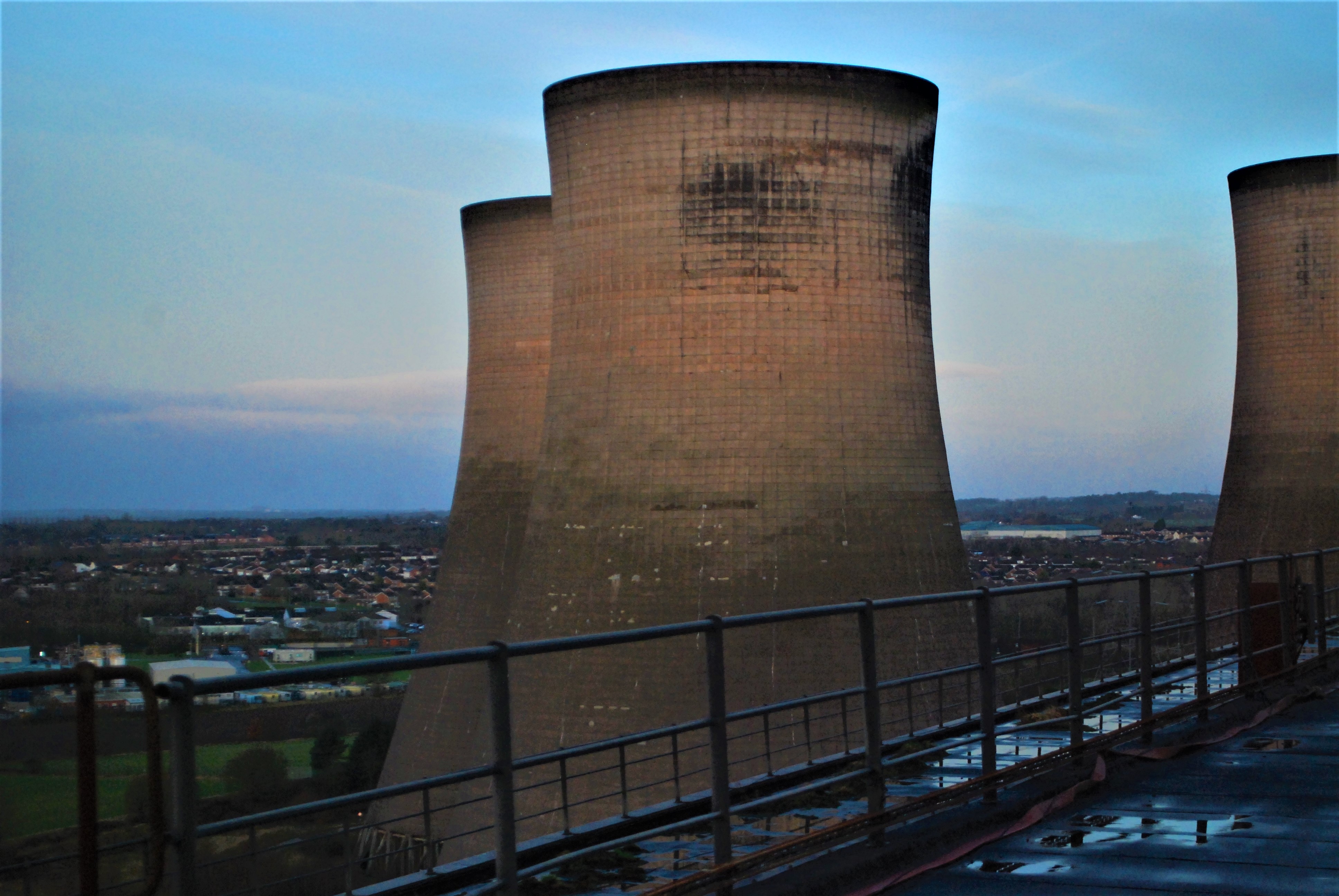
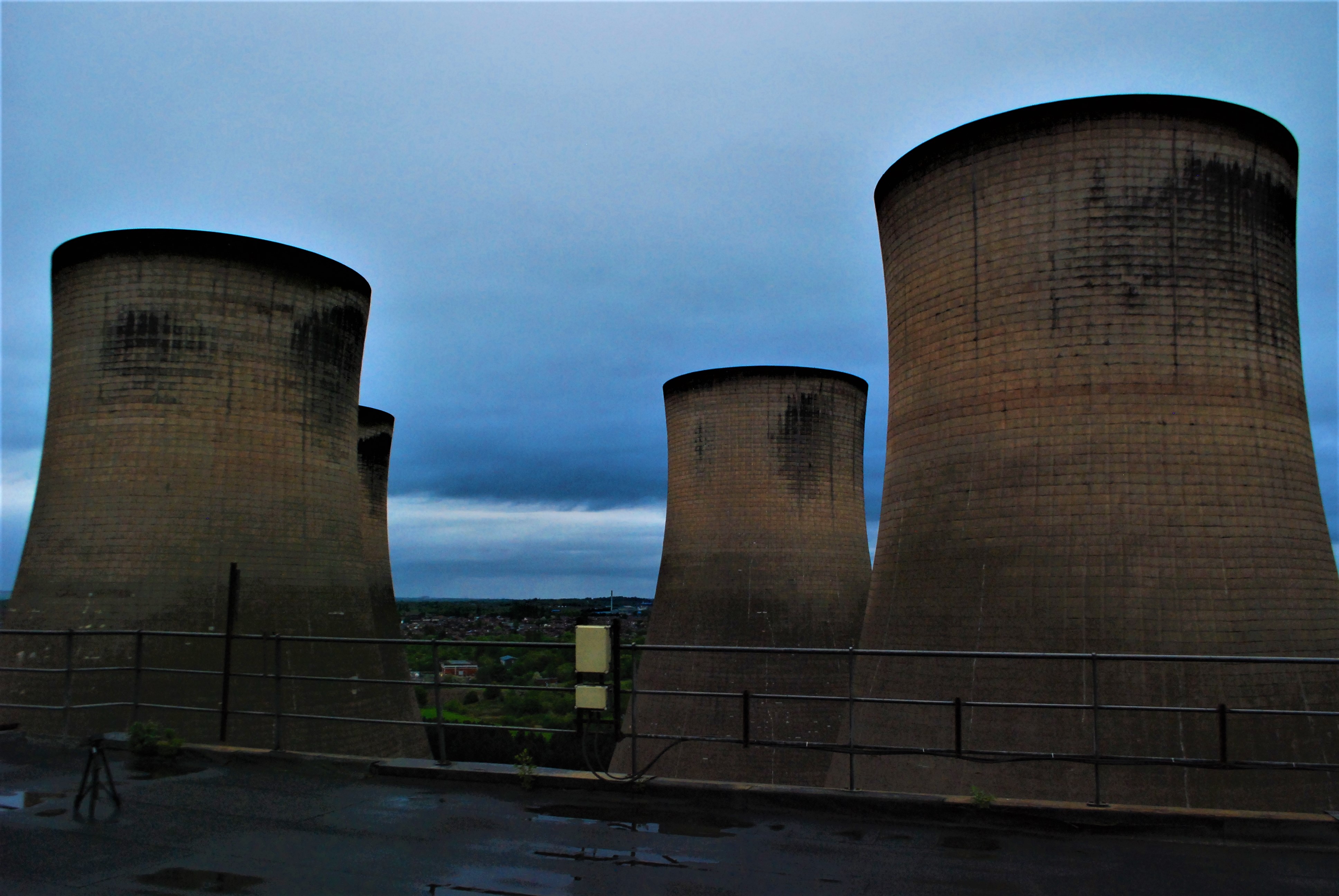
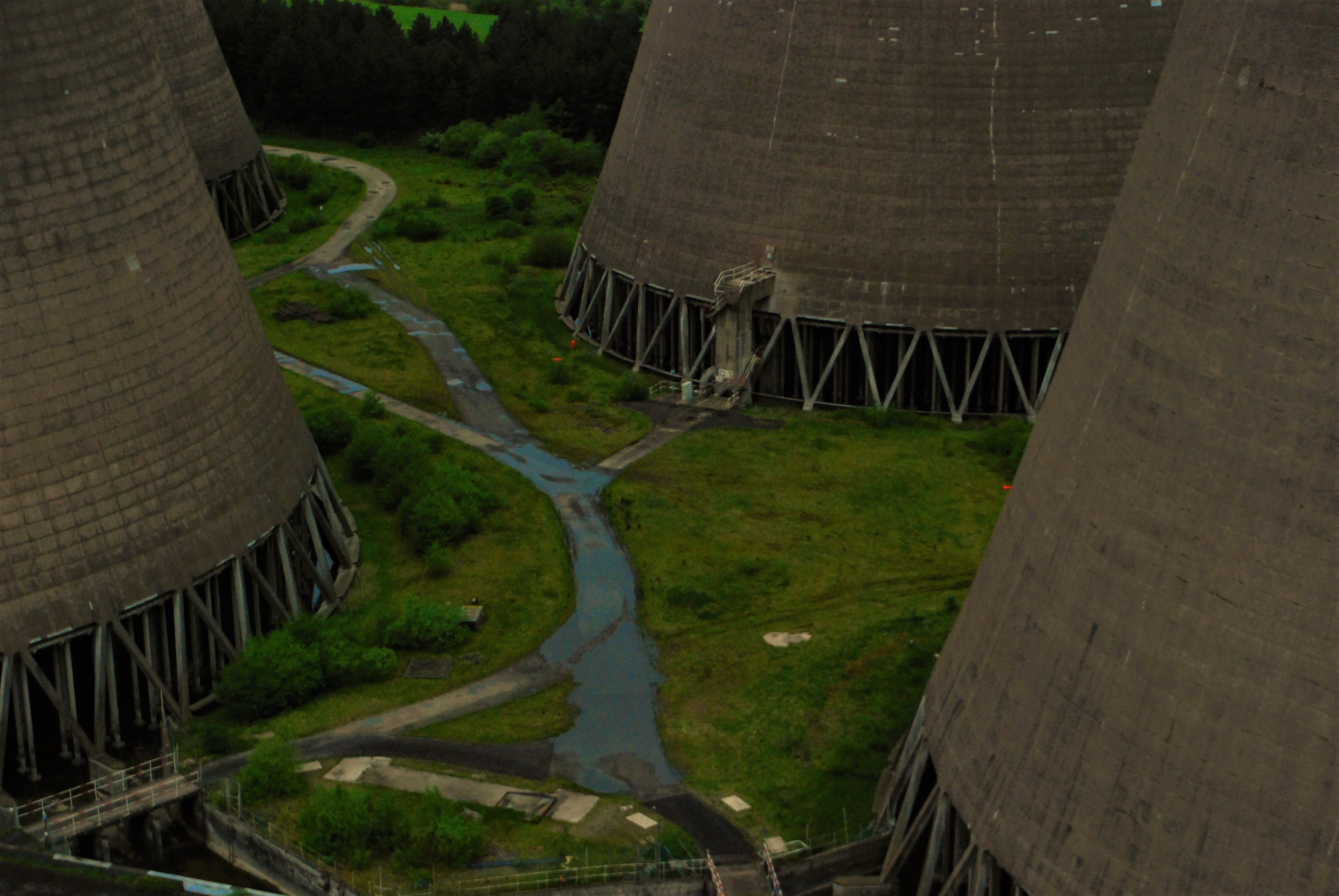
| Cooling Towers | Eight 115m (375ft) cooling towers in a double lozenge array. |
| Chimney | Single 200m multiflue stack. |
| Fuel Type(s) | Coal, also capable of firing small amounts of biomass. |
| Control System | Advanced Plant Management System. |
| Boiler Manufacturer | International Combustion LTD. |
| Turbine Manufacturer | English Electric Company. |
| OCGT Plant | four 17.5MW Rolls-Royce Olympus gas turbines. |
| Architect | Gordon Graham of the Architects’ Design Group. |
| Status | Undergoing demolition. |
***
HISTORY: Fiddler’s Ferry Power Station is a decommissioned 2,000MW coal fired power station situated on the banks of the River Mersey, just within the boundaries of Cheshire. Construction began in 1964 after much planning by the CEGB (Central Electricity Generating Board). The steel superstructure was built by the Cleveland Bridge Company, with the overall design and architecture drawn up by Gordon Graham of Architects’ Design Group – this design is identical to West Burton A Power Station in Nottinghamshire.
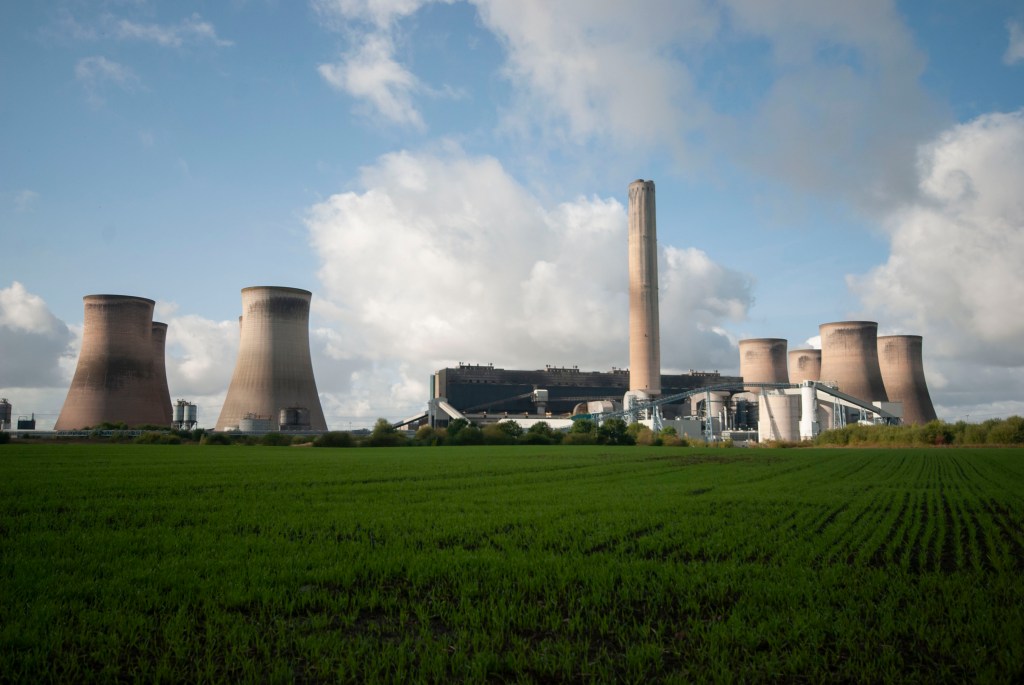
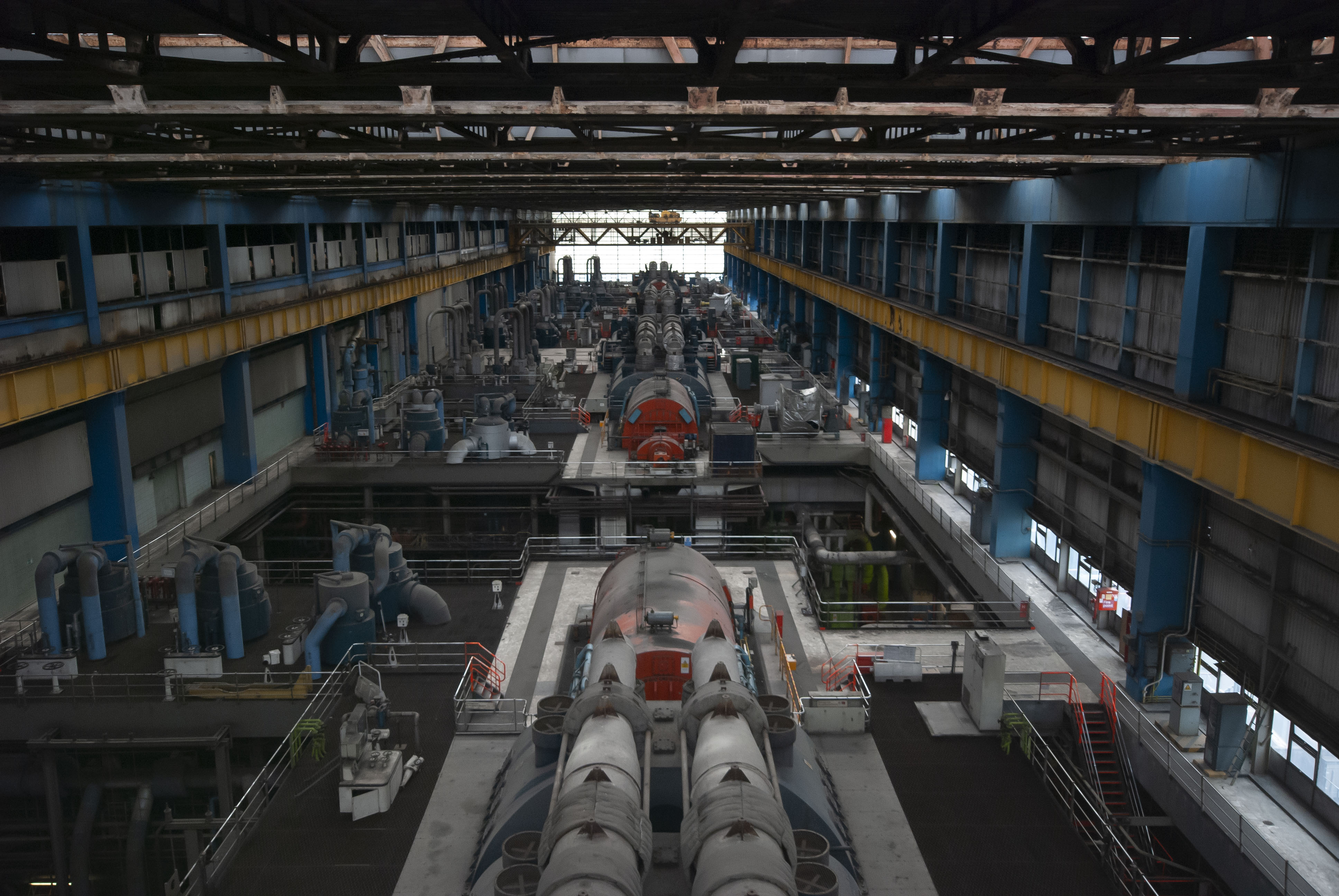
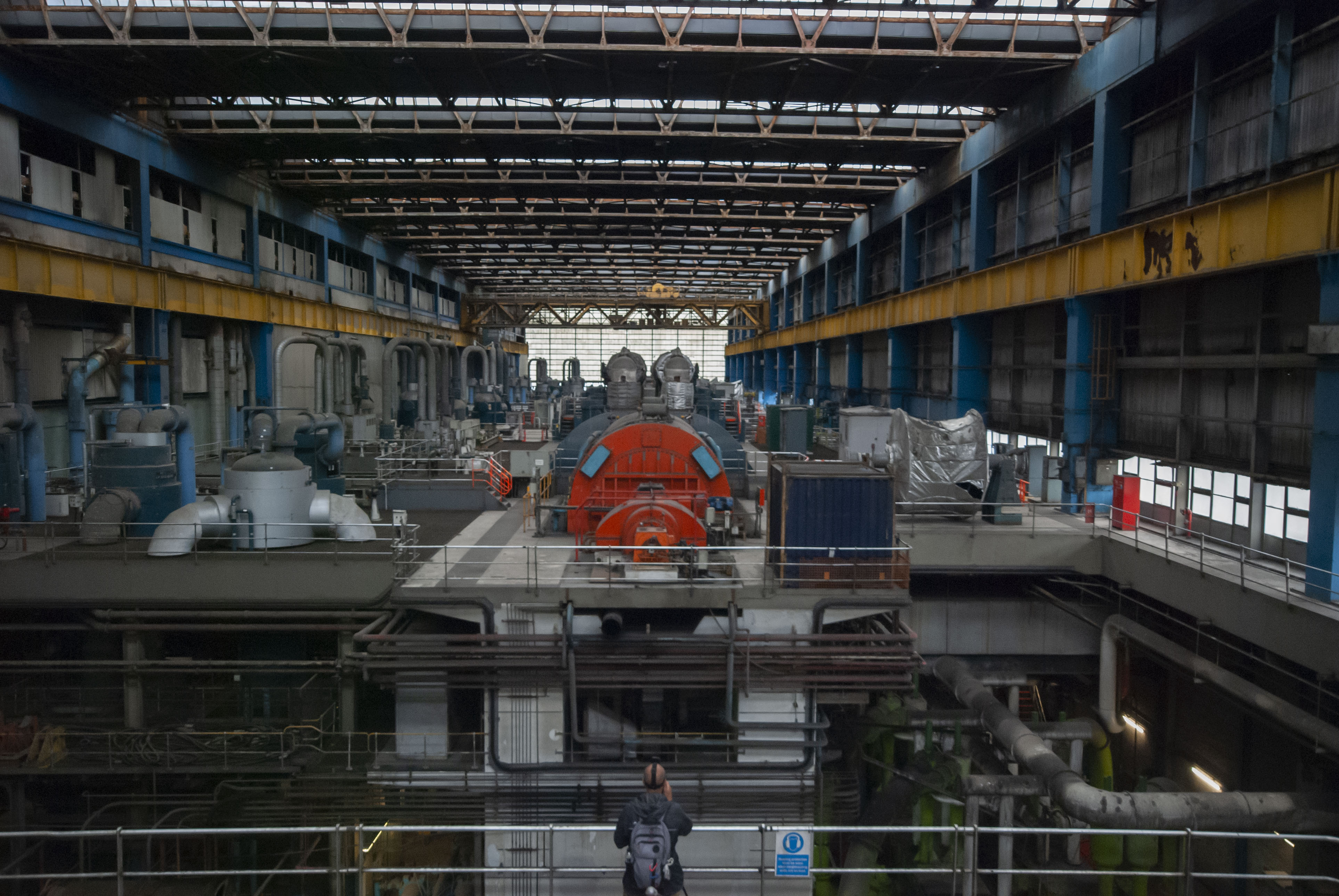
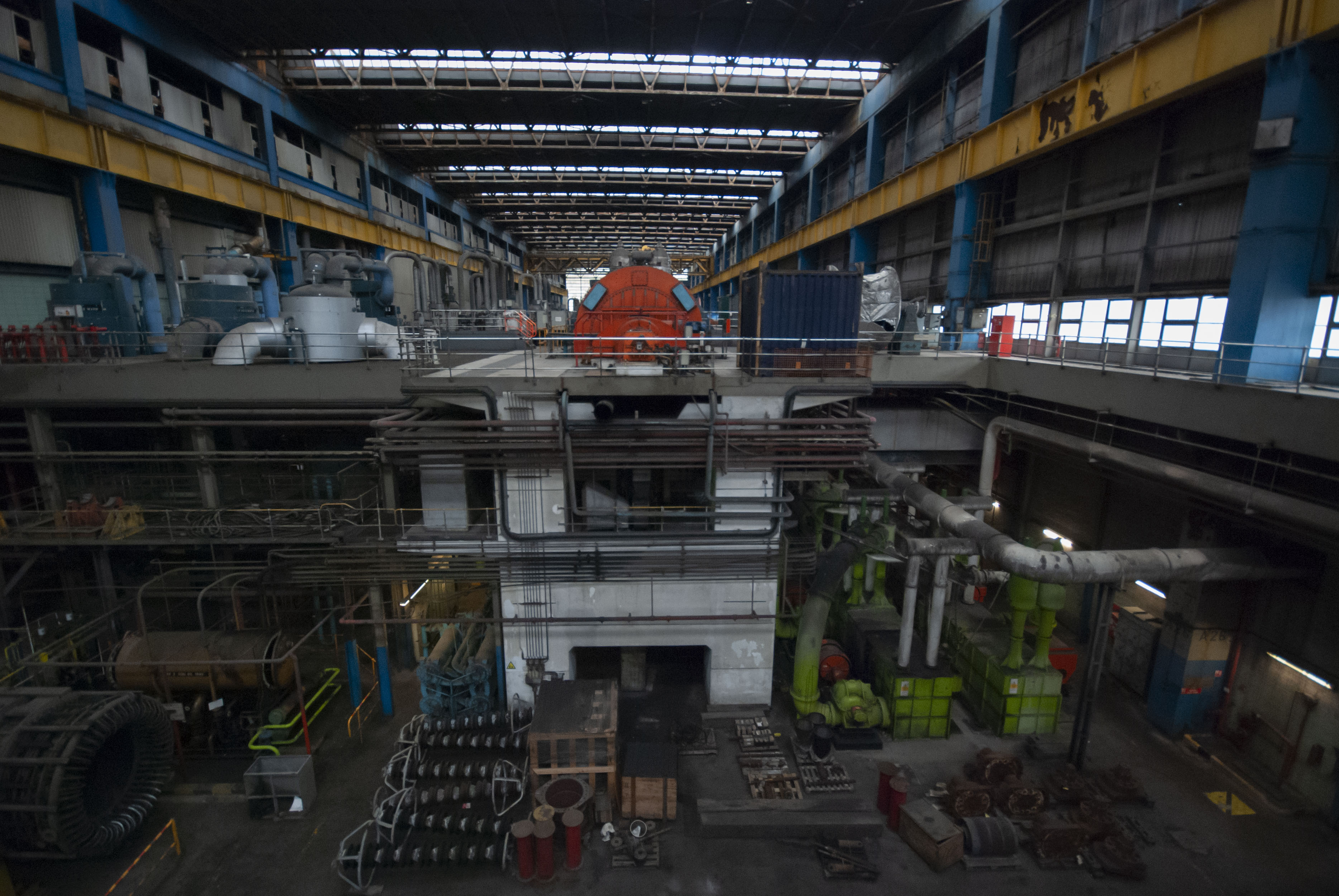
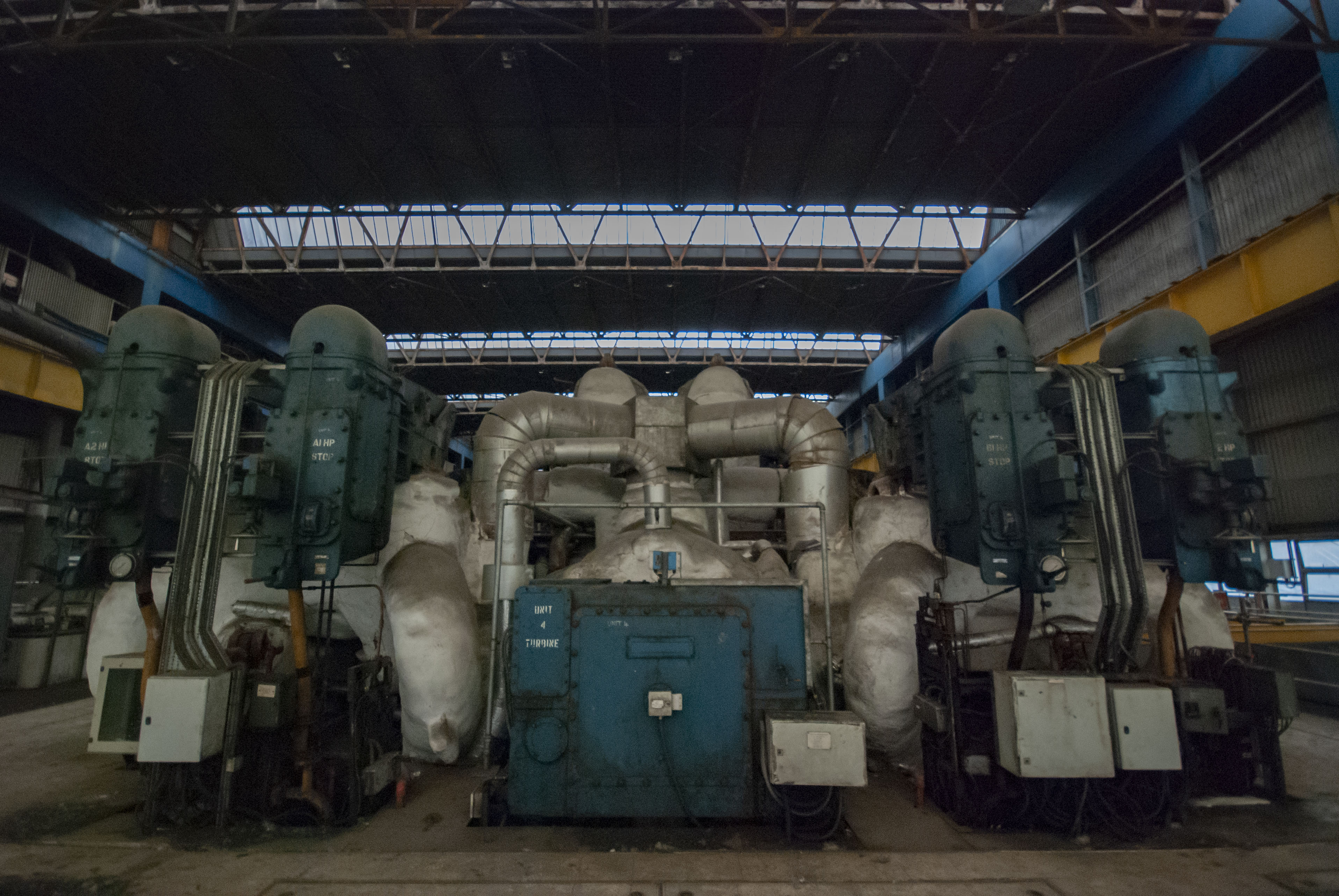
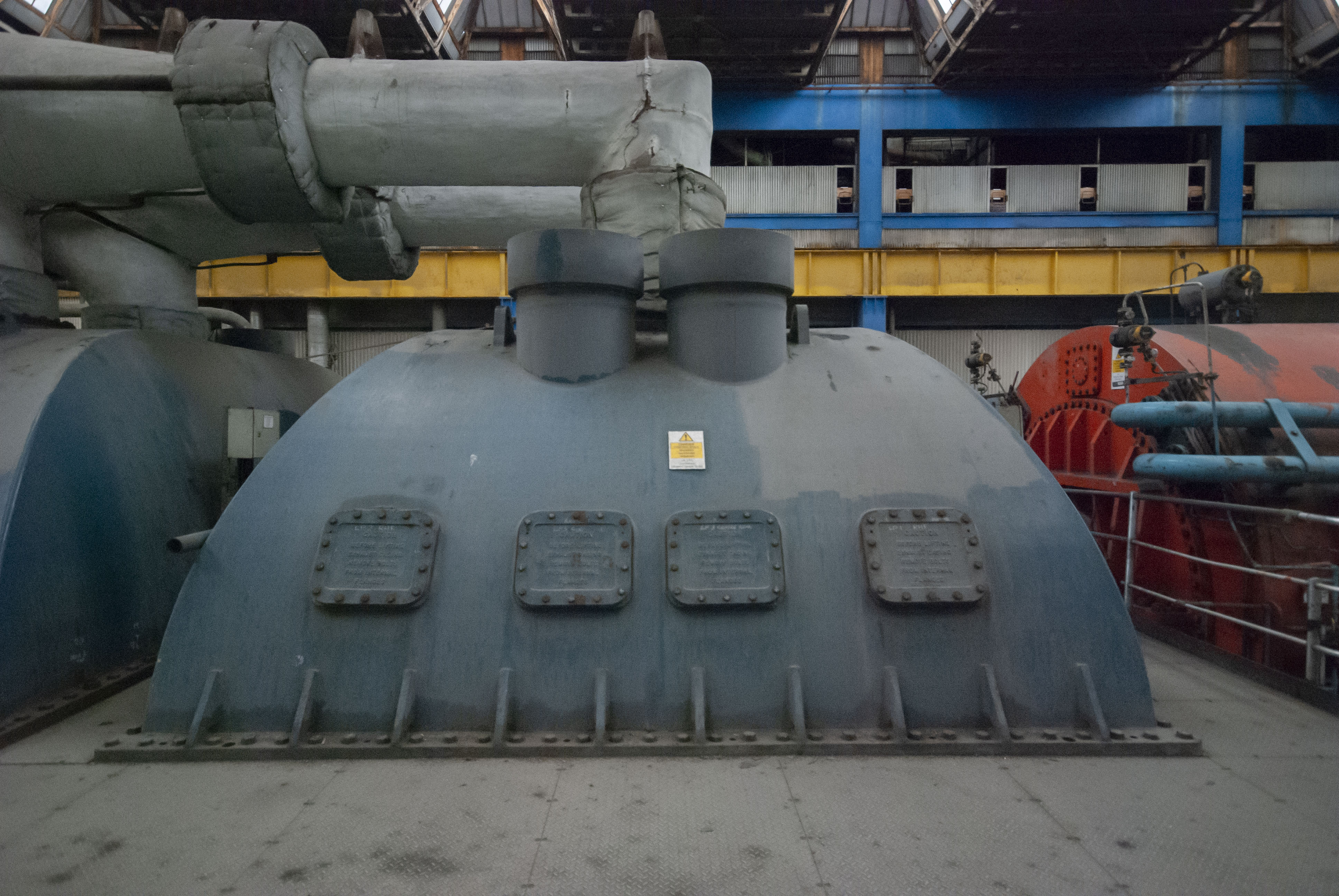
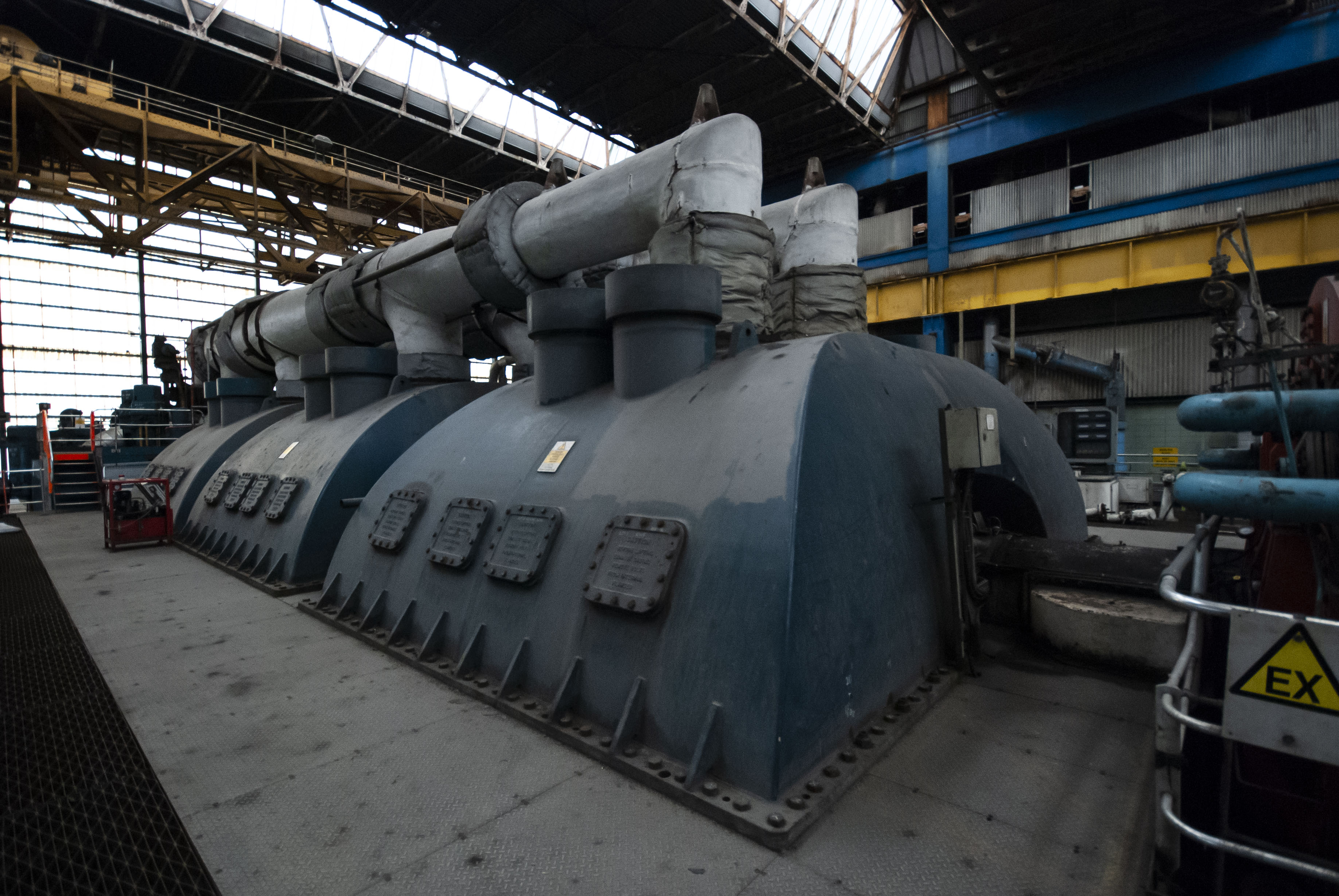
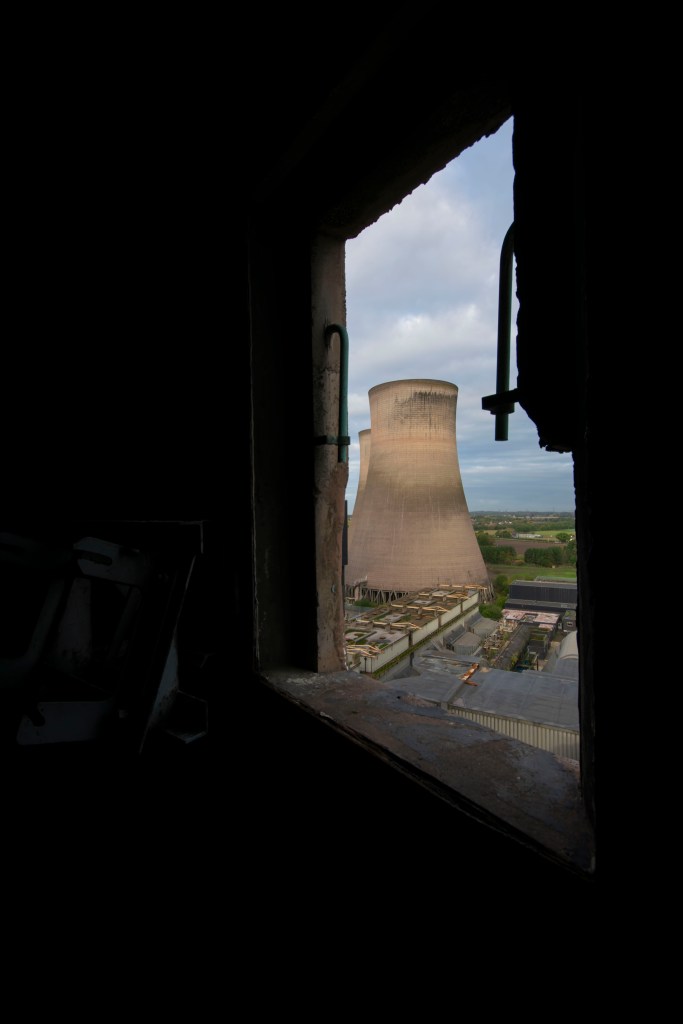
Fiddler’s Ferry has eight 114 meter (375ft) cooling towers and a single 200 meter (650ft) multiflue chimney. The cooling towers are built in the hyperbolic shape (like those of West Burton, Eggborough, Cottam, Didcot etc) as opposed to the cone toroid shape that Ferrybridge, Ironbridge etc used. The power station’s four turbines were supplied by the English Electric Company, and each generator produced 500MW of electricity. The four turbines are laid out in a longitudinal manner like West Burton, Fawley and Kingsnorth, as opposed to the transverse layout of those at Eggborough, Cottam or Ironbridge. The site was commissioned in stages between 1971 and 1973, opening fully in that year once full power production had begun.
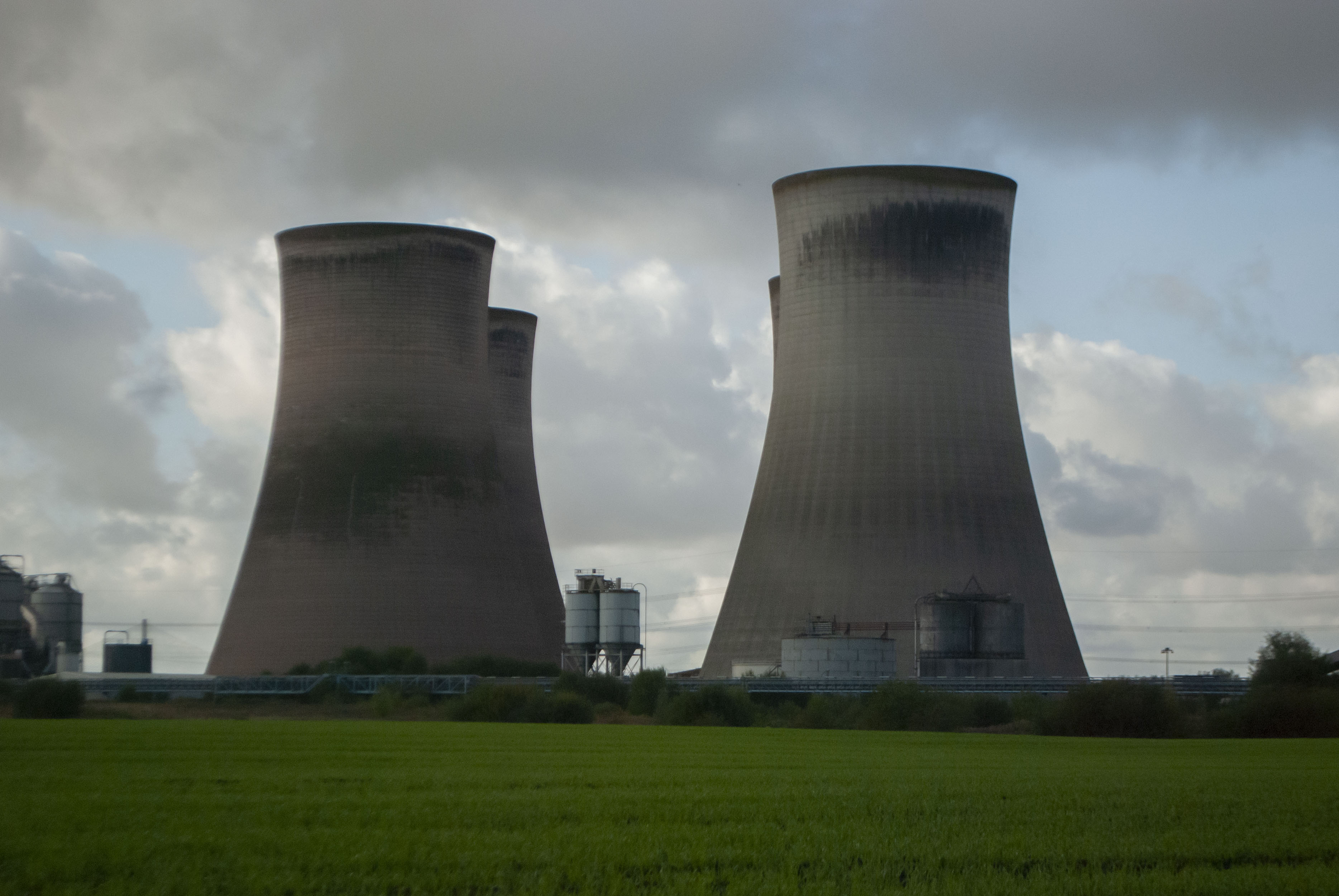
In 1984, cooling tower B2 collapsed in high winds – it was later rebuilt and the concrete used in its construction has a grey hue which stands out from the other warmer coloured towers. Between 2006 and 2008, FGD (flue gas desulphurisation) systems were added to units 2-4 in a bid to reduce pollution and comply with the EU’s ‘Large Combustion Plant Directive’ – this new machinery reduced those units’ sulphur emissions by 94%. Carbon capture systems were considered for the site, but were never implemented due to the power station’s uncertain future.
The power station changed hands numerous times; upon privatisation of the power industry, Fiddler’s Ferry was passed to Powergen in 1990. Then, in 1999 along with Ferrybridge Power Station, Fiddler’s Ferry was sold to Edison Mission Energy, an American corporation, and then both sold on again to AEP Energy Services, and then sold again in 2004 to SSE who operated them both until their respective closures in 2016 and 2020. In 2019, Unit 1 of Fiddler’s Ferry was permanently shut down and decommissioned, the year before the other units would follow suit. It was the only unit not fitted with FGD systems. Less than a year later, Fiddler’s Ferry Power Station ceased generating electricity in March of 2020 and is now decommissioned. Demolition and redevelopment of the site is ongoing.
***
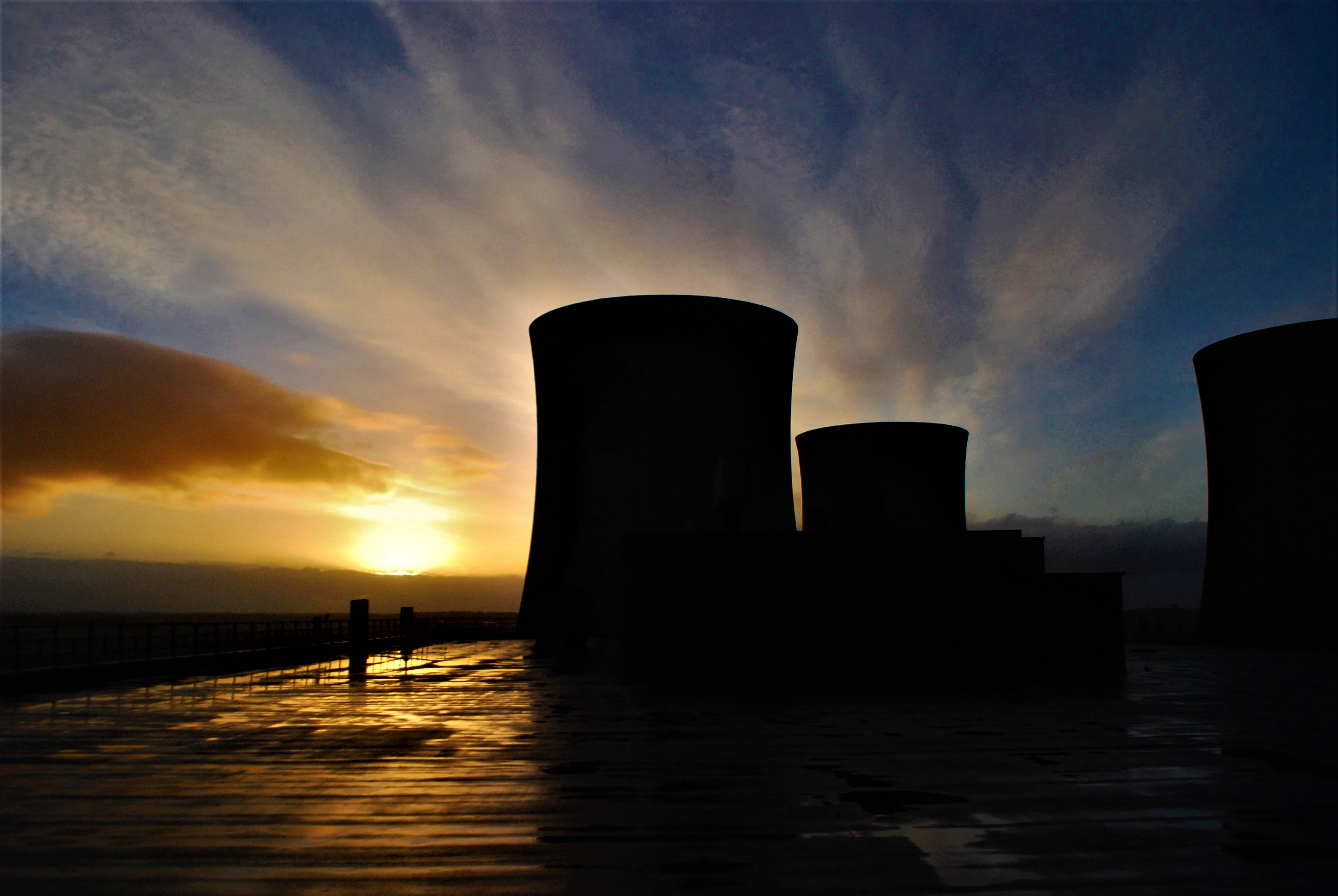
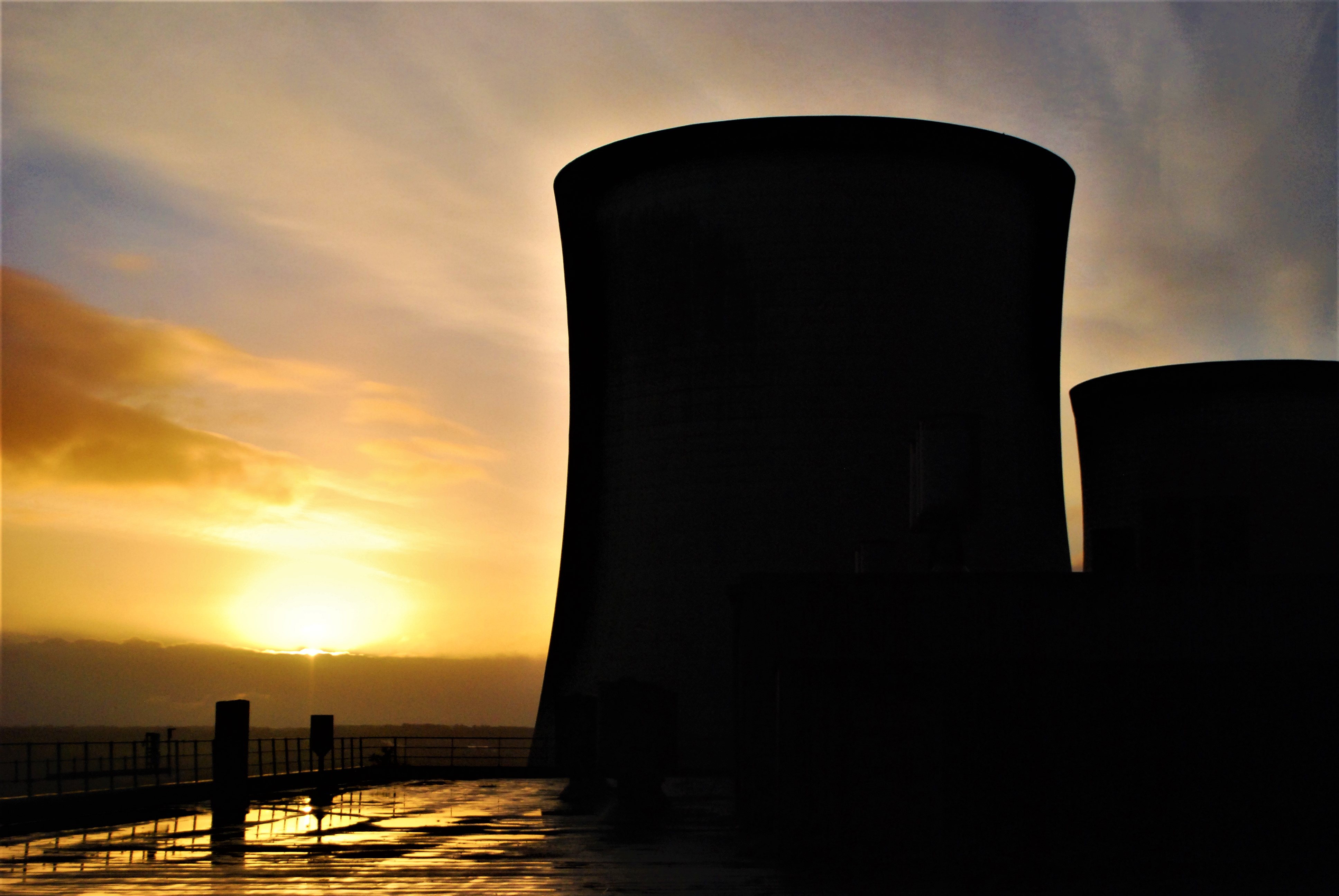
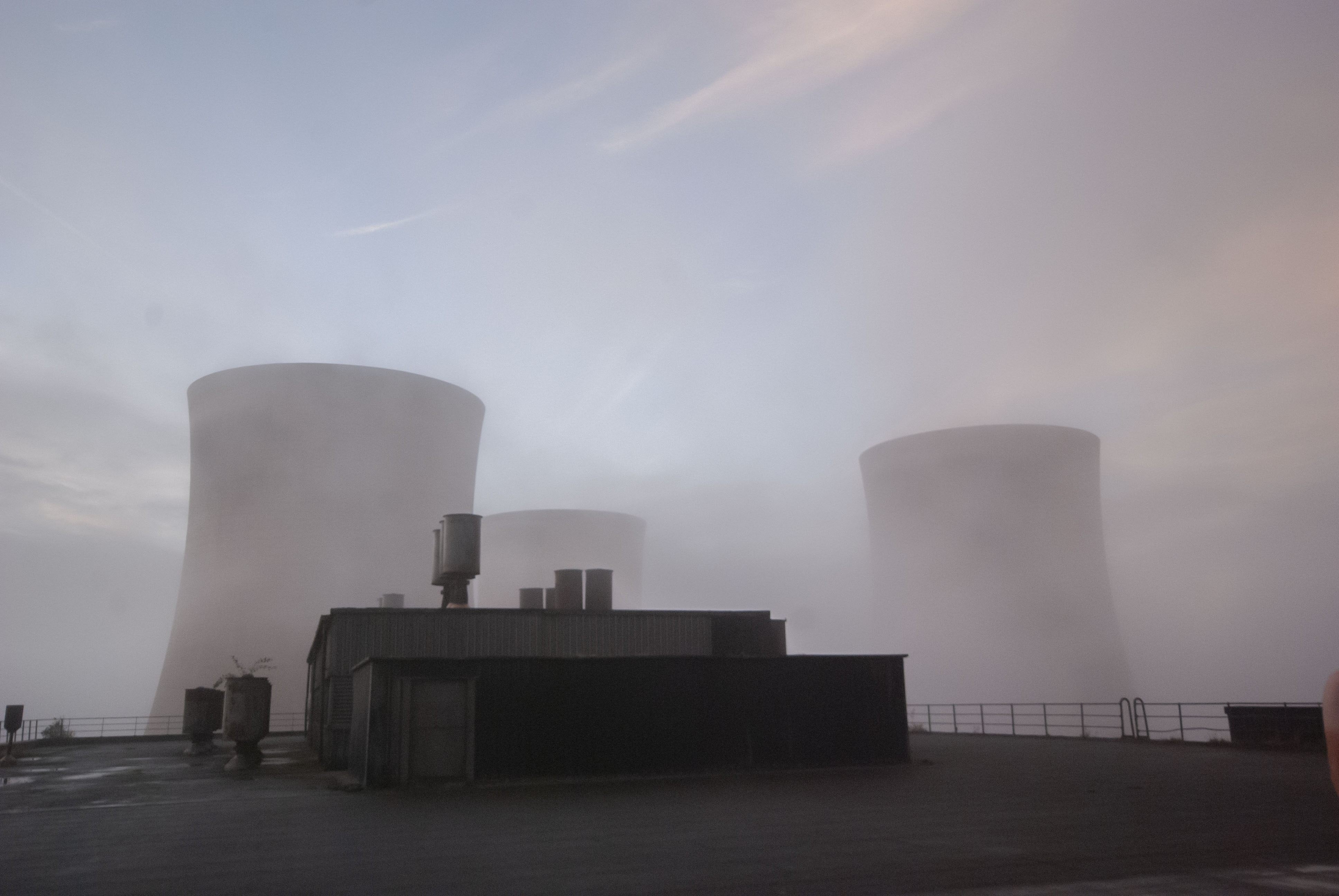
THE EXPLORES: I woke at 3:30am on the morning of the explore and got myself ready, gathering all my camera gear and memory cards together, meticulously arranging everything. Then, at around 5:30am, my exploring buddy and I arrived at the site of the power station. Having researched it for months on end and scouted the perimeter the day before, I knew what to expect. Walking to the access point was both thrilling and exhilarating. Eyes and ears peeled, ready to dive headfirst into brambles and bushes at the first sight or sound of security patrols. After an hour of trekking I finally came to the site of the access point. A quick jog and I was there… inside the power station. When I got in, the first thing I did was take a minute or so to just stare around at the sight in front of me, seeing the towering, monumental steel girders and pillars rising up from below. After that, I began the explore. I was in there for a good three hours almost. The highlights were the turbine hall – currently inaccessible due to CCTV cameras dotted around the place – and the roof. Upon exiting onto the roof at around 8am, I was greeted by the sight of the rising sun behind the towering 380 feet tall cooling towers, the rays shining through the clouds. I’d never felt accomplished around urbex before. It was definitely one of the most incredible sites I’ve ever explored. The sheer scale and size of everything there was absolutely stupendous. As corny as this sounds, I feel that was my defining moment in urbex. After that, I made my way out of the power station. Security was onto me at that point and I was caught shortly afterwards sadly, largely due to the impatience of the guy I was exploring with who wanted to run in the middle of a security patrol. But not before I’d got inside and explored the site! I may have been caught but I still managed to explore a power station!
May 2021: I managed to return to this site in May 2021, with my good friend Landie_Man, not the guy I went with before. We’d repeatedly put off plans to visit this place and explore it due to the COVID-19 pandemic. But, finally, once hotels opened up again, we set off. We woke early on the morning of the explore at 2:30am, and arrived at the perimeter at 3am. Using the same route as I had previously used, we slunk into the site and made our cautious way over to the power station. It took forever, because we kept darting in and out of bushes at the slightest sound of anything out of nerves! But, we persevered. We got to the access and got in undetected! Very pleased about that. We spent a good six hours inside the site, and at about 10am, I peered through a small hole in the wall of the boiler house and eyeballed security driving past in their car. I spied on them for a good half an hour, noting they couldn’t have known we were there because they were acting very sluggishly. An hour or so after that, Landie_Man and I left the site in a third of the time it took us to get inside… in broad daylight! We were unimpeded and got out undetected. Absolute win!
October 2021: I returned to the power station for my 21st birthday – yes, I spent my actual birthday inside the power station! Not something many people do for their 21st, is it? Anyway, it was another extremely early wake up call – I woke at 1am after merely two and a half hours of sleep which wasn’t pleasant, before getting in the car at 2:30ish and leaving with my friend Robin. We picked up two others along the way, arriving at the power station at 6am. We were inside soon after and began our explore. The site was silent apart from the hum of electricity powering light fixtures, quite the stark contrast with January when the place was hissing and humming and roaring like a dragon. Now it slumbers quietly. We were inside the building for a good twelve hours, which was more than enough time to explore pretty much every single inch of the structure. Sadly the control room was not accessible but… one day. One day it will be.
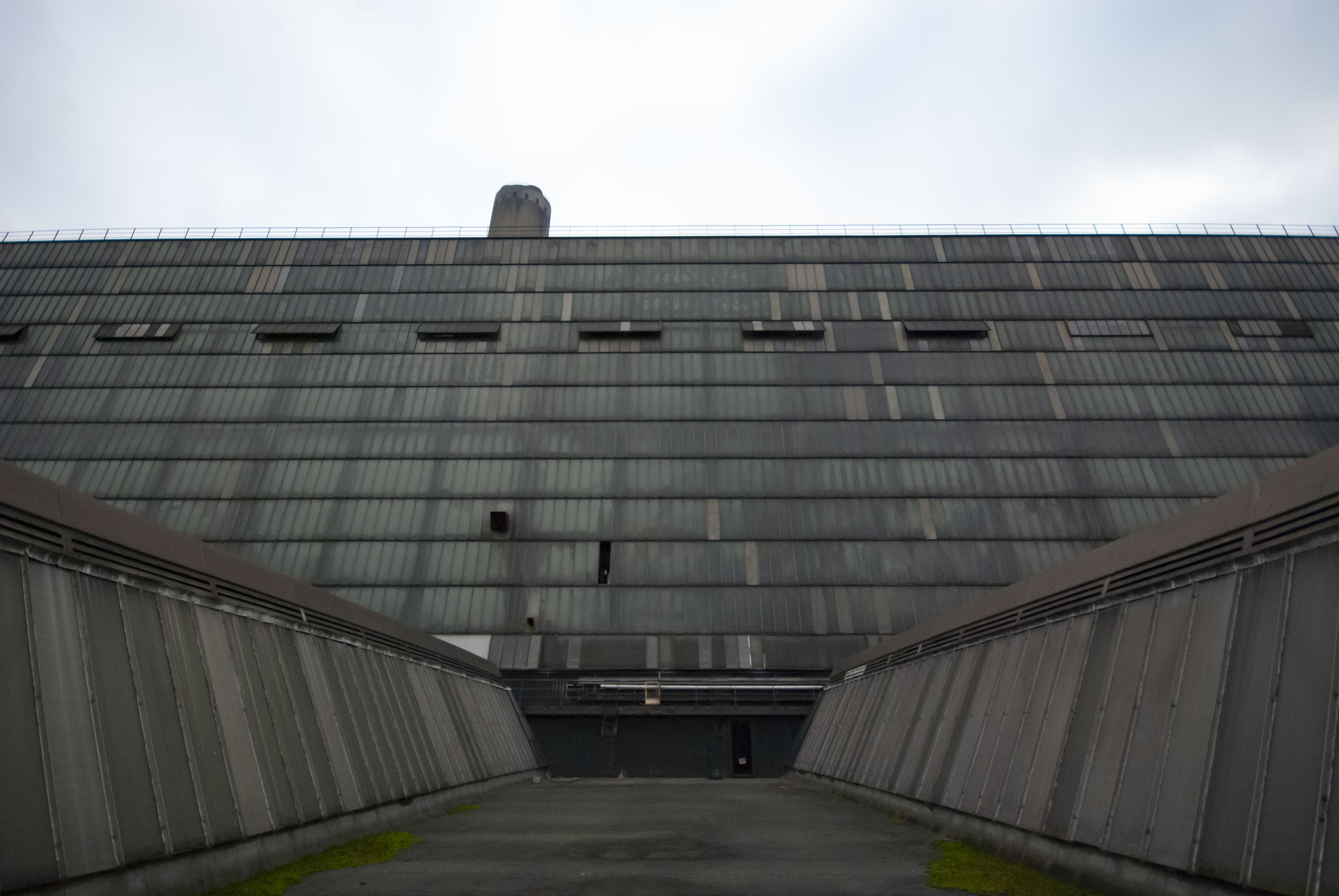
EXTERIOR
Showing the power station’s looming presence over Cheshire.

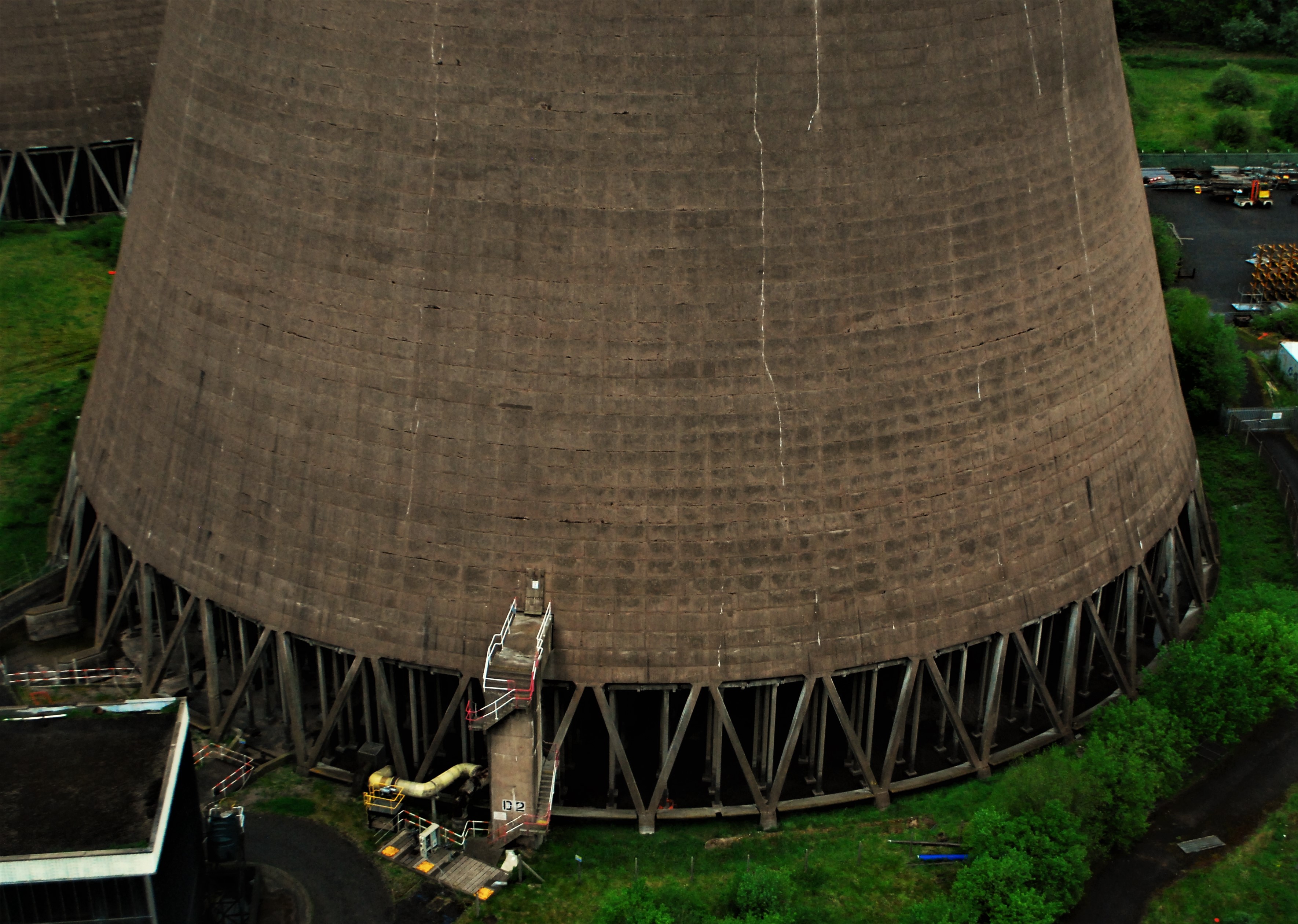
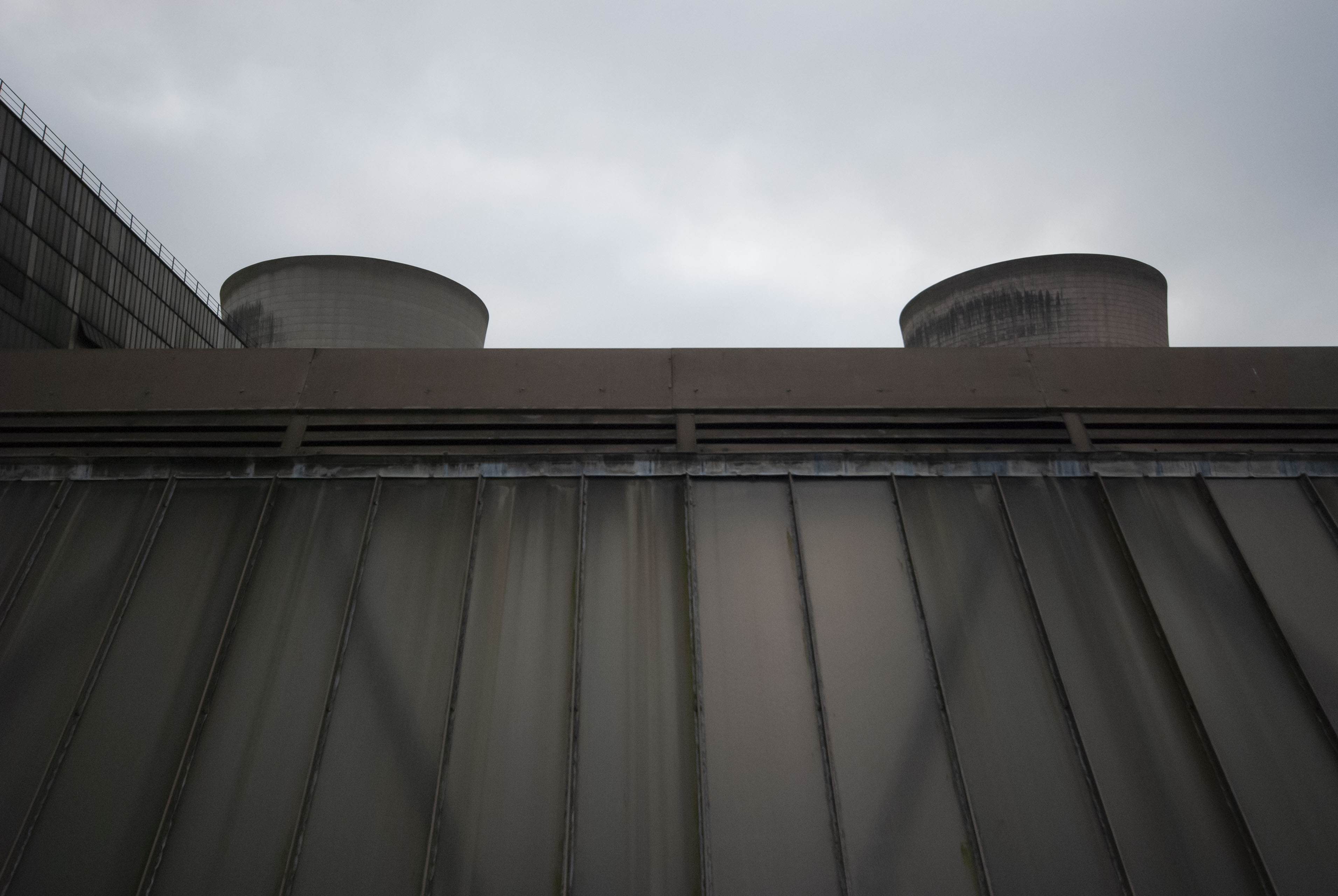
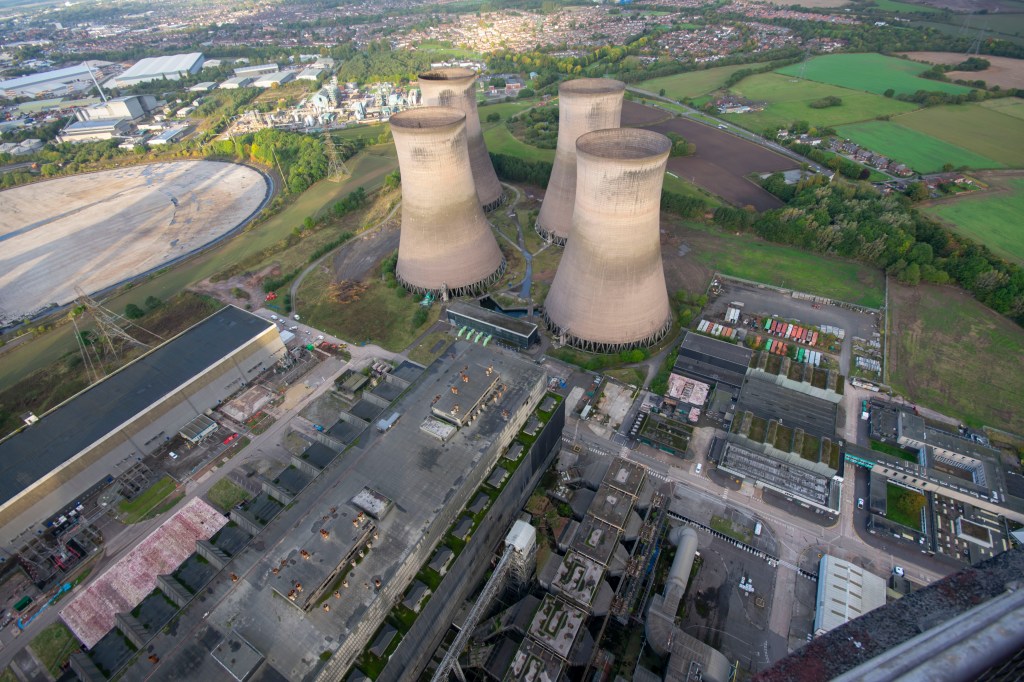
COOLING TOWERS
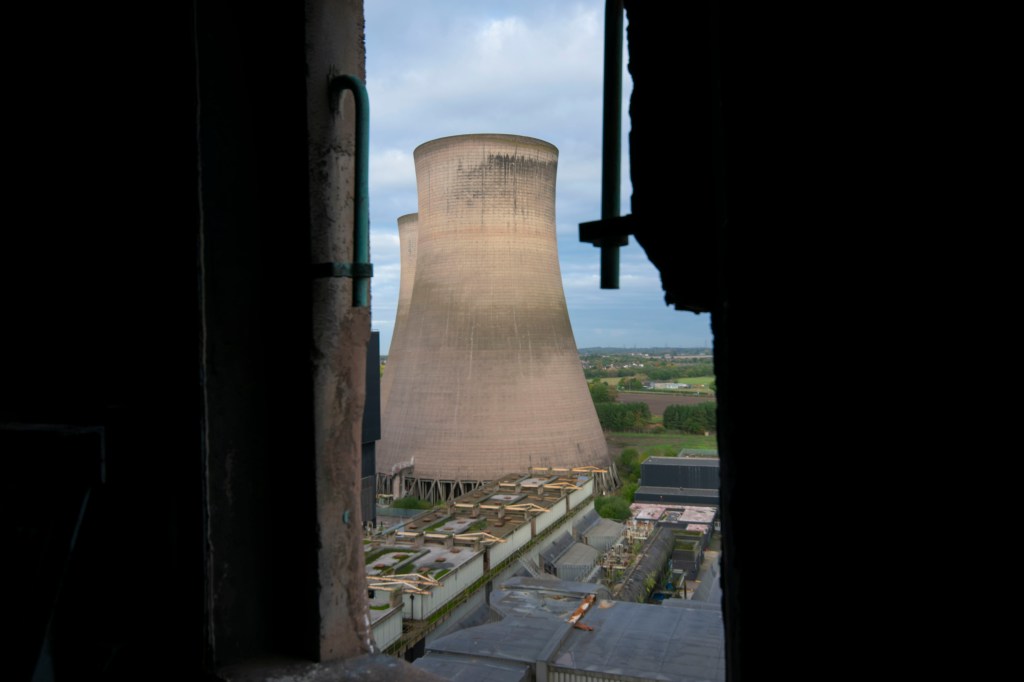
The eight cooling towers. Four of them were demolished in 2023.
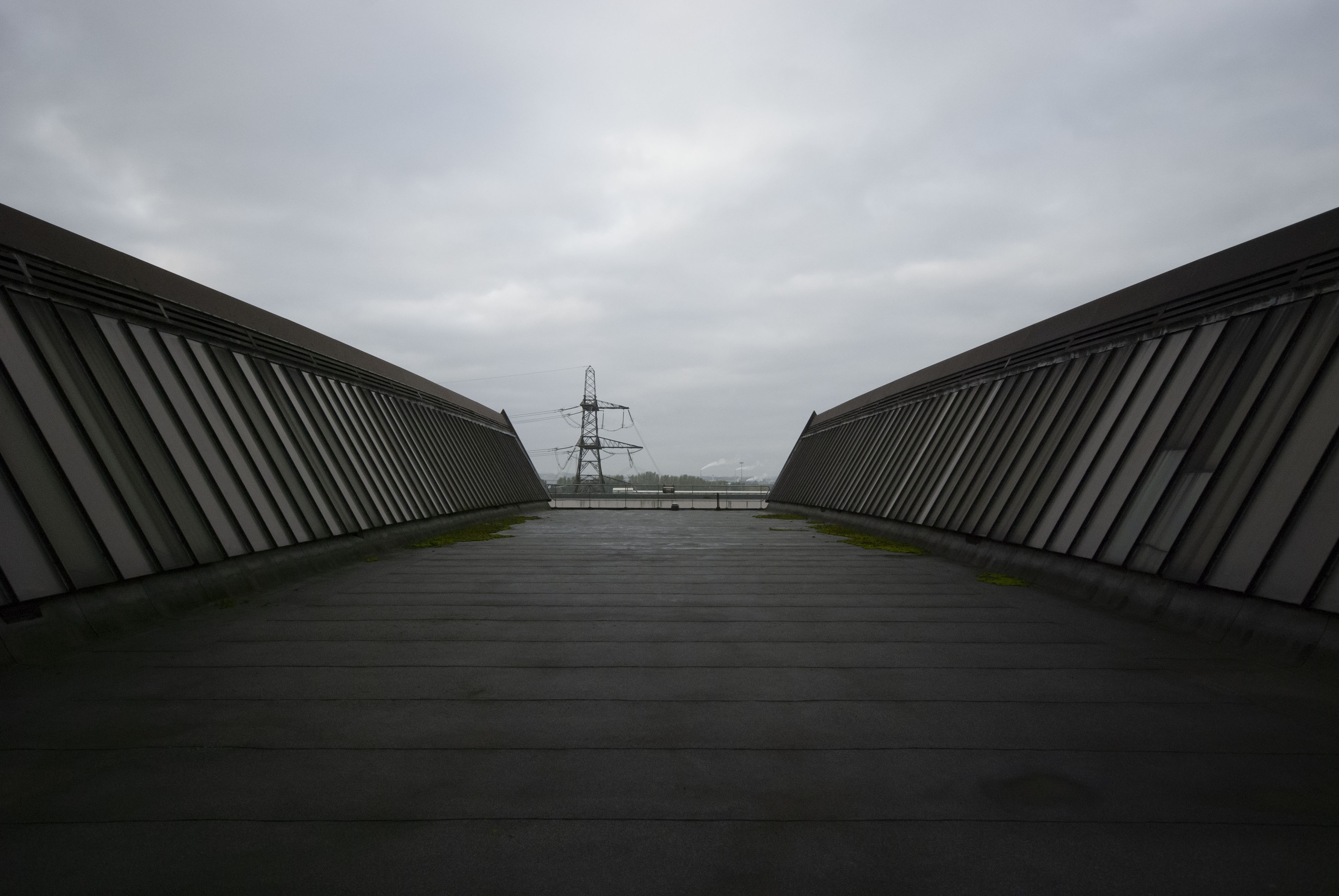
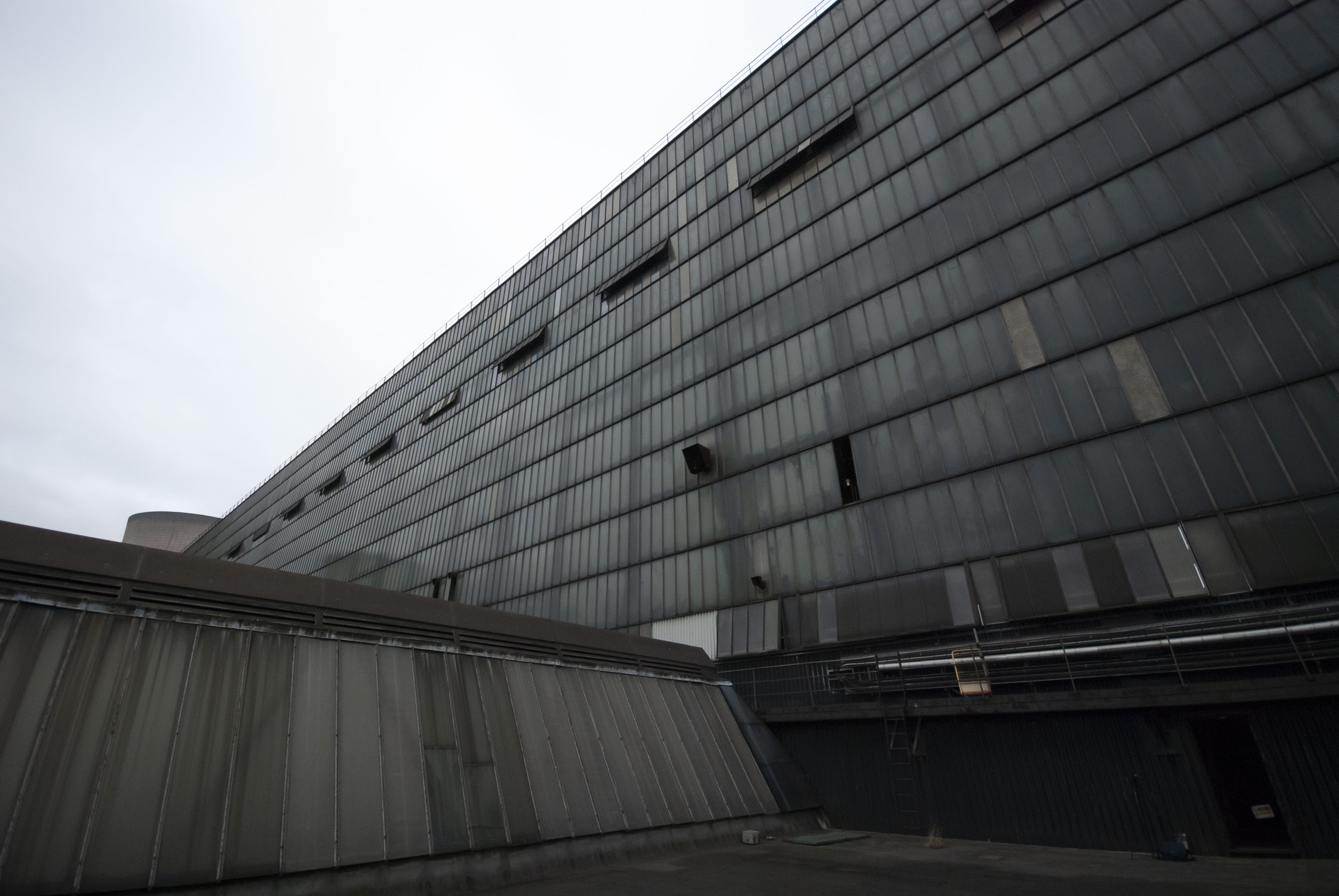
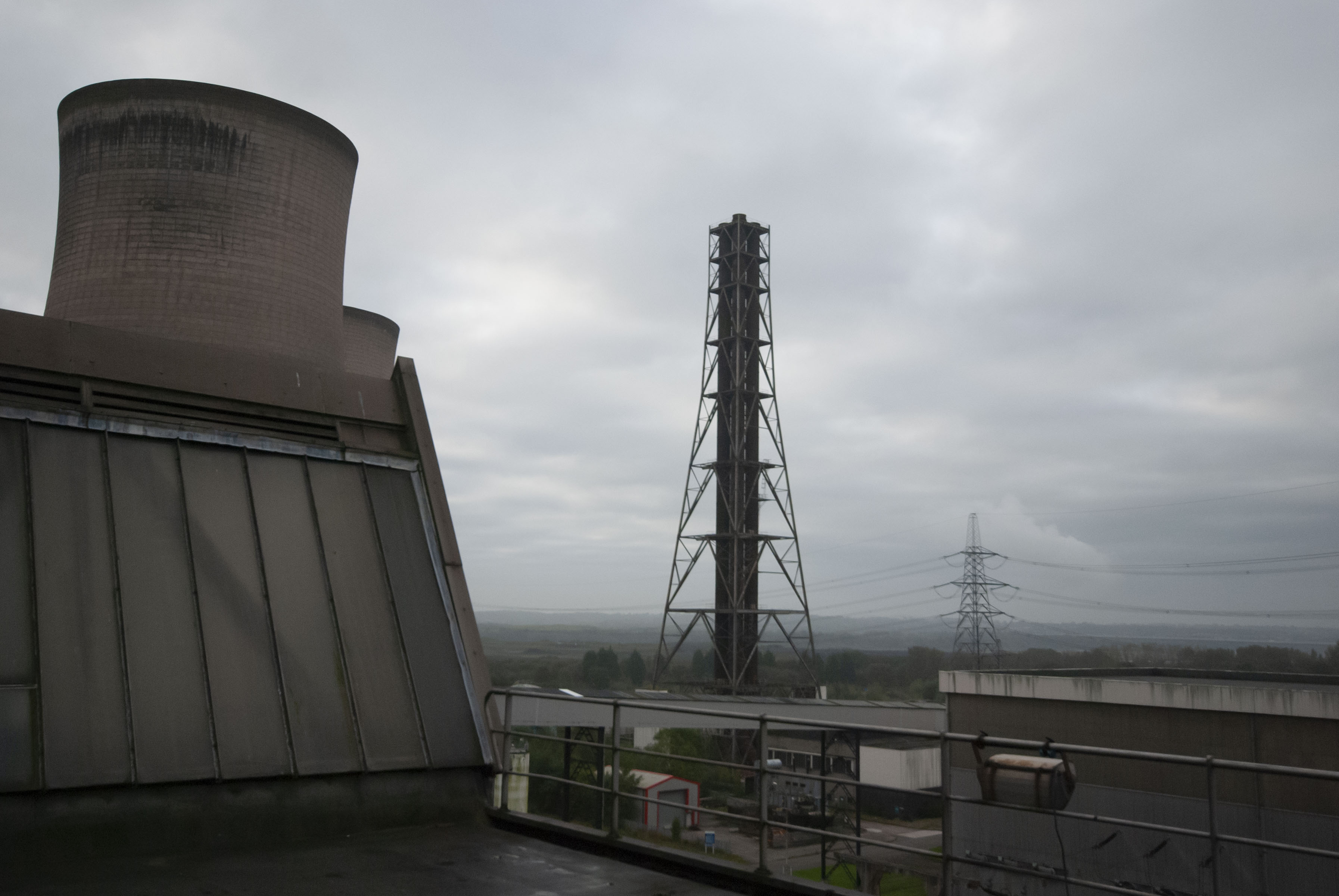
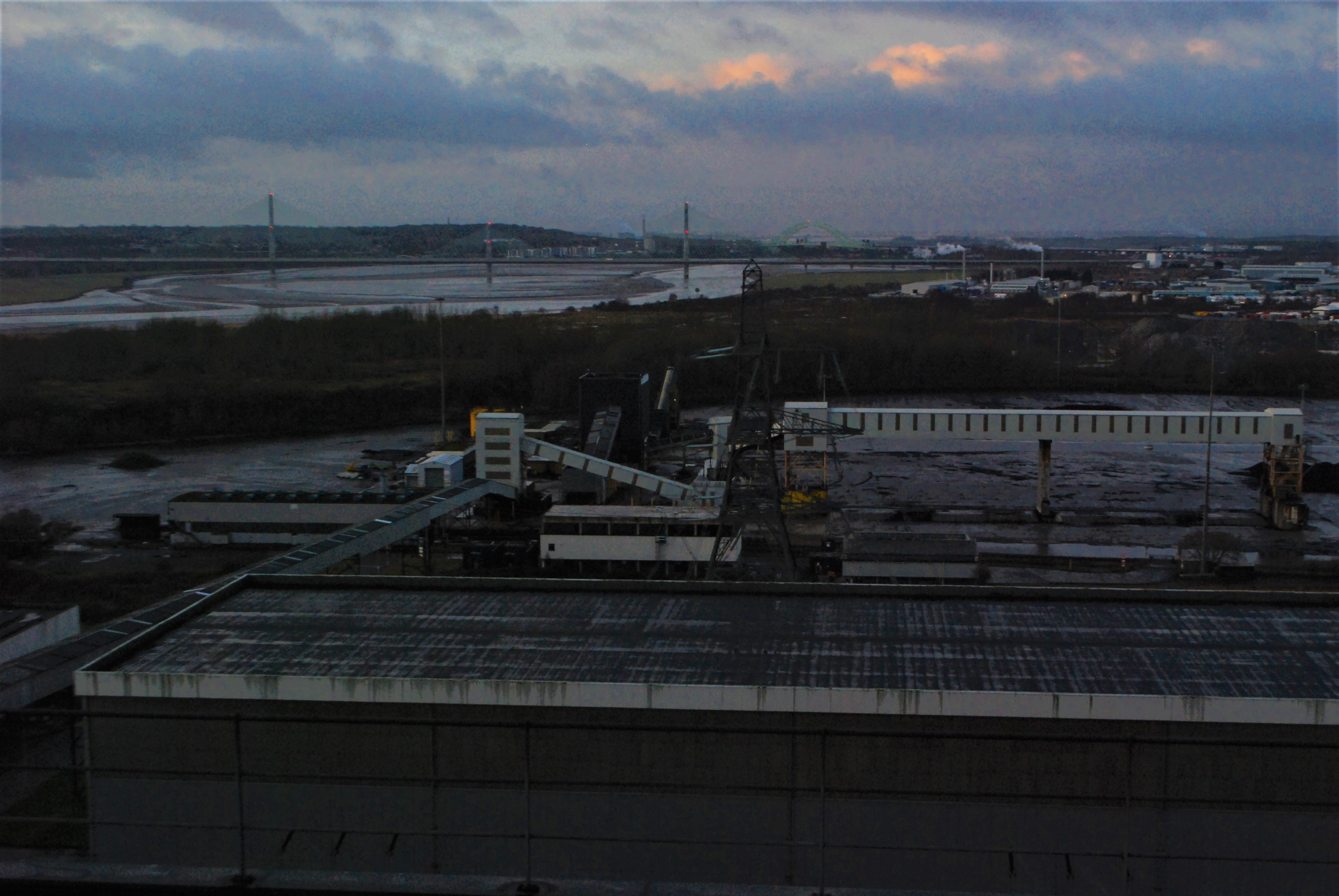
ROOFTOP
Showing the coal field and gas turbine building.
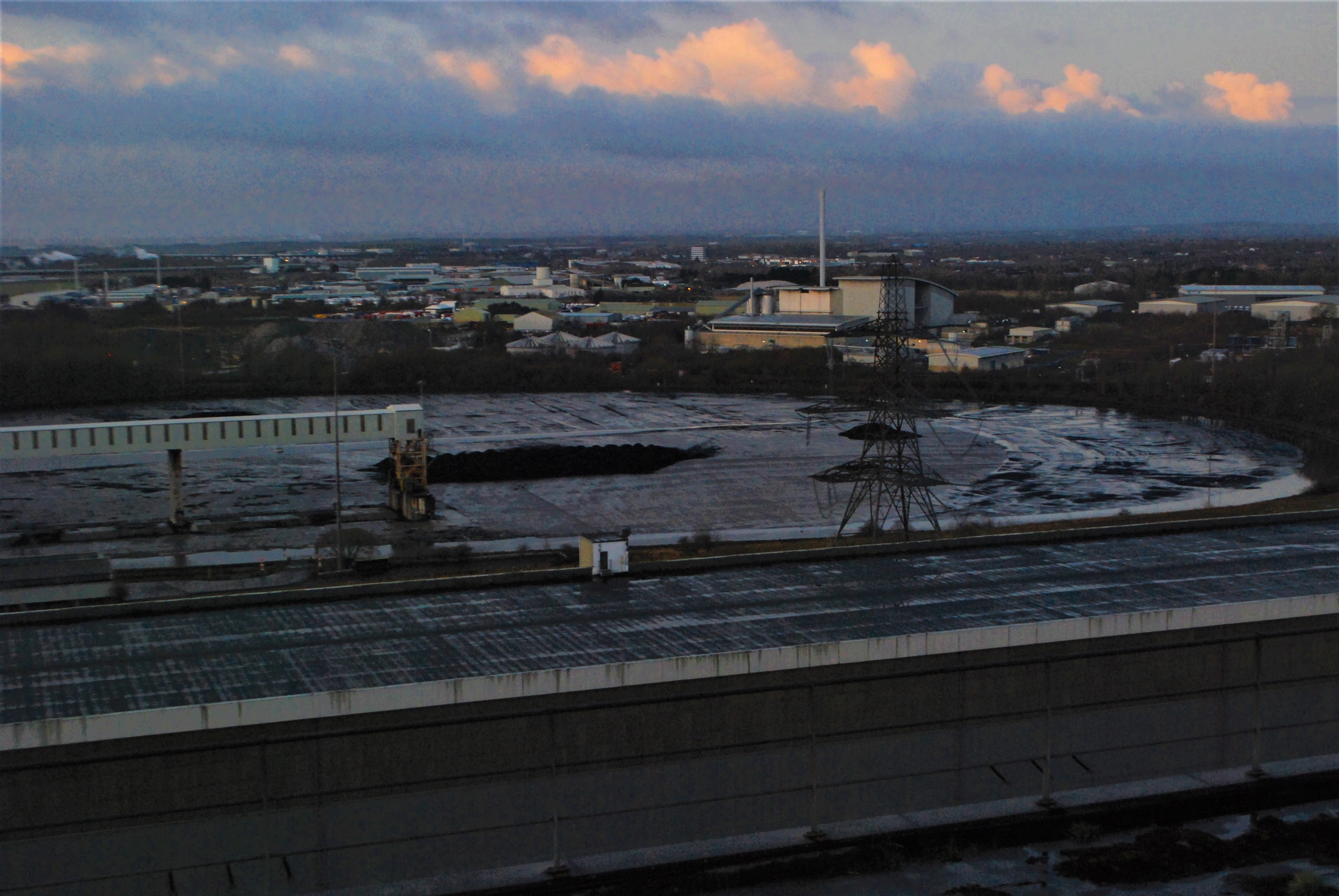
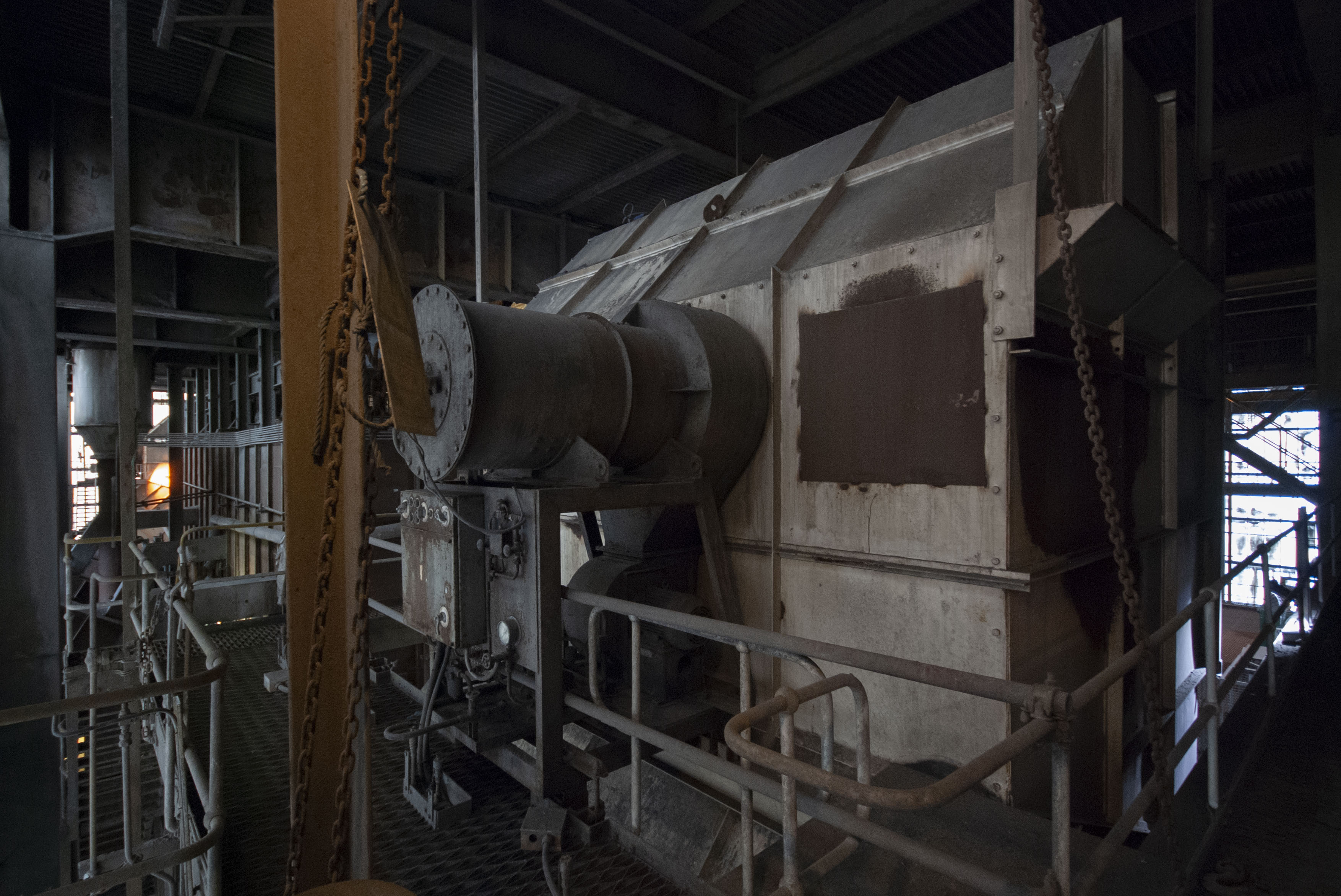
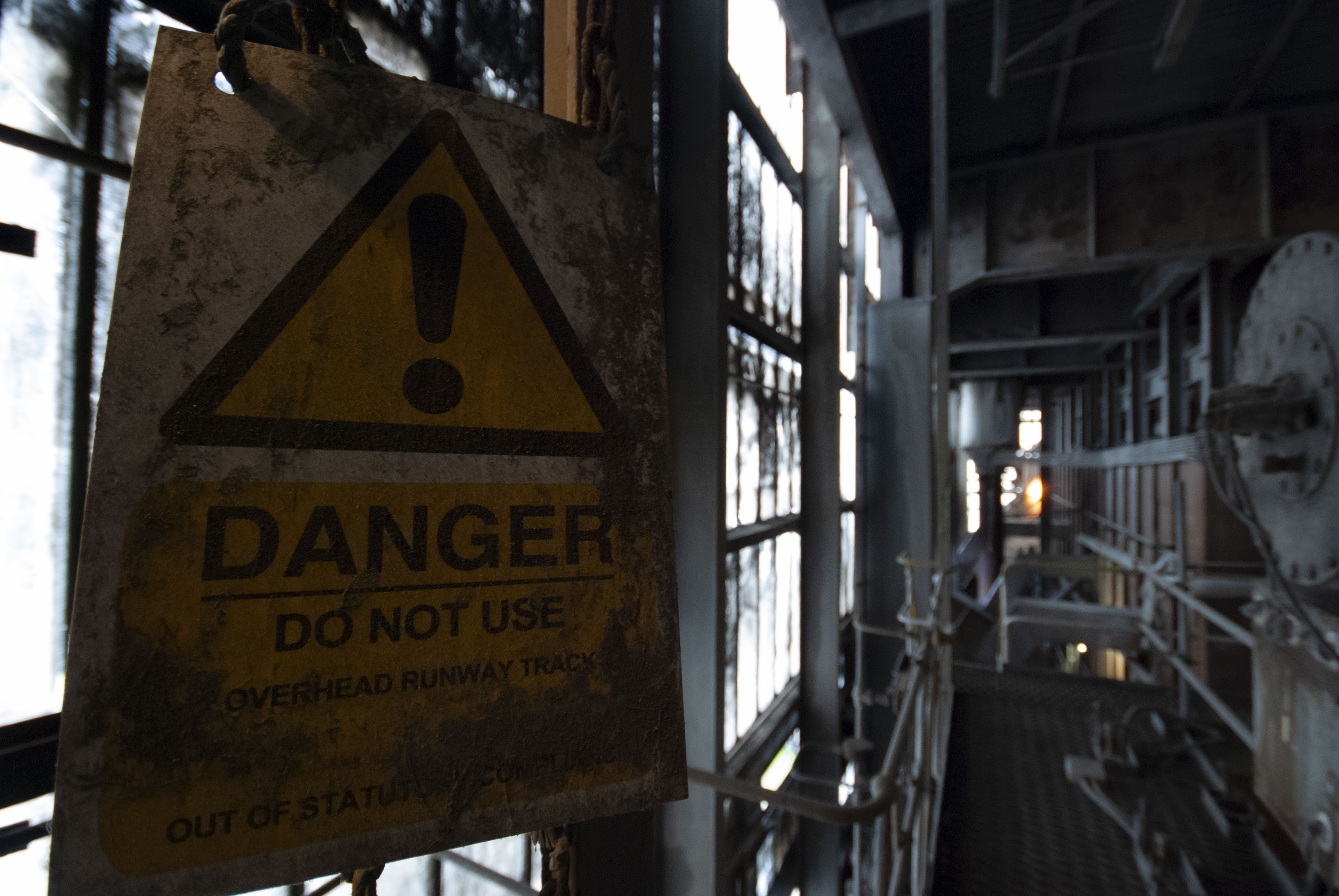
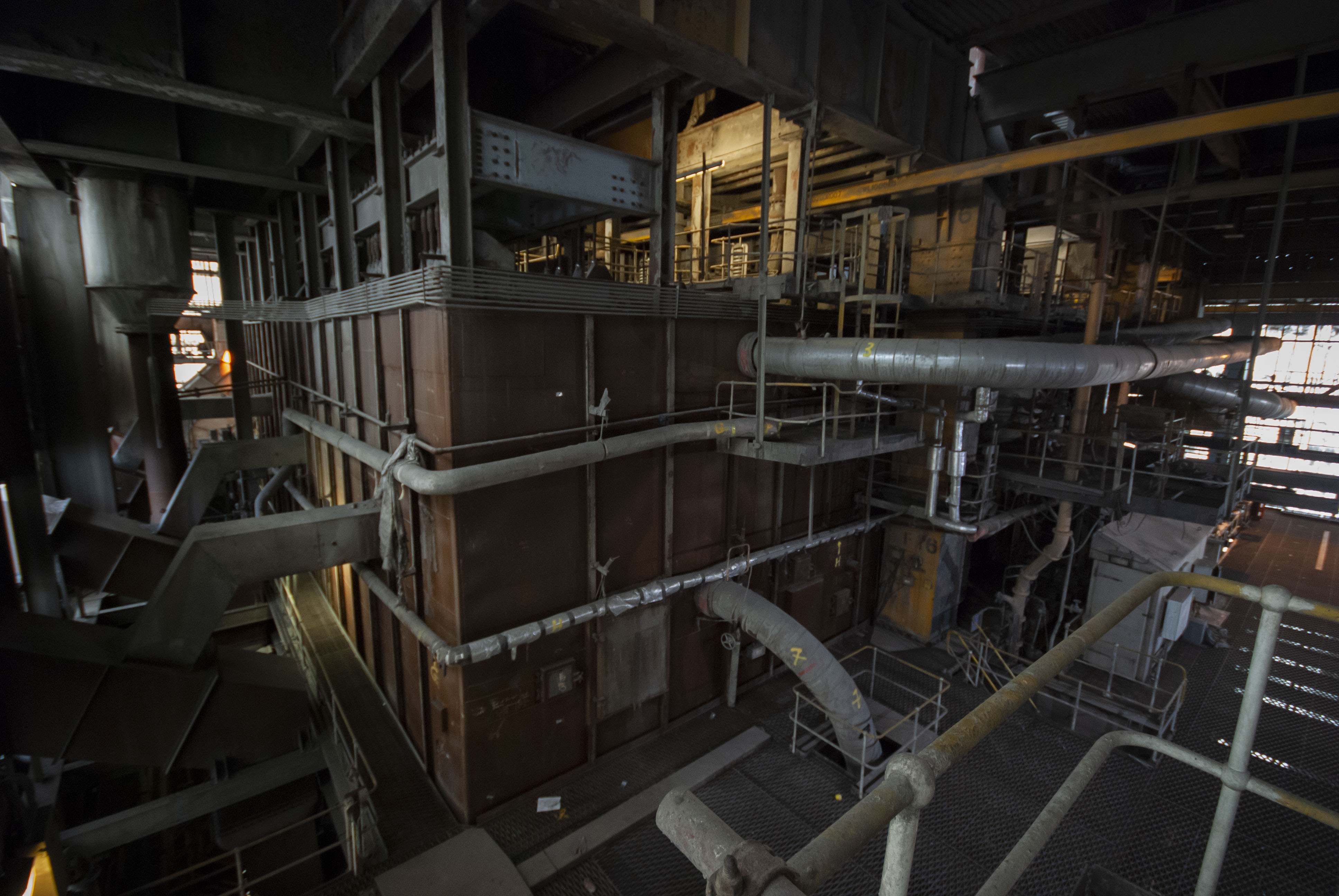
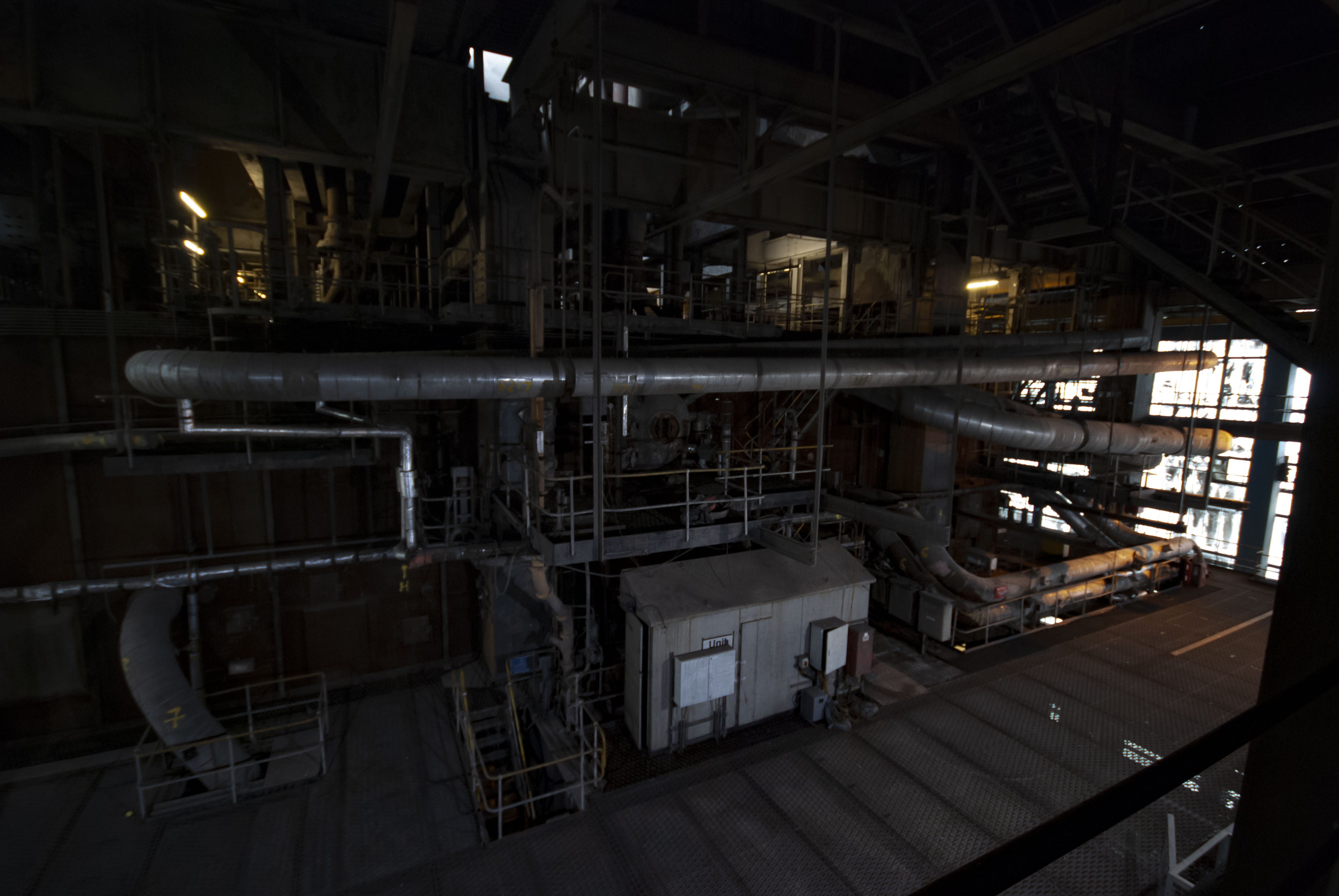
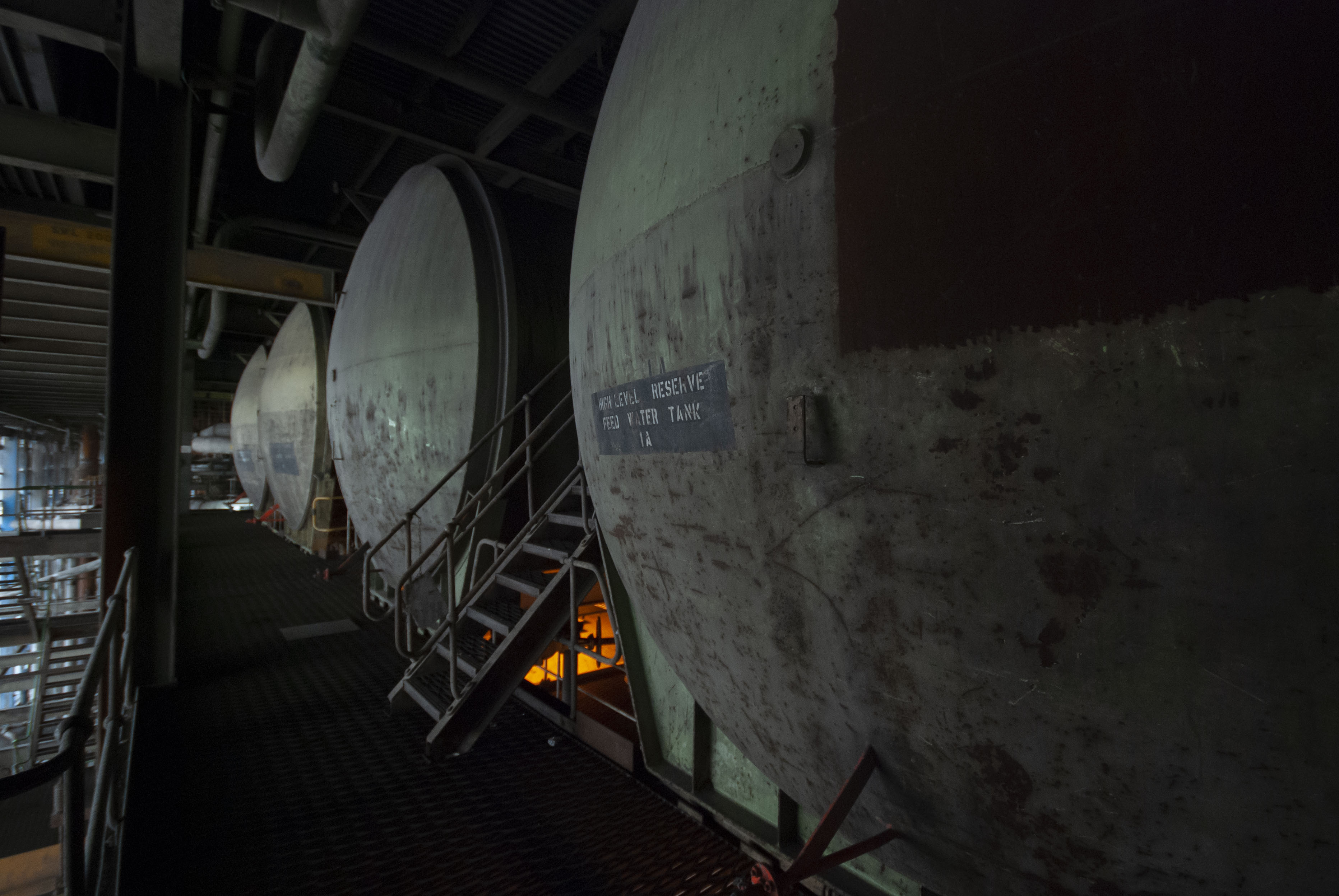
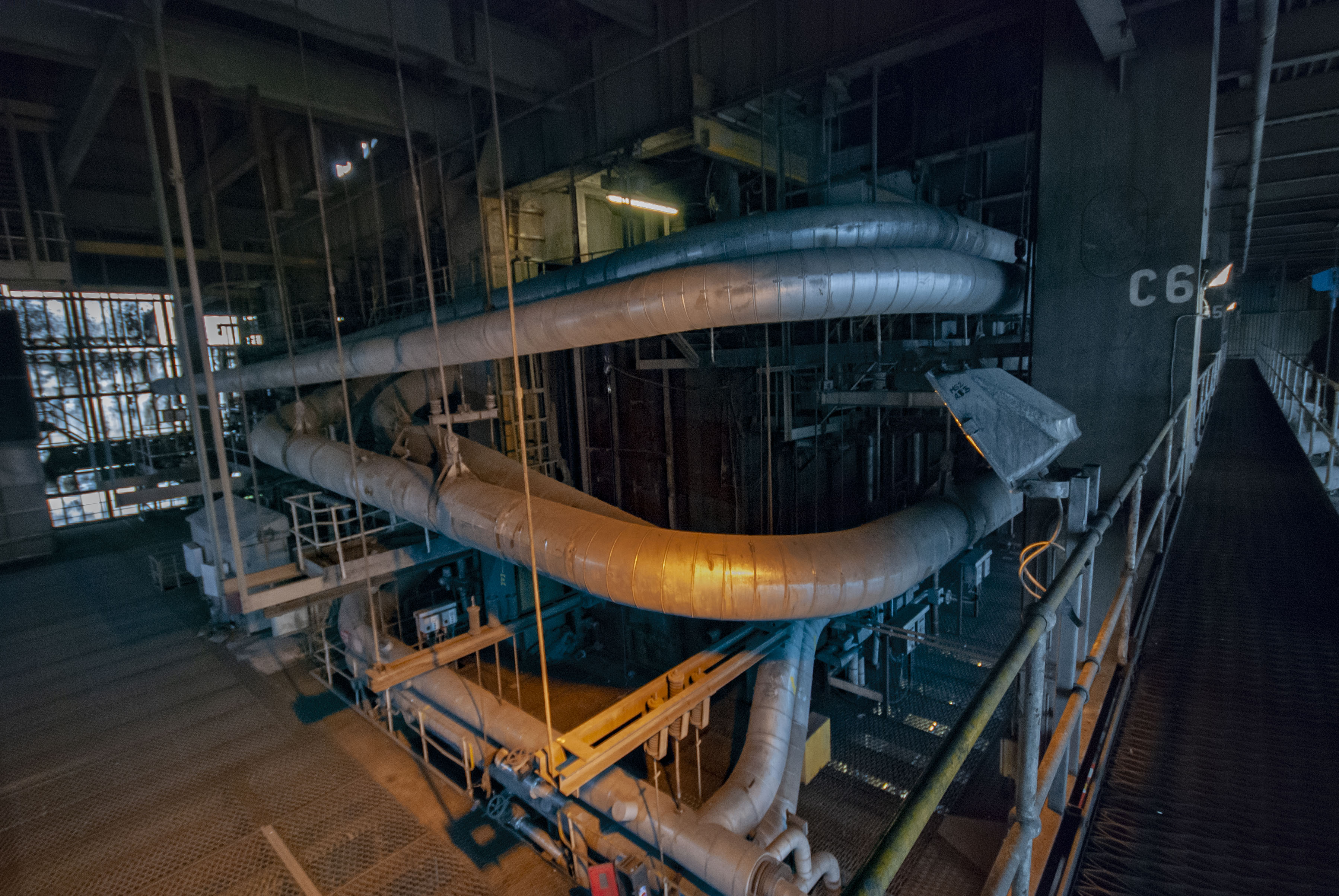
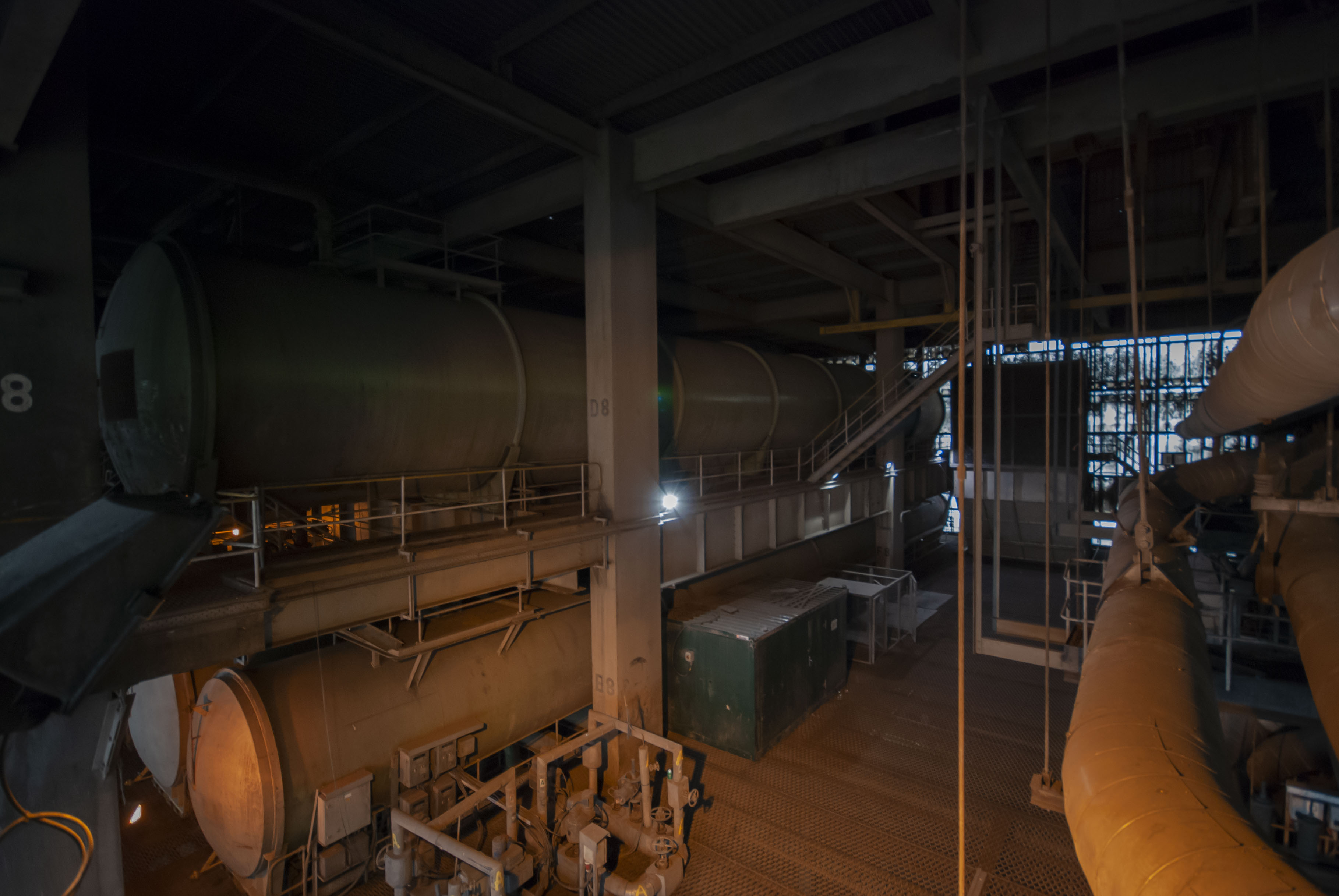
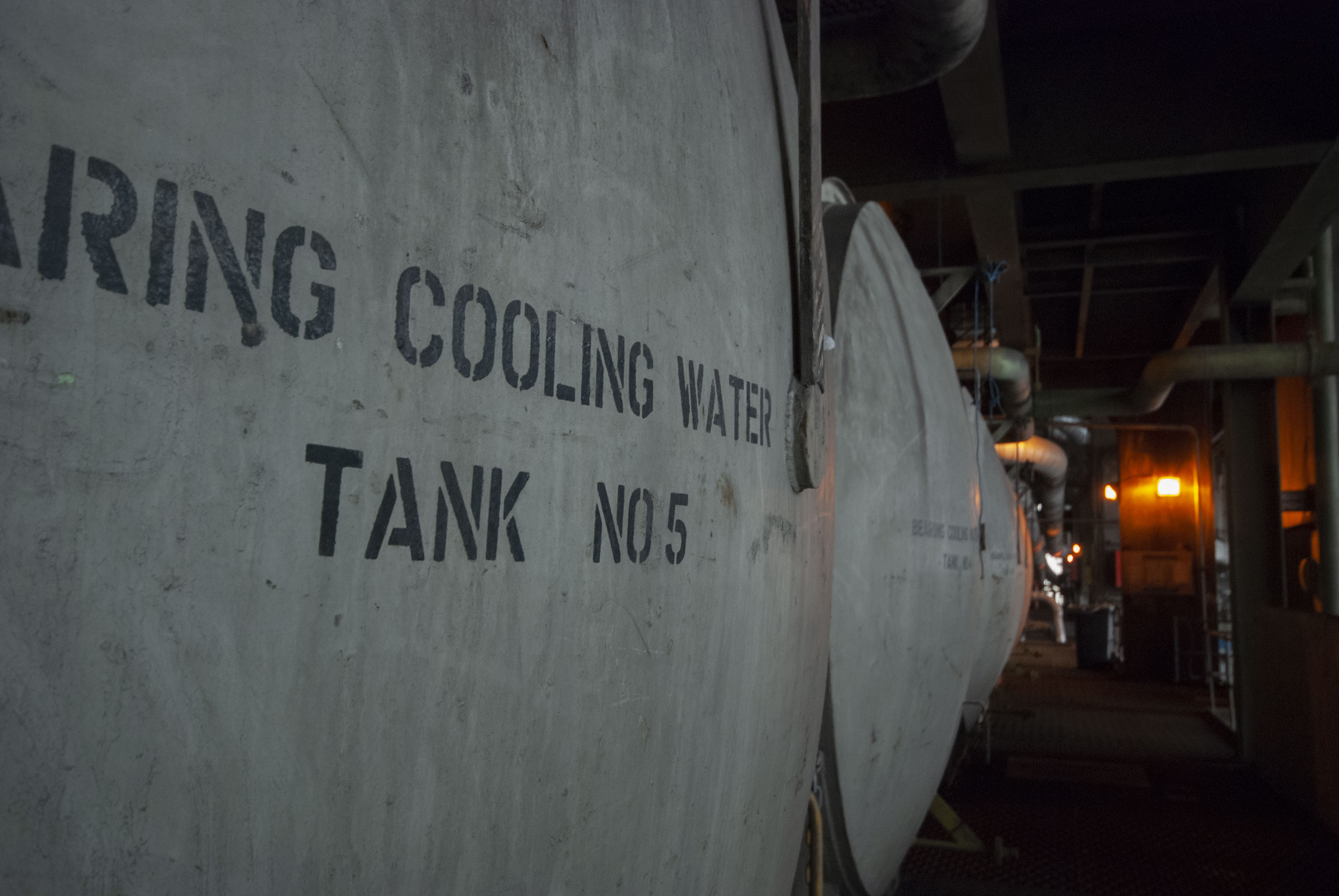
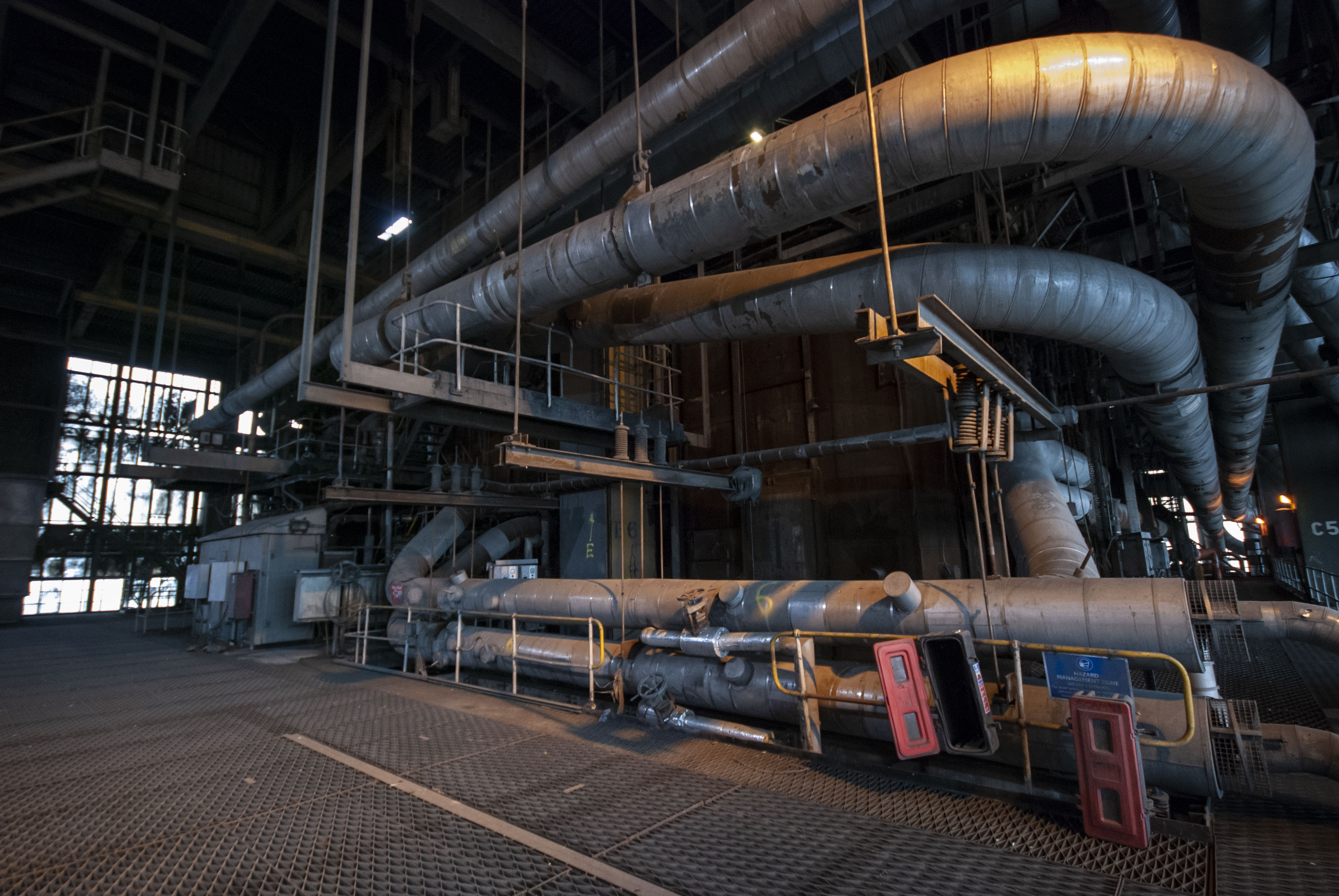
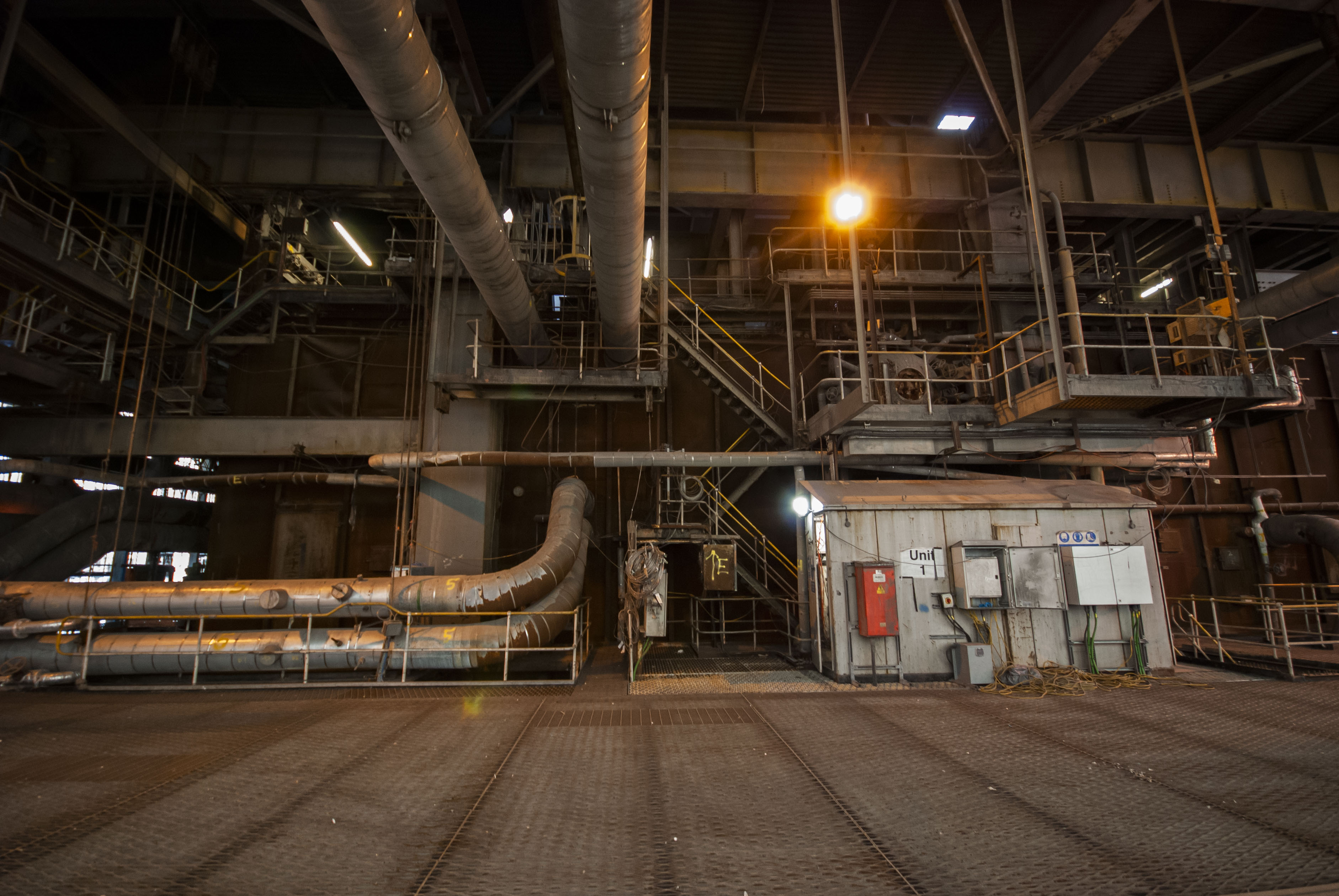
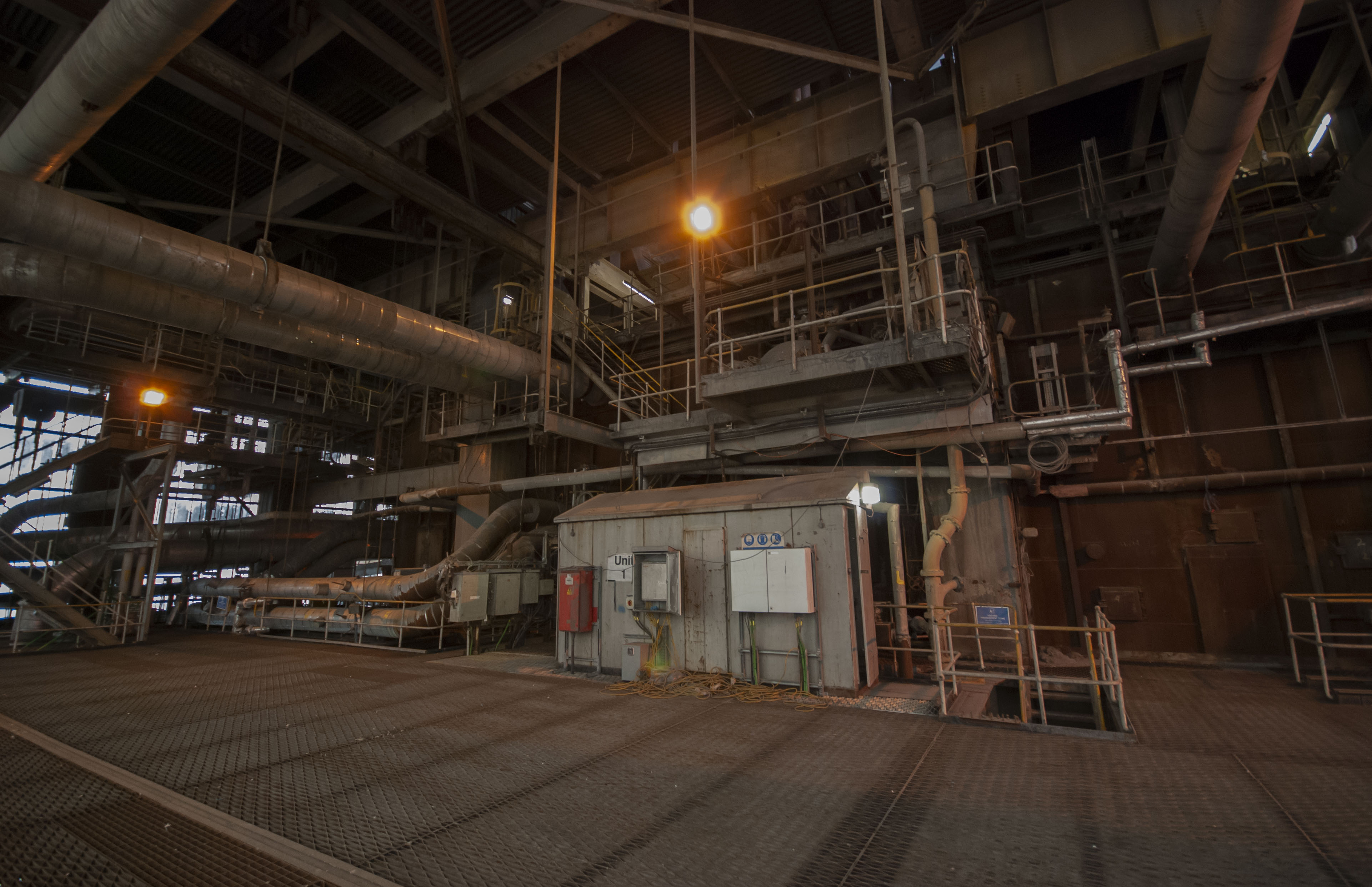
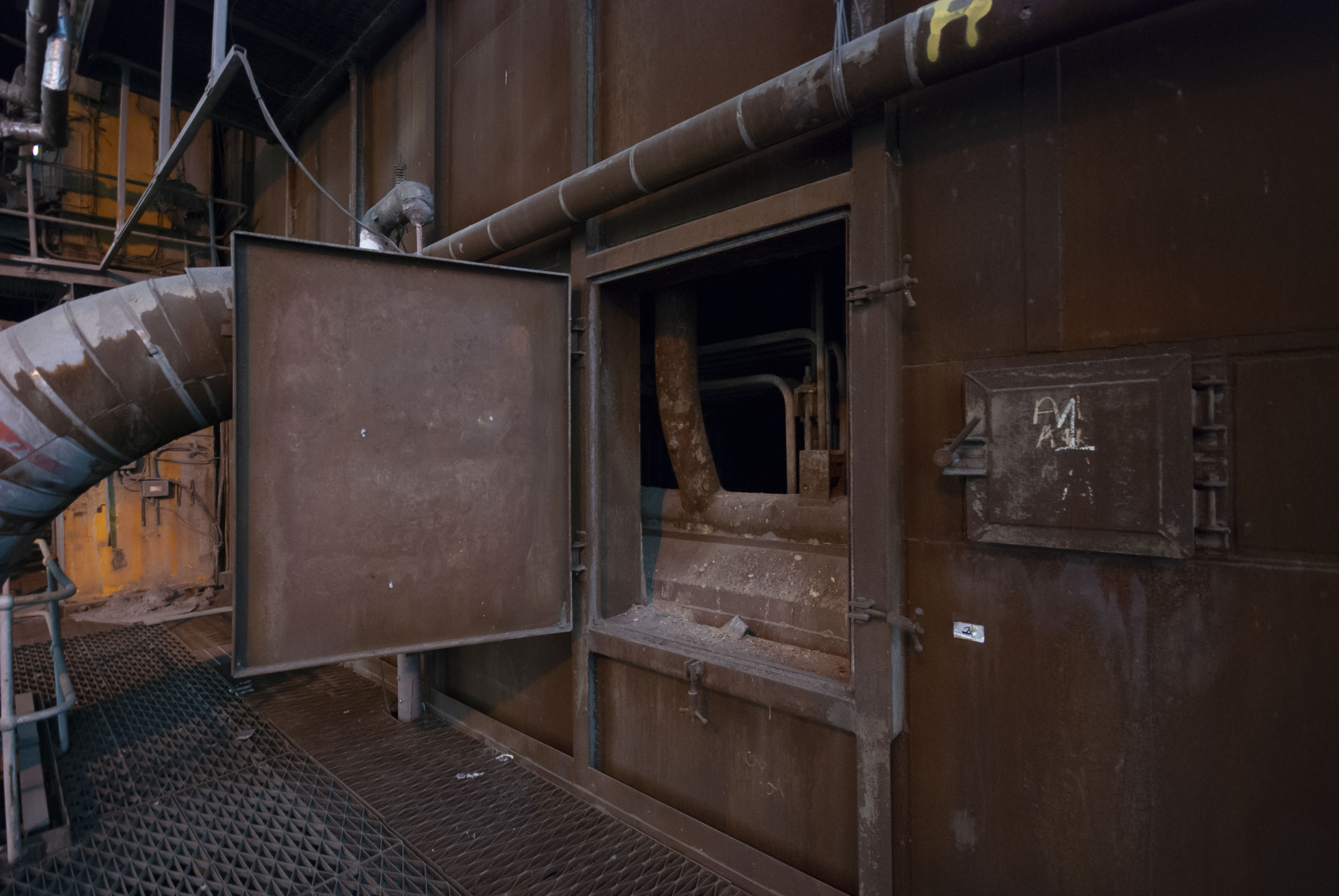
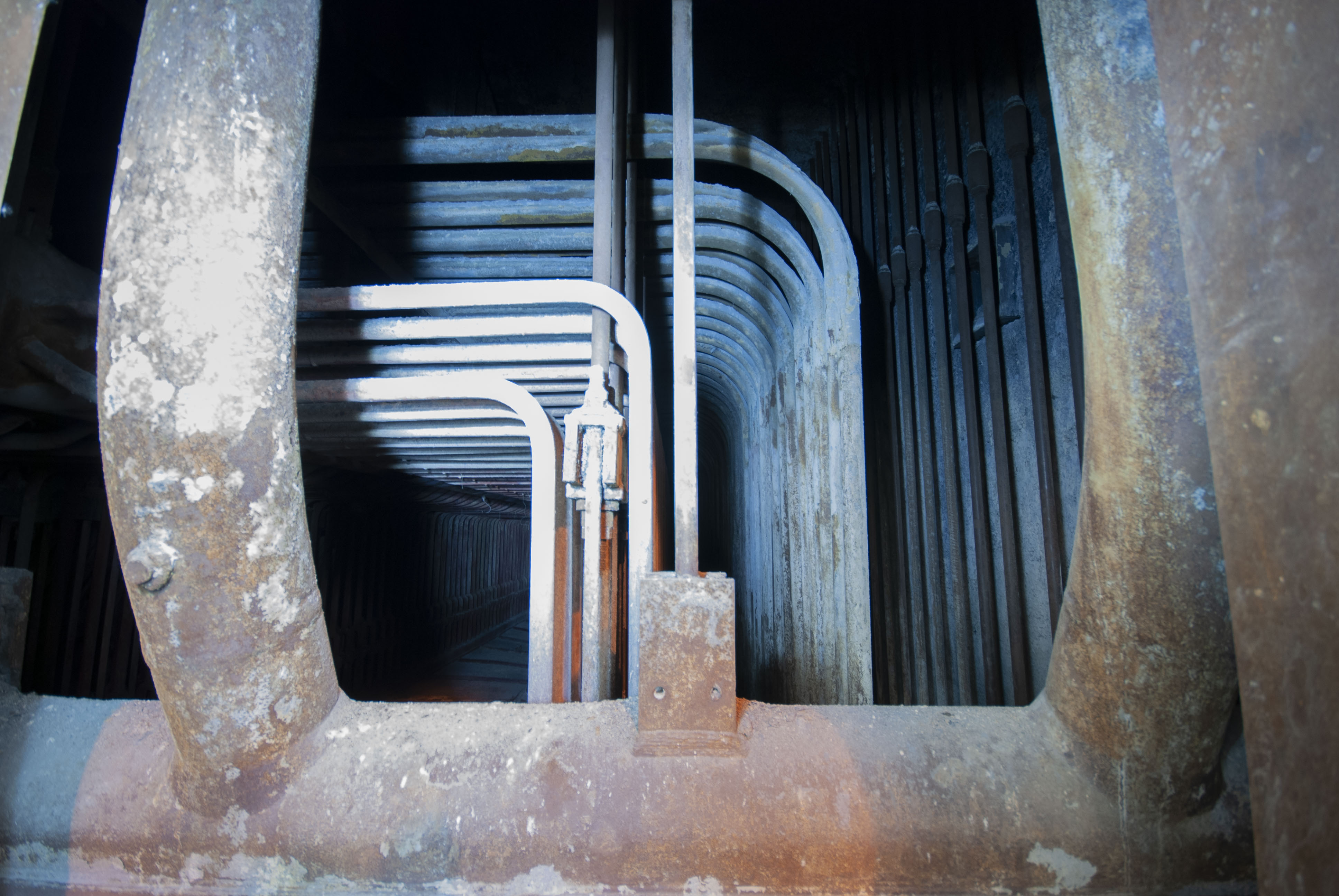
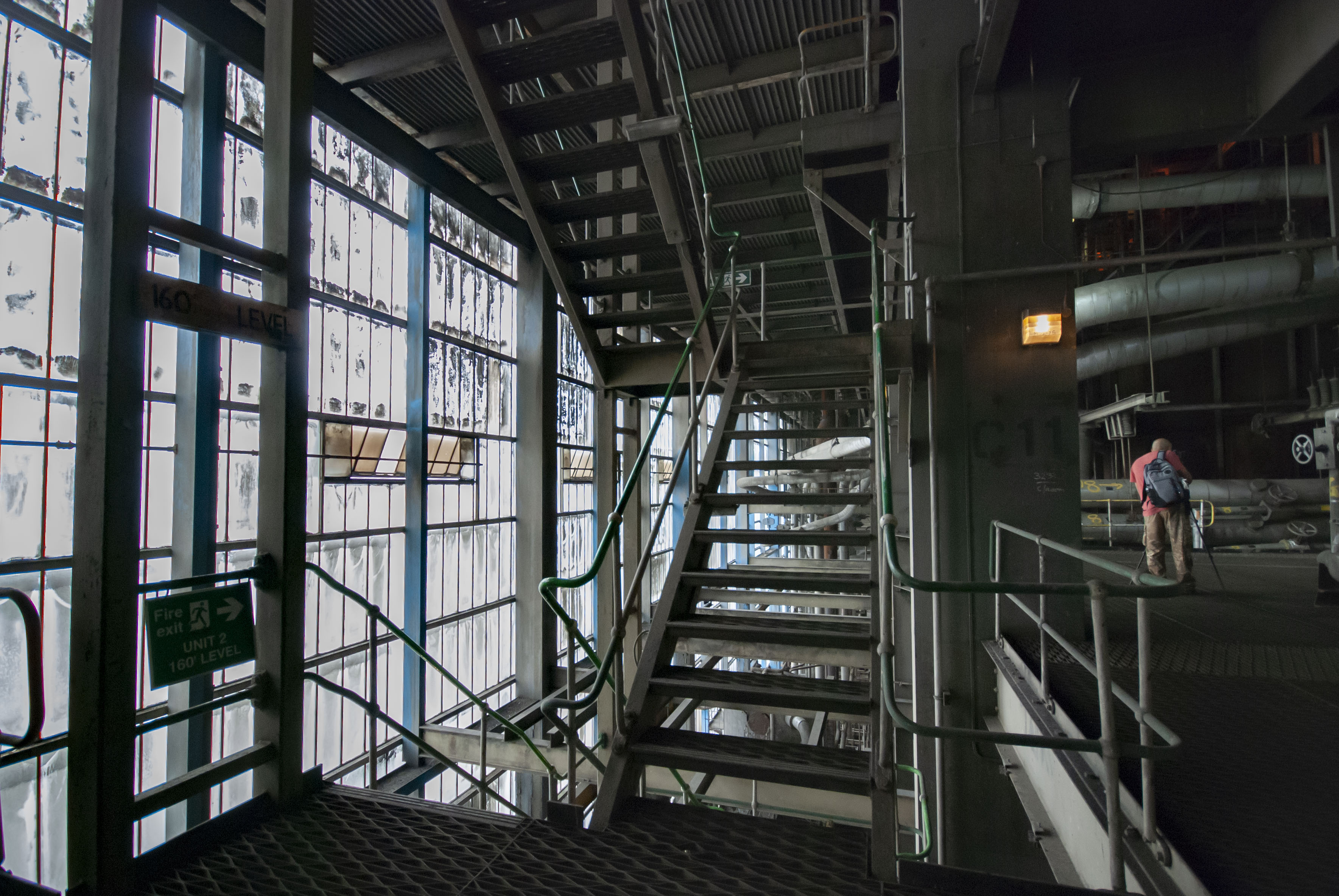
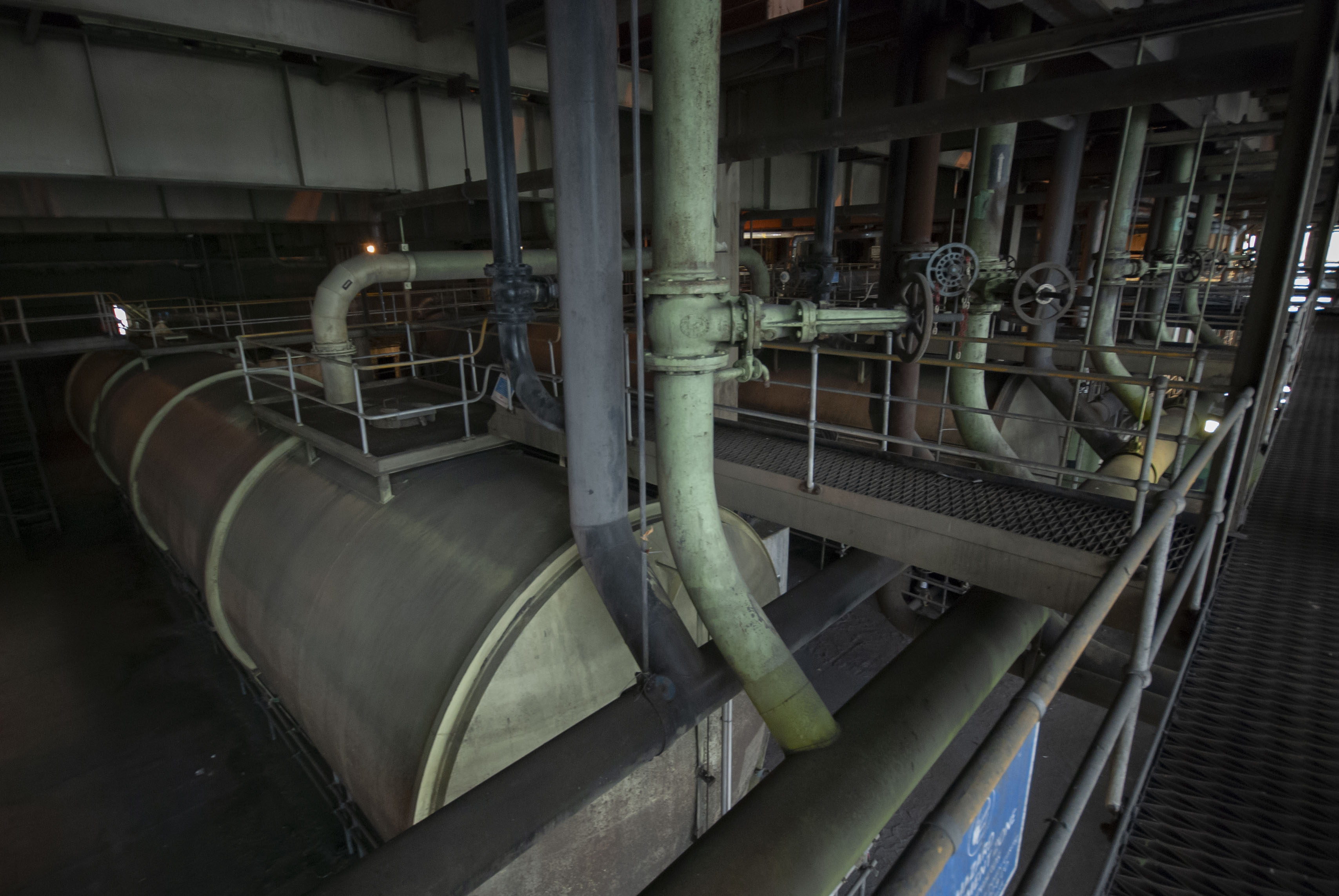
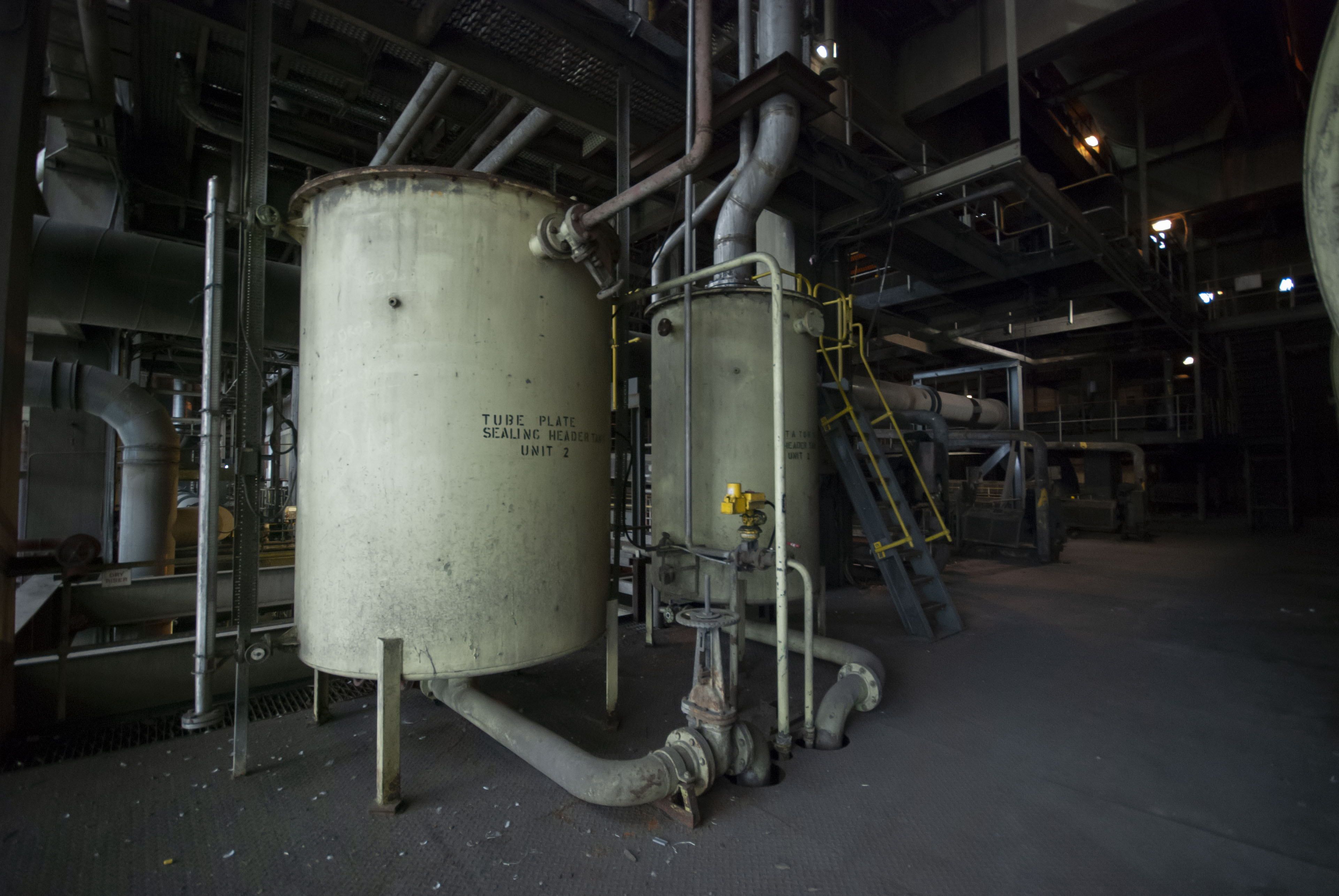
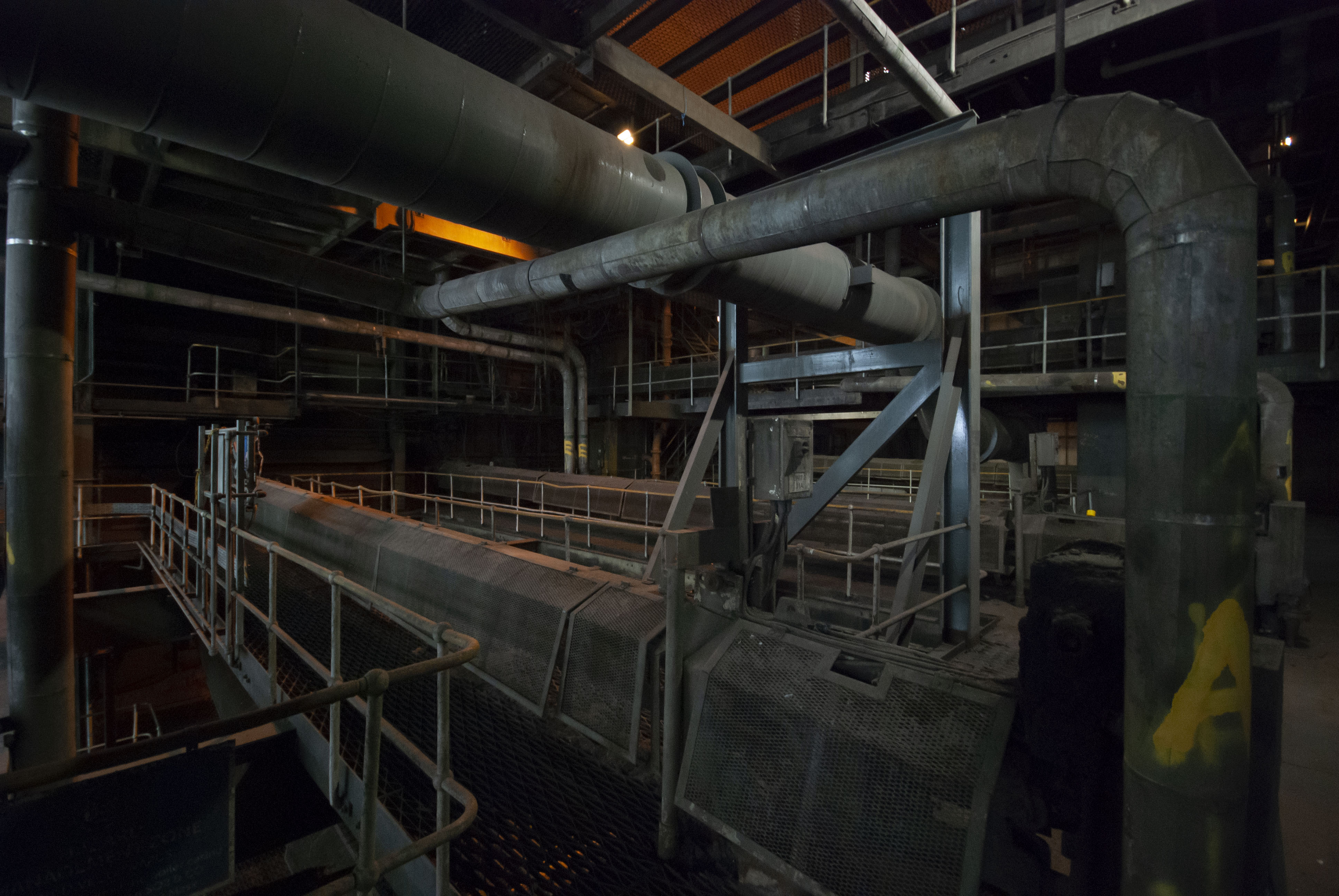
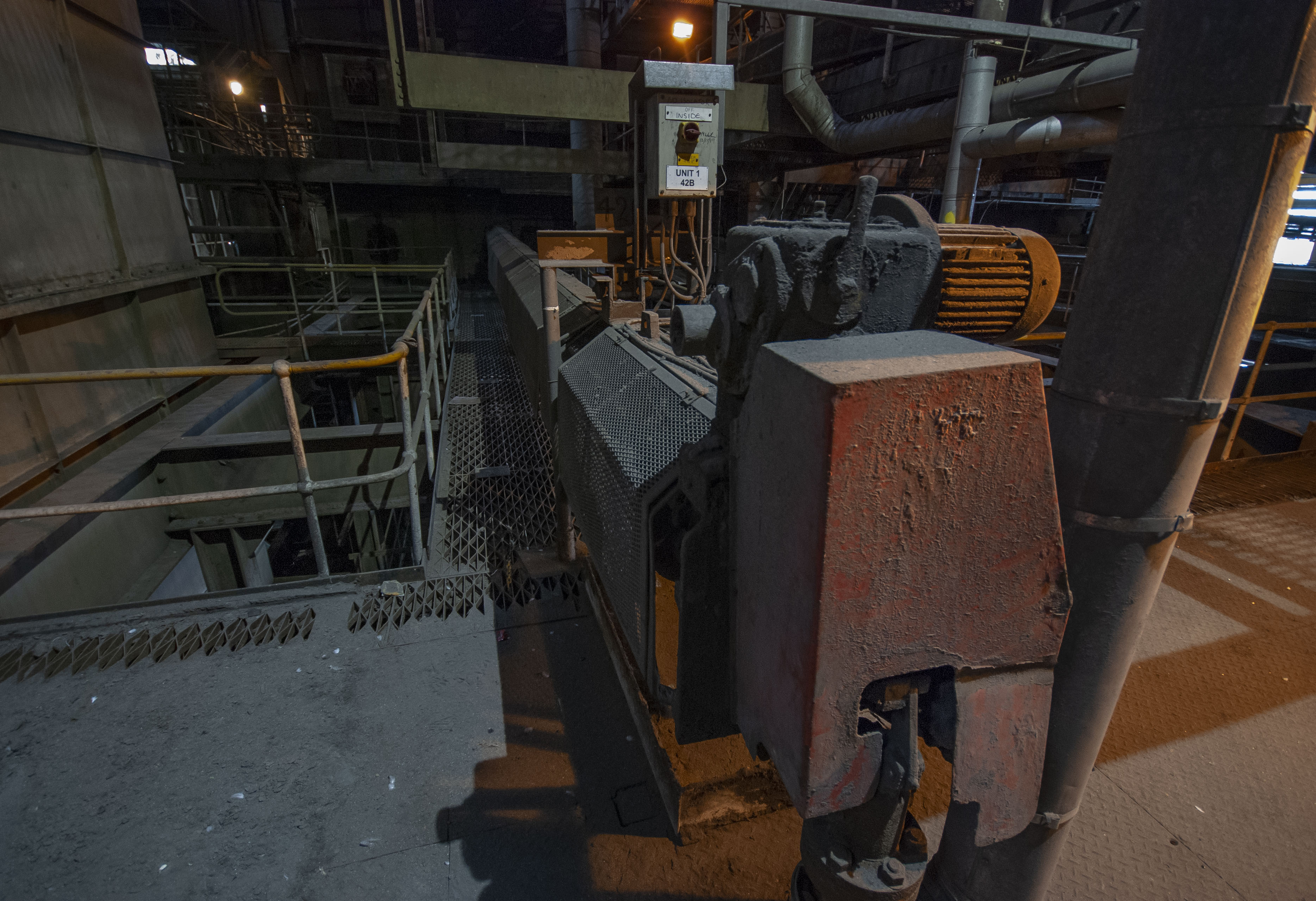
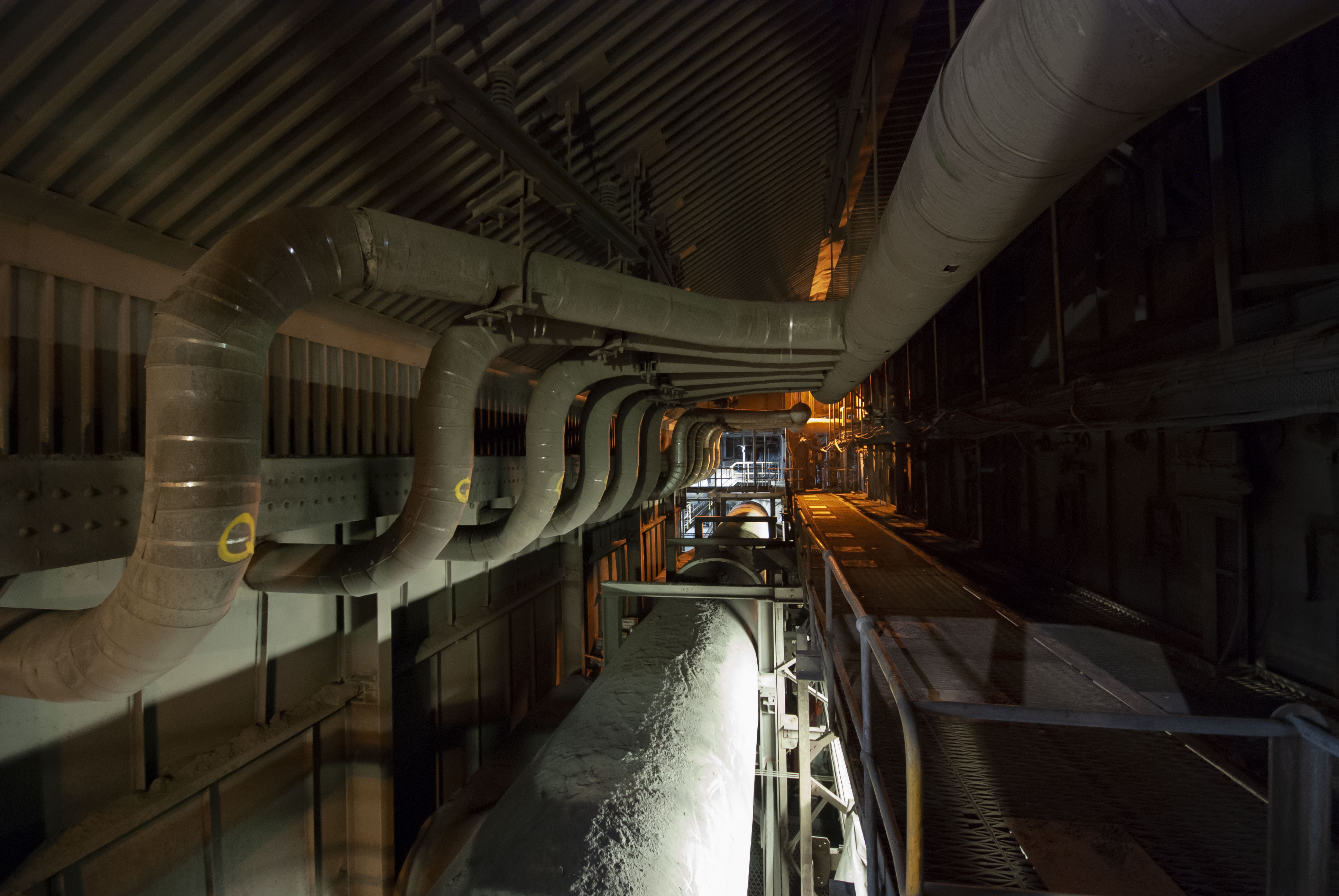
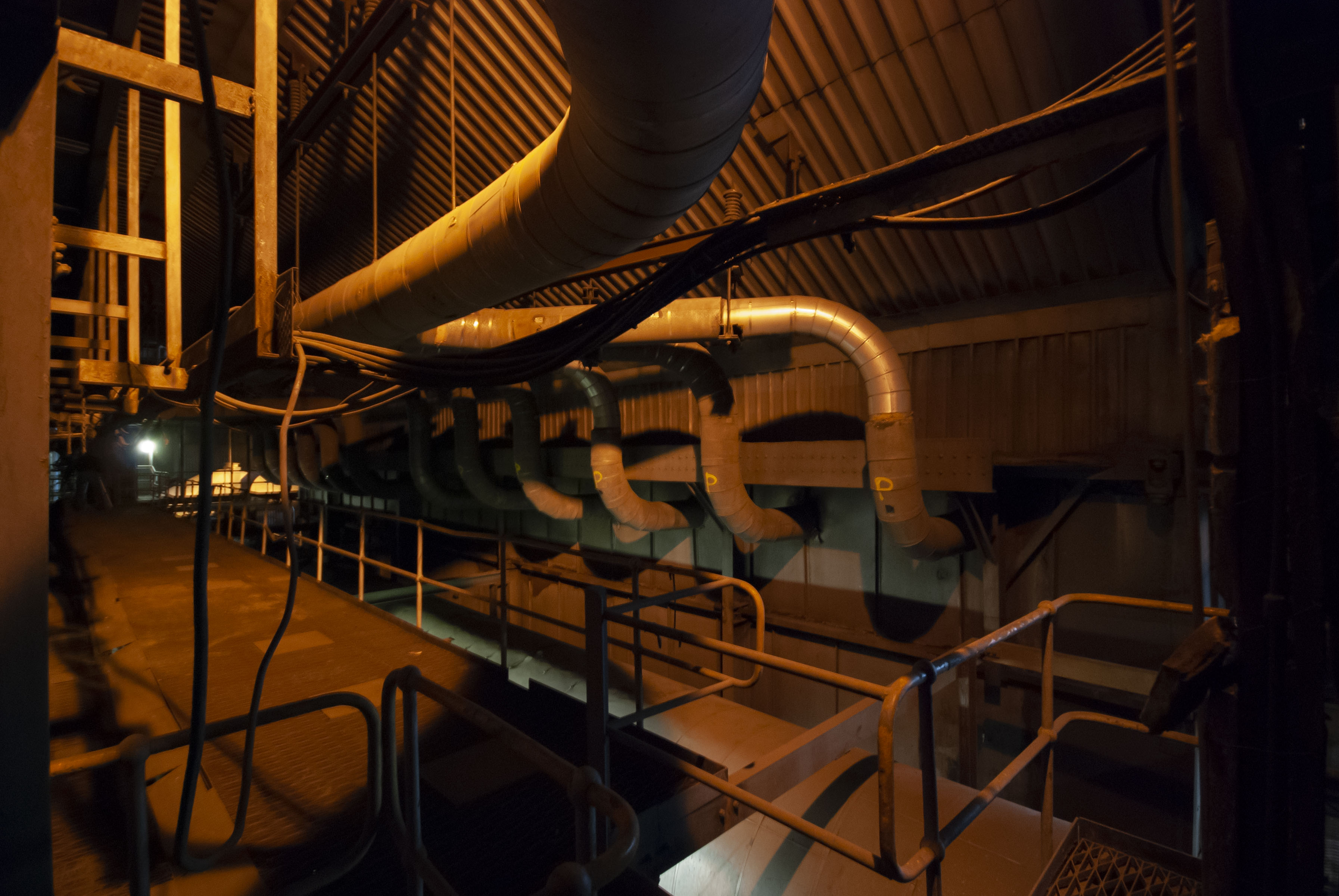
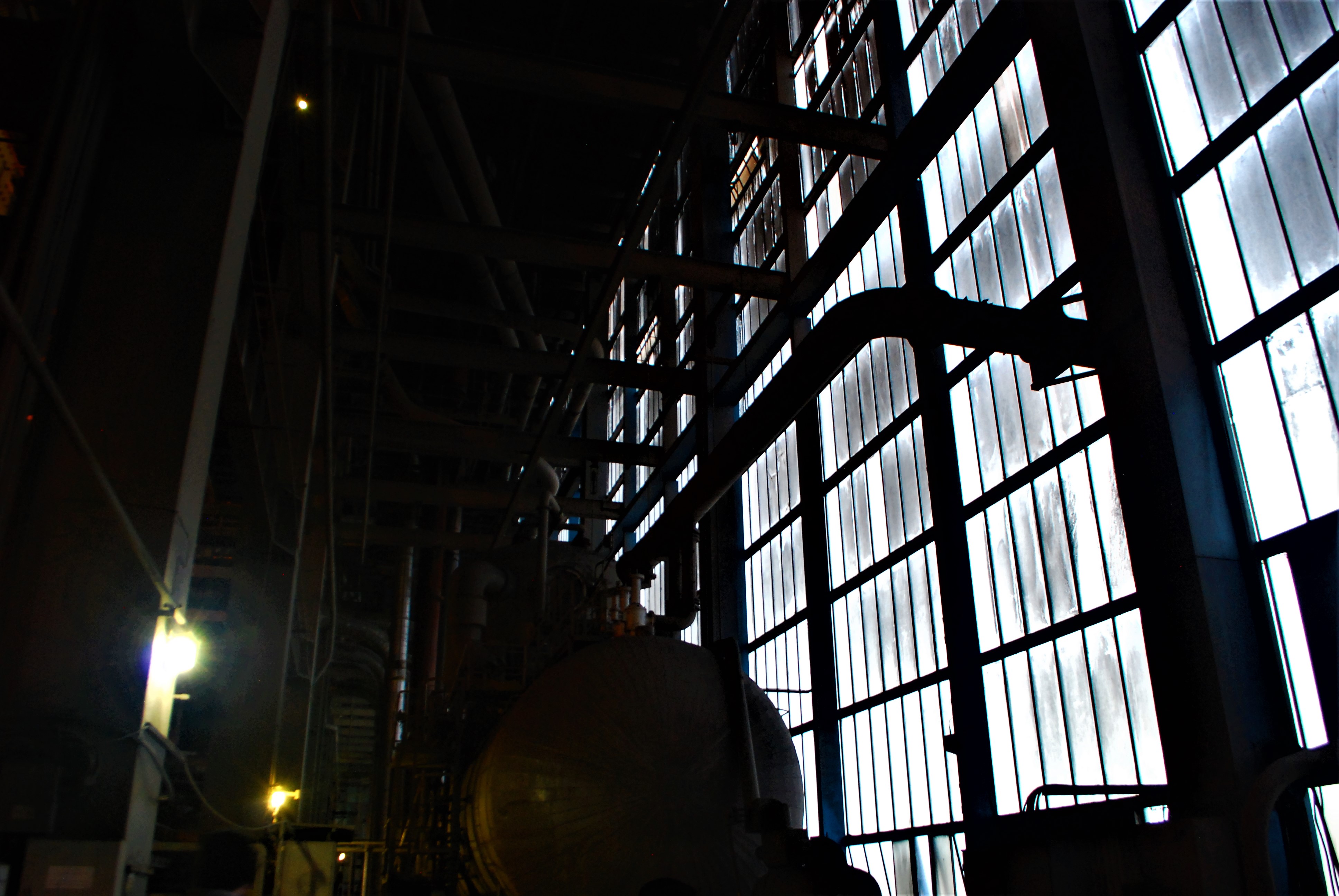
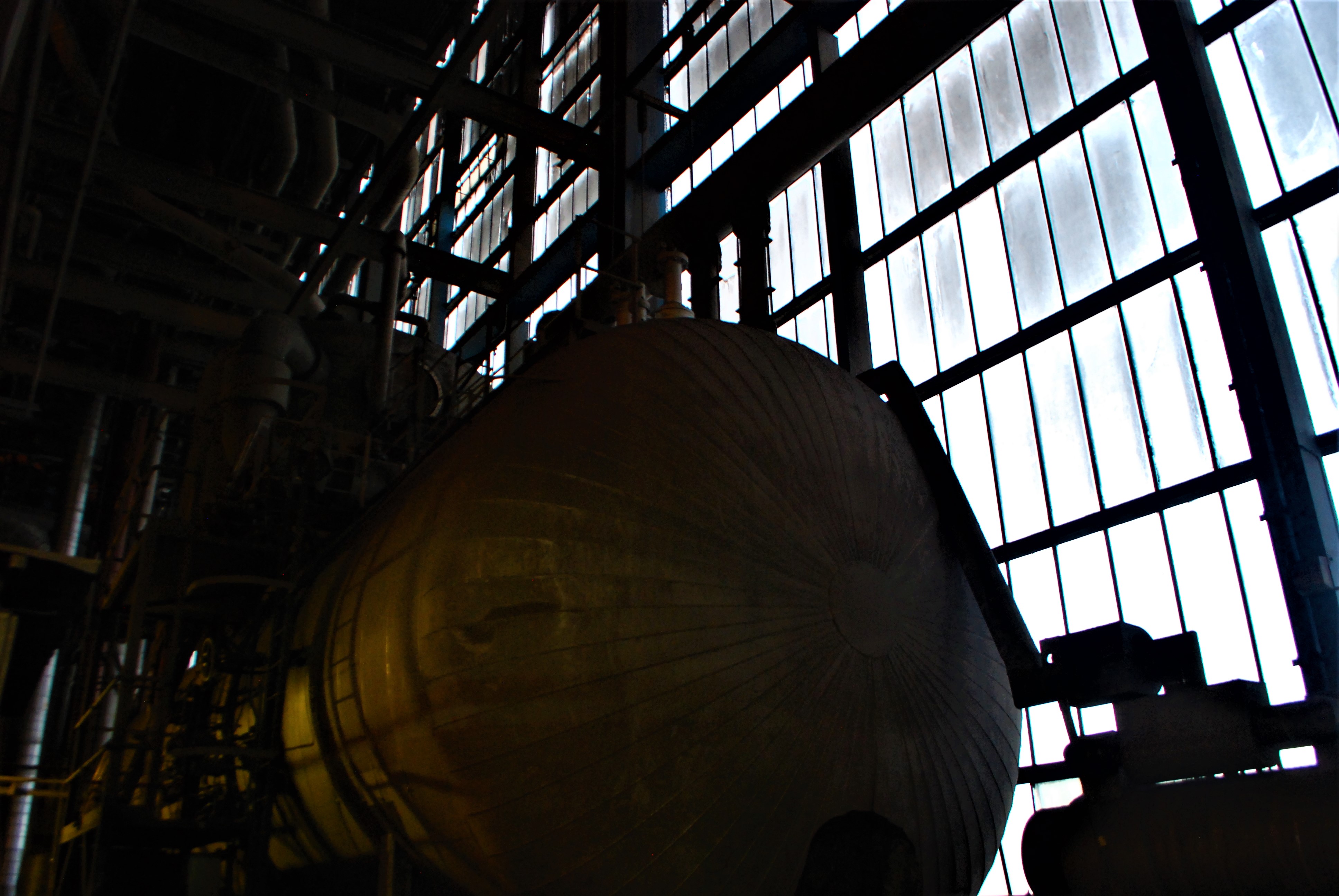
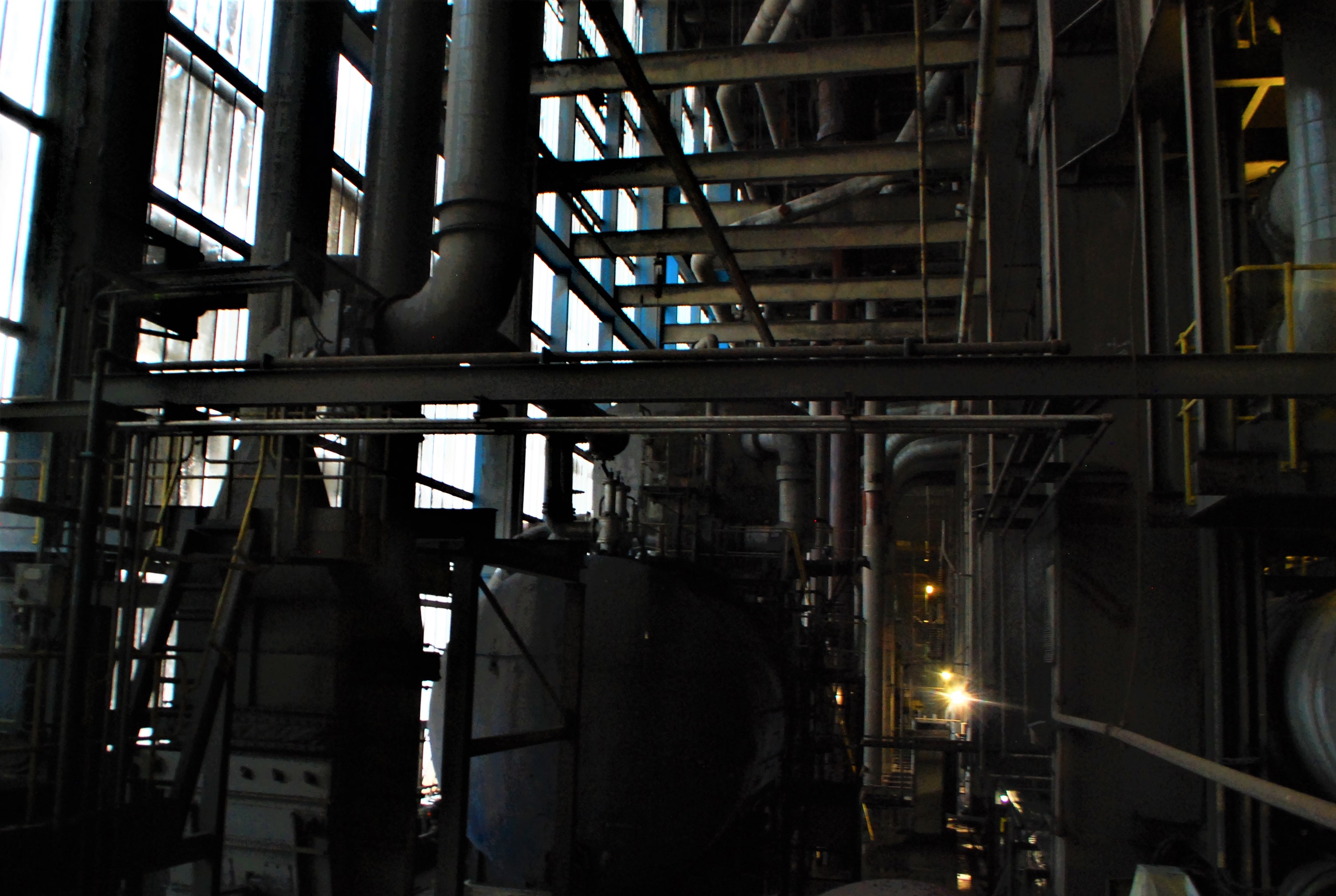
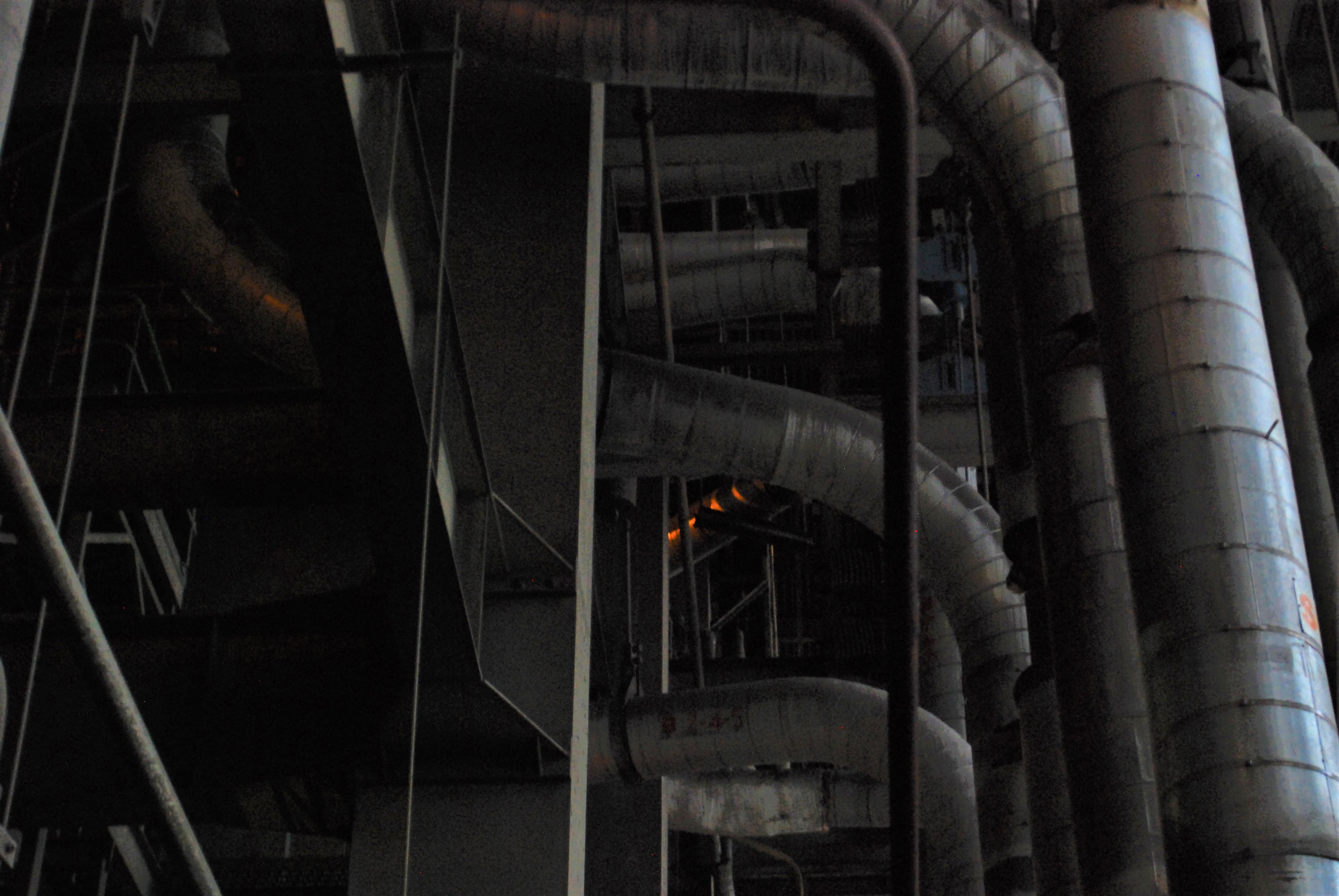
BOILER HOUSE
The boiler house of the power station. Dark and dusty.
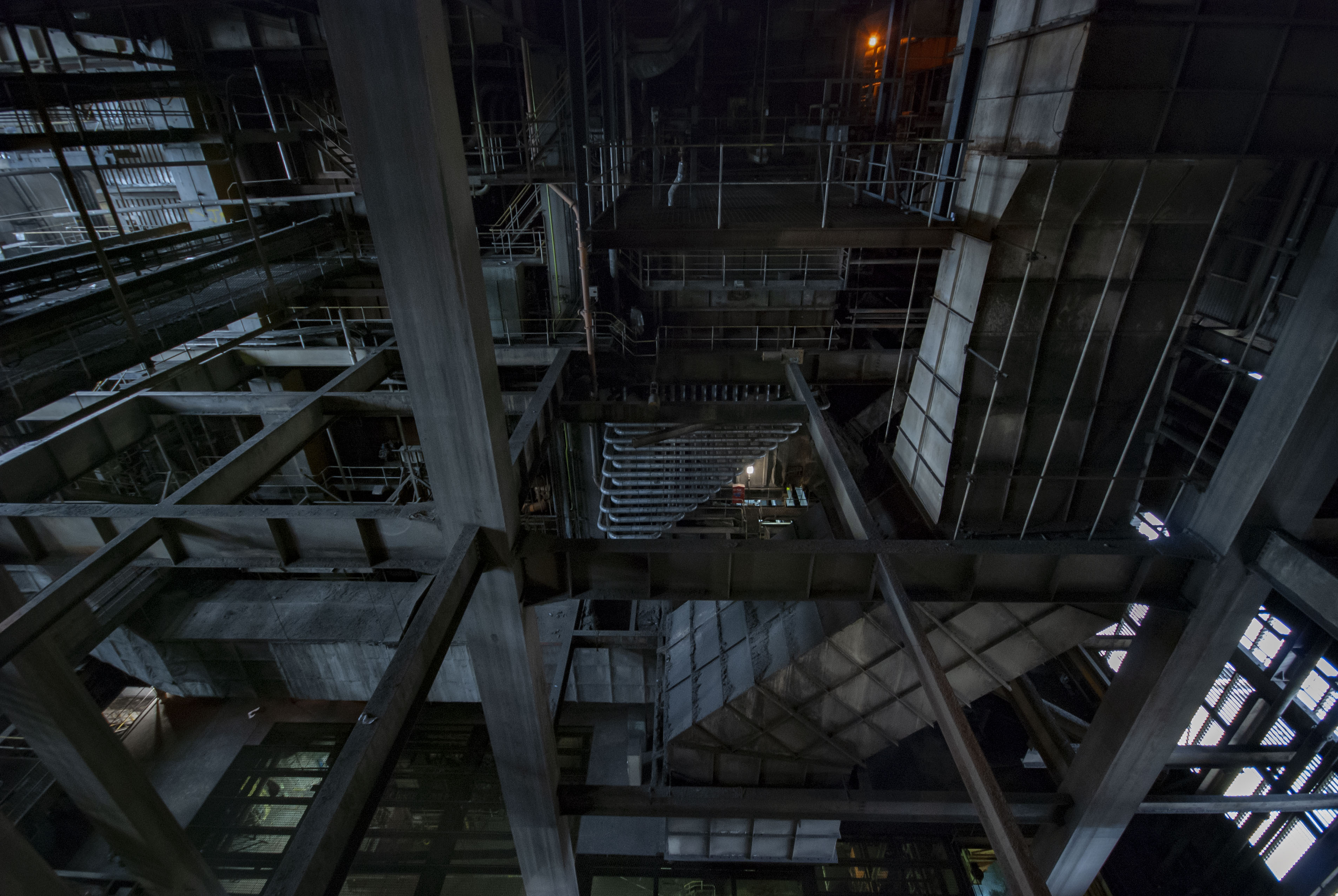
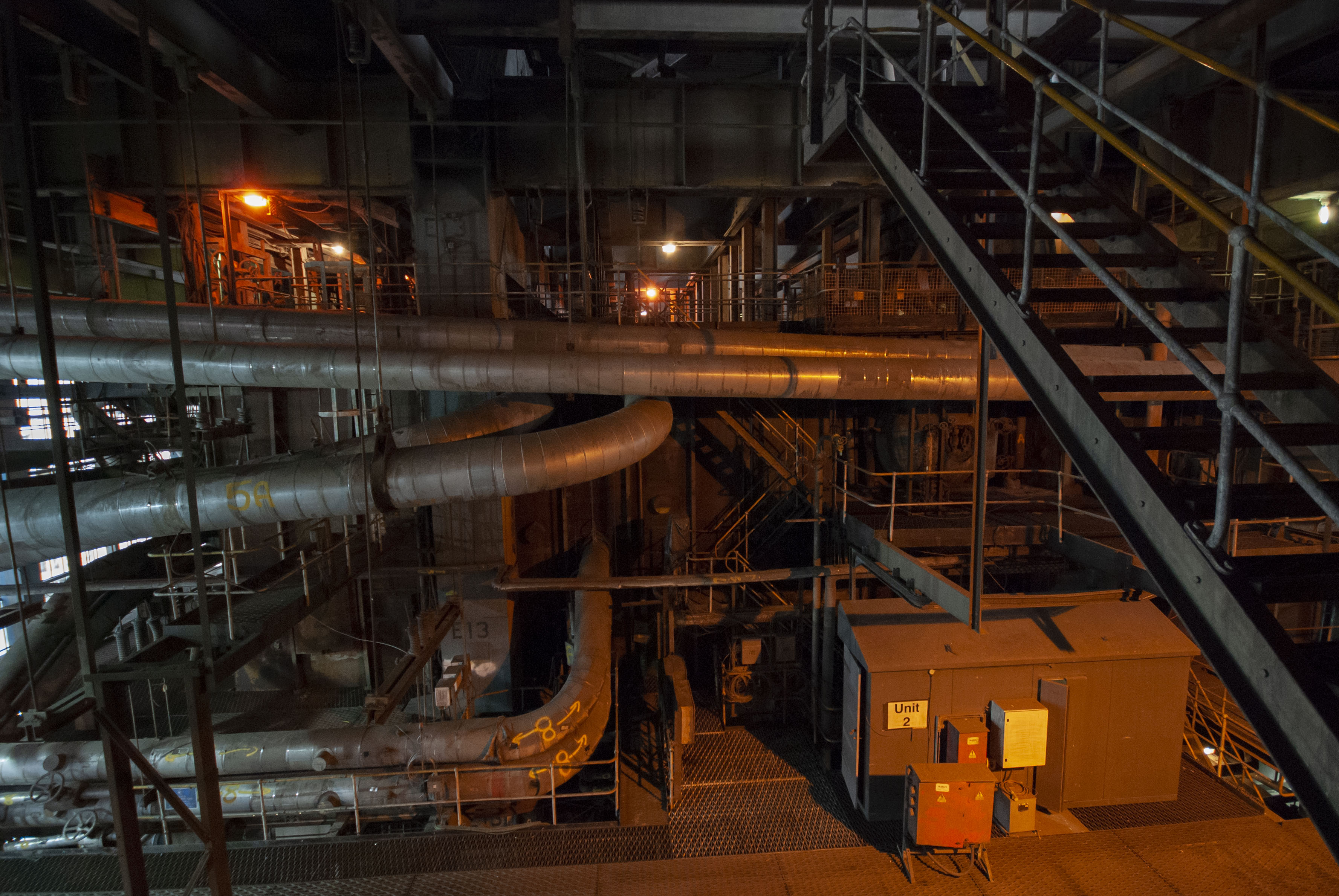
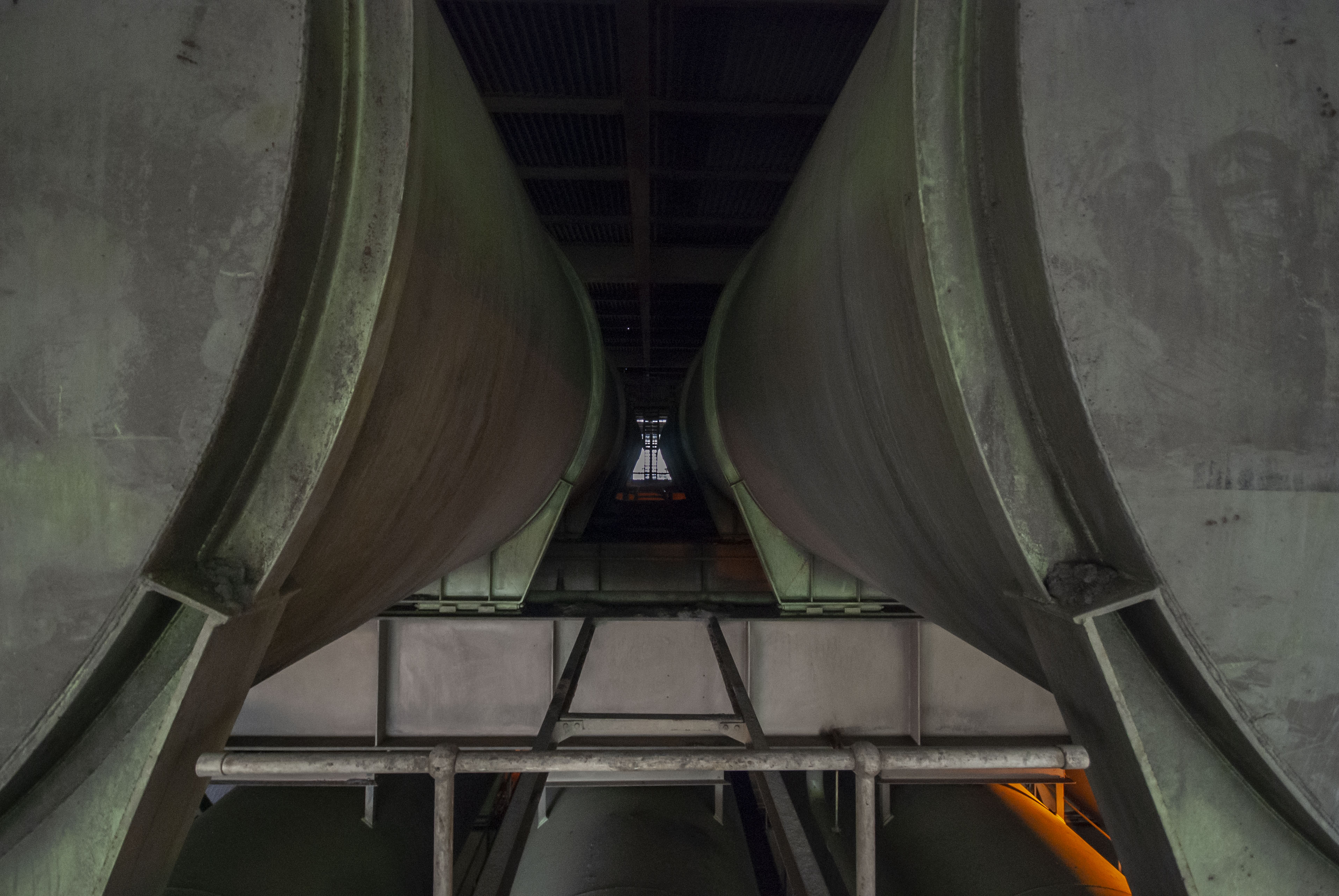
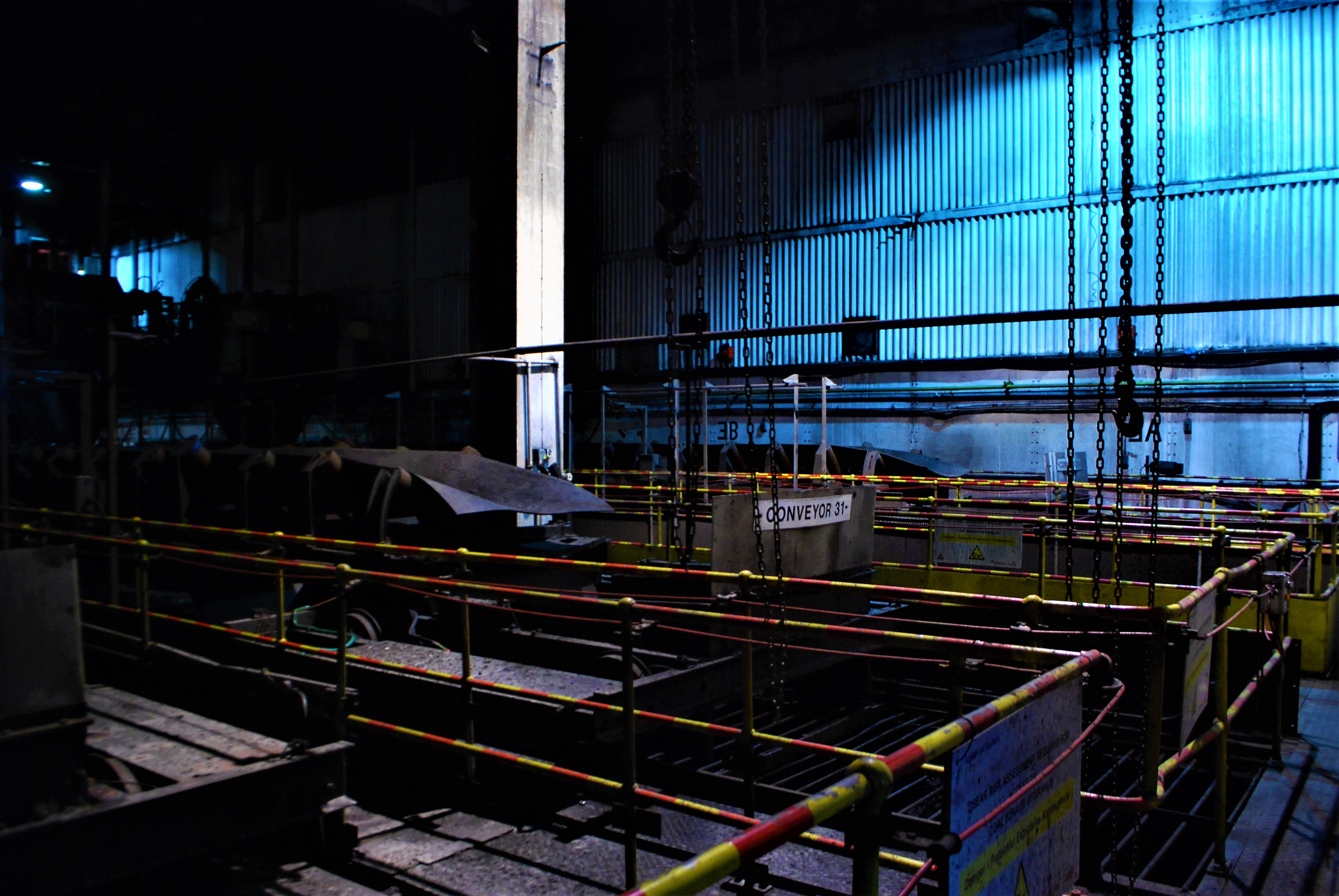
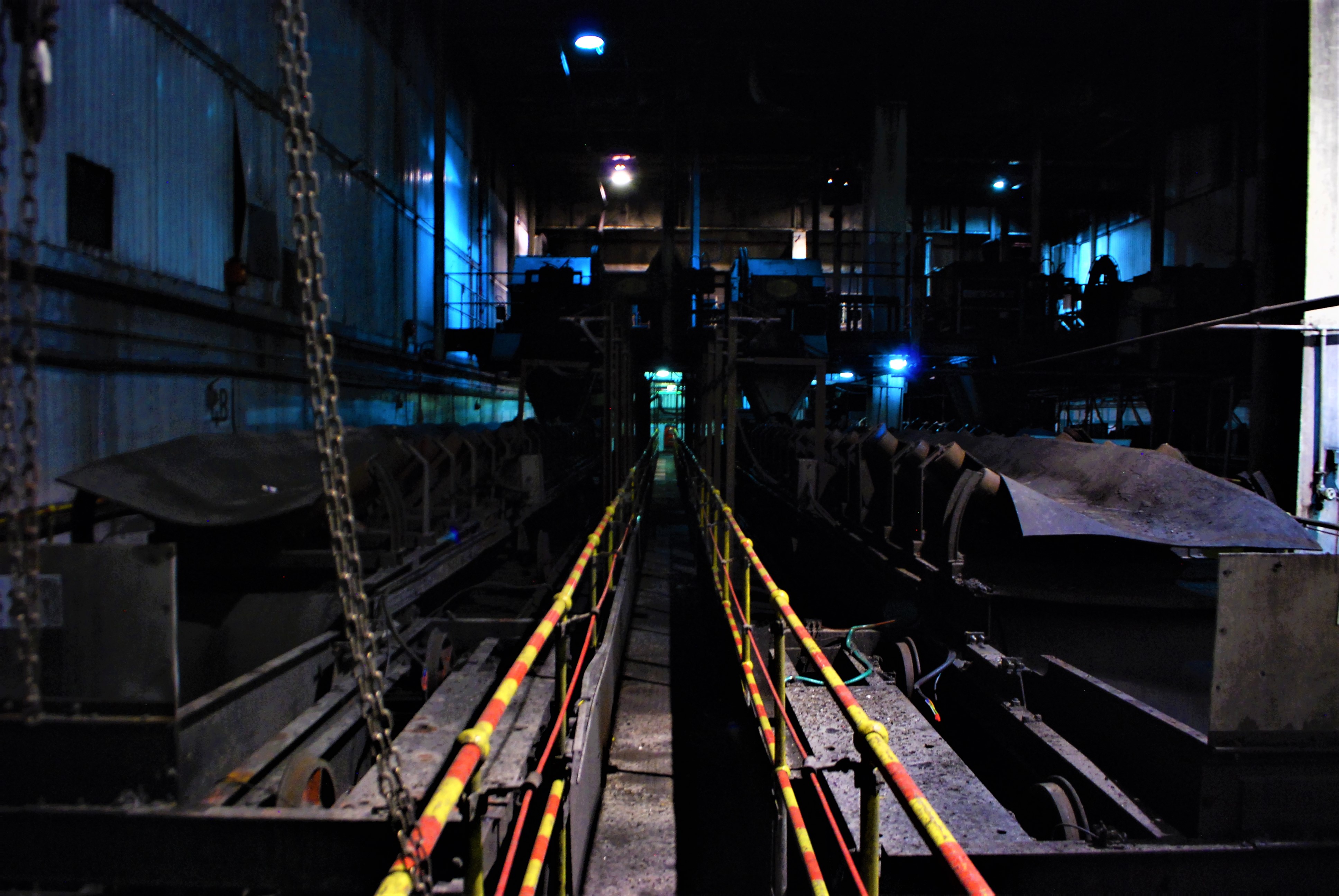
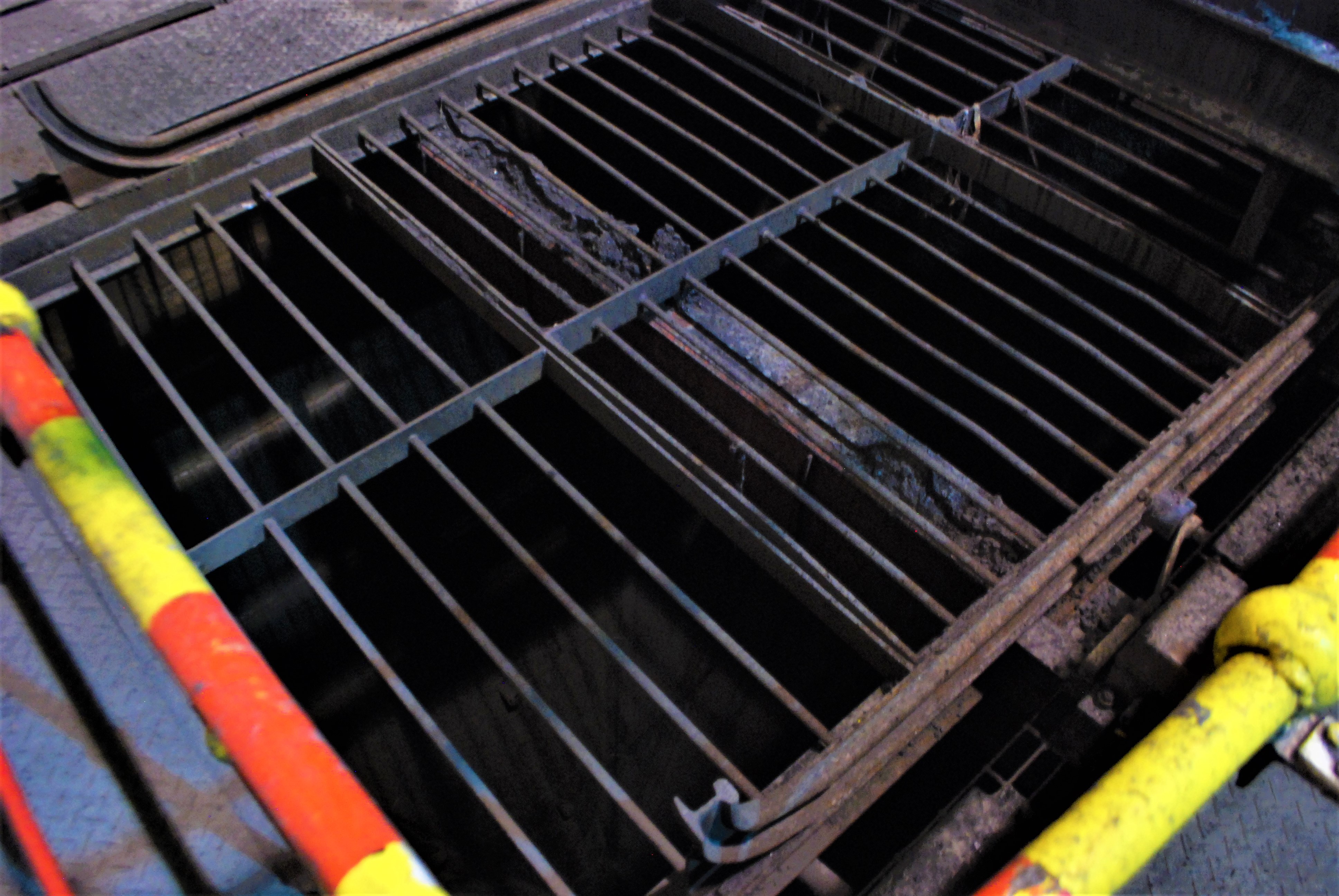
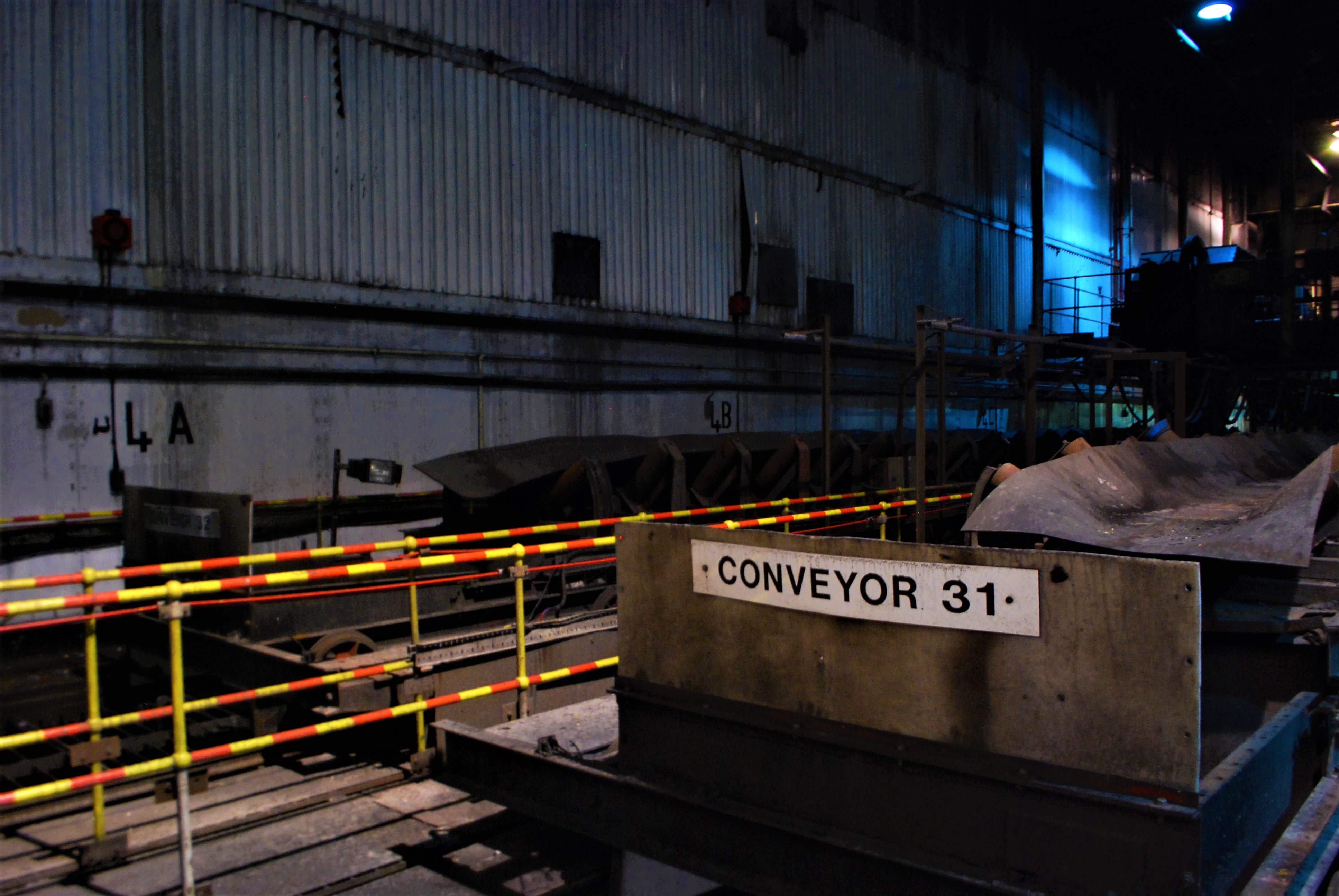
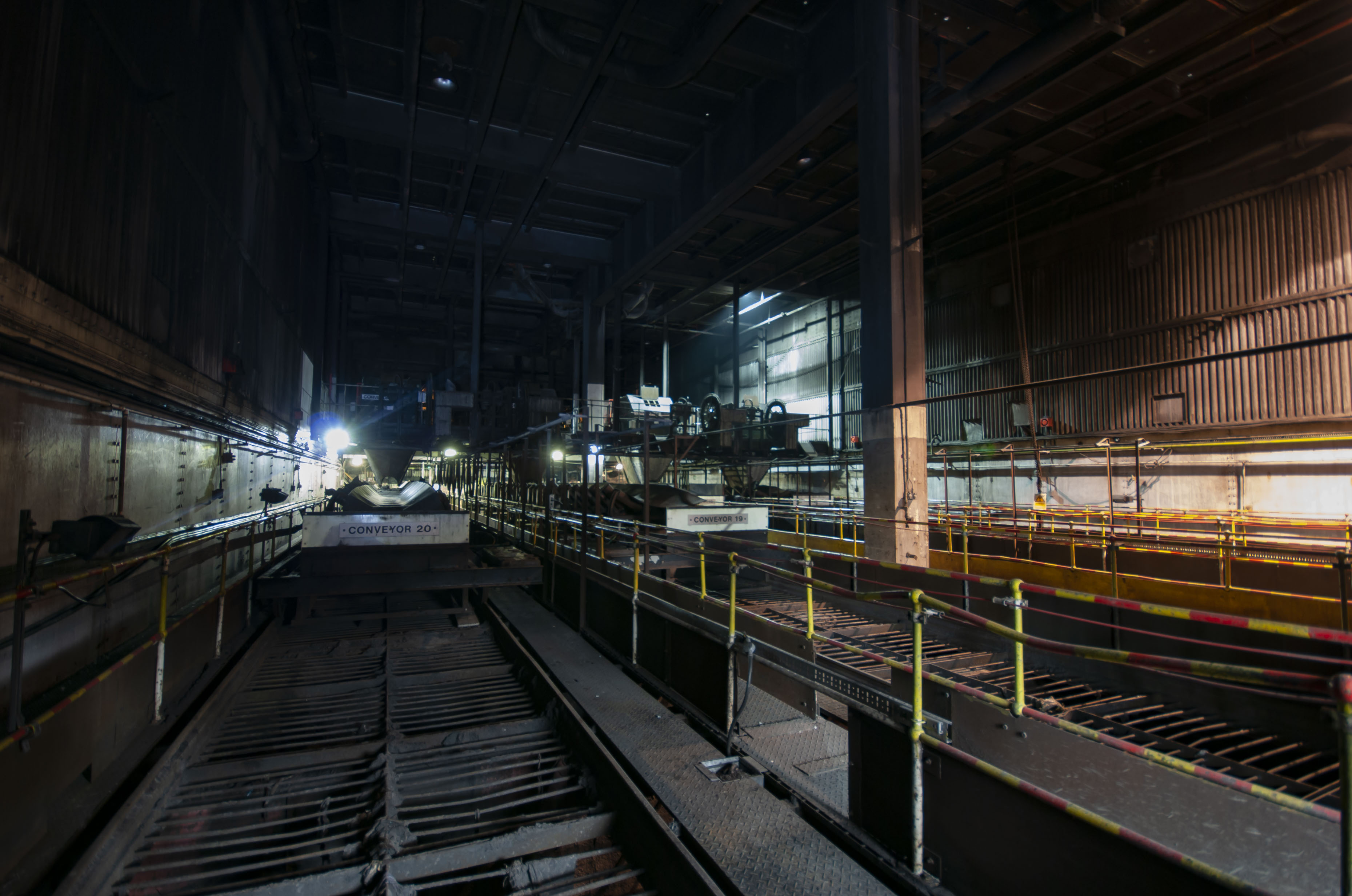
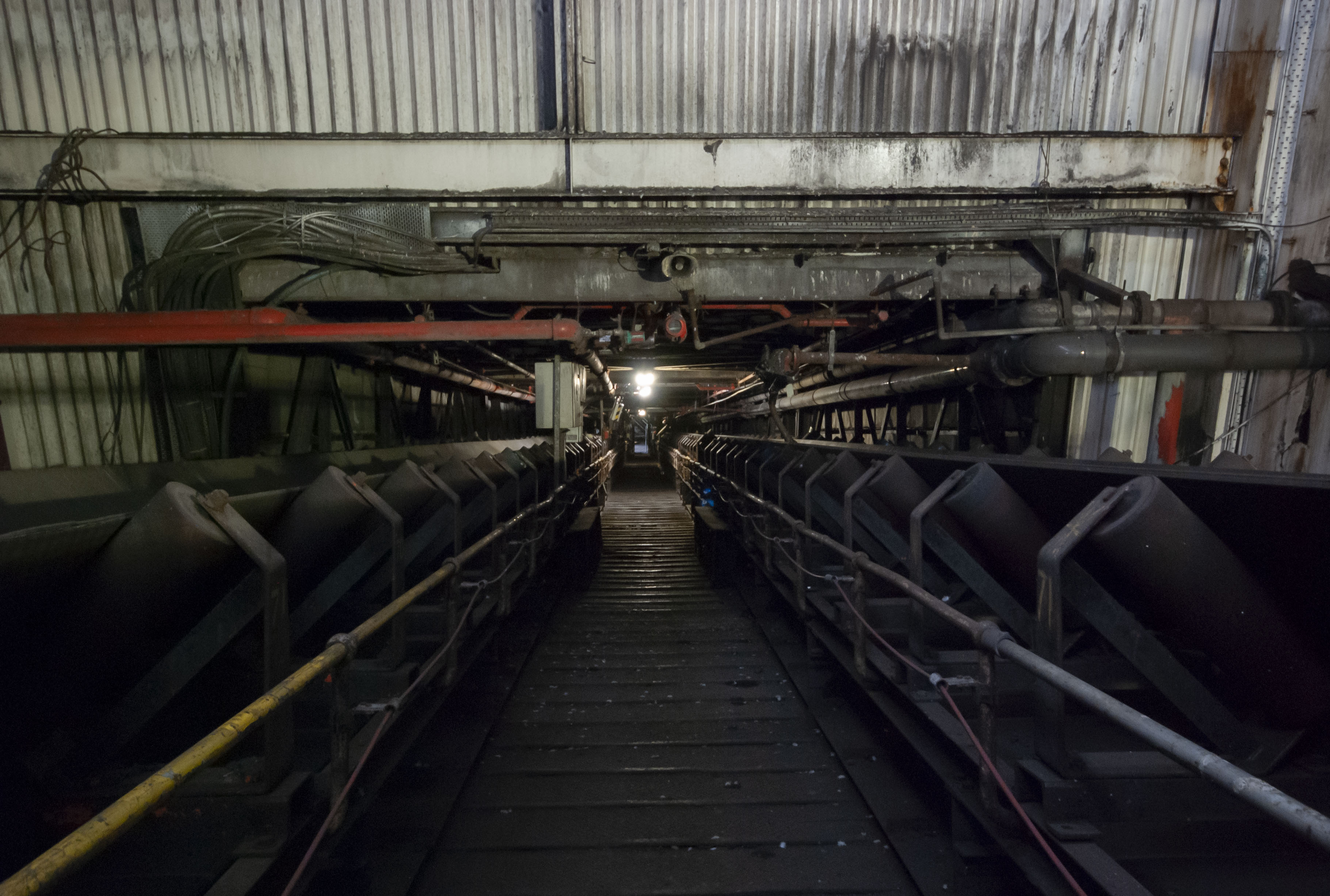
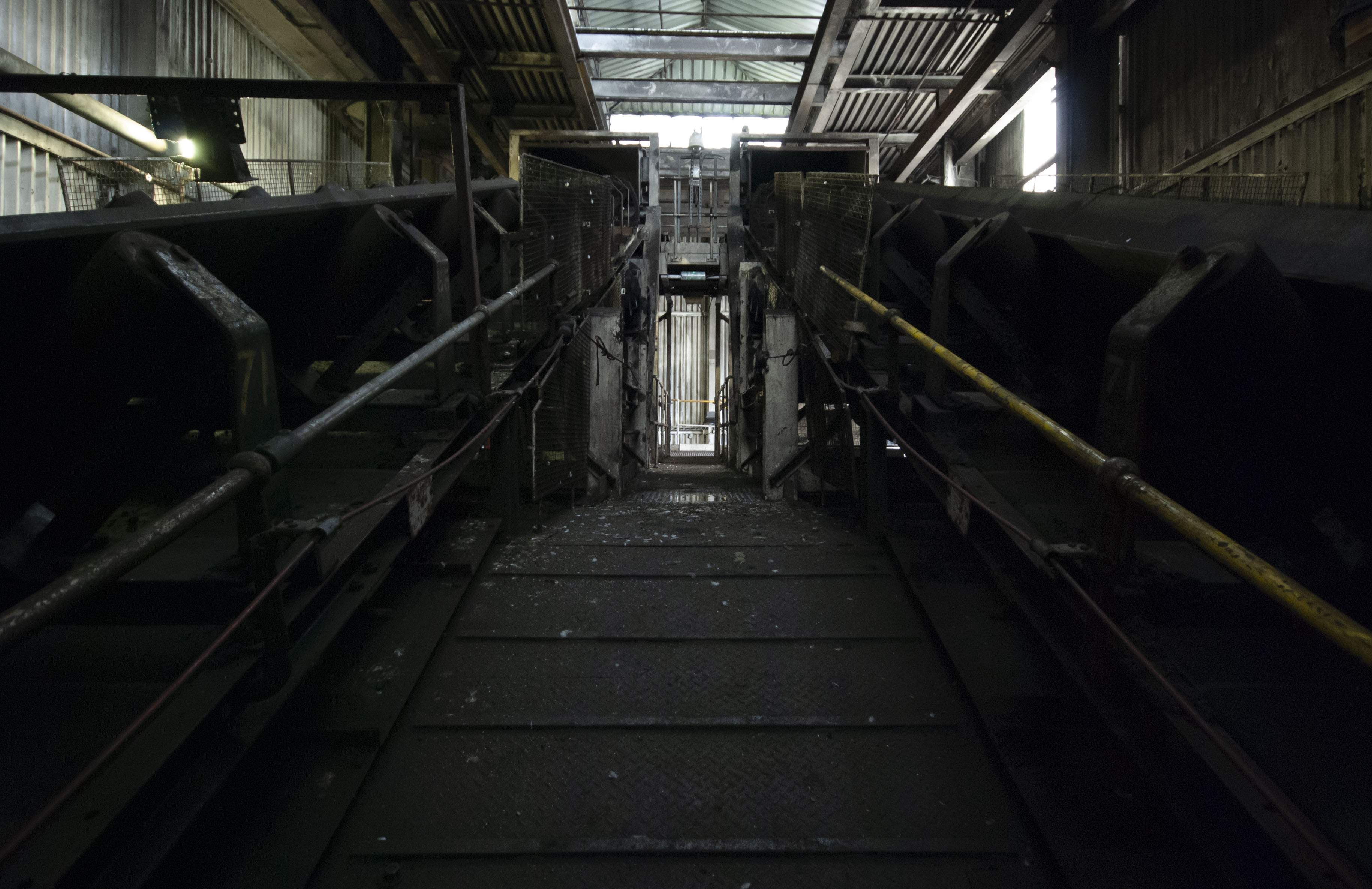
BUNKER BAY
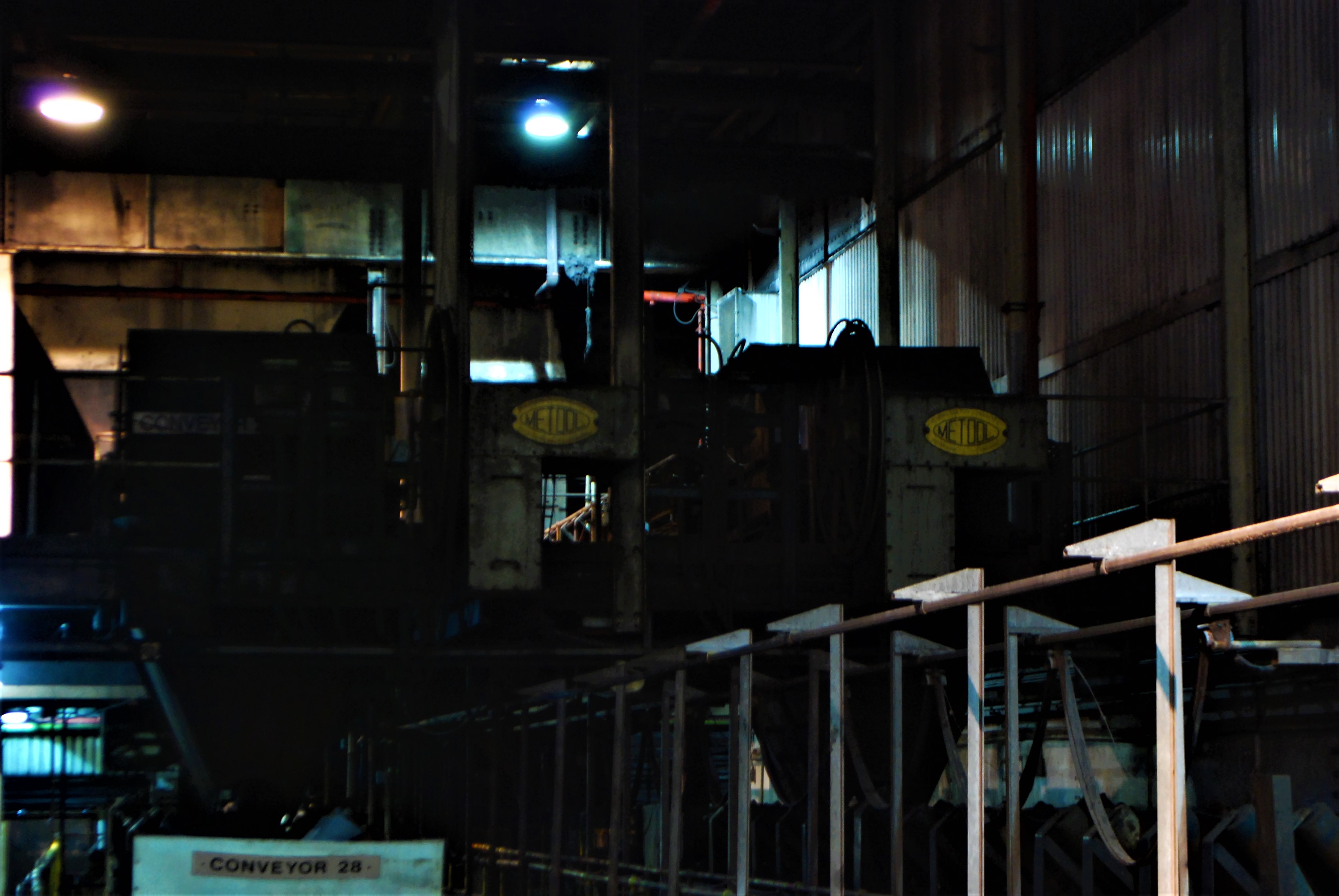
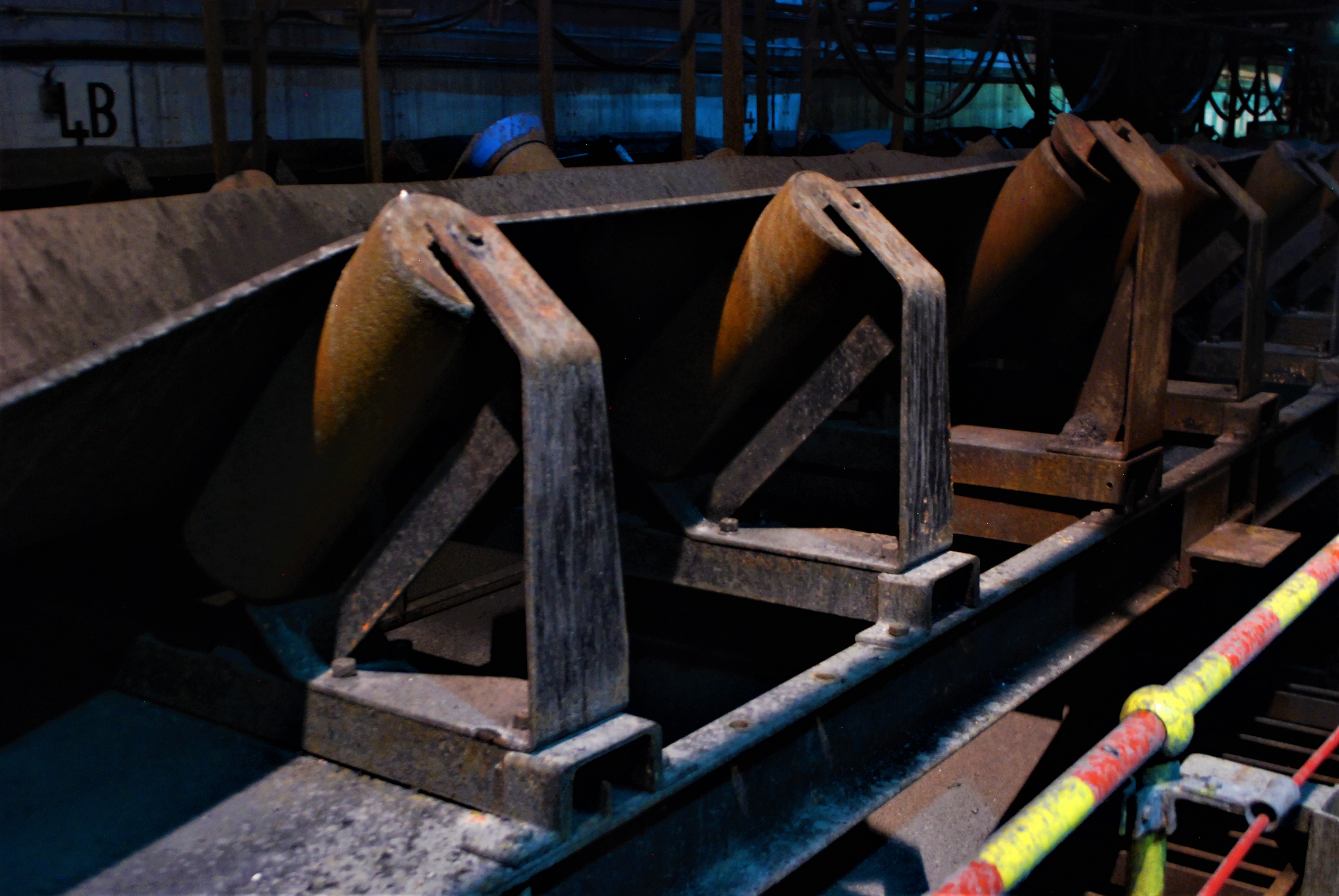
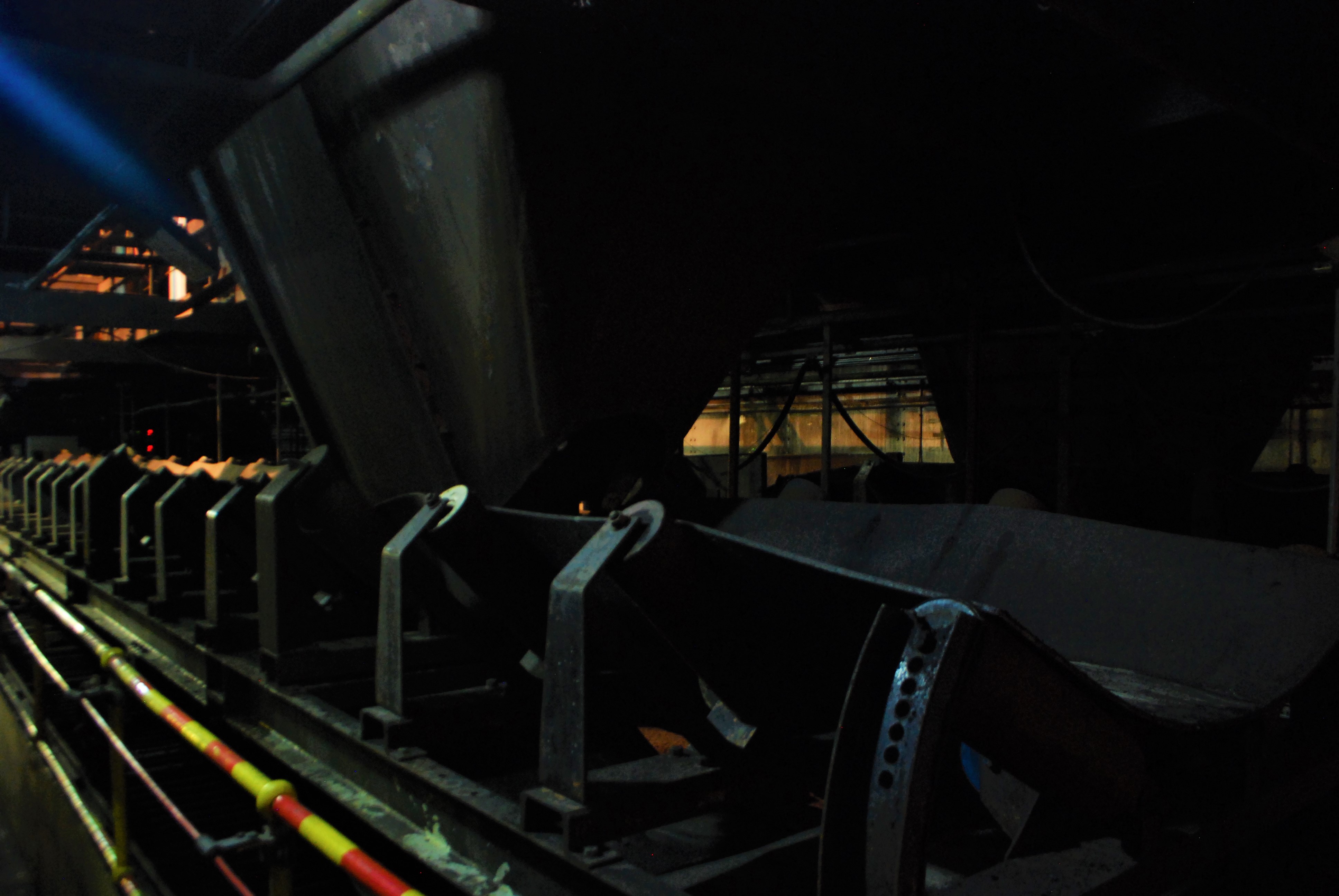
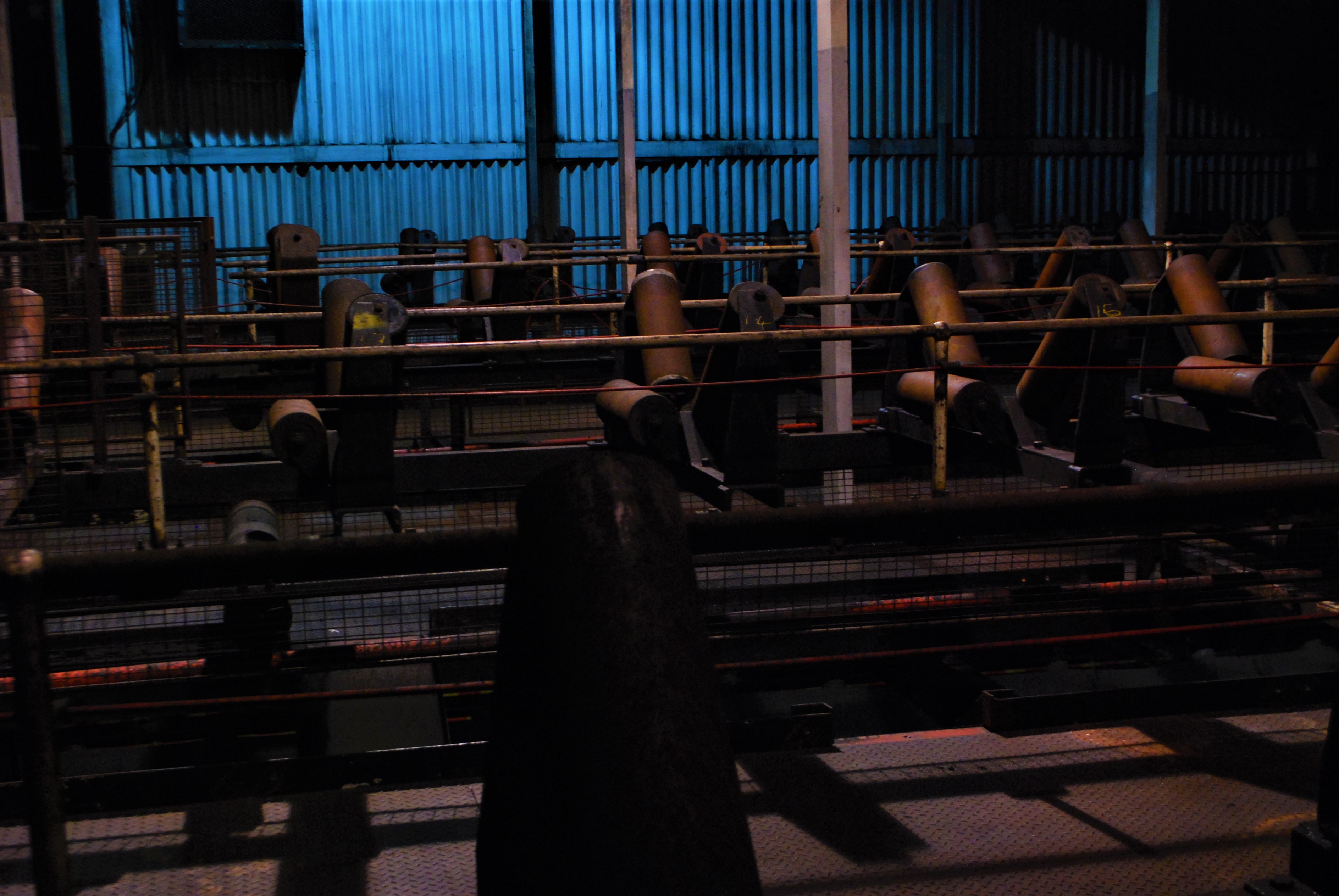
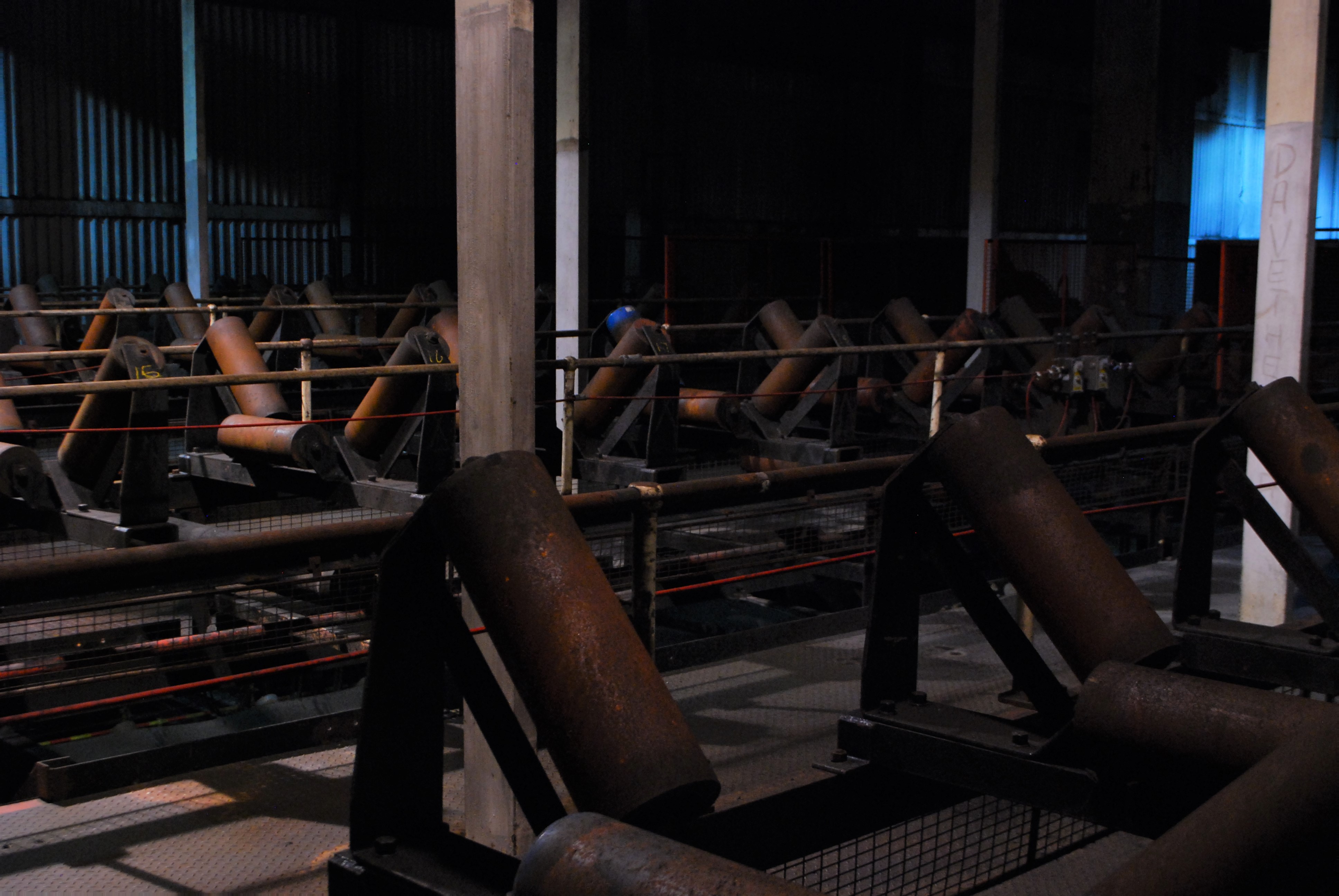
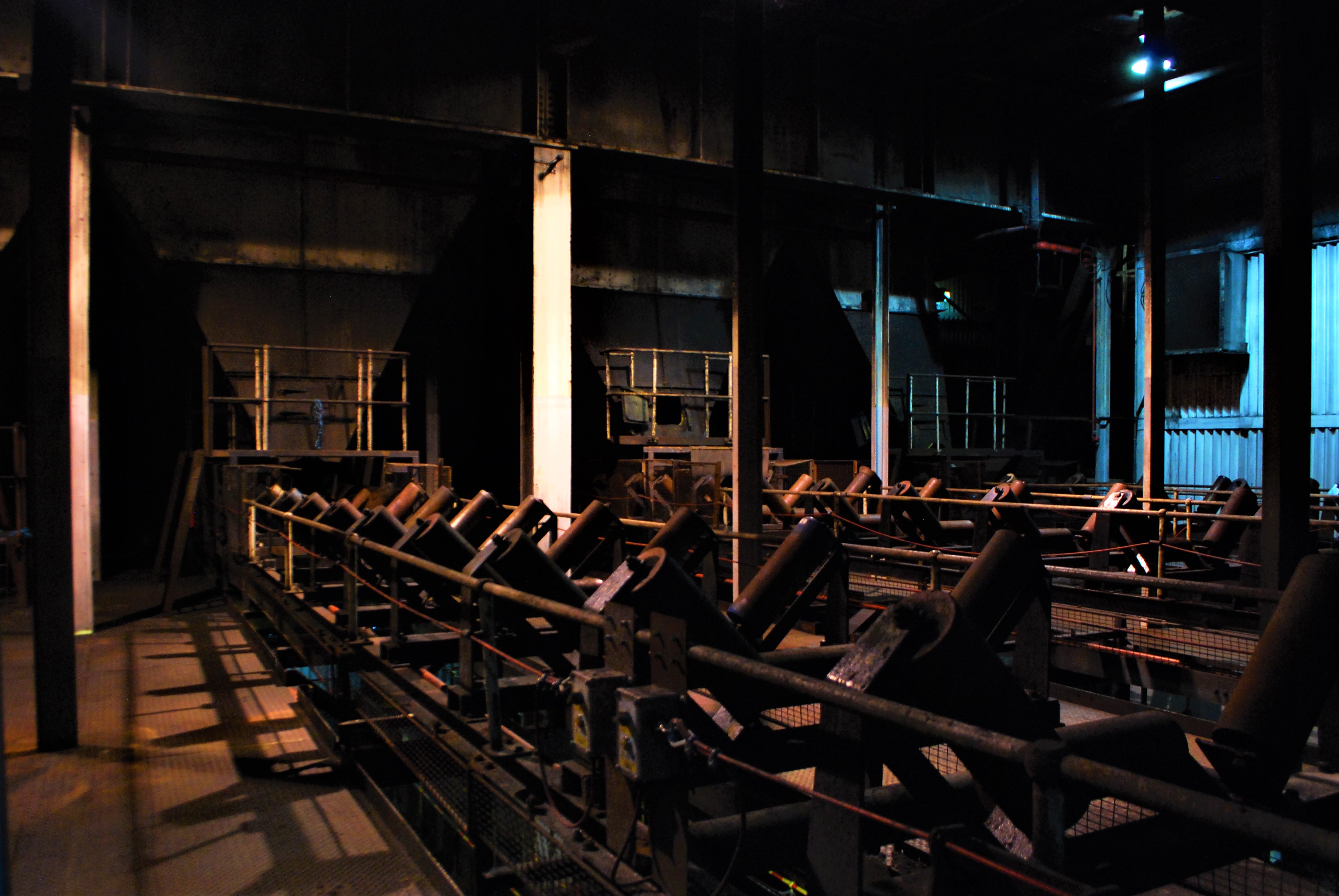
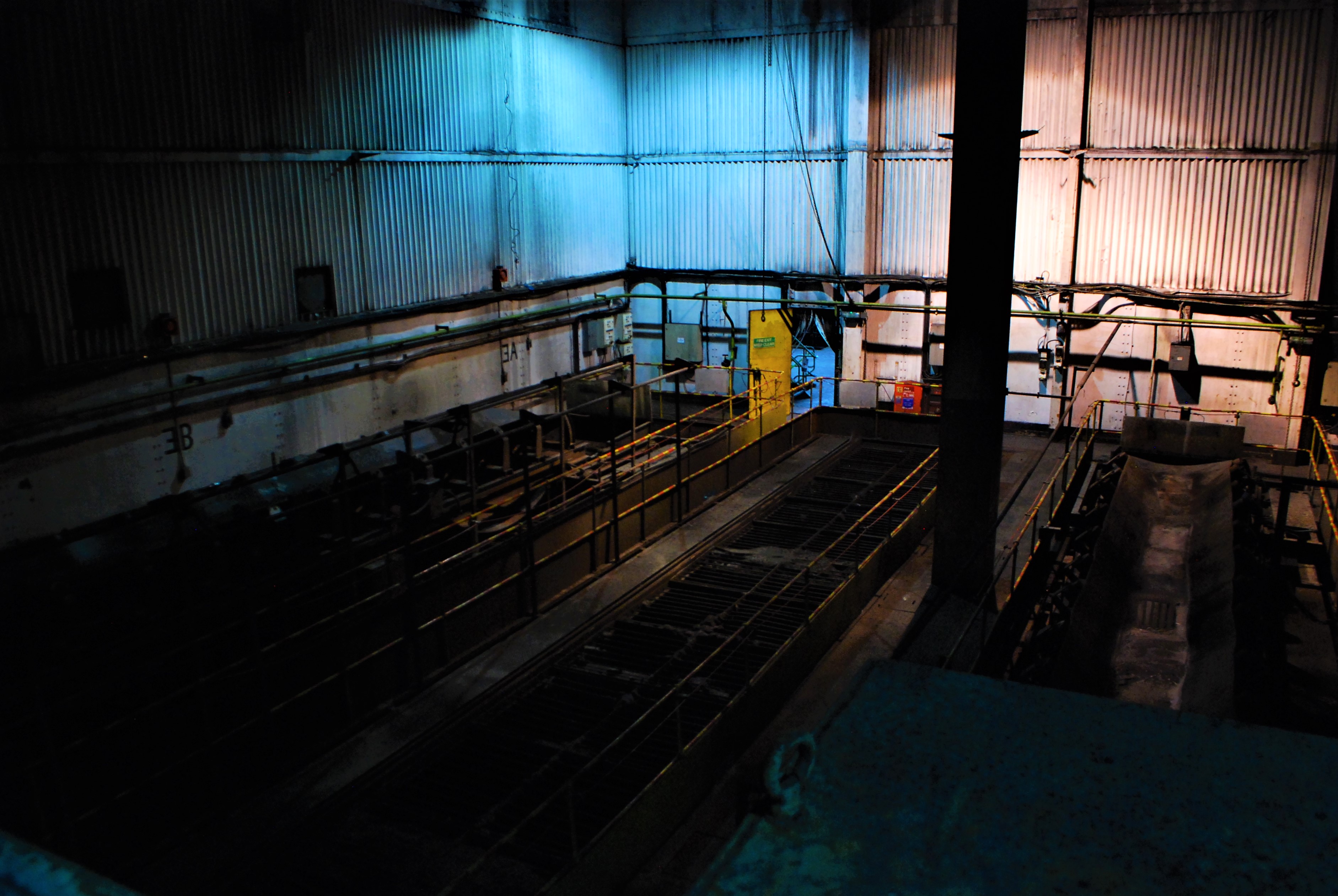
The bunkers where coal was distributed into hoppers to be ground into a fine powder.

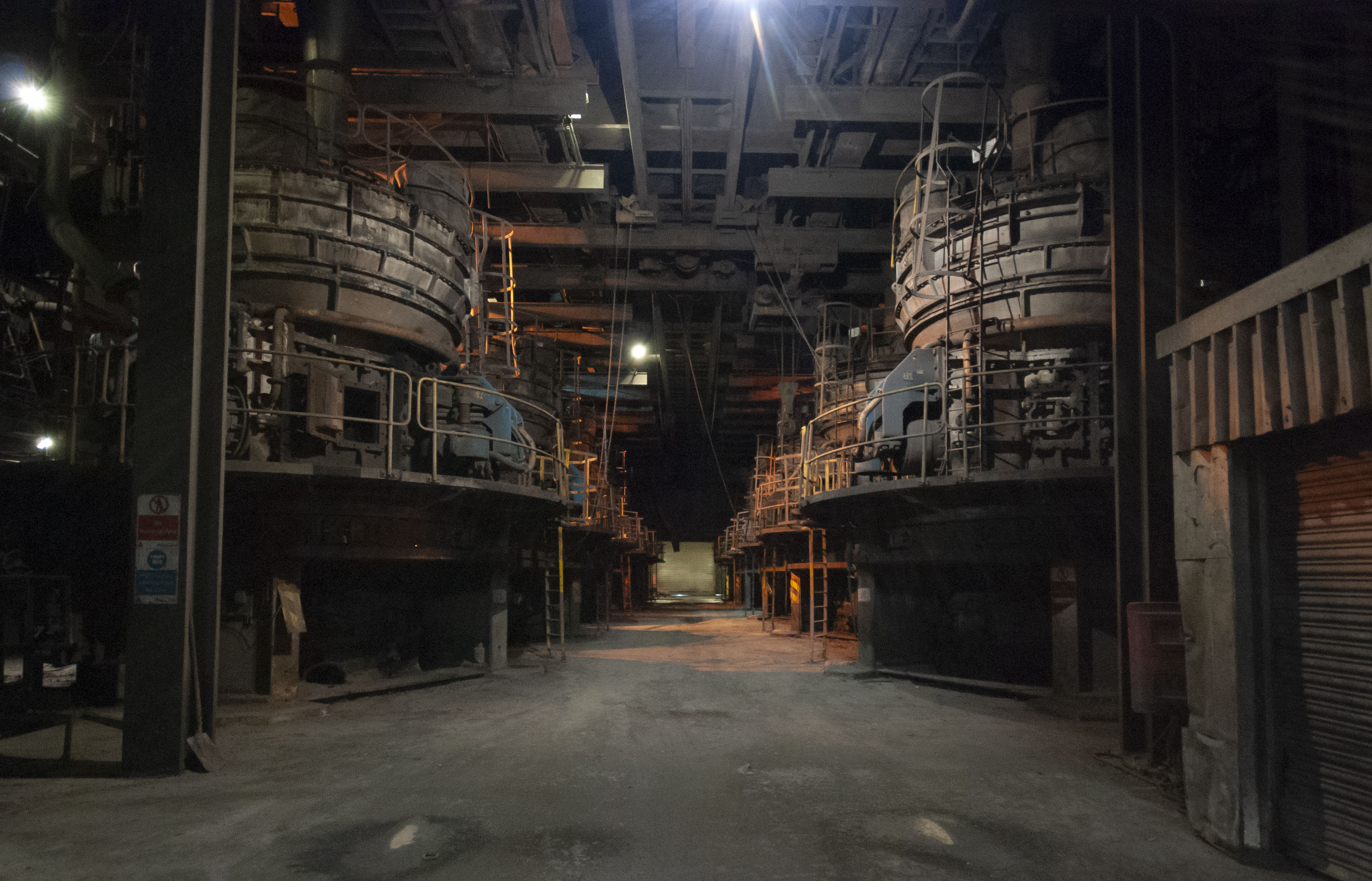
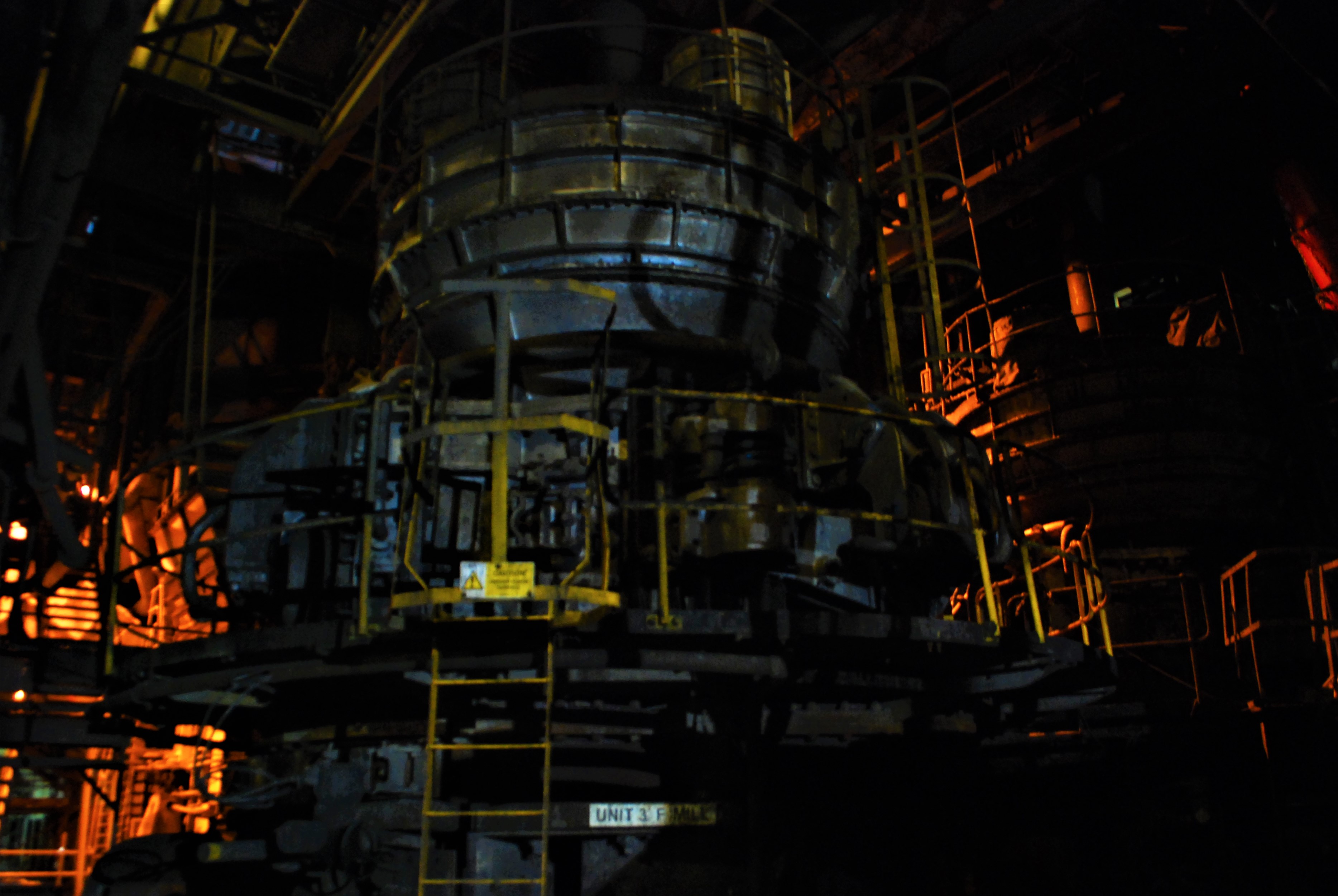
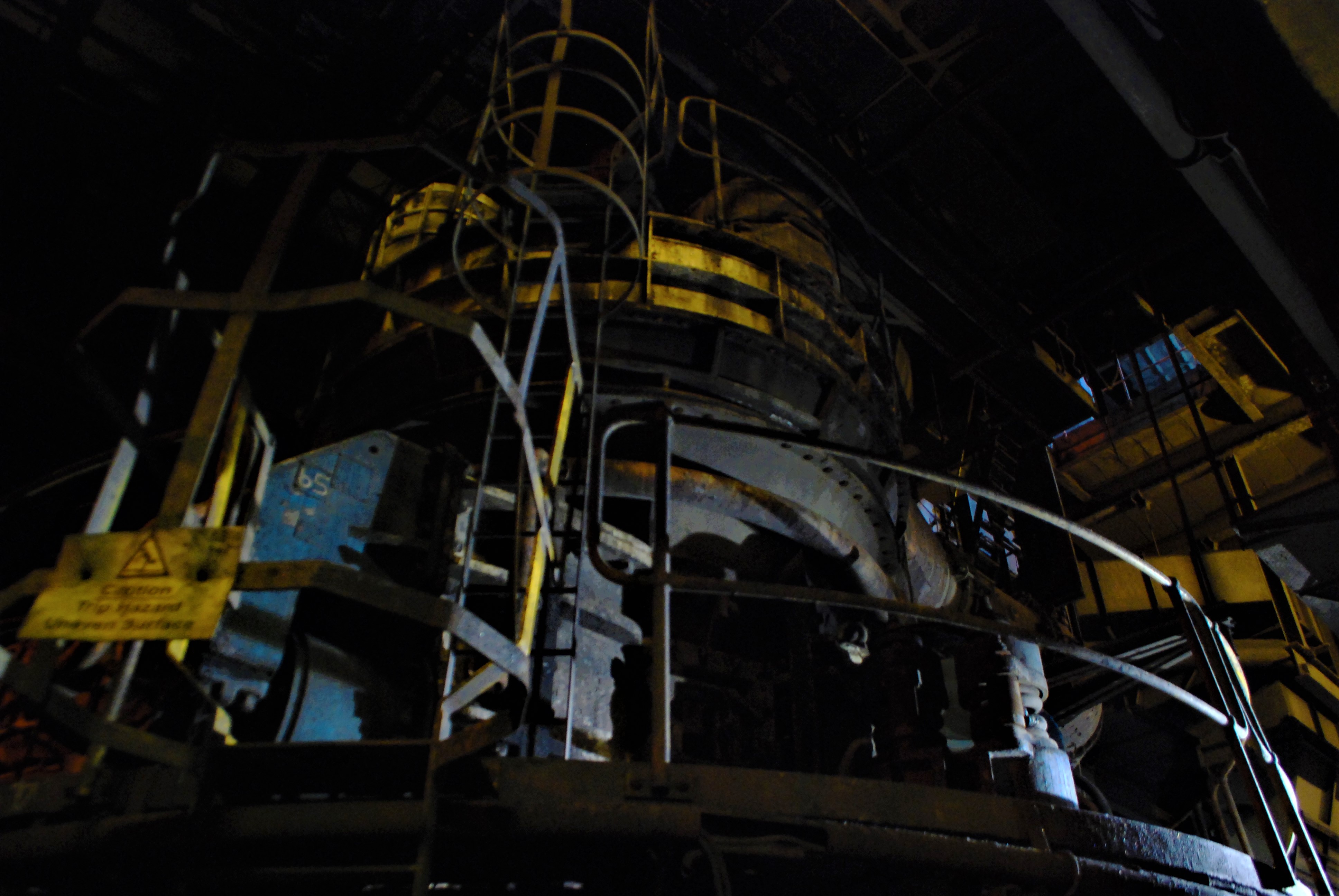
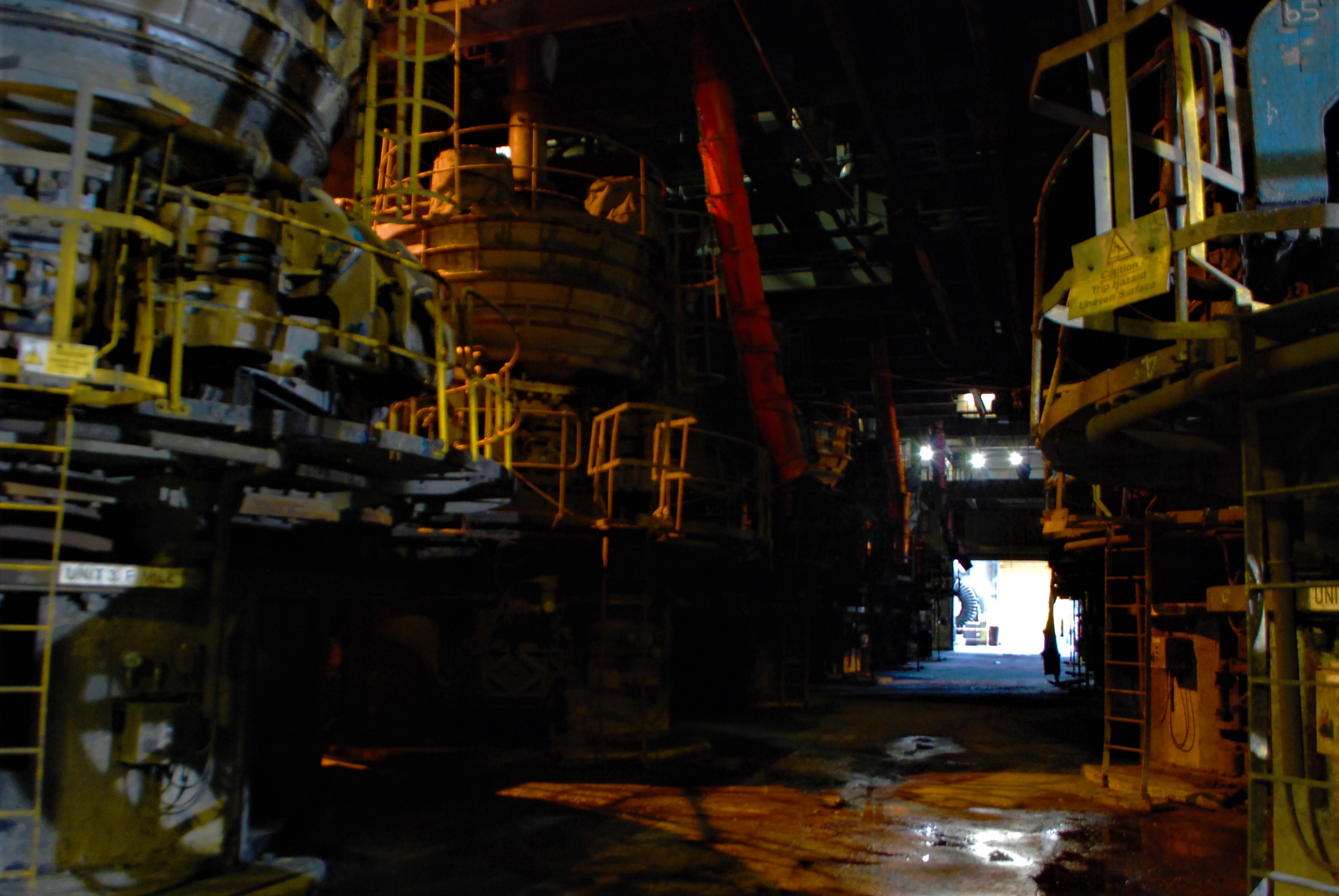
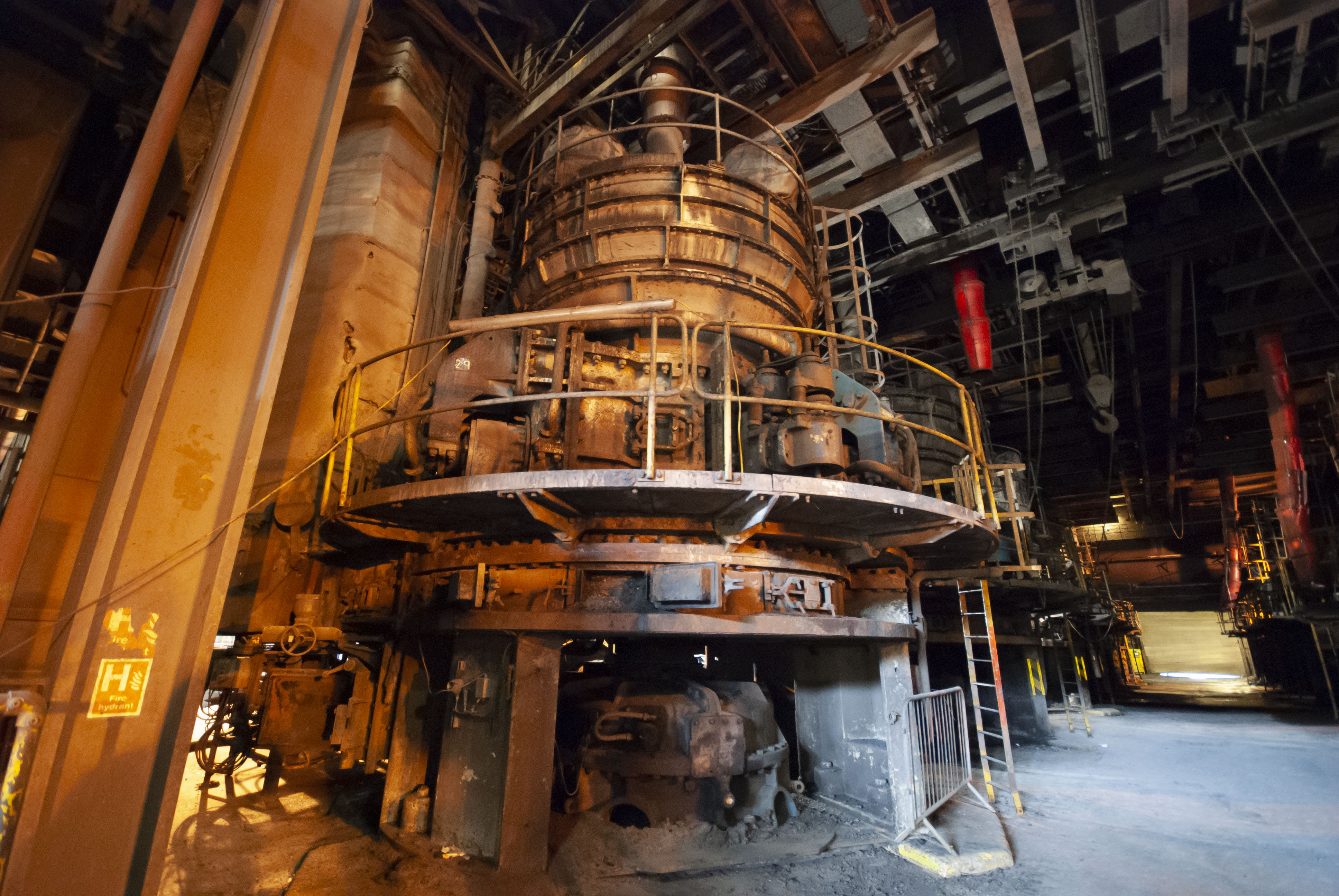
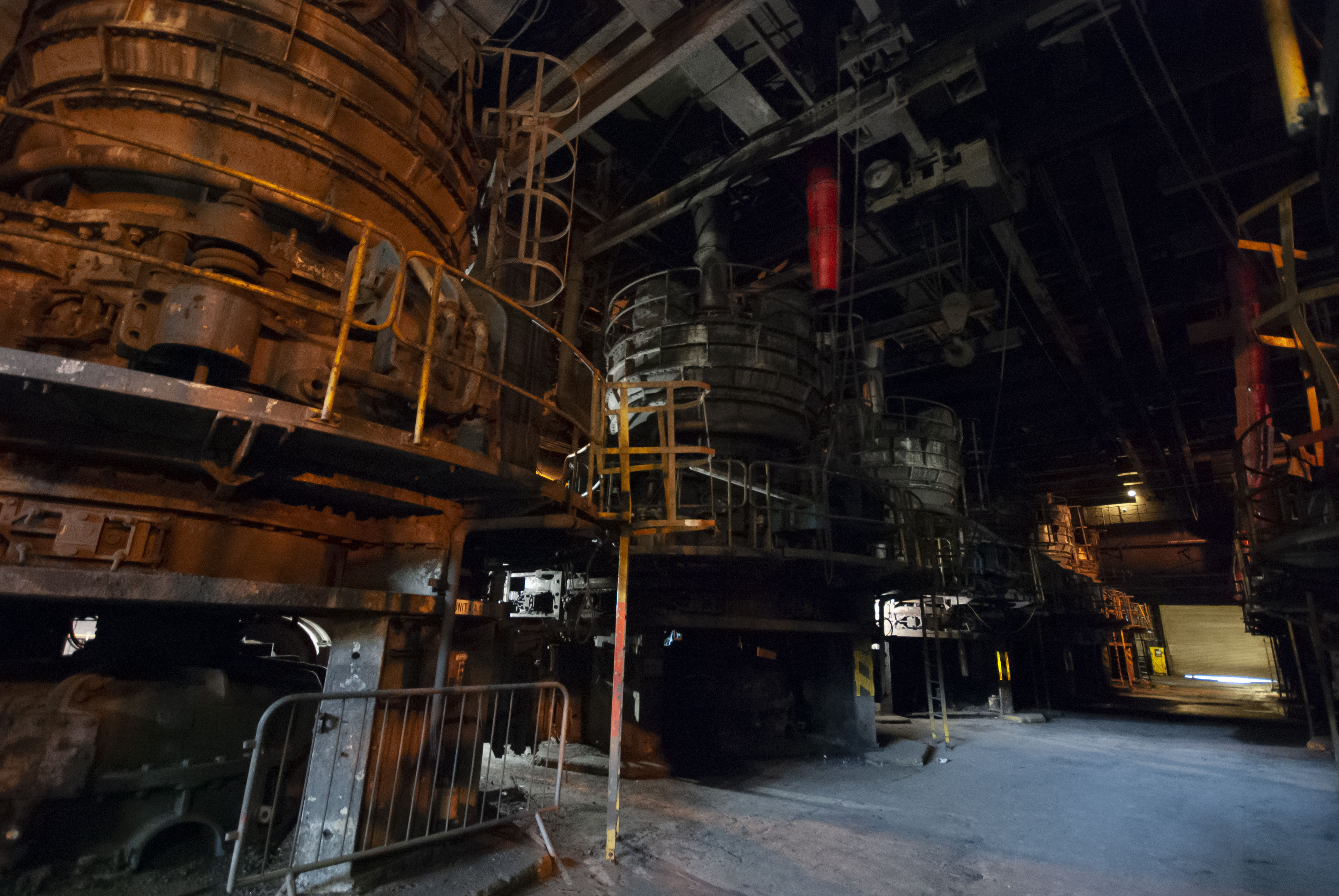
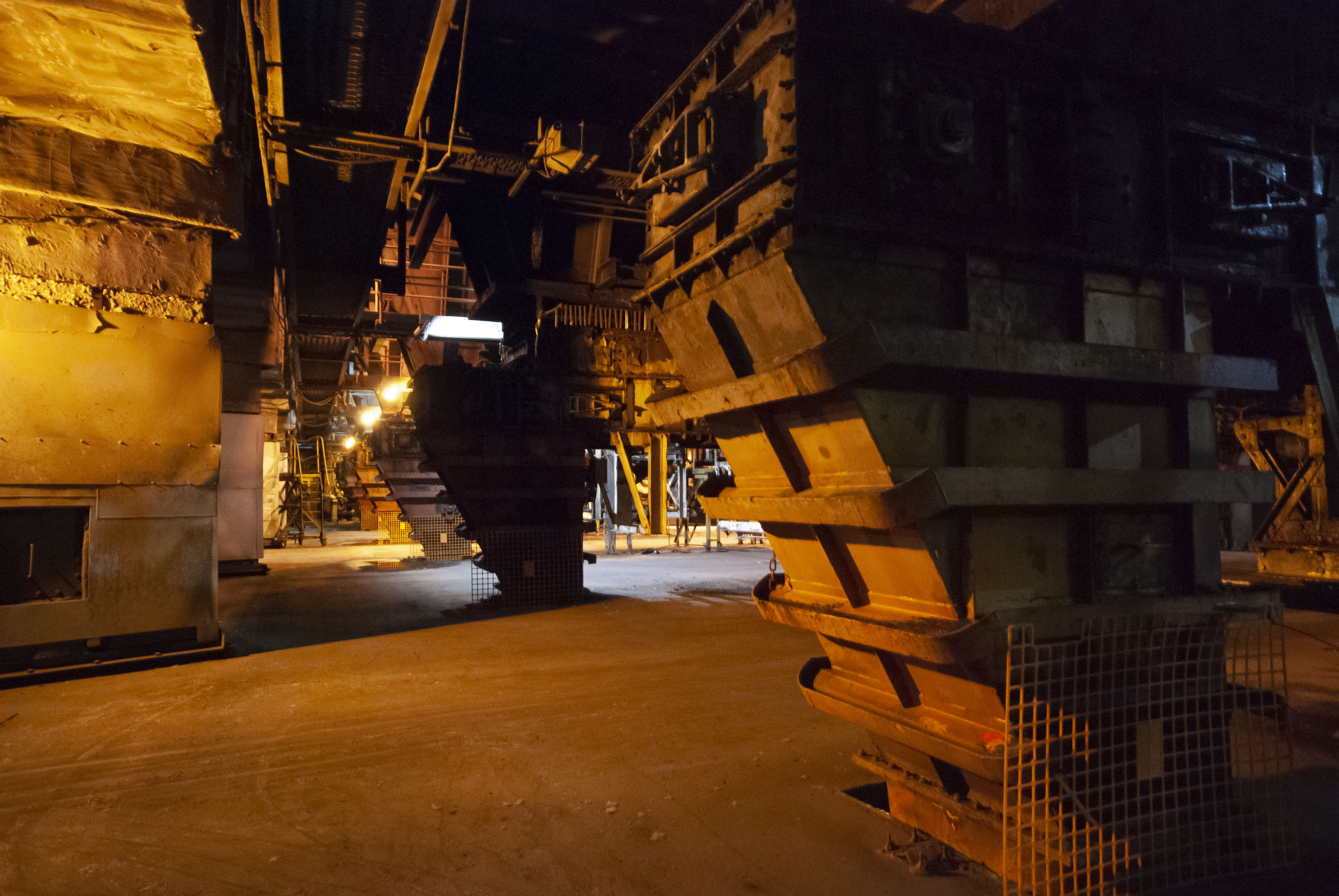
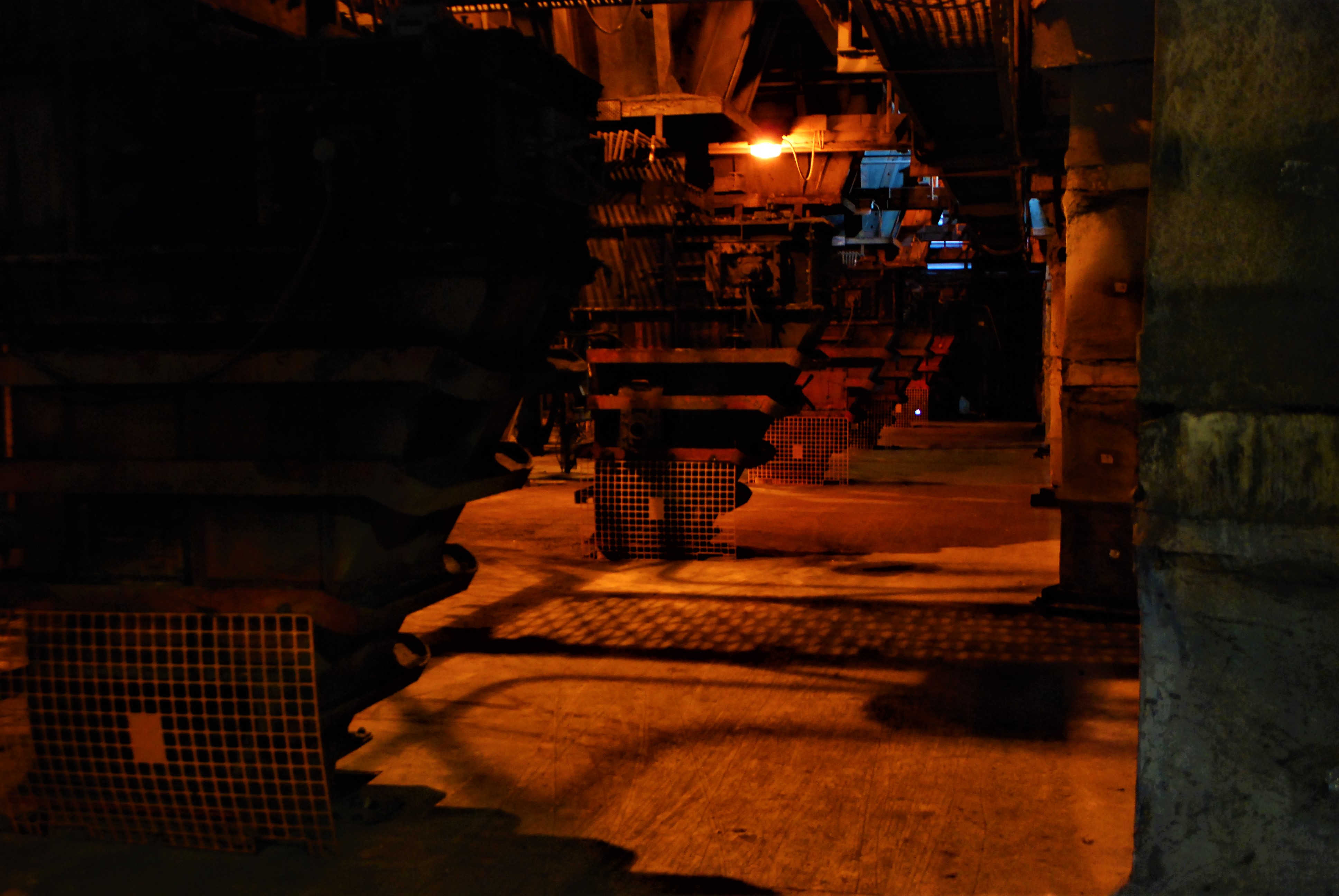
COAL MILLS
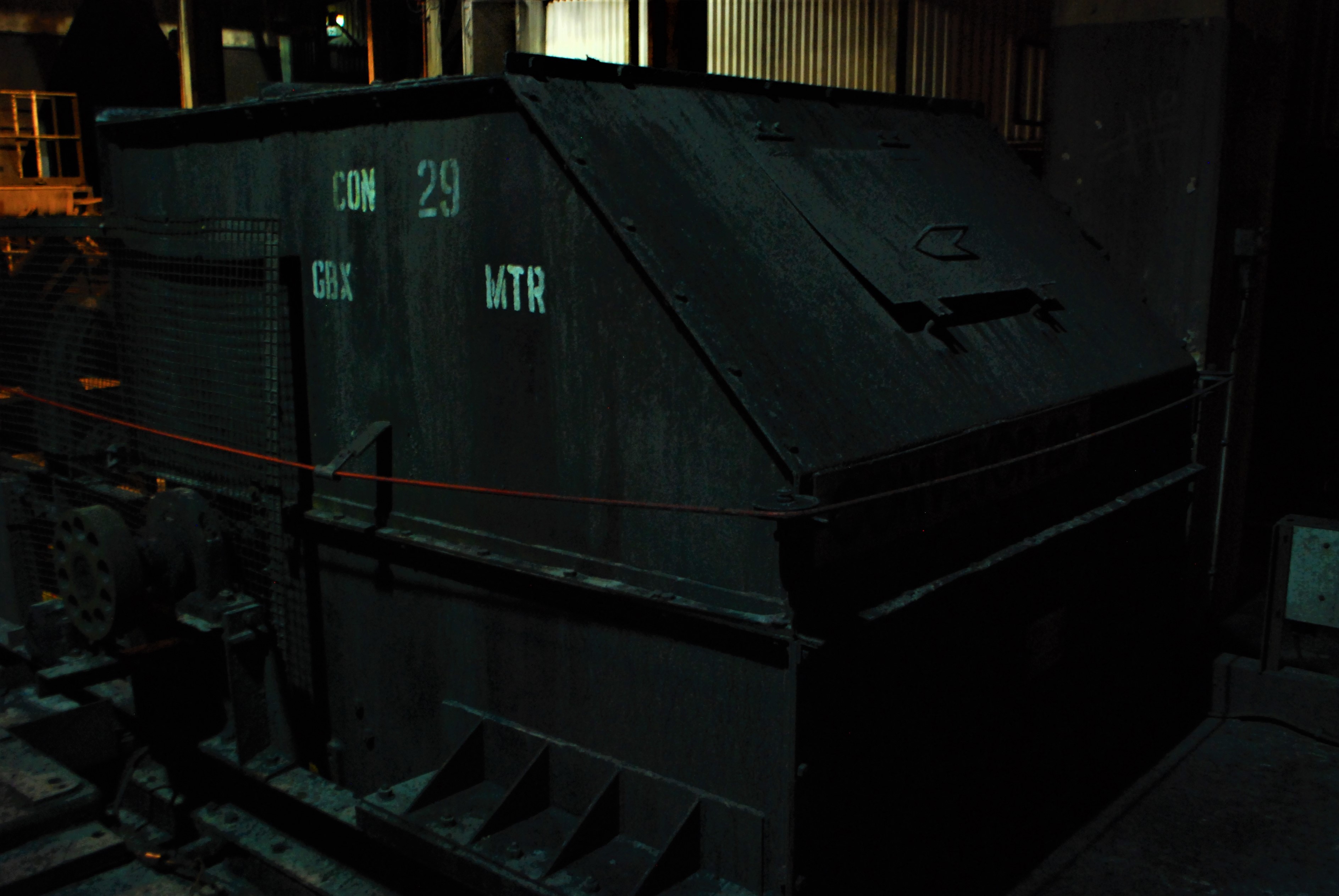
Showing the crushing mills of the power station. Each mill contains steel balls which pulverise the coal into a fine powder.
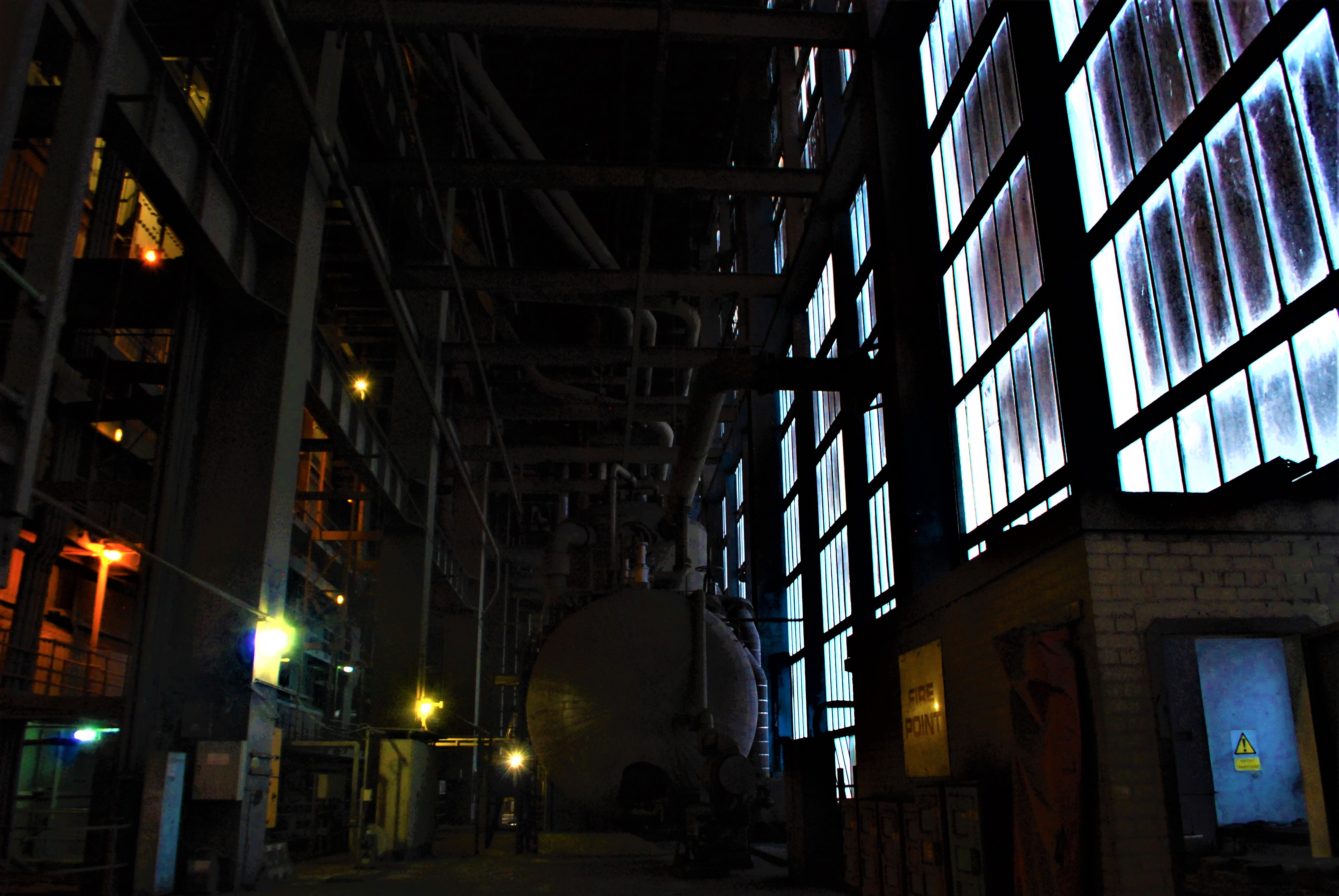
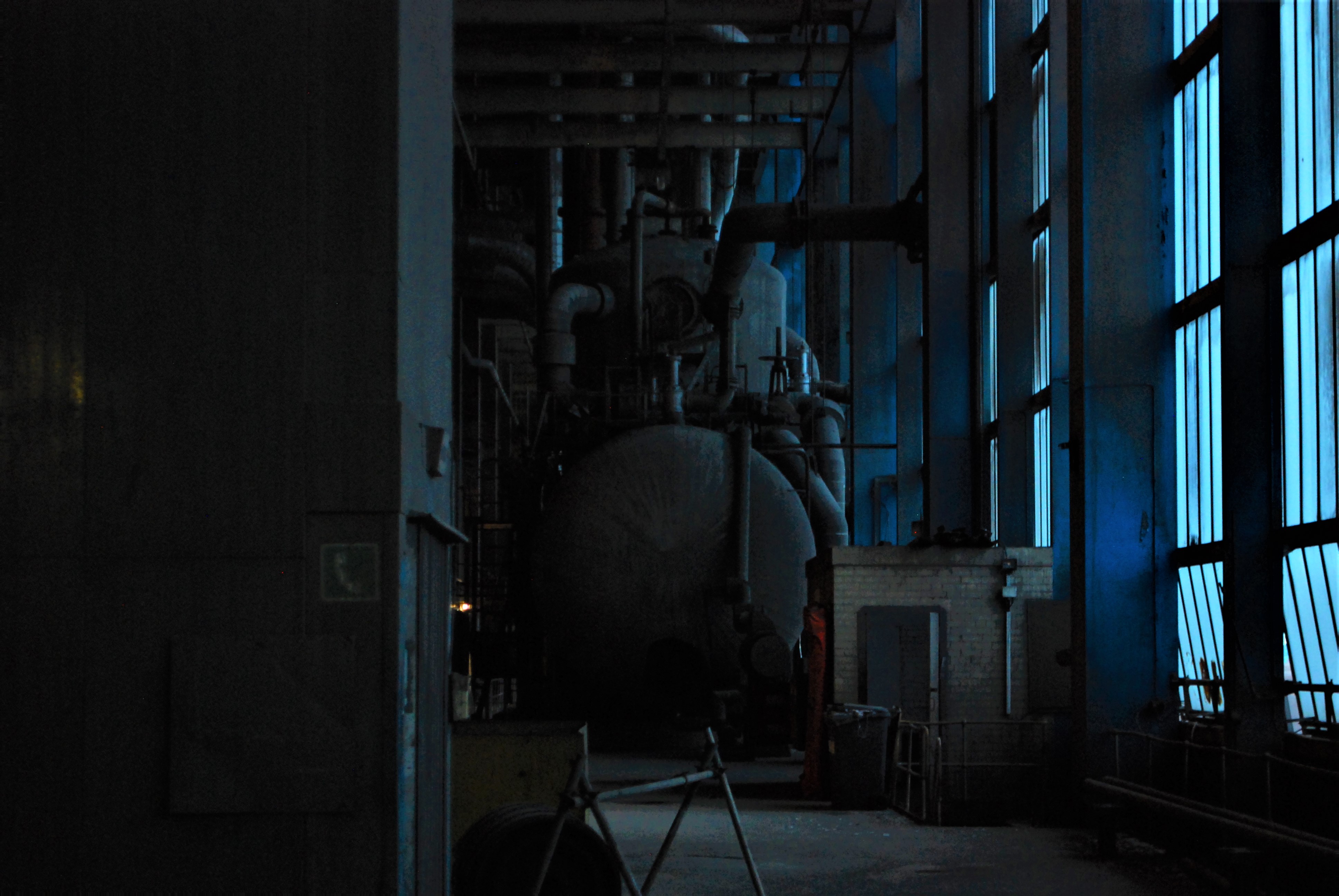
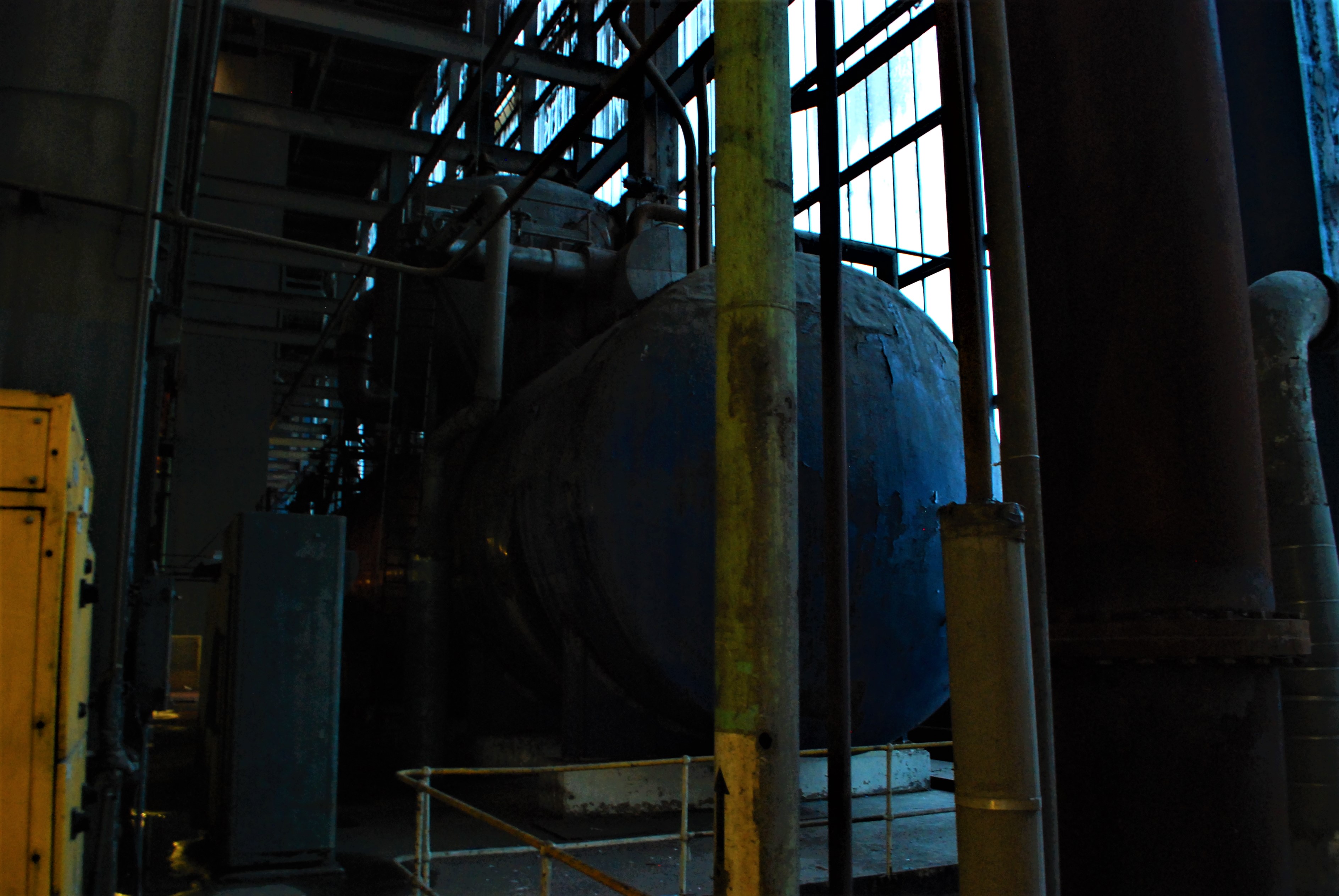
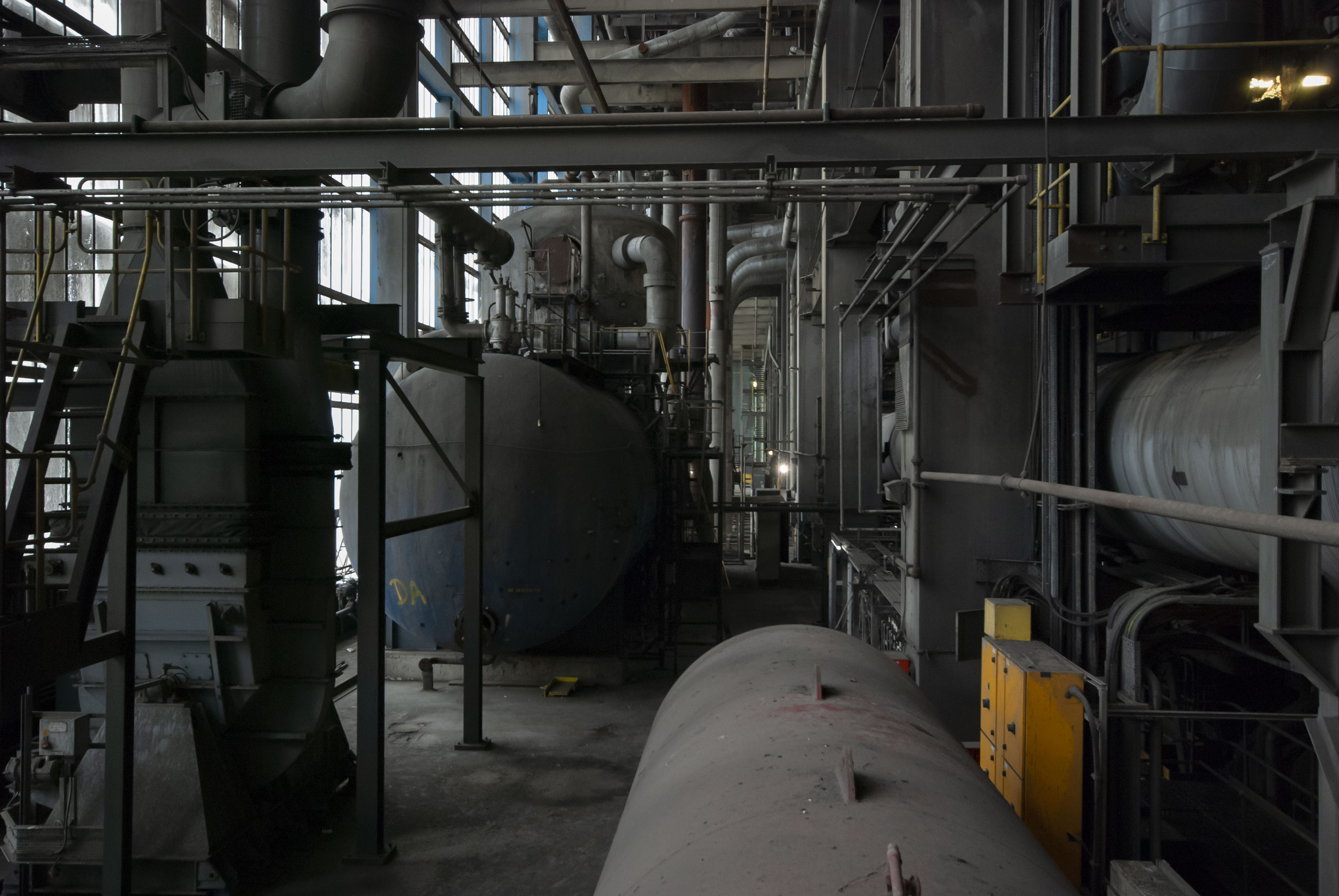
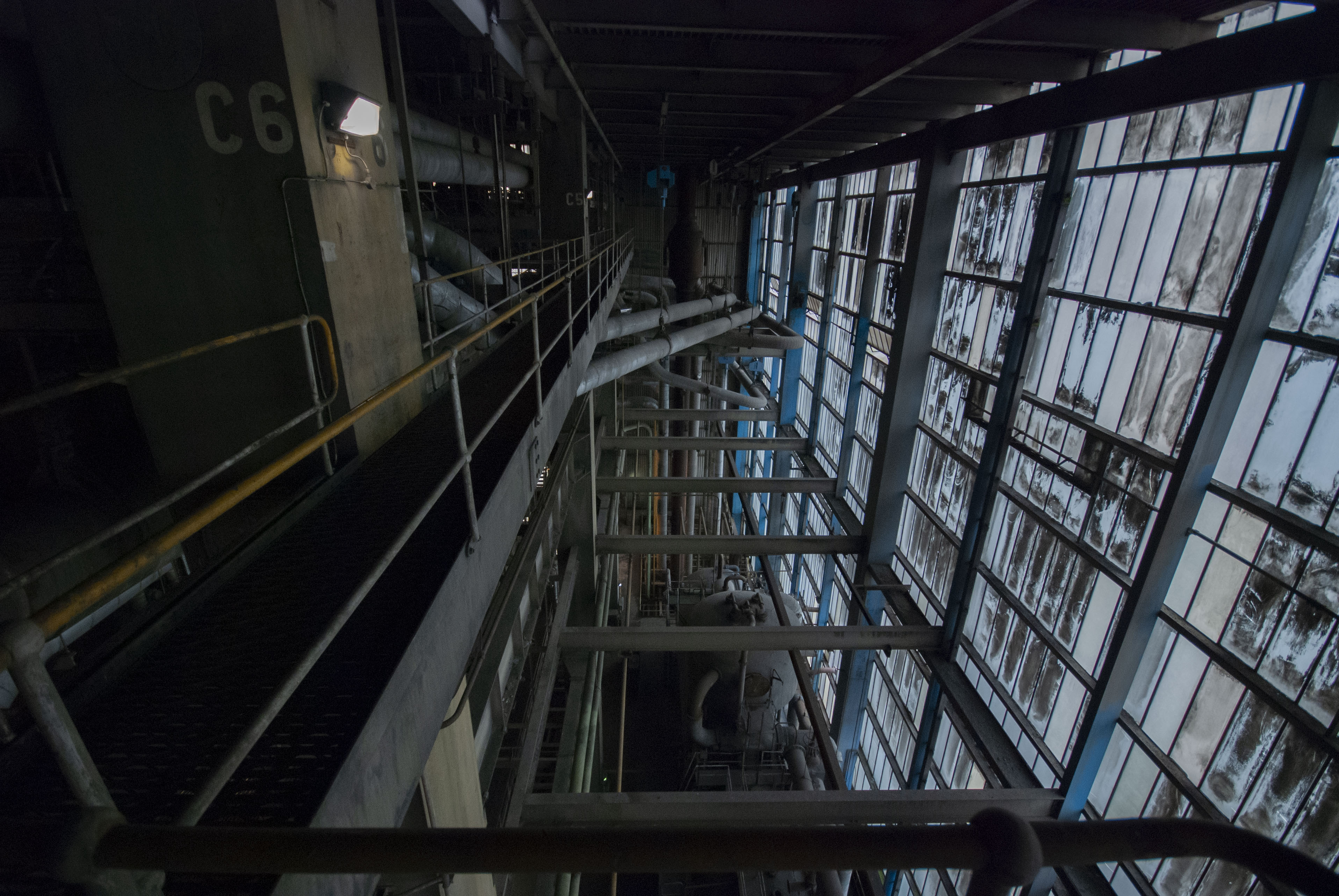
DE-AERATOR BAY
Showing the de-aerators which removed dissolved gases from boiler feedwater.
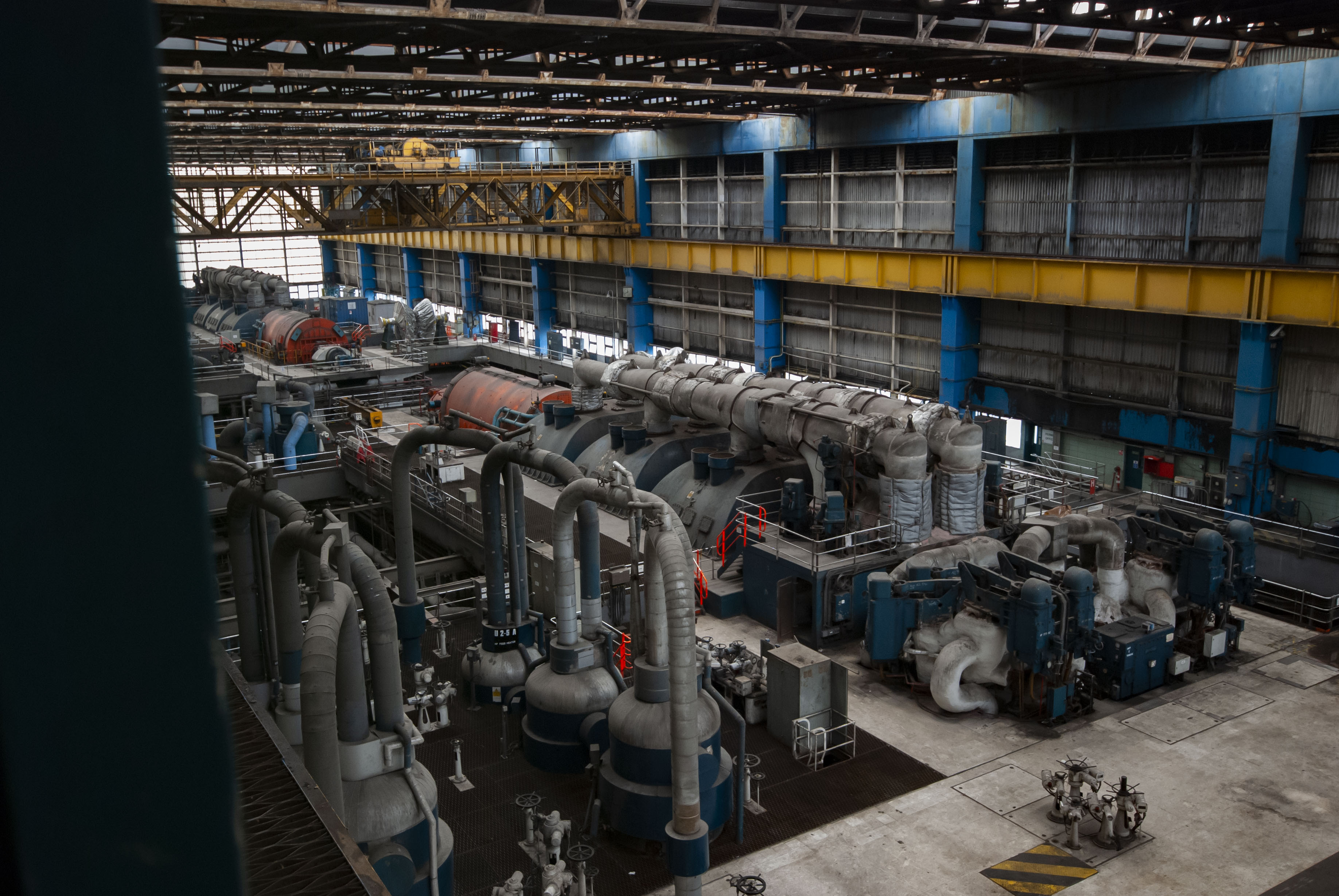
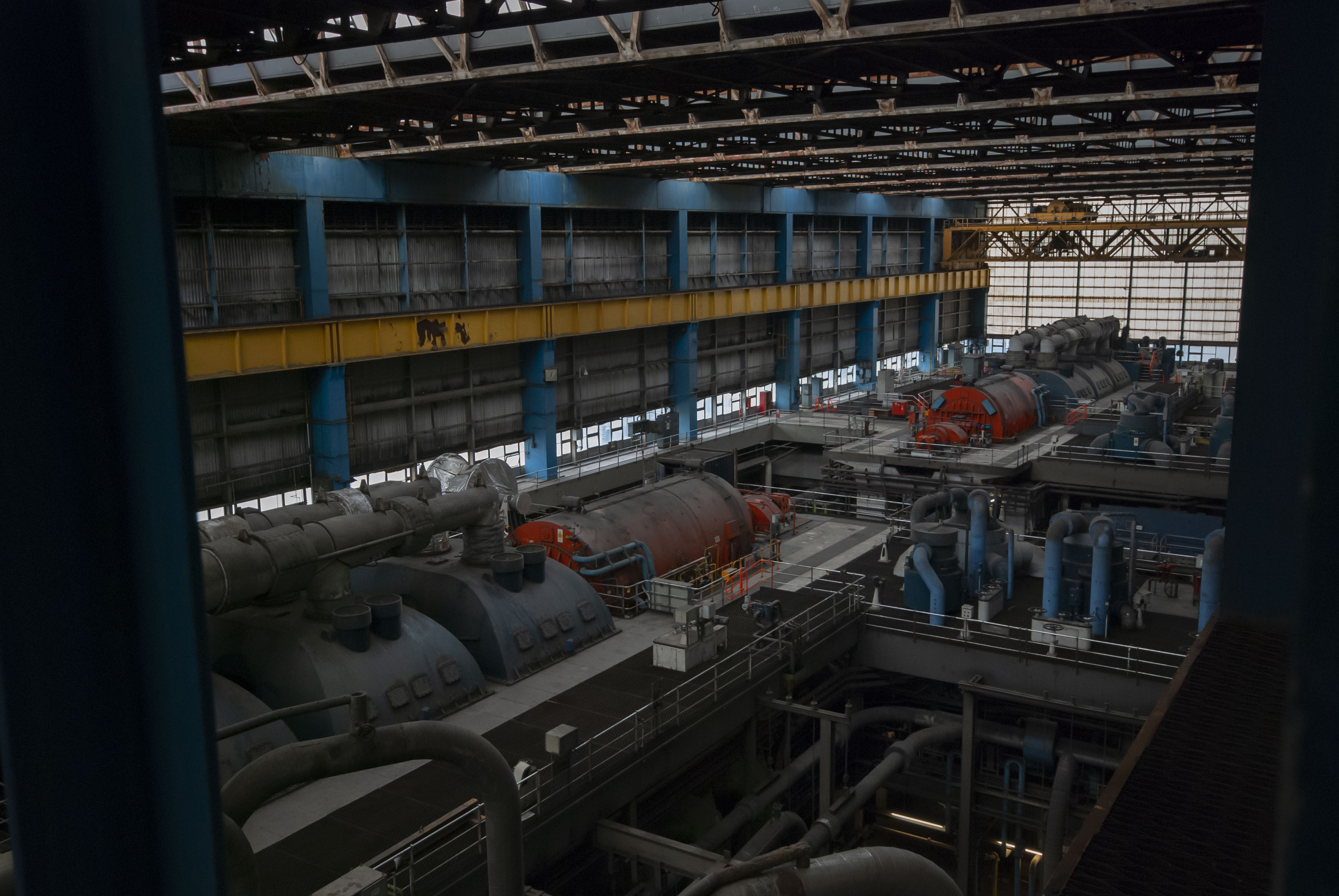
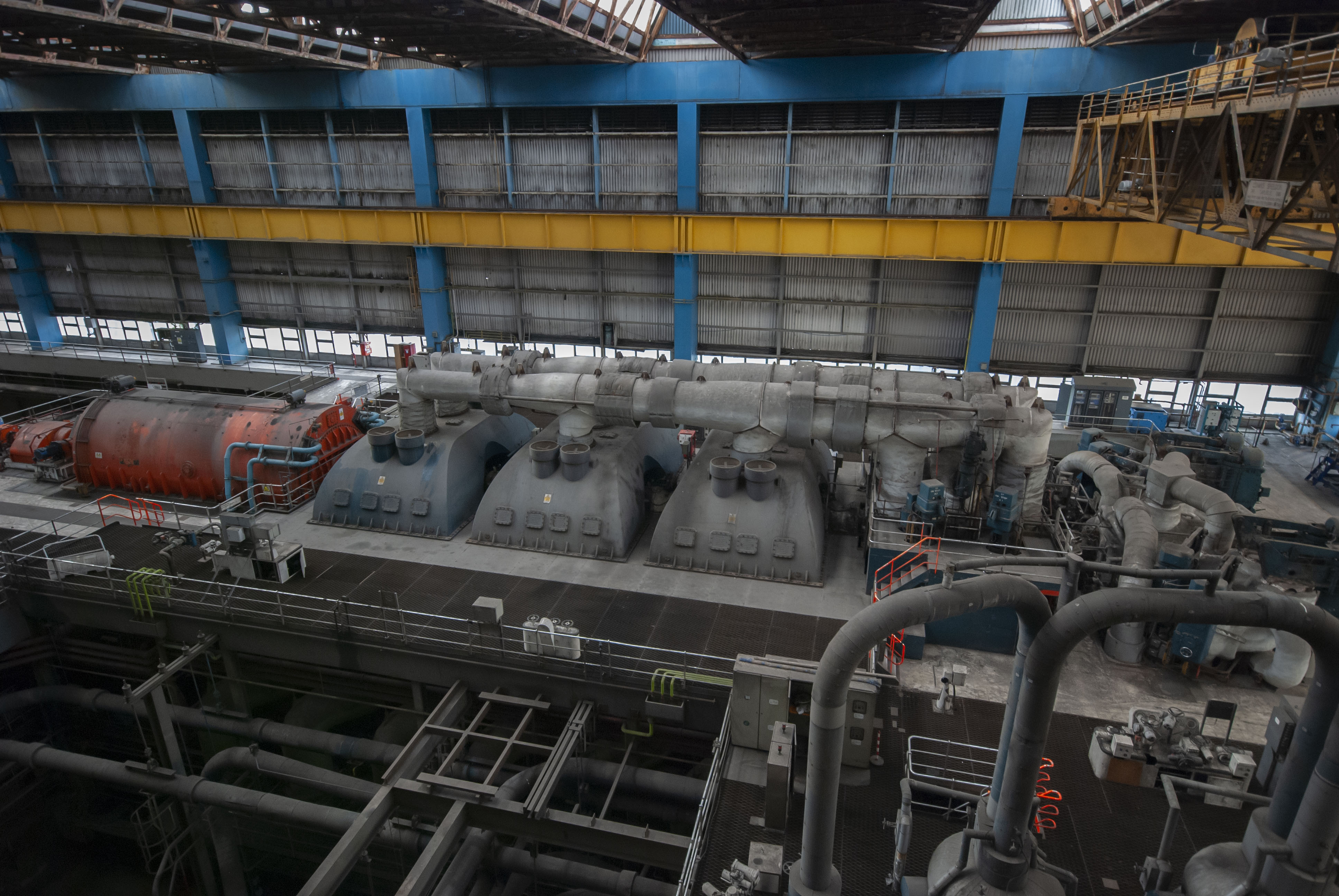
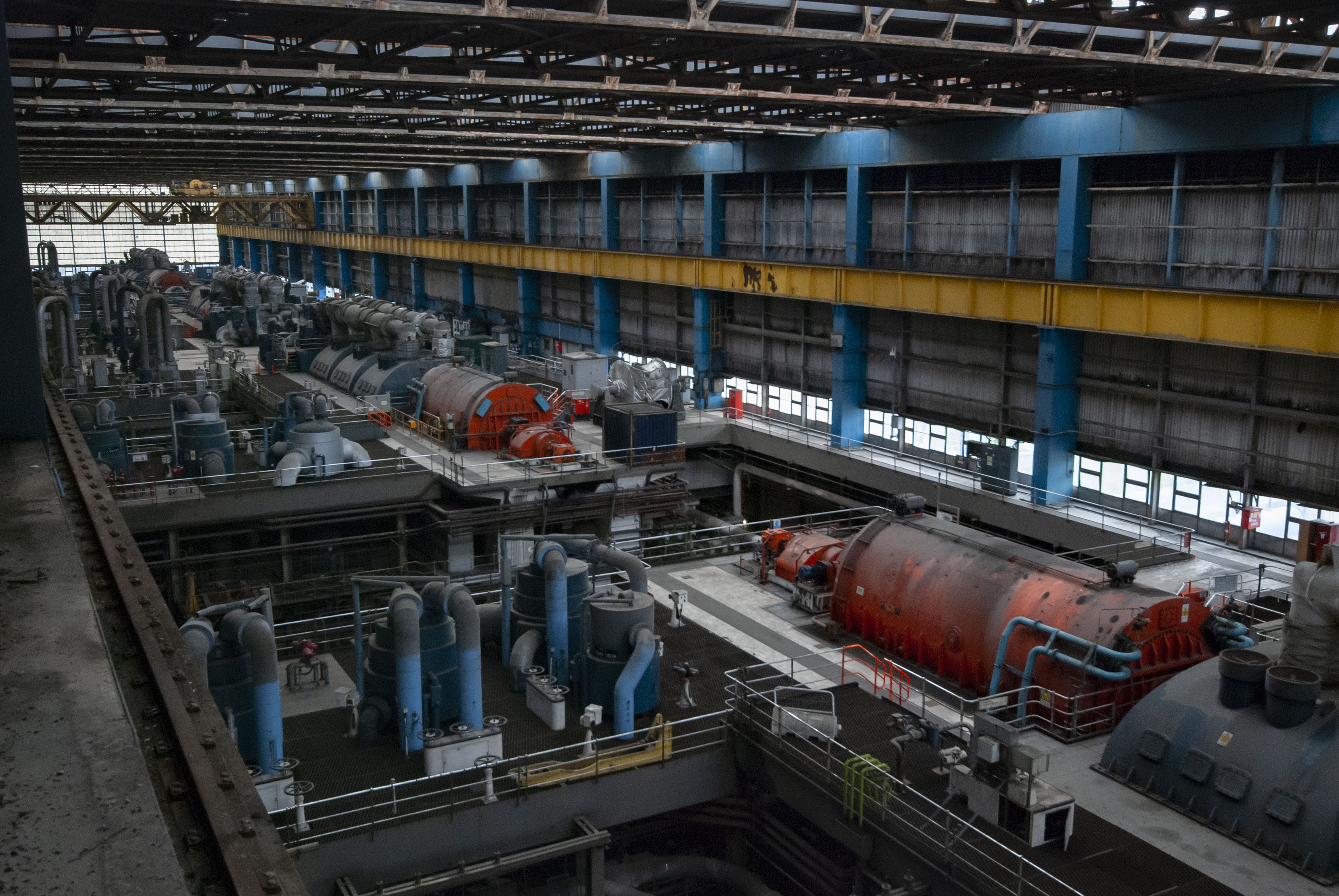
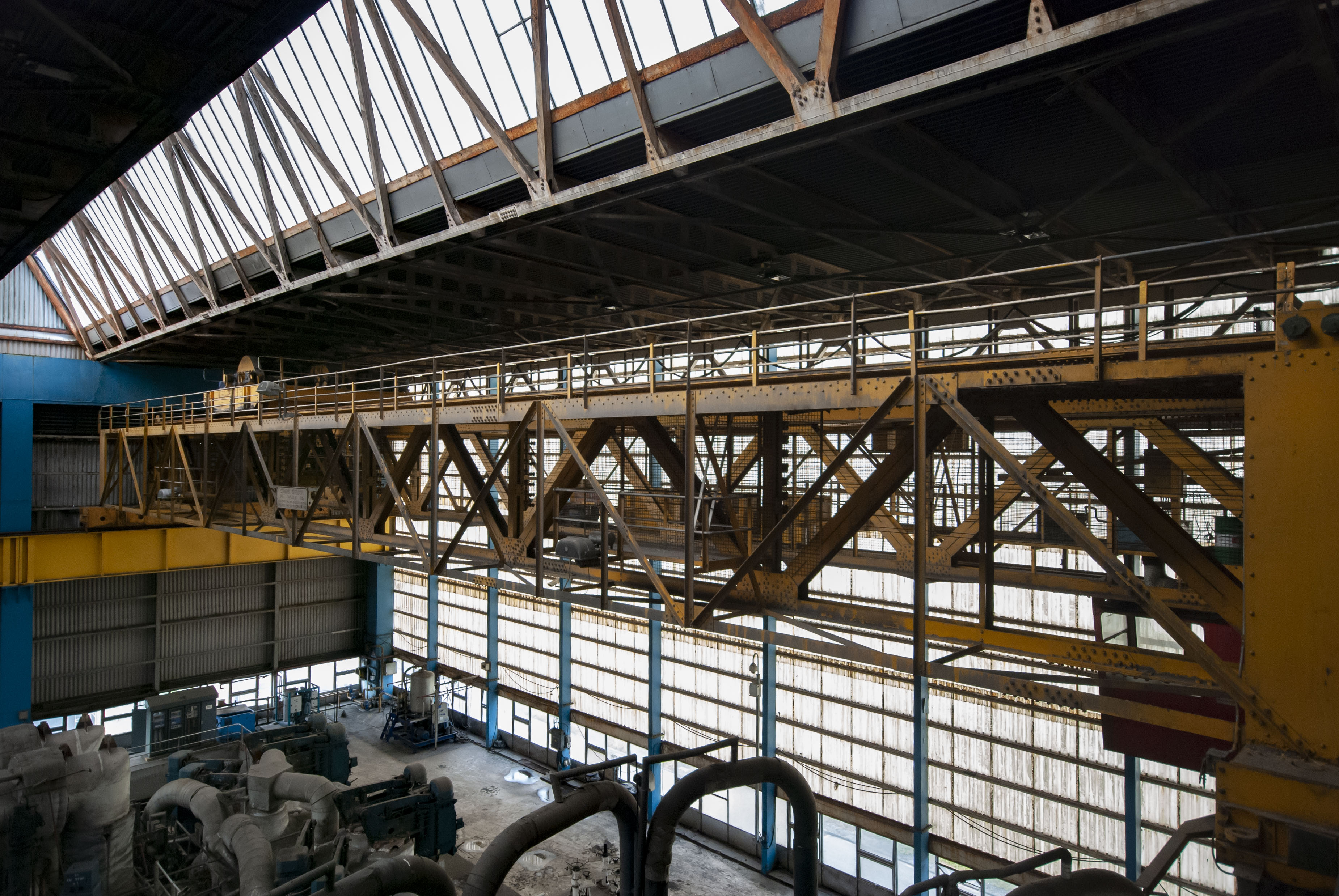
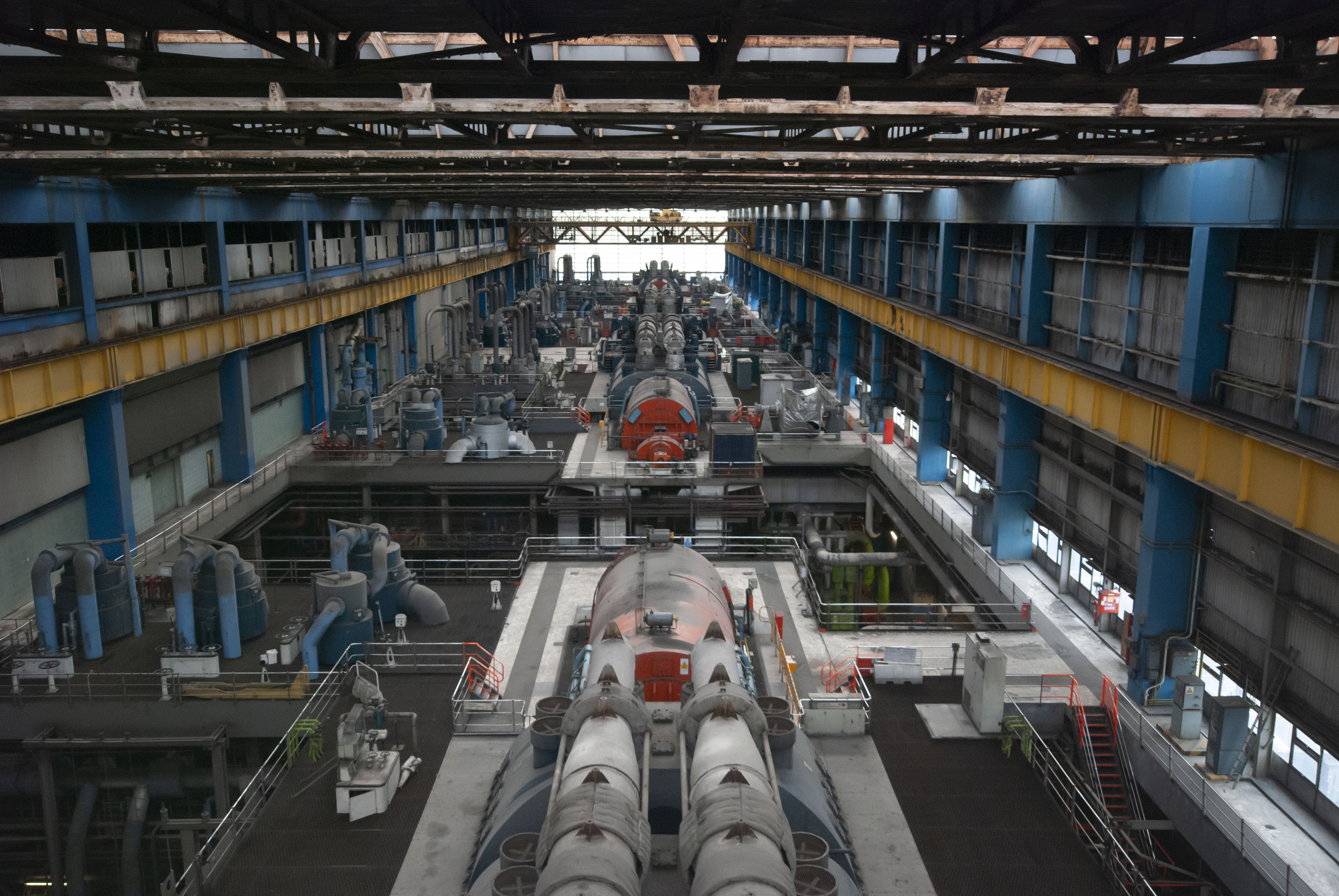
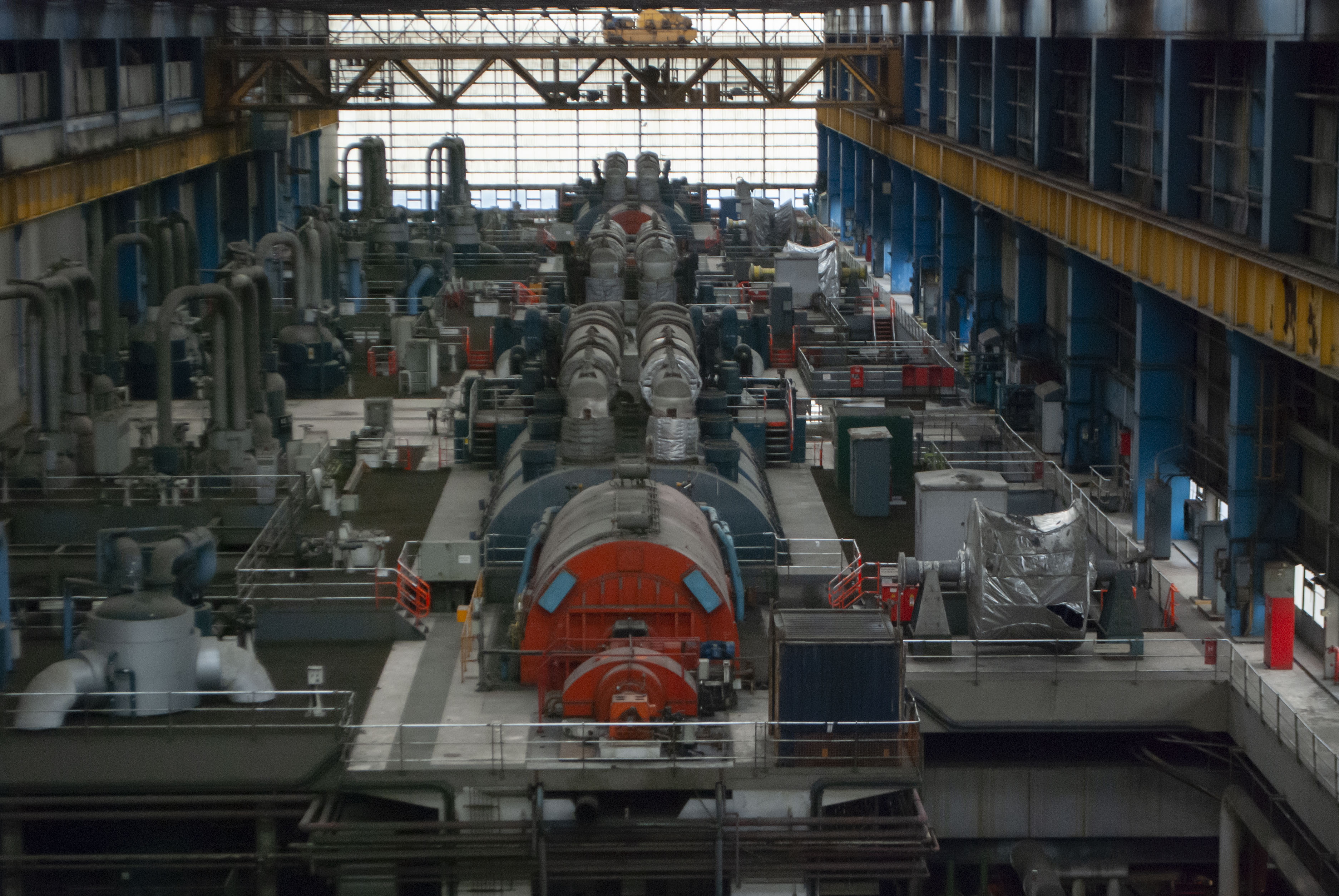
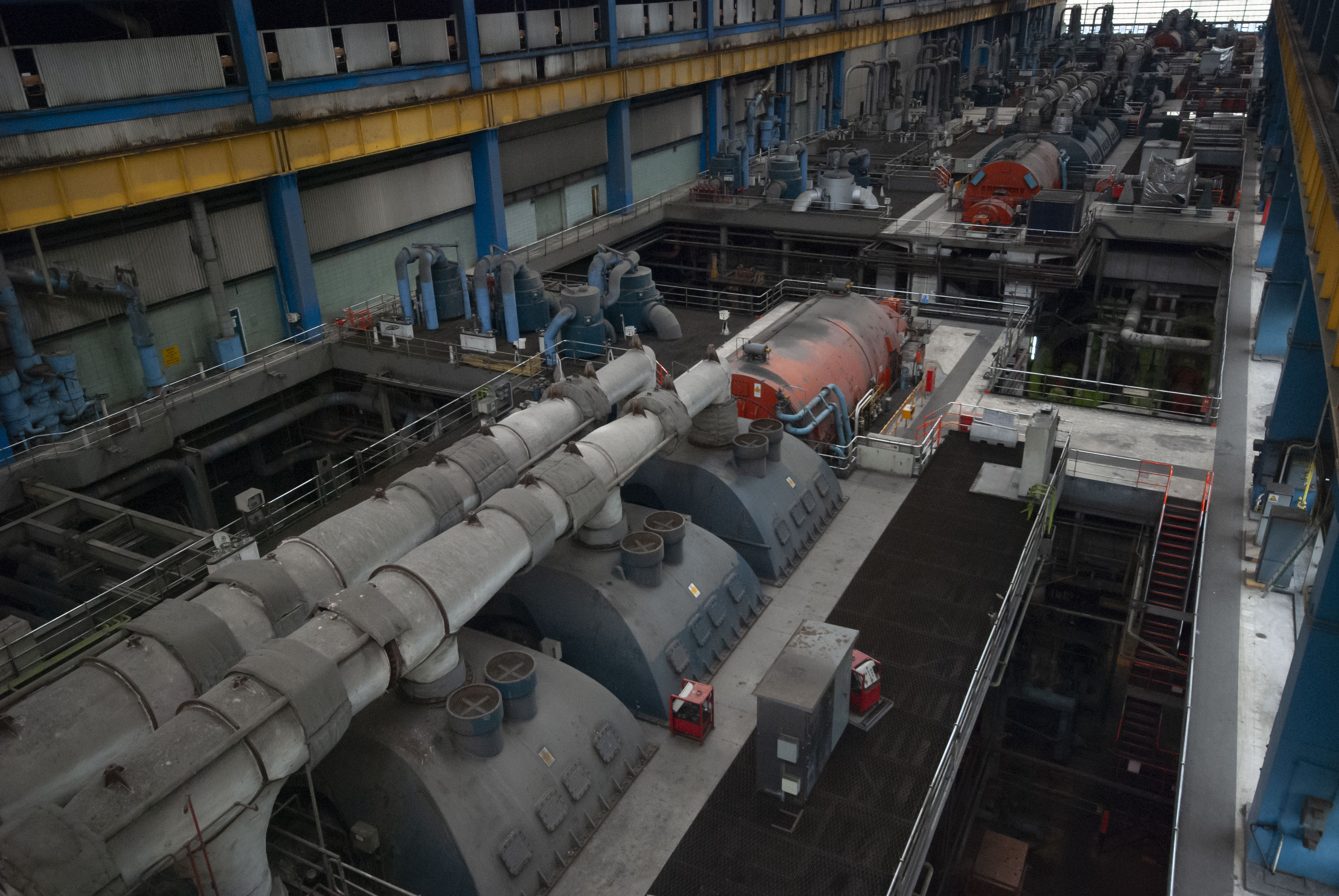
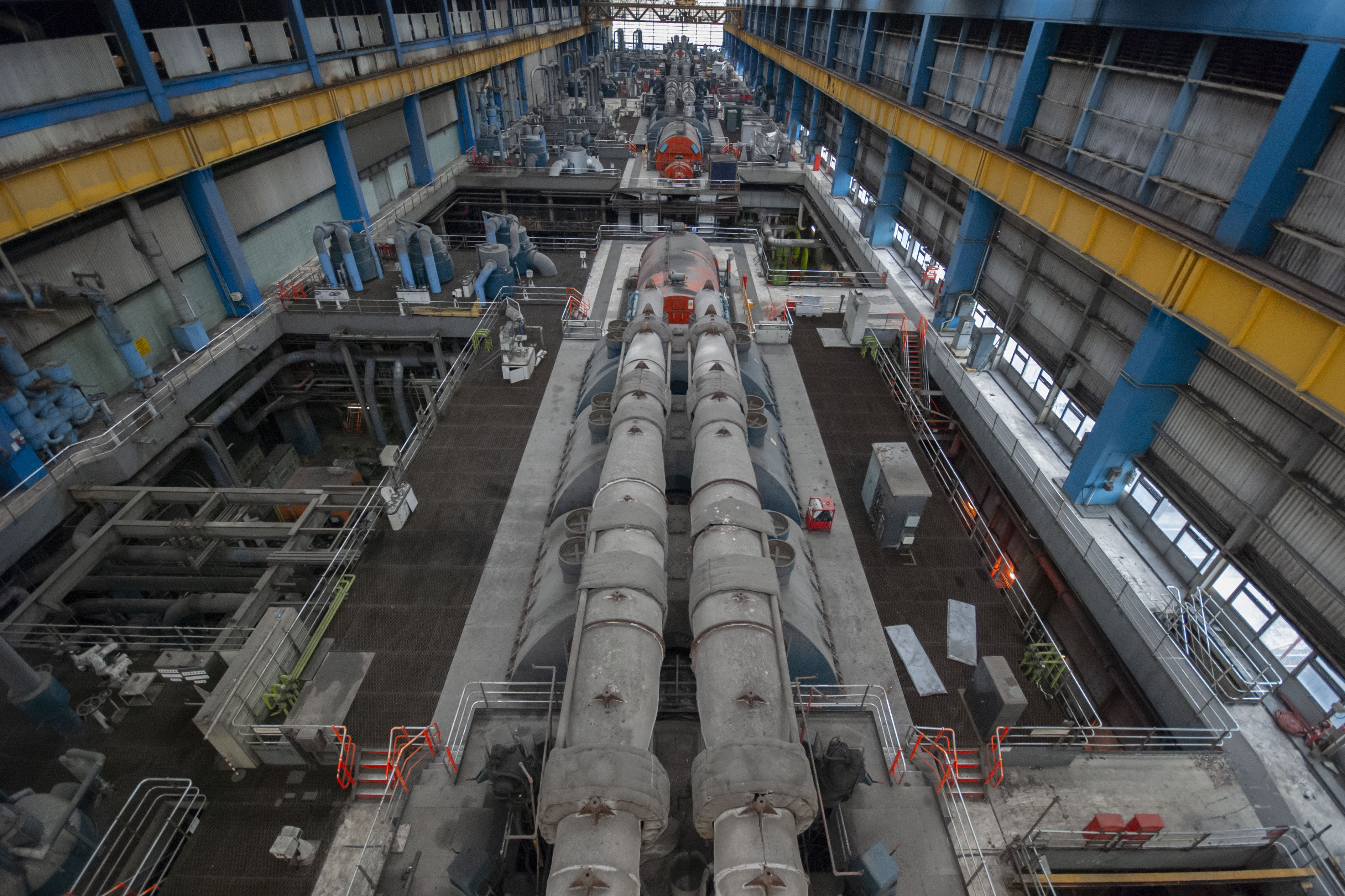
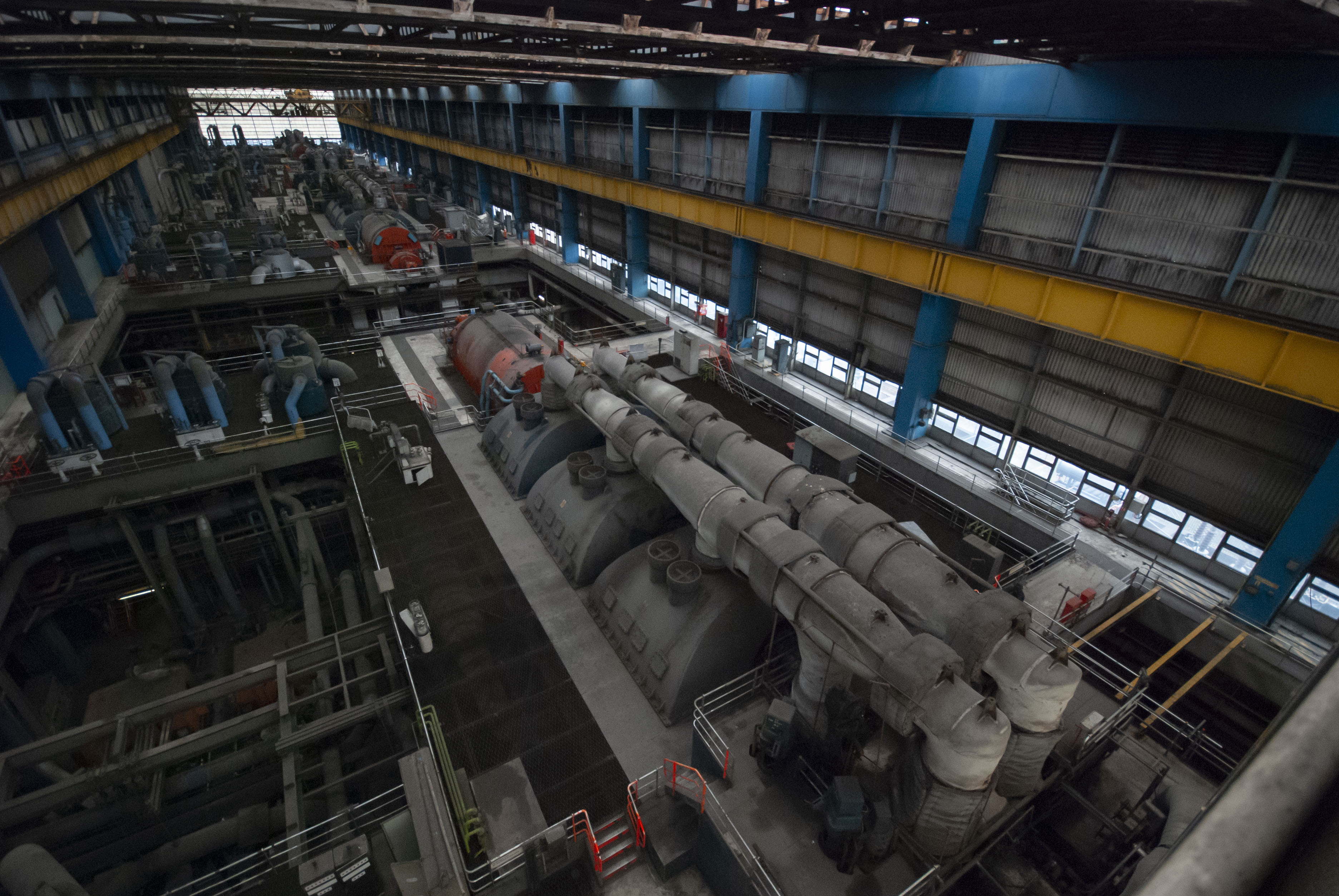
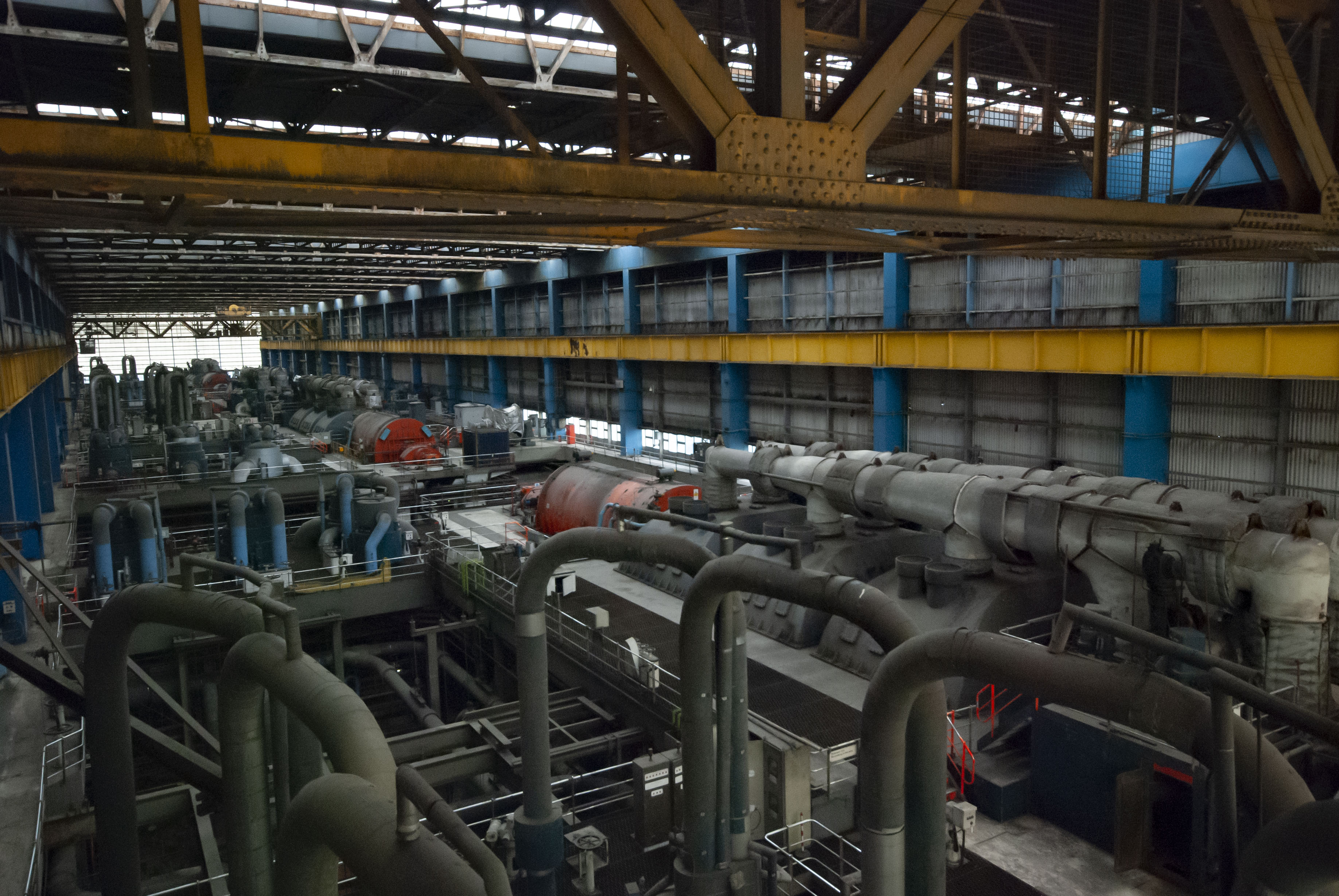
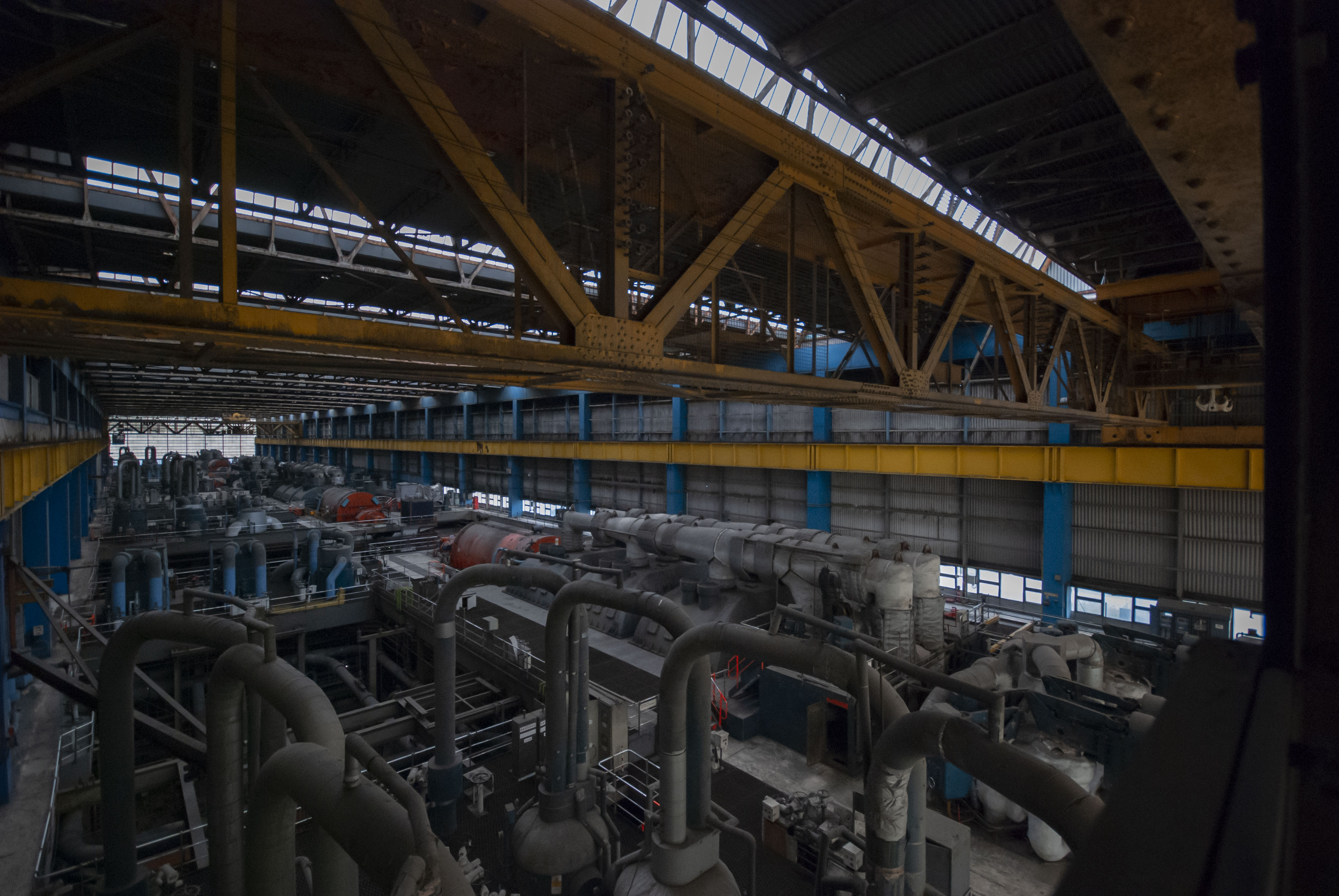
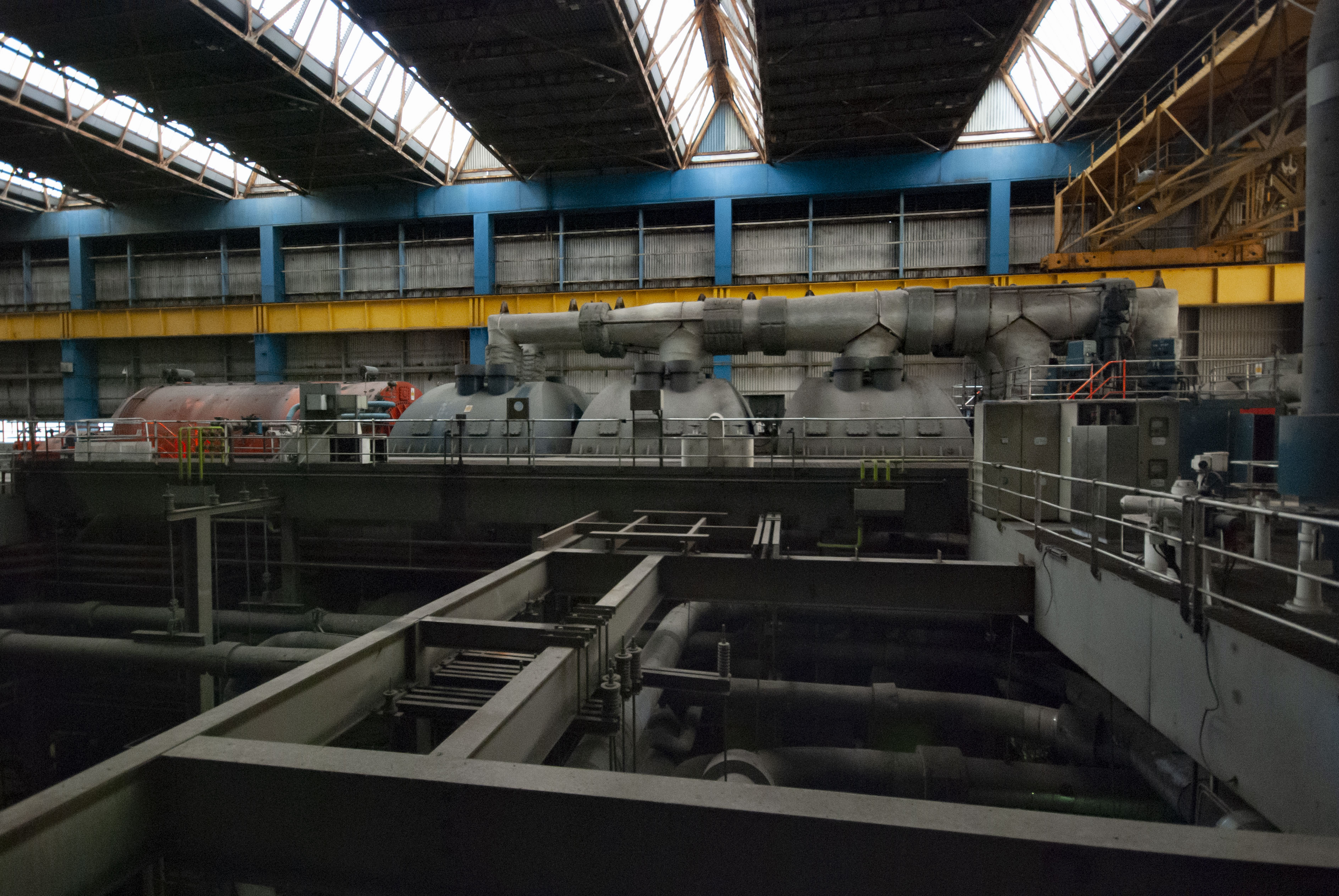
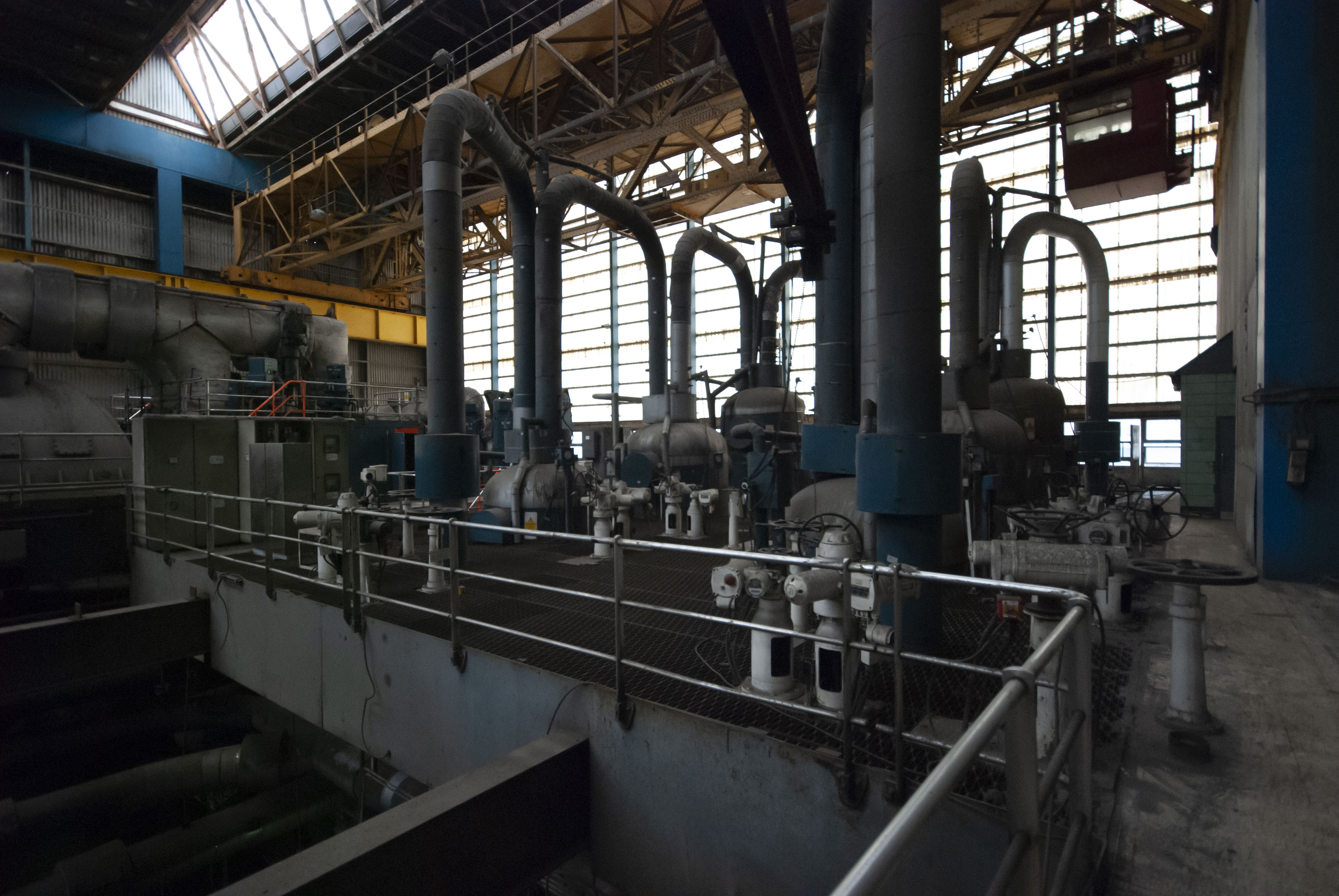
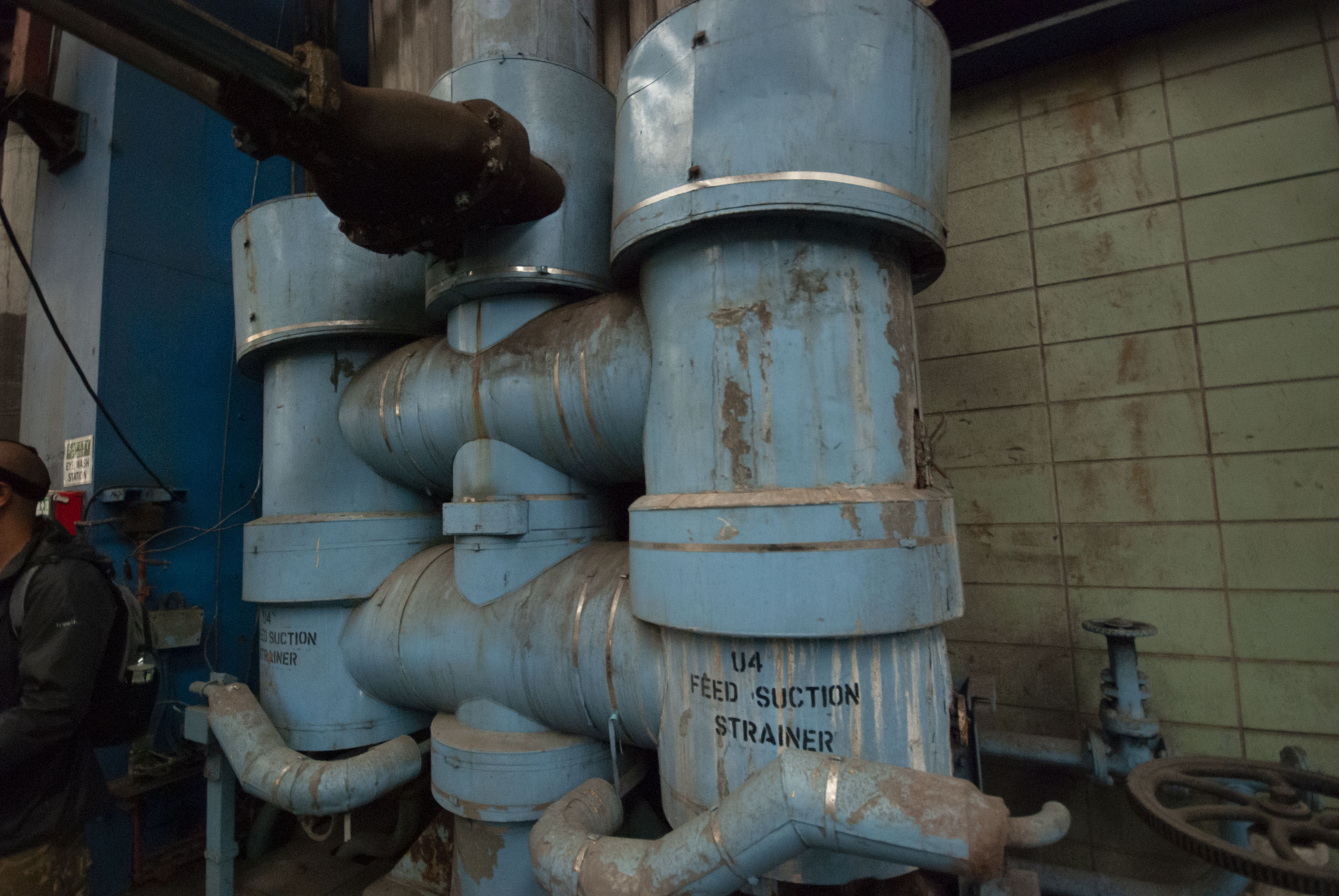
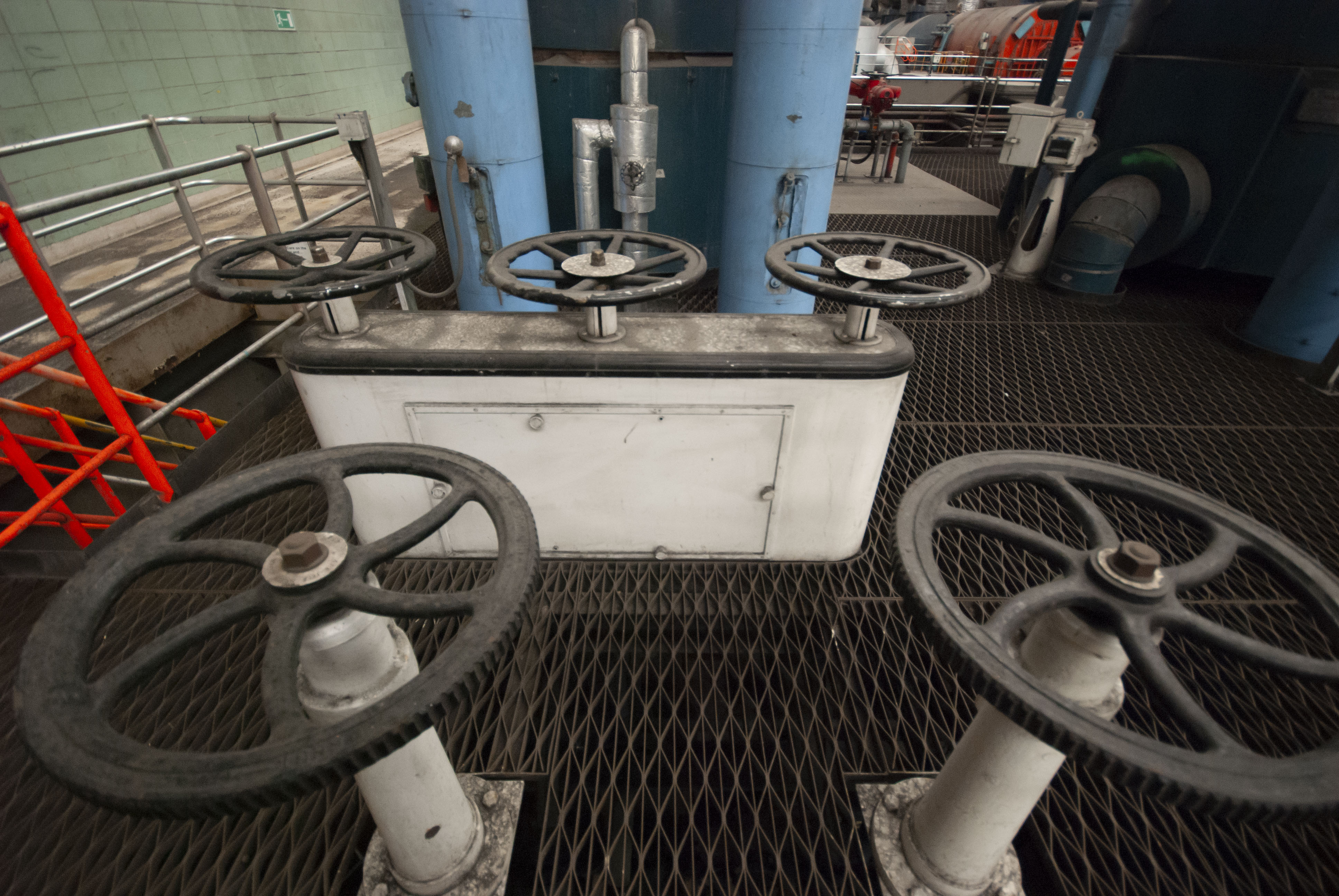
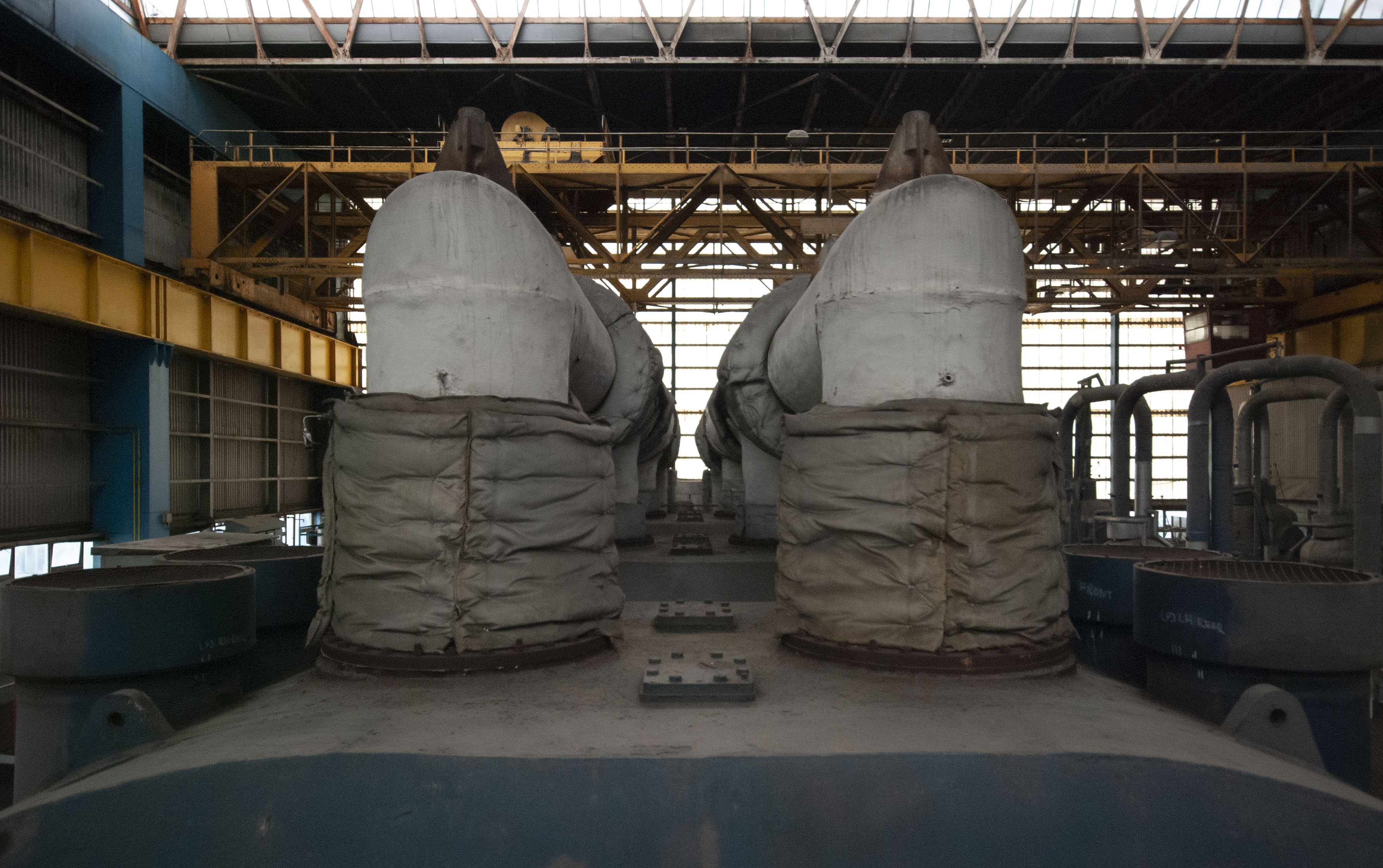
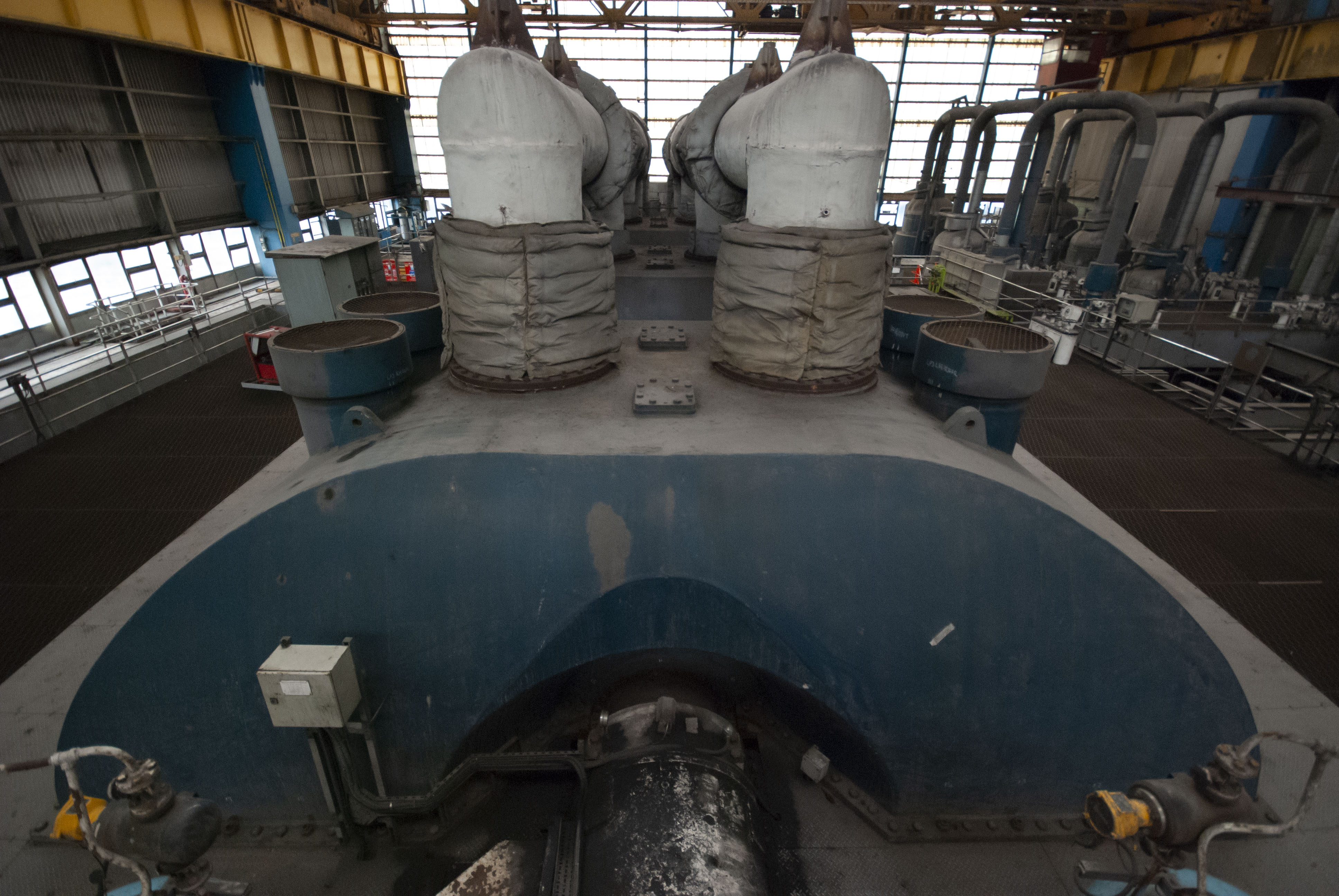
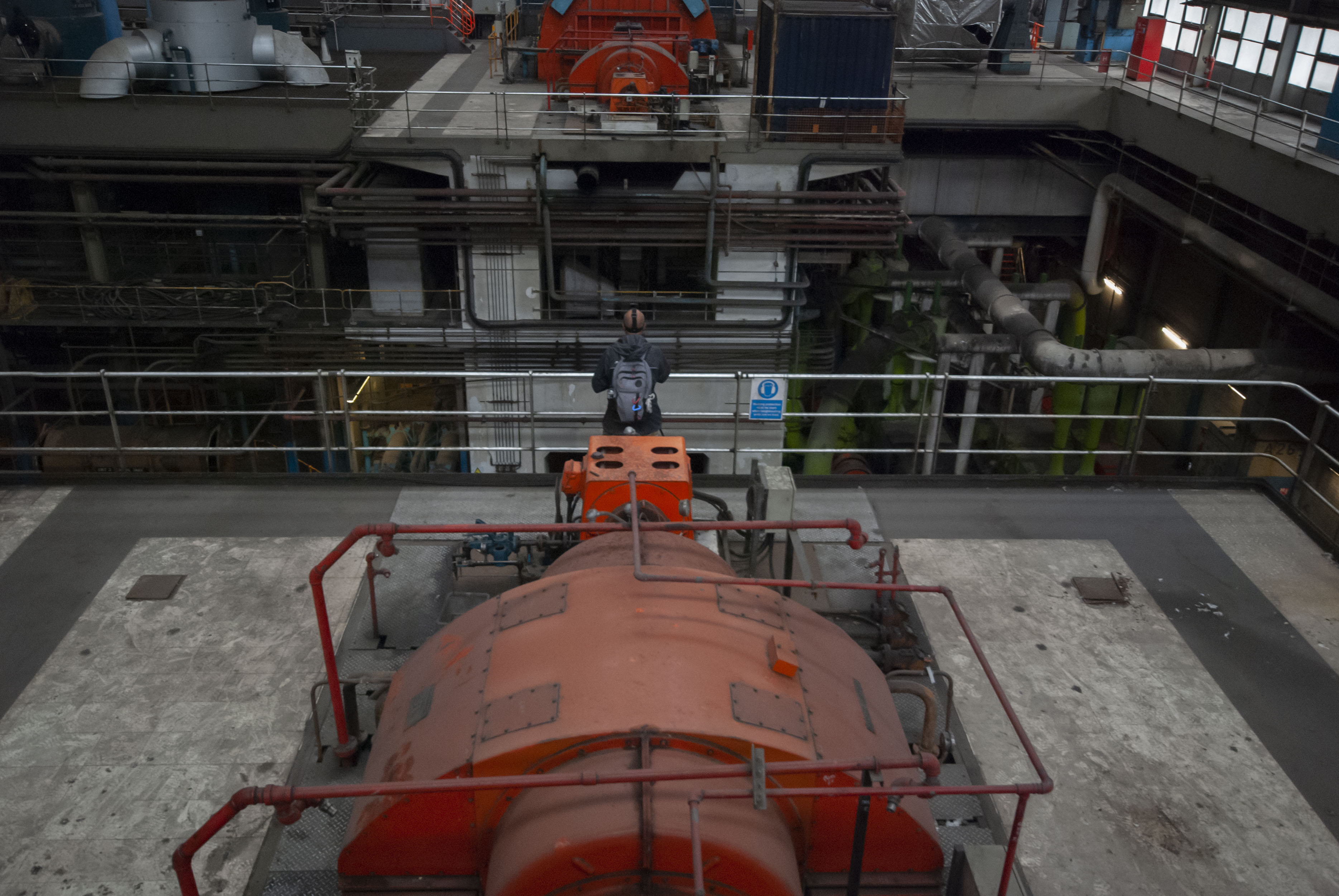
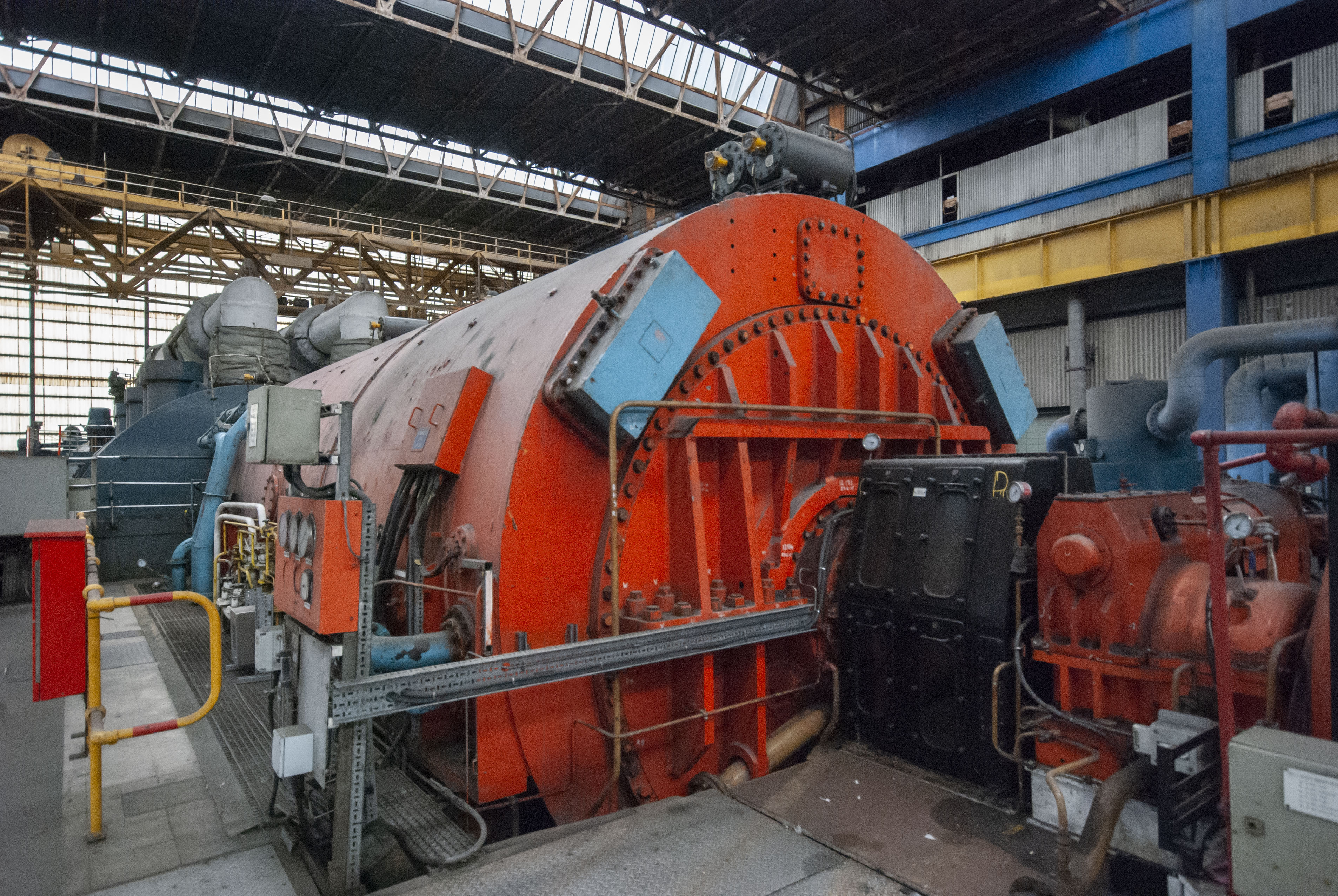
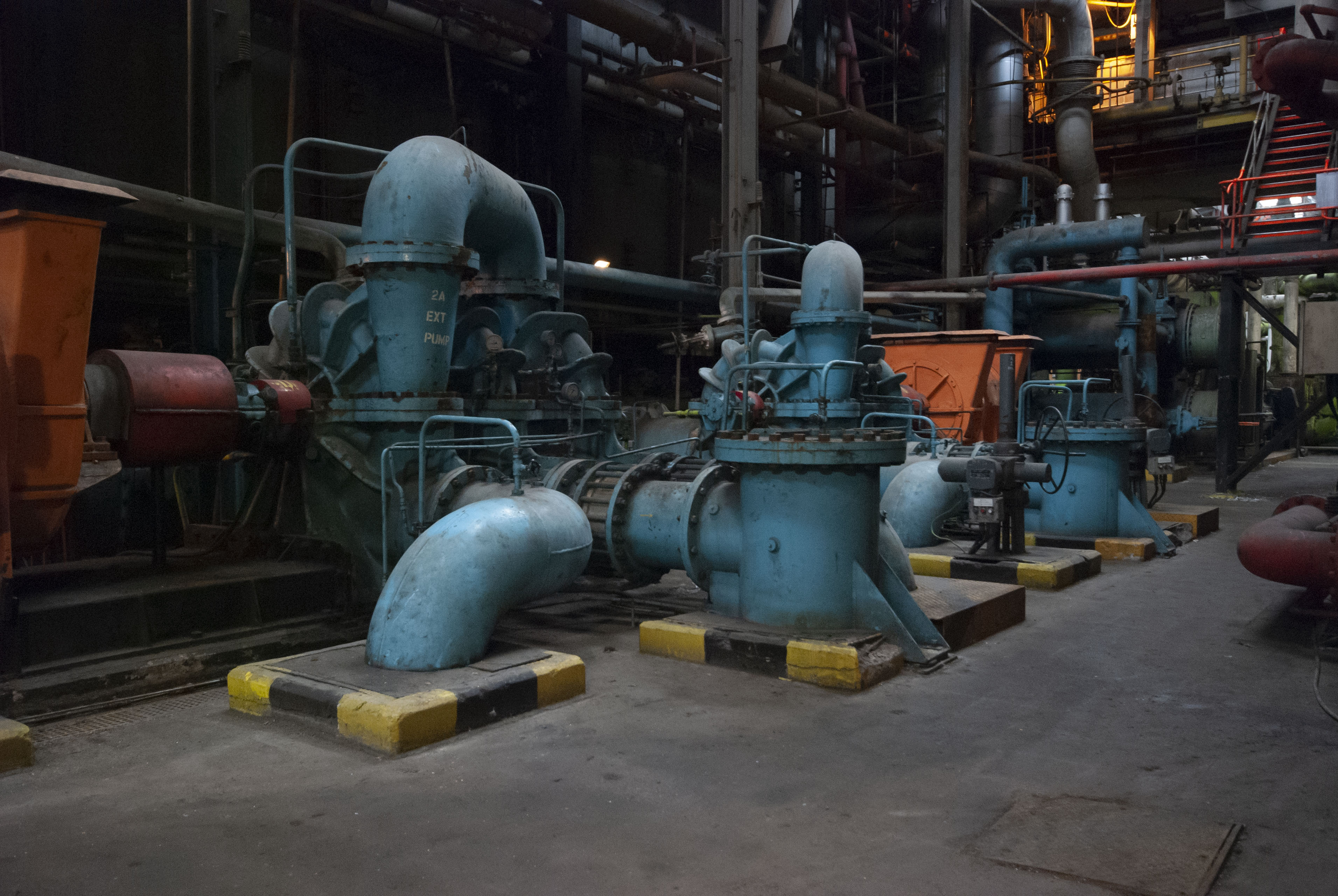
TURBINE HALL
Showing the four turbines laid out in a transverse layout.

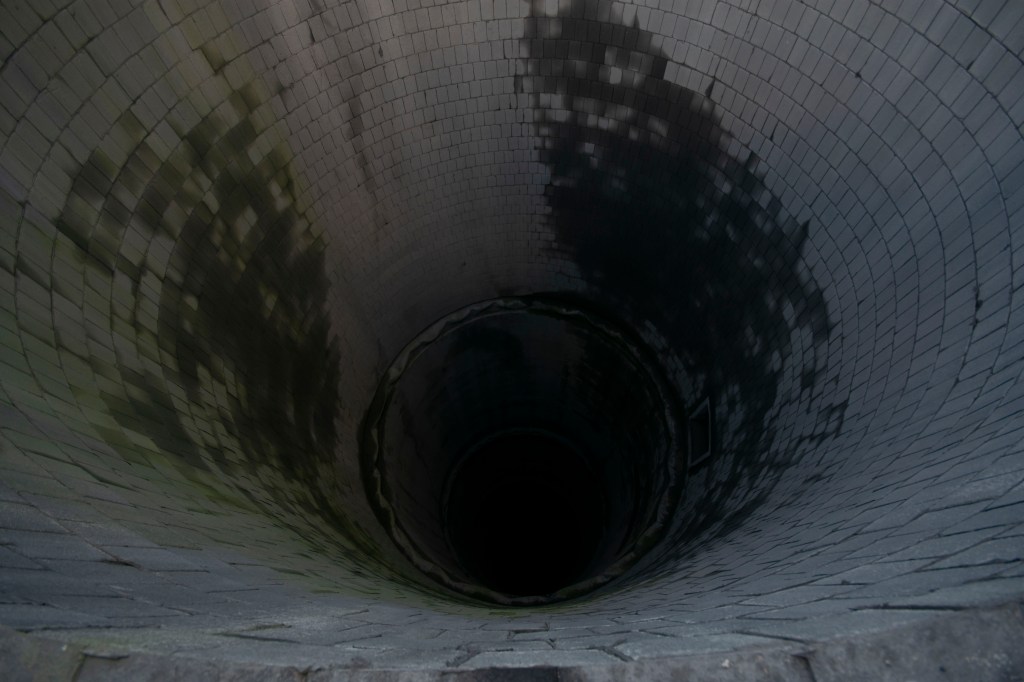
CHIMNEY
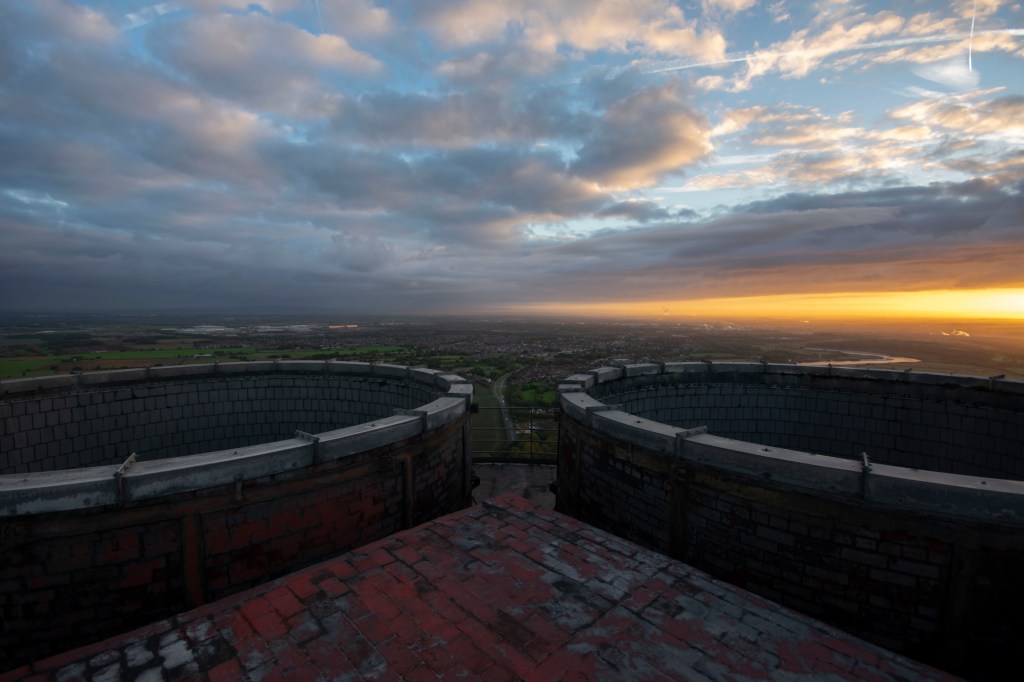
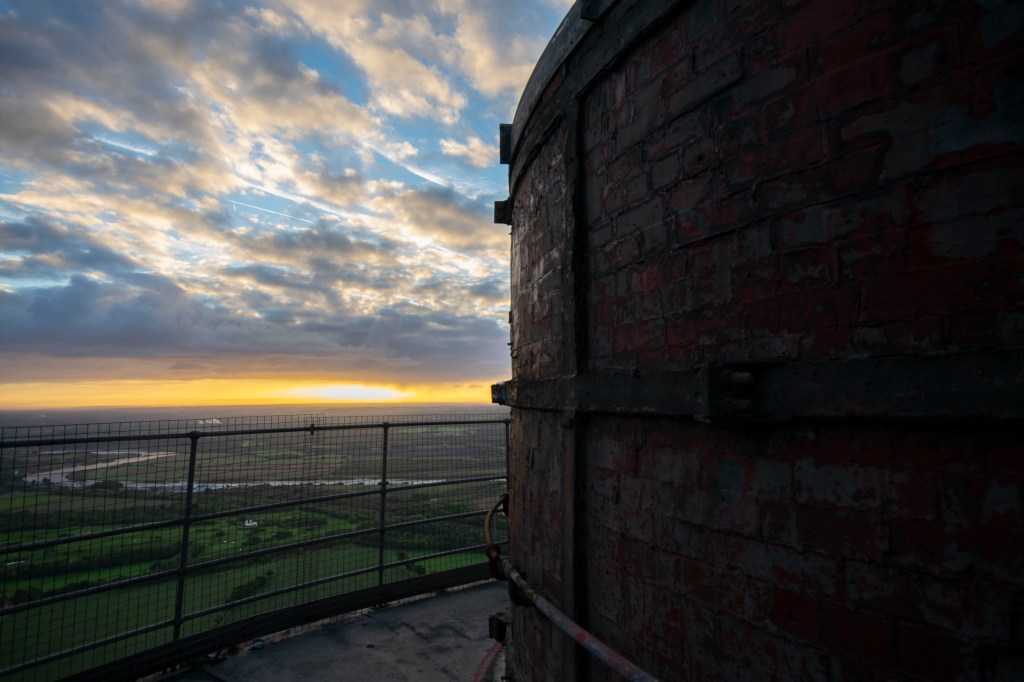
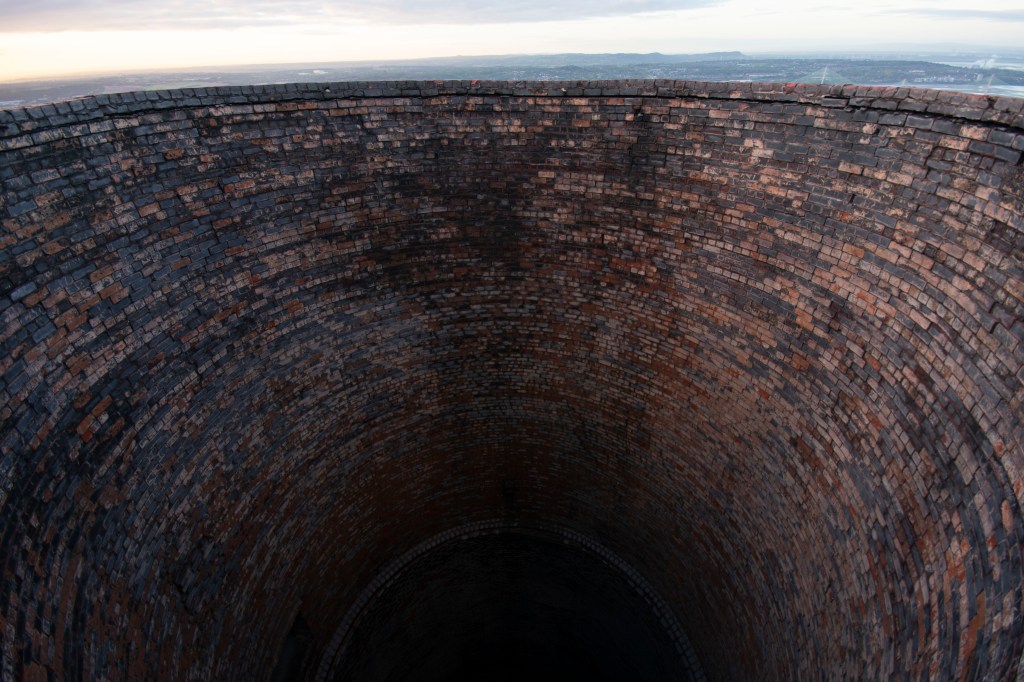
The 200m (650ft) chimney. An exhausting climb but worth it for the views of the surrounding area.




 Shadow Dragon