Centrale de La Maxe
April 2024 | France | Demolition Ongoing
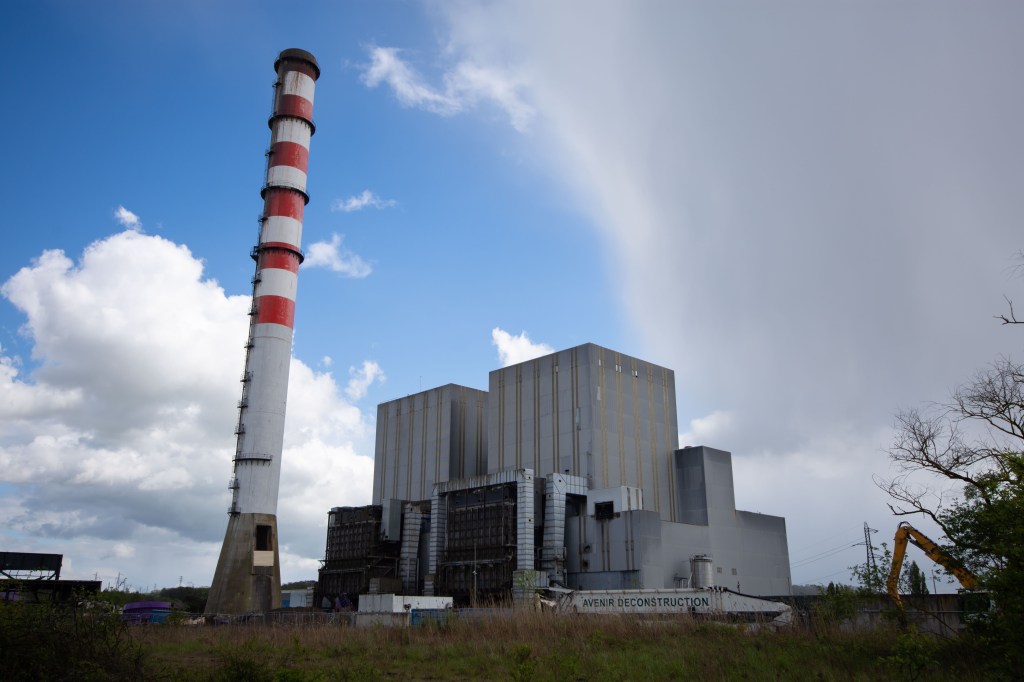
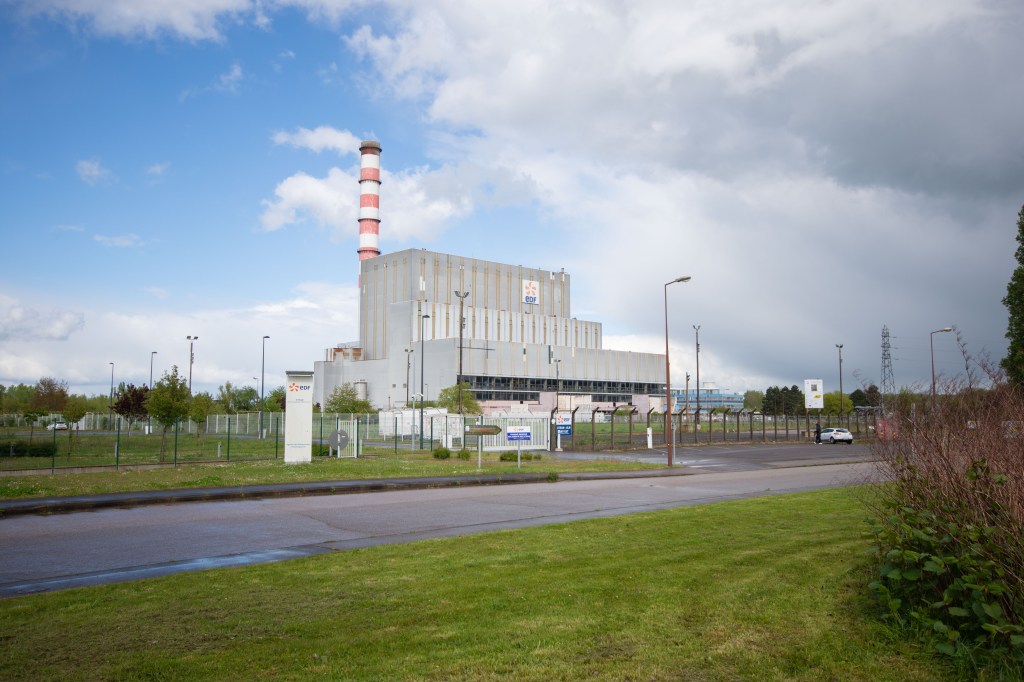
A decommissioned coal fired power station lying two miles north of the city of Metz.
***
| Commission Date | 1971. |
| Decommission Date | 20202015. |
| Capacity | 500MW (three 250MW units). |
| Cooling Towers | None – Moselle river was used as coolant. |
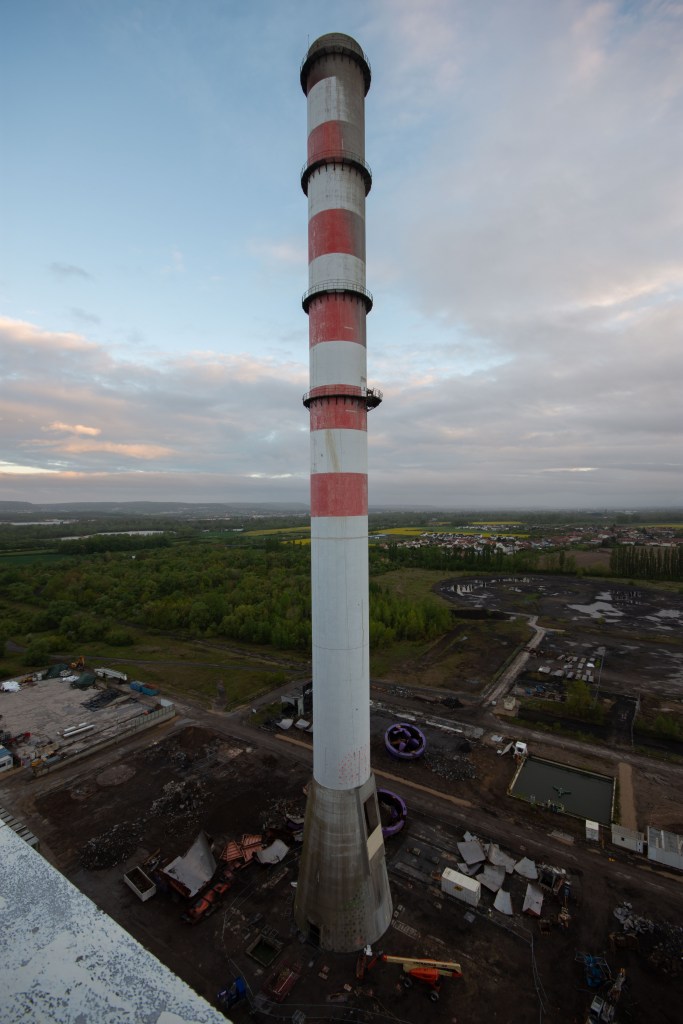
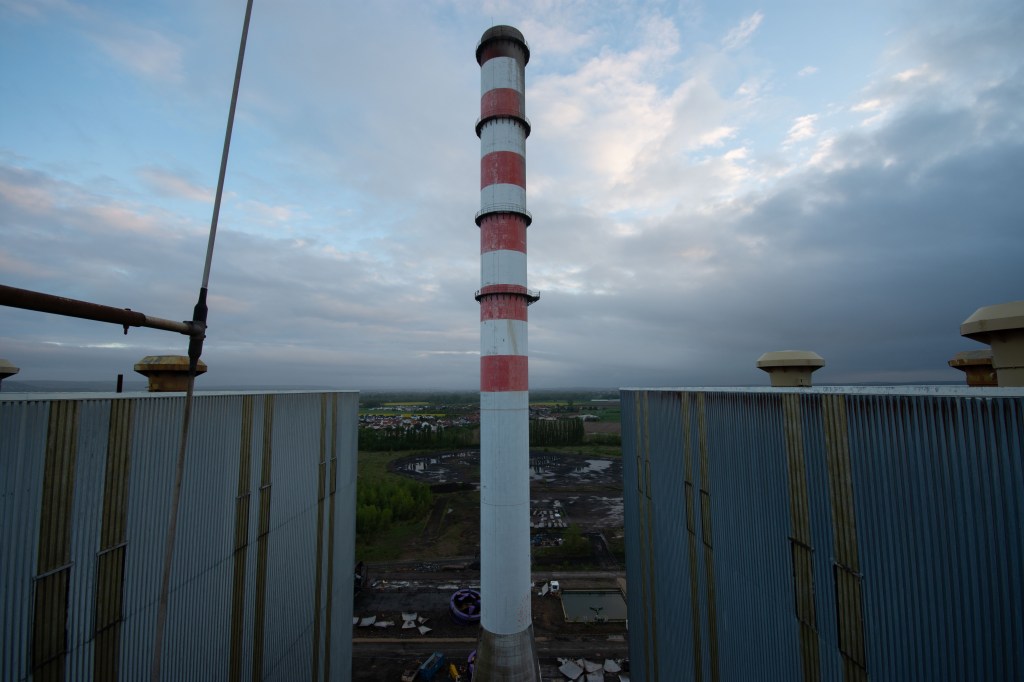
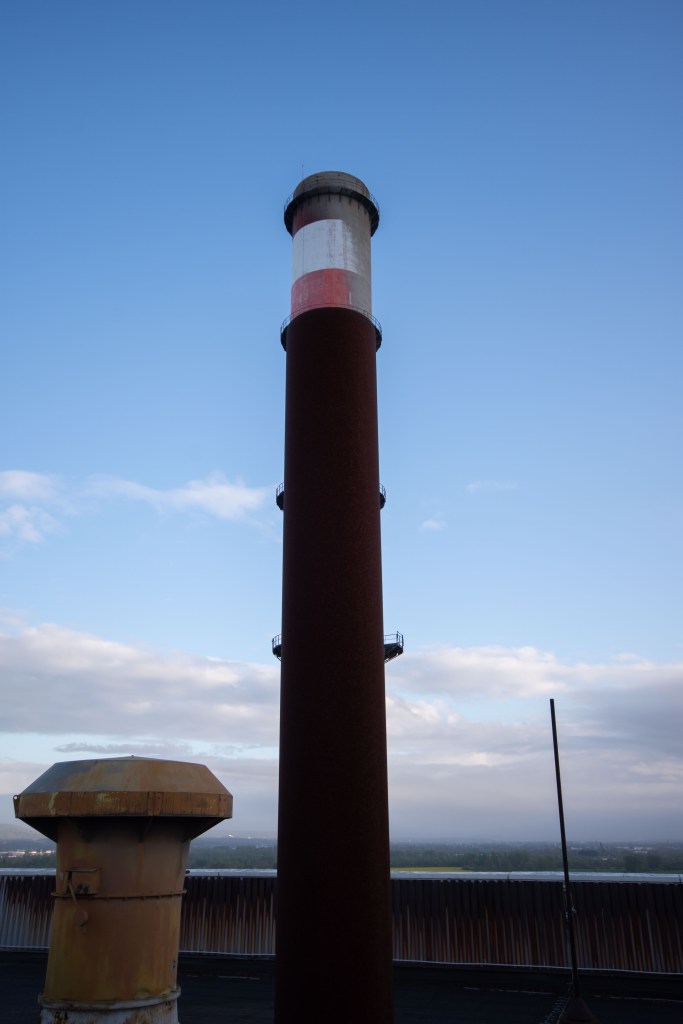
| Chimney | Single 162m stack. |
| Fuel Type(s) | Coal. |
| Control System | Digital soft desk equipment. |
| Boiler Manufacturer | Stein & Roubaix. |
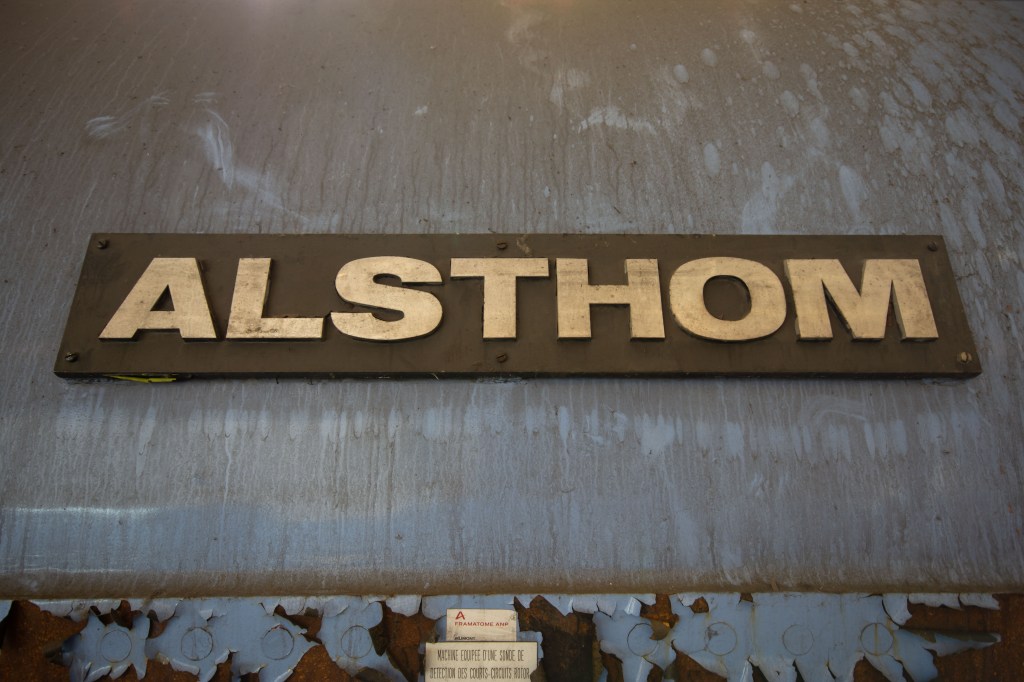
| Turbine Manufacturer | Alsthom. |
| OCGT Plant | None. |
| Architect | Électricité de France. |
| Status | Undergoing demolition. |
***
HISTORY: Planning for La Maxe began in the early 1960s under plans by French state-owned company Électricité de France and construction started in 1967. The building consisted of two 250MW coal fired units. The first was commissioned on the 16th of June 1971, with the second following soon afterwards.
La Maxe was one of many large power stations on the Moselle River. Others included Blenod-les-Pont-a-Mousson (under demolition), Richemont (demolished) and Cattenom (operational). Interestingly, Richemont was built near the blast furnaces of Florange and Uckange and burned waste blast furnace gasses that would otherwise have been pumped into the atmosphere. This power station replaced the on-site power stations of the steelworks.
La Maxe operated until 2015, with one unit closing on the 2nd of April 2015, with the second unit closing the week later on the 9th of April 2015. It sat for a couple of years doing nothing but then demolition began a few years back. Cardem were the contractors: work started at the coal yard – the stacker and radial bucket excavator were demolished, followed by the coal handling plant and then in 2023, demolition of the precipitators and chimney area began. The chimney is scheduled to be blown up in the Autumn of 2024.
THE EXPLORE: As with the case with many explores, it was a pre-dawn wake up for us all. We arrived nice and early with a good hour and a half of darkness to go and made our way towards the power station building. Having heard tales of EDF having very good hardarse security, I was slightly on edge but not nervous. Those days are behind me, I can safely say! We made it into the building pretty quickly which I was glad about, and we went to the turbine hall to assess the situation. A security changeover happened and we watched the night guard drive off towards the exit. The new guard just sat himself in his booth and we went on our way, finding our way up the stairs to the roof.
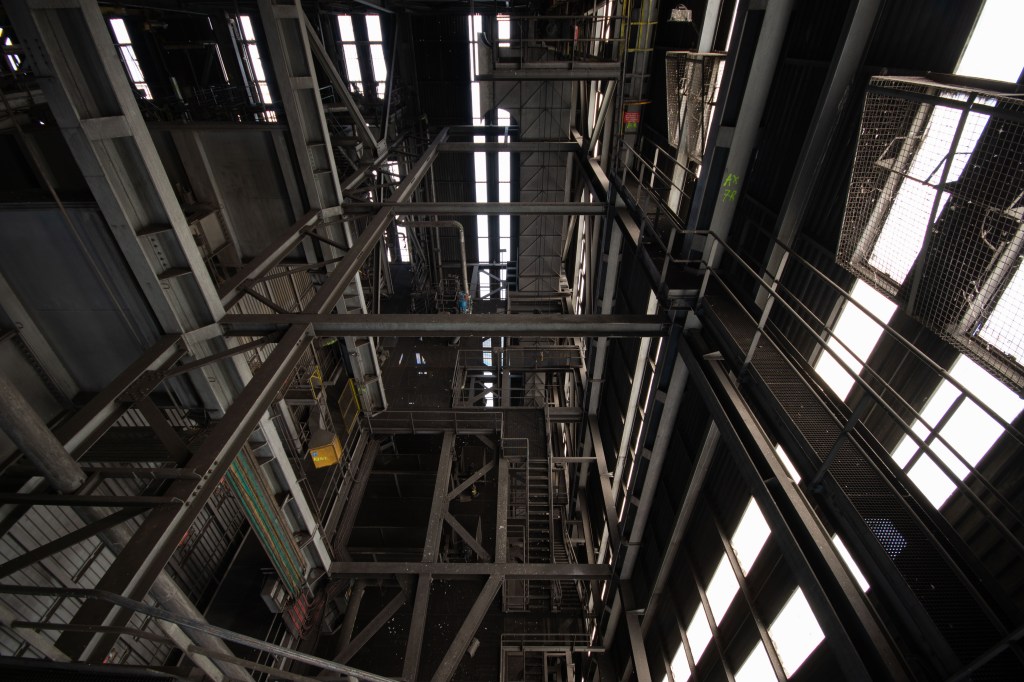
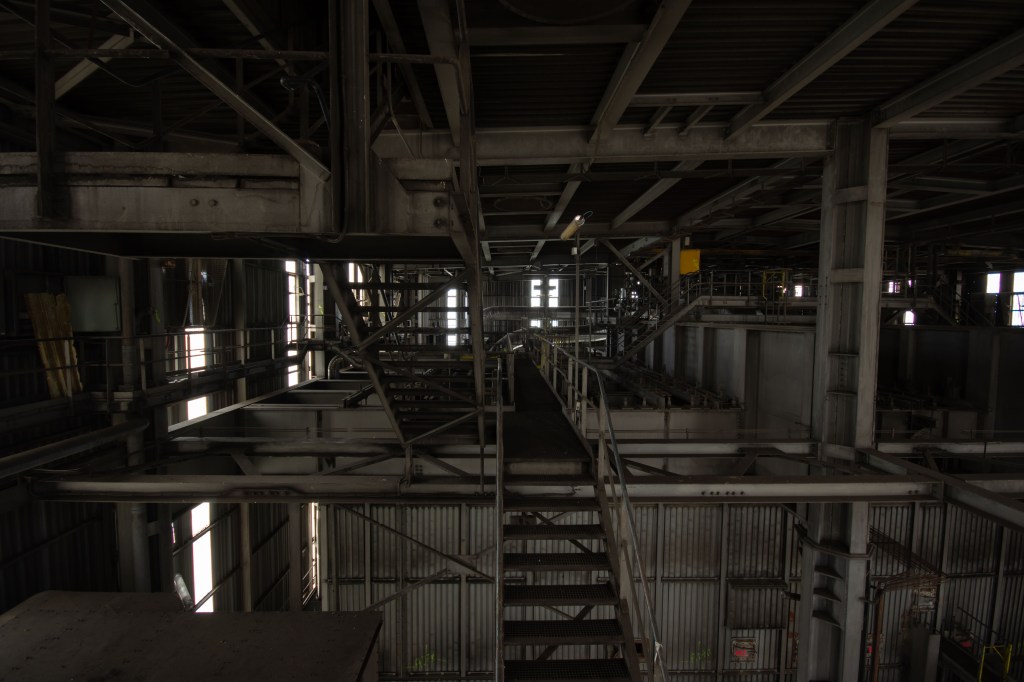
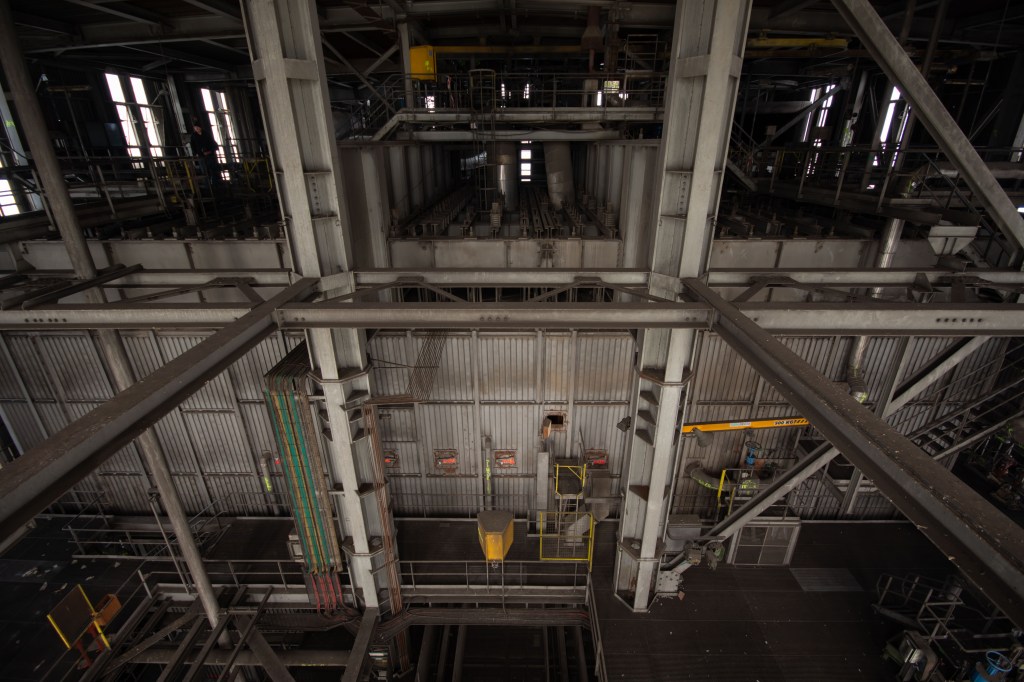
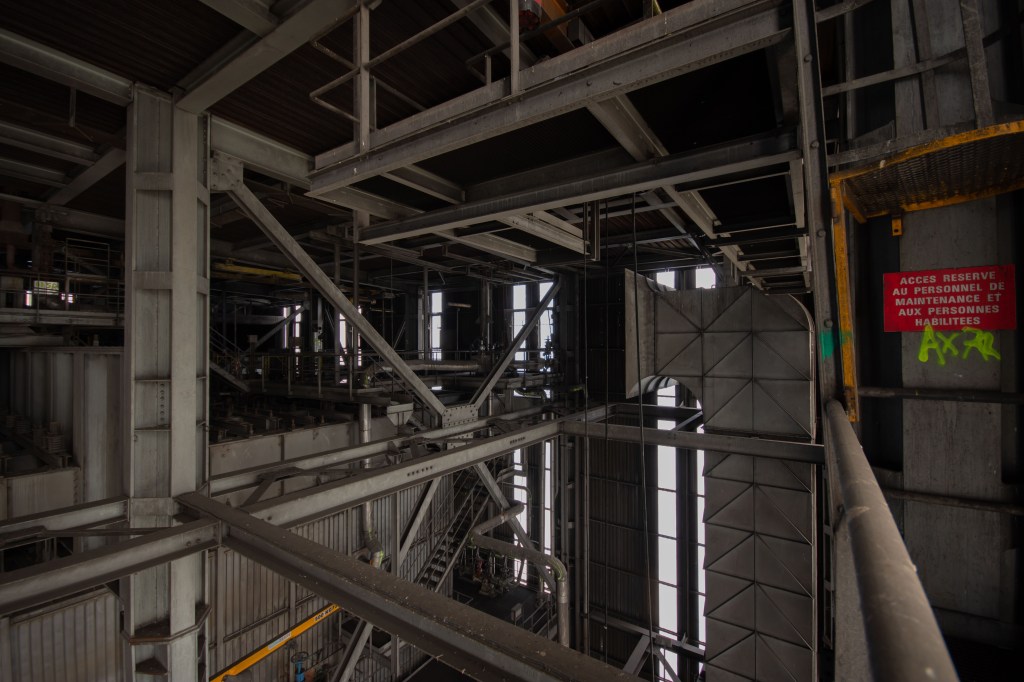
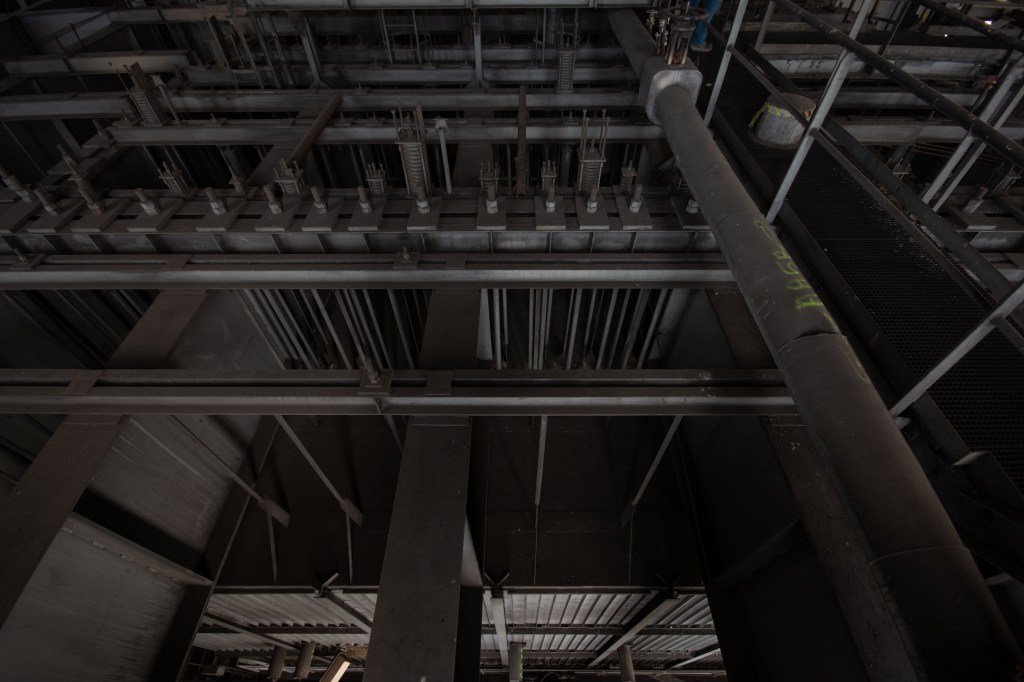
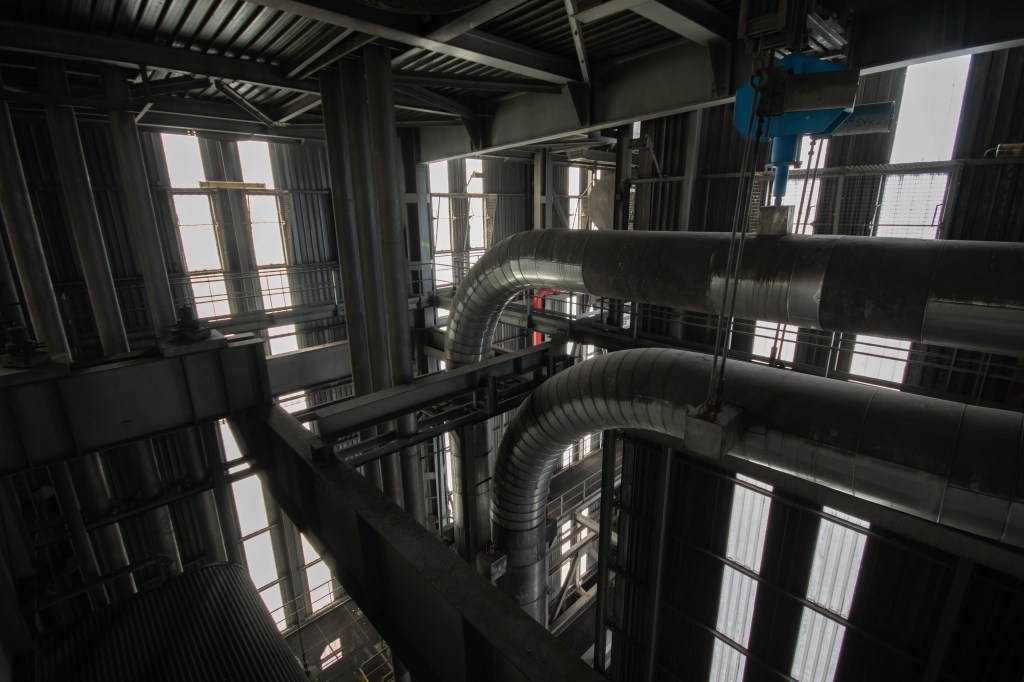
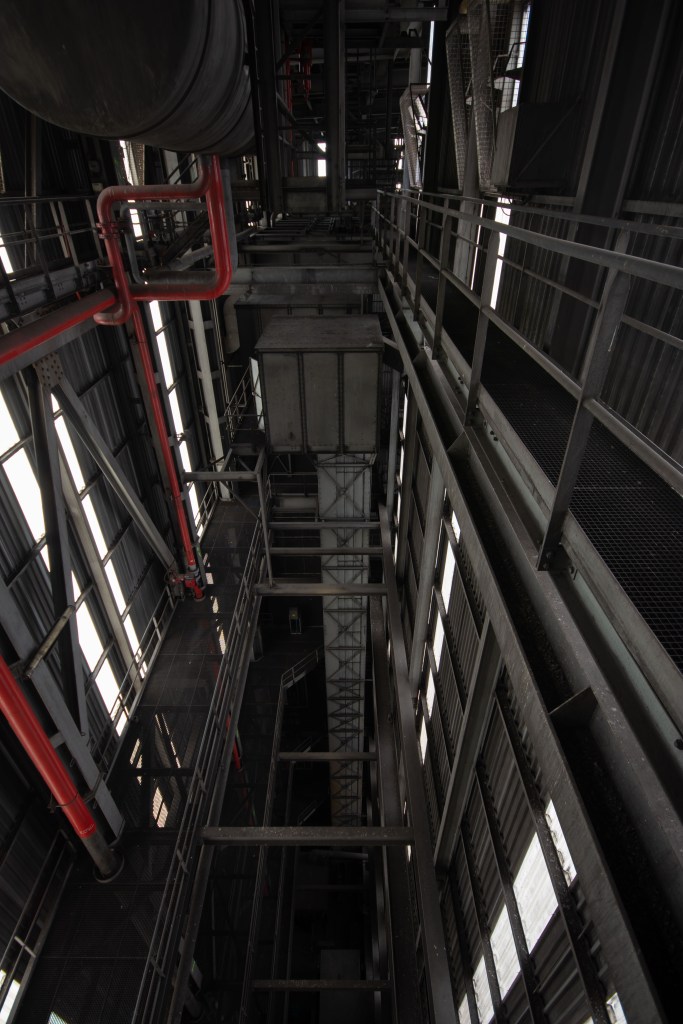
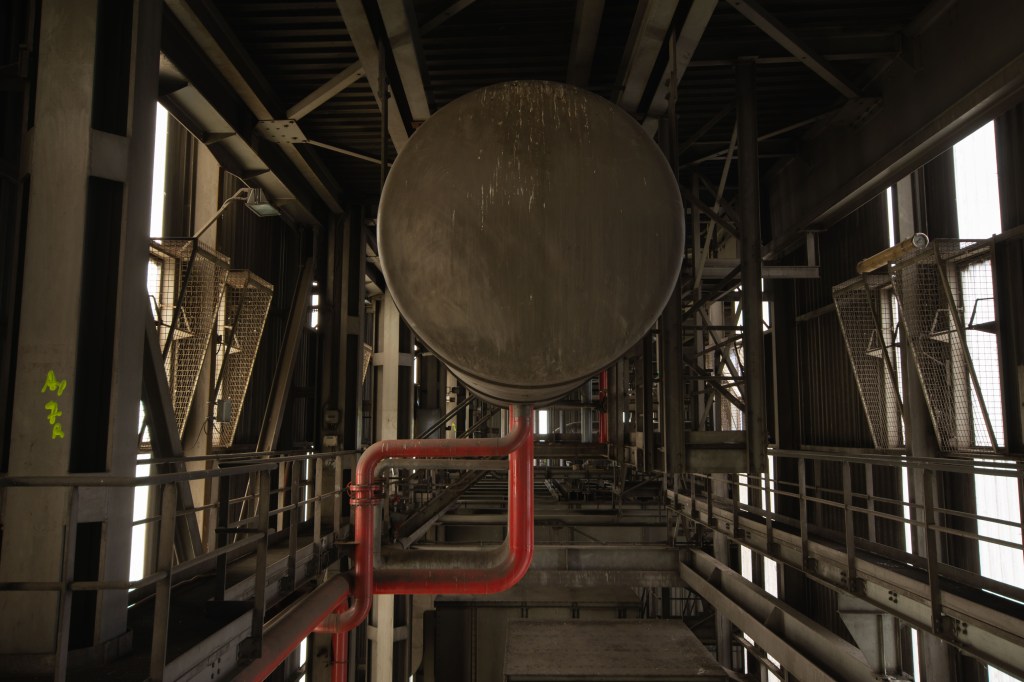
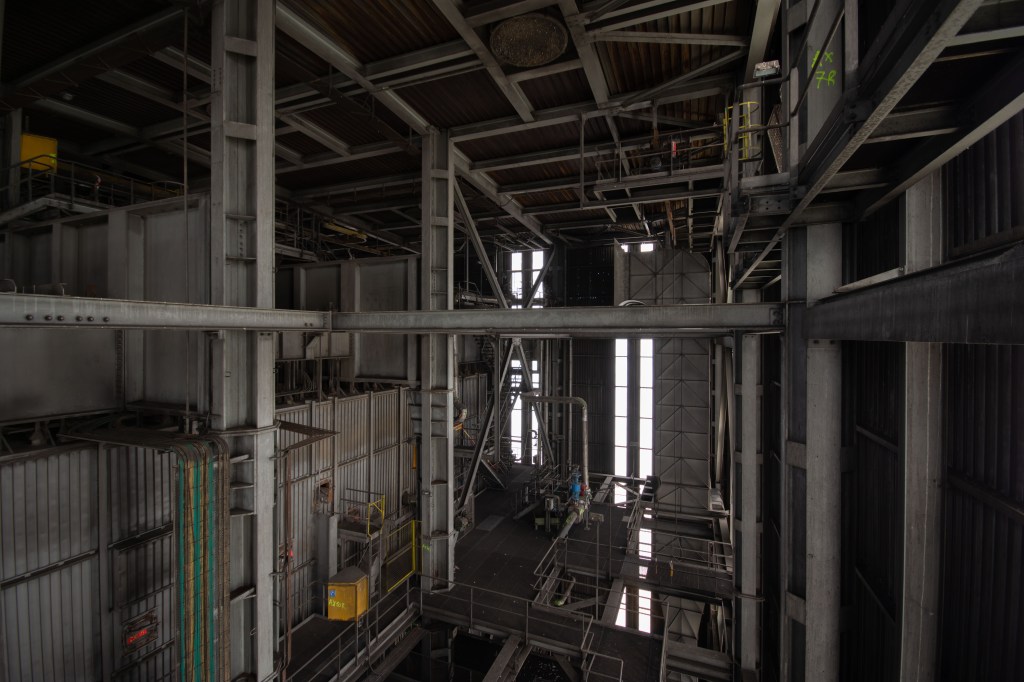
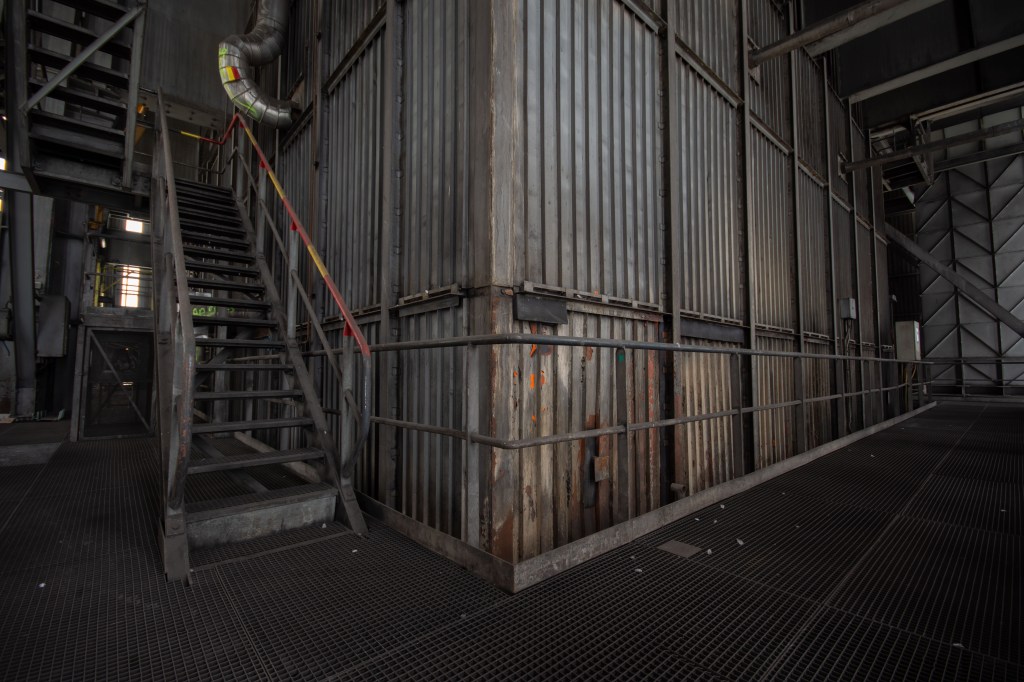
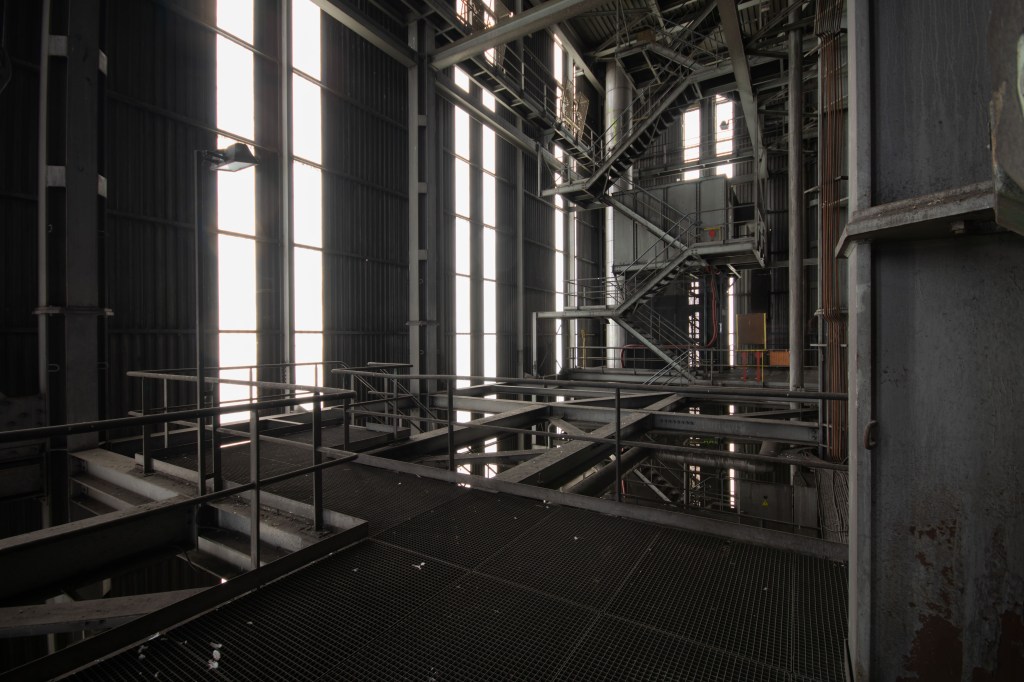
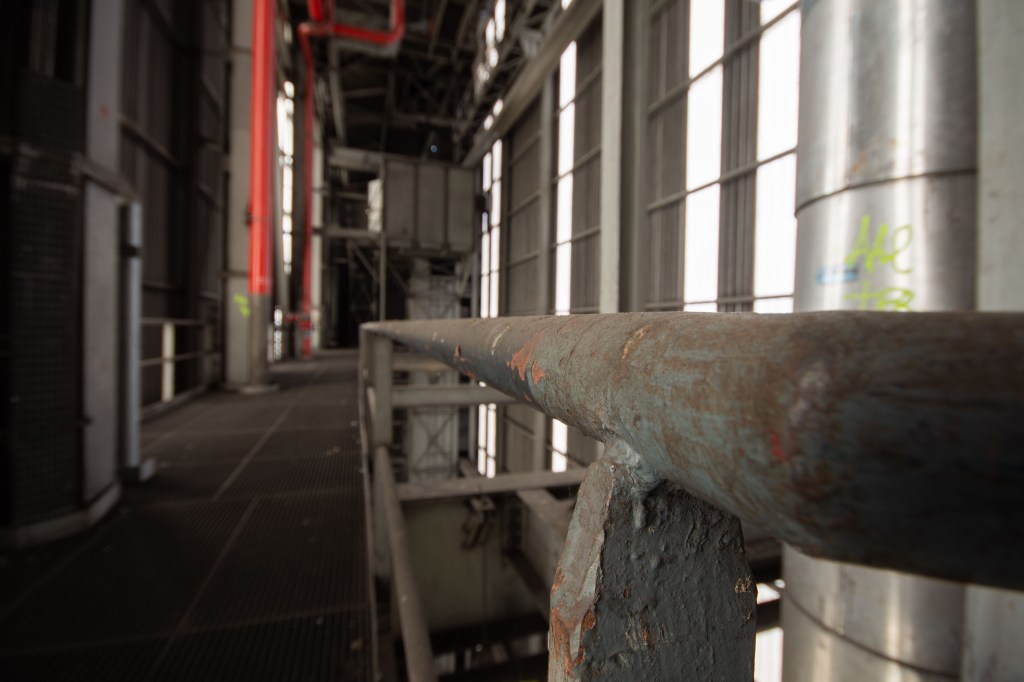
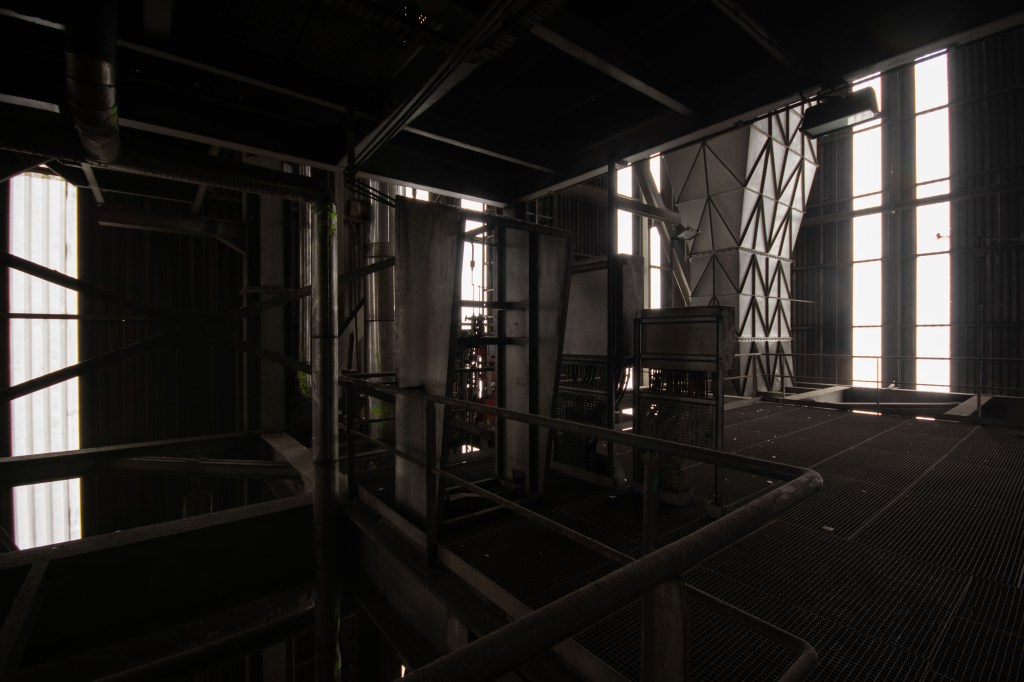
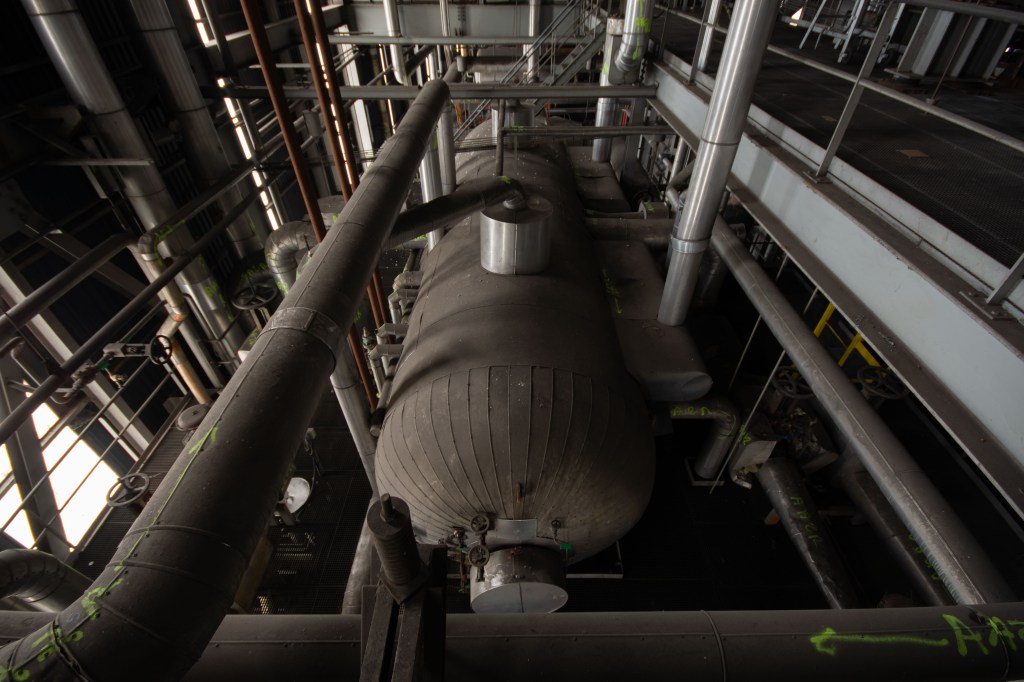
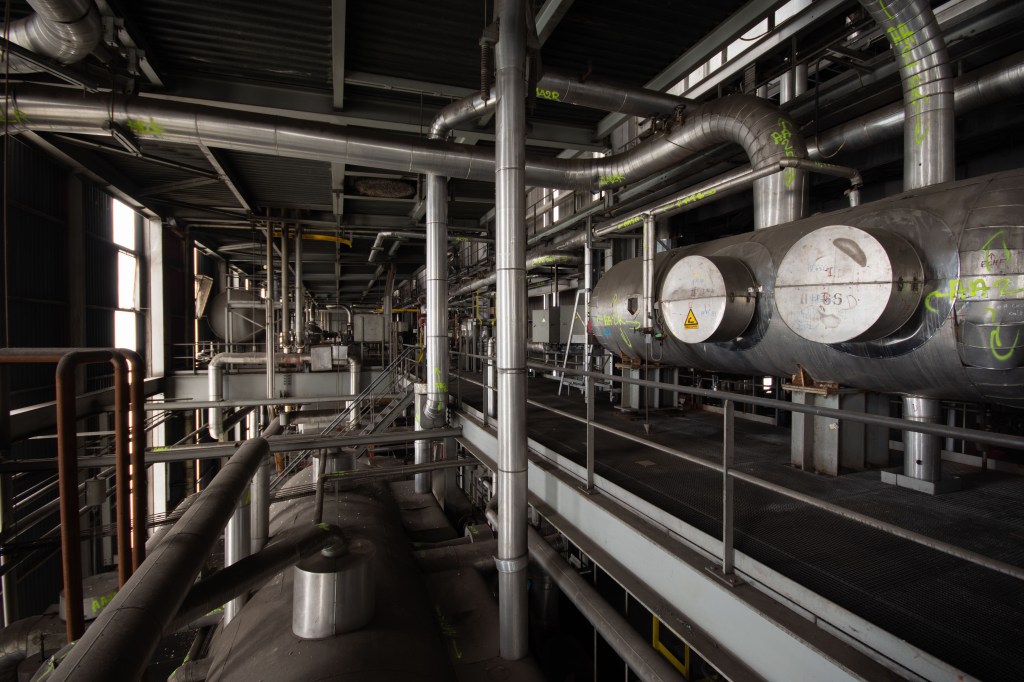
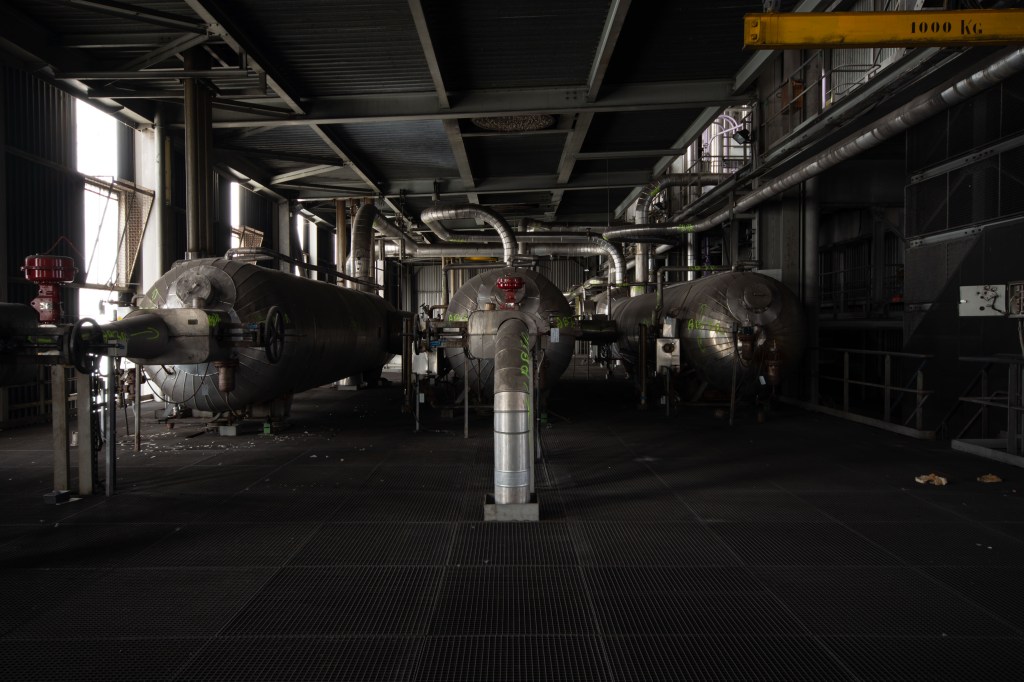
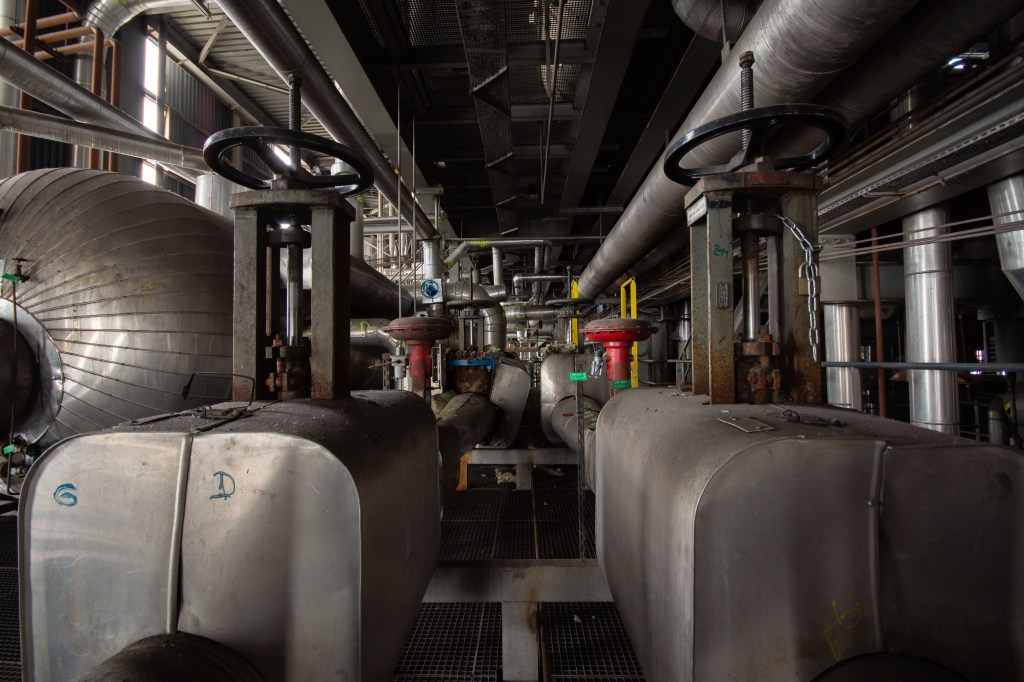
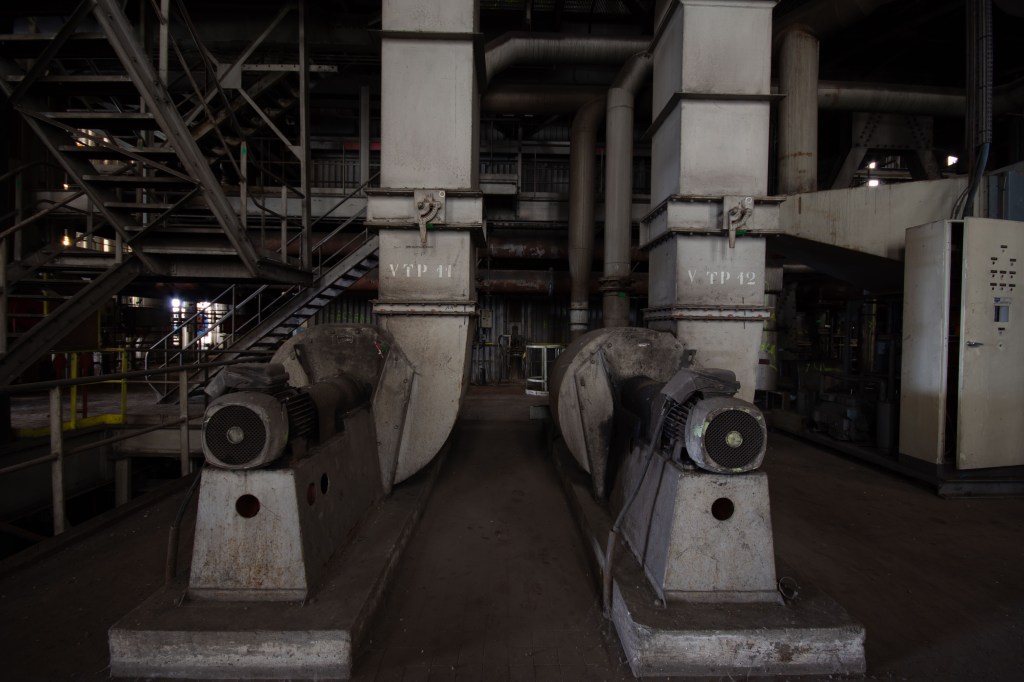
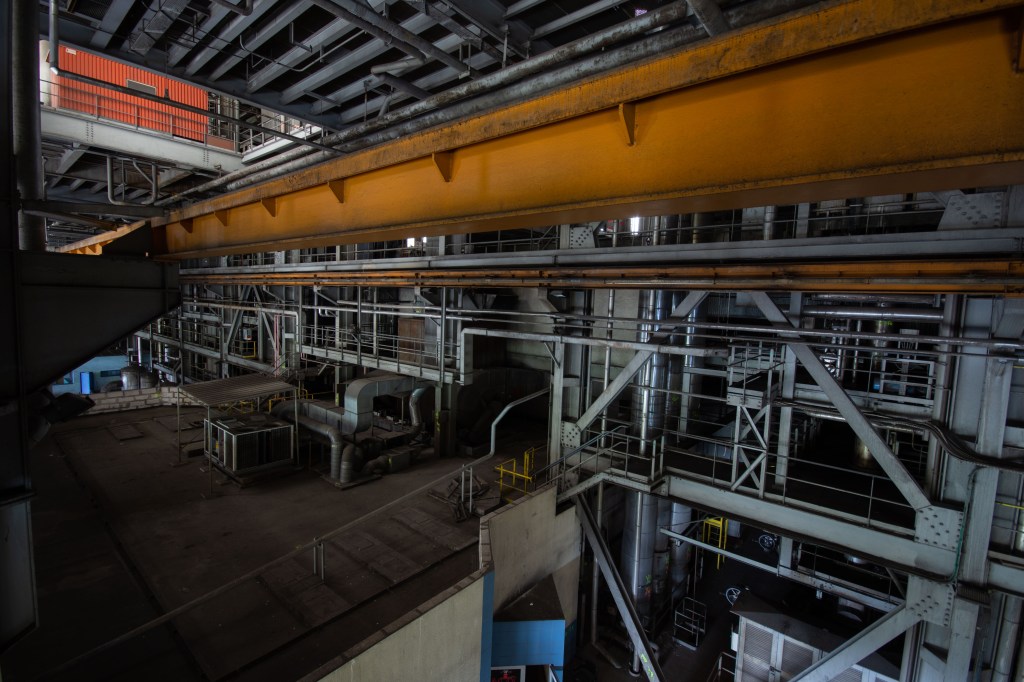
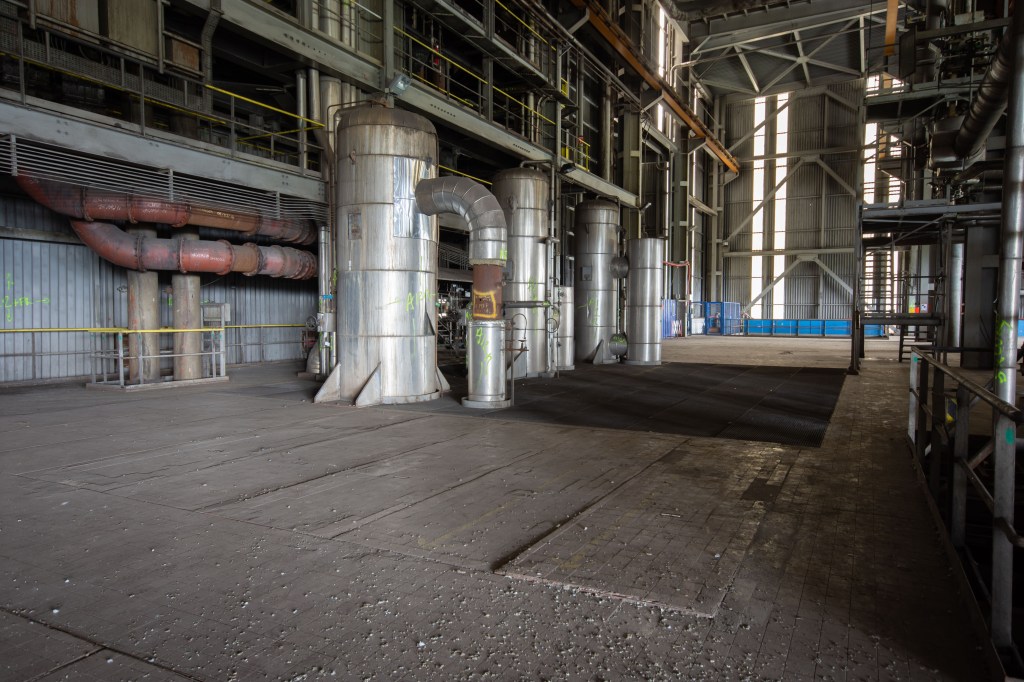
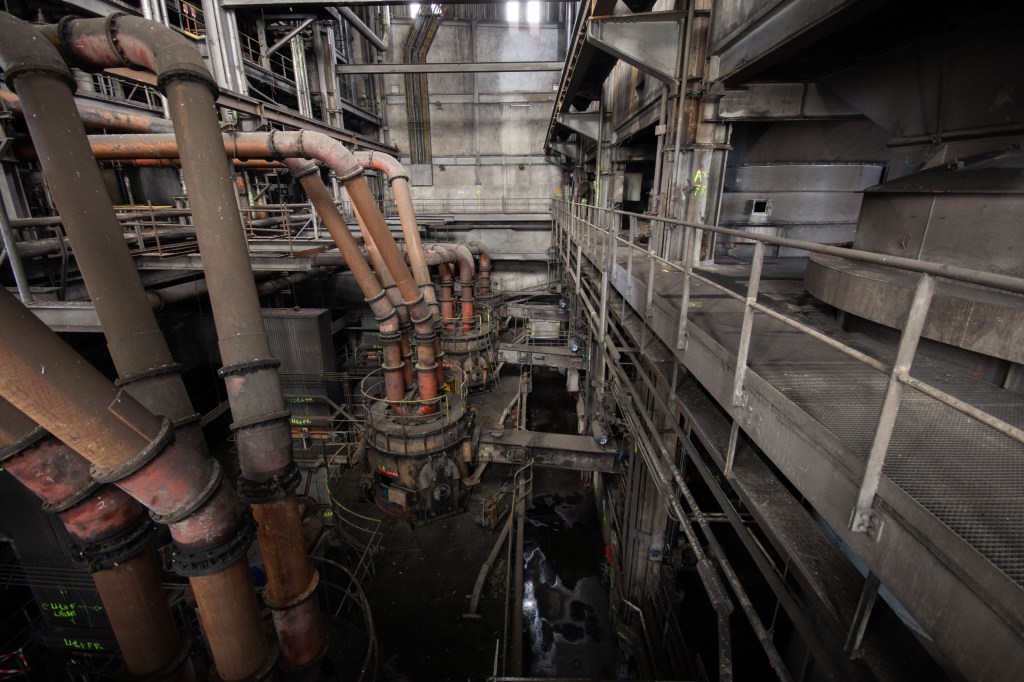
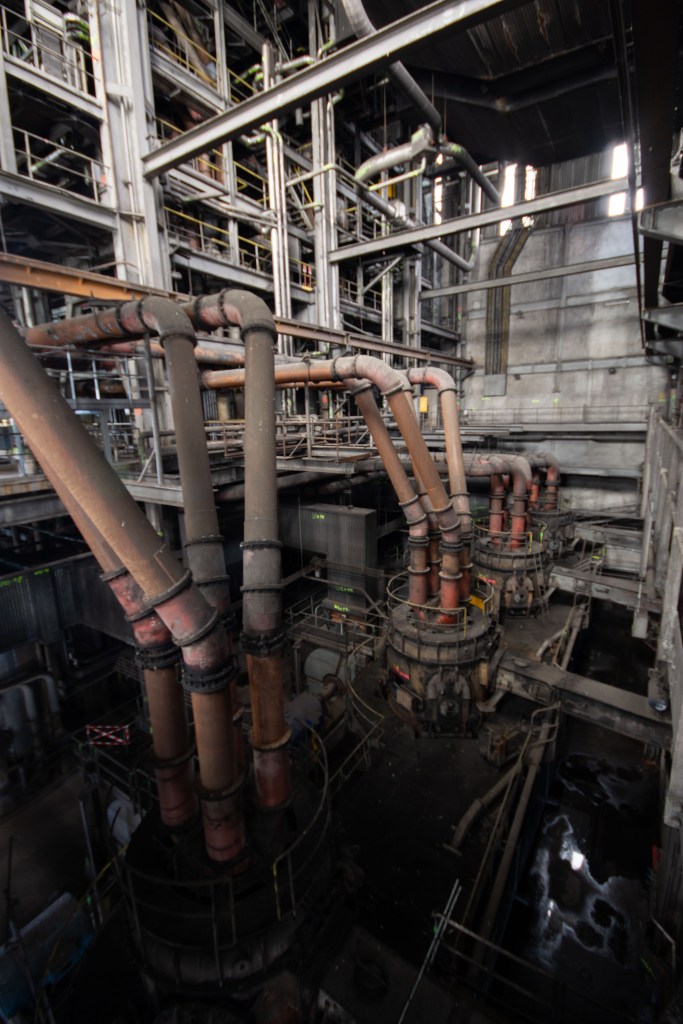
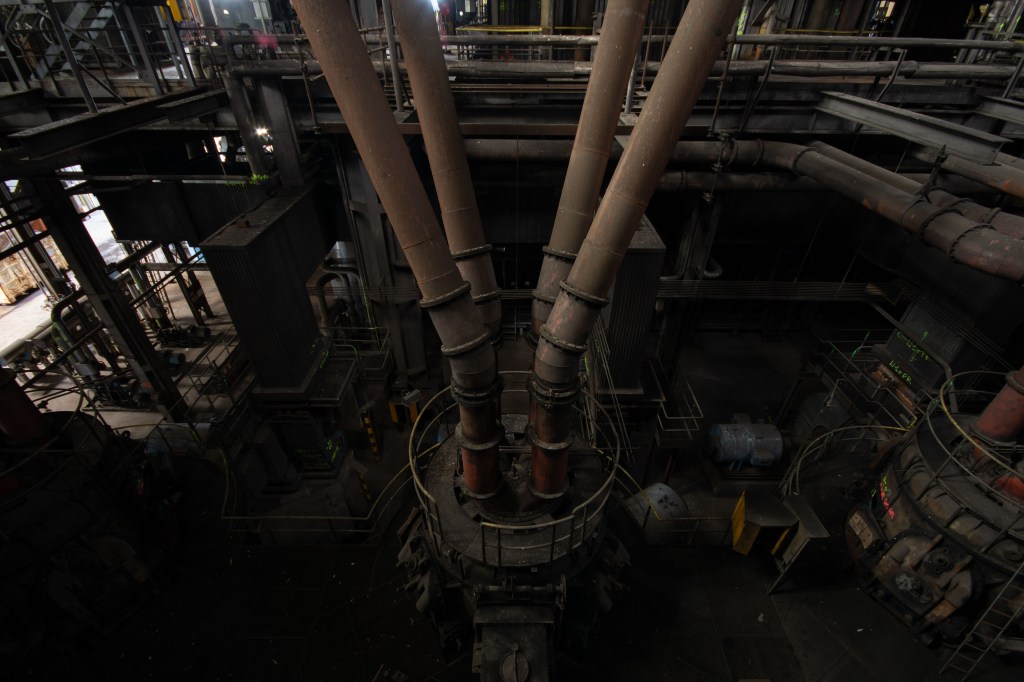
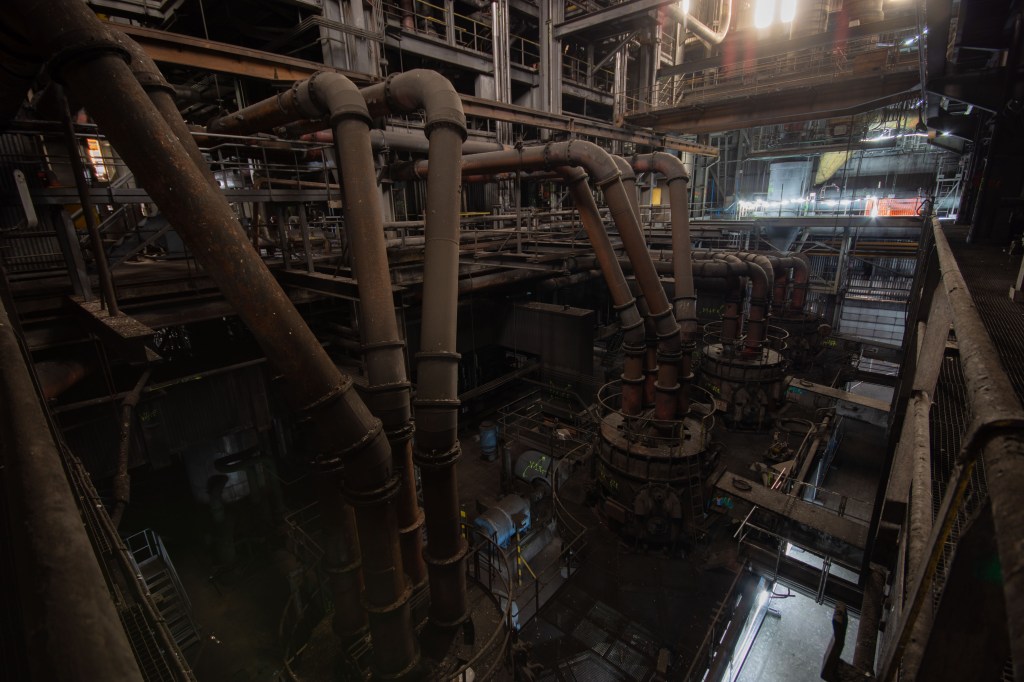
We began our explore and spent a good ten hours exploring it. I can safely say it was one of my favourite power stations. The boiler house was so open and uncluttered, which made for fantastic photo opportunities. Even if the dizzying heights were sometimes less than pleasant! The mills were also really very nice as well – they were not hidden away or shoved under some equipment, much like the power station I explored in America which was very pleasant to see. We made our escape in the day as we needed to get back to the hotel, which was good as we managed to get some nice shots of the building from the outside. It really is a very impressive building.
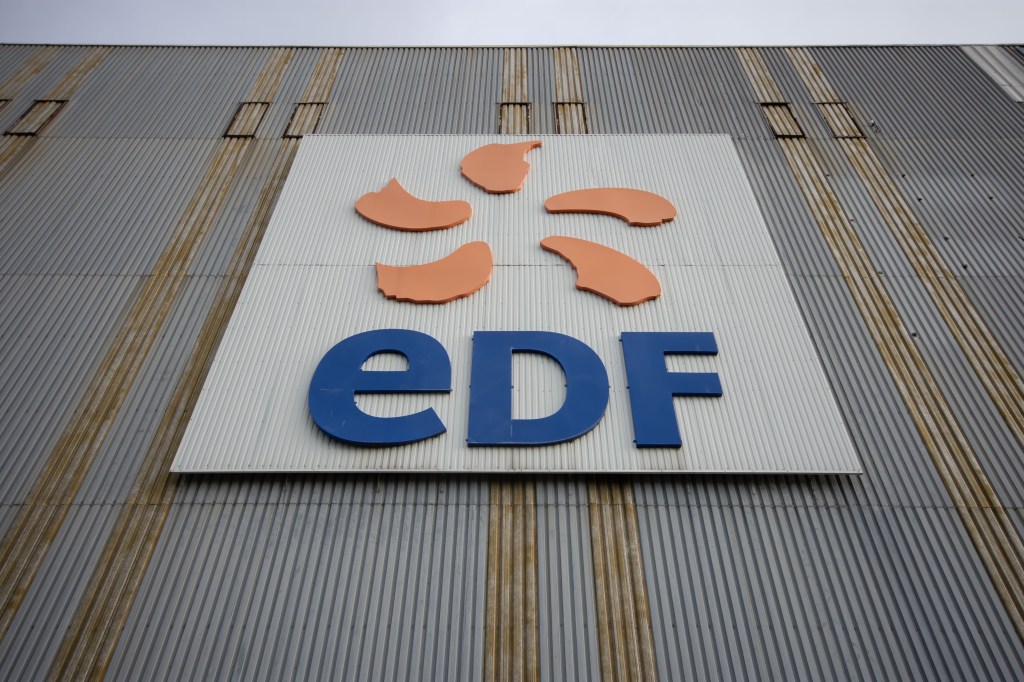
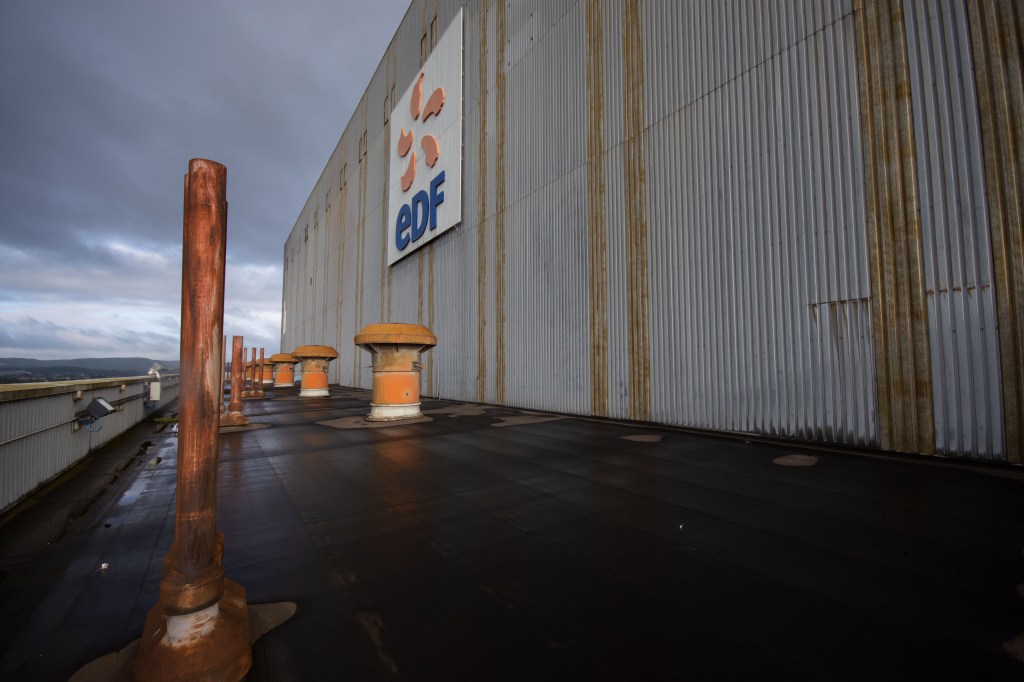
EXTERIOR
Showing the power station’s distinctive now-demolished chimney and blocky outline.
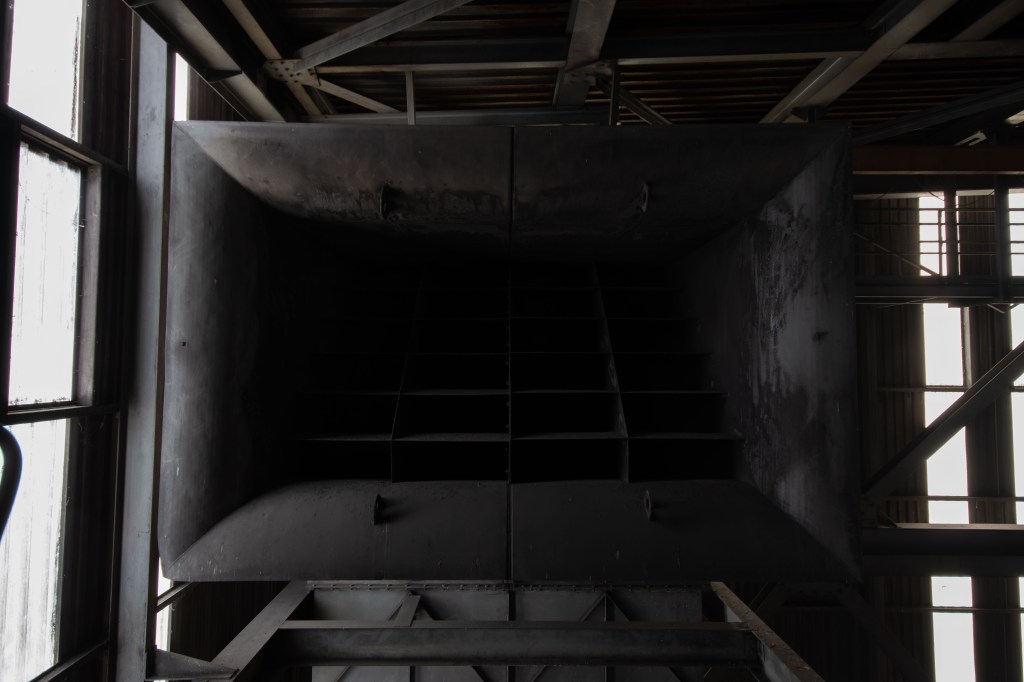
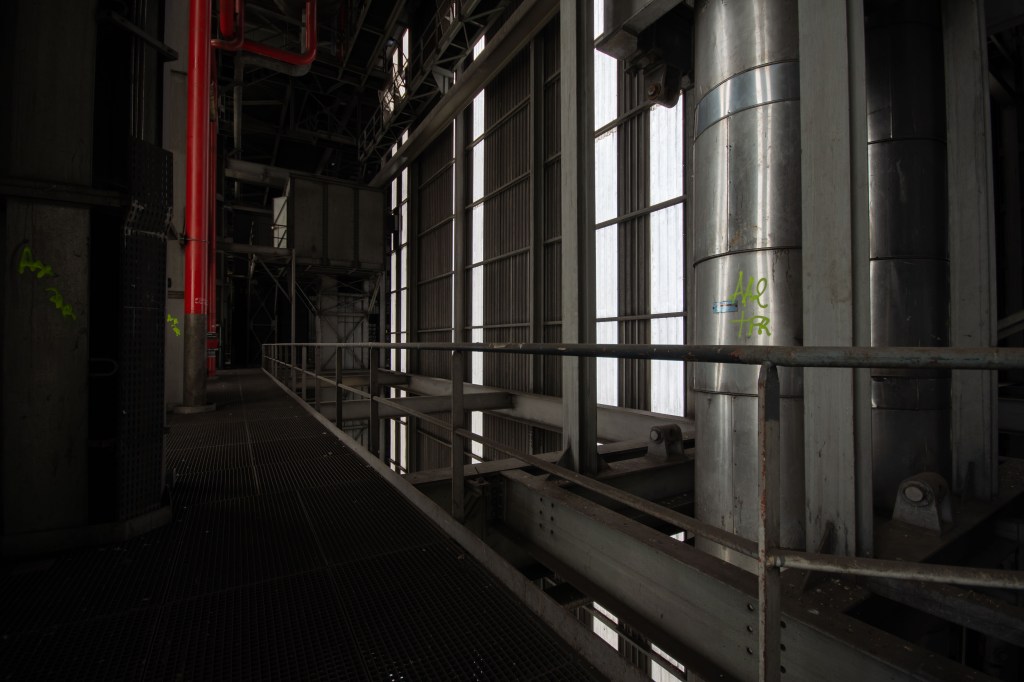
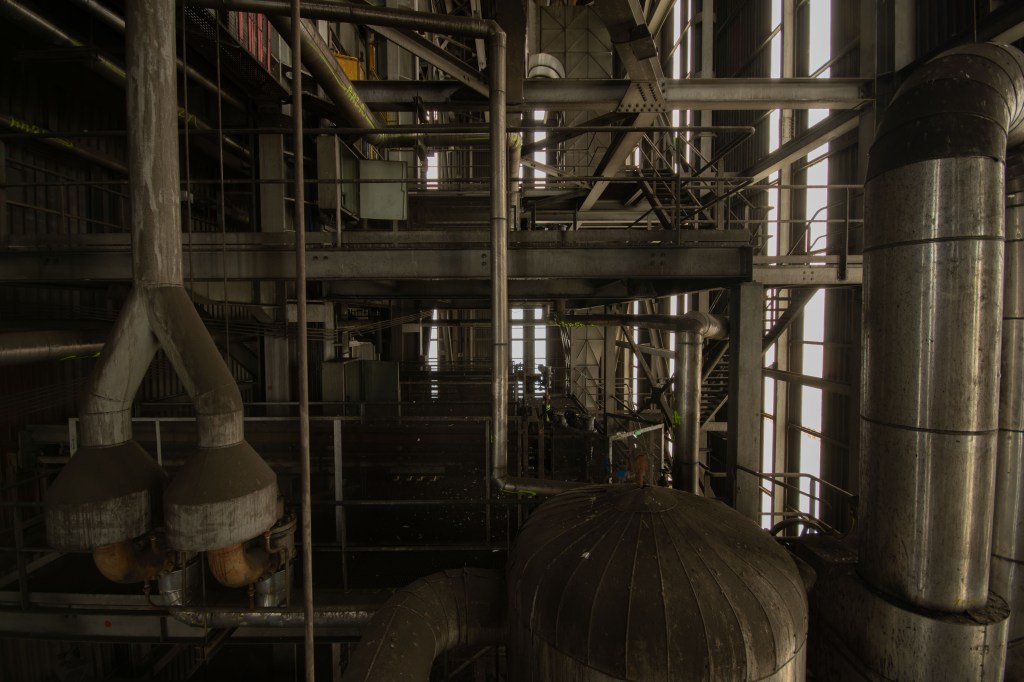
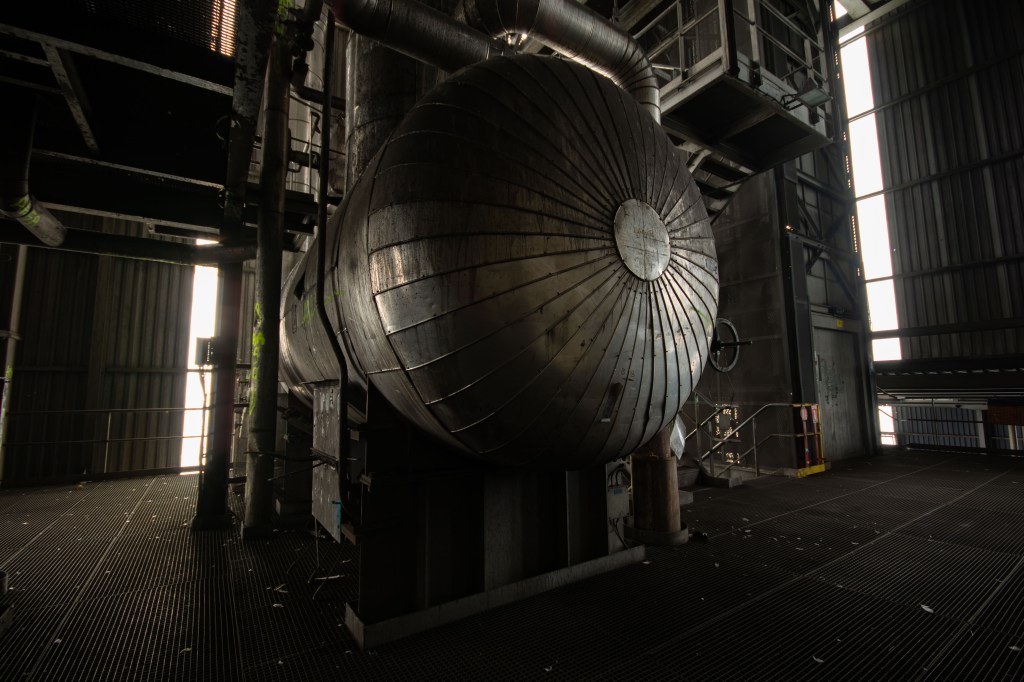
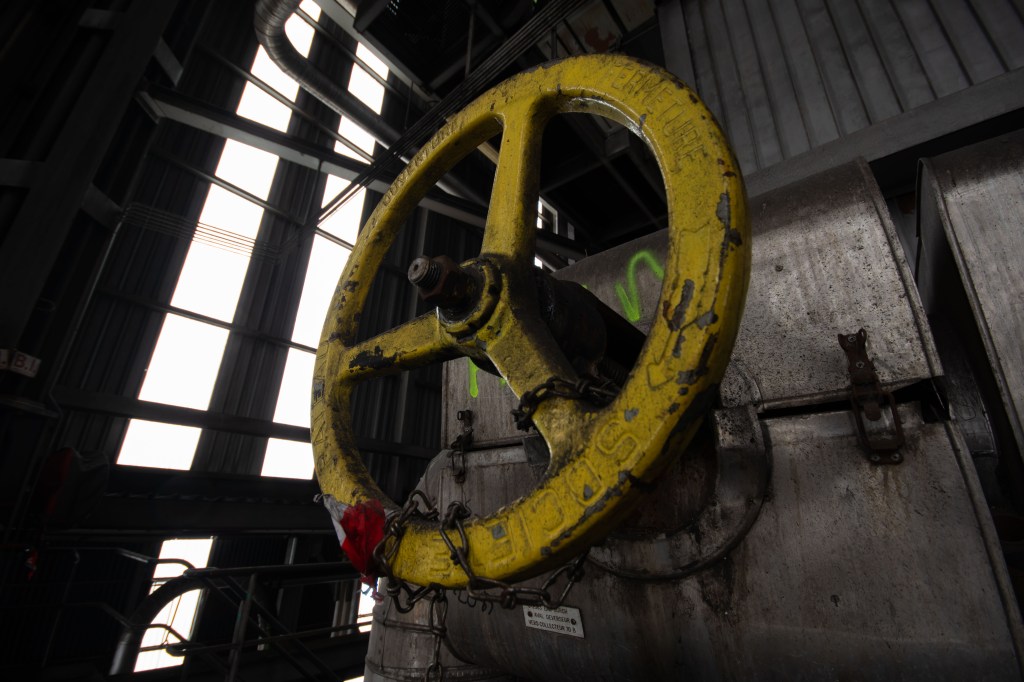
BOILER HOUSE
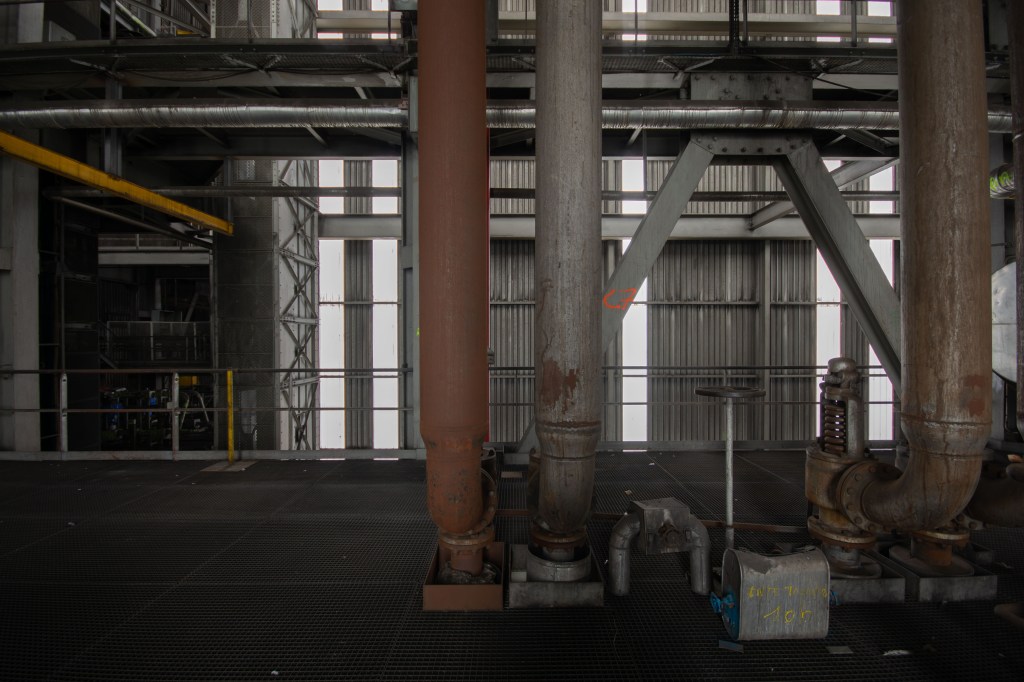
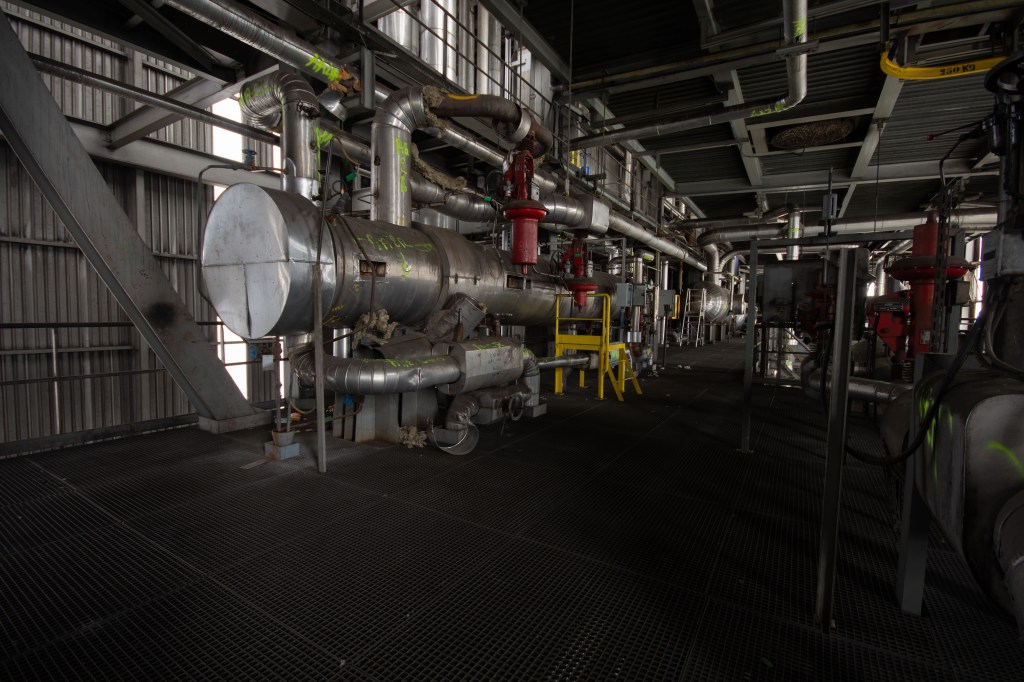
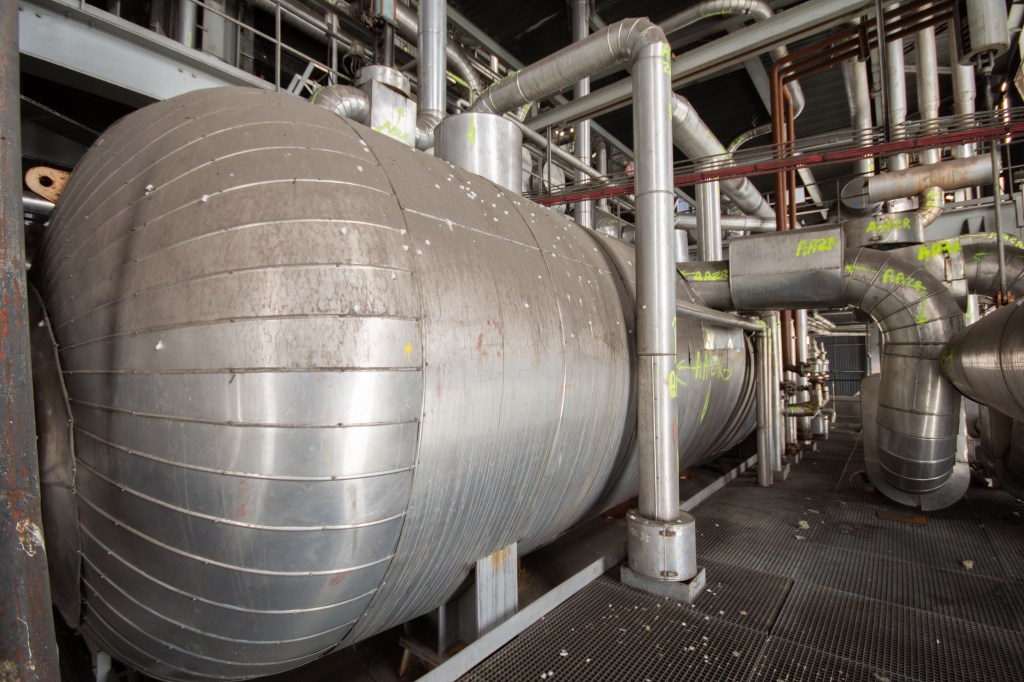
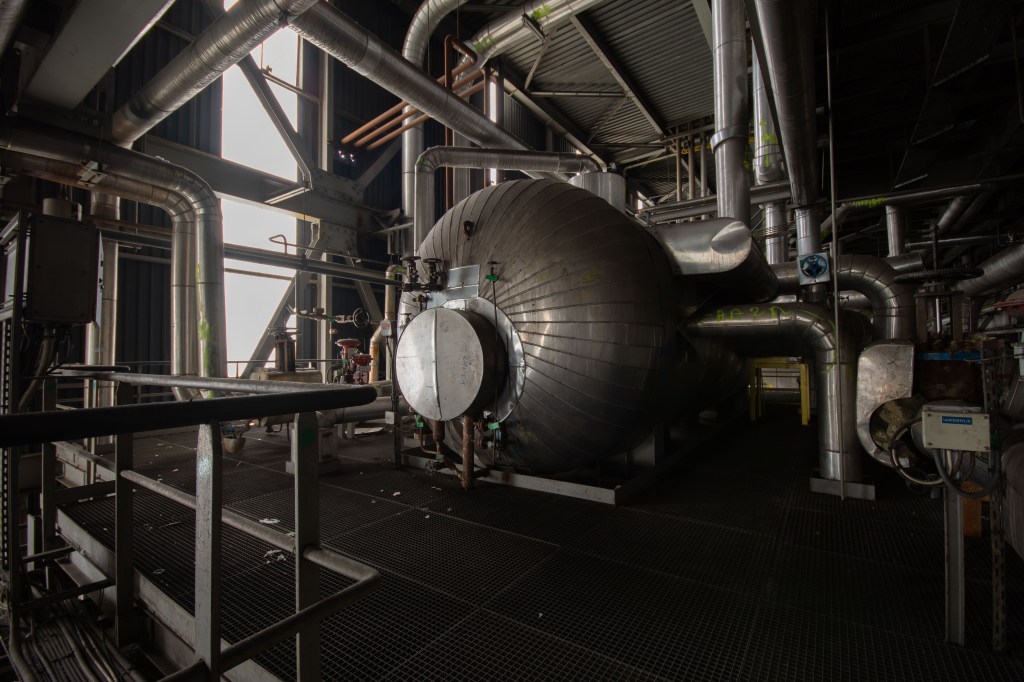
Showing the 250ft tall boiler house’s vast innards.



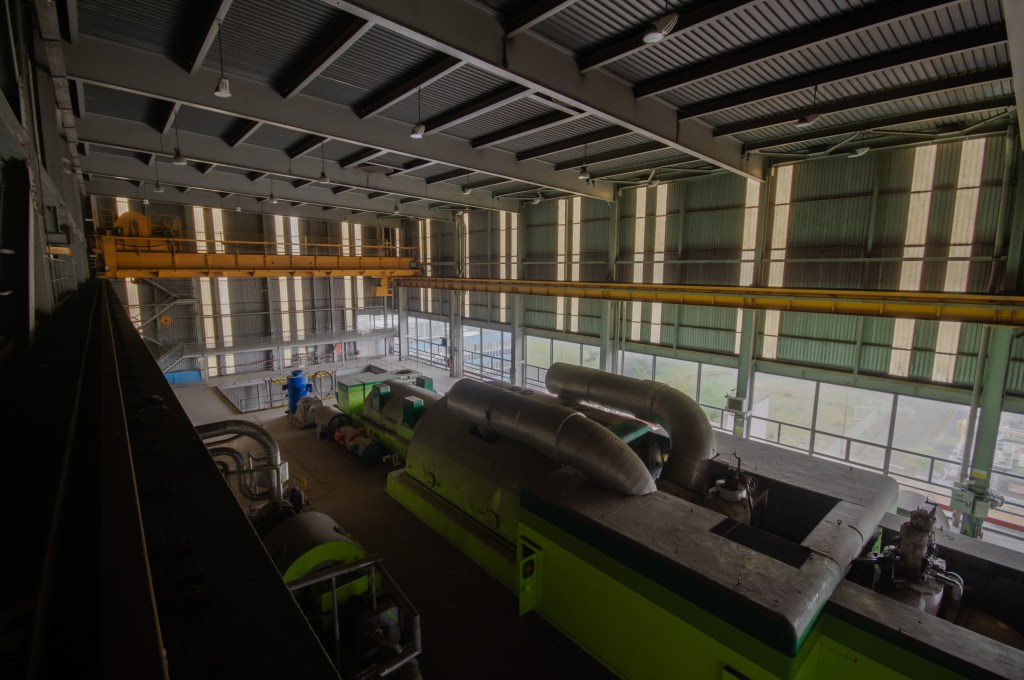
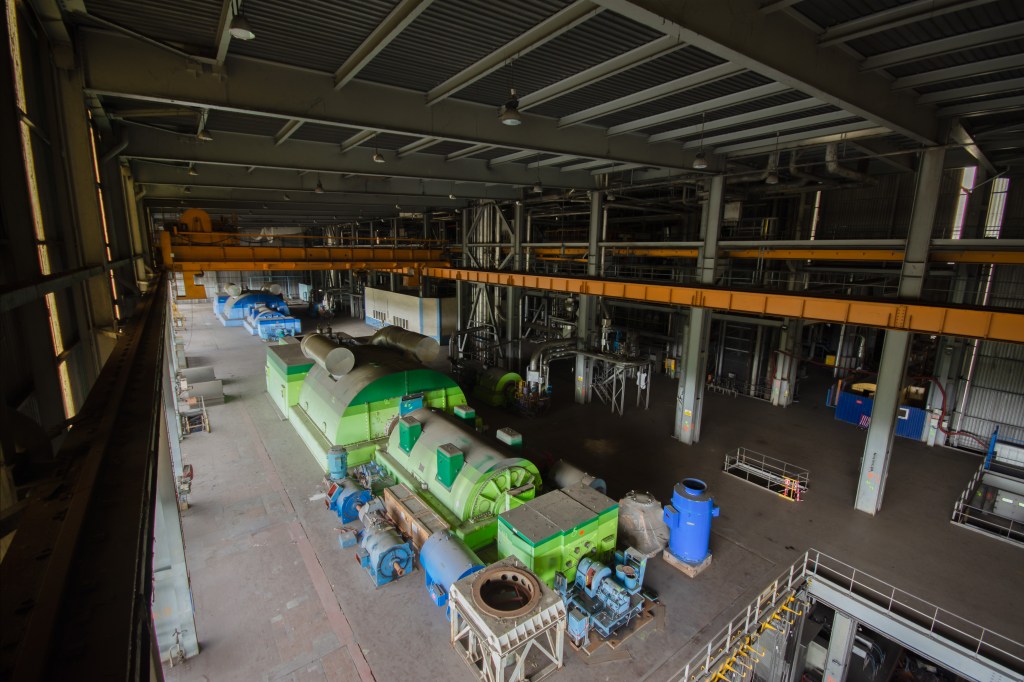
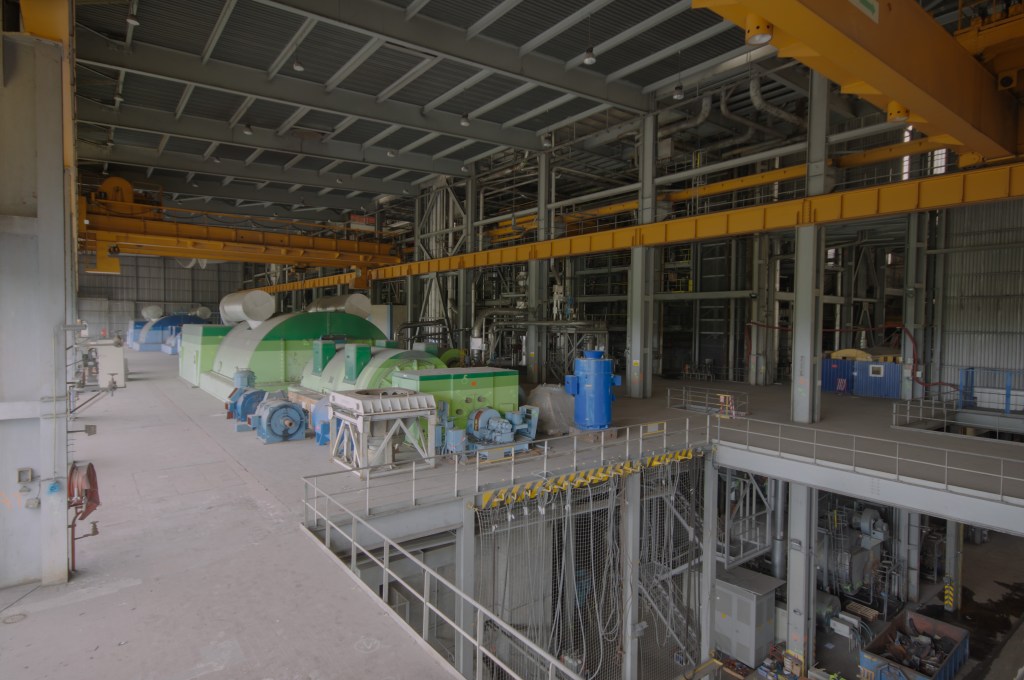
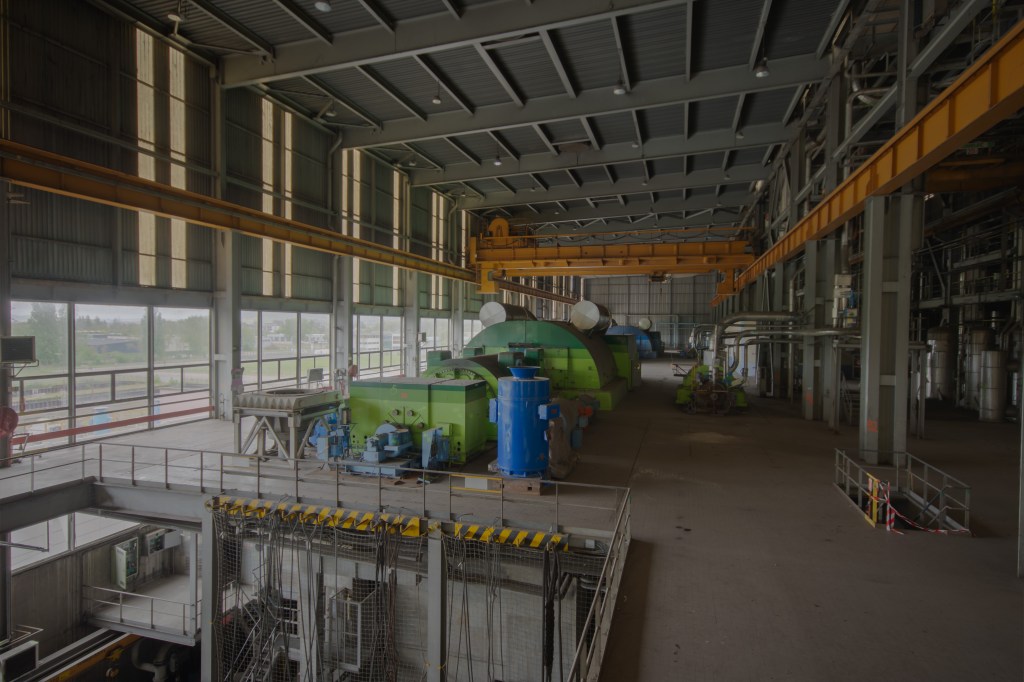
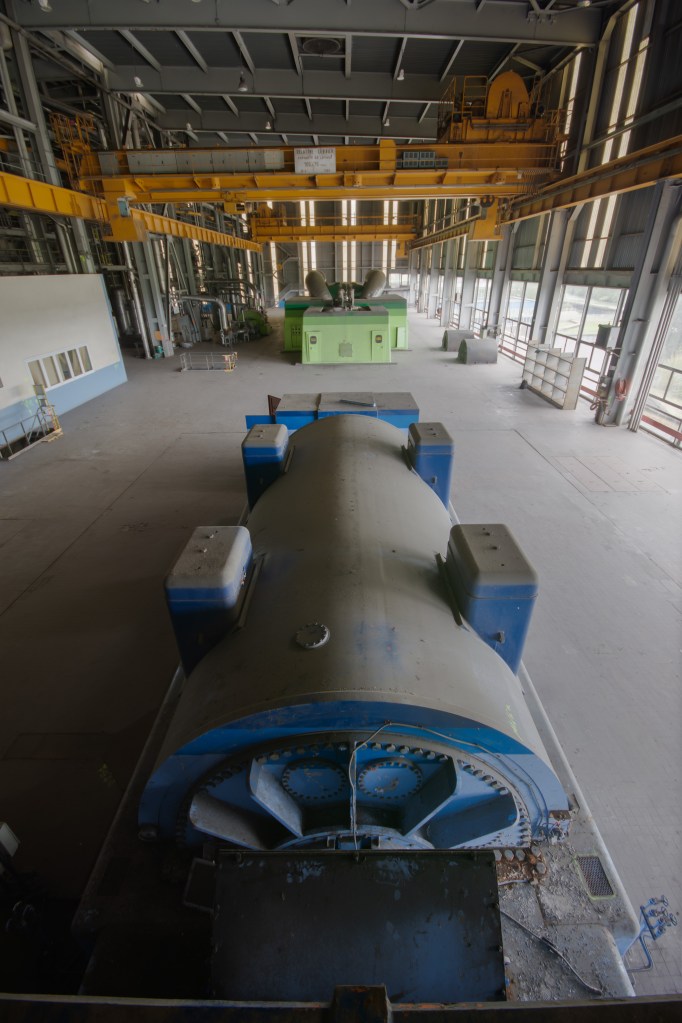
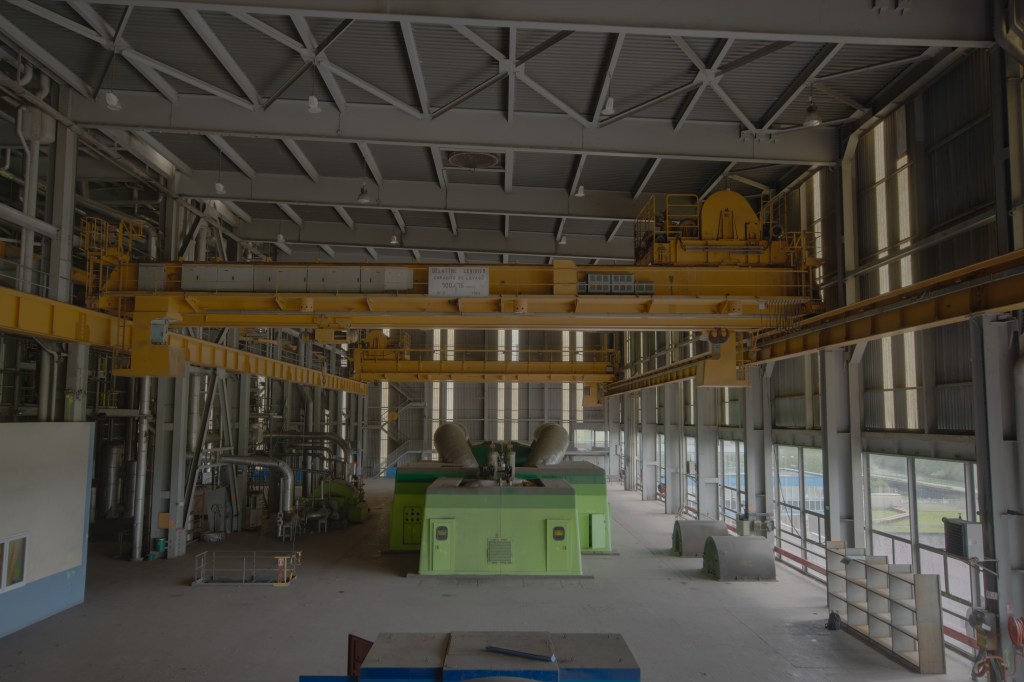
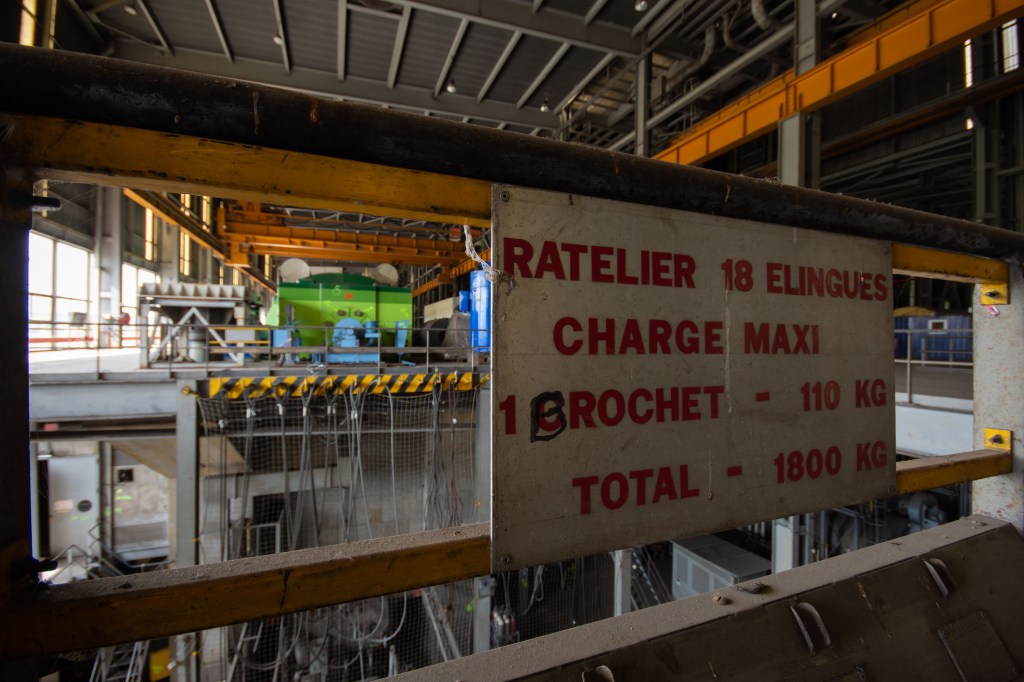
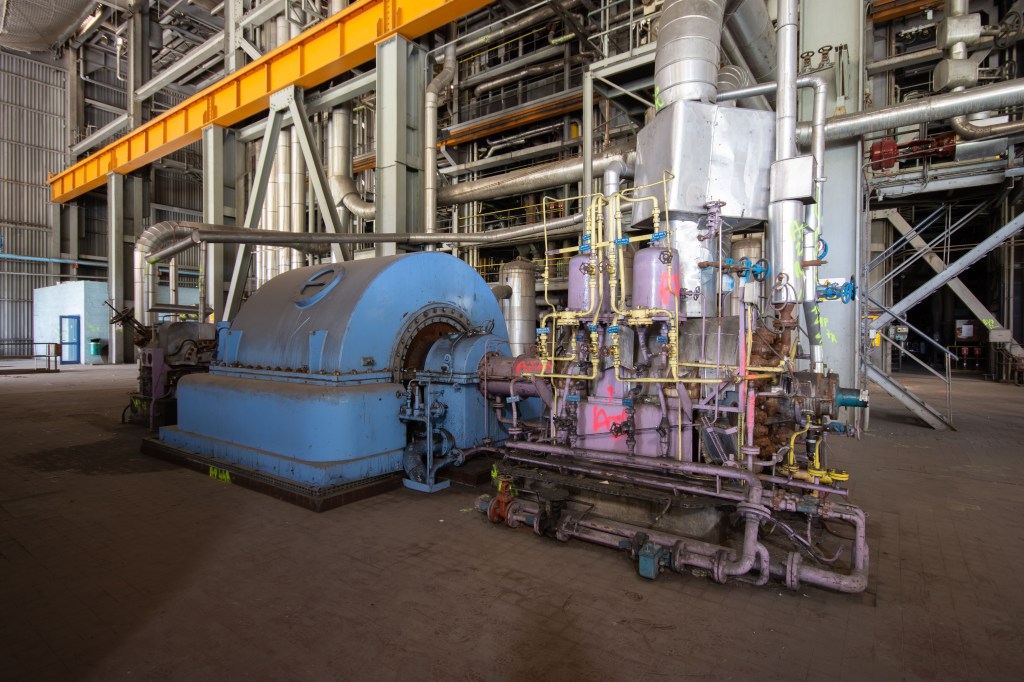
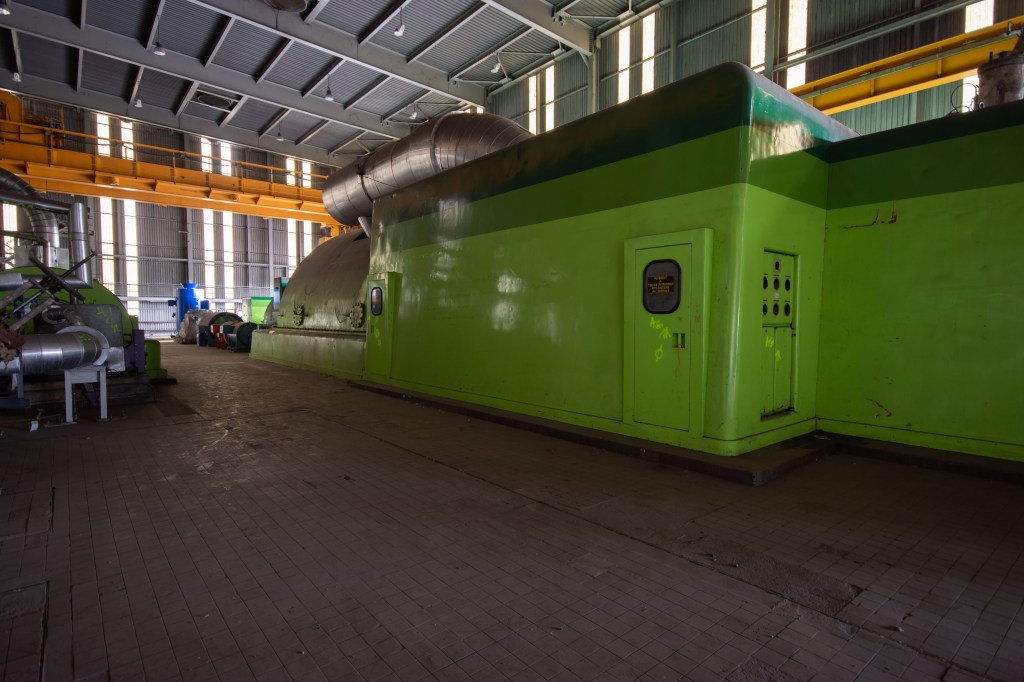
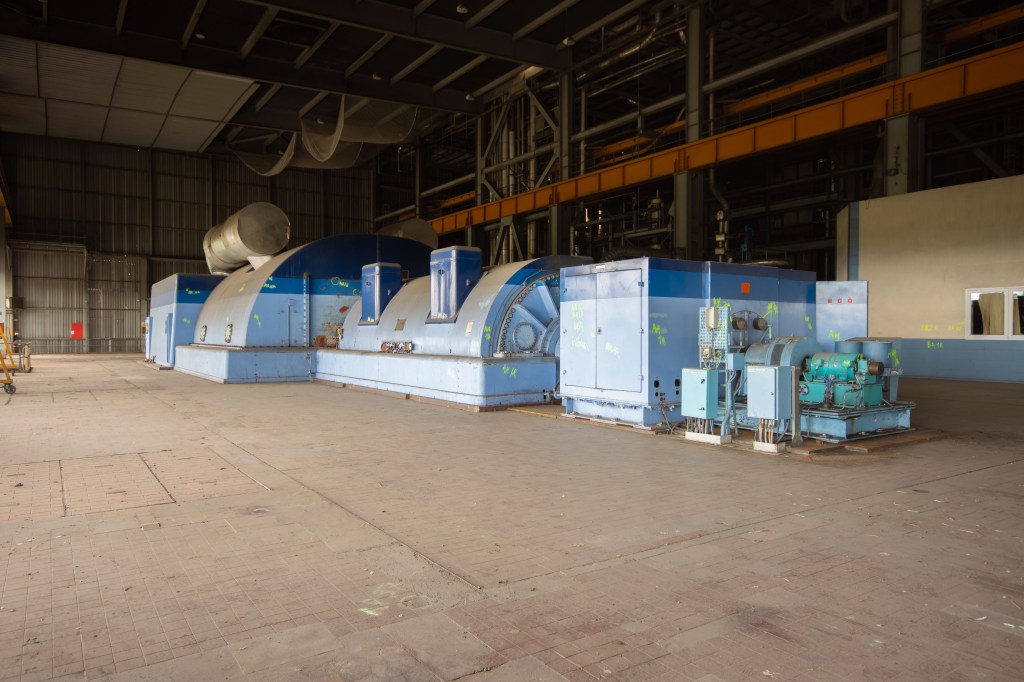
TURBINE HALL
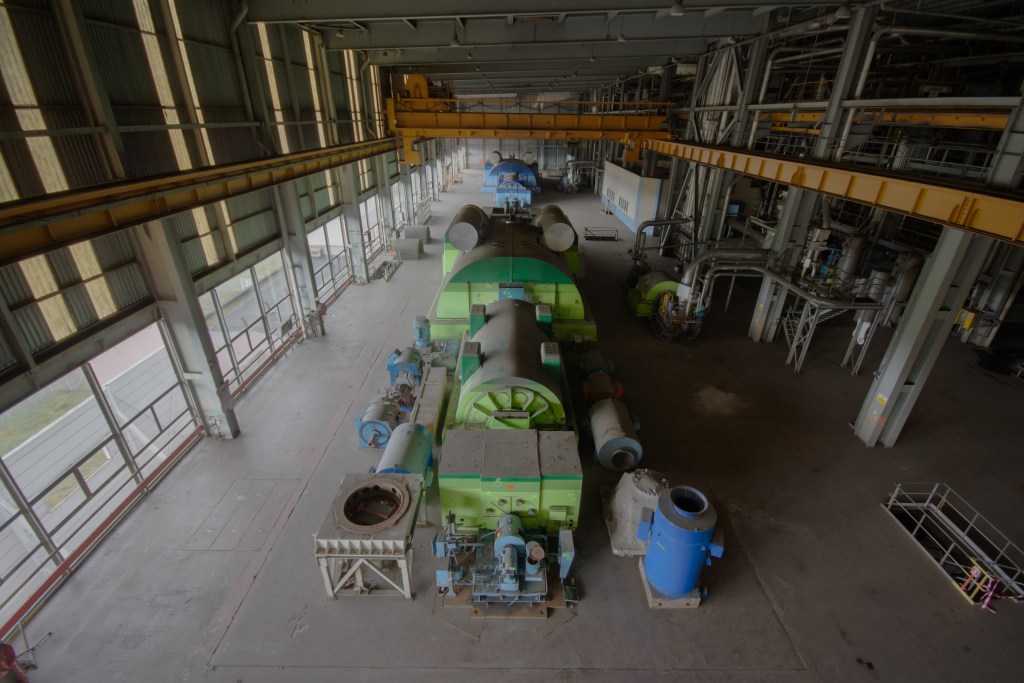
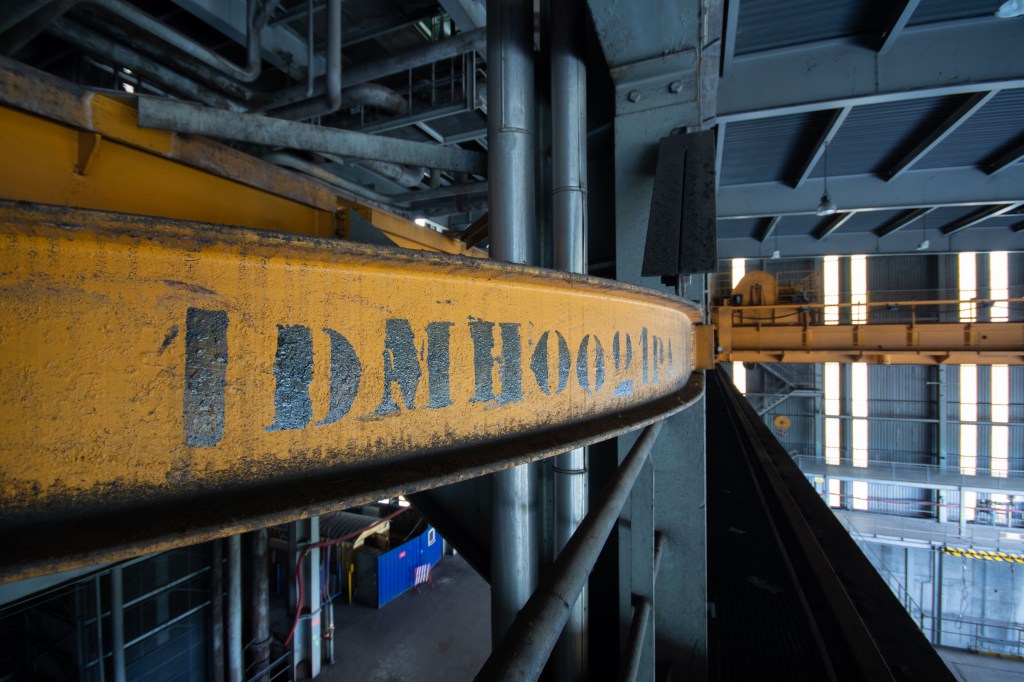
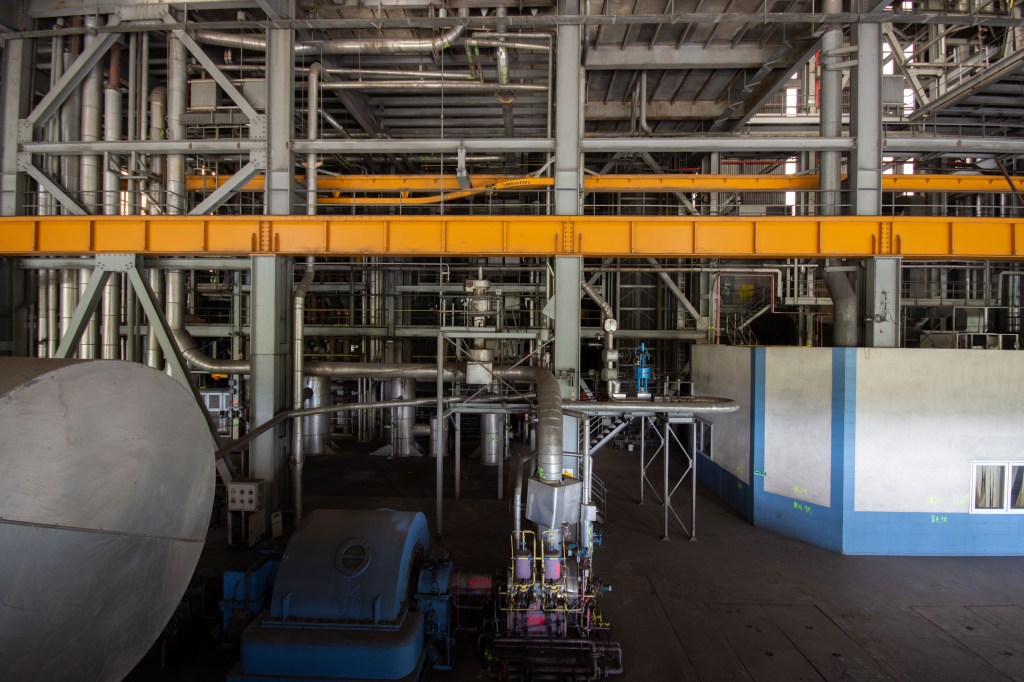
Showing the power station’s brightly coloured turbines.

CONTROL ROOM
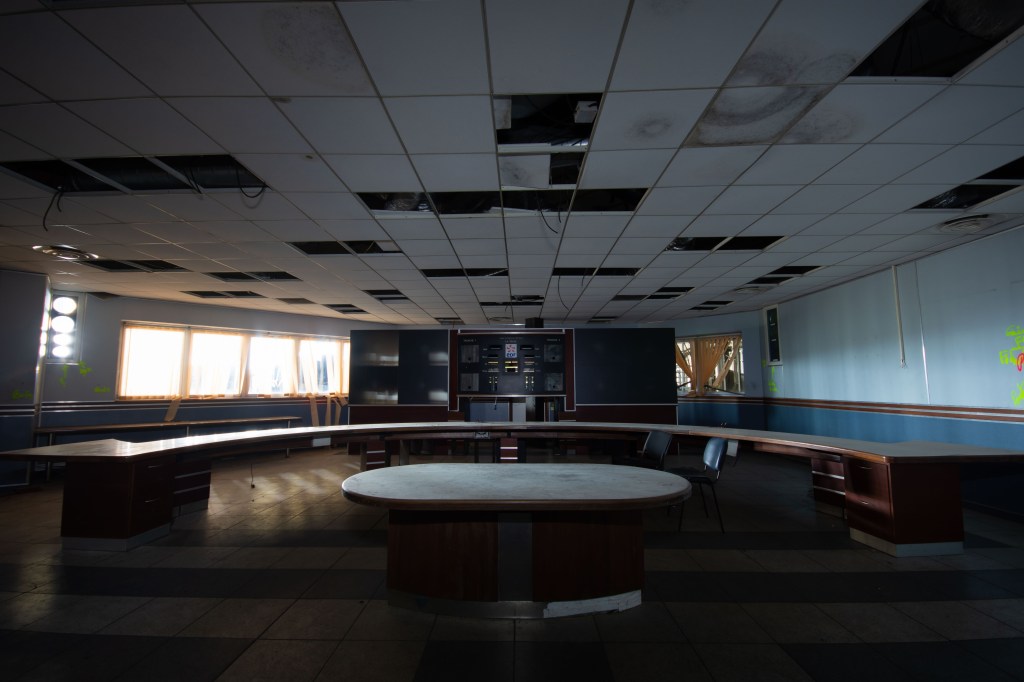
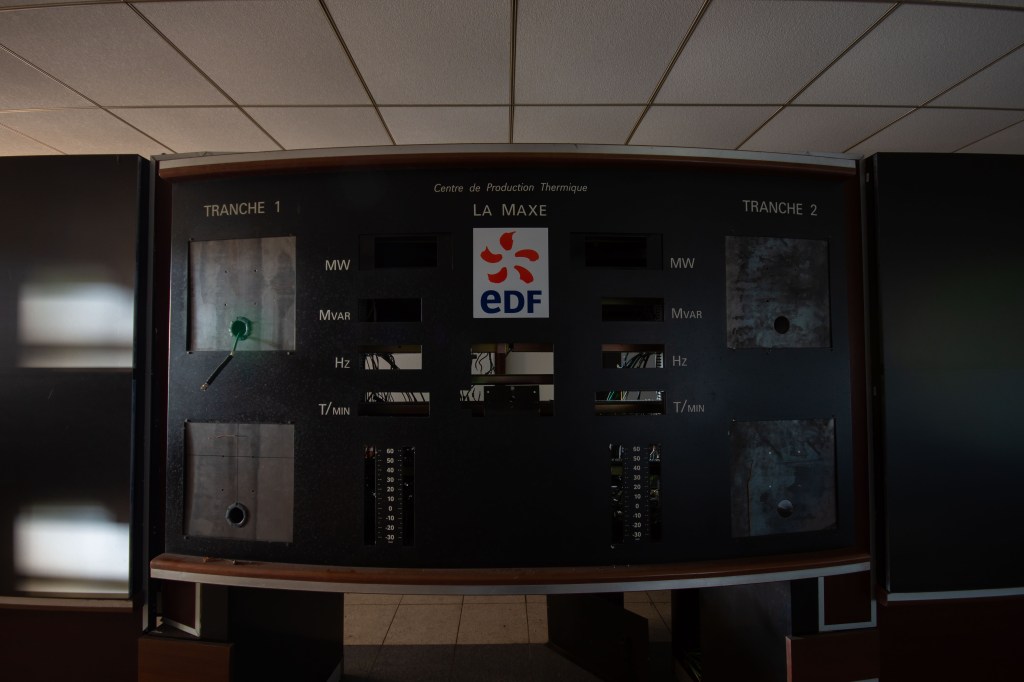
Showing the stripped control room.
COAL MILLS
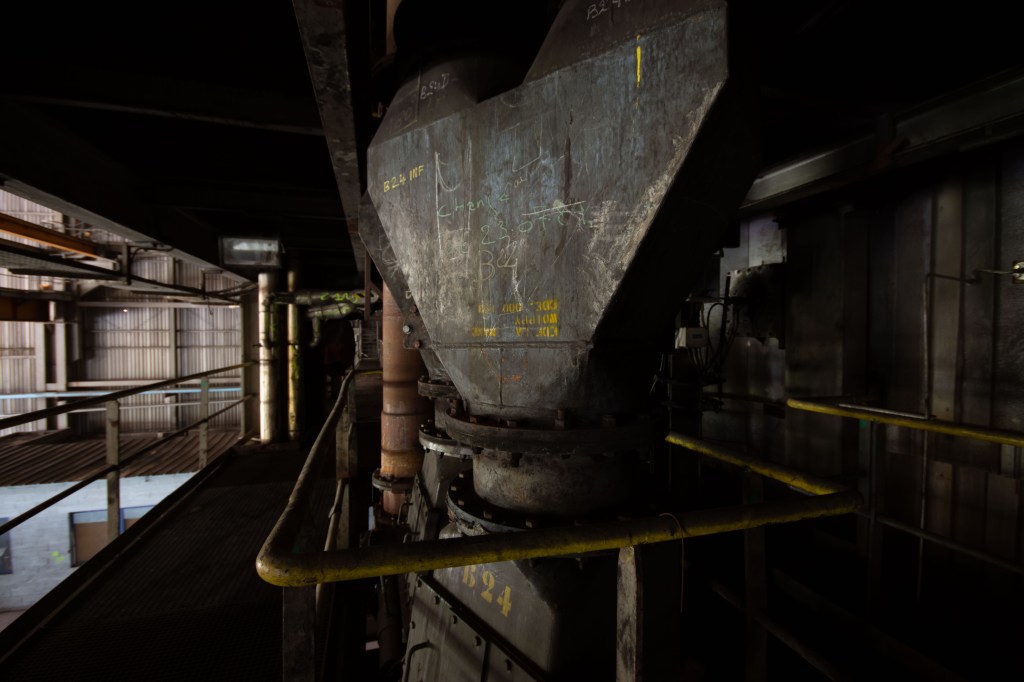
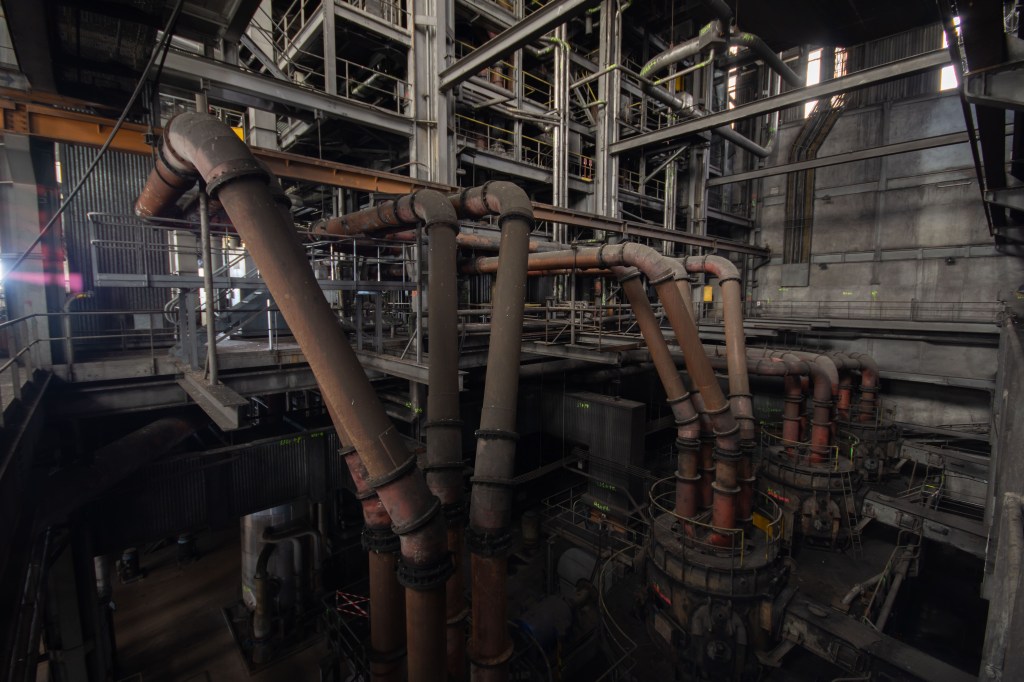
Showing the power station’s coal mills. Each unit had four mills.
 Shadow Dragon