Bulstrode Park
March 2019 | England | Extant
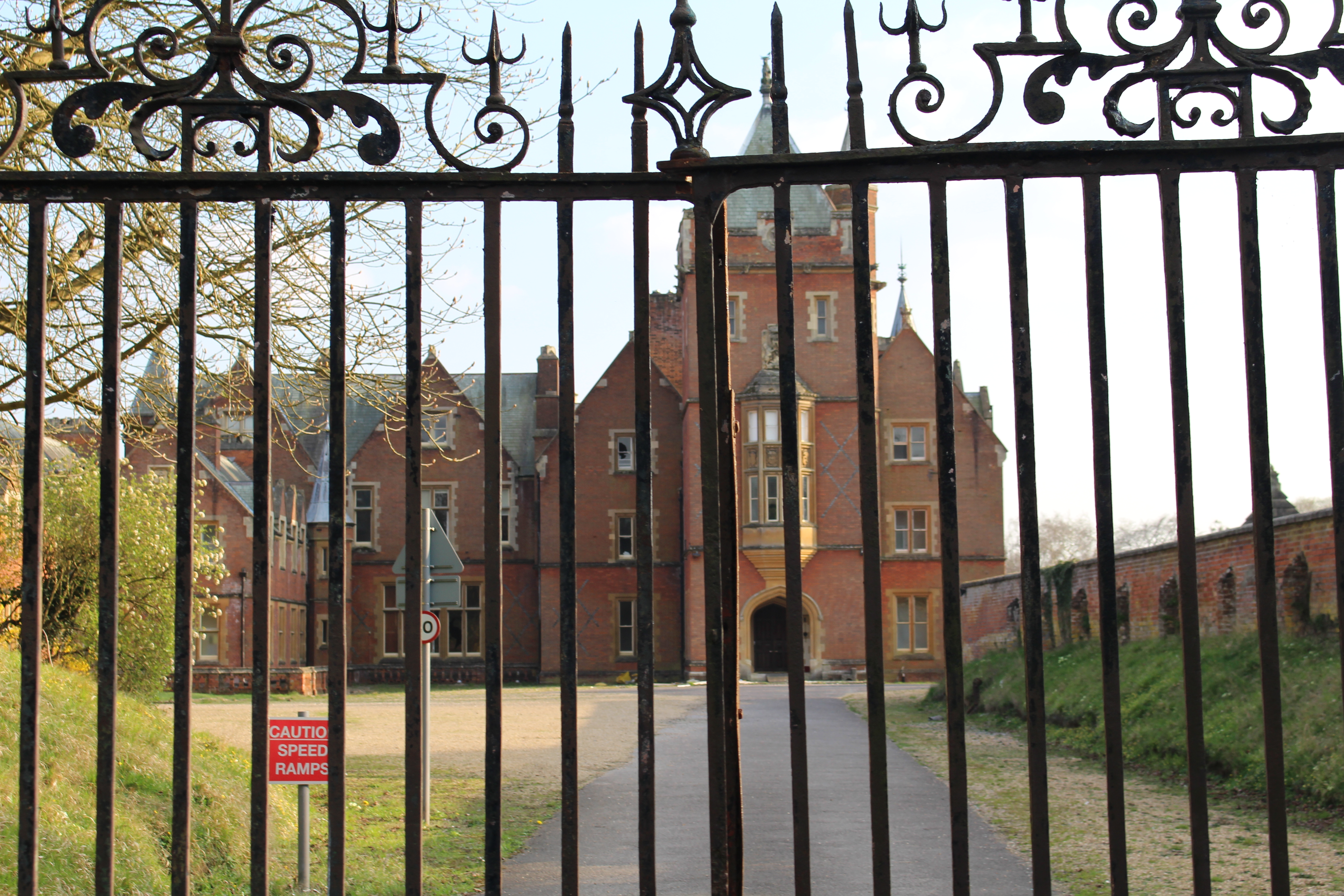
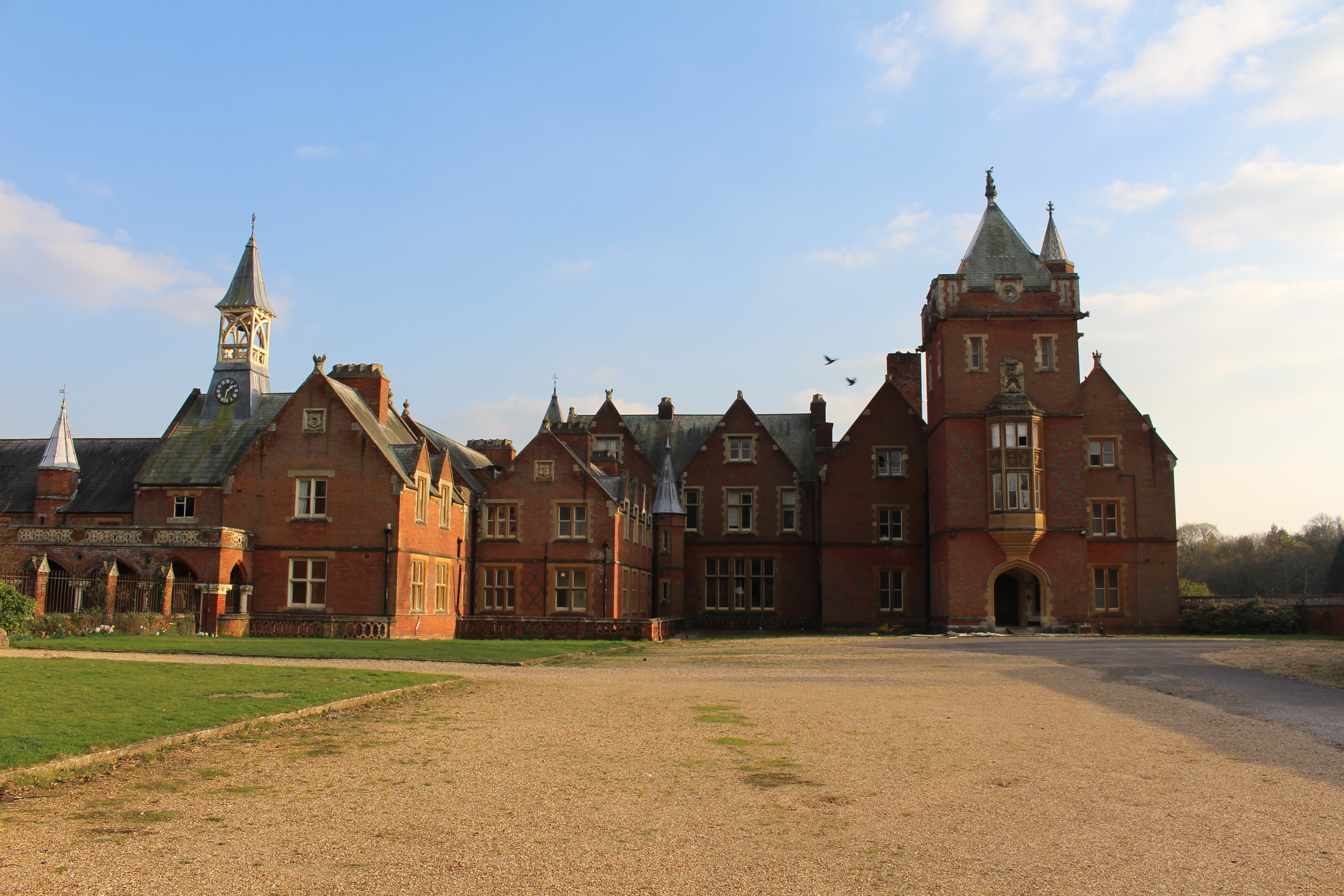
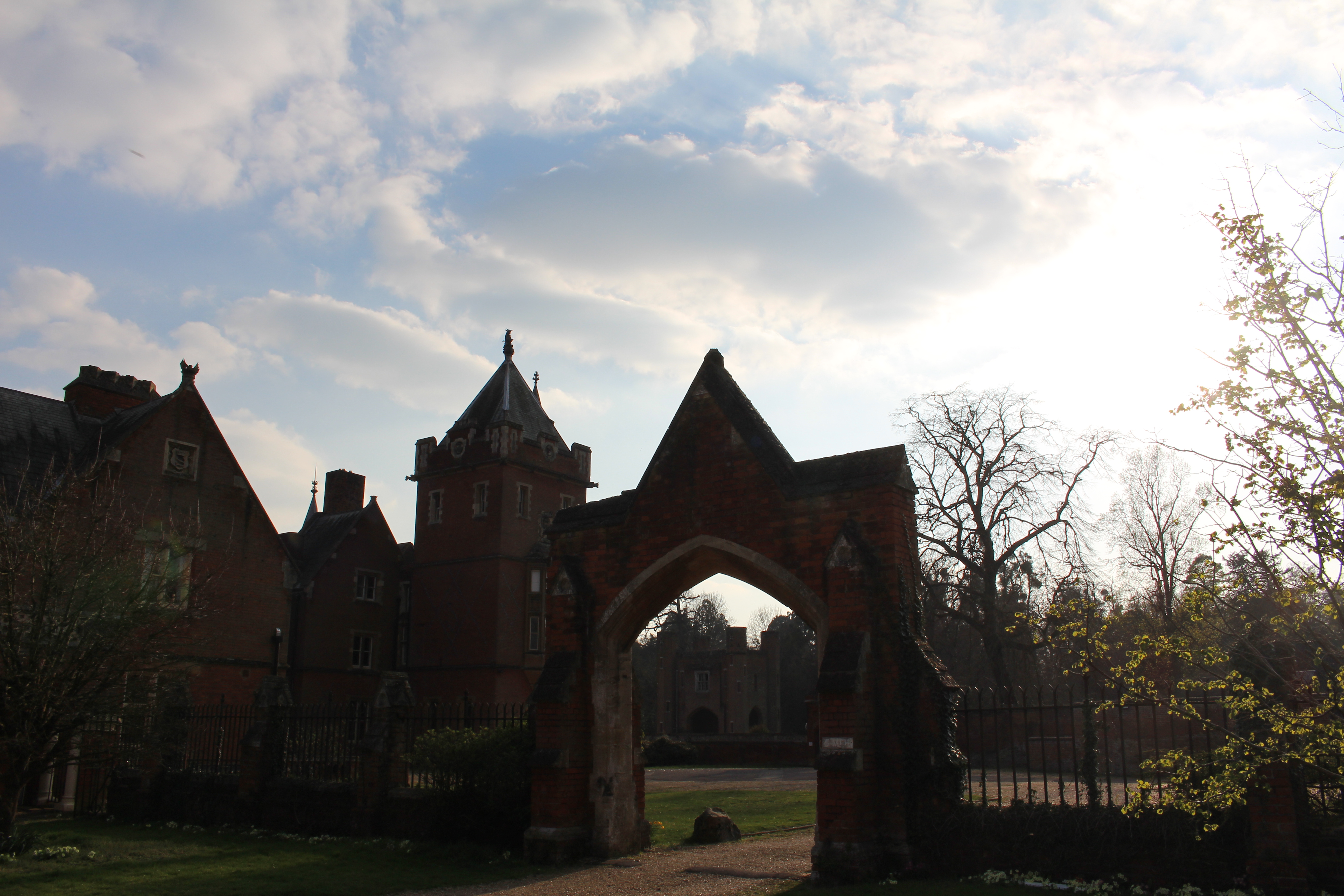
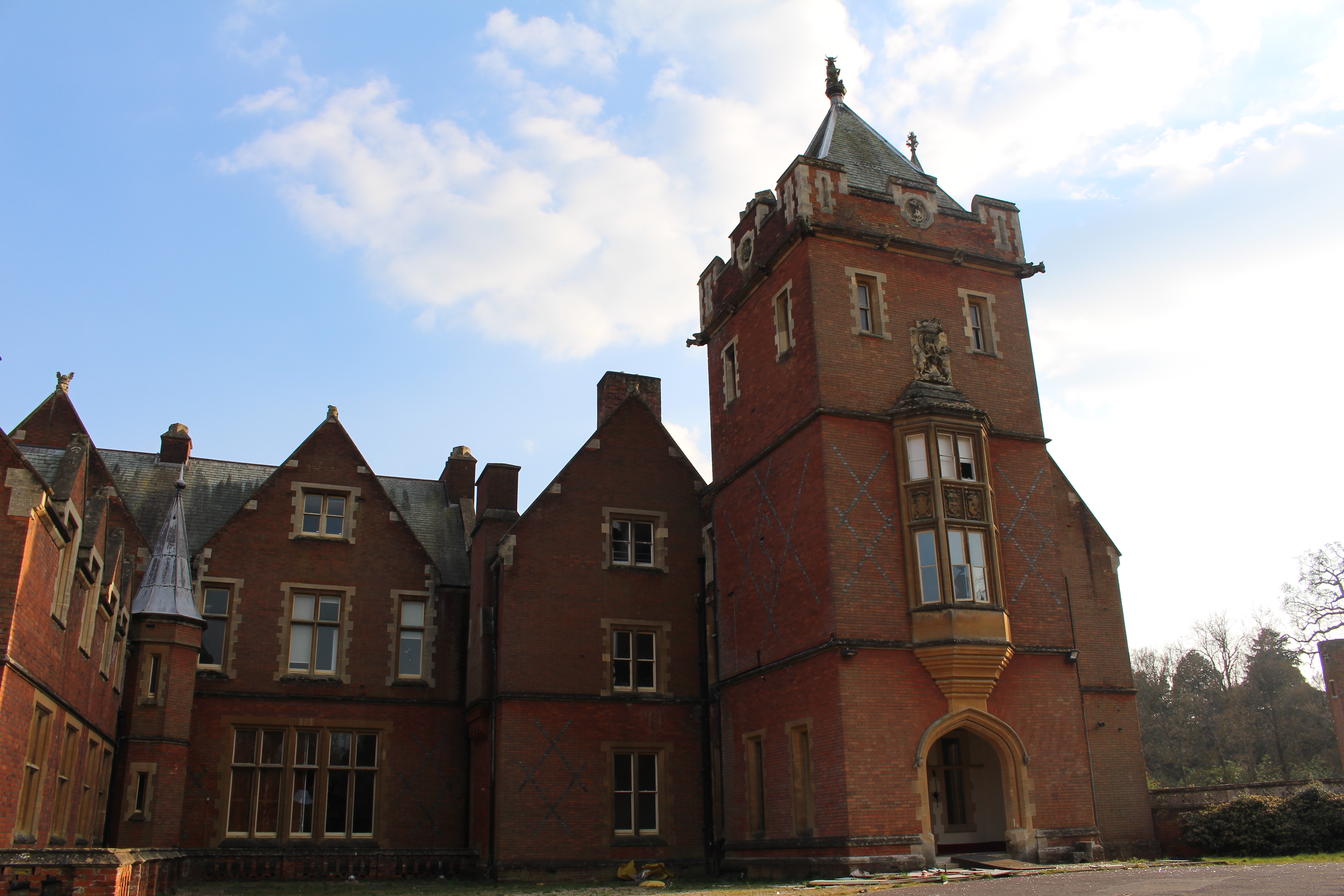
Bulstrode Park is a gorgeous high Victorian mansion situated up a fairly steep hill with cattle grazing around, on the outskirts of Gerrards Cross in Buckinghamshire. There has been an estate present since the Saxon times, with ‘Bulstrode’ having its etymological roots in ‘burh’ (marsh) and ‘stród’ (fort) – which is telling considering there is a hillfort very close to the building.
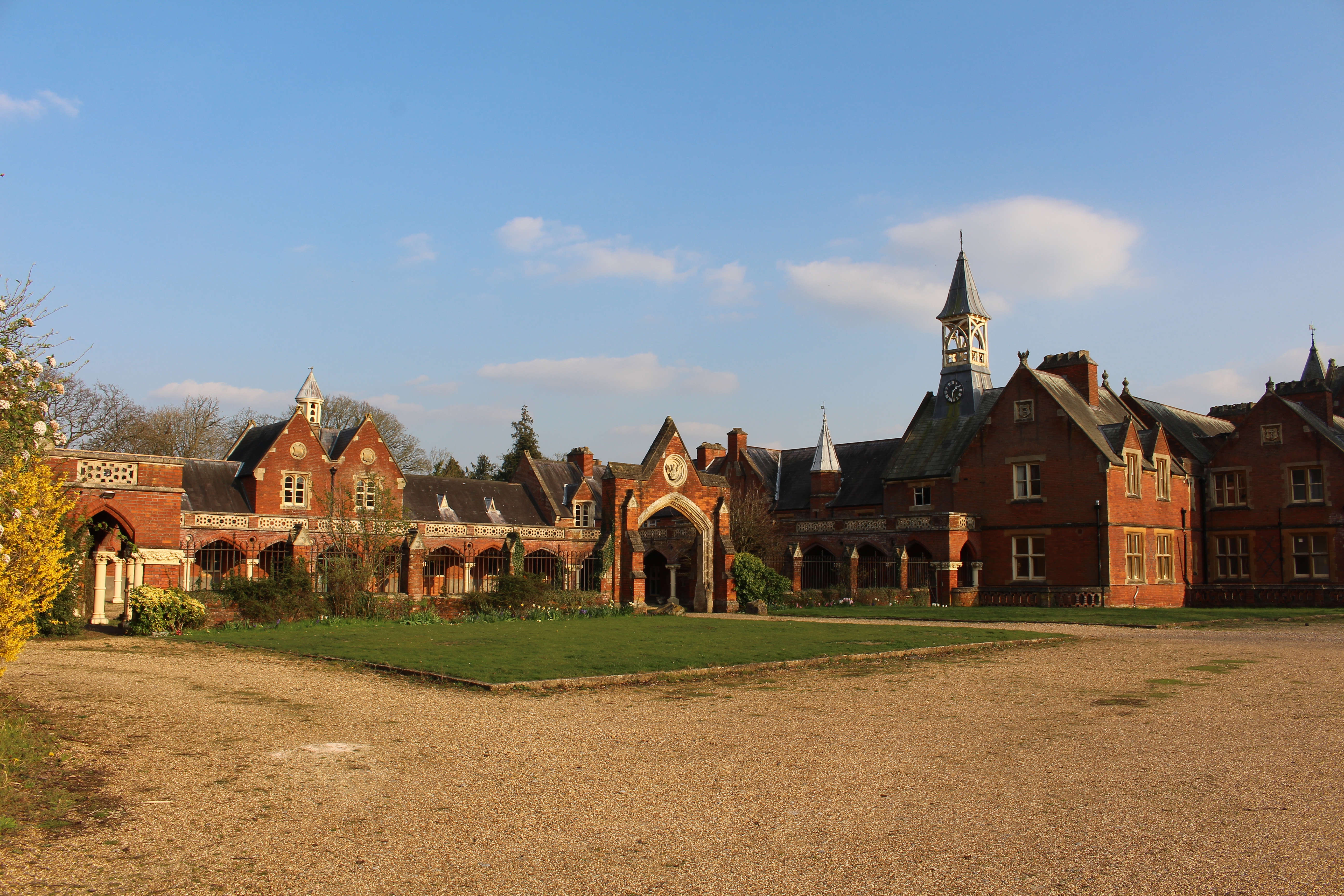
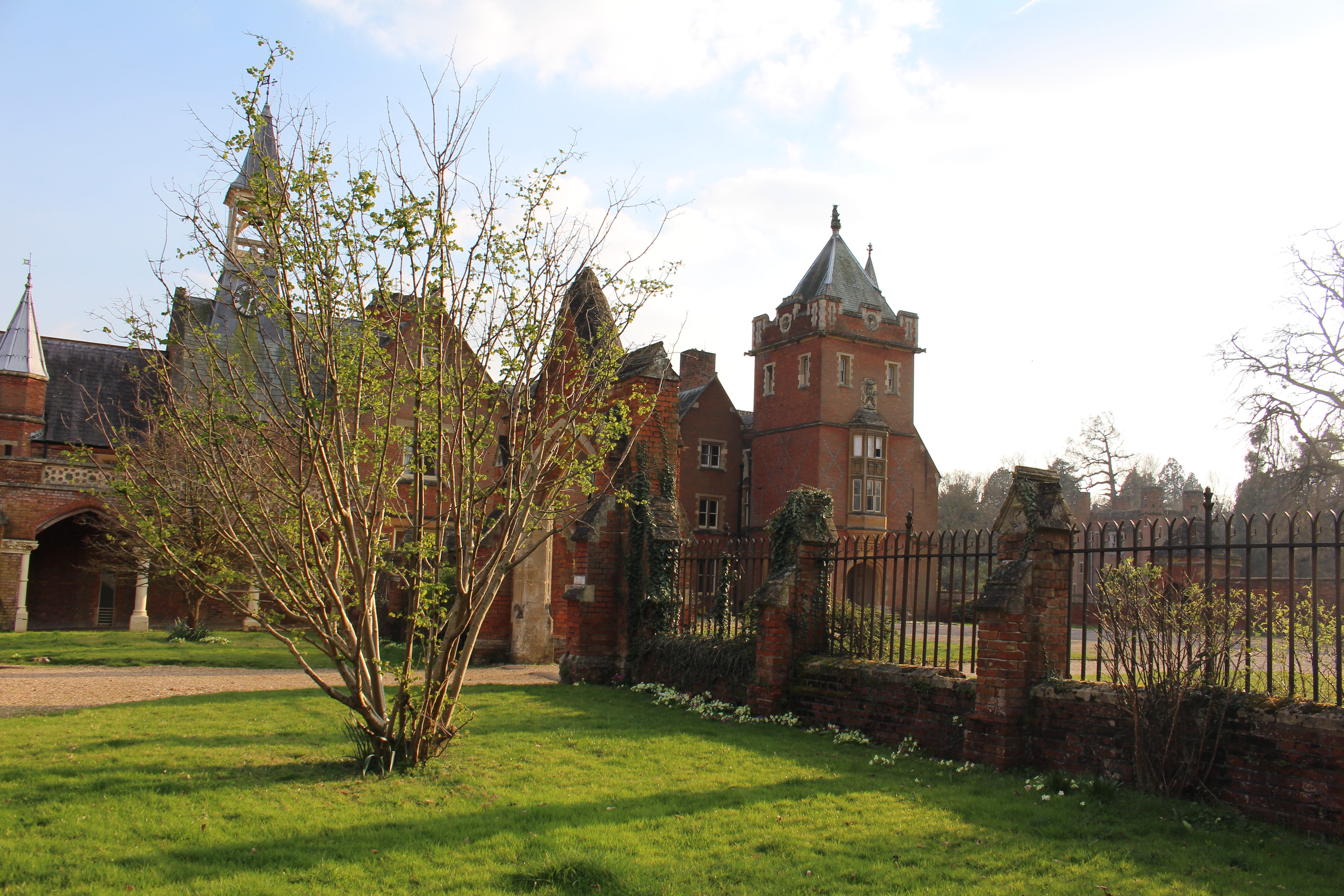
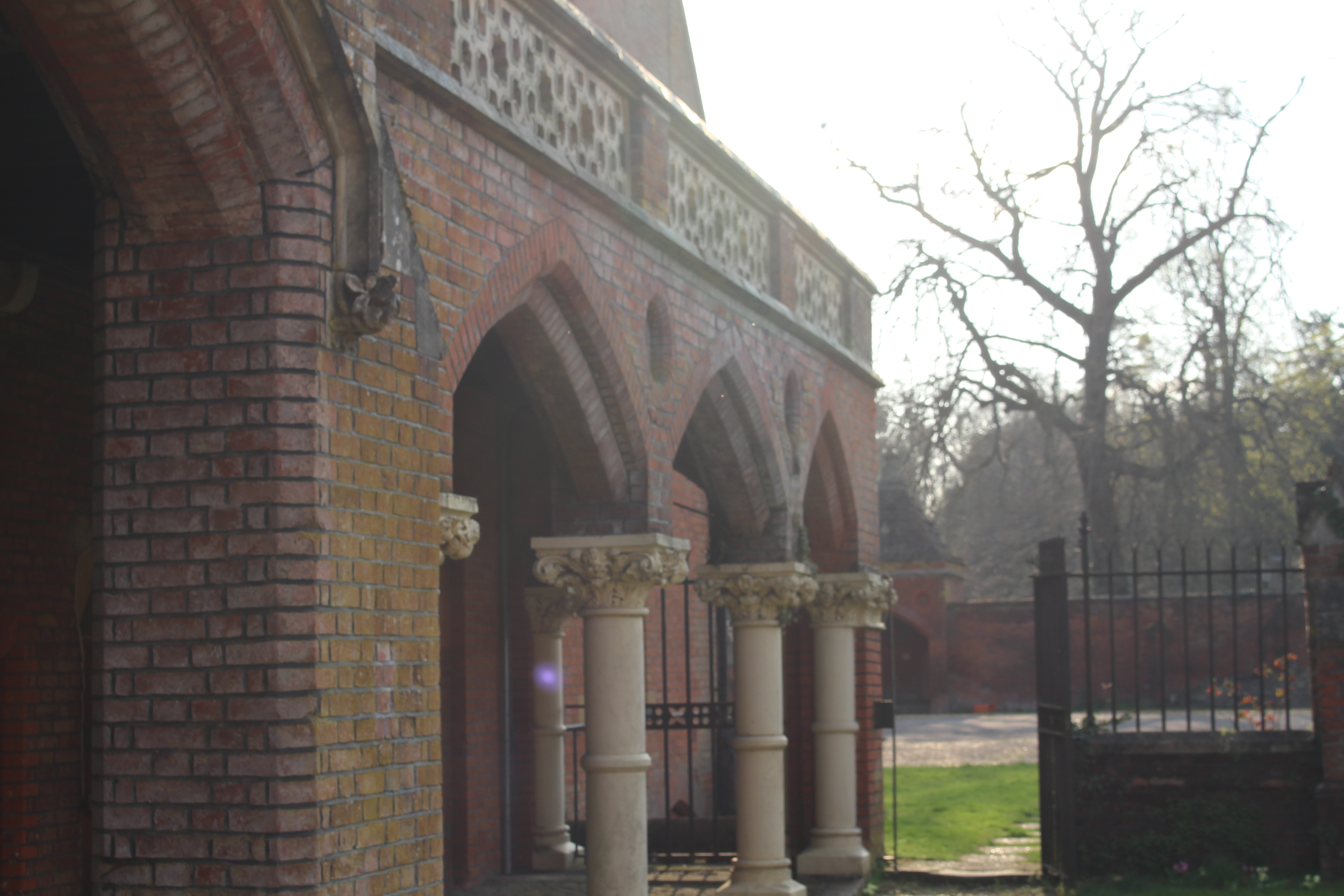
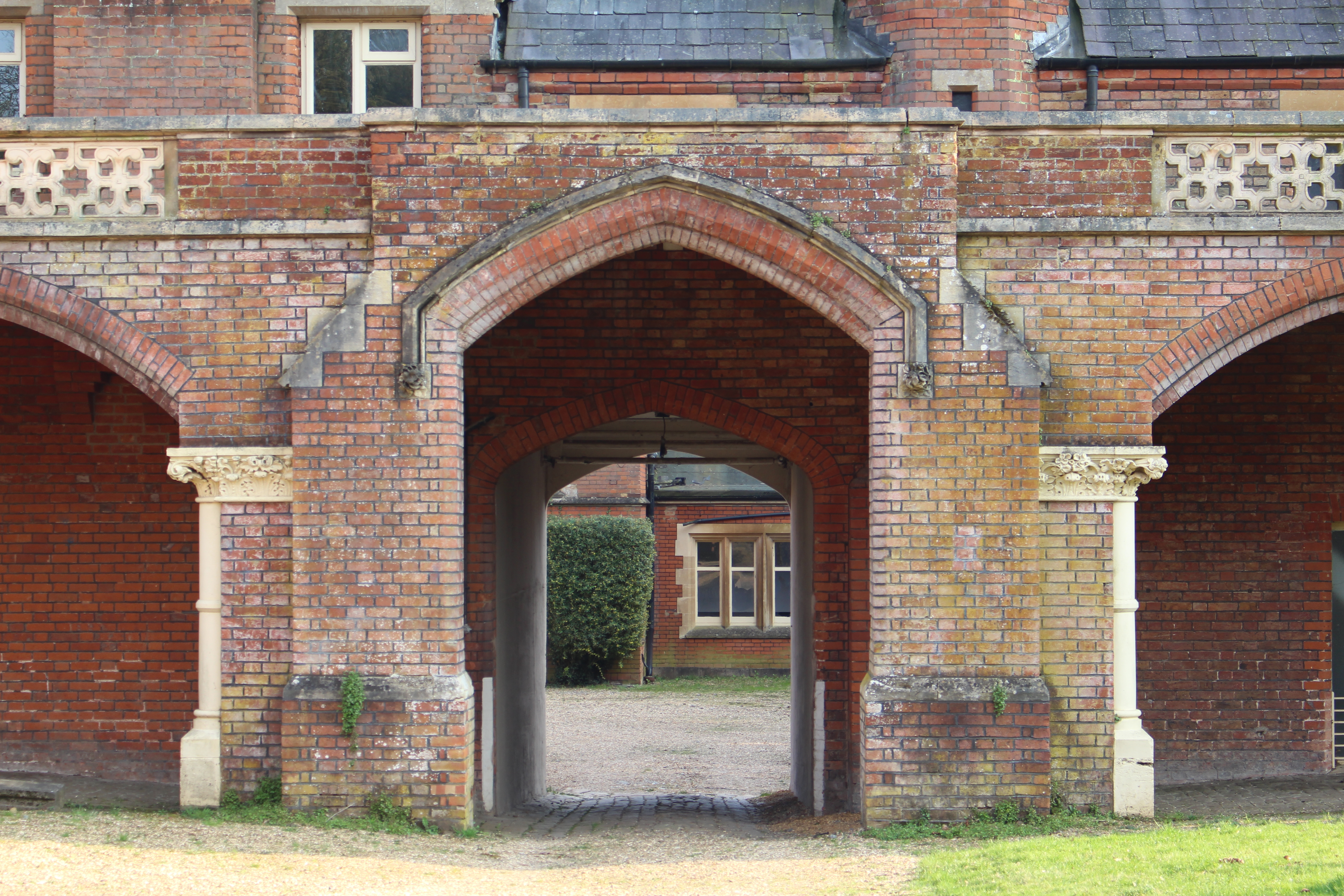
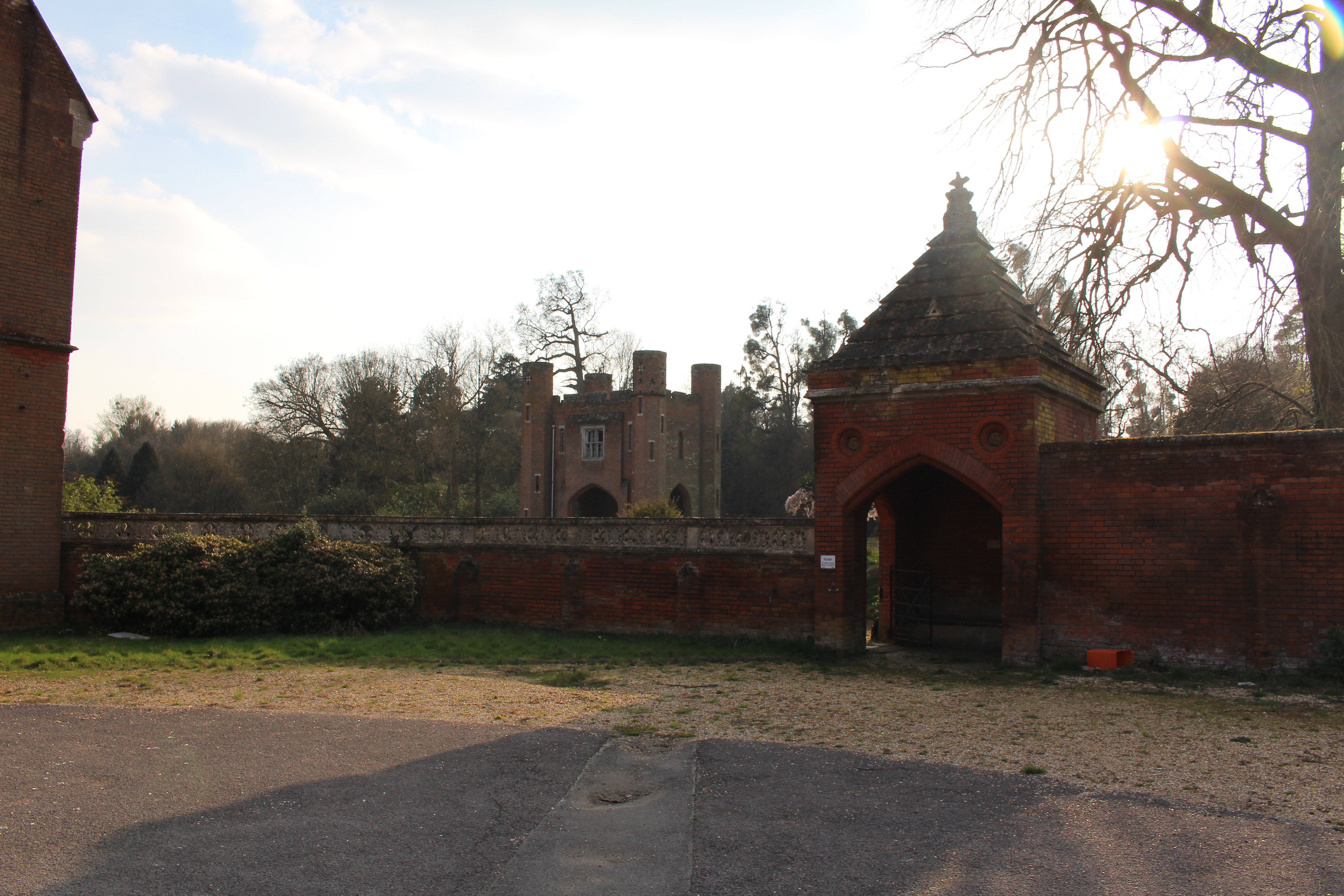
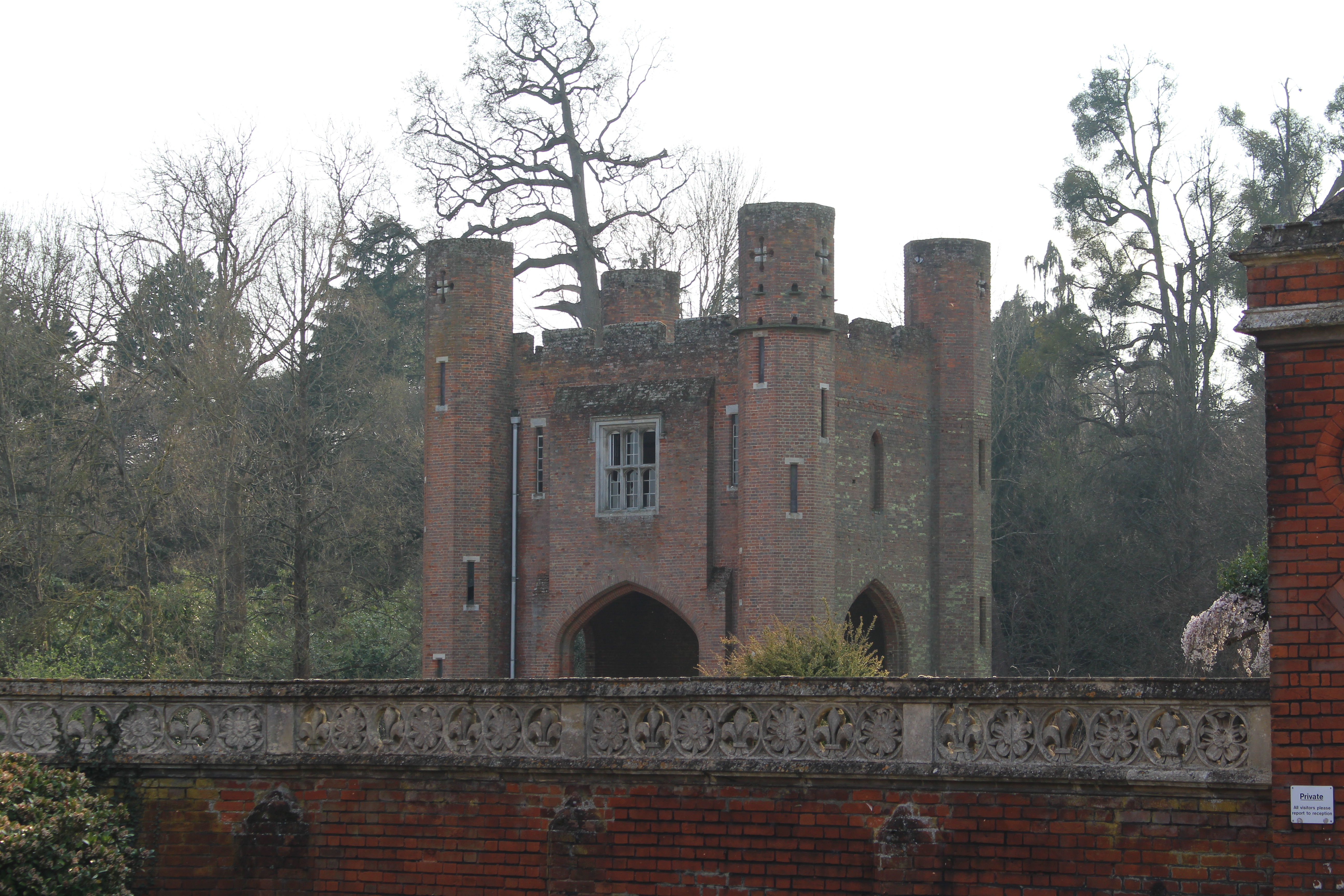
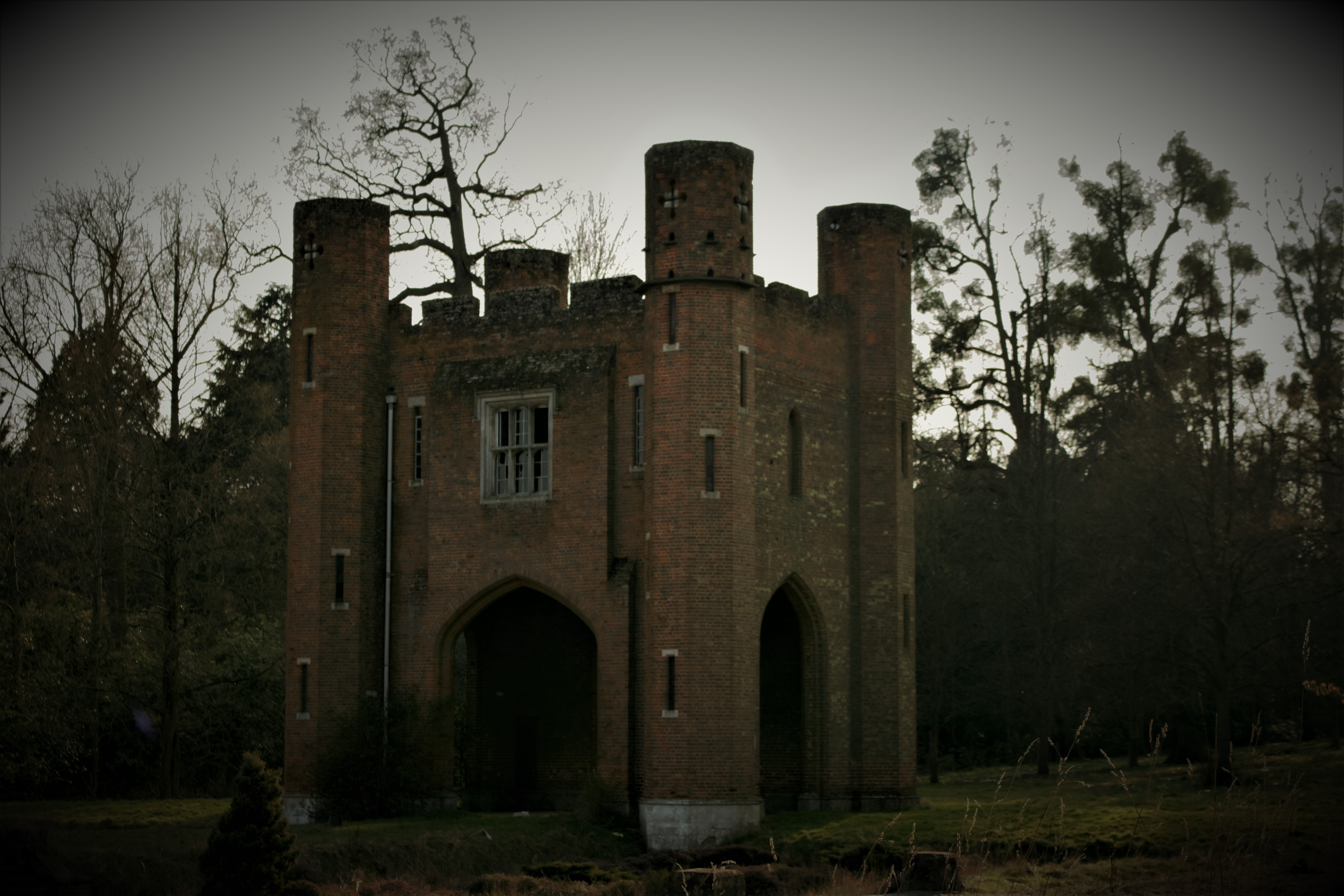
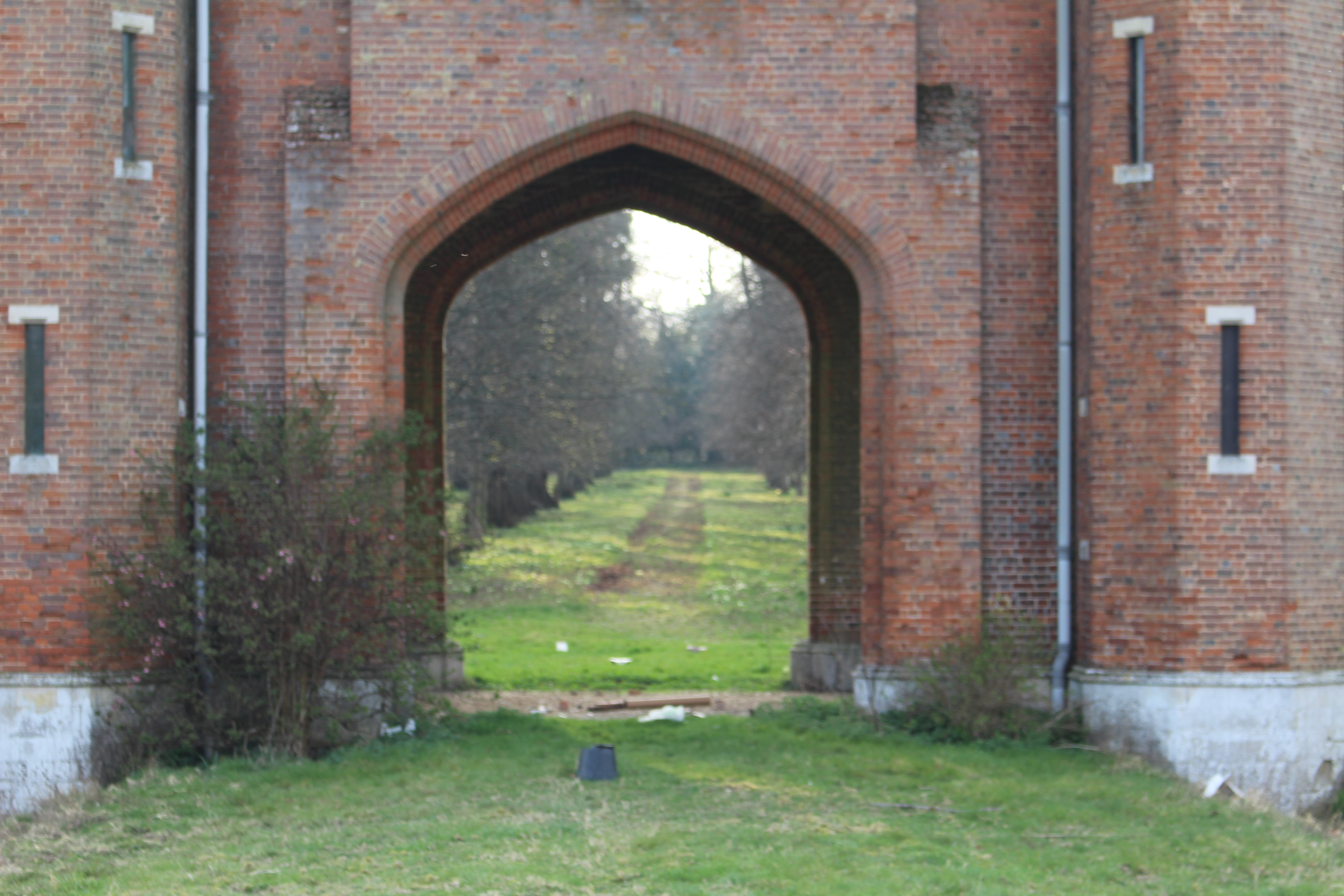
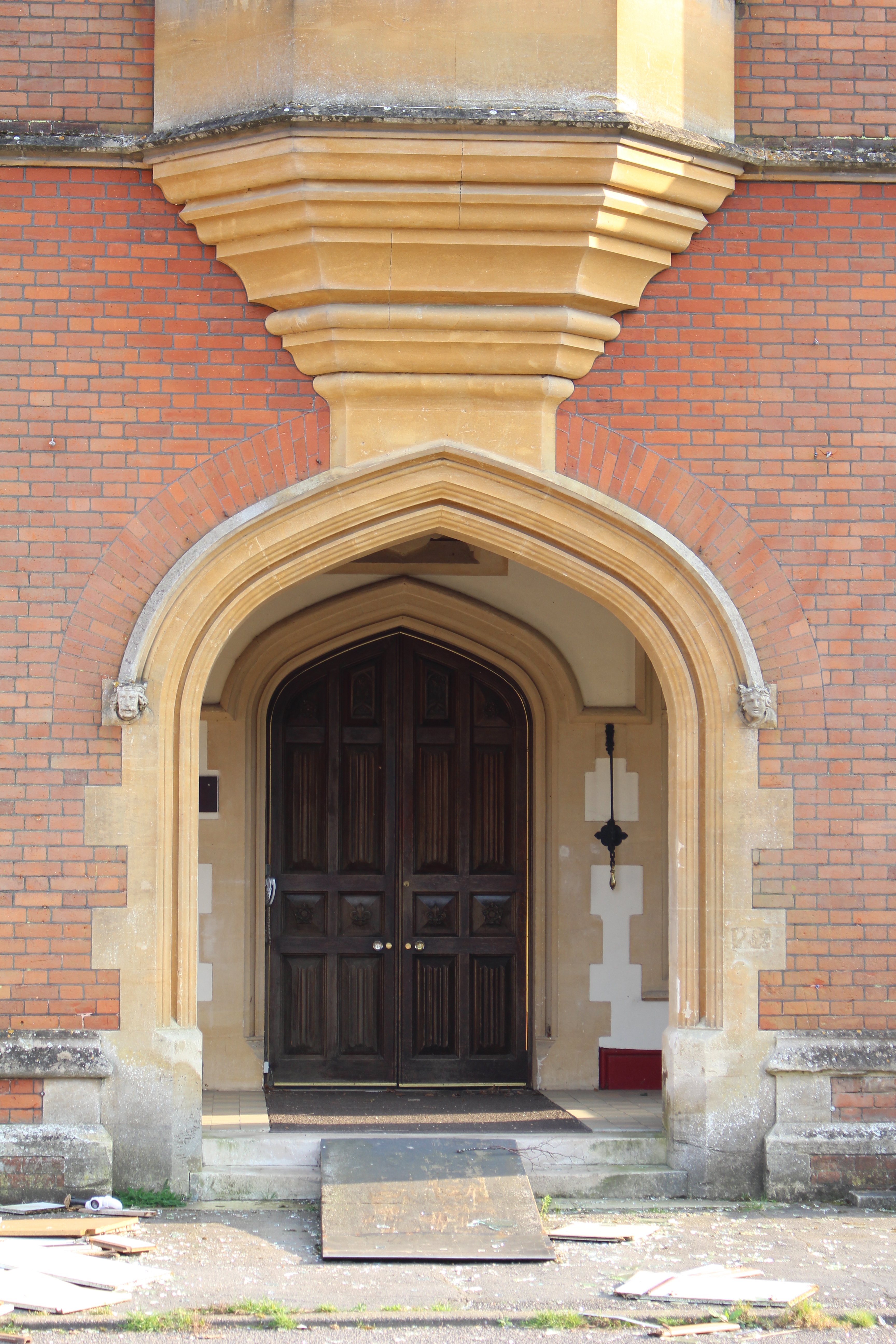
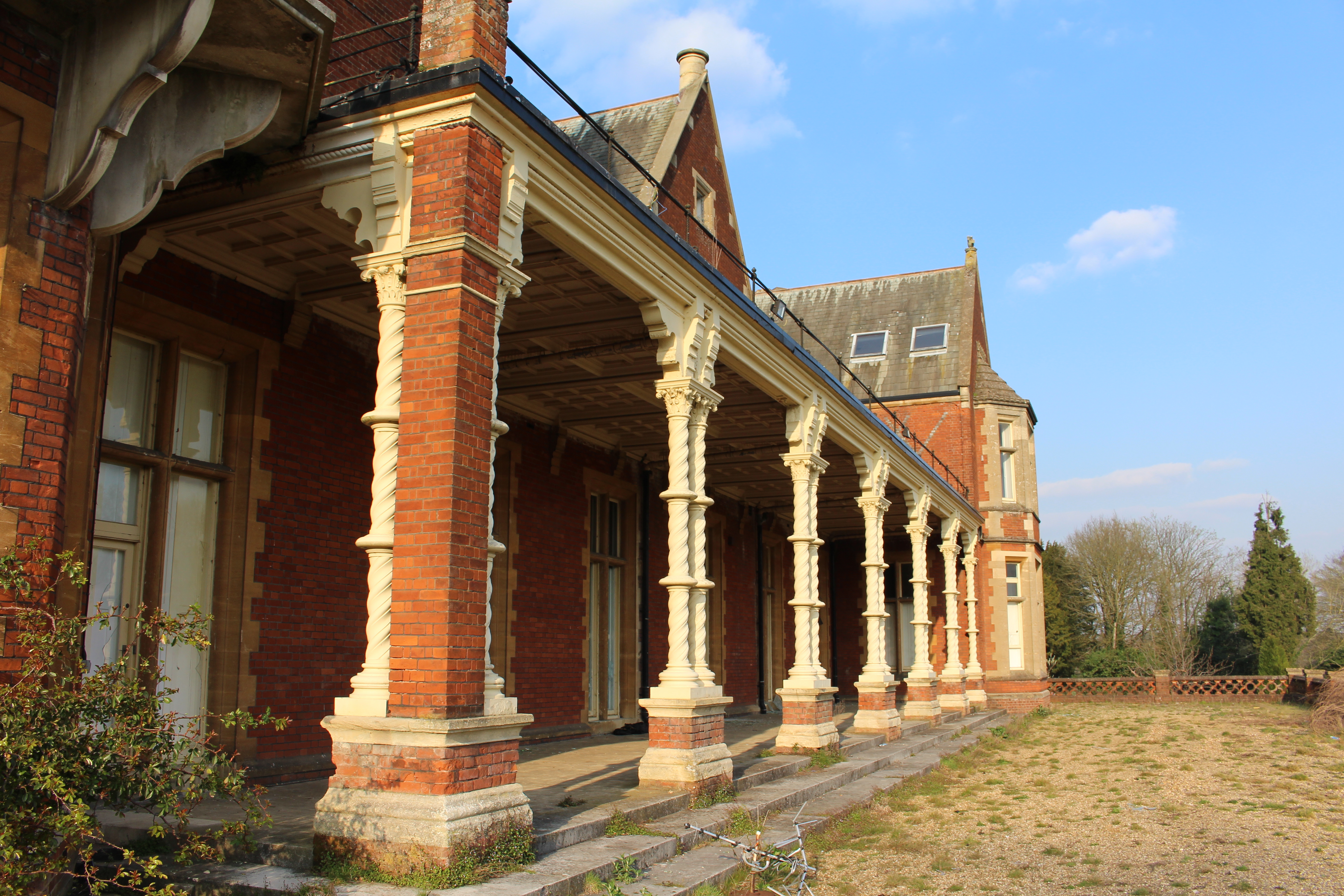
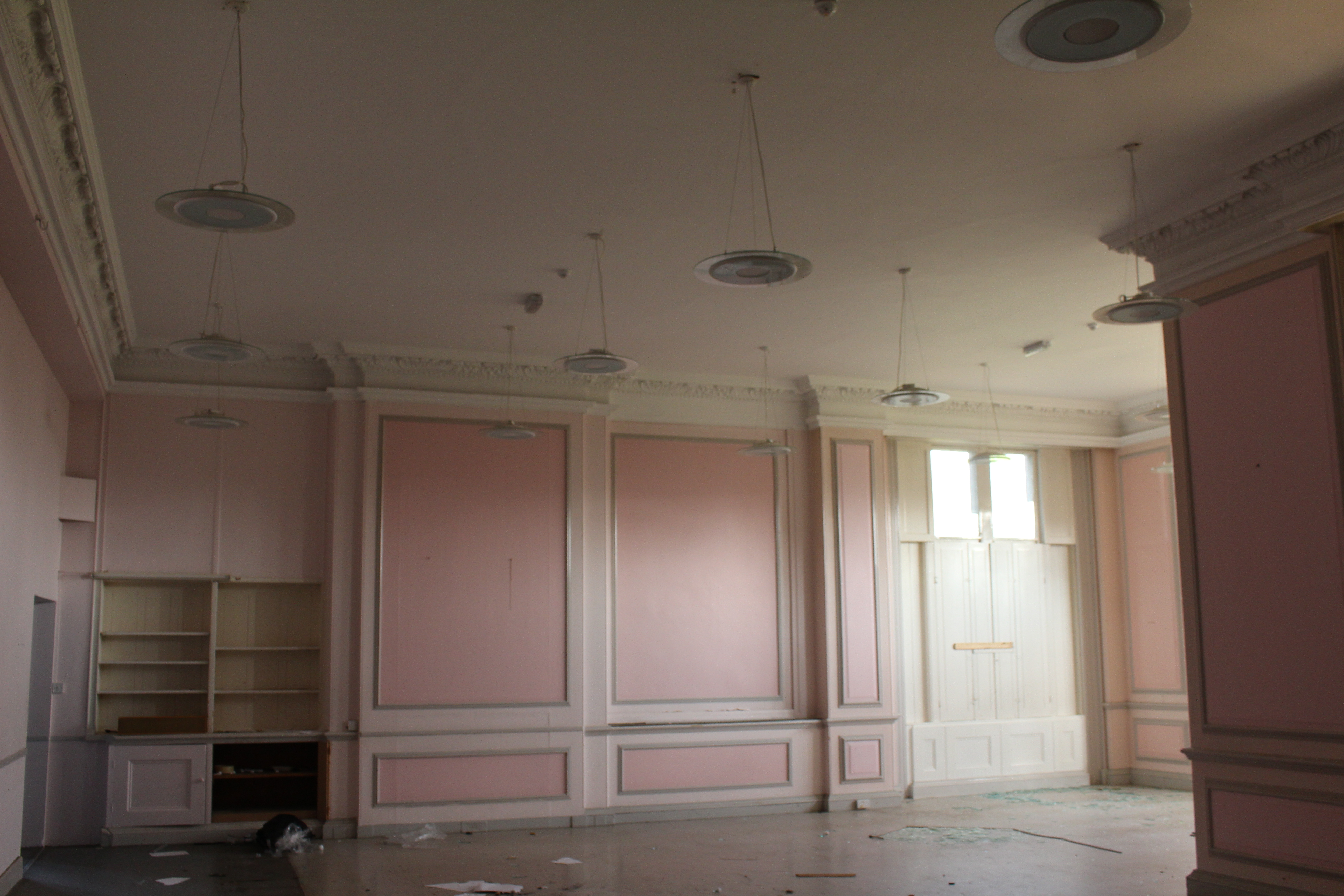
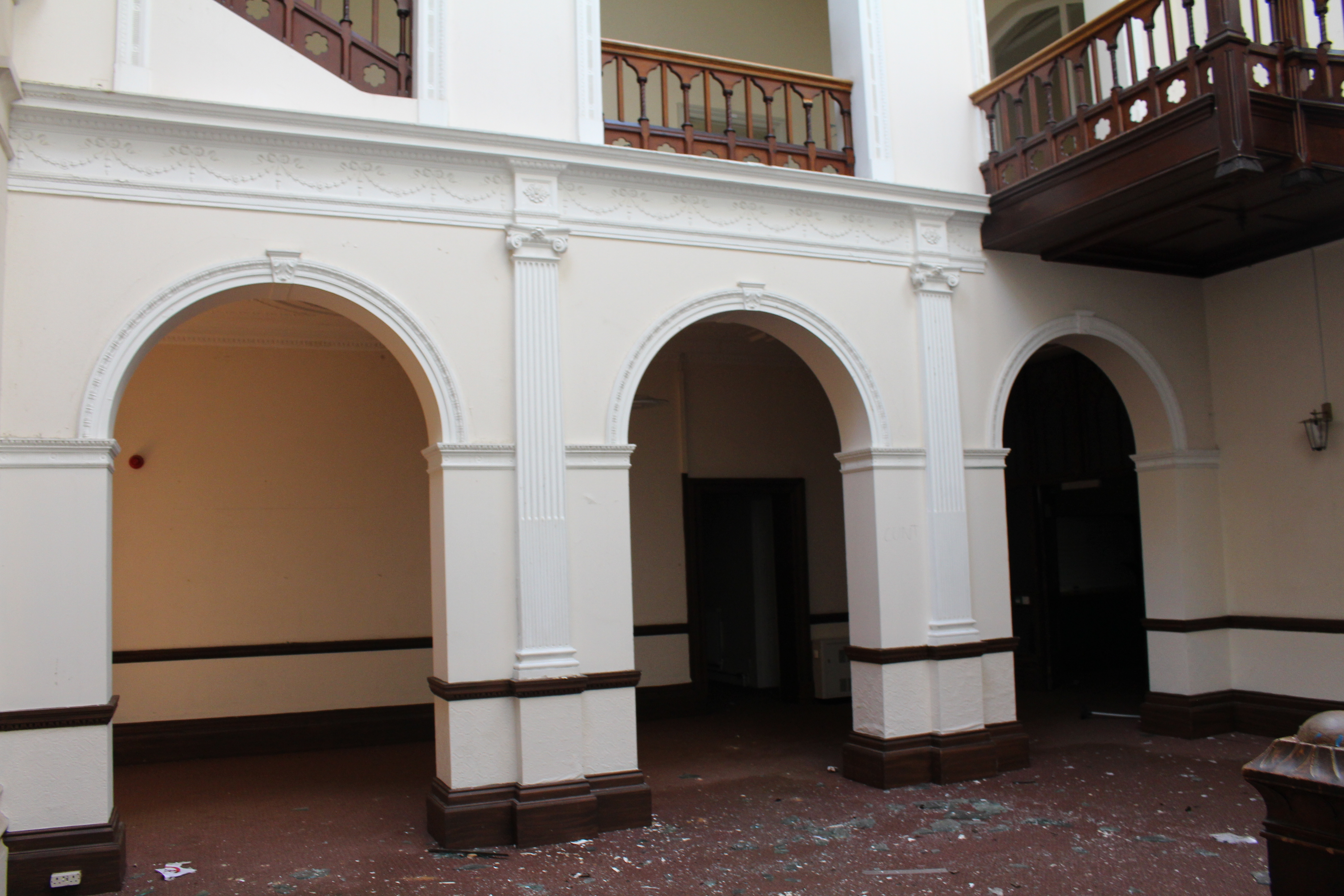
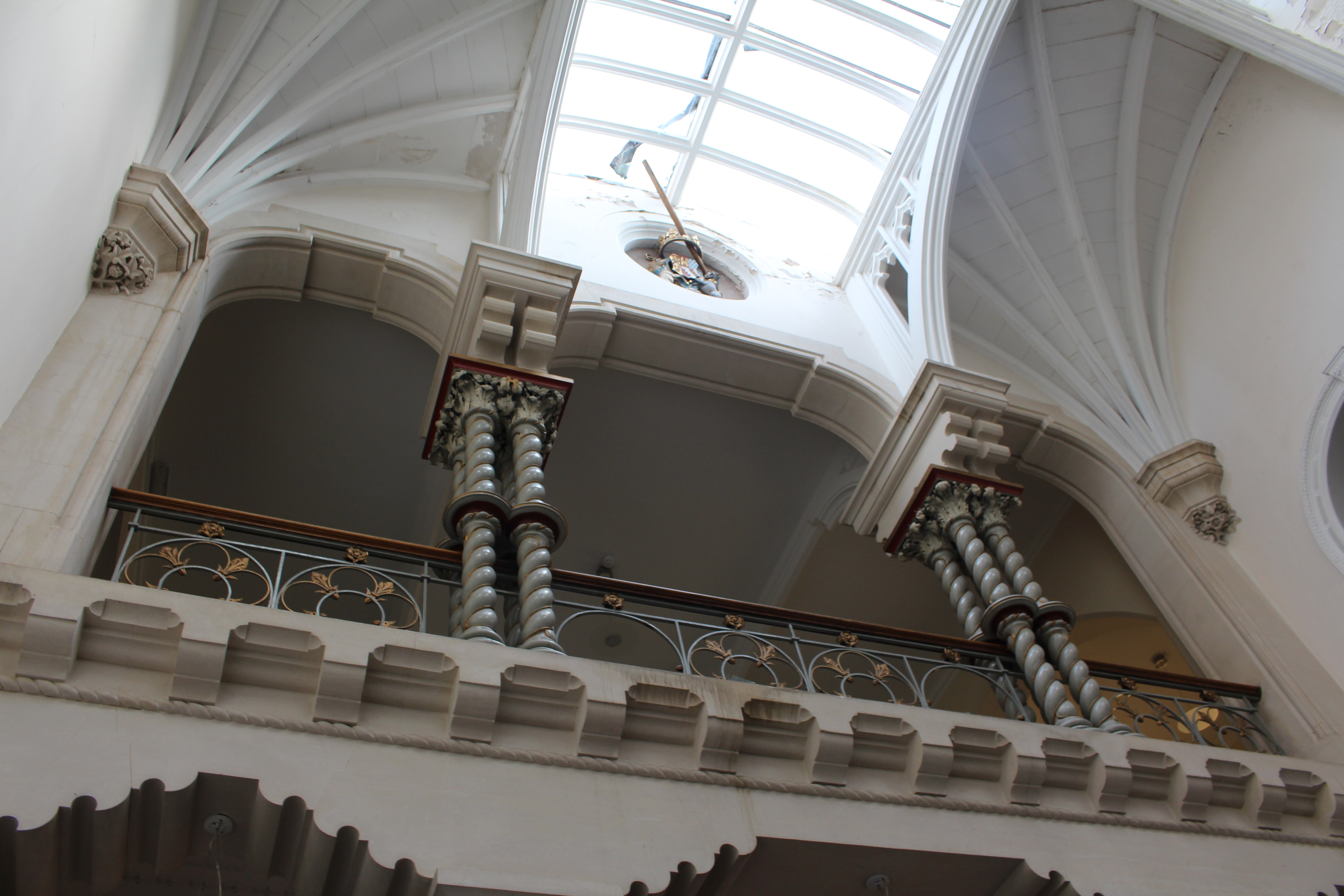
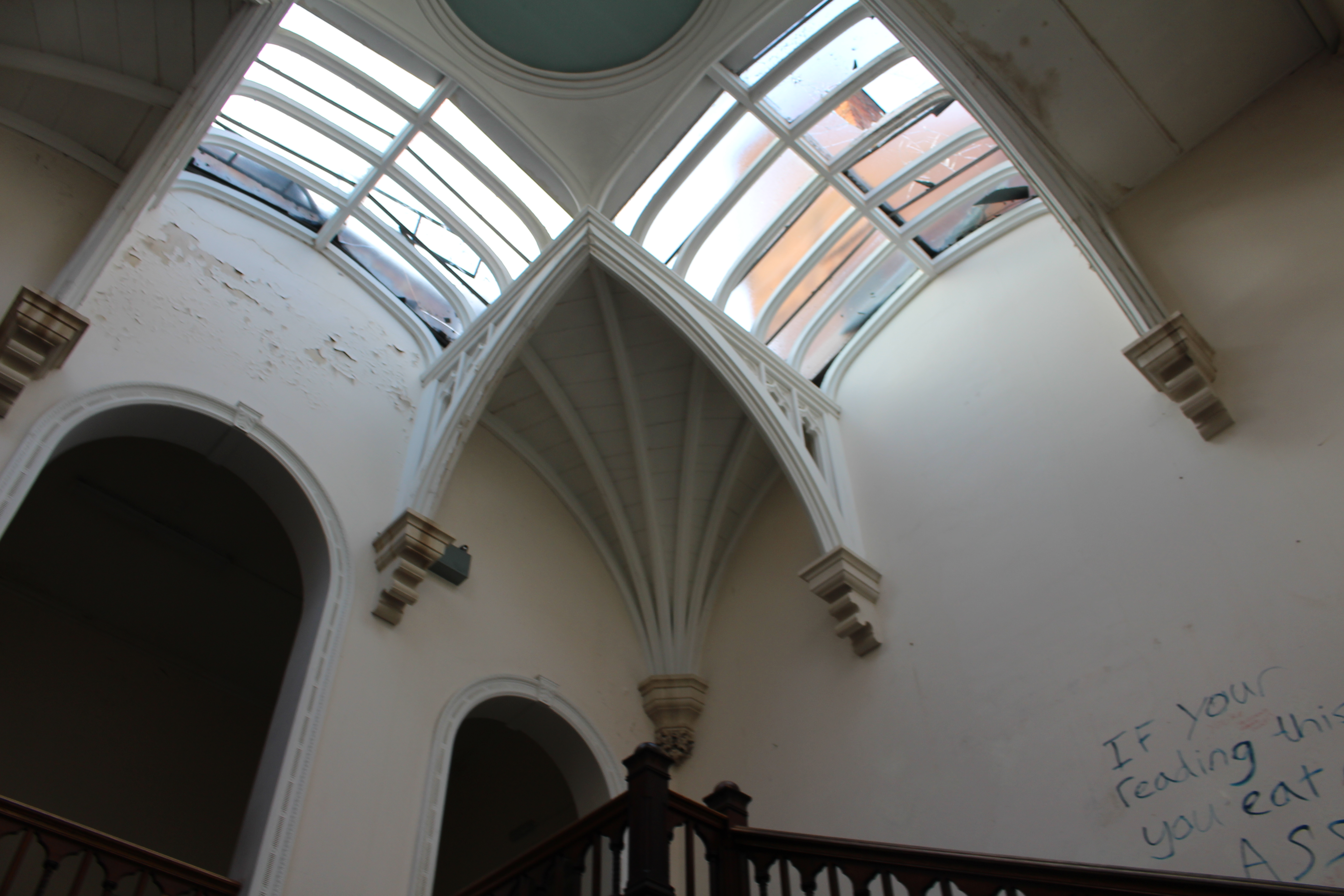
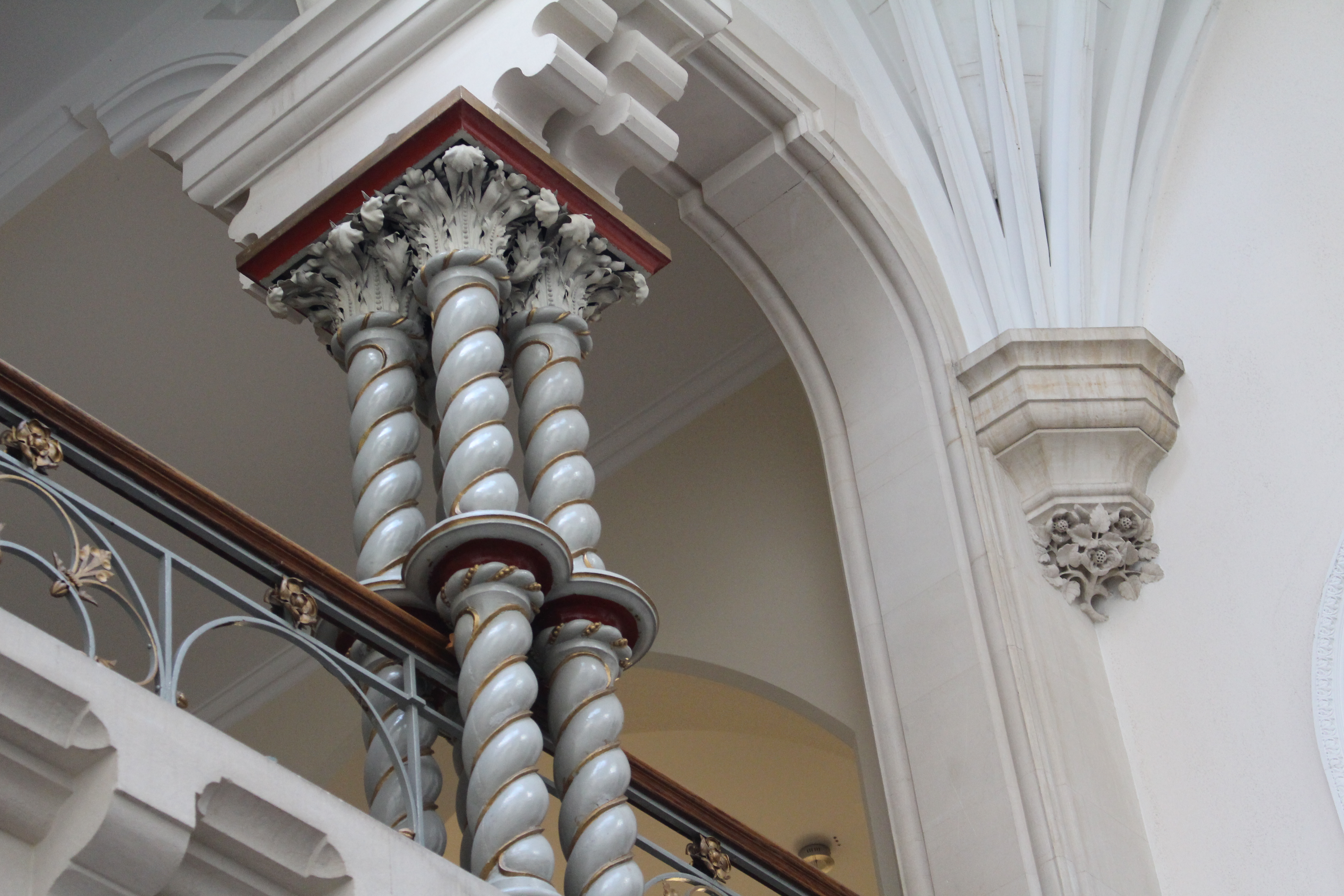
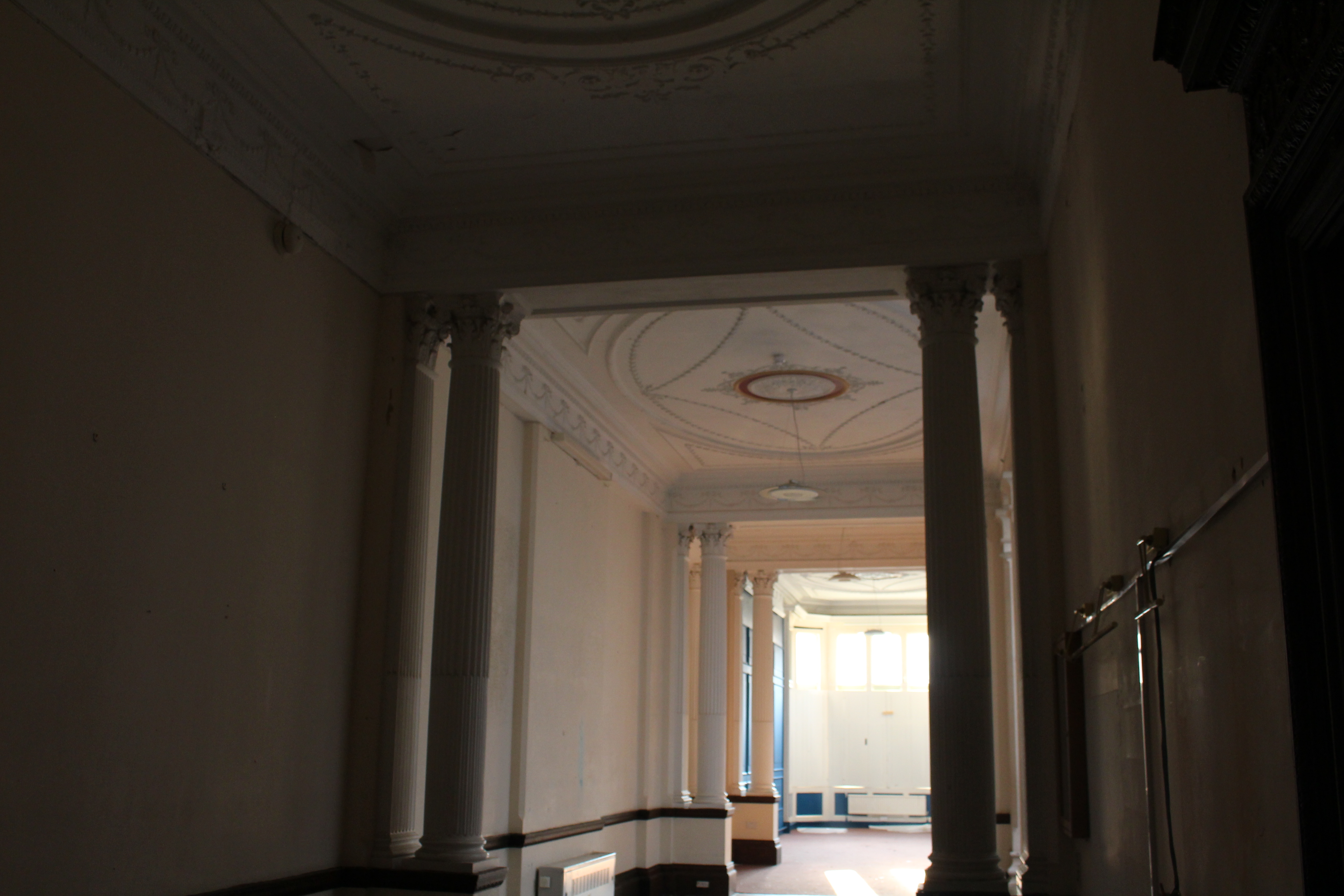
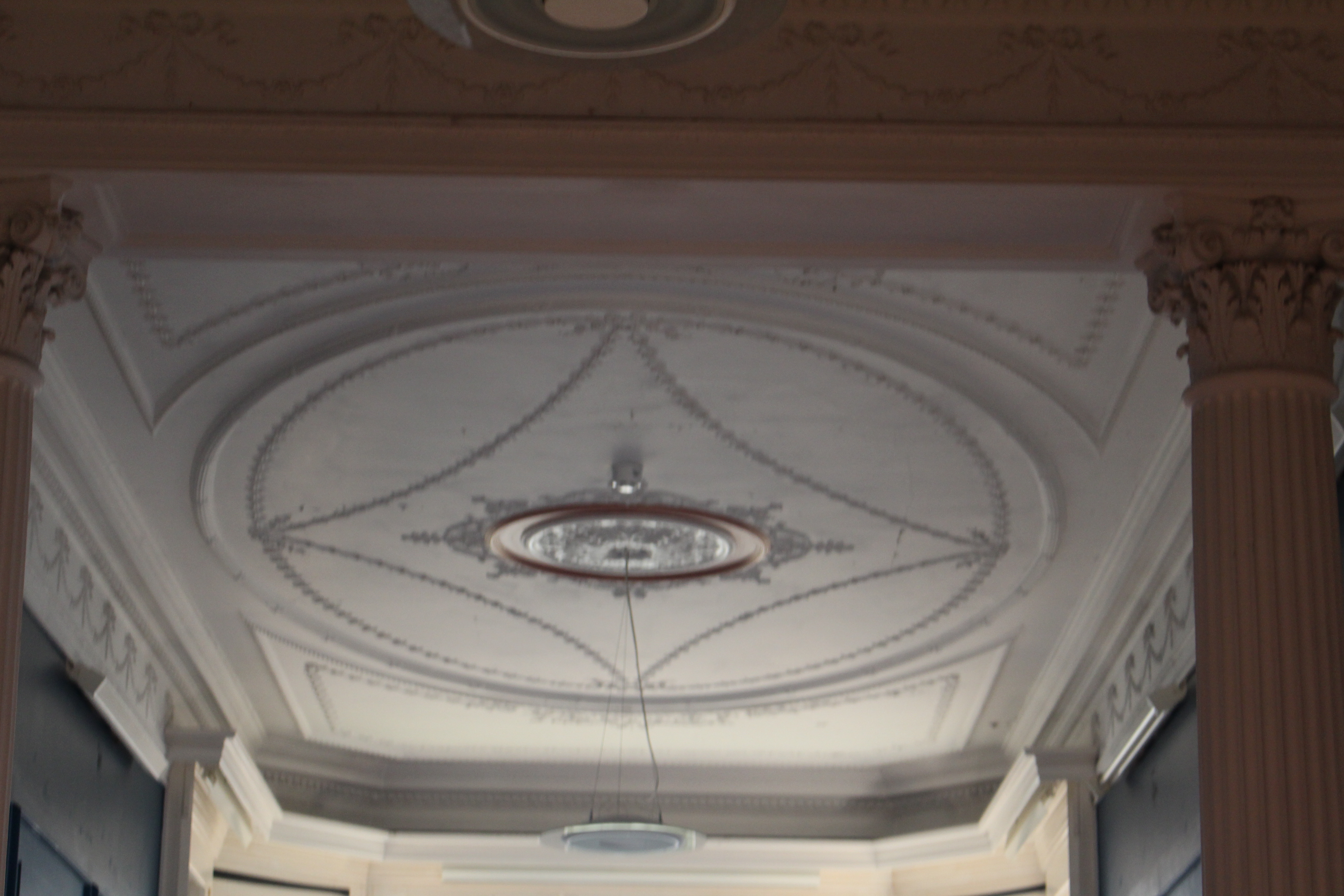
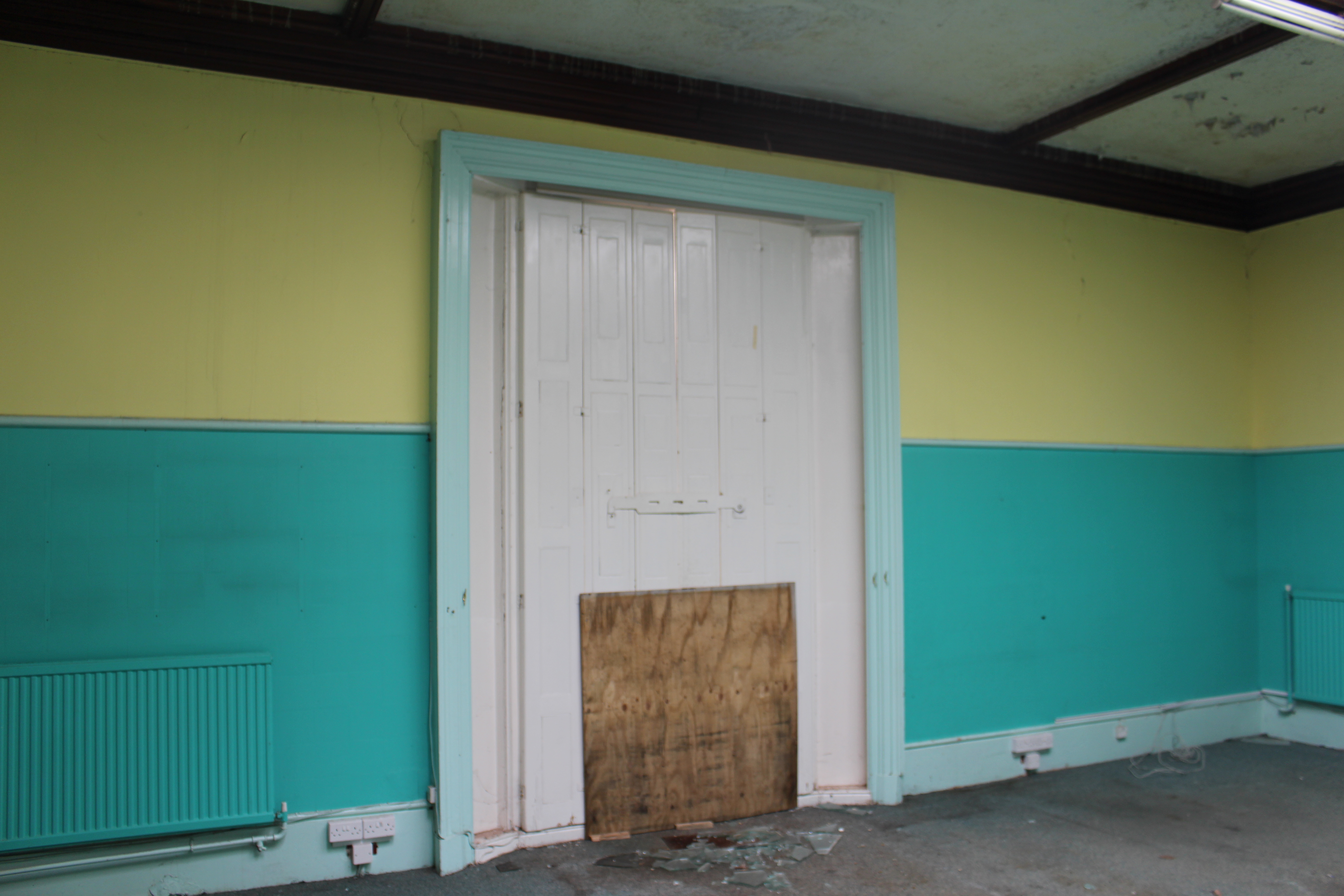
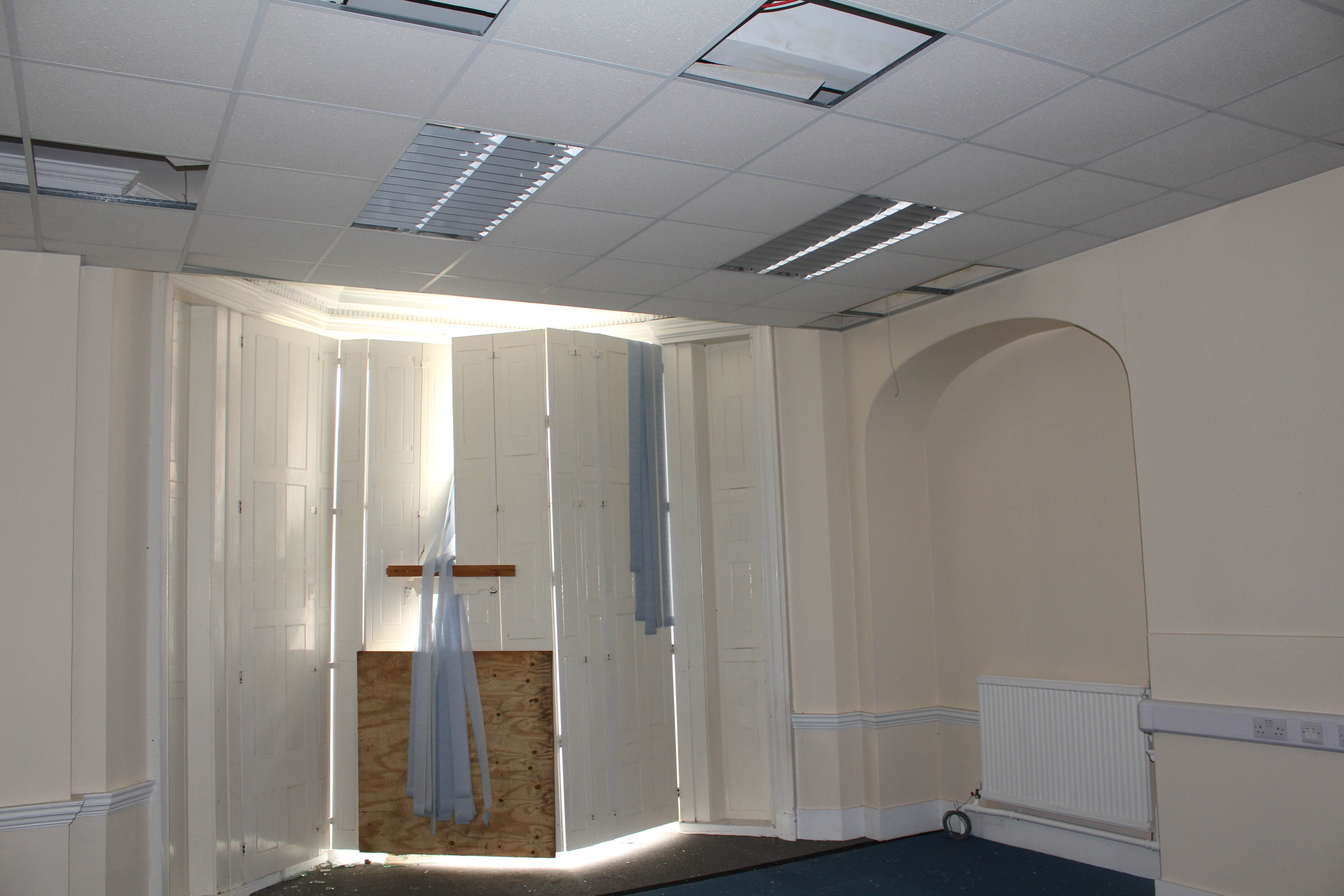
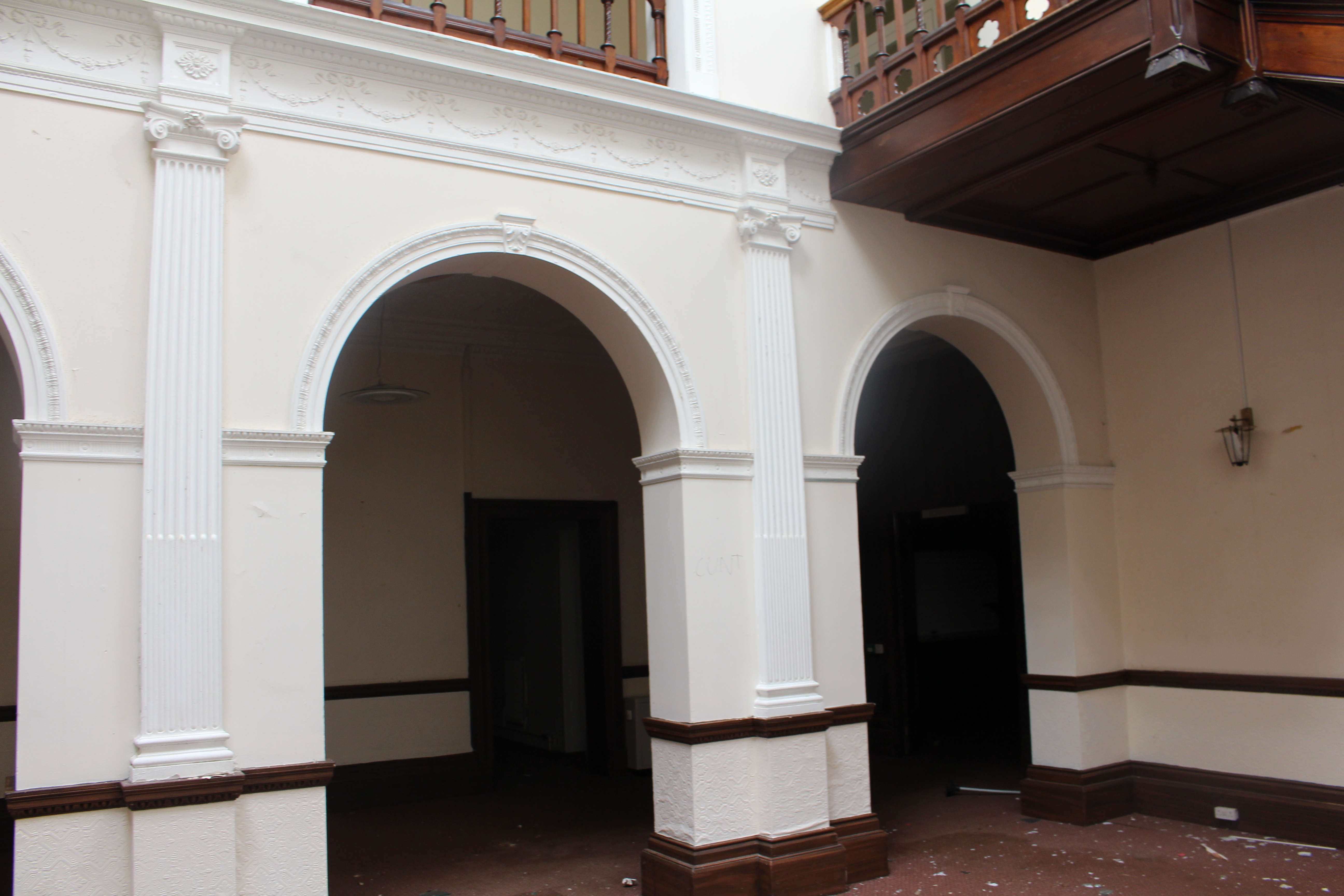
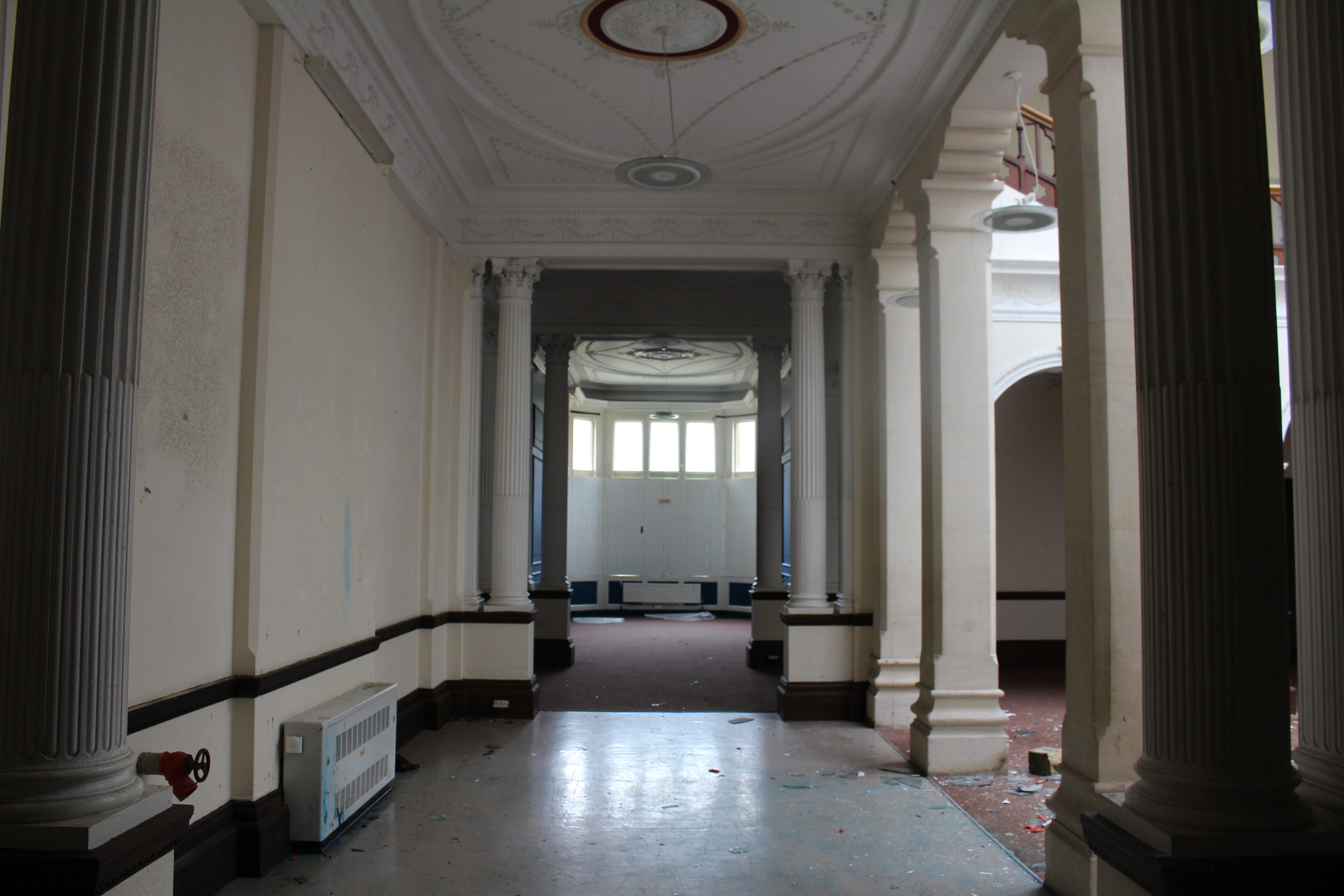
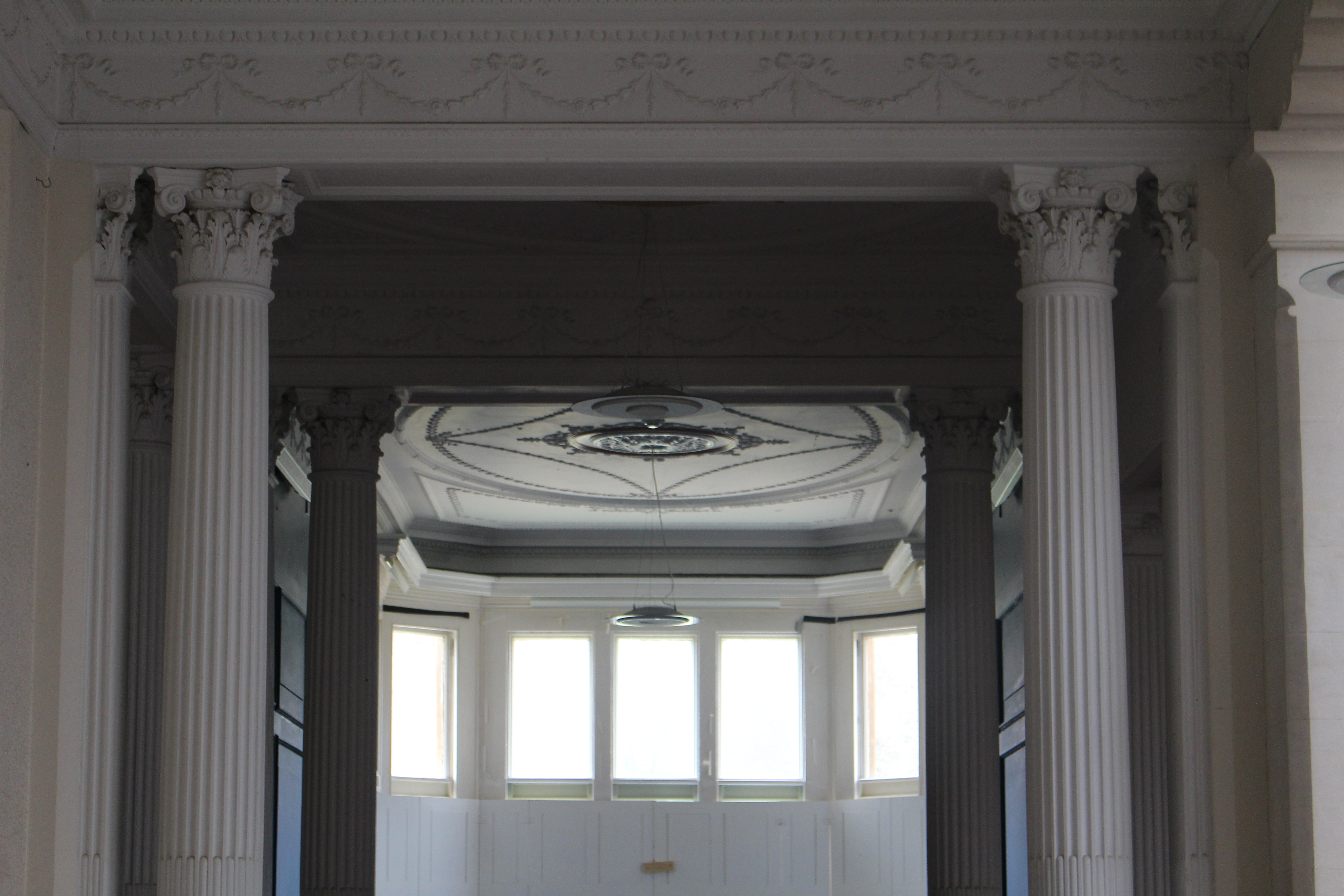
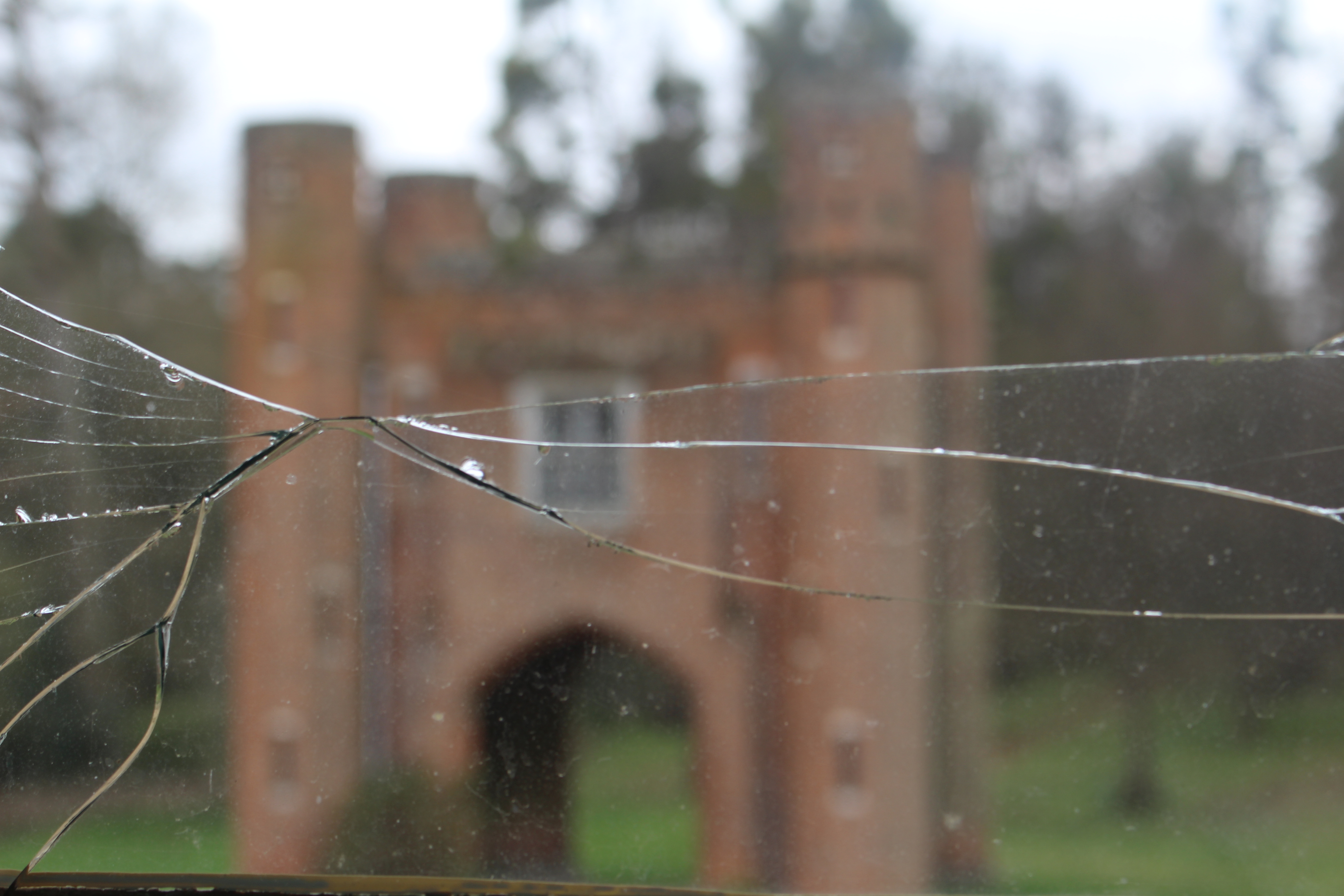
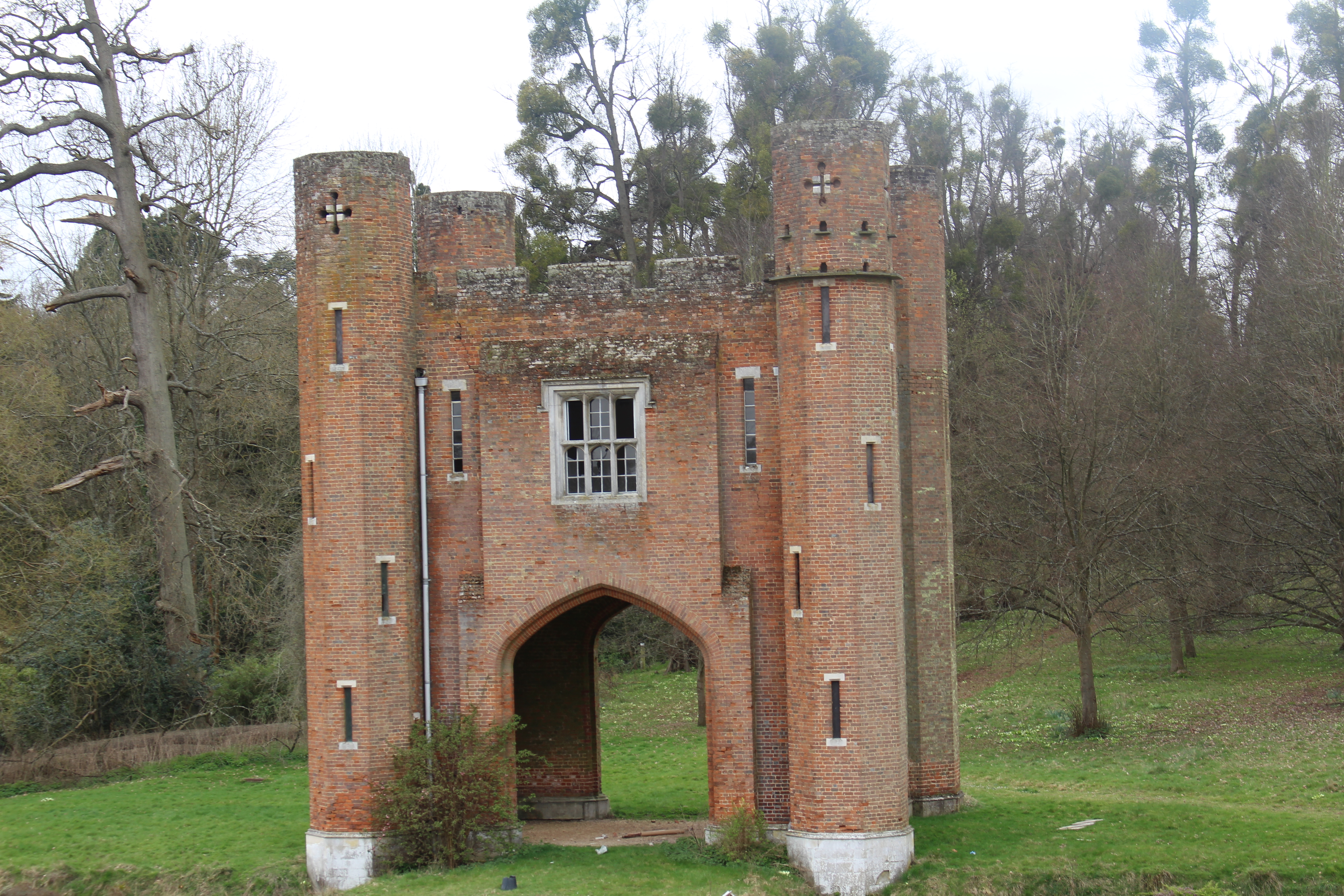
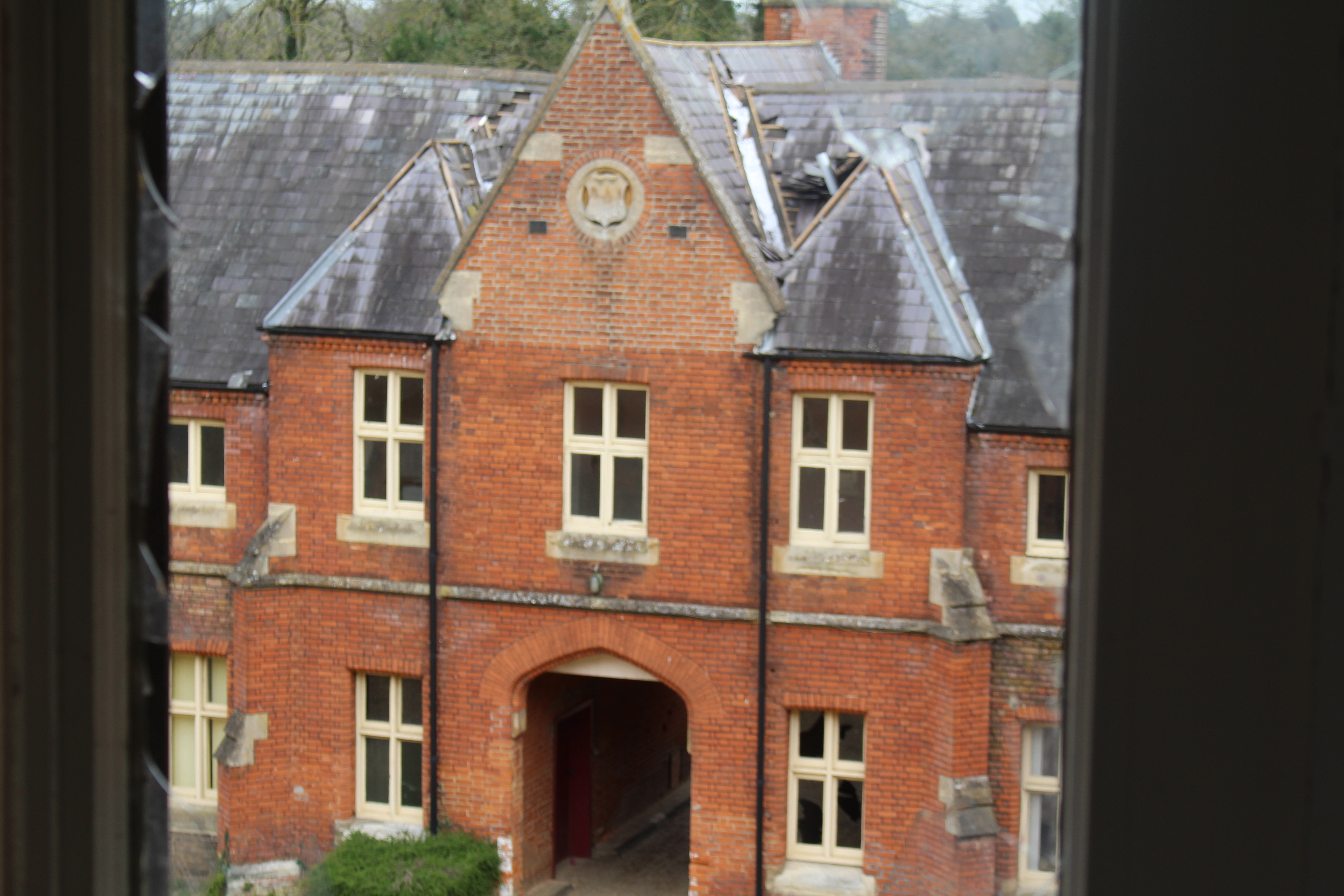
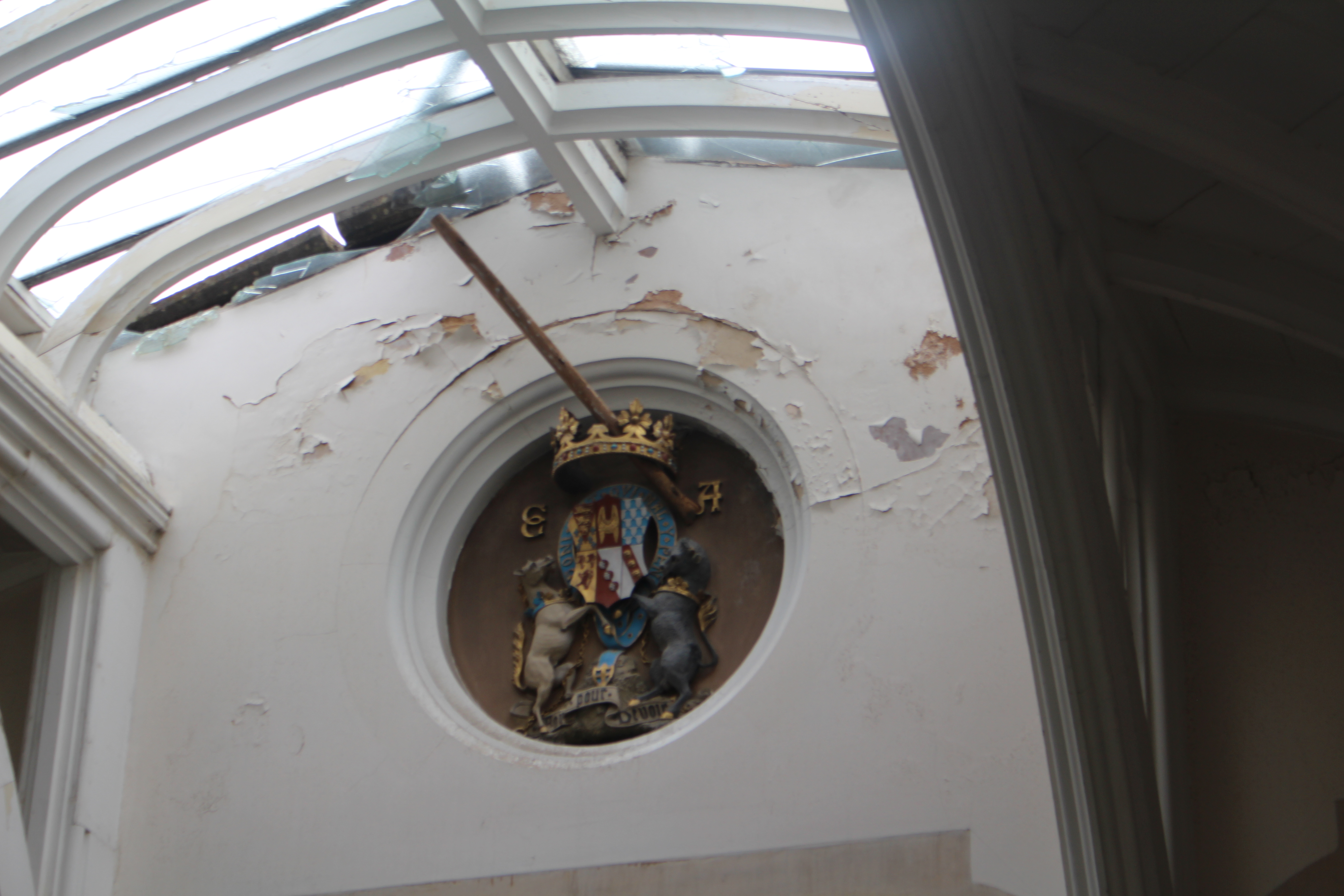
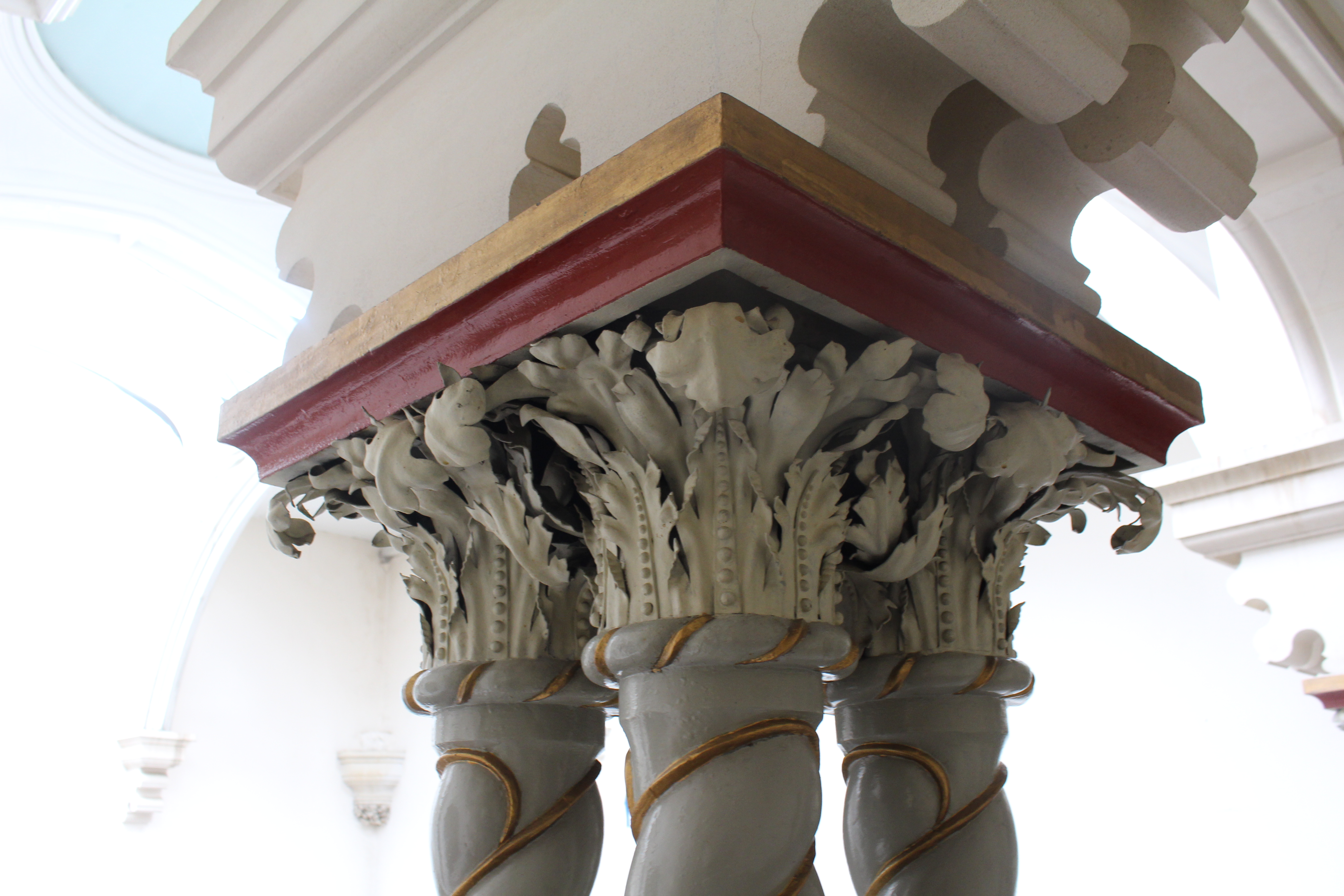
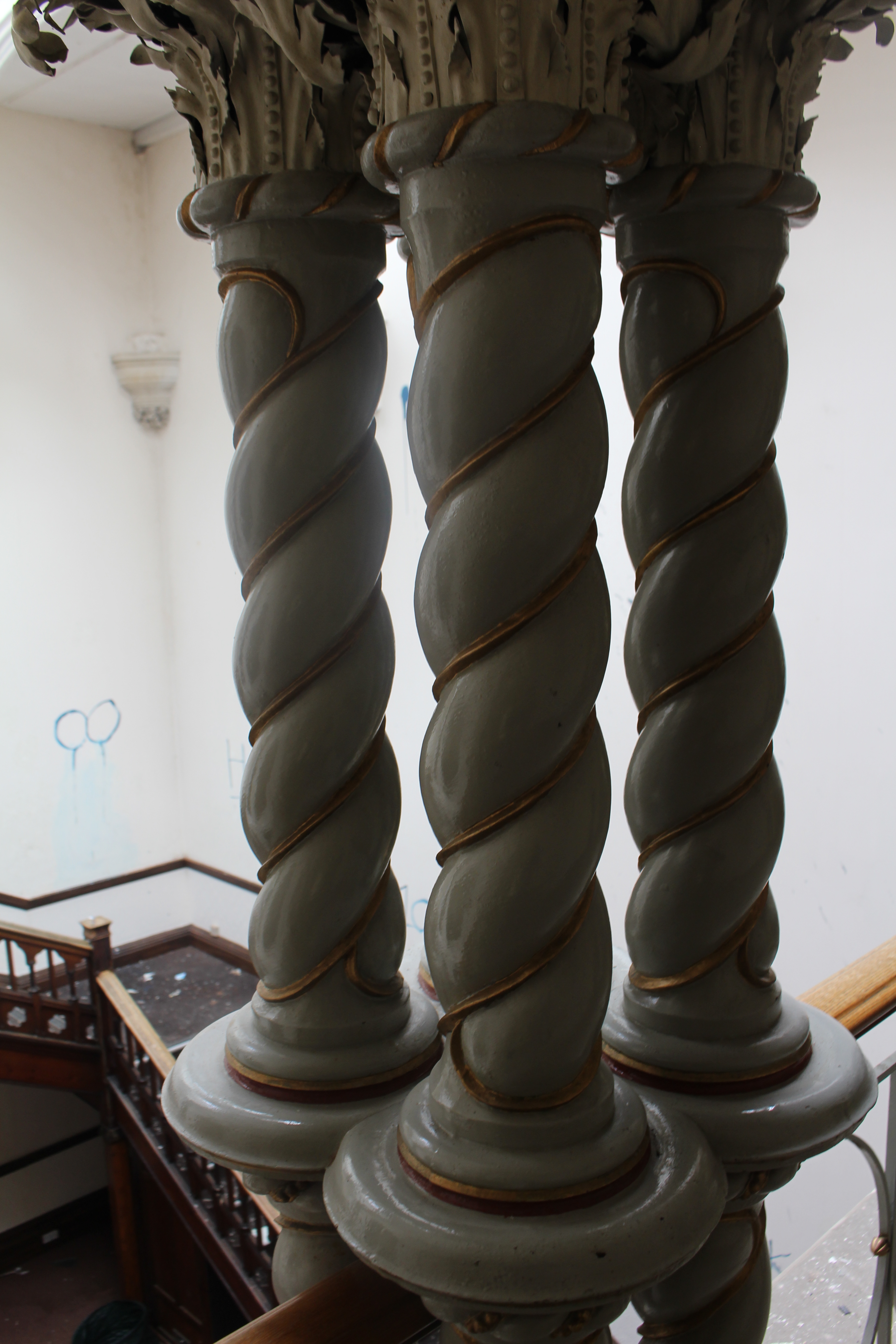
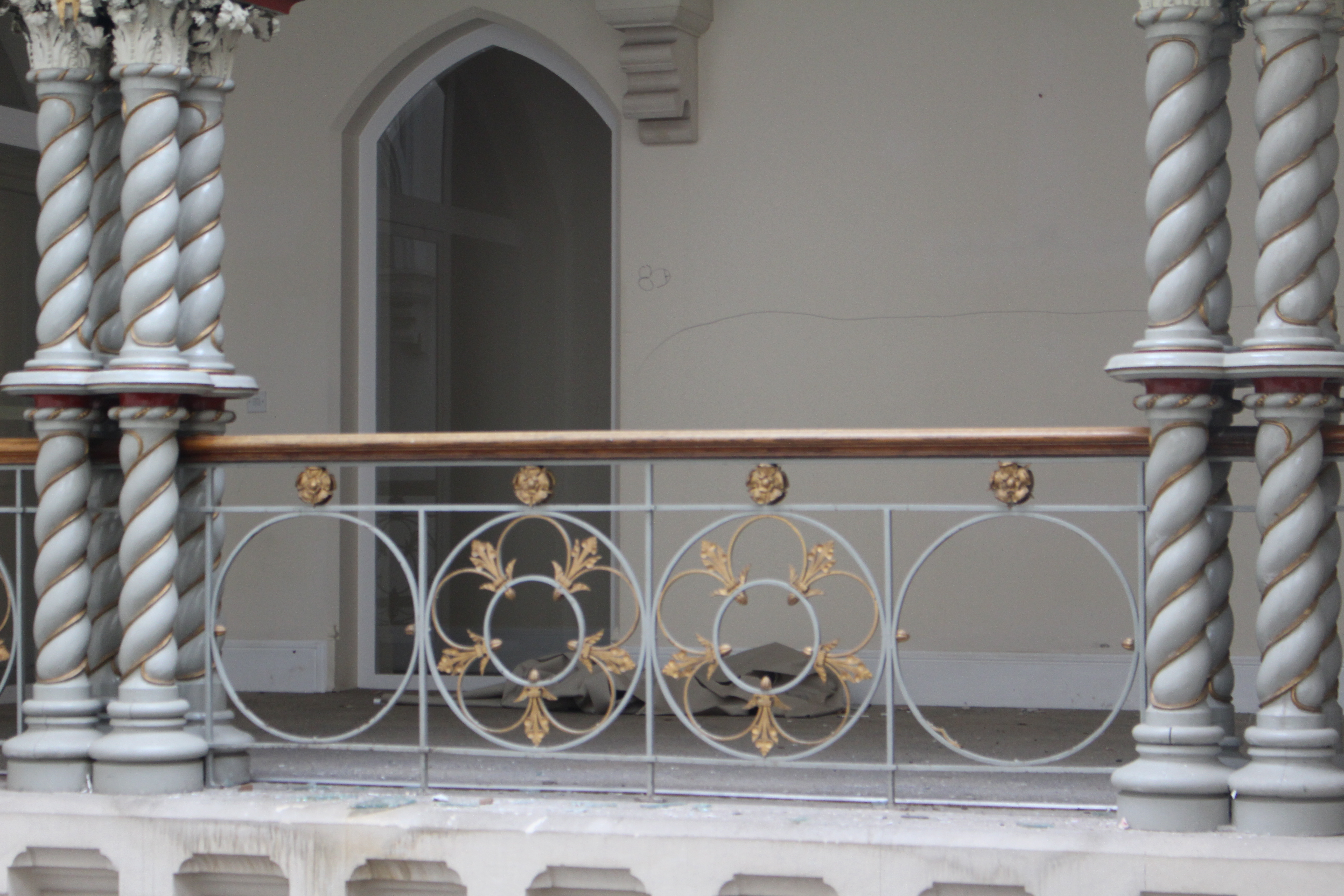
The first country house on the site was built in 1686 by Judge Jeffreys. It was subsequently sold to Hans William Bentinck, first Earl of Portland and an Anglo-Dutch aristocrat, who made it one of his principal seats. Between 1806 and 1809, the building was heavily modified by James Wyatt in the Gothic style – some of this work still survives, most noticeably the faux medieval ‘gatehouse’ which is actually a pigeon tower. Soon after this, the Earls of Portland sold the house to Edward St Maur, 11th Duke of Somerset in 1811. His son Edward Seymour, 12th Duke of Somerset, commissioned the present house which was completed by 1865. The architect was Benjamin Ferrey who had designed many notable Gothic Revival buildings at the time. The present building has a Gothic-Tudor Revival exterior with a large tower, whilst the interiors are an odd mix of Gothic Revival and Classical Revival. However saying that, the interiors have been butched by 20th century alterations and then subsequent damage from local youths when the site became derelict. There is a nice Venetian twist to the architecture in the form of a covered loggia facing the gardens.
The Explores:
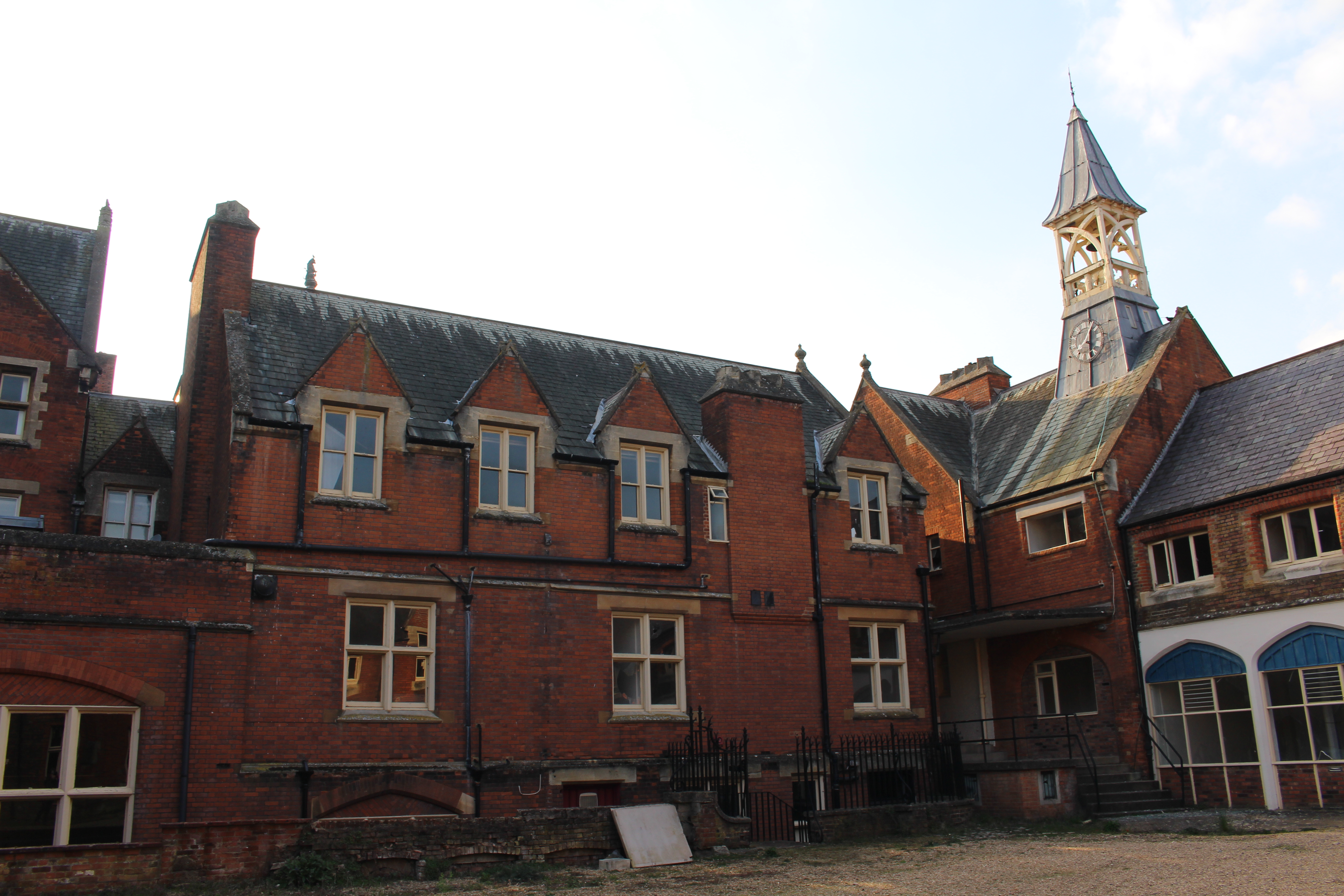
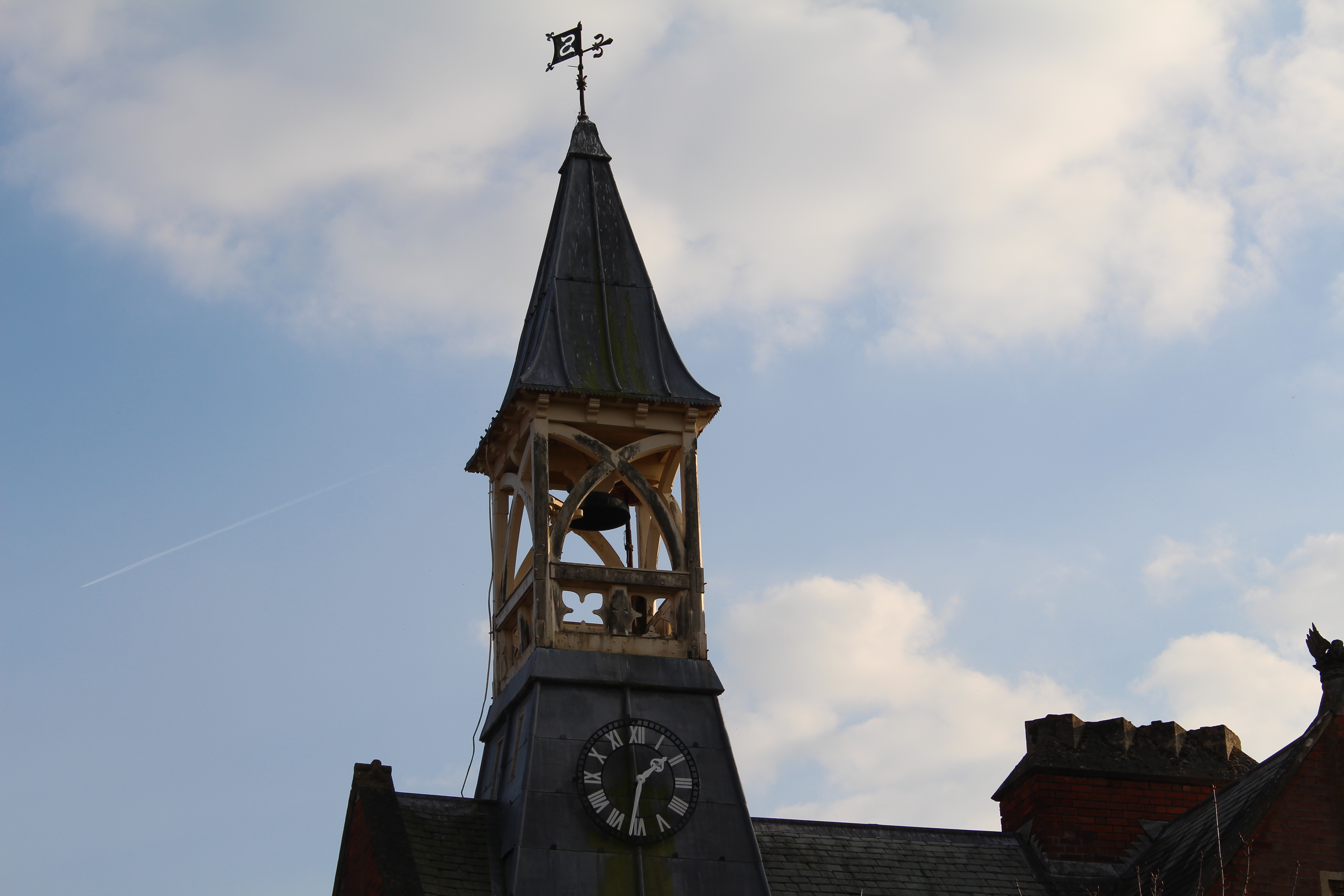
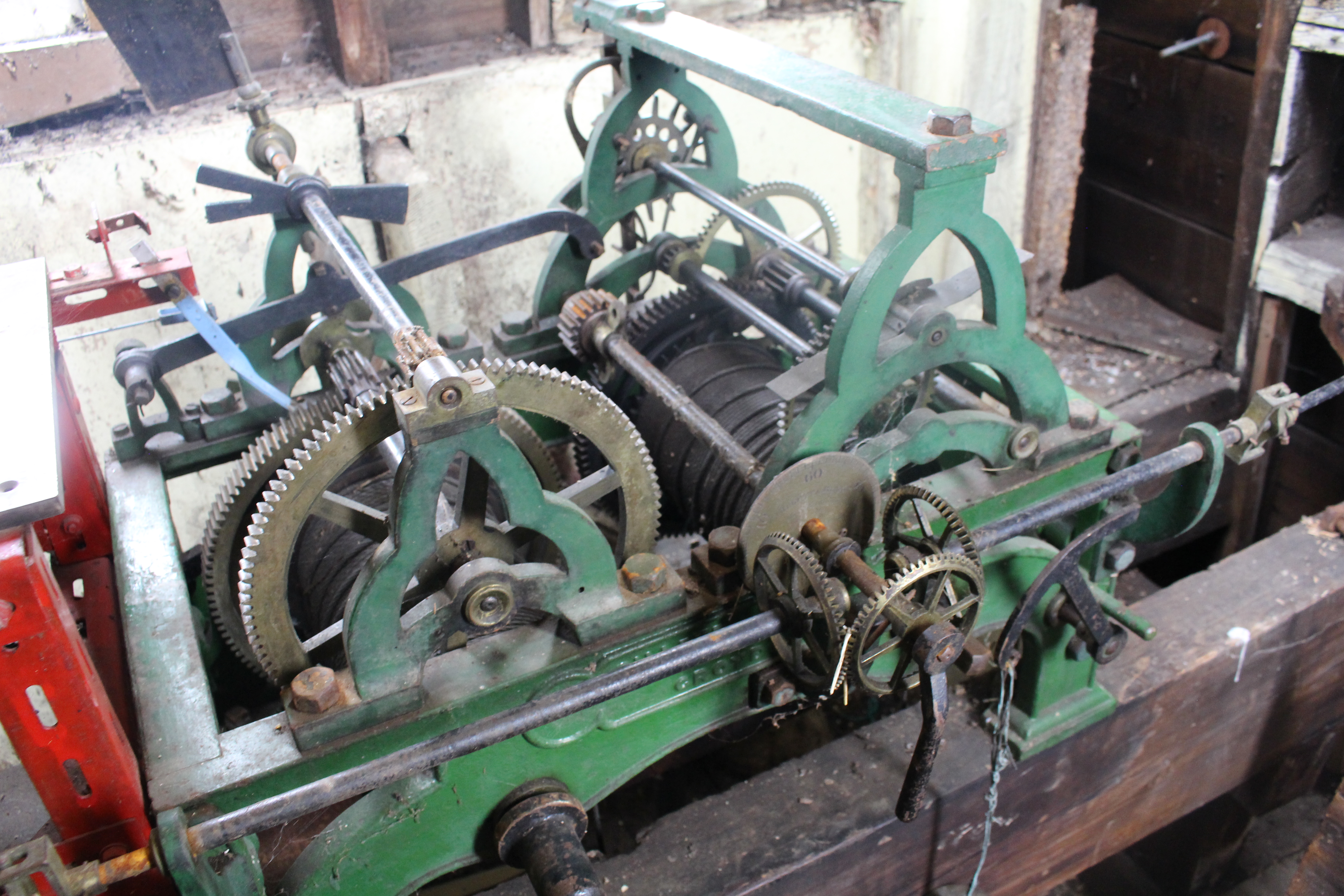
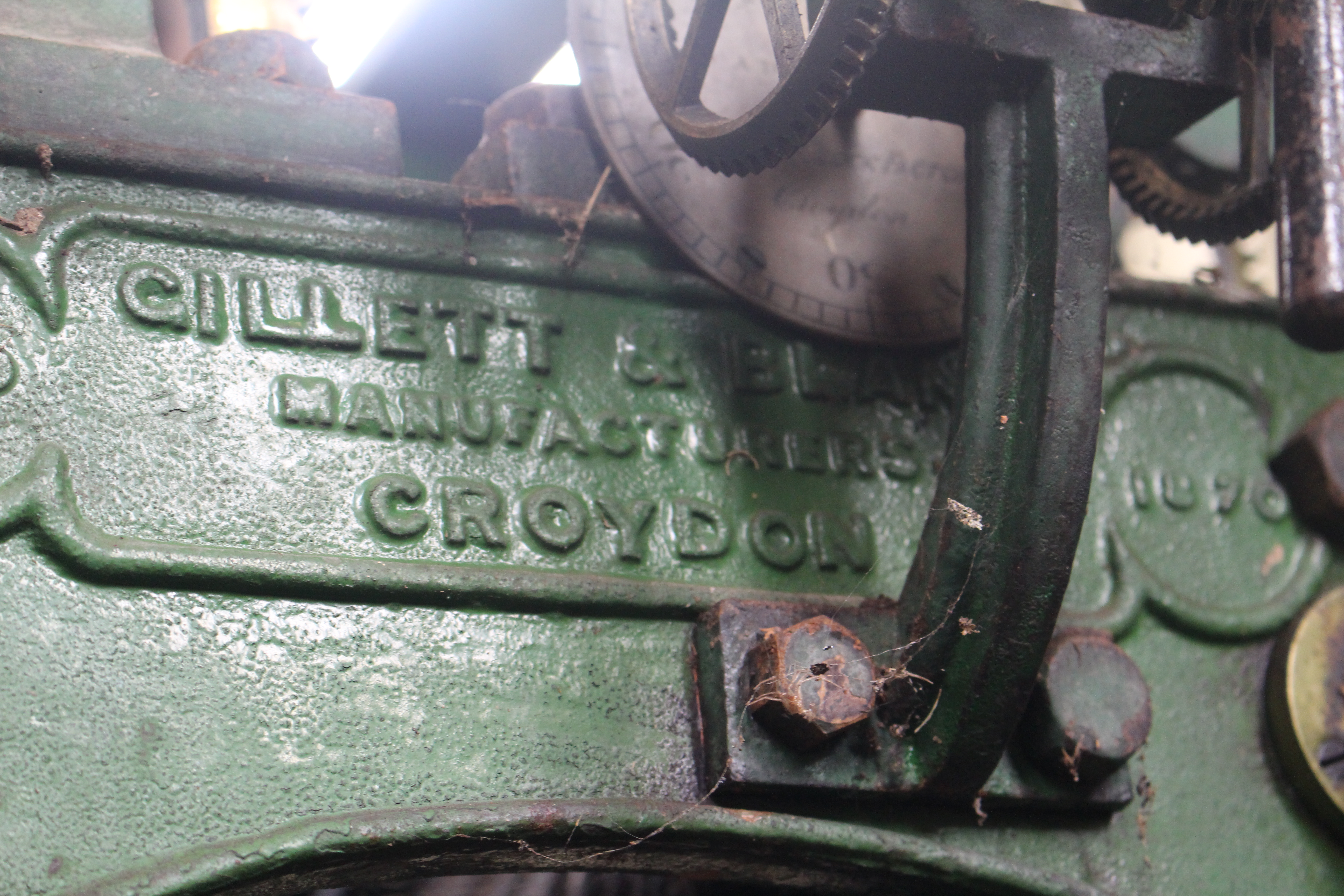
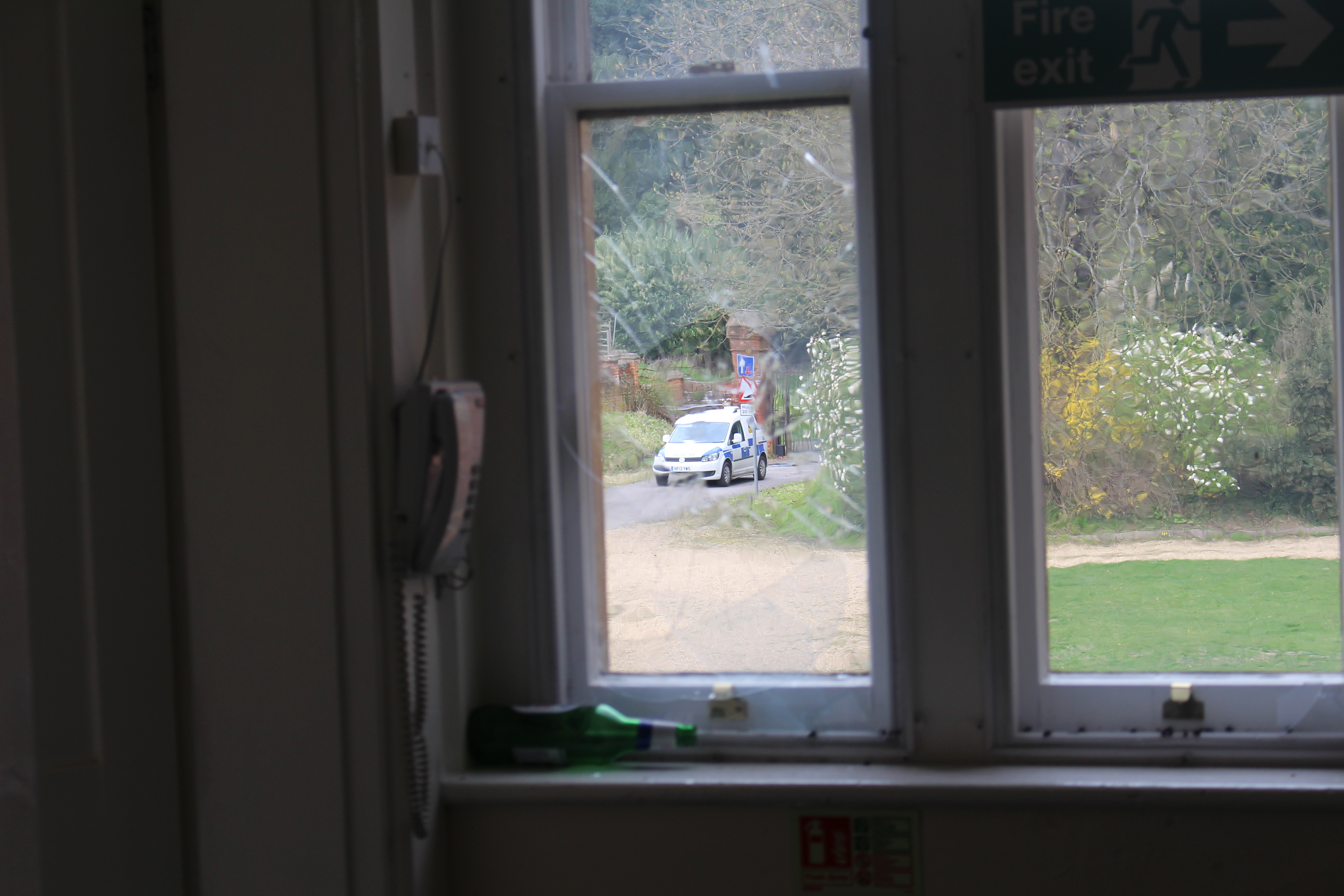
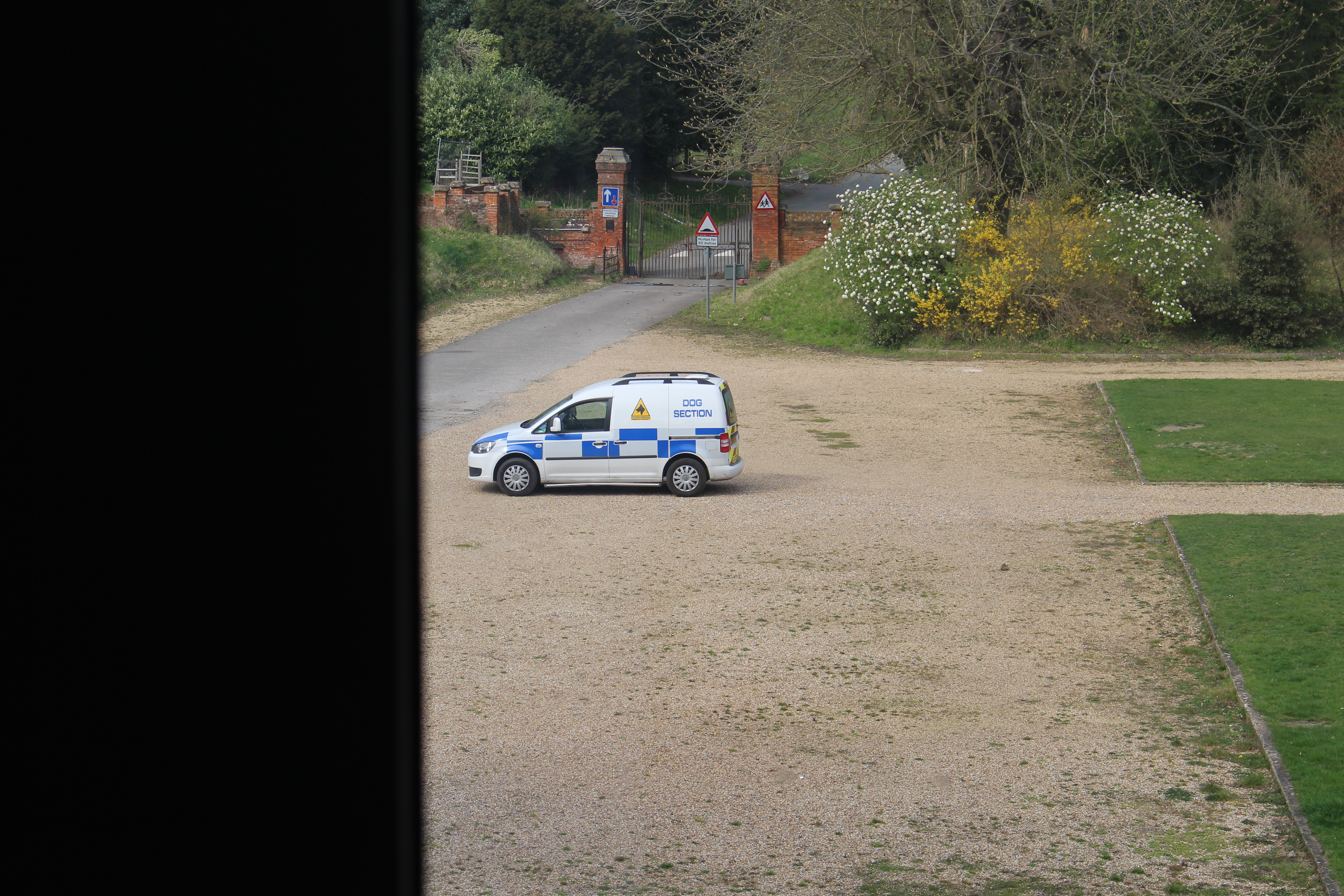
I first went to Bulstrode armed with my camera in 2019. I got there and all was good and pretty quiet with not much sign of security. I began to explore this vast building and had quite a lot of fun doing so. All in all it took me about two and a half hours to cover it at a nice slow pace. I found many interesting things, including a clock made by Gillett & Bland of Croydon in 1870 with a hemispherical bell also cast by them – I’m a church bell ringer so this was quite interesting to me. It was evident that the hemispherical bell was a replacement for an actual bell as there was evidence of the original bell’s hanging fittings left in the clock turret. This company is very famous among church bell ringers like myself as they were a bell foundry from between the 1880’s and the 1950’s. Notable examples of Gillett & Johnston (their bellfouding name and successor) are Hillingdon, Watford, Preshute, Whitchurch-on-Thames and Newport Pagnell. However, as I was walking around I saw a VW Caddy with security decals hanging around. Hmm, time to sit tight somewhere…! So I did that and had some lunch and was promptly caught by security who turned out to be a very very nice guy.
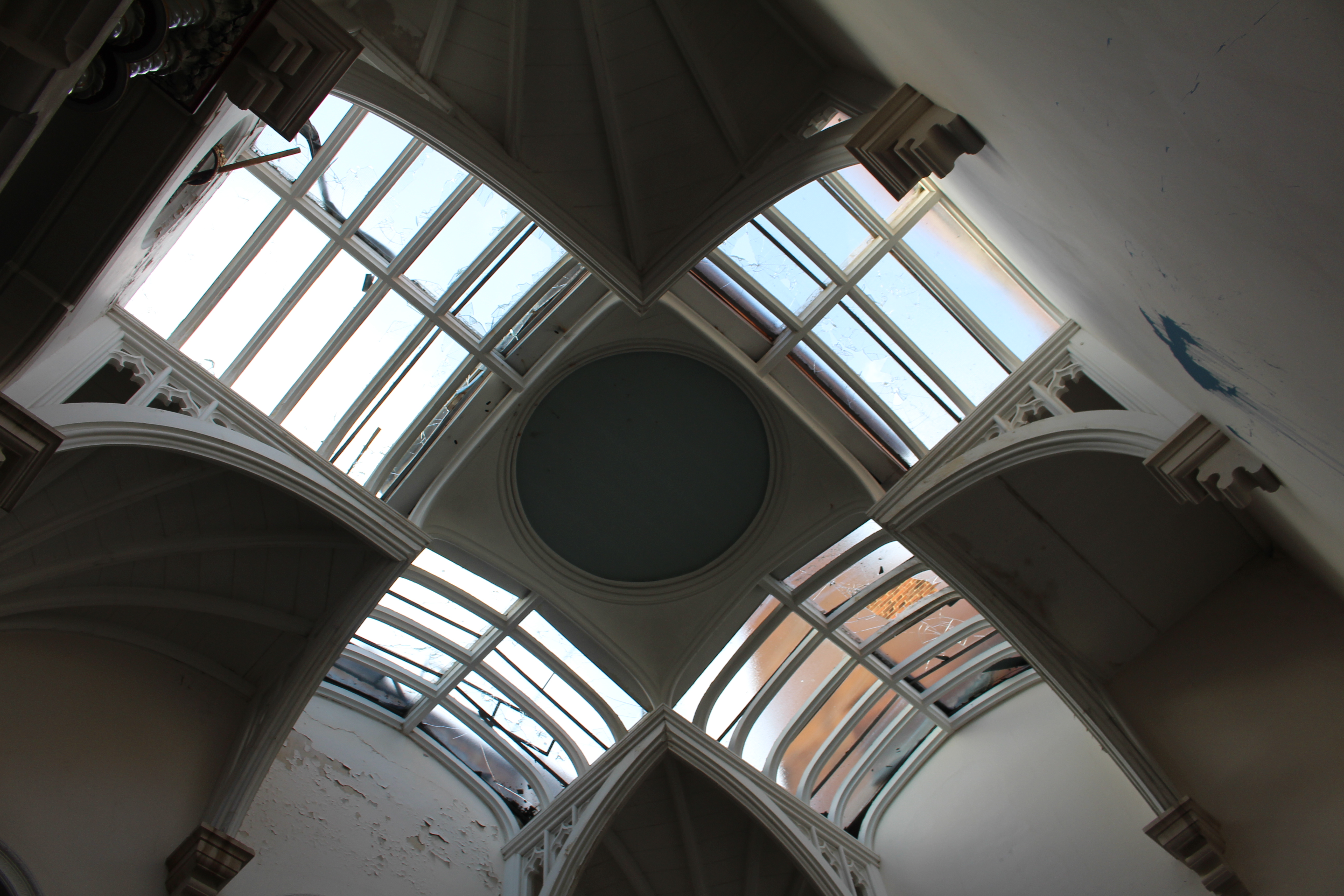
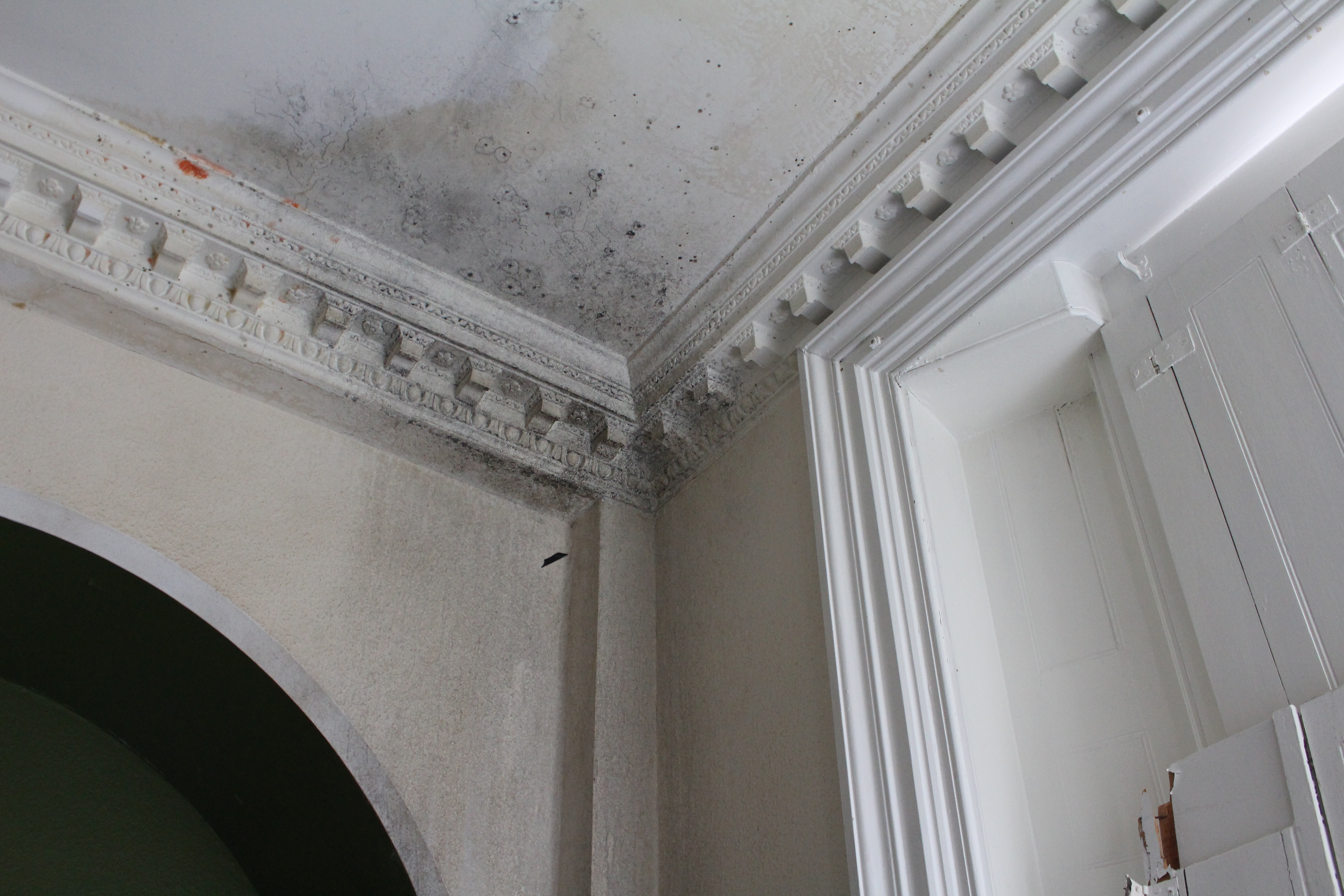
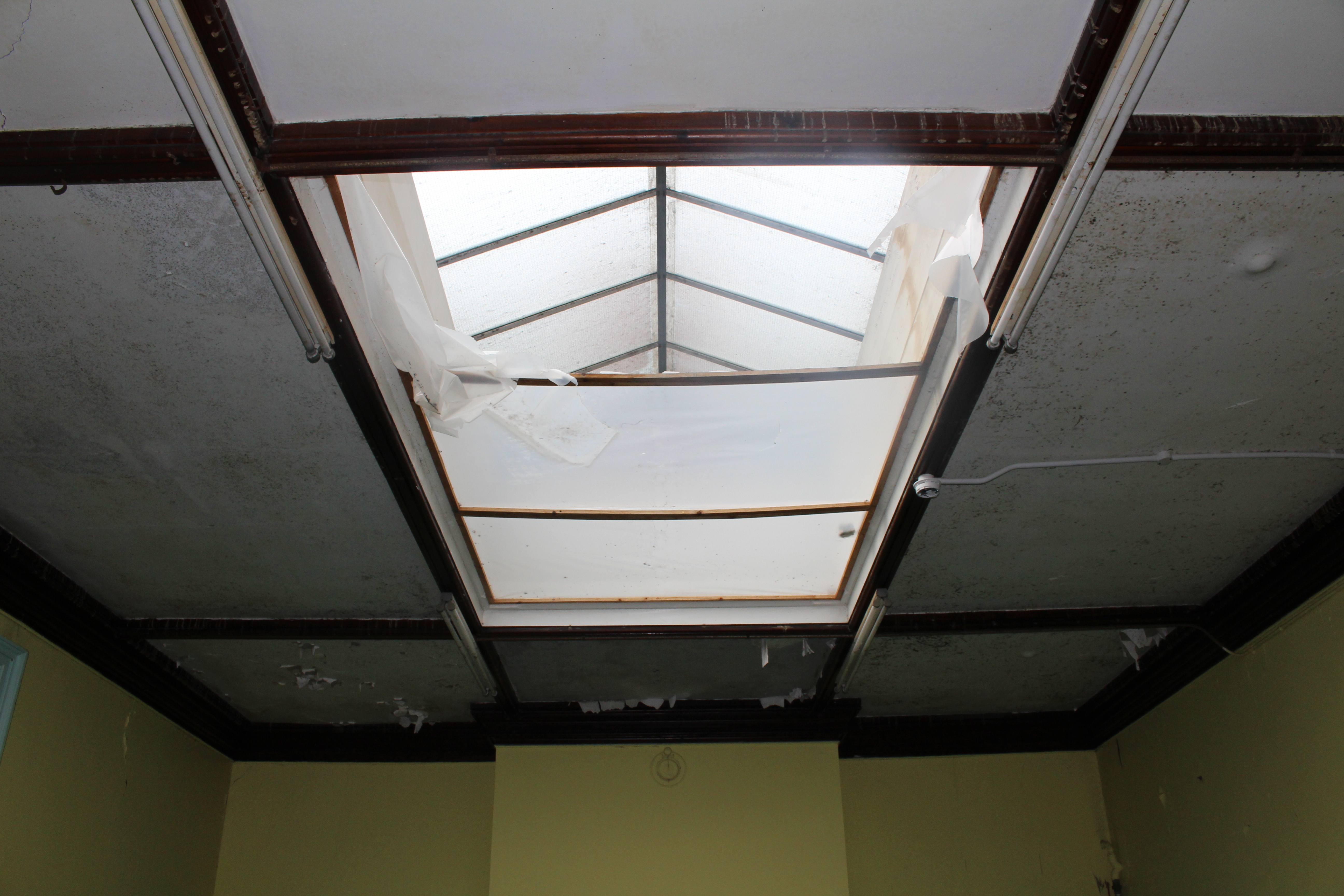
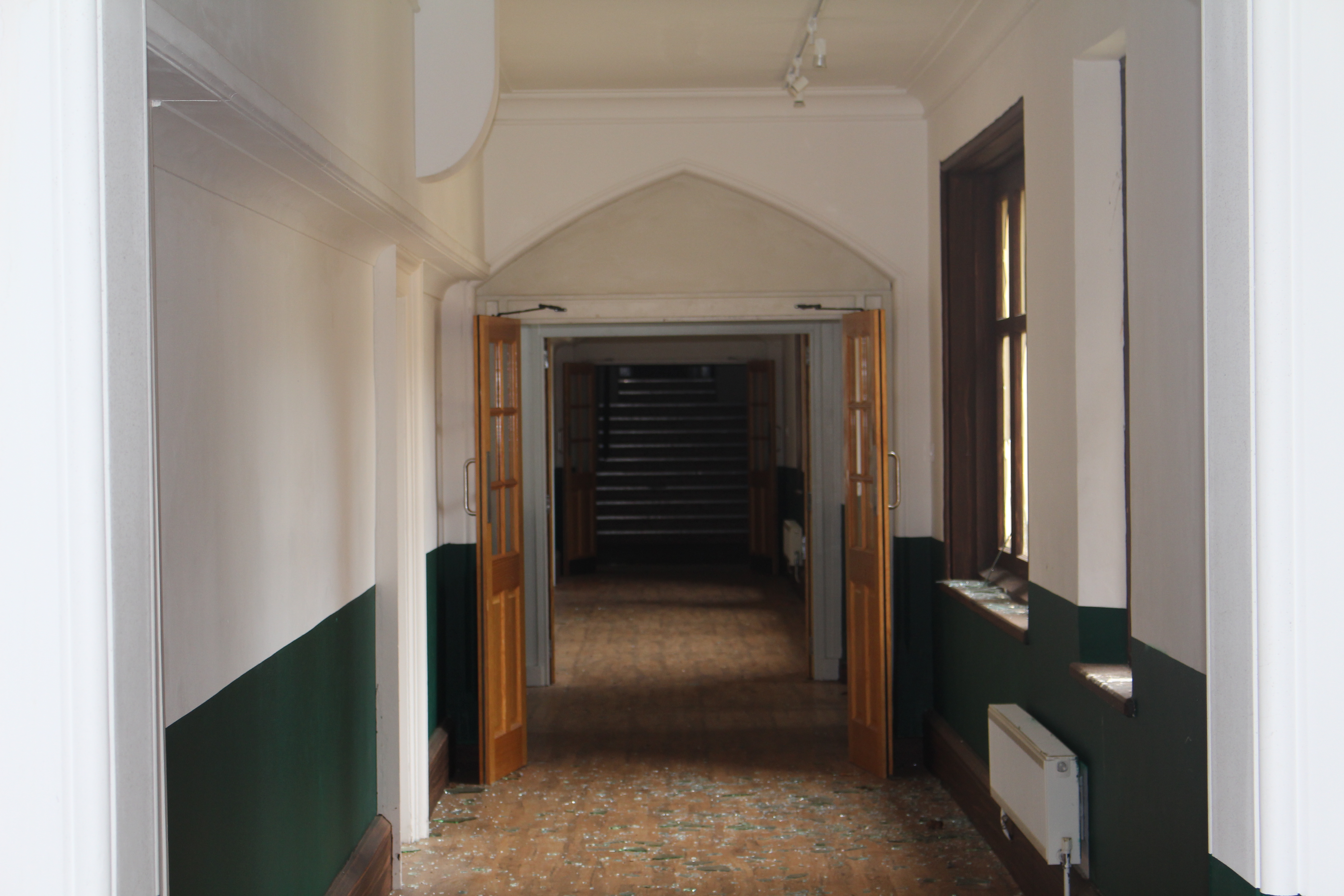
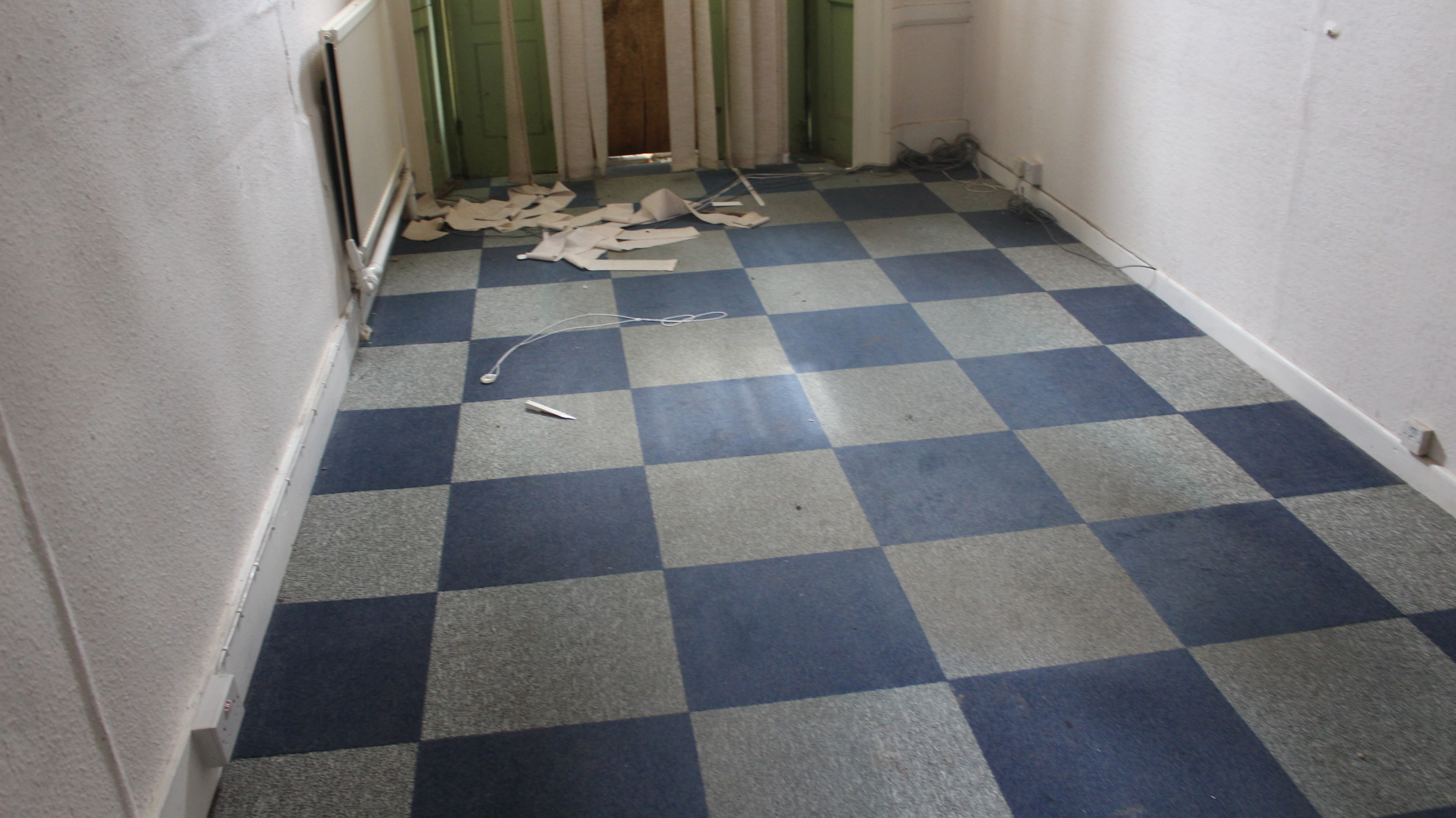
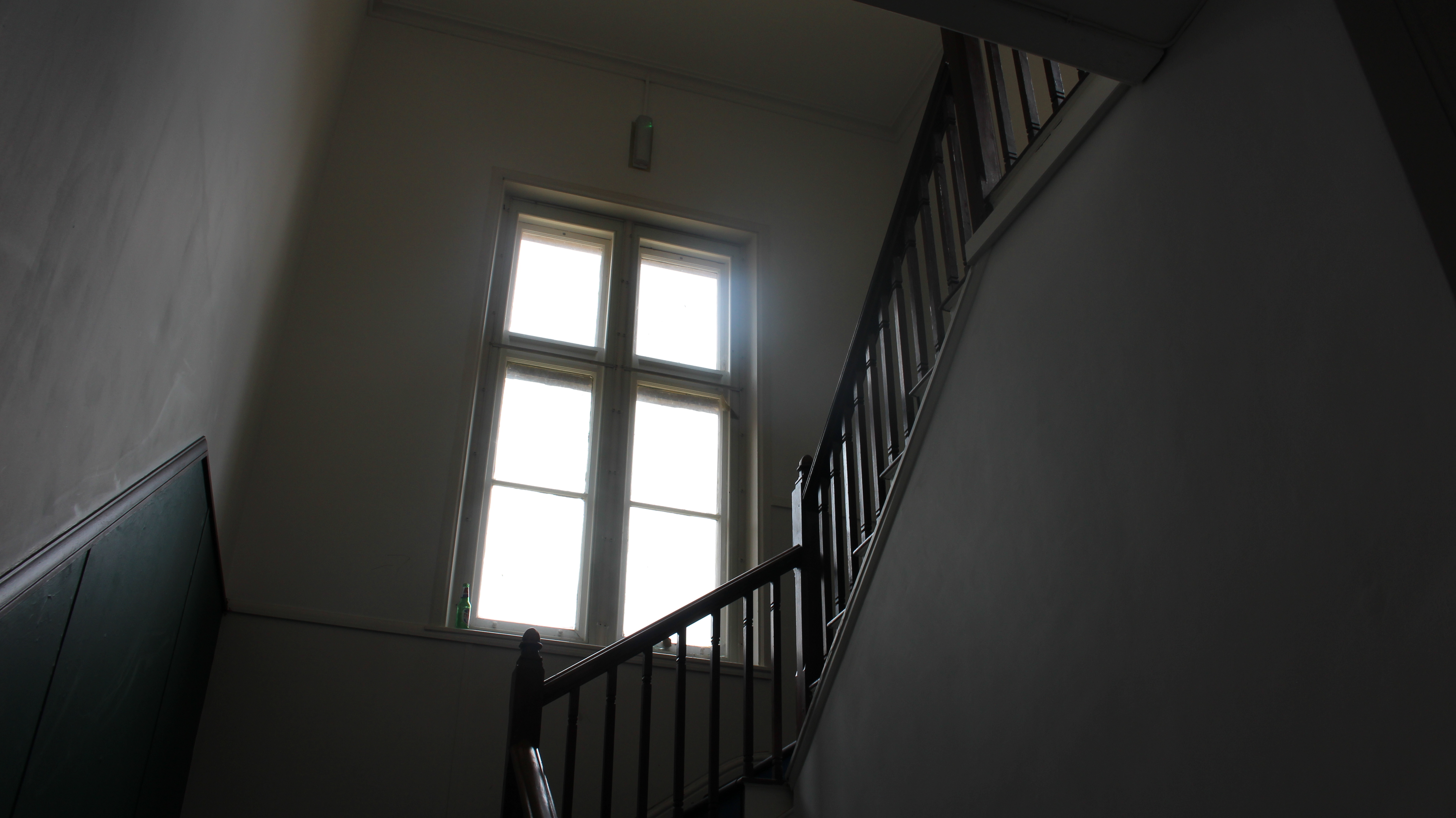
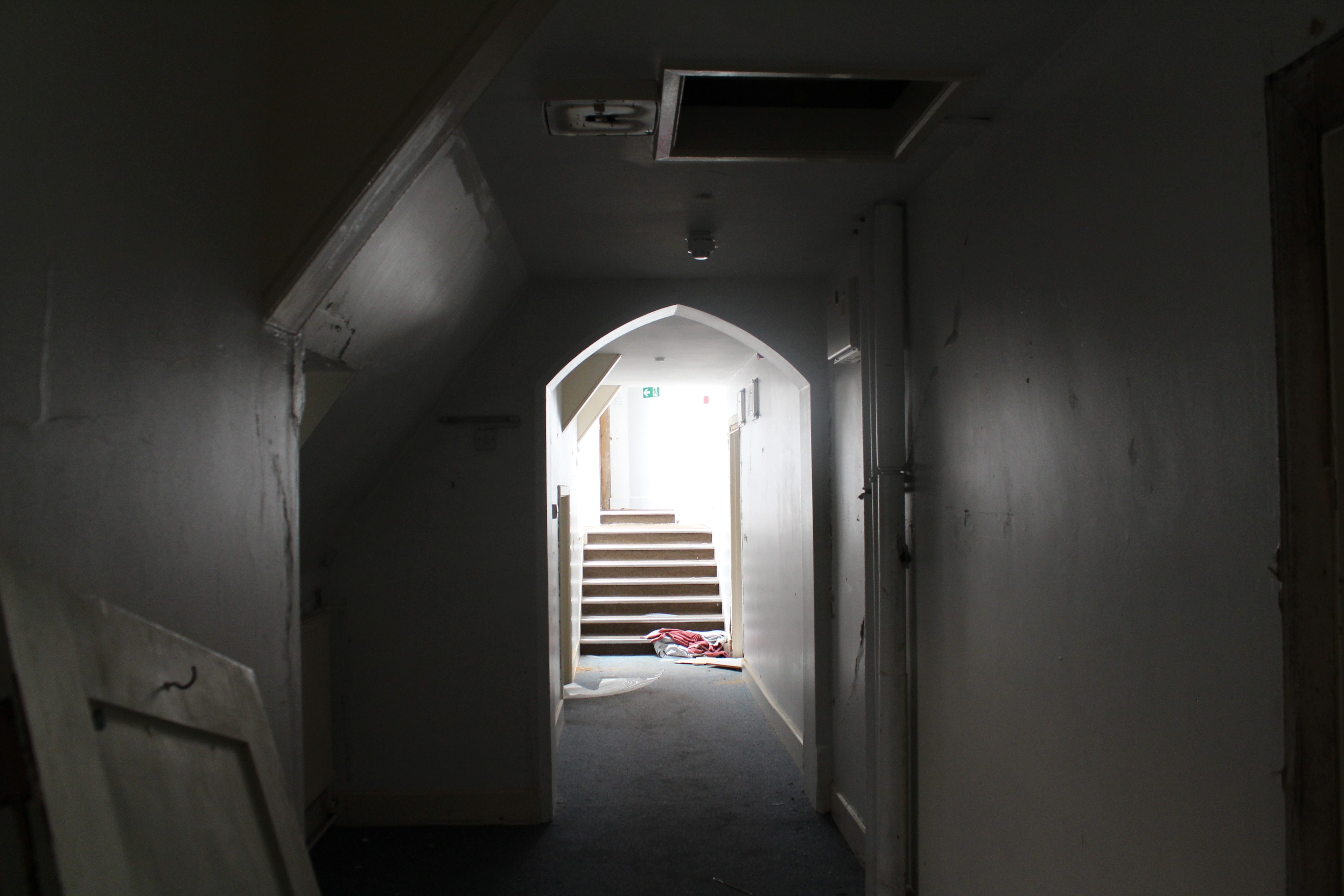
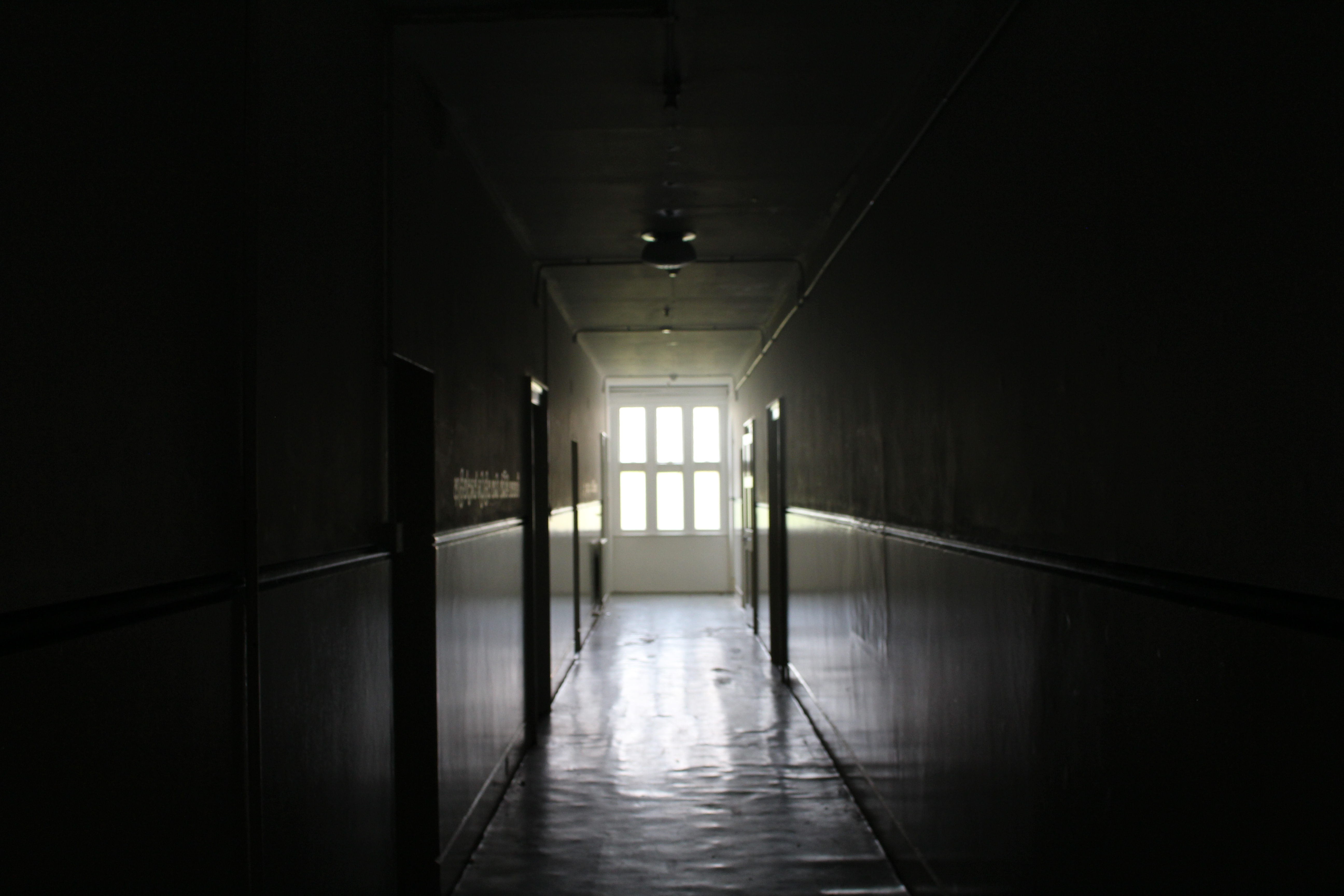
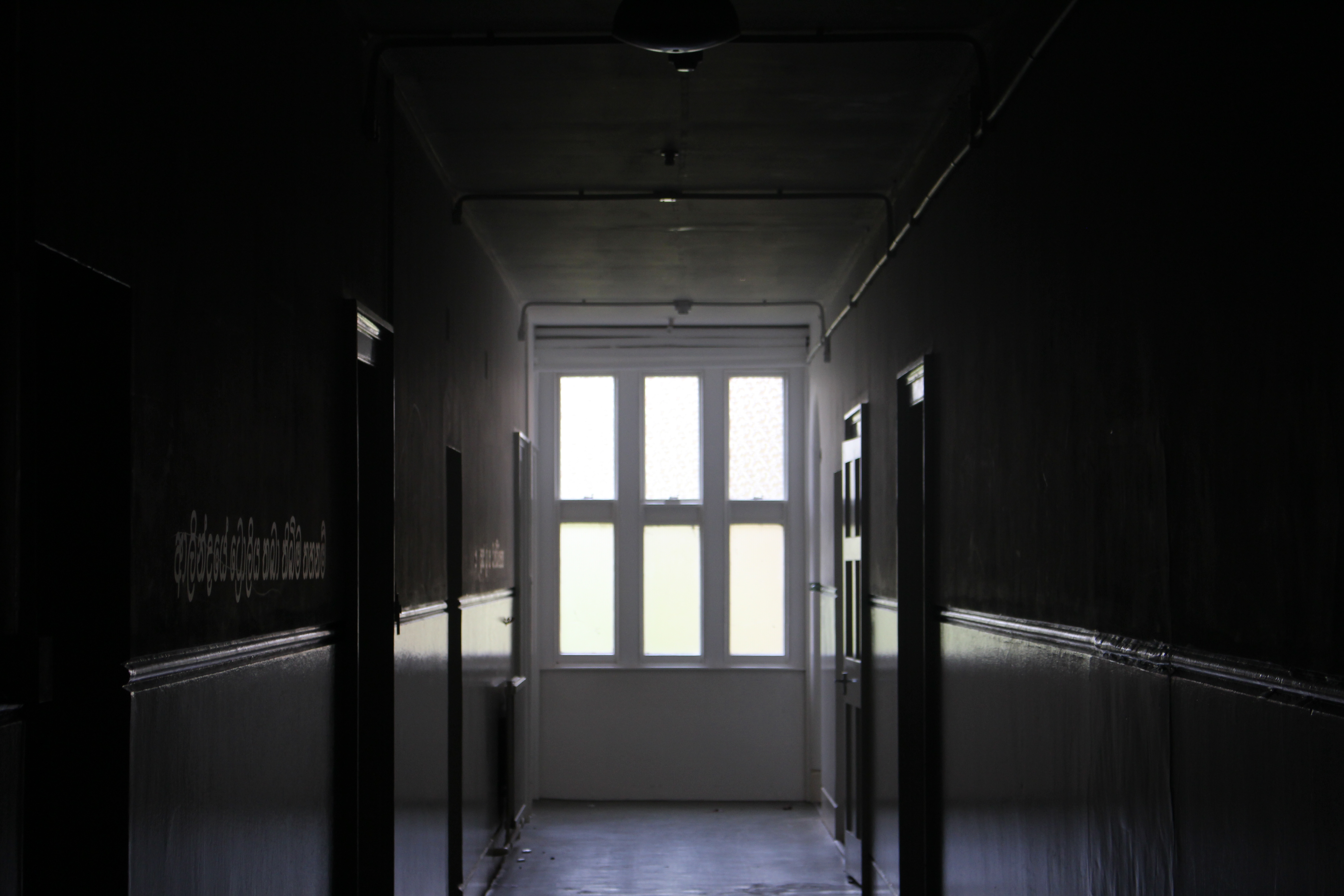
I returned to this location with my friend Landie_Man in 2020 who had previously attempted to explore this site but had failed. The exterior is shrouded in scaffolding which could only mean development is to begin very soon. I was pretty sad to find the interior had decayed ENORMOUSLY since my last visit. The pristine staircase and many corridors were infested with mould and damp. The beautiful plasterwork that had survived had decayed and begun to crumble. Whilst there, we had a close one… the close call with security I have decided to name “The Hammer 2”! All went fine until security decided to do a round and hammer the walls to scare us out – we’d set off guard dogs (chained up) so they knew someone was around. We hid in the clock tower and the guard was banging around below us and came part way up there stairs. I hid to the side in the gloom where the pendulum to the clock was and Harry hid in the clock chamber itself which was above us. Security stuck his head into the stairwell area, banged his hammer about and shone his torch up and missed my face by about two inches. How he didn’t see us is beyond both of us. Absolutely miraculous.
After this little event, we stayed put for a little while and then made our way around what remained of what was to see and then left. Another nice little explore.
Externals:











Internals:












 Shadow Dragon