Broadmoor Hospital
August 2025 | England | Extant
The UK’s oldest and most notorious psychiatric hospital.
***
| Name | BROADMOOR HOSPITAL |
| Previous Name(s) | BROADMOOR CRIMINAL LUNATIC ASYLUM |
| Architect | SIR JOSHUA JEBB |
| Layout | CORRIDOR |
| Opened | 1863 |
| Closed | 2019 (partial) |
HISTORY: Broadmoor Hospital is one of three high security psychiatric hospitals in the UK for the criminally insane. Broadmoor was the first such hospital to be built. In 1856 the Lunacy Commissioners announced plans for a purpose-built state asylum for “criminal lunatics,” replacing ad-hoc use of prisons and general asylums. Parliament then passed the Criminal Lunatics Asylums Act 1860 to provide for such institutions. The first of these criminal lunatic asylums was the Broadmoor Criminal Lunatic Asylum at Crowthorne, Berkshire. It was the first purpose-built state criminal asylum and was designed by Sir Joshua Jebb, the prison surveyor best known for Pentonville Prison. The main range (men’s) stood on the crest of a south-facing ridge; a smaller, self-contained women’s range sat to the east, with the Medical Superintendent’s house between them. The whole ensemble was planned with enclosed airing courts, long southward views, and a vast, high-walled kitchen garden on the slopes below.
Below: Broadmoor Hospital as it was before modernisation.

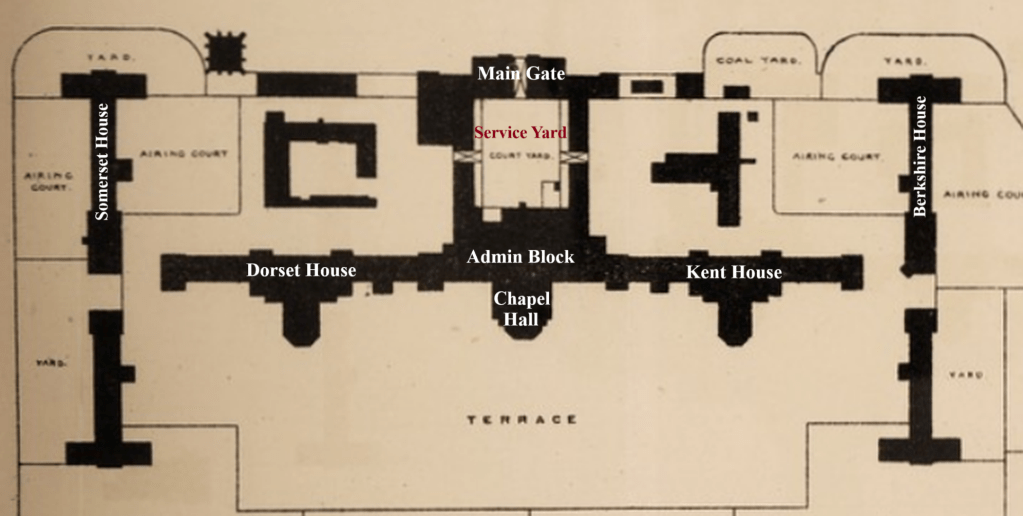
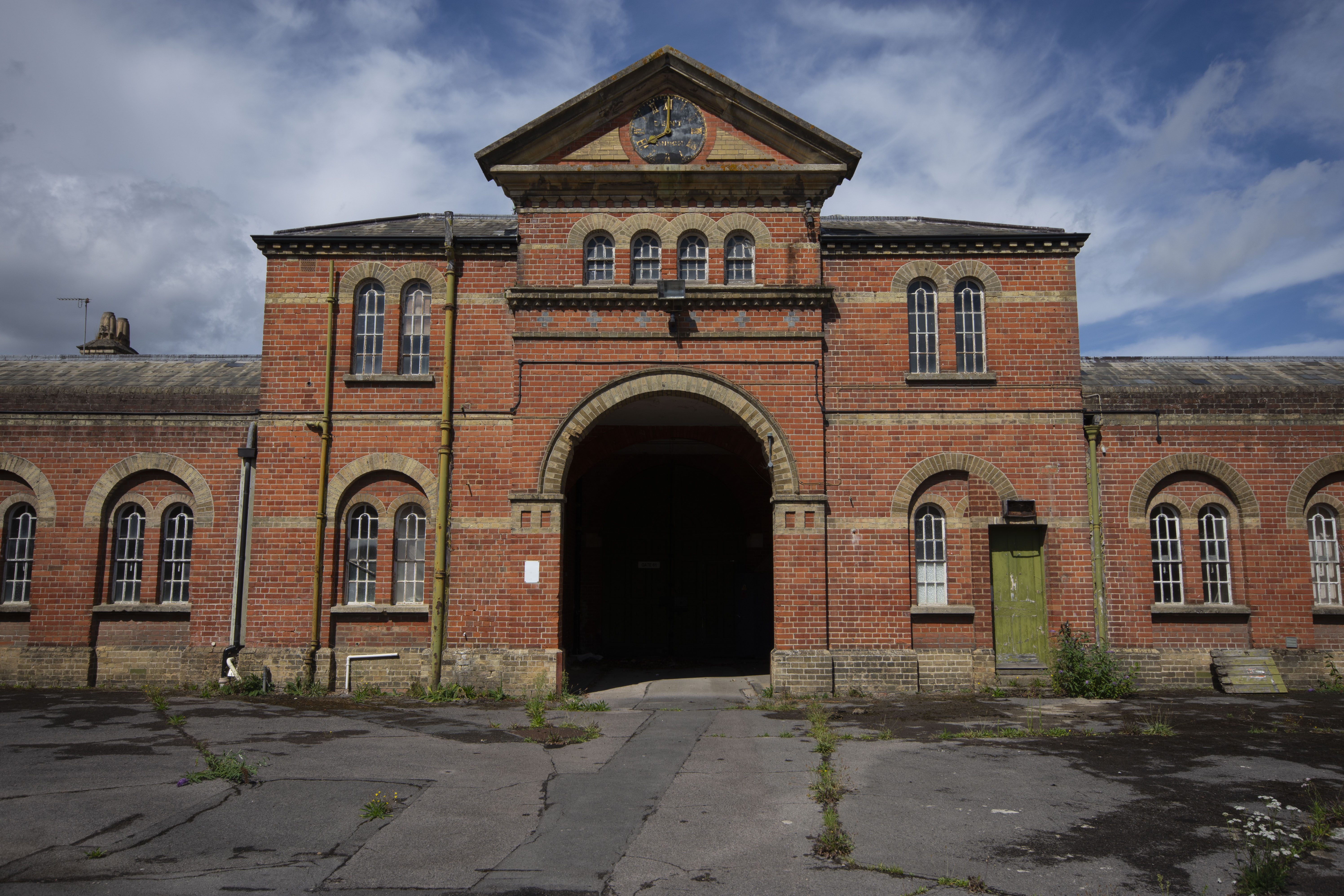
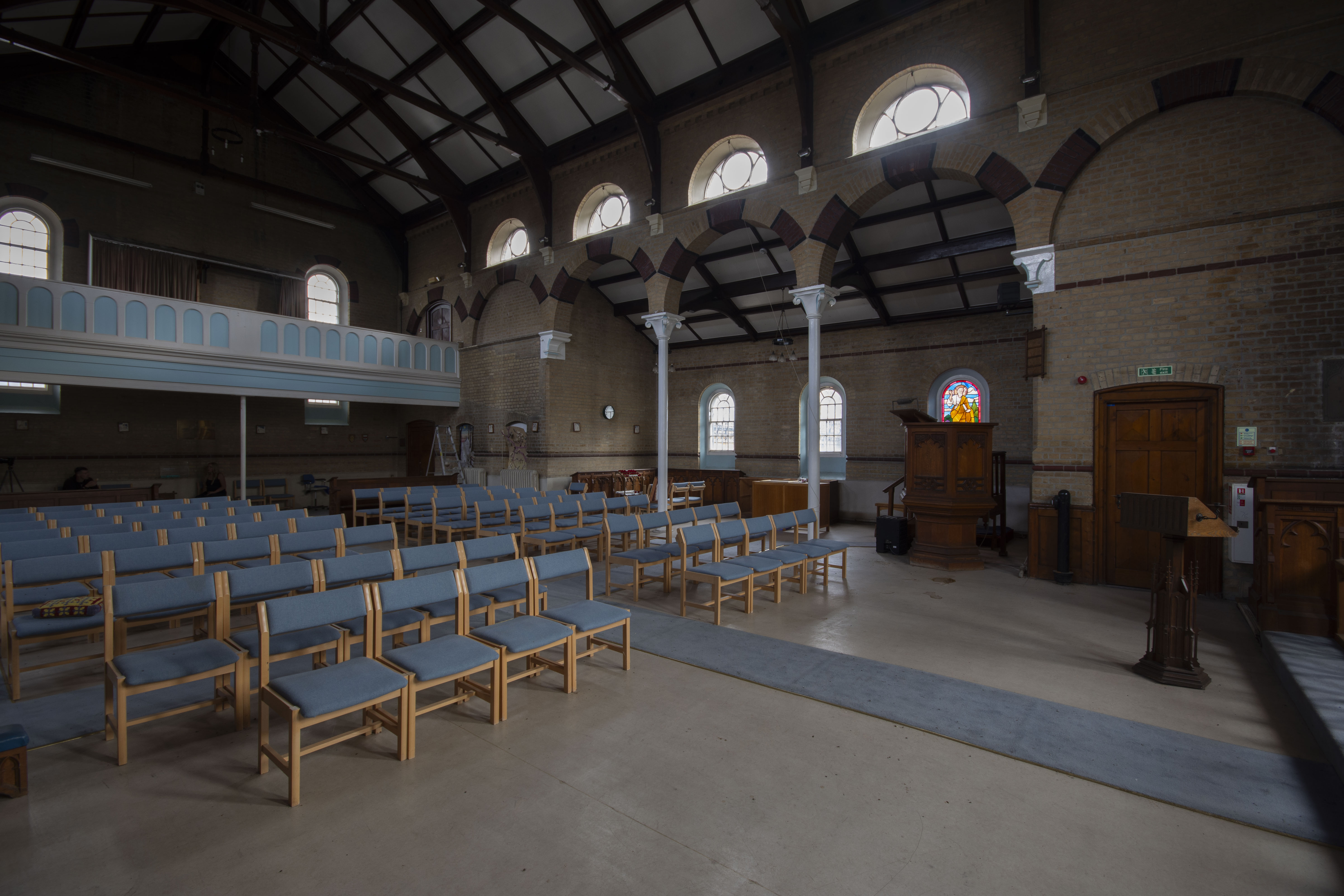
Joshua Jebb’s main range used the corridor asylum layout with the service/administration block at the centre, with the chapel and recreation hall below the administration areas. The chapel and hall are unusual in the fact that the chapel is built on top of the hall. Jebb chose an Italianate Romanesque Revival design for his plan: red brick with bands and arcading in yellow brick and Bath stone, hipped slate roofs with Lombardic eaves, round-arched window groups, and lots of polychrome detailing. The north gatehouse (former main entrance) is a twin-tower structure with a tall central arch and a clock made by Dent of London.
Broadmoor opened to women first – 98 female patients arrived in 1863 (the very first was a woman convicted of infanticide on 27 May 1863). Men began arriving in February 1864. To relieve overcrowding, a branch asylum was opened at Rampton in 1912 – the arrangement ended in 1919 when Rampton became a separate entity. During the First World War, Broadmoor’s Block 1 operated as Crowthorne War Hospital, housing mentally ill German POWs. The Criminal Justice Act 1948 abolished the terms “criminal lunatic” and “criminal lunatic asylum,” bringing Broadmoor under the Department of Health (and the NHS) with oversight by the Board of Control – in legislation these became “Broadmoor institutions”. Management shifted again in 1989 to the Special Hospitals Service Authority (covering Broadmoor, Rampton and Ashworth), then to individual special health authorities in 1996.
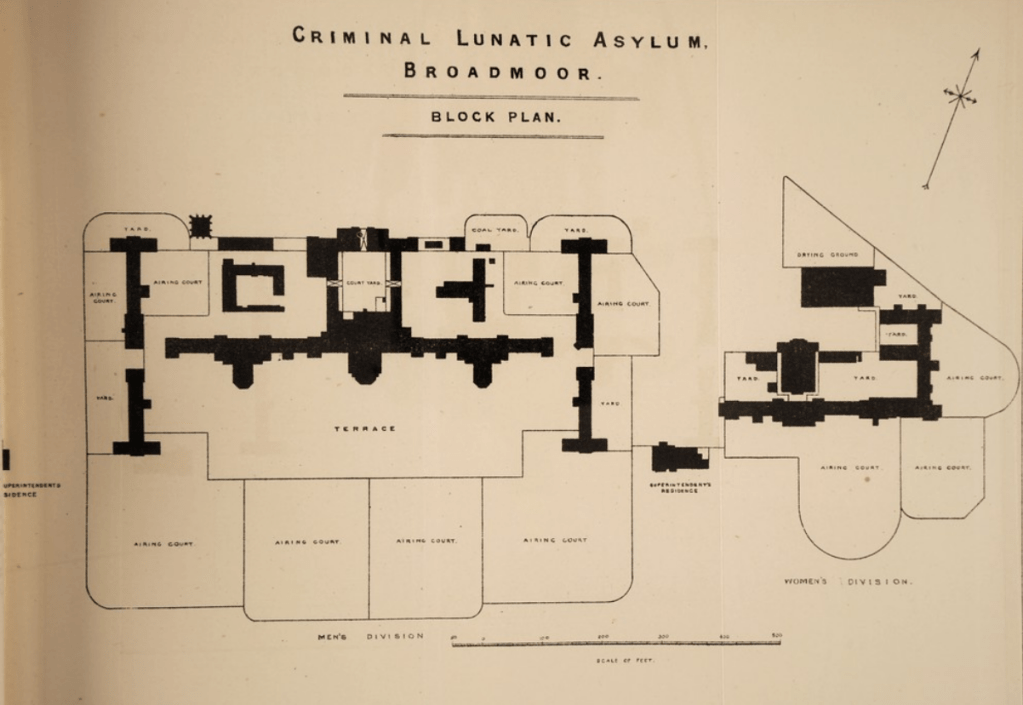
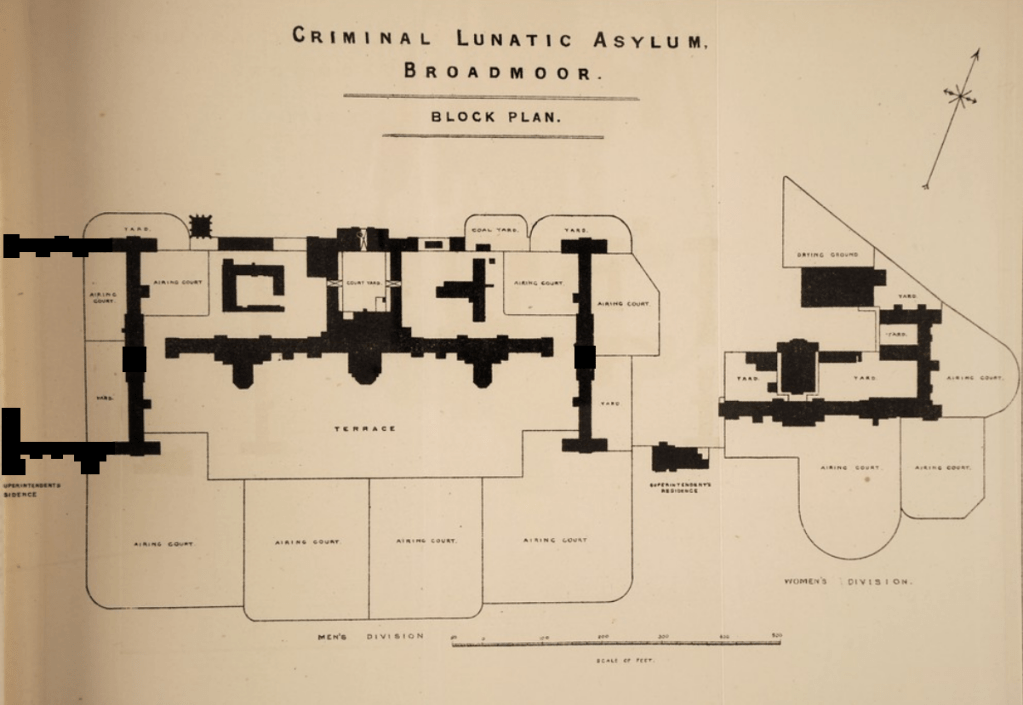
Below are three graphics. Graphic No. 1 shows. Graphic No. 2 shows Graphic No. 3 shows Broadmoor as it is now, with the demolished buildings highlighted in red.
Below: Broadmoor as Joshua Jebb designed it.
Below: Broadmoor as it was with the extensions to the wards (edits by me).
Below: Broadmoor as it is now, with the demolished buildings highlighted in red.
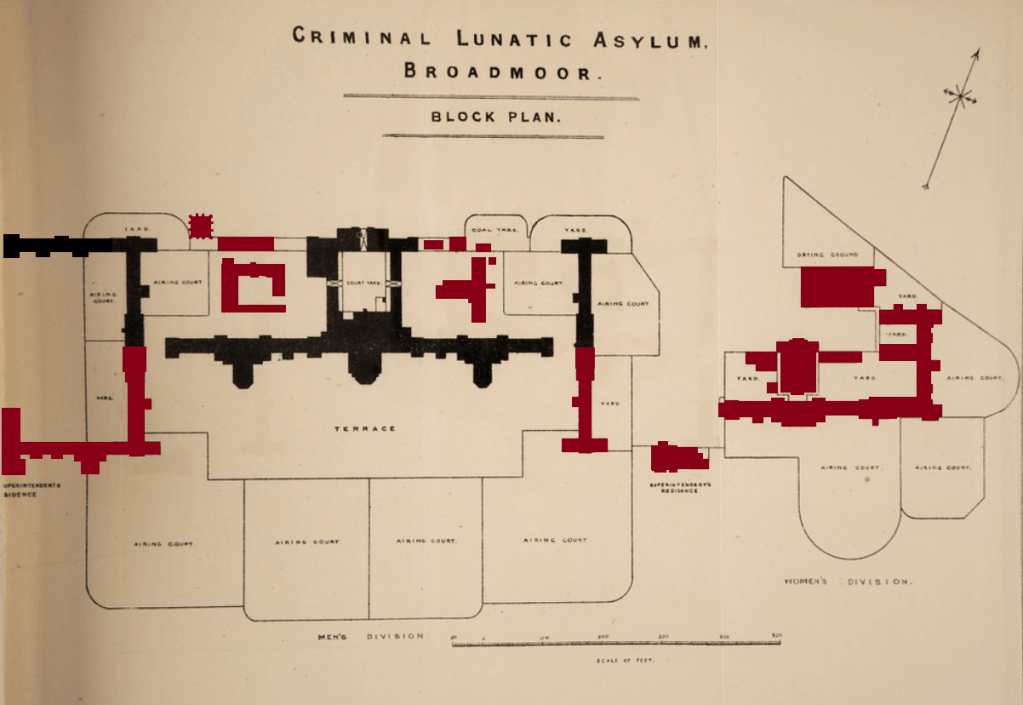
From the 1980s onwards, much changed at Broadmoor. A new wall was built and many sections were demolished, including the castle-like water tower which towered over the area.
In 2001 Broadmoor joined what is now West London NHS Trust. Inspectors in 2003 judged many Victorian wards “totally unfit for purpose,” catalysing plans for the development of a new hospital on an adjacent site. Alongside the older Victorian buildings, the hospital added modern capacity, including the Paddock Centre (opened December 2005) for the then-DSPD programme.
In 2012 the government approved and funded a major rebuild to replace the outdated Victorian accommodation with a high-secure facility fit for modern care. The Victorian women’s block was sited where the new hospital was to be built. In 2012, listed-building consent was granted to demolish the former female block – Yorkshire House, Lancashire House and the Richard Dadd Centre – and to partially demolish Berkshire House, all treated as curtilage-listed, to make way for the new high-secure hospital. The female block was half demolished in around 2012 to enable development of the new hospital. It was fully demolished by 2021, and Berkshire House was partially demolished in 2020, reduced to half its size.
Below: the water tower at Broadmoor before demolition.

In 2019, patients and staff moved into the brand new hospital buildings and the Victorian part of Broadmoor was closed. In 2023, it was listed for sale for development. In 2024, part of Somerset House burnt down. The cause was not disclosed.
***
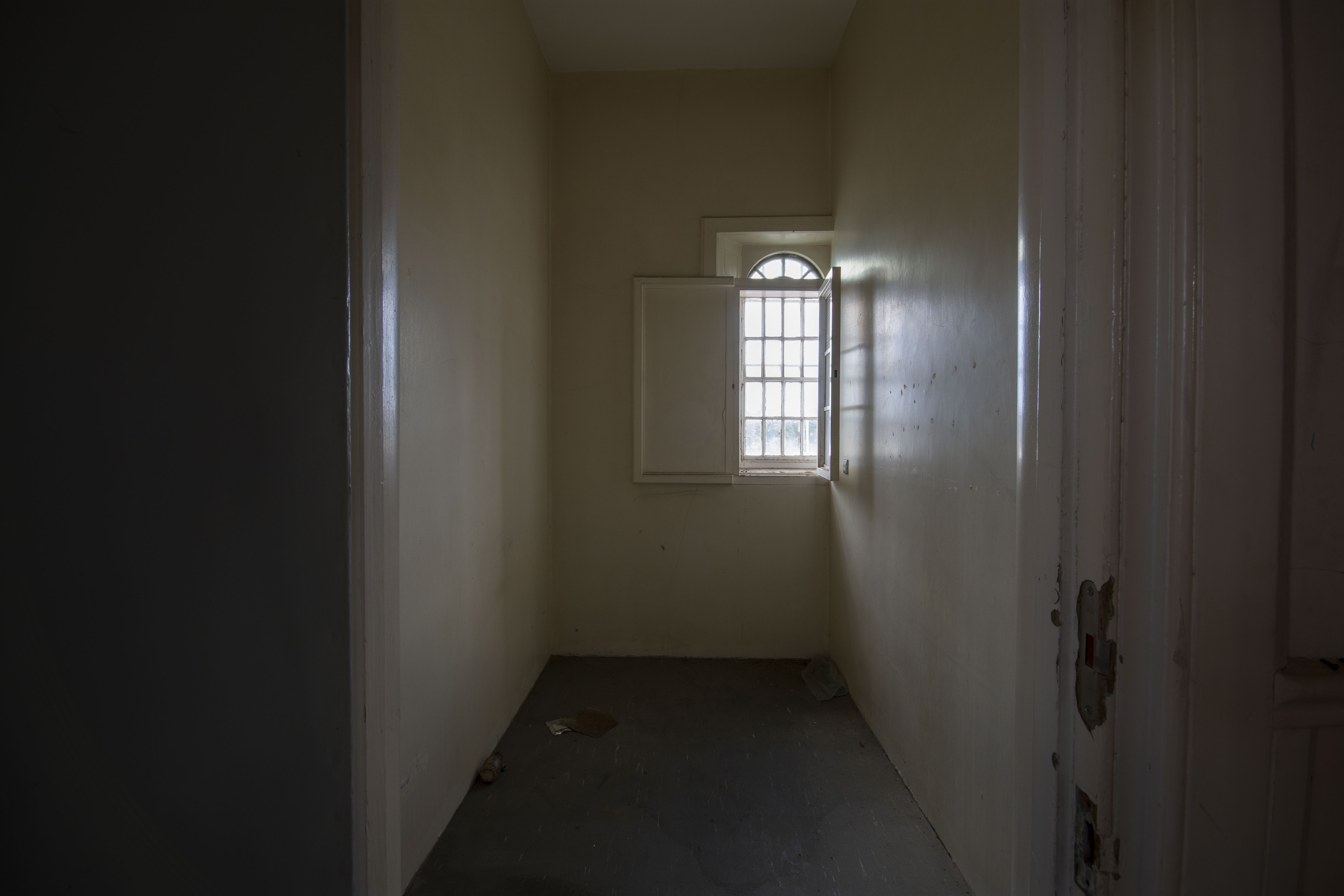
THE EXPLORE: This was an exploration that had been on my list for a very very long time indeed. And I did not think it was possible. I had heard tell of someone else trying it in 2020 but he had an hour before armed police and helicopters rushed him. Apparently the whole hospital had been put under lockdown as a result! So, as I rocked up there, I had it firmly in the forefront of my mind that this would be a bust. But it wasn’t. Five minutes. Ten minutes. Half an hour. An hour. I looked at Forbidden3dom and the magical words “I think we’re sweet” were uttered. And indeed we were. Forbidden3dom and I went and found a cell to set up a little base in after we took our external long exposures. I ended up getting three hours or so of sleep in there – how many people can say they’ve slept in a Broadmoor cell?! When I woke up, I began my exploration. The daylight revealed the utter enormity of the site.
Below: the surviving sections of Broadmoor Hospital, annotated with their corresponding names.
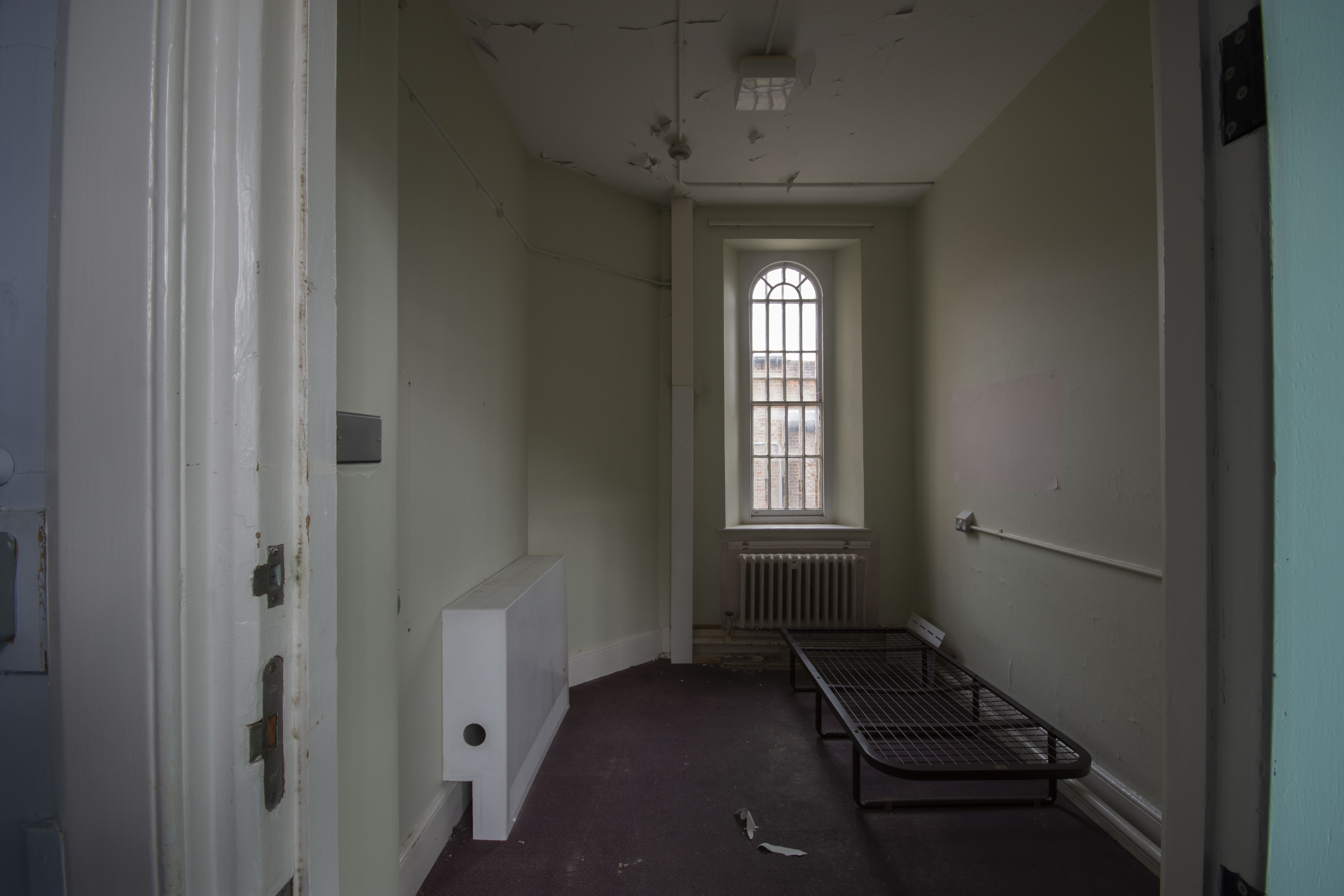
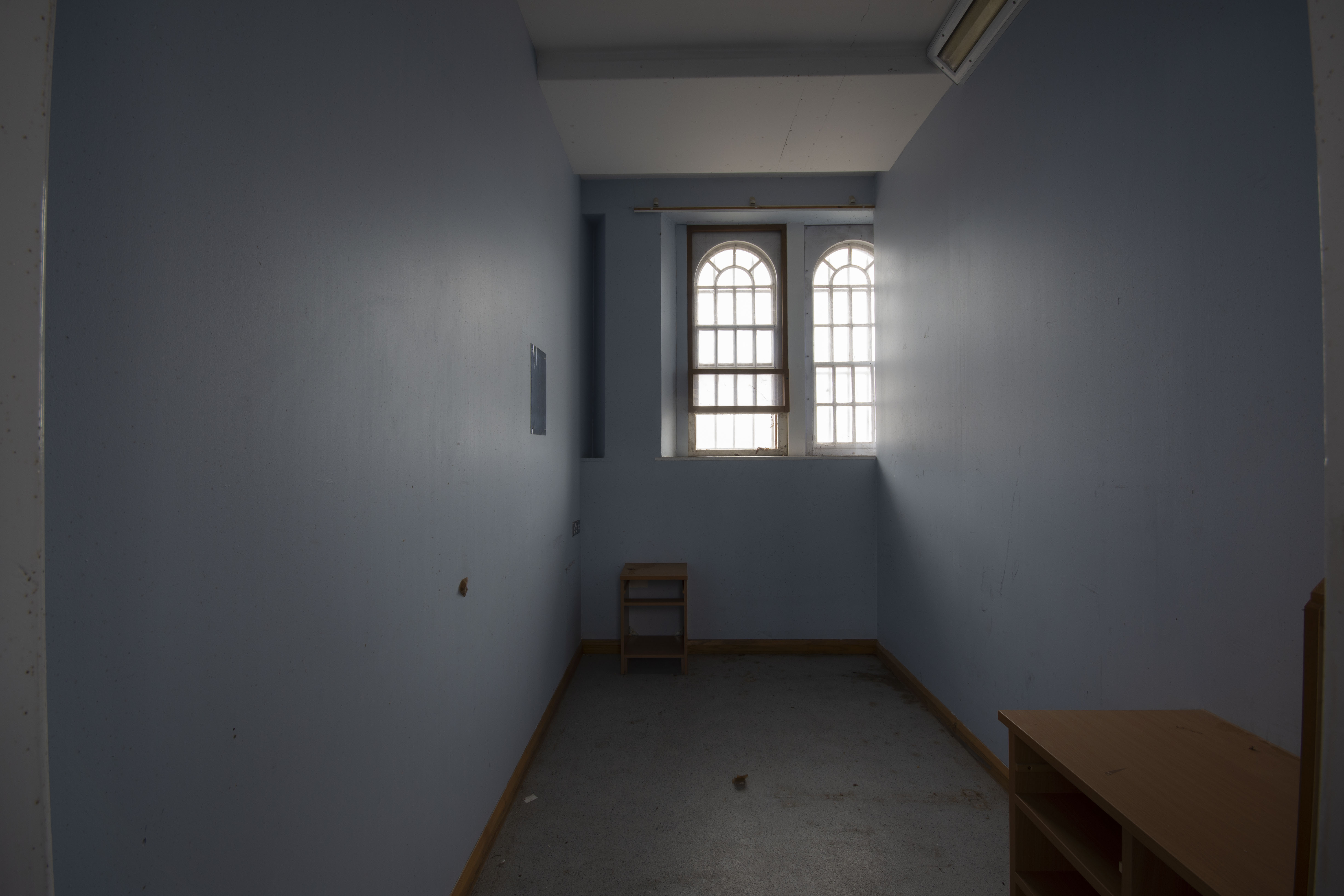
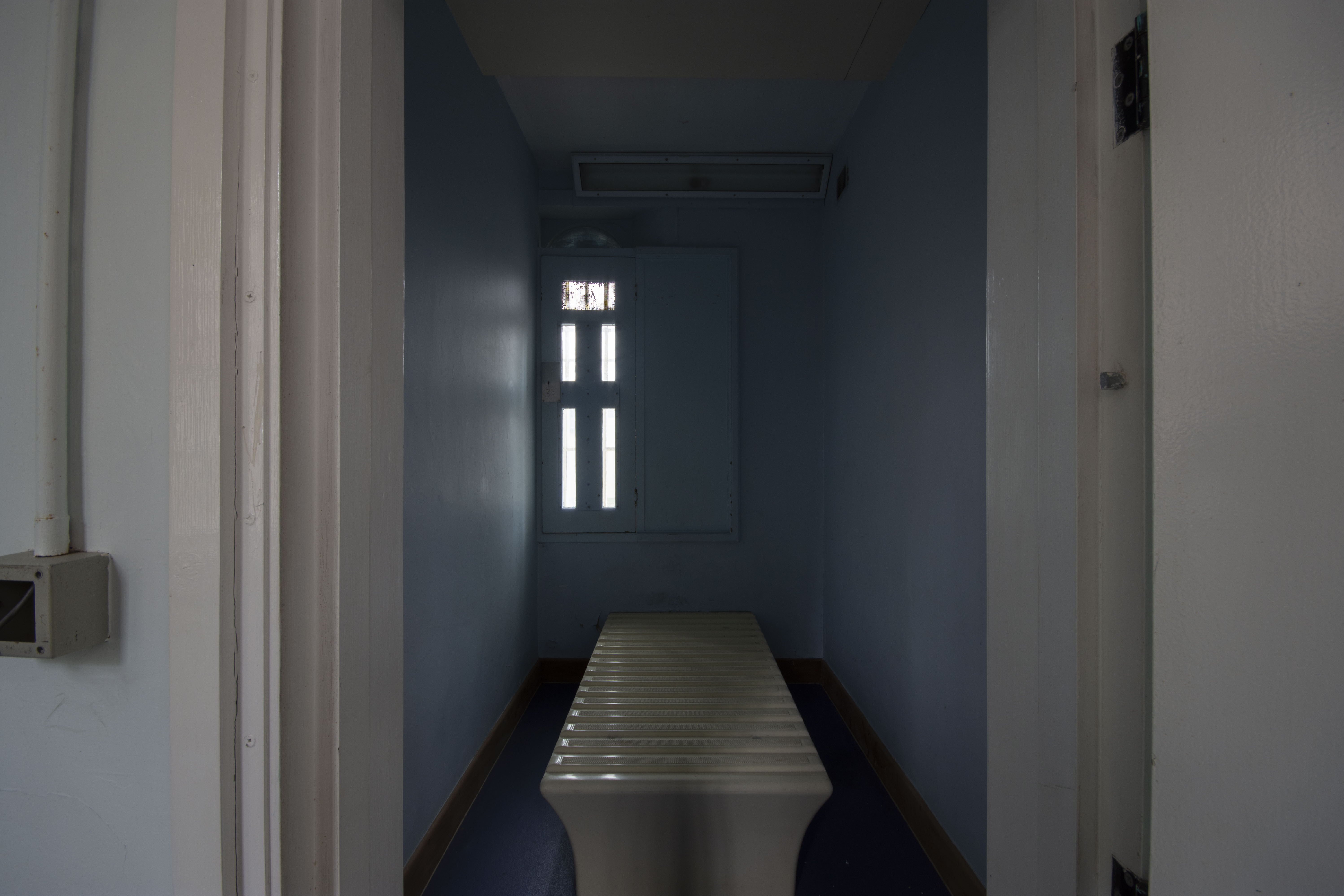
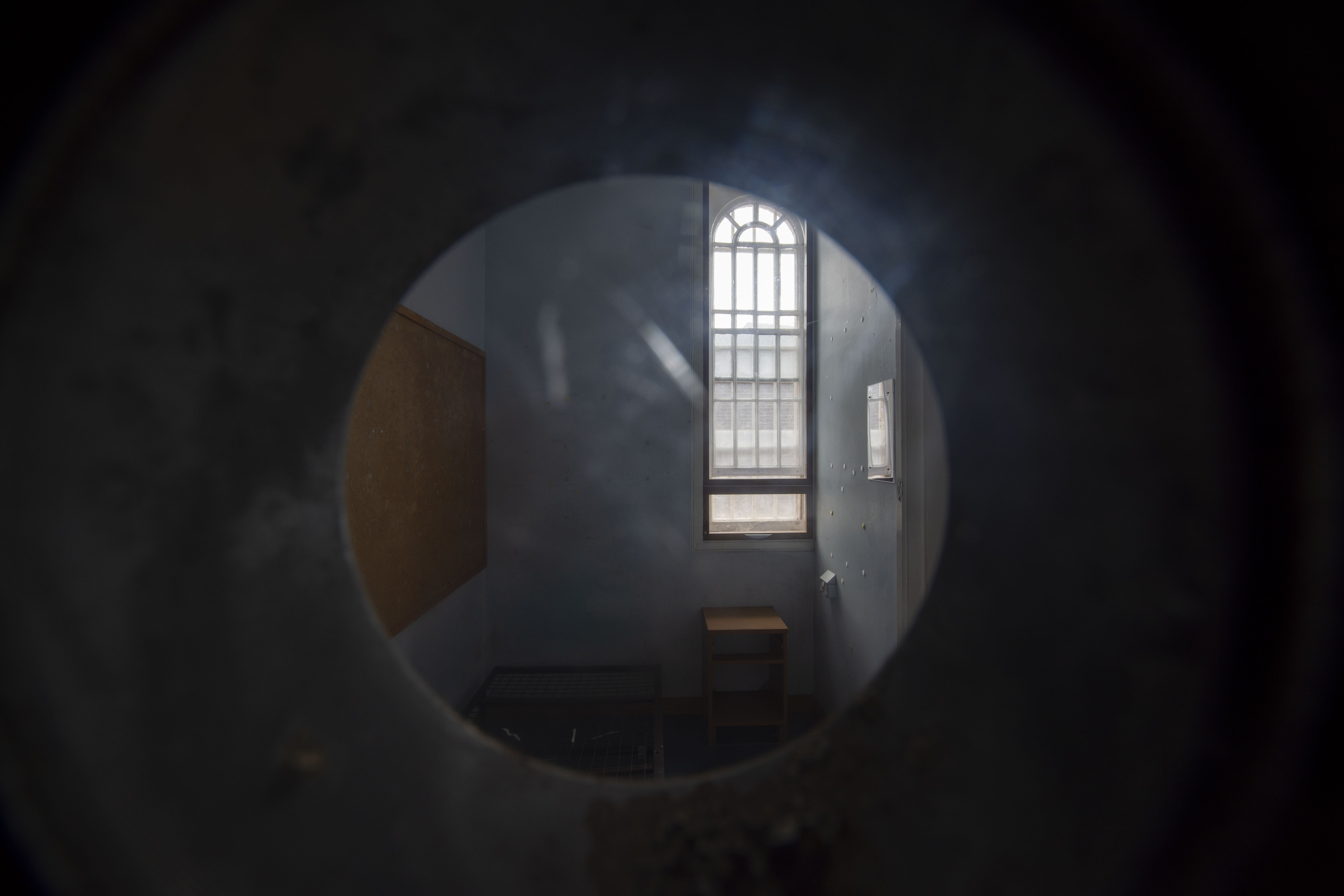
We ended up being inside the hospital for 14 hours. As much as I loved the building and its architecture, I cannot envy any of the patients though – those cells were very small and claustrophobic and you had virtually no privacy whatsoever. All in all… this was probably the best explore I have ever done to date. Enjoy the photographs and the walkaround video linked here.
EXTERNALS
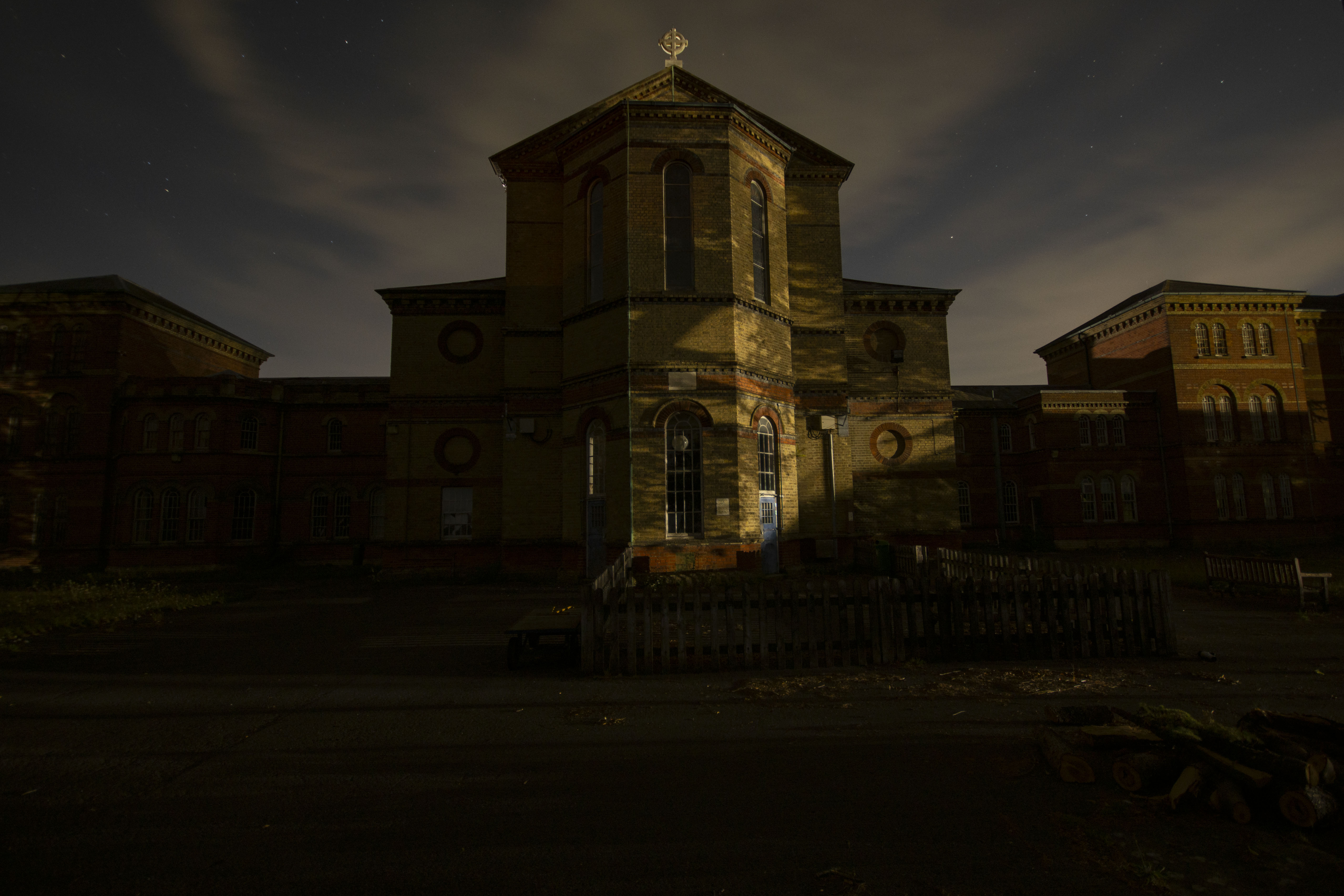
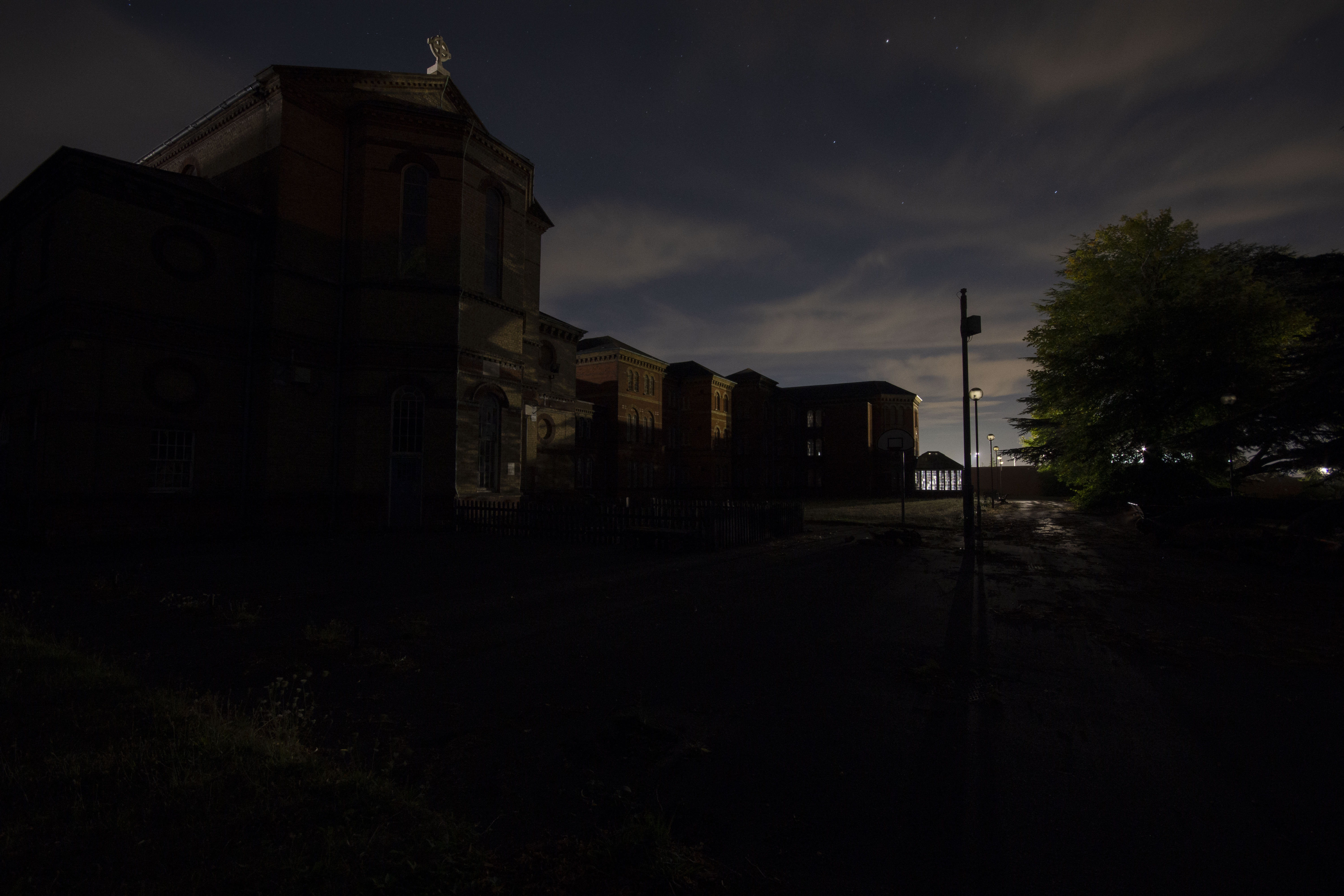
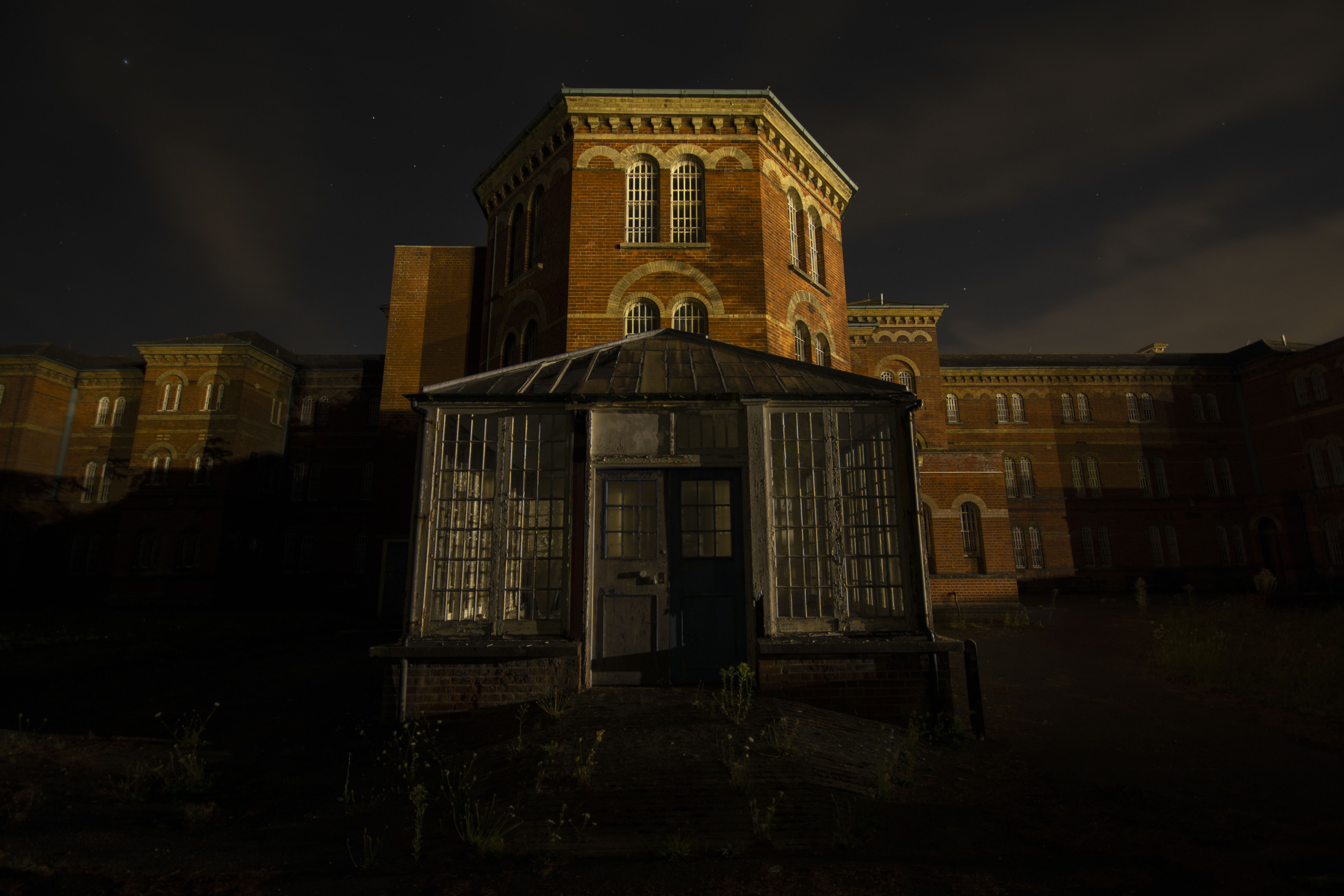
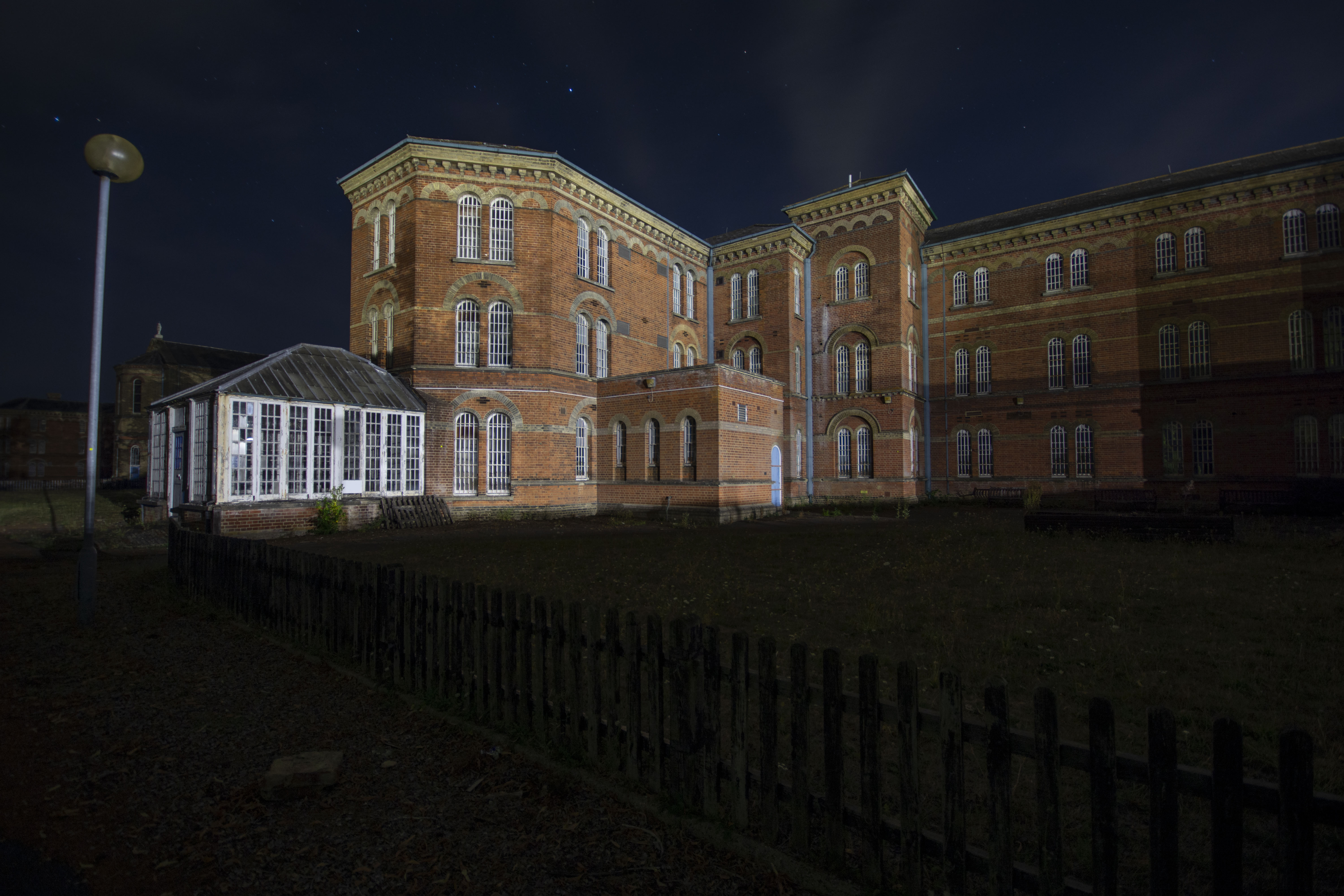
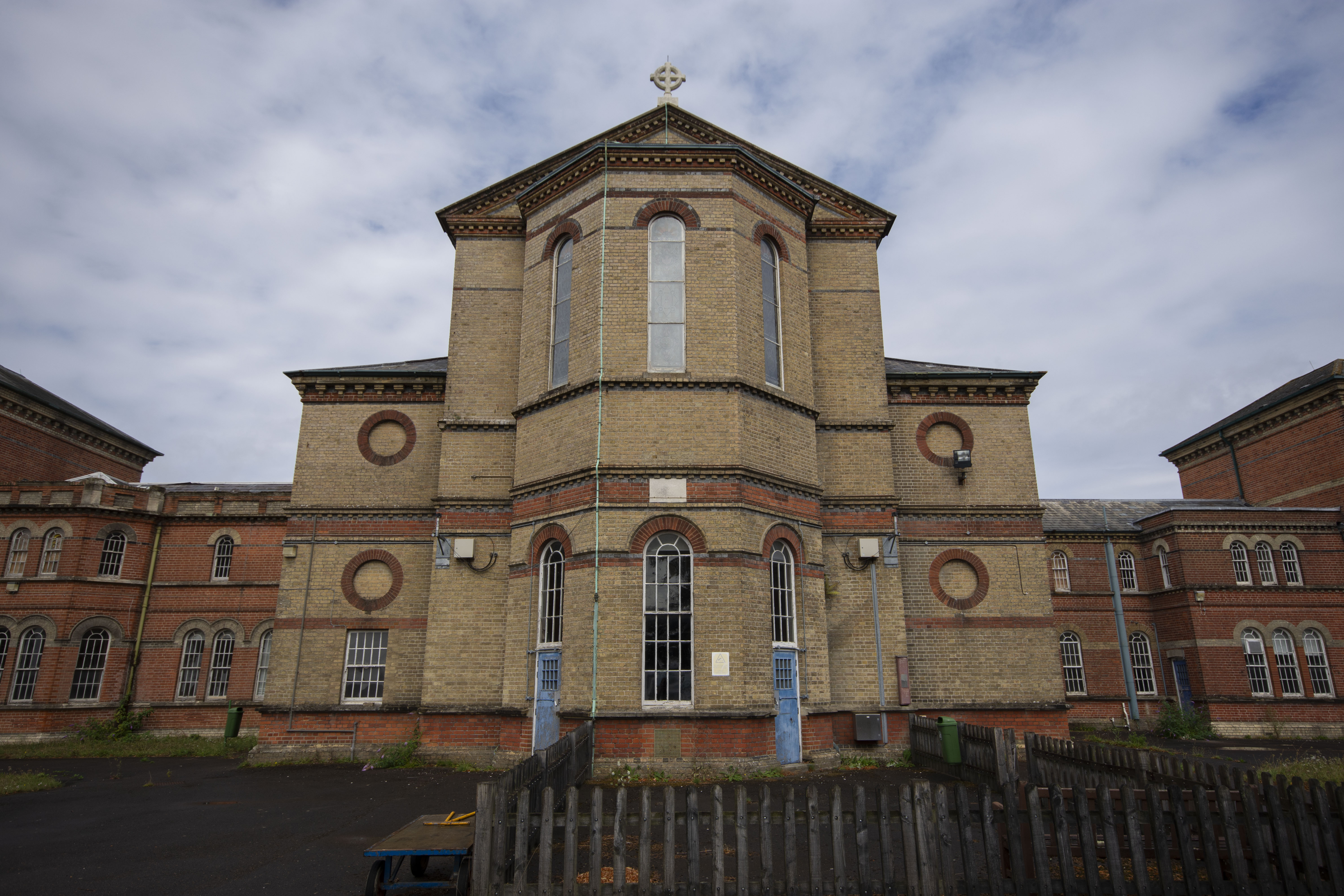
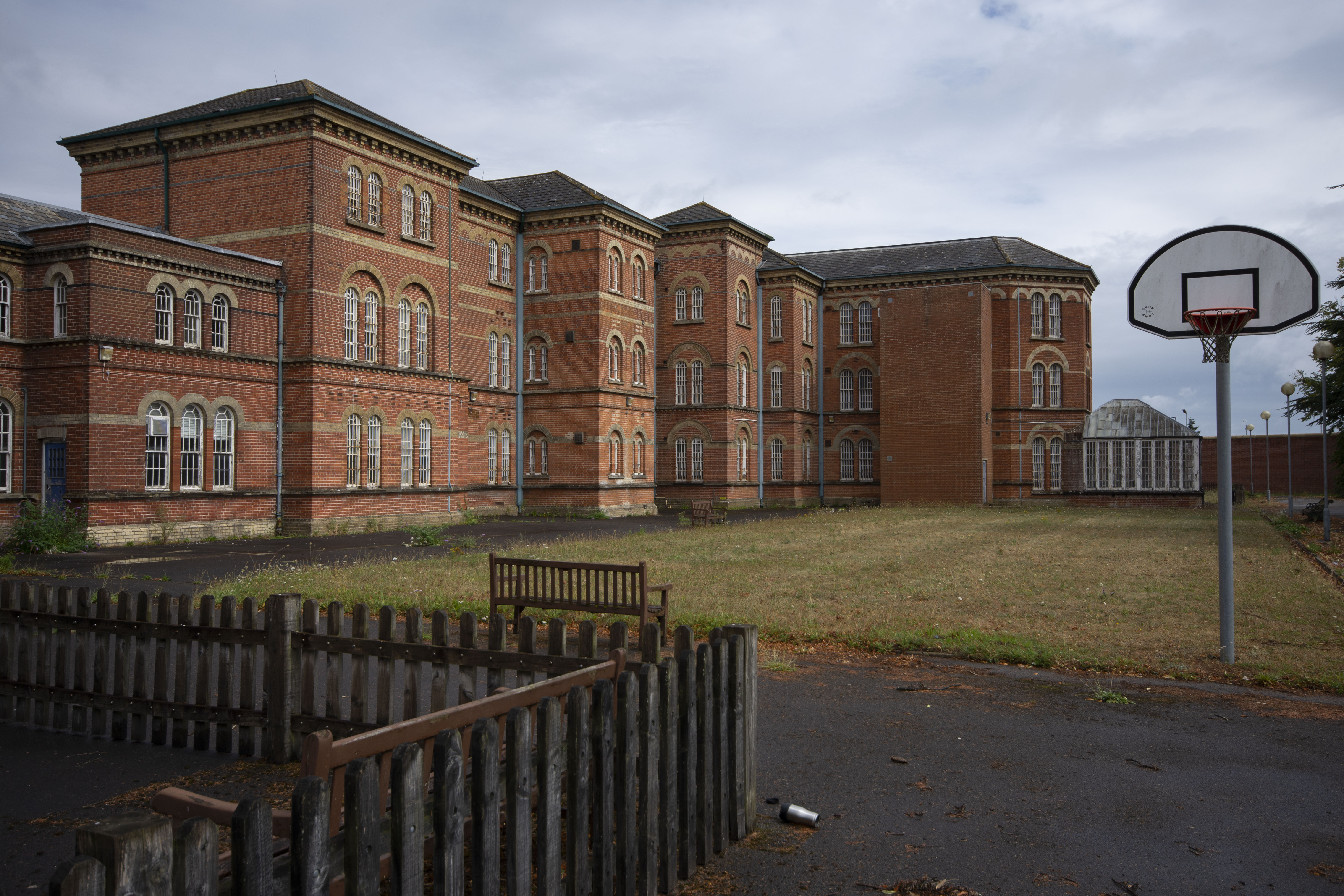
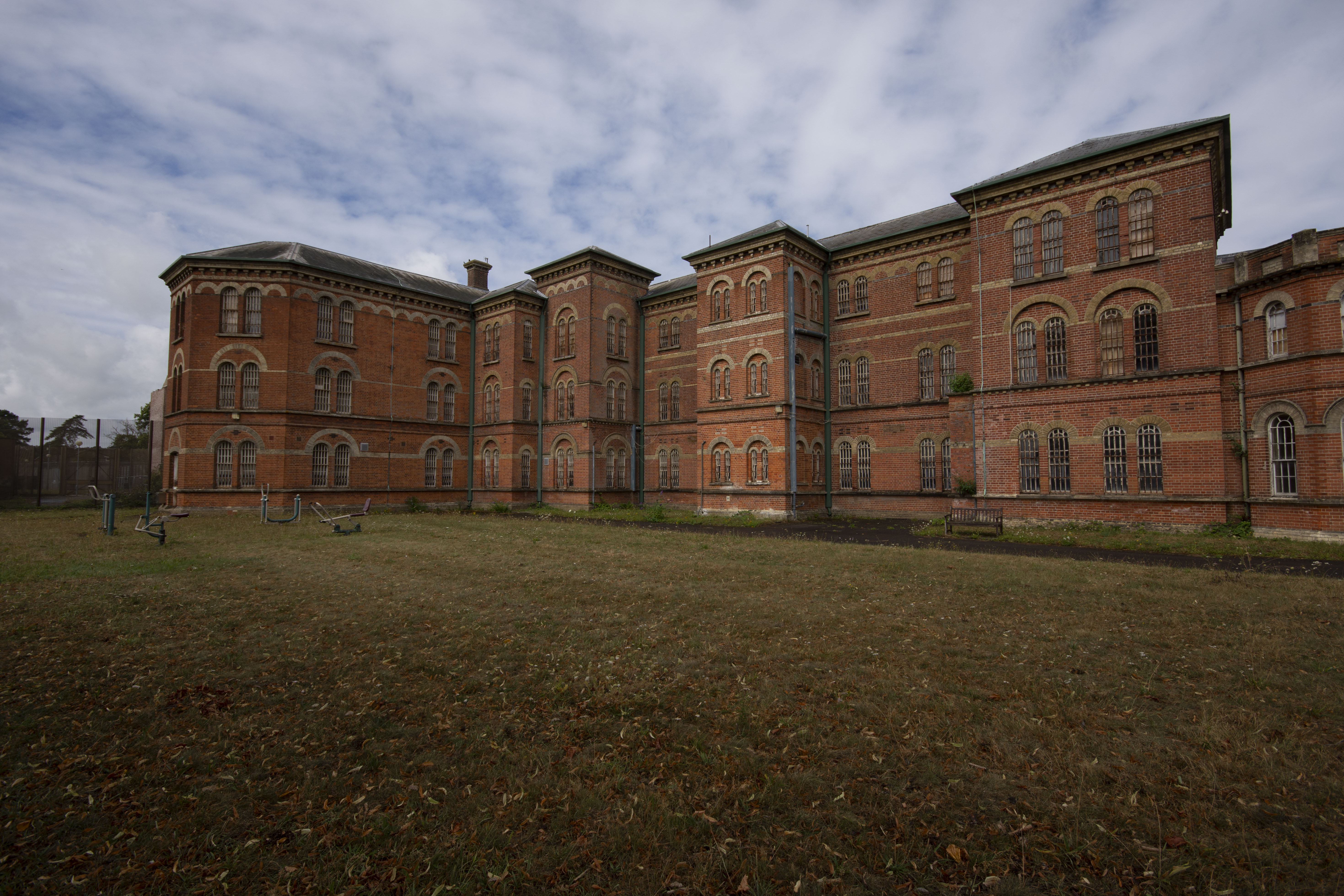
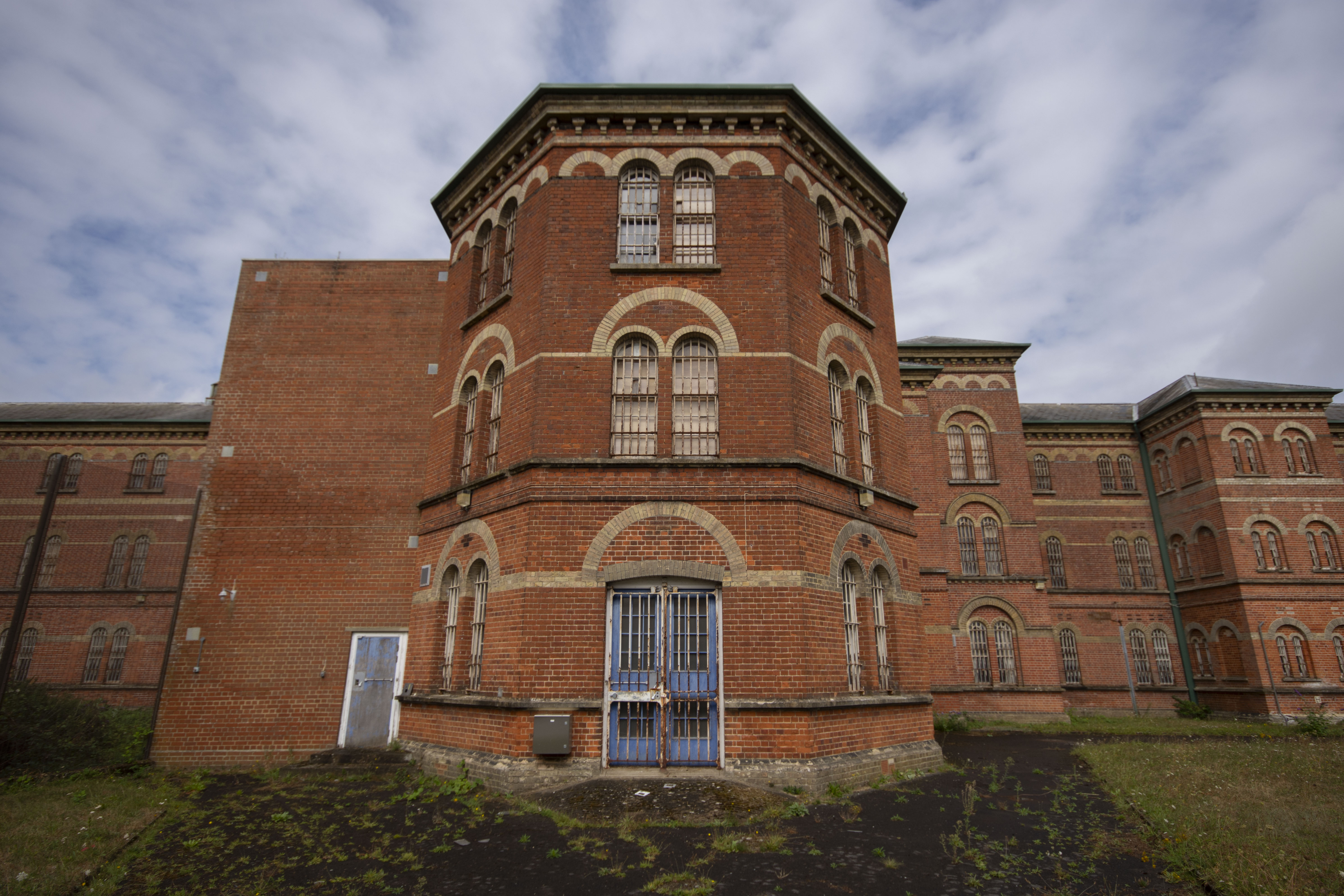
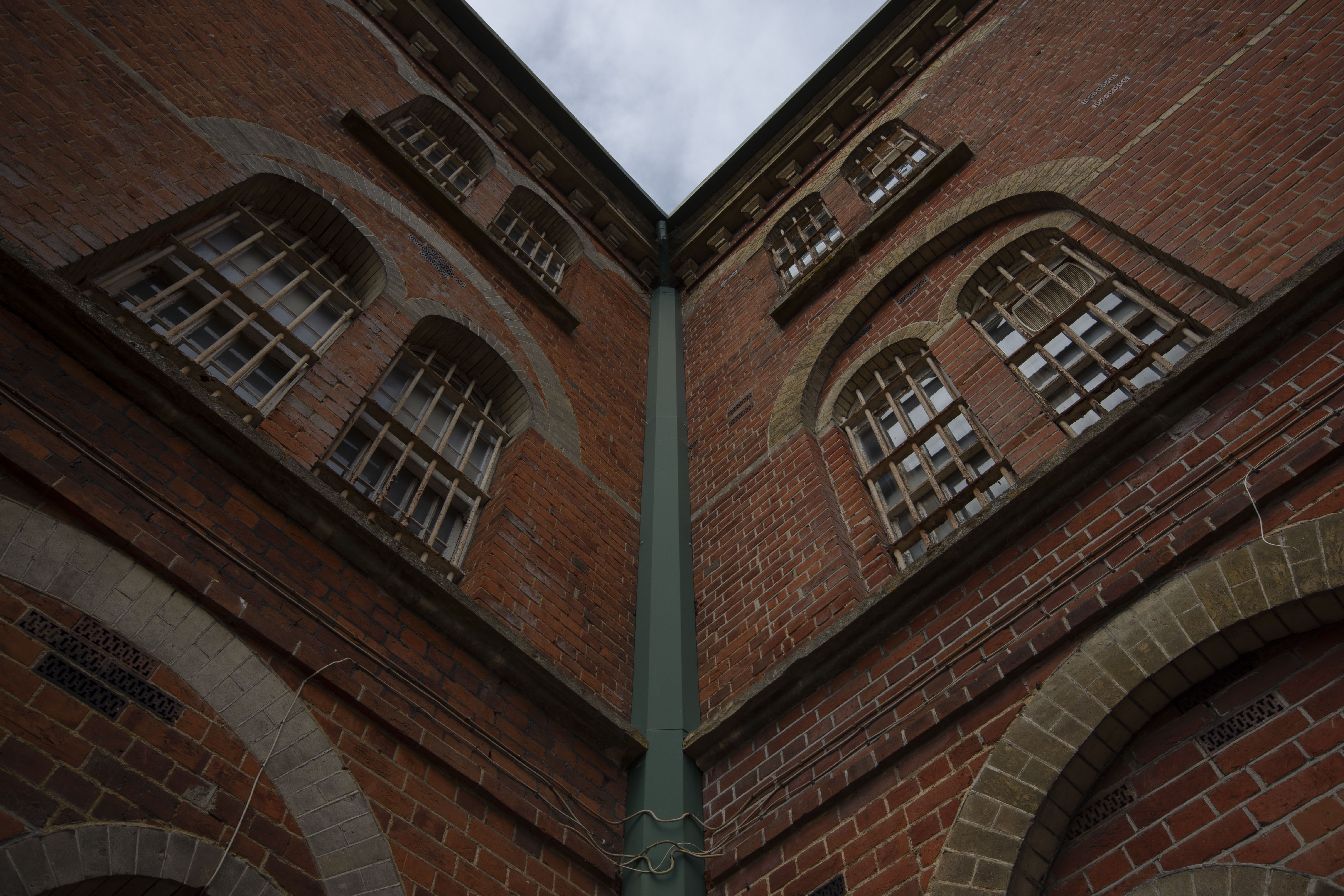
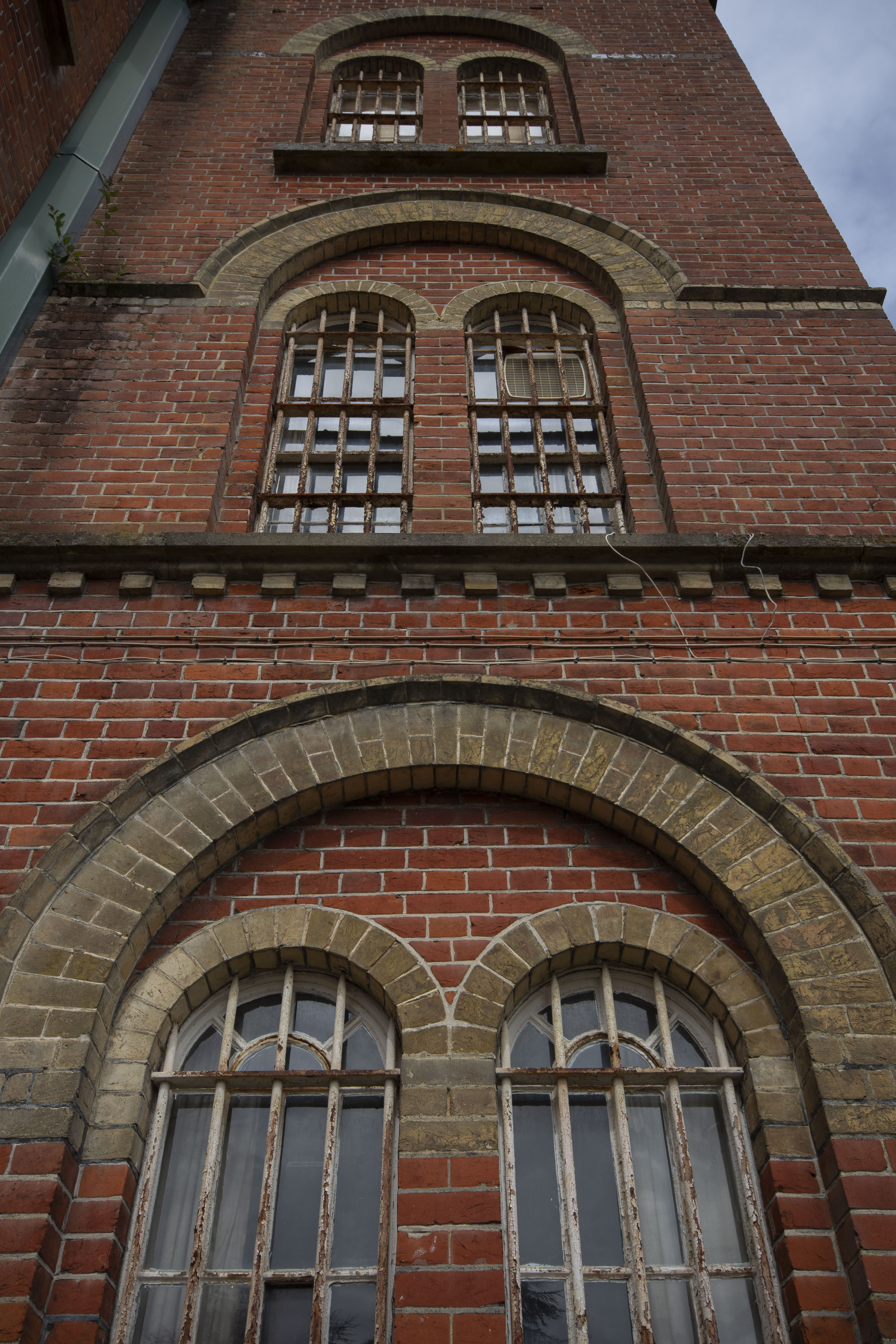
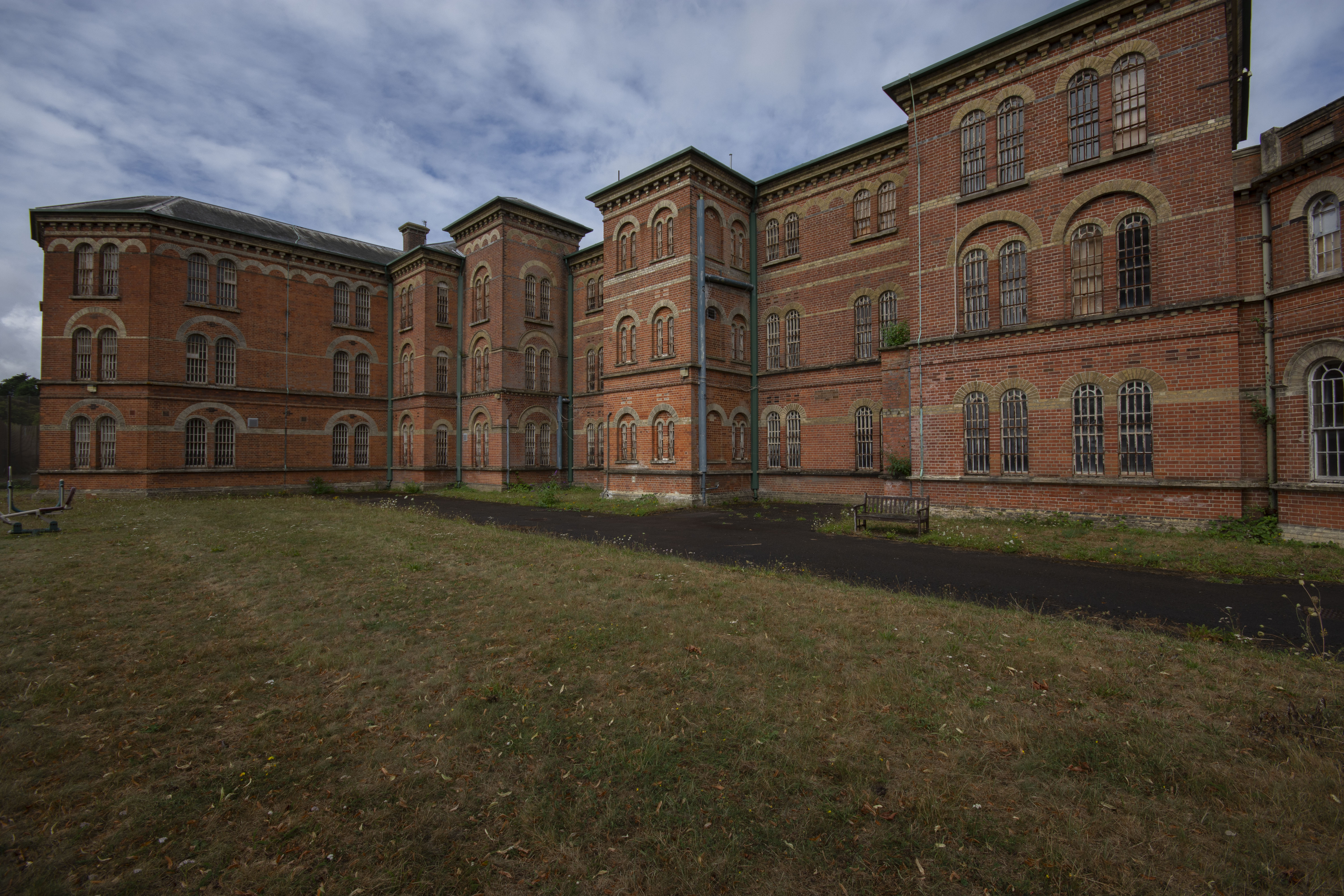
A mixture of long exposure night and daytime shots, showing the different facades of the south front of the hospital.




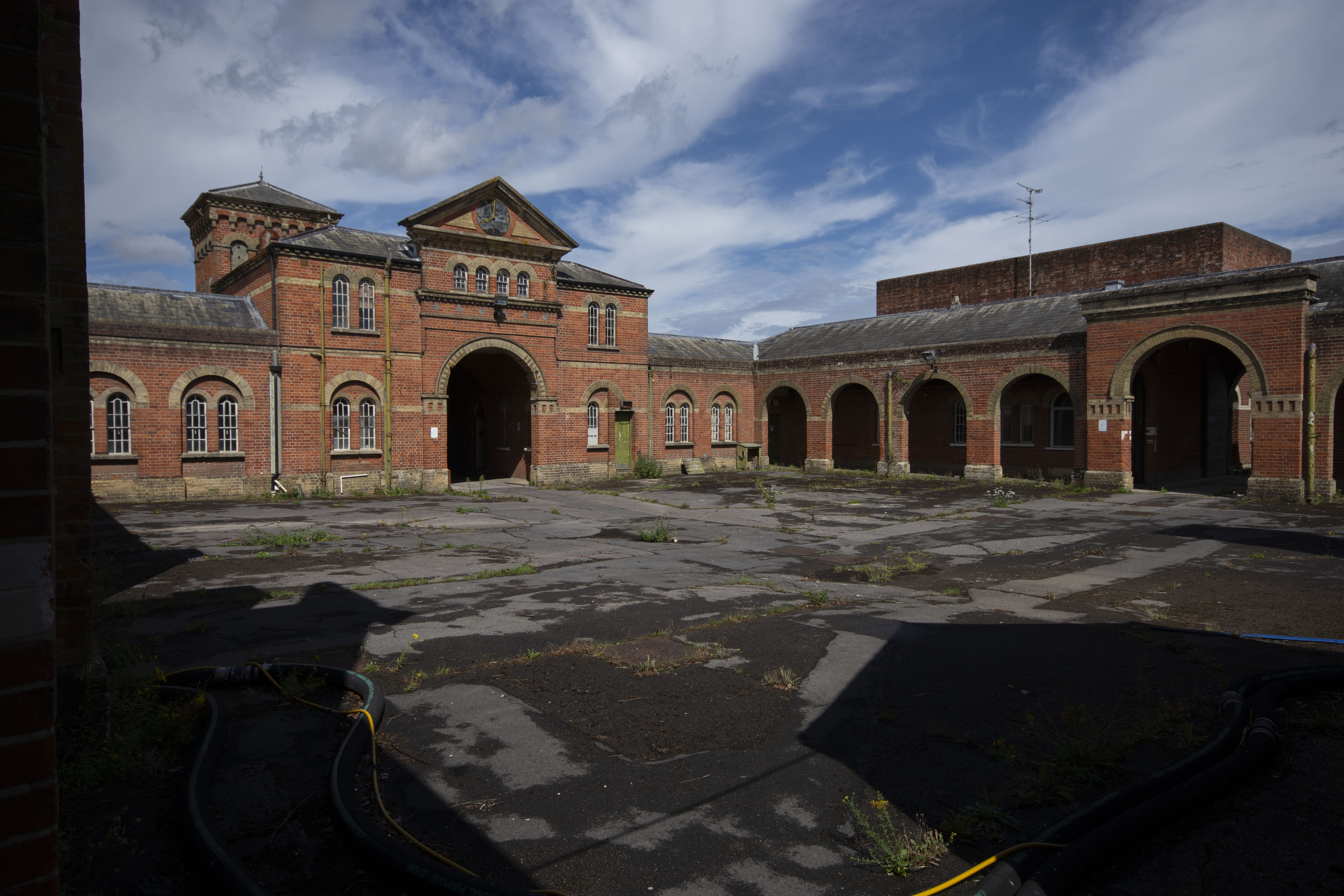
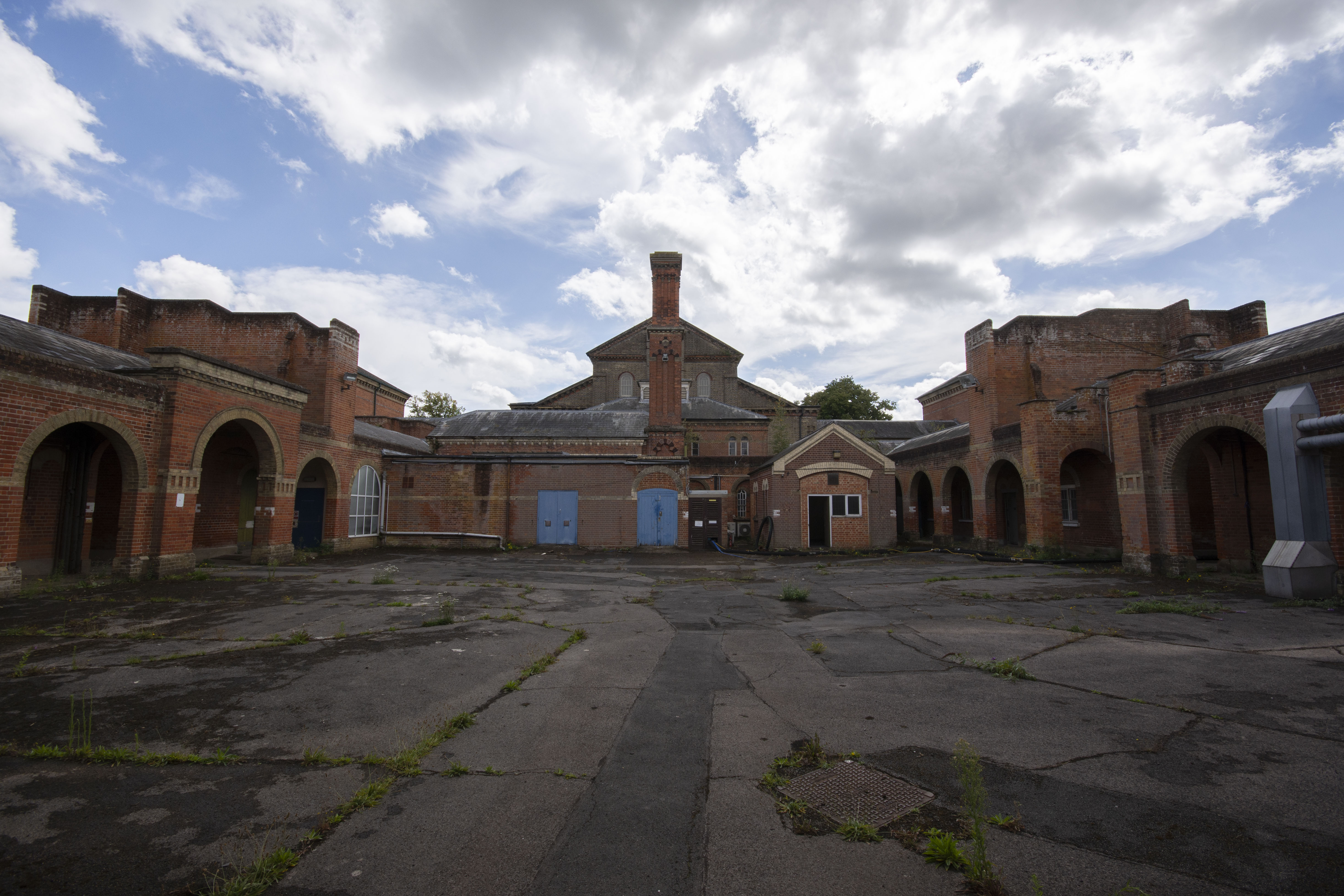
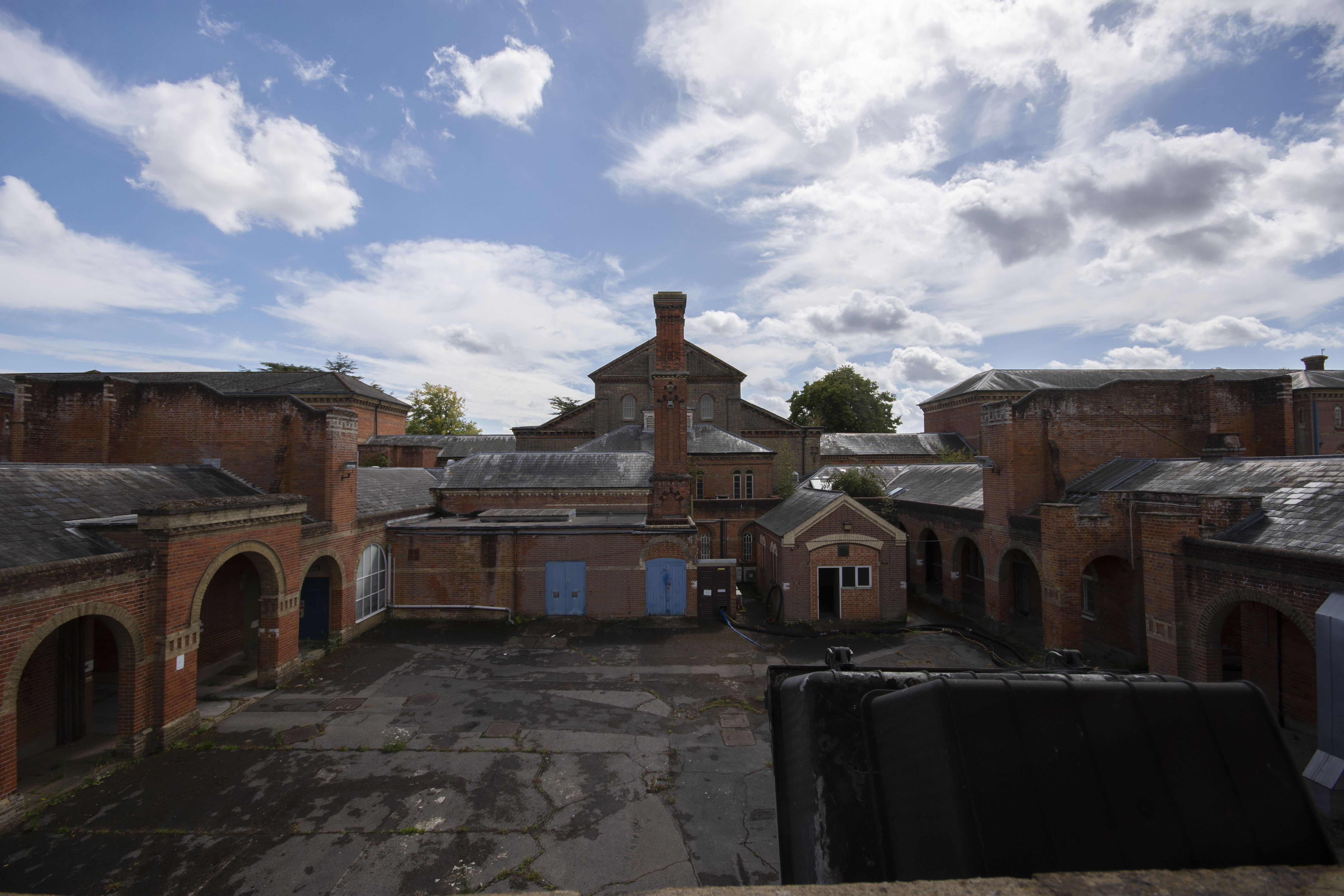
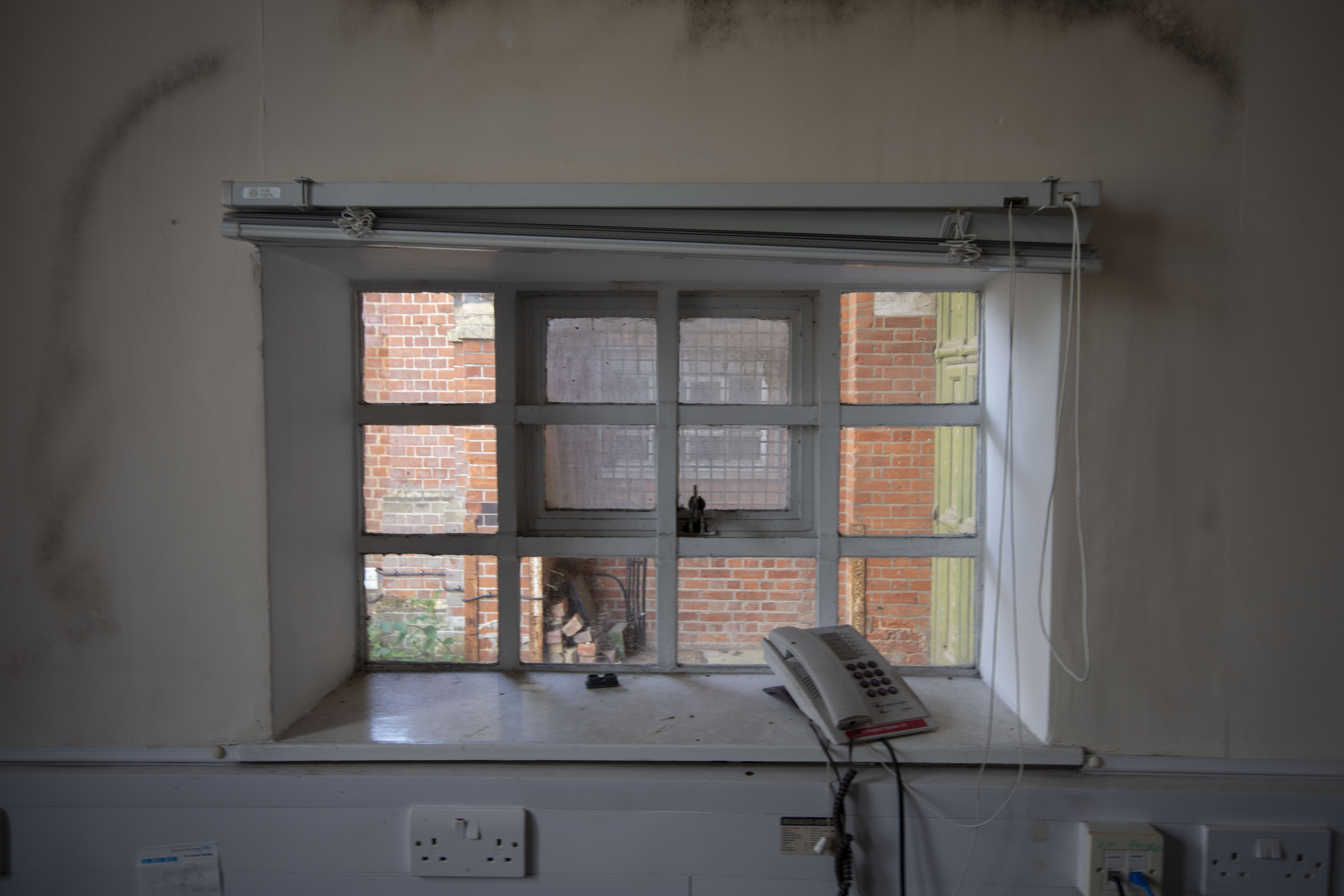
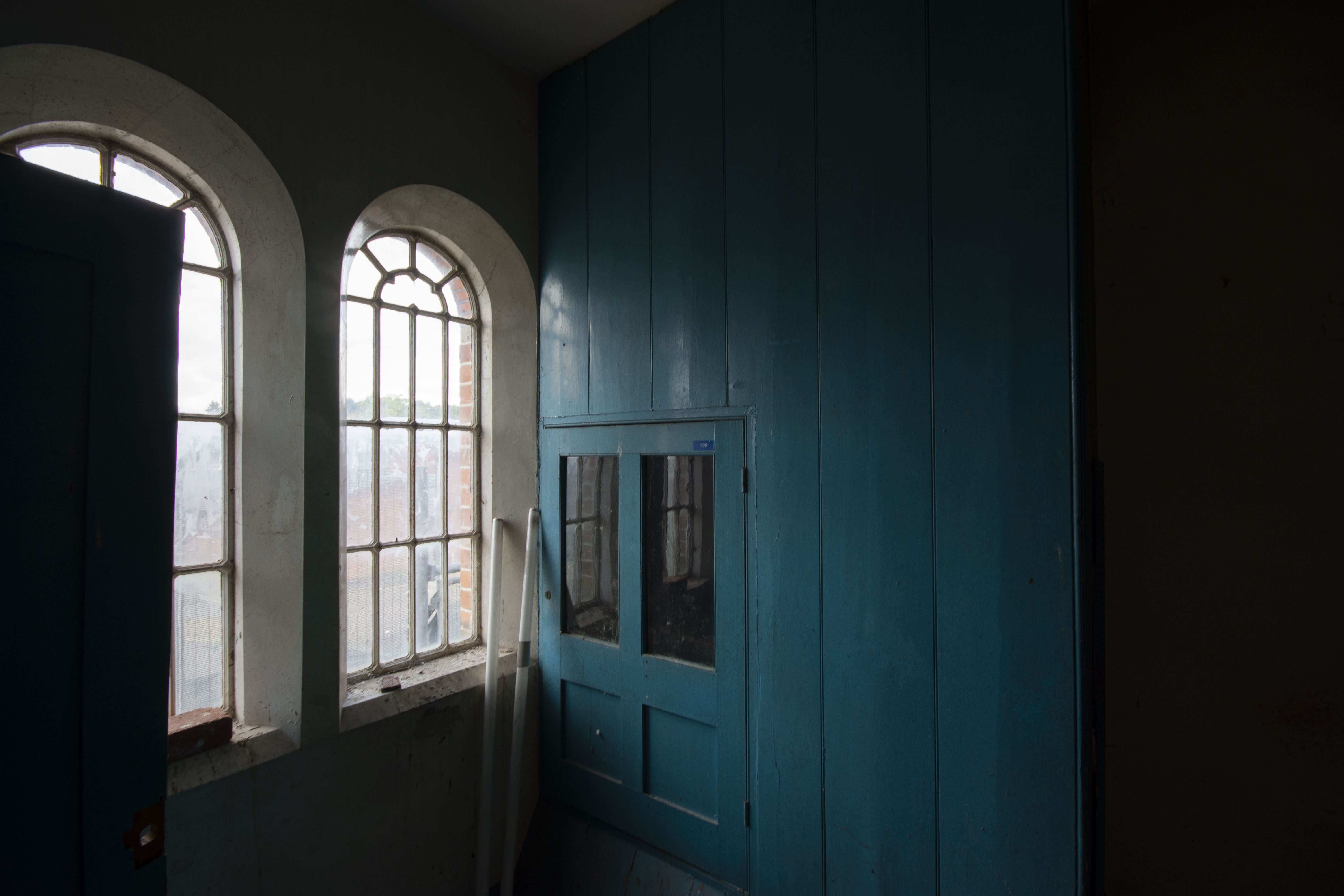
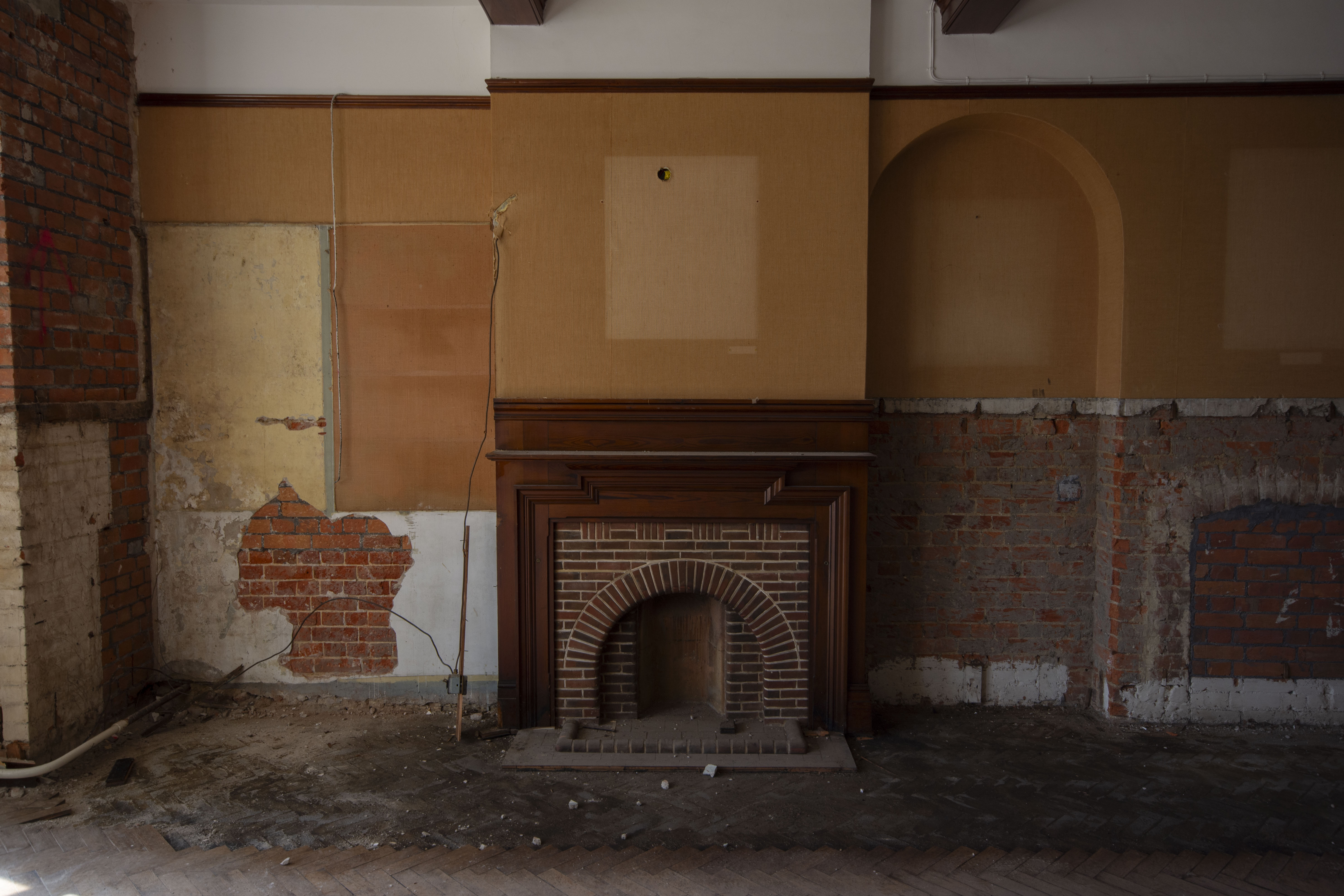
MAIN GATE AND SERVICES
The iconic former main gate of the hospital used to be publically accessible until the new curtain walls were built.




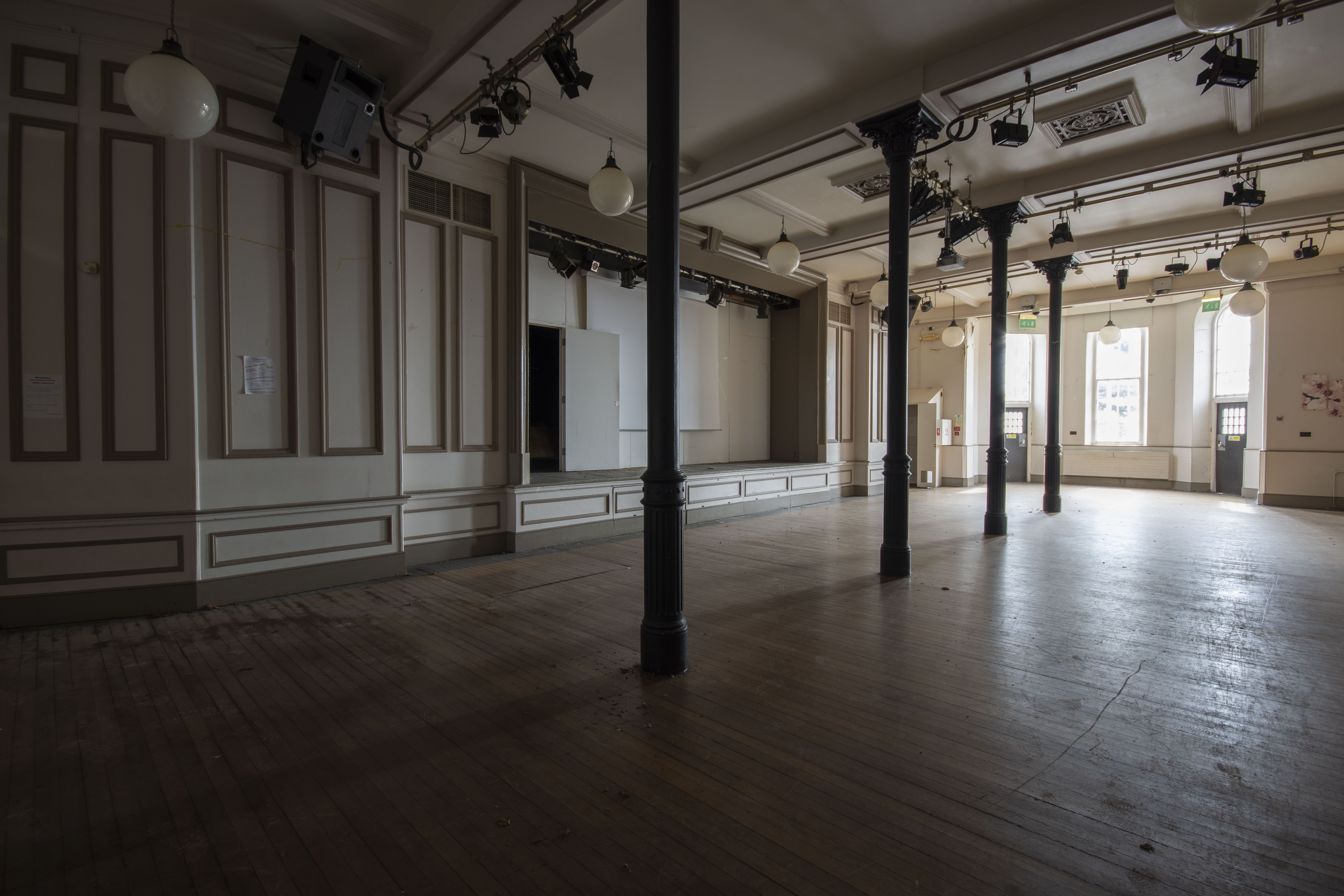
MAIN HALL
An interesting hall with iron columns and captitals, and ornately moulded doors. The chapel is above the main hall.


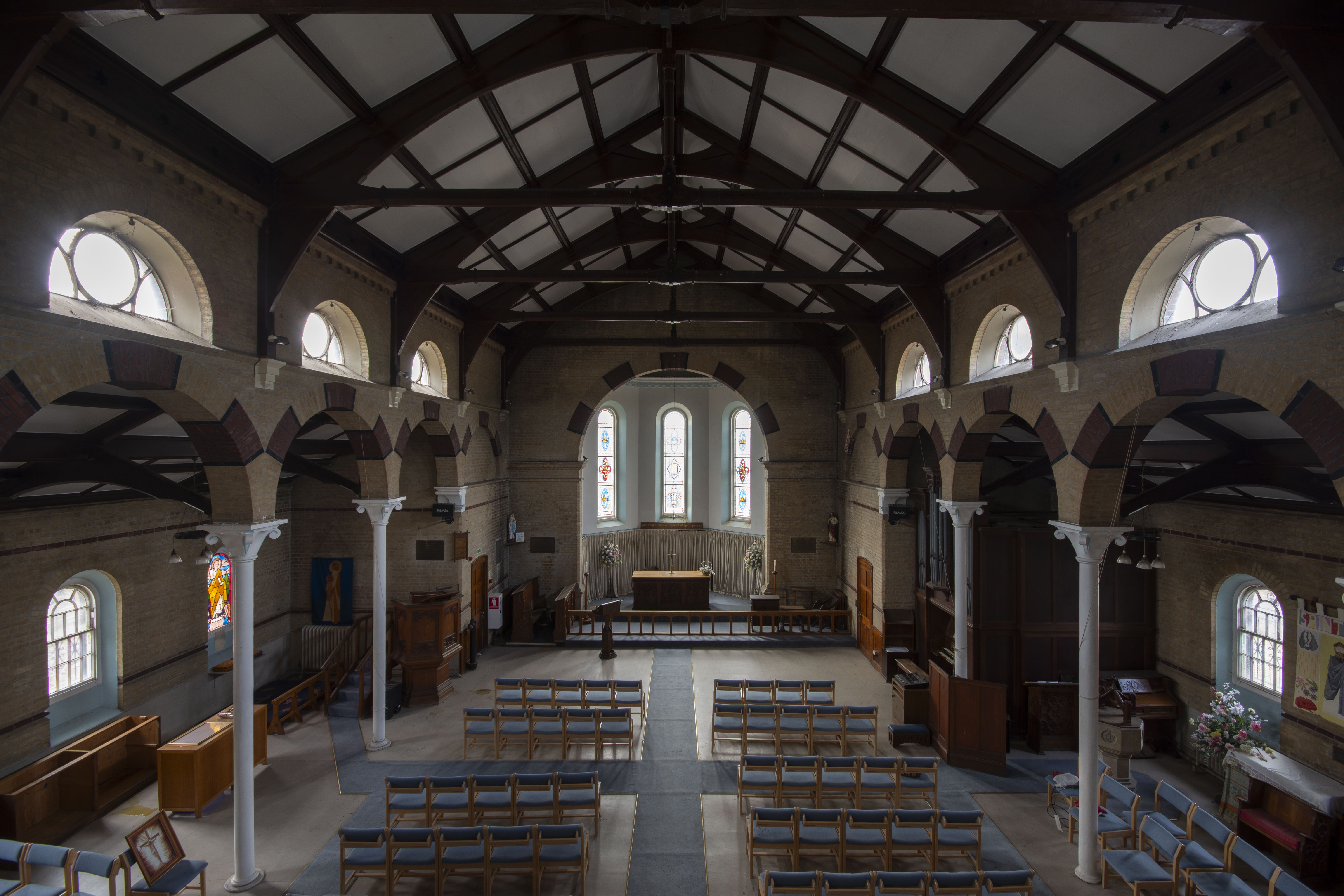
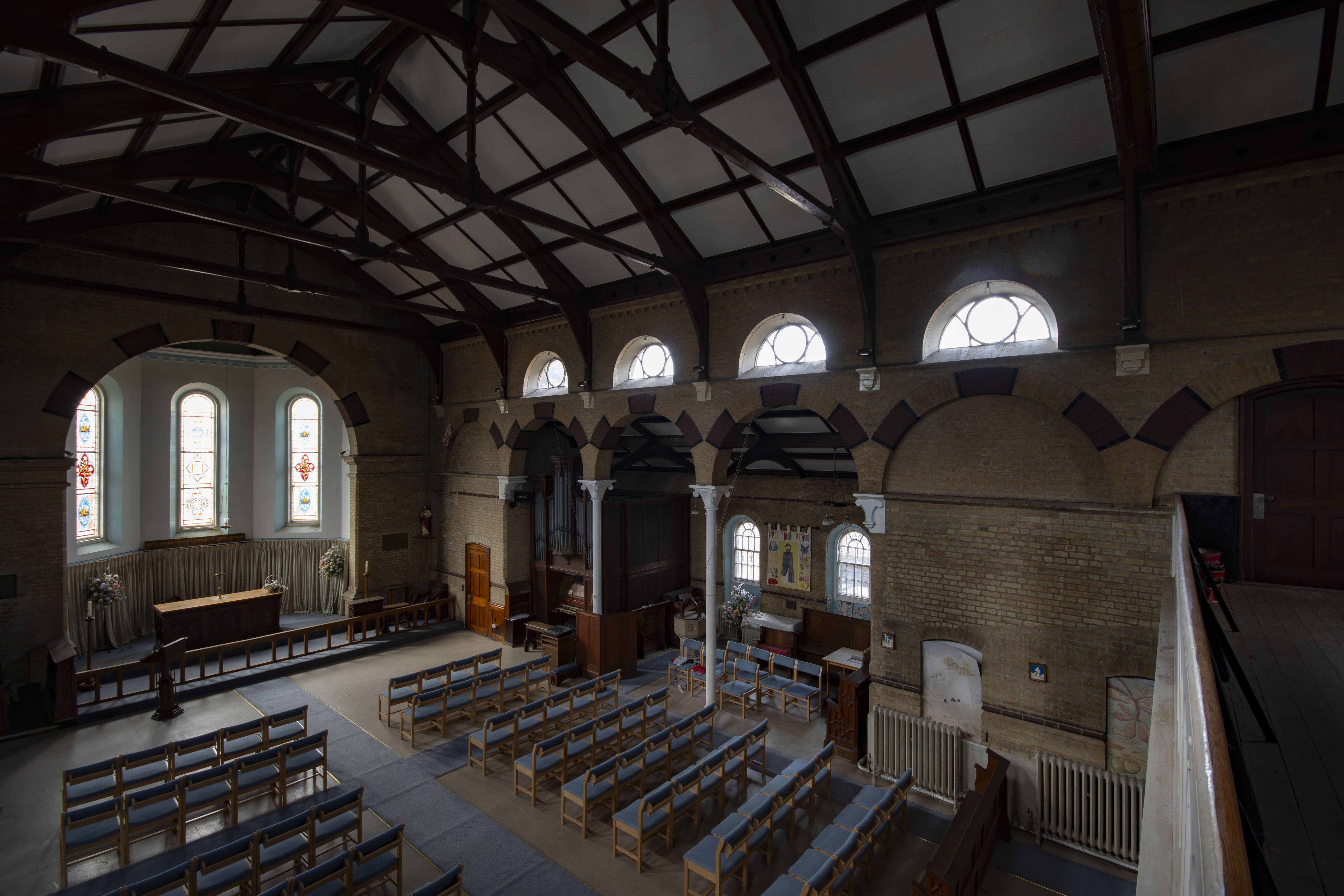
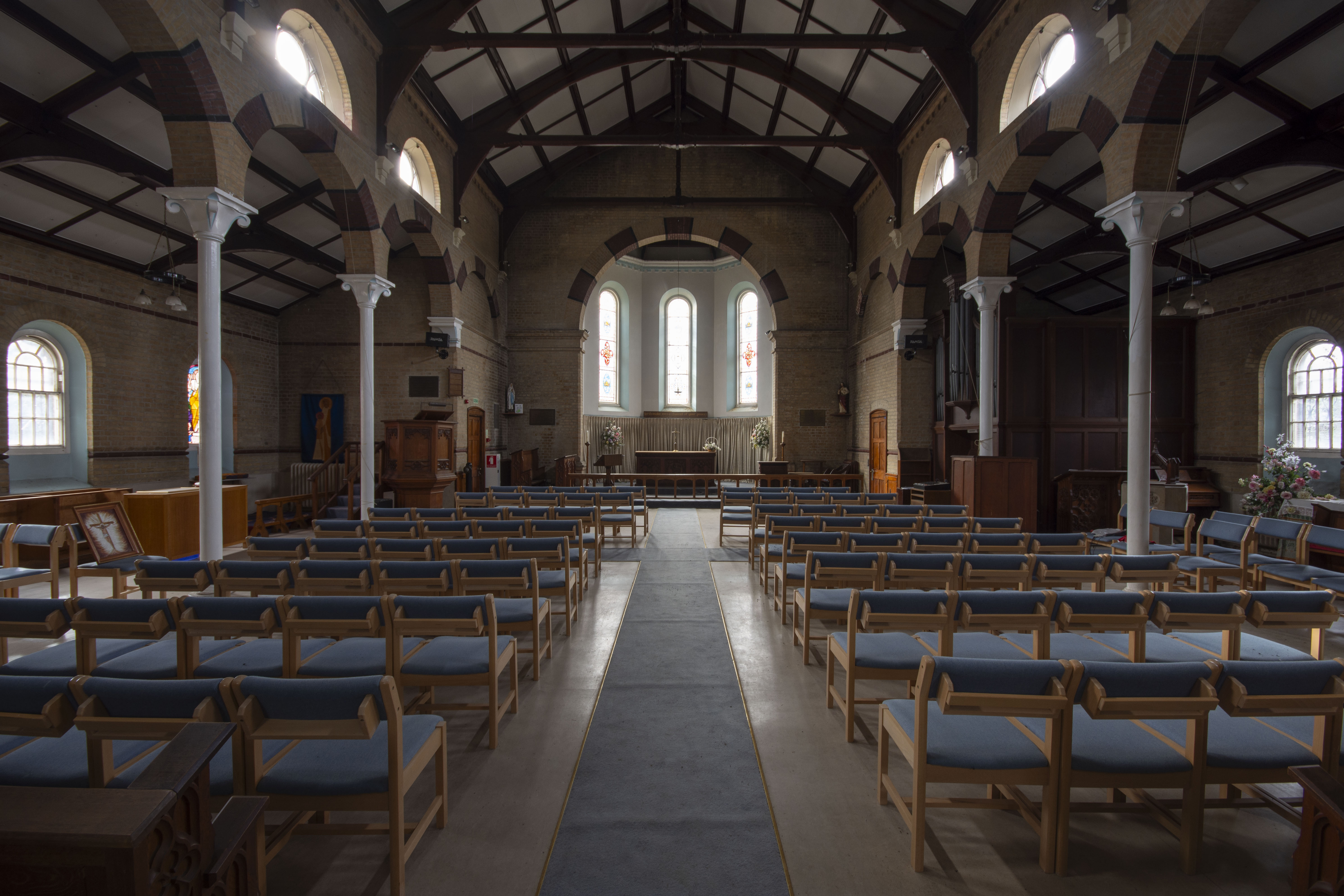
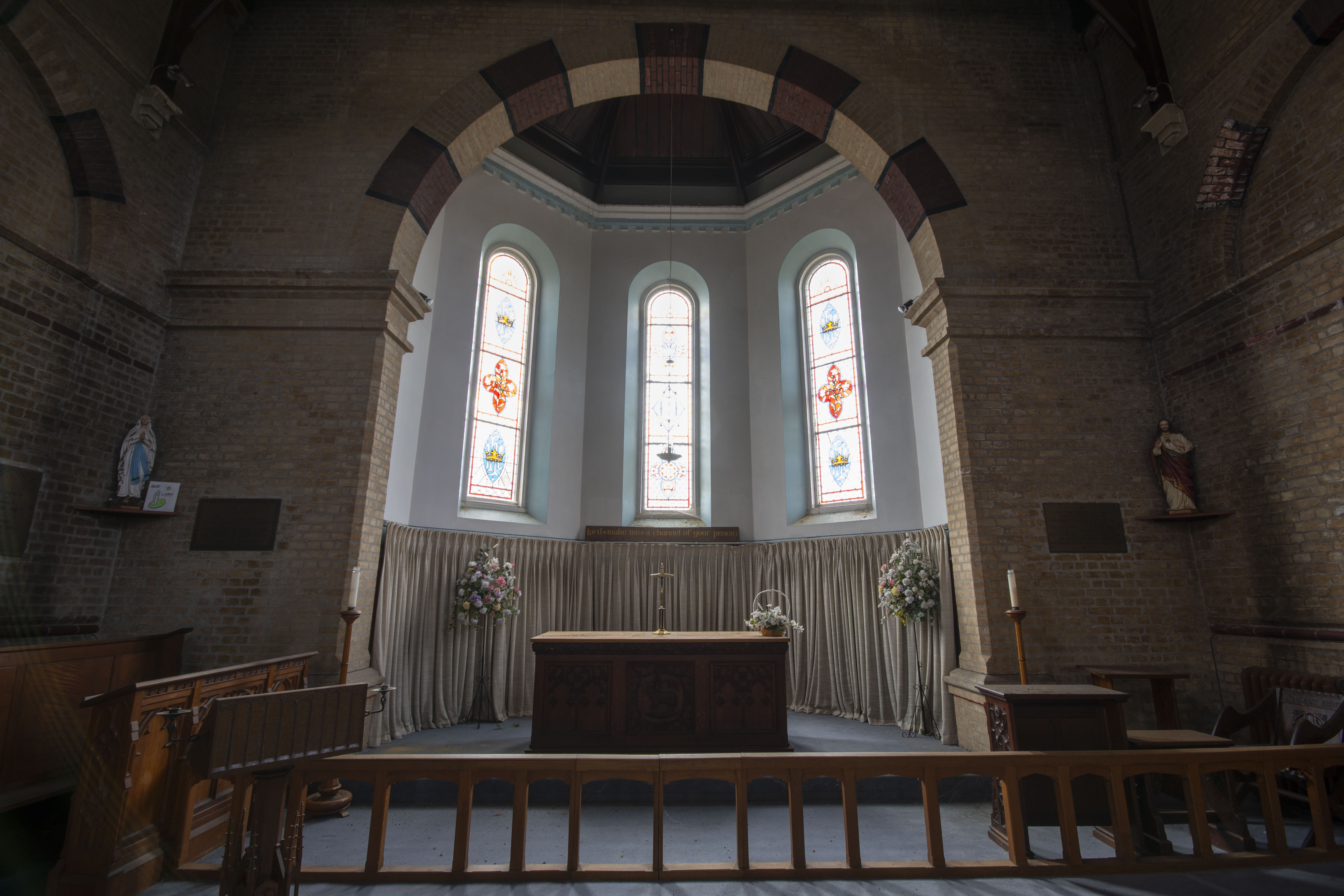
CHAPEL
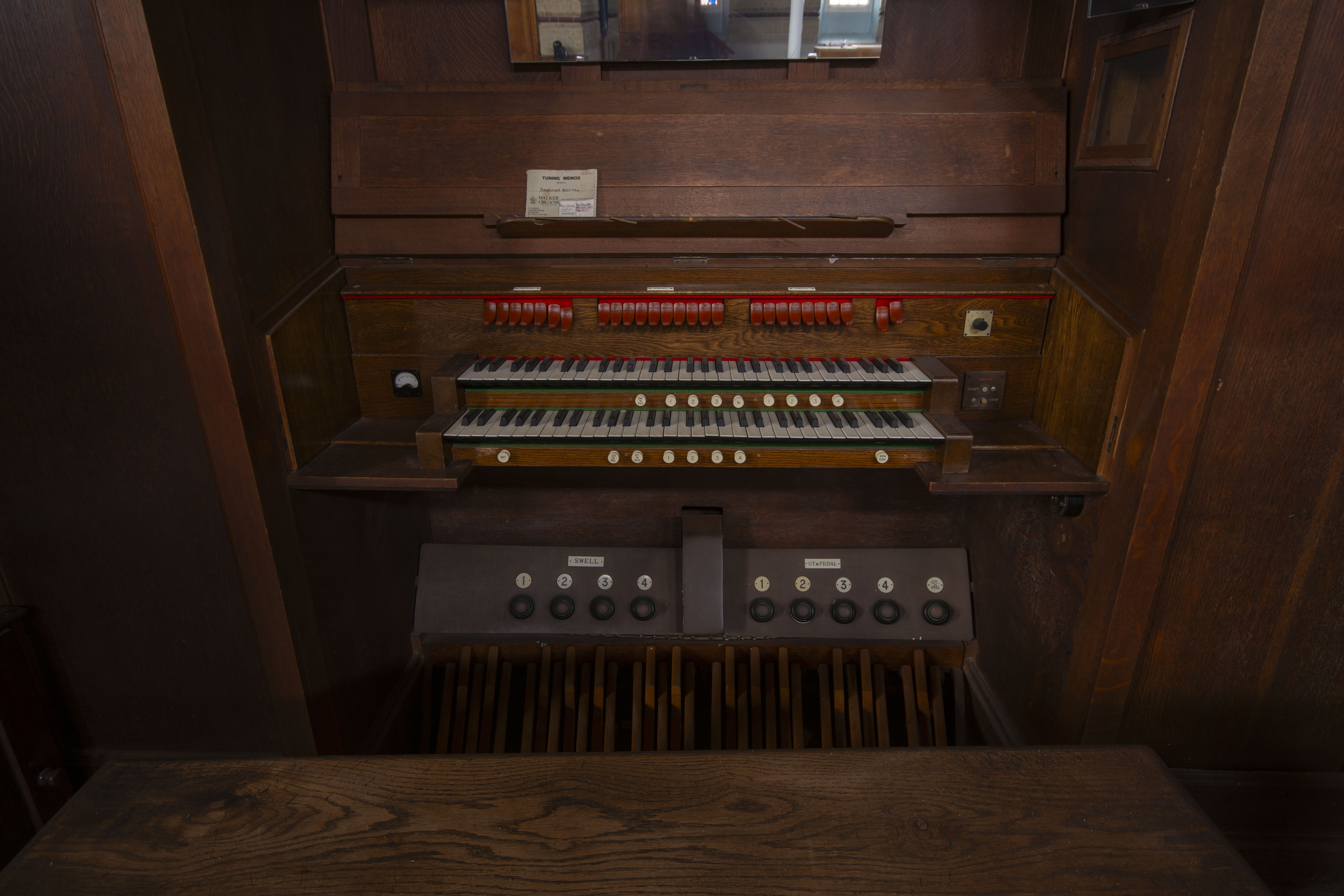
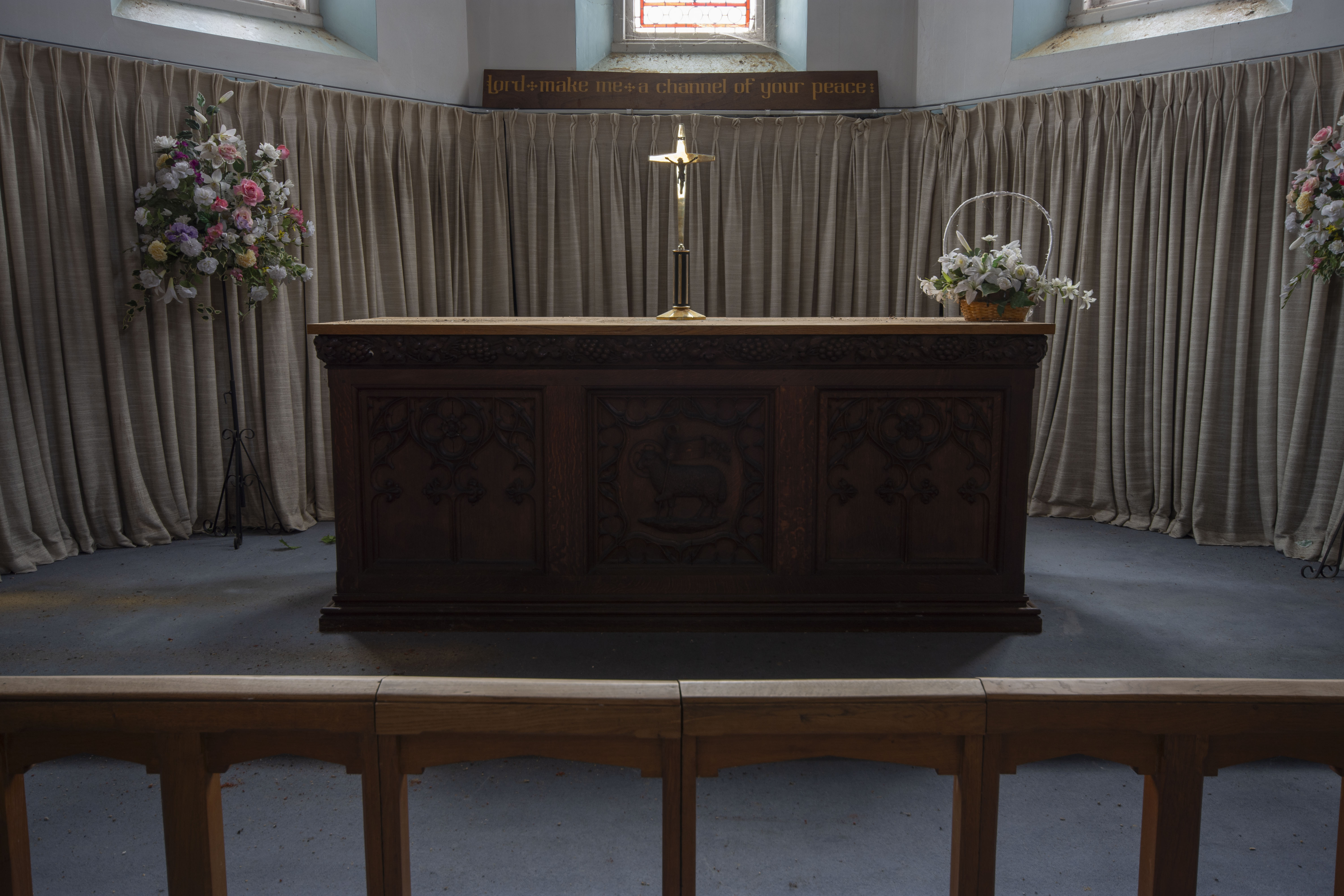
A Lombardic Romanesque Revival style with much polychrome brickwork inside.


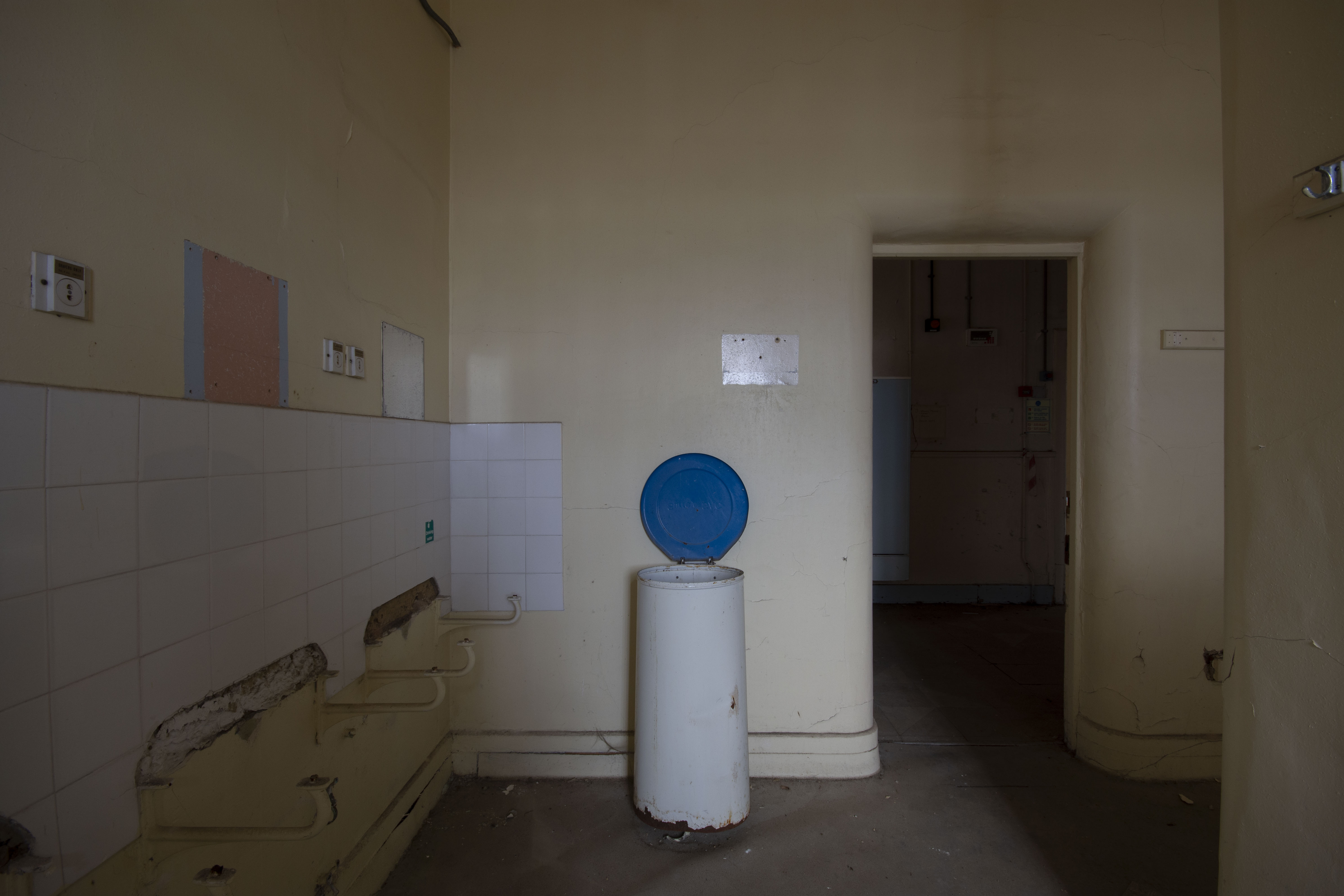
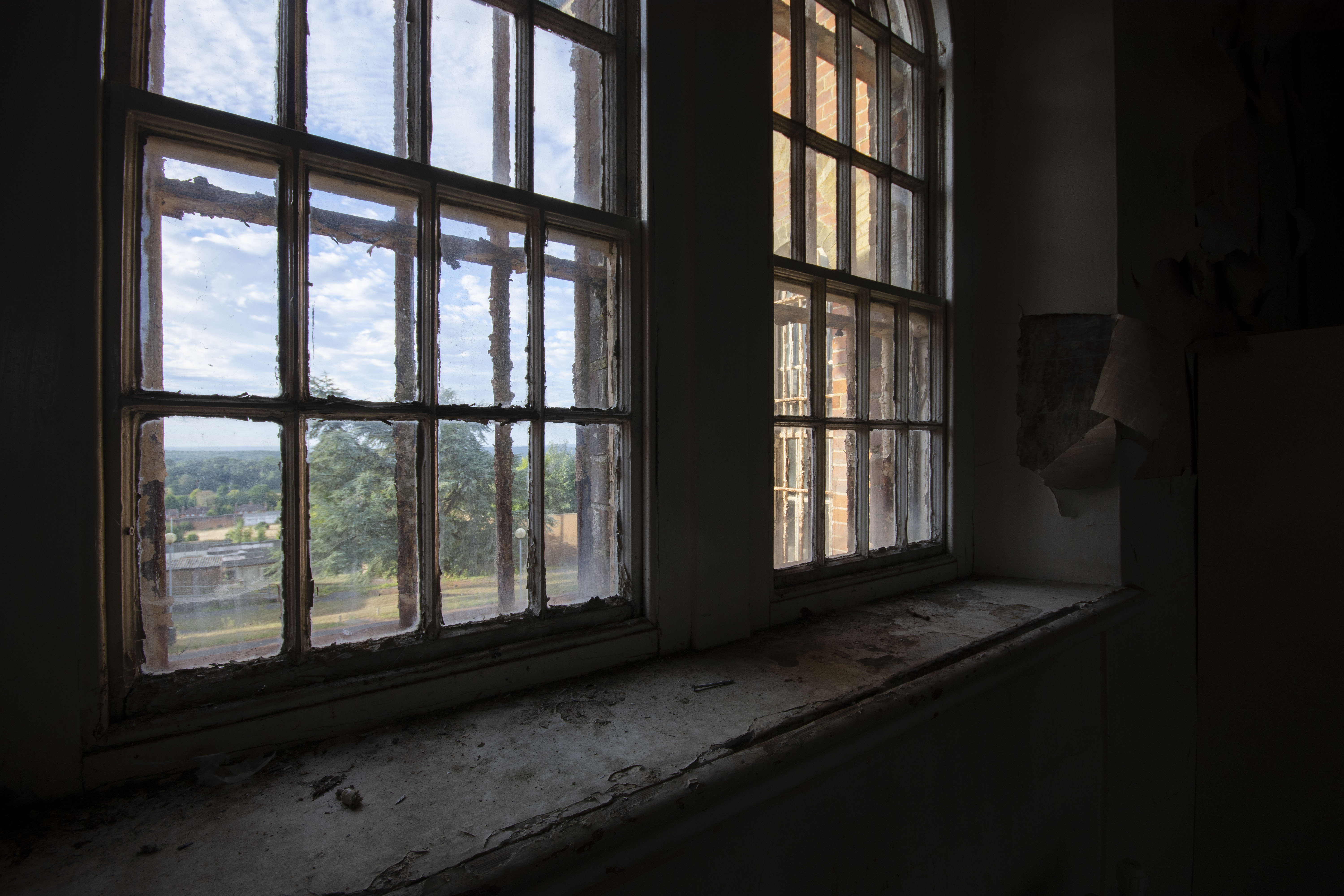
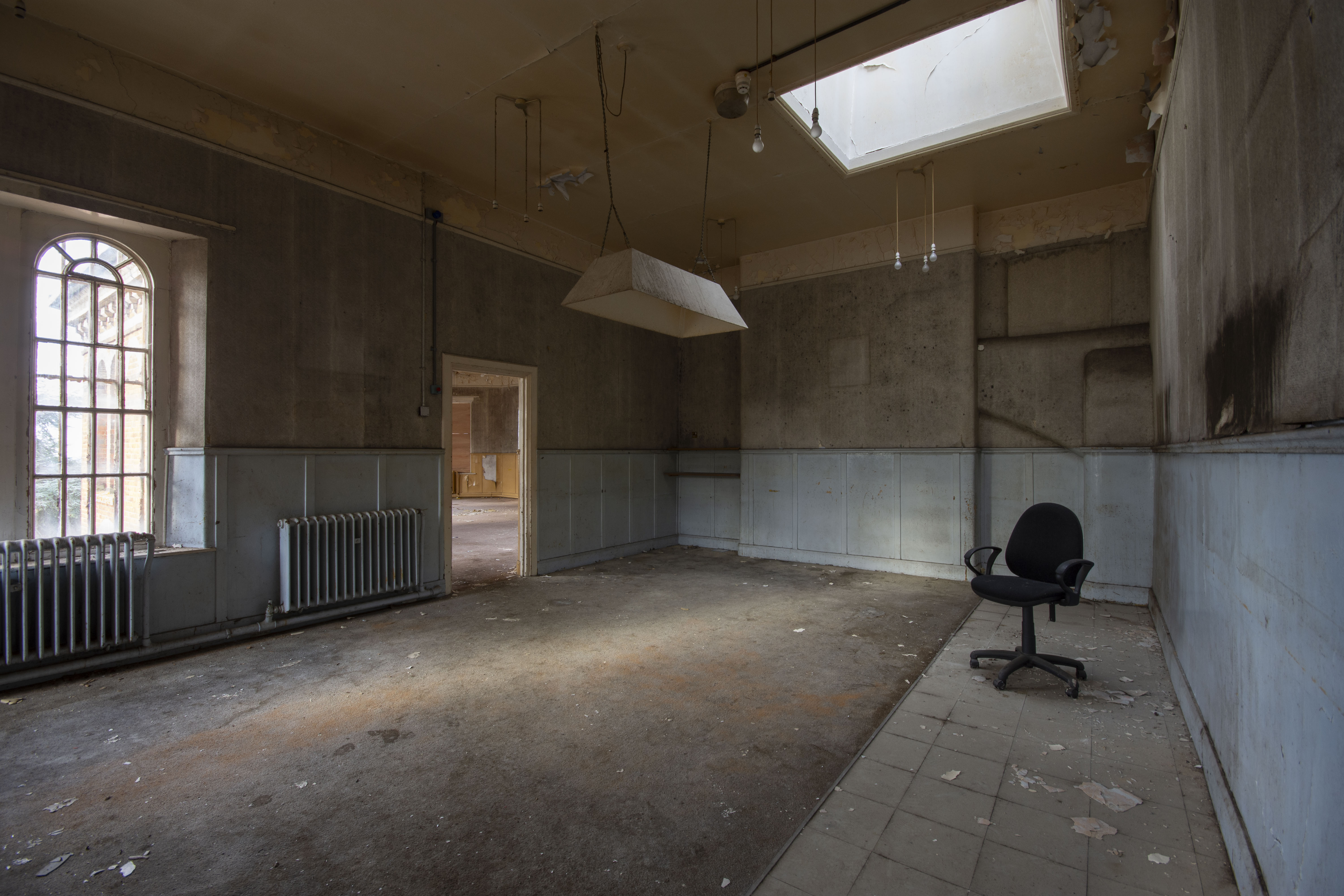
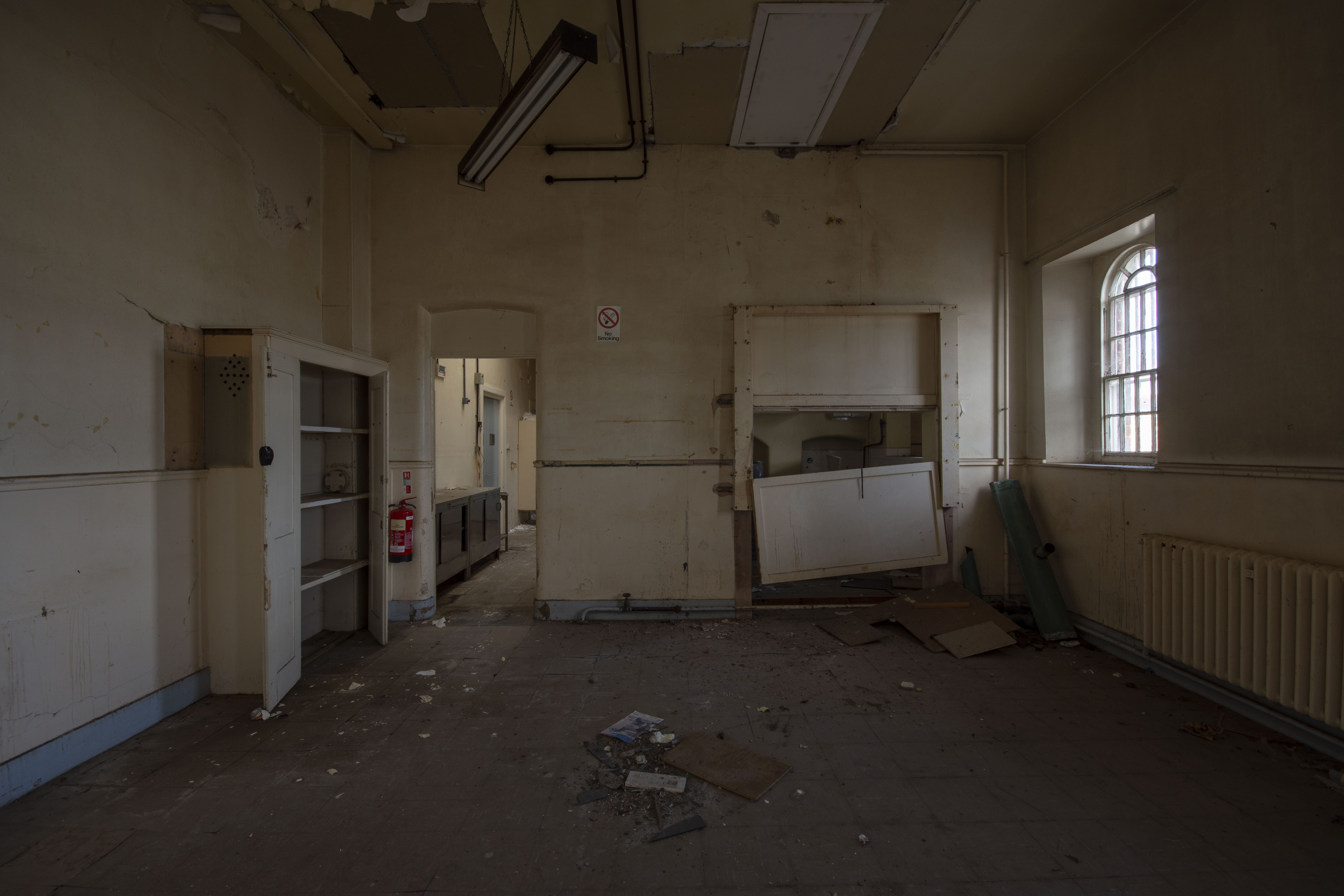
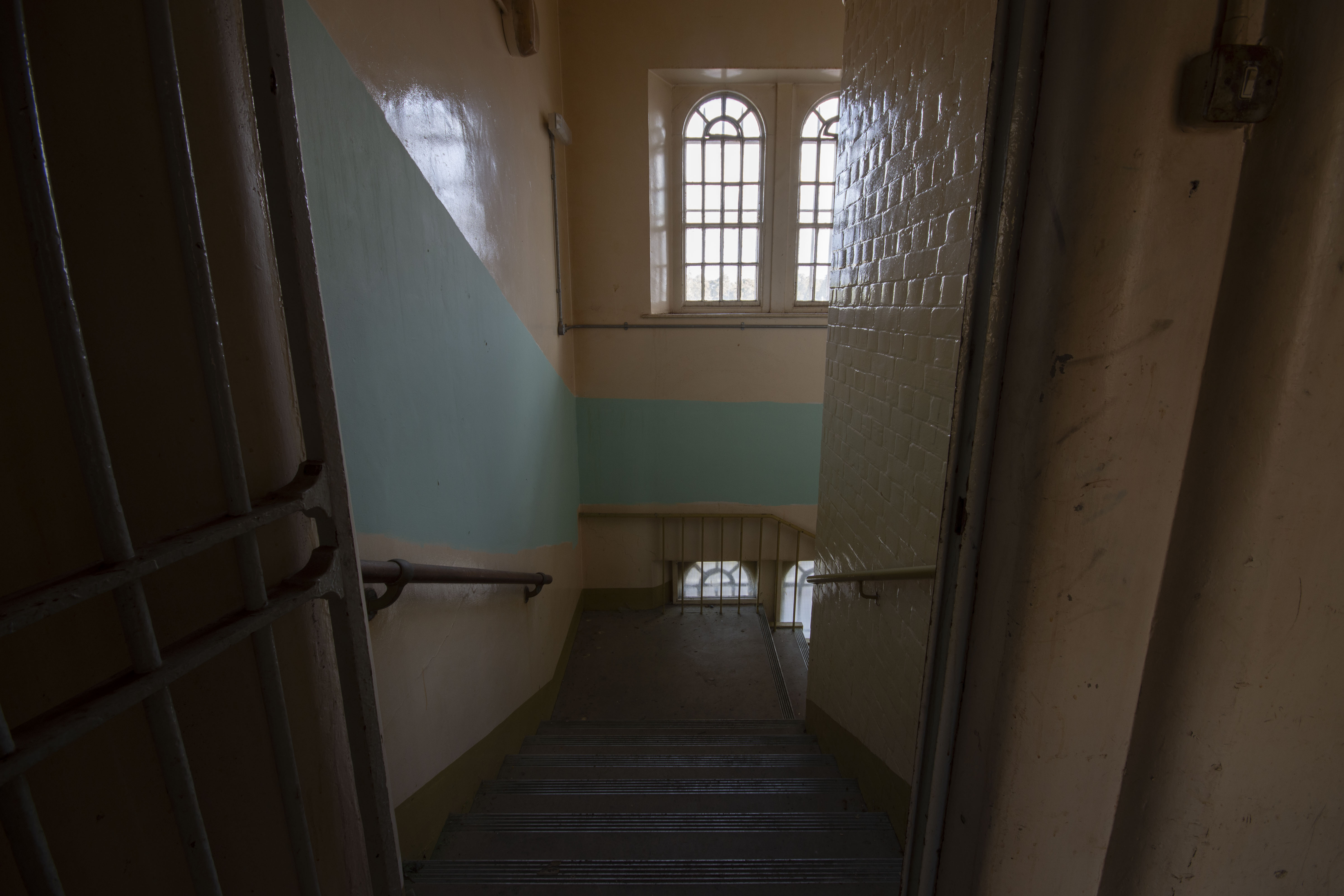
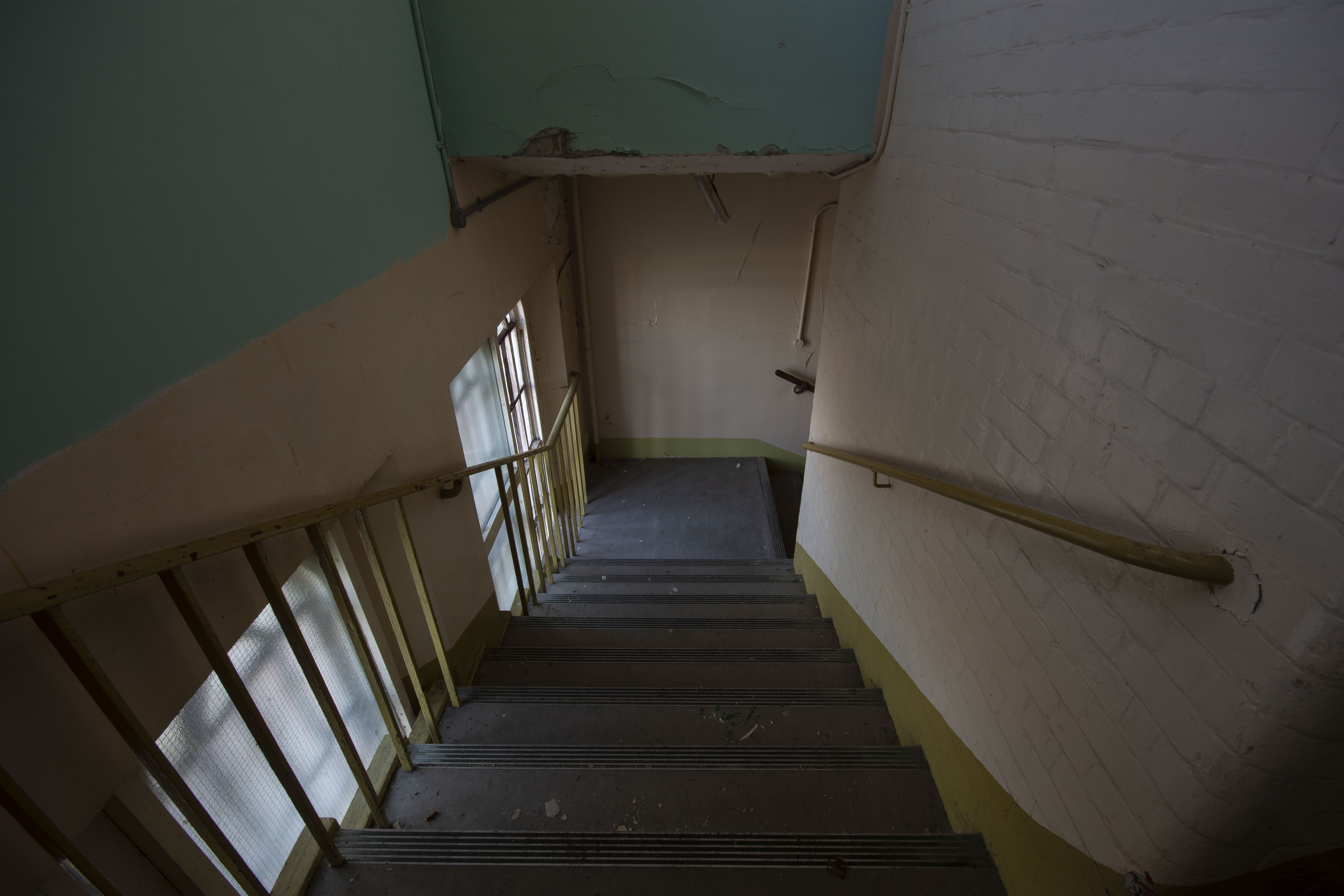
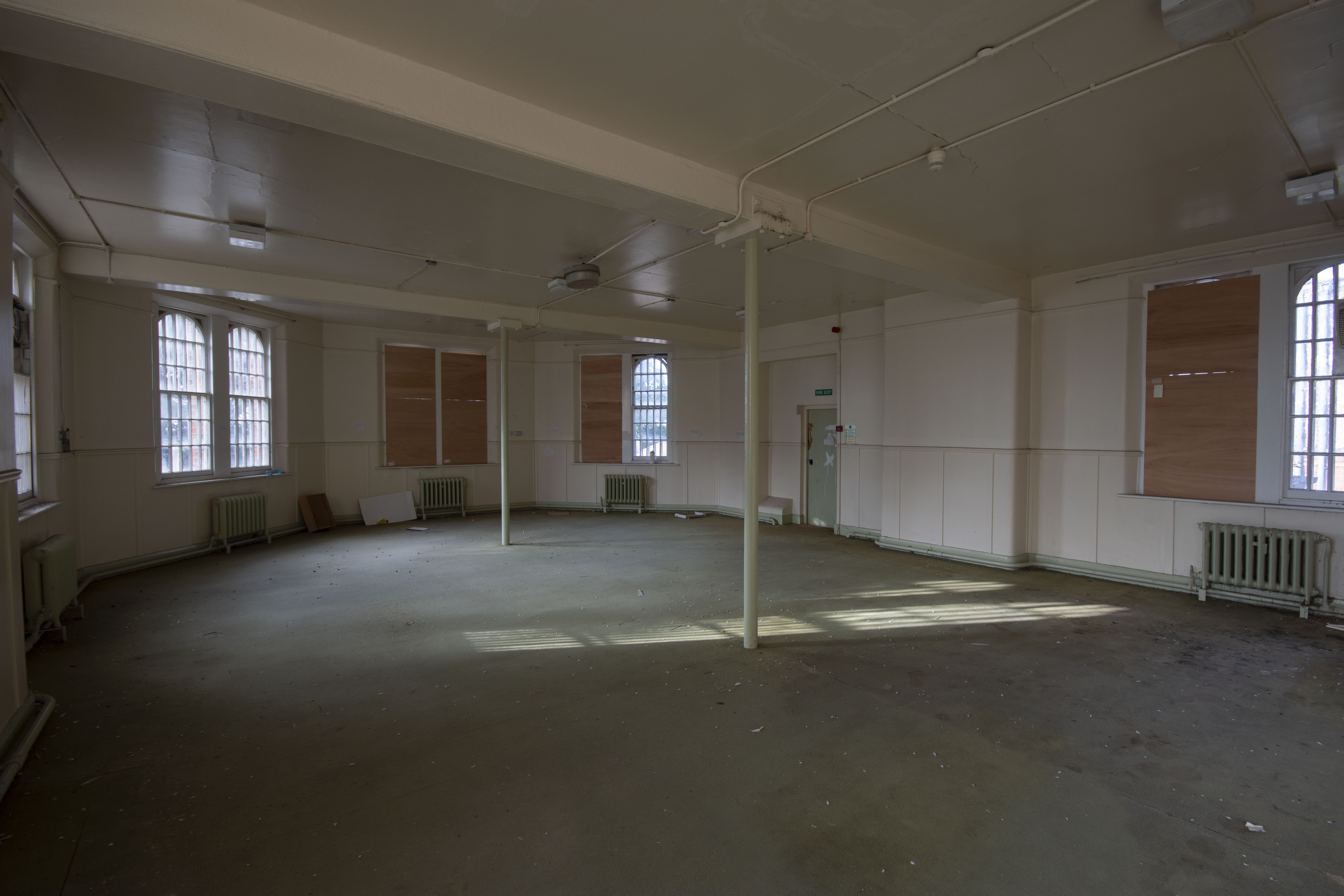
DORSET HOUSE
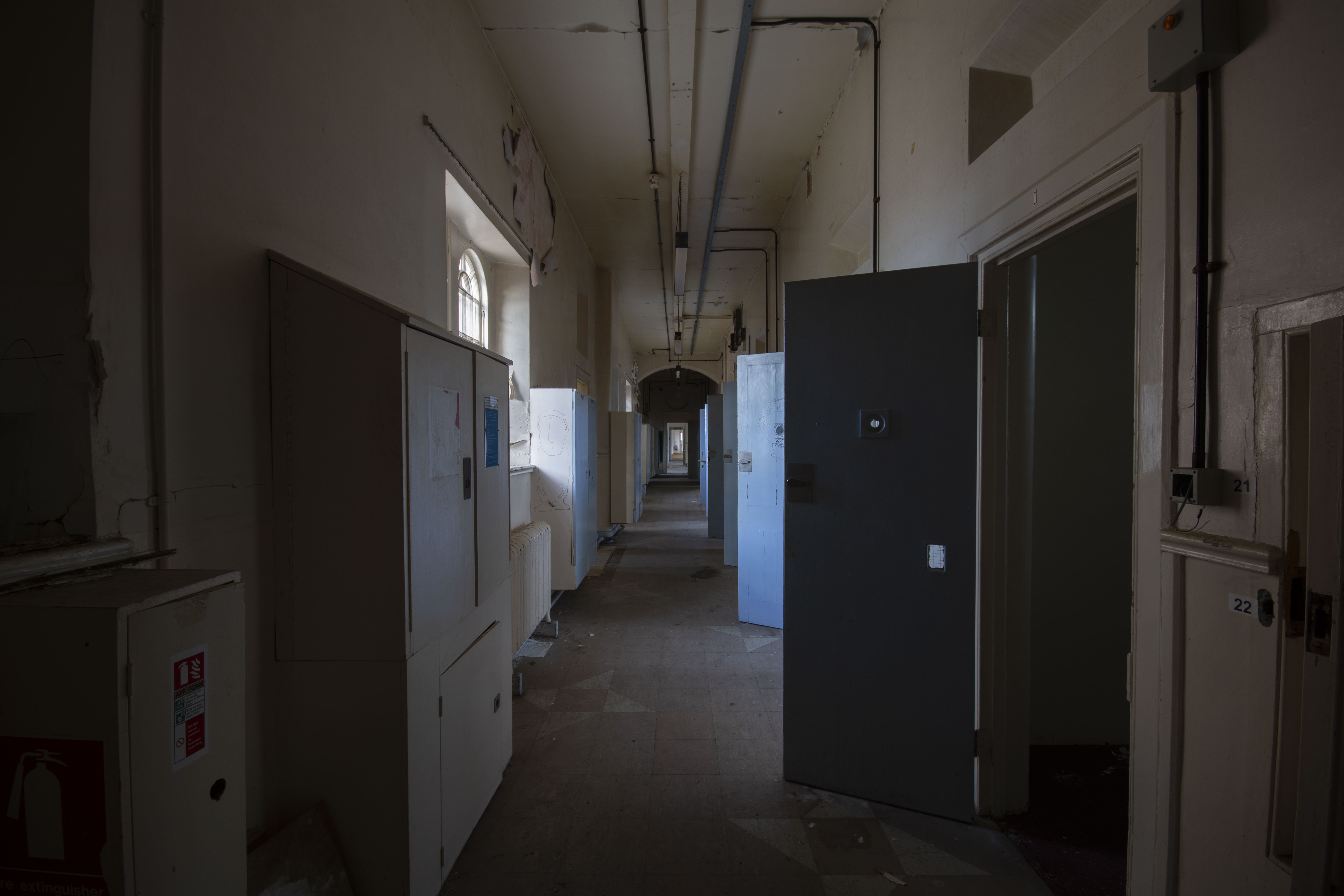
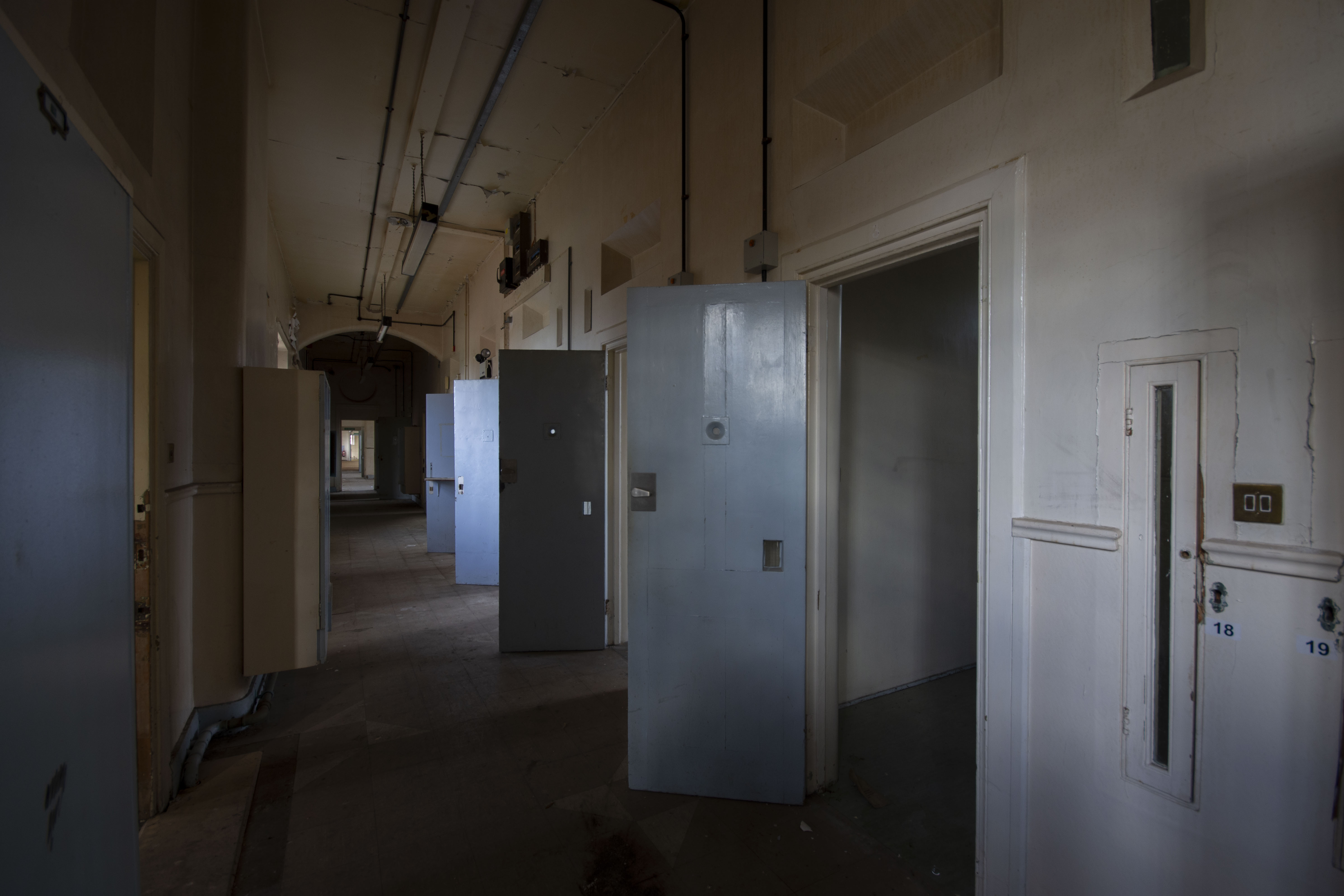
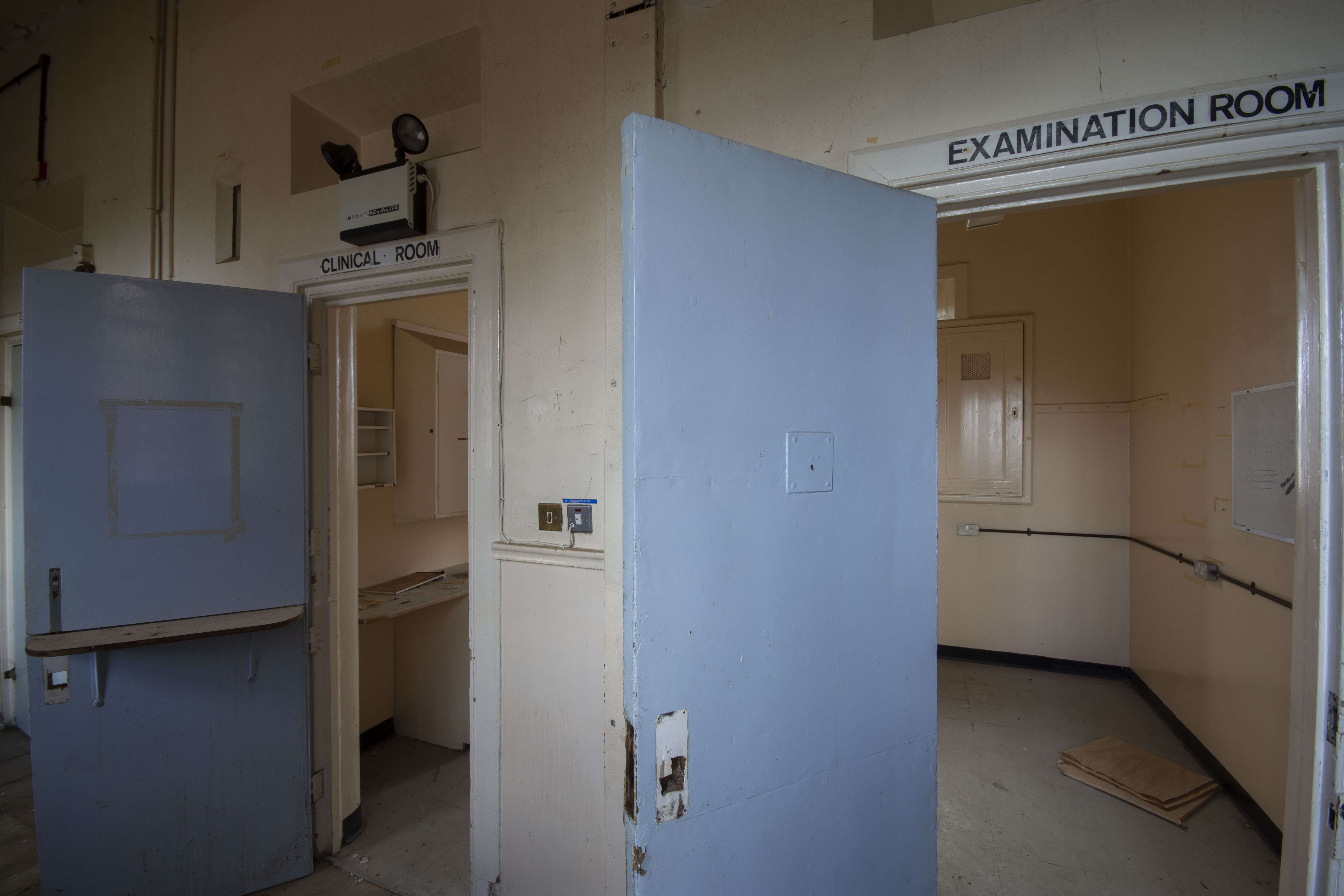
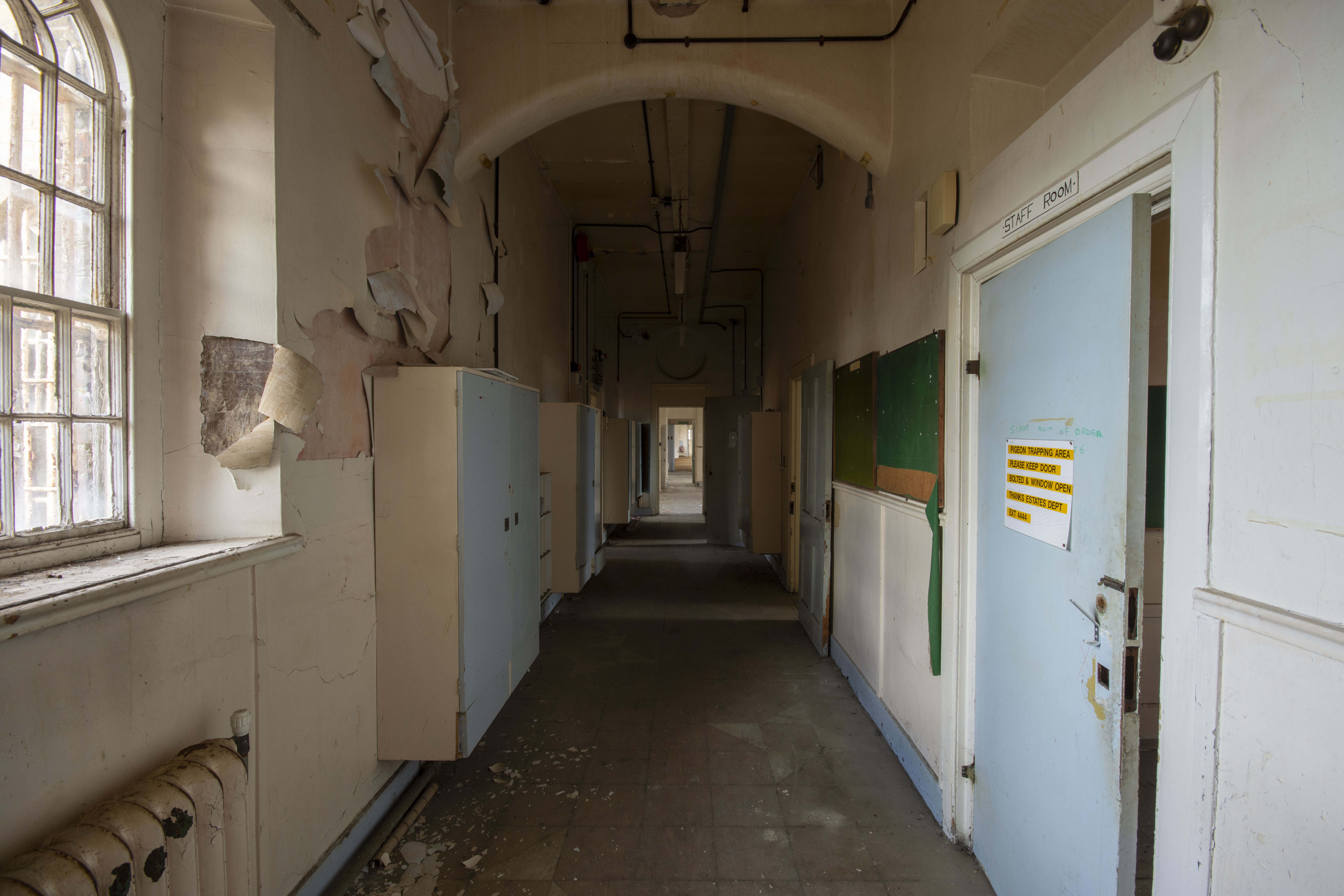
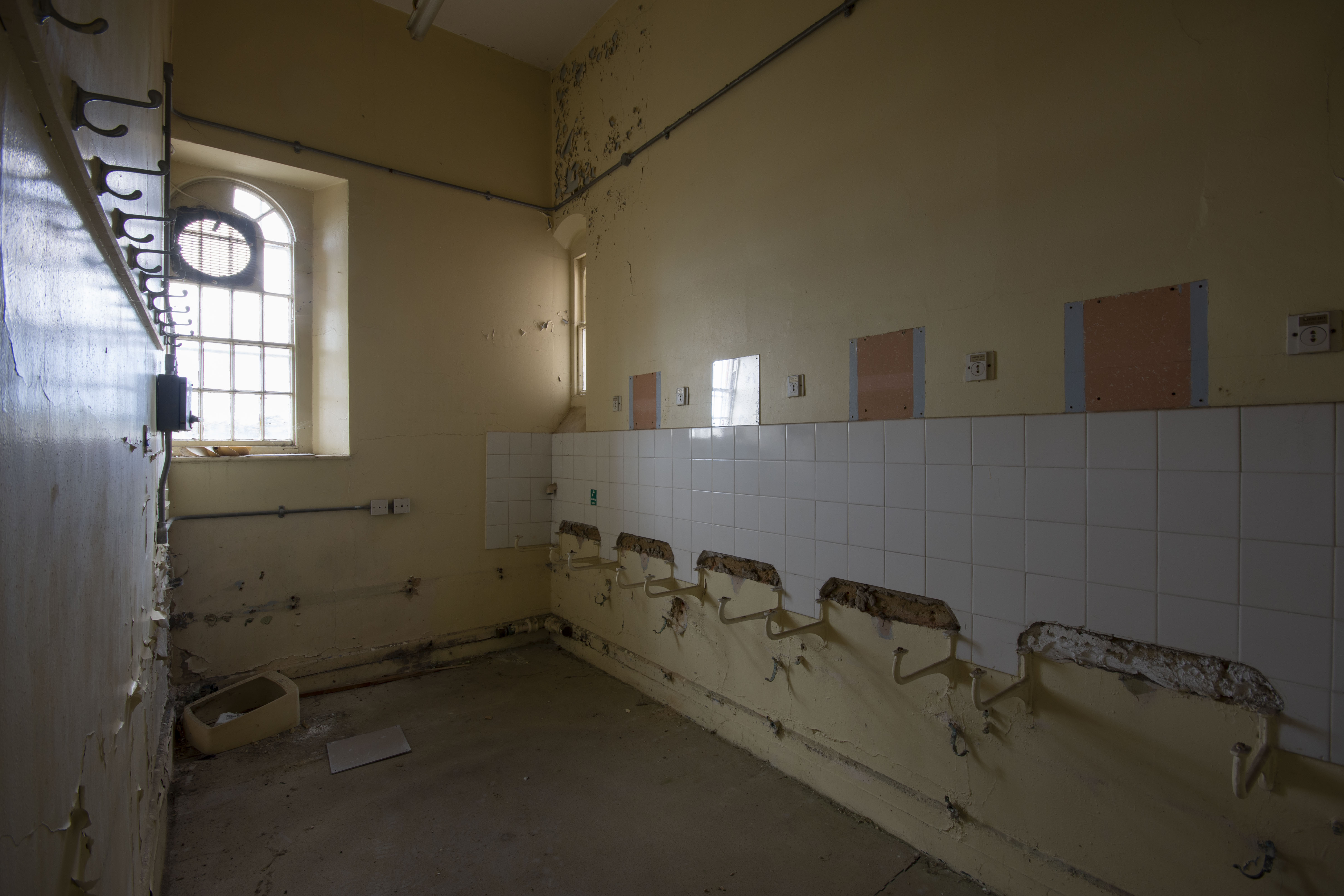
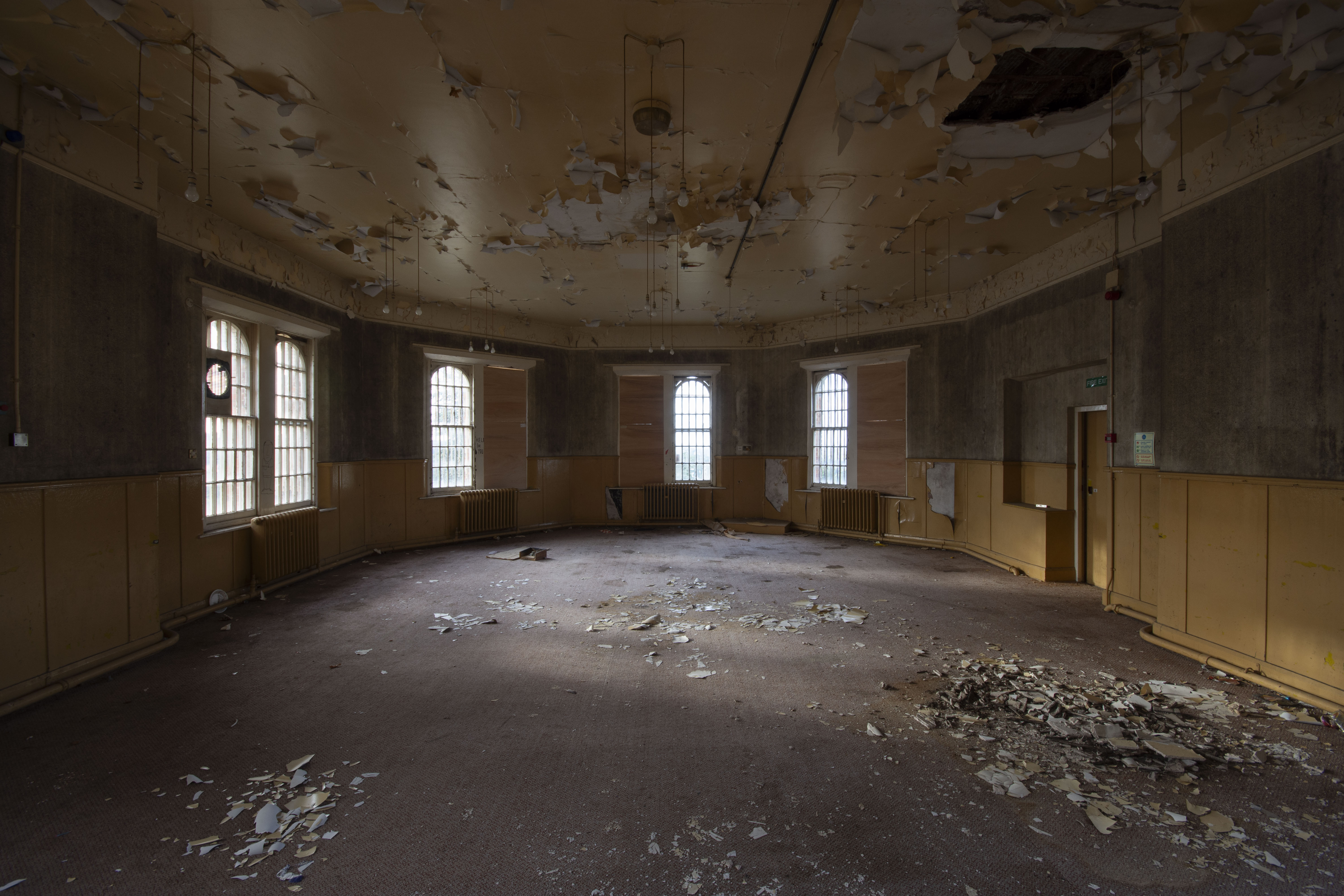
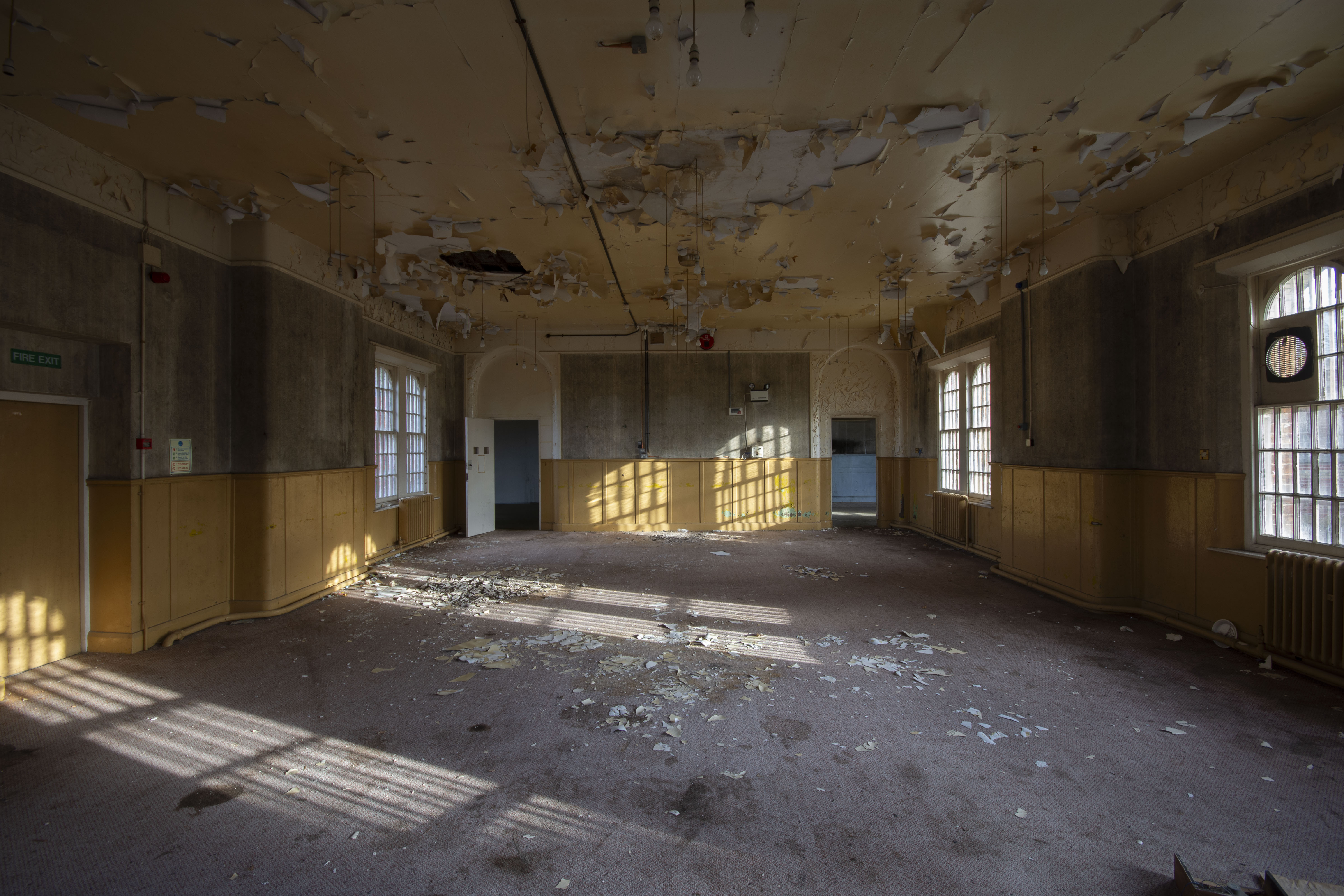
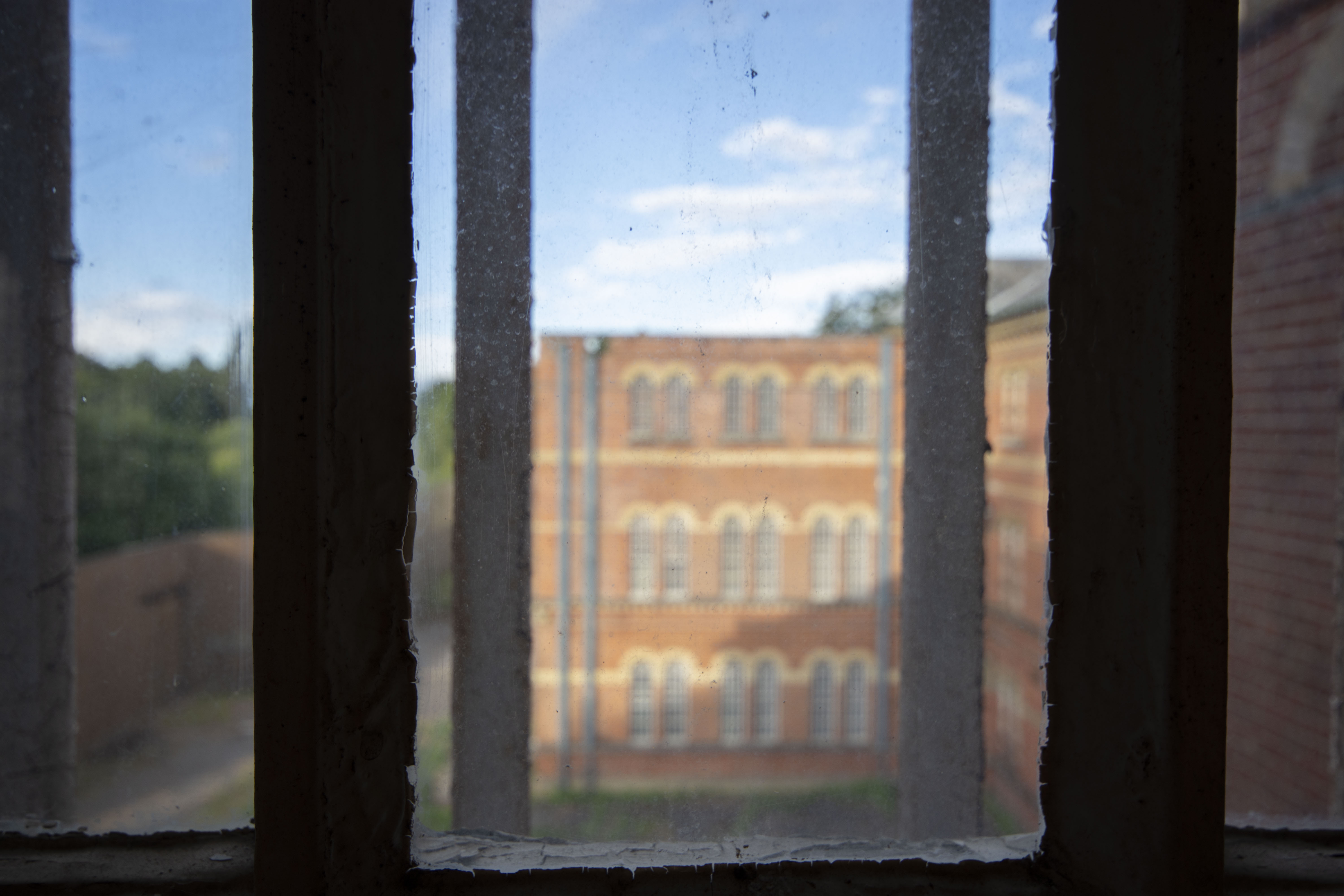
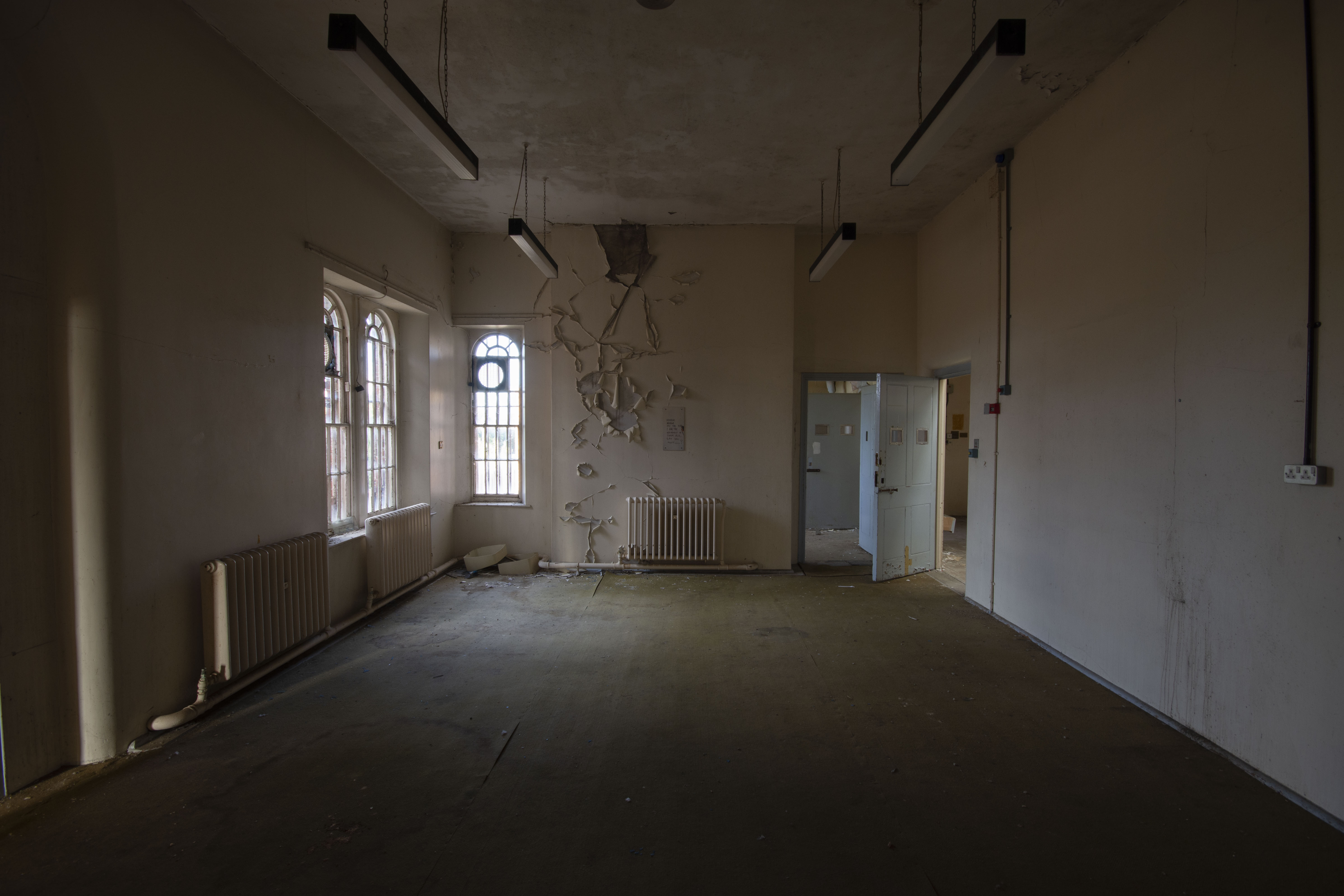
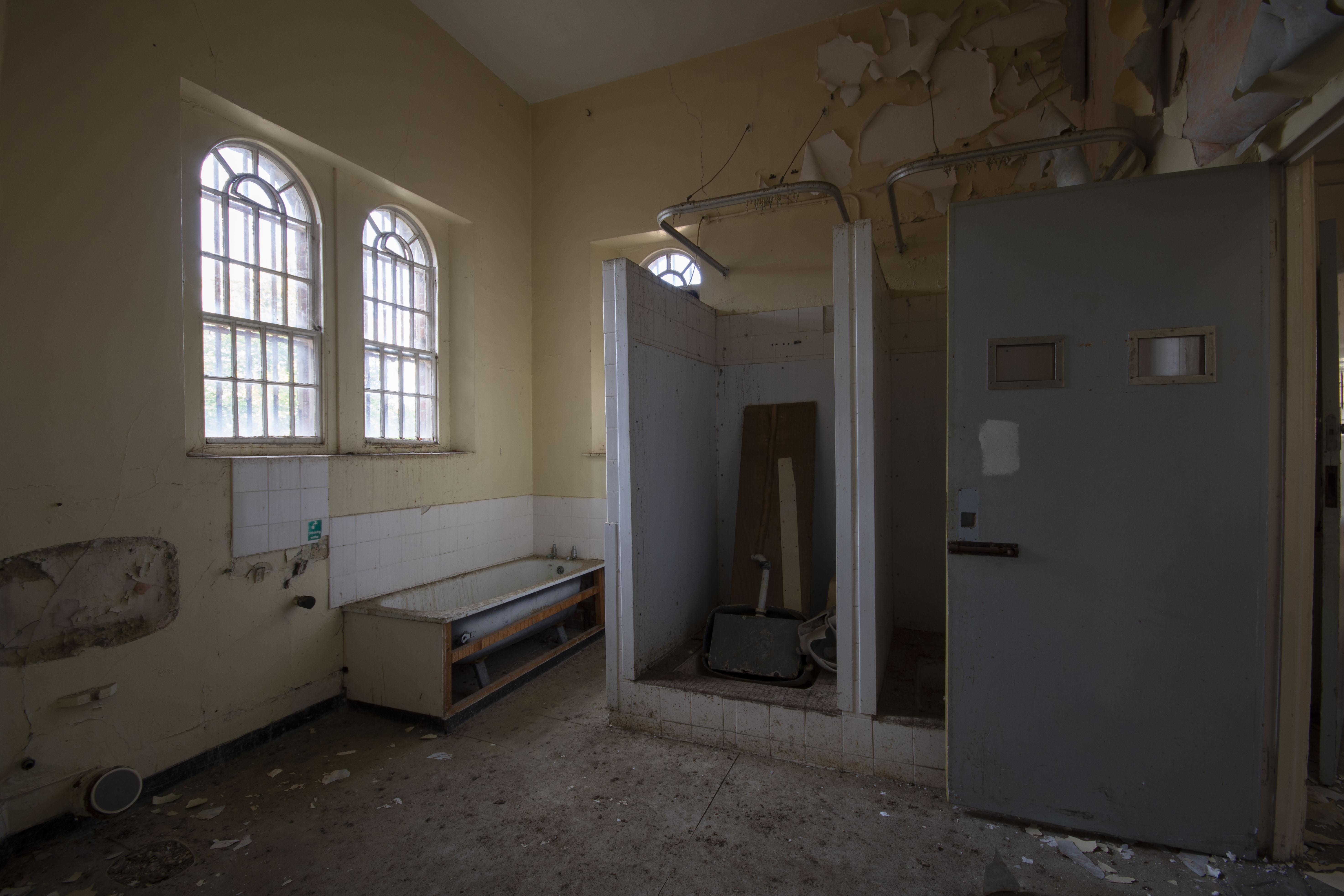
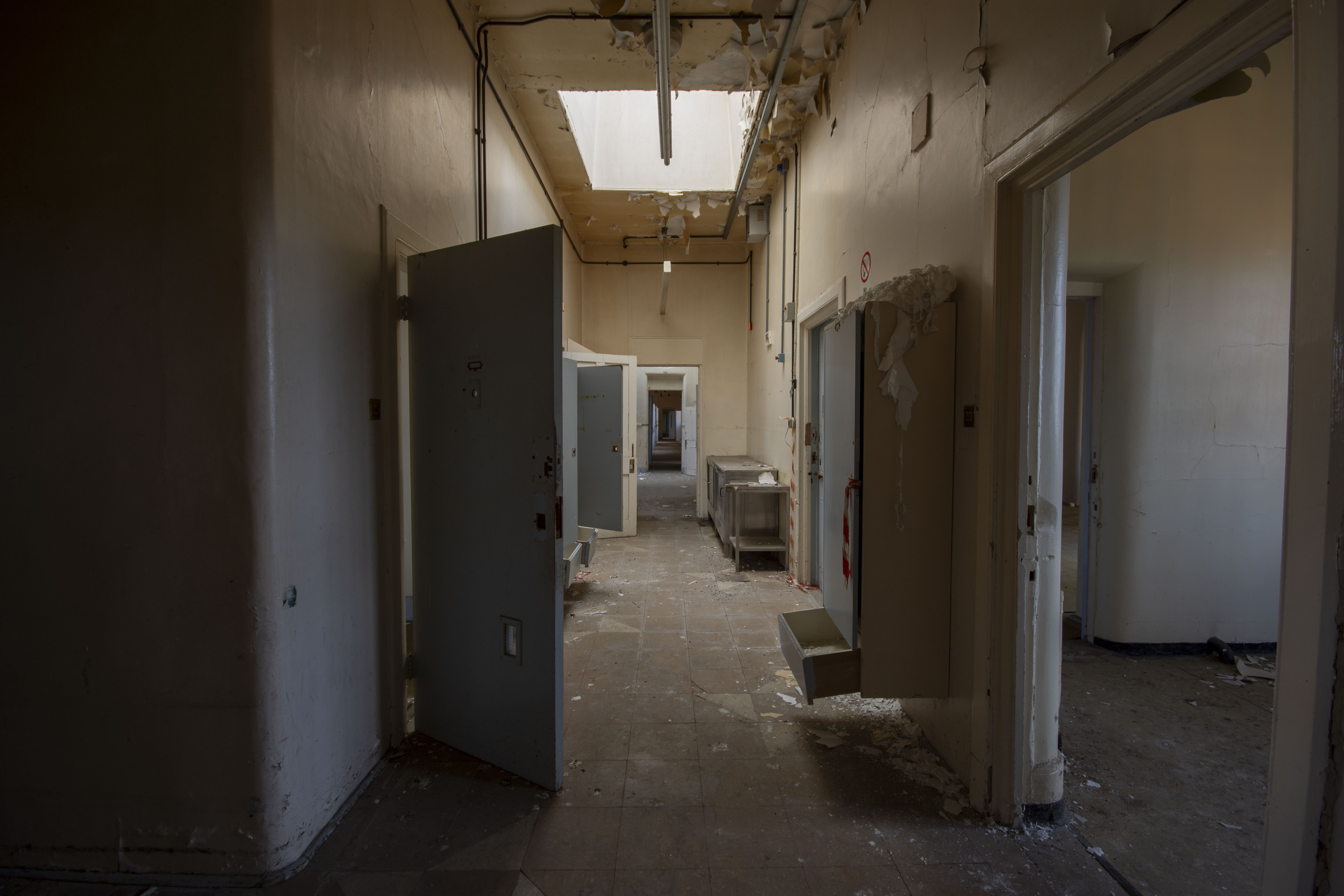
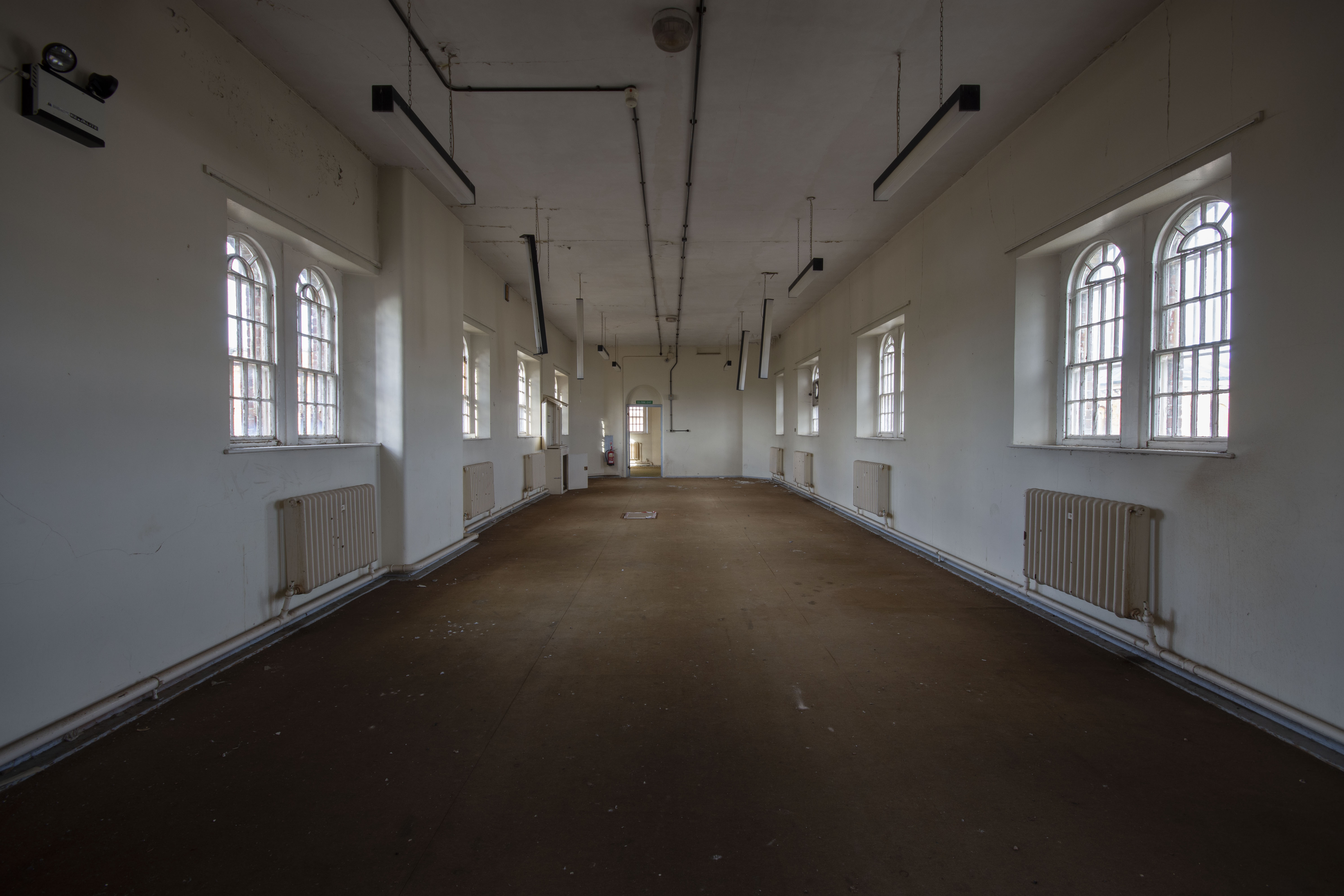
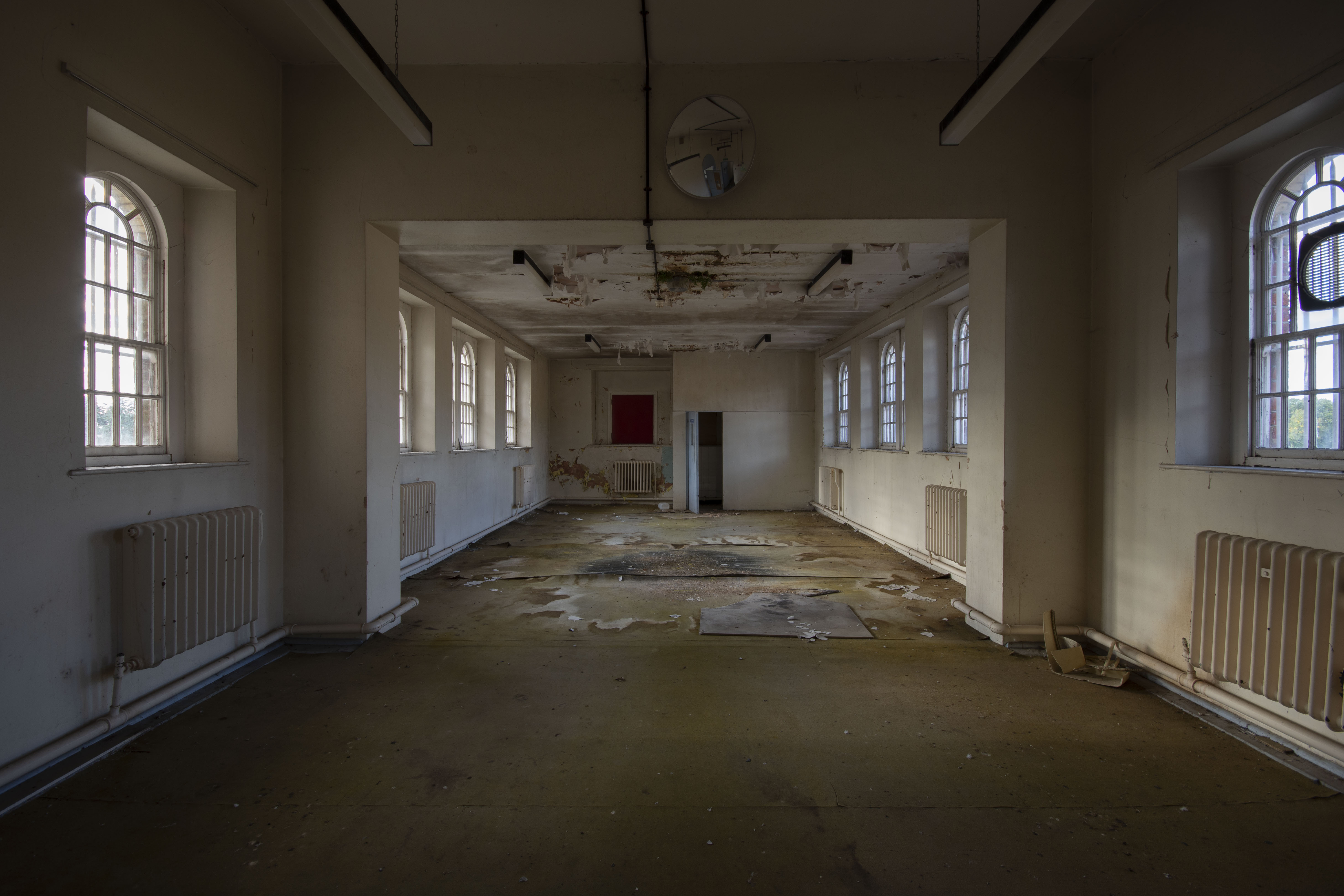
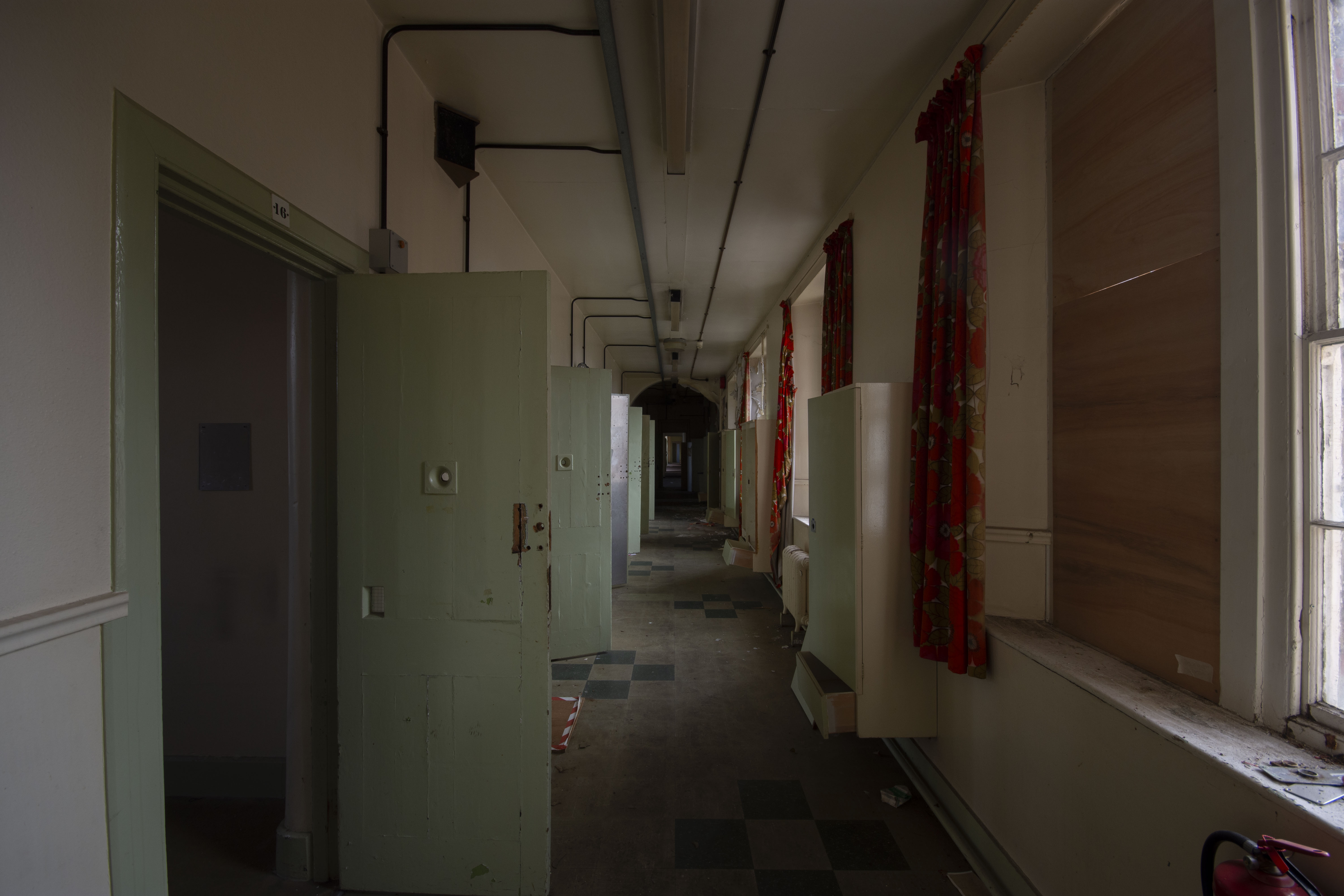
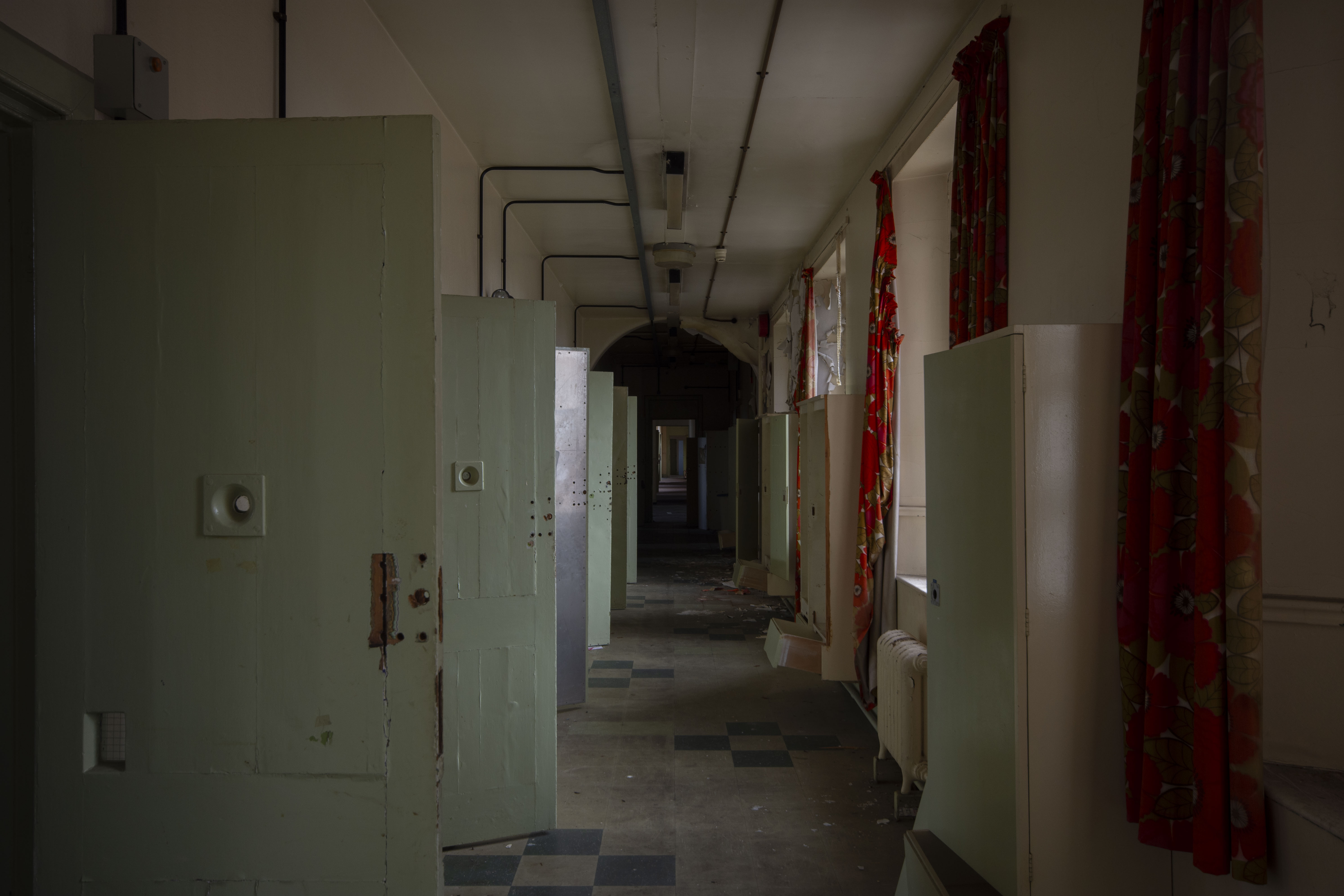
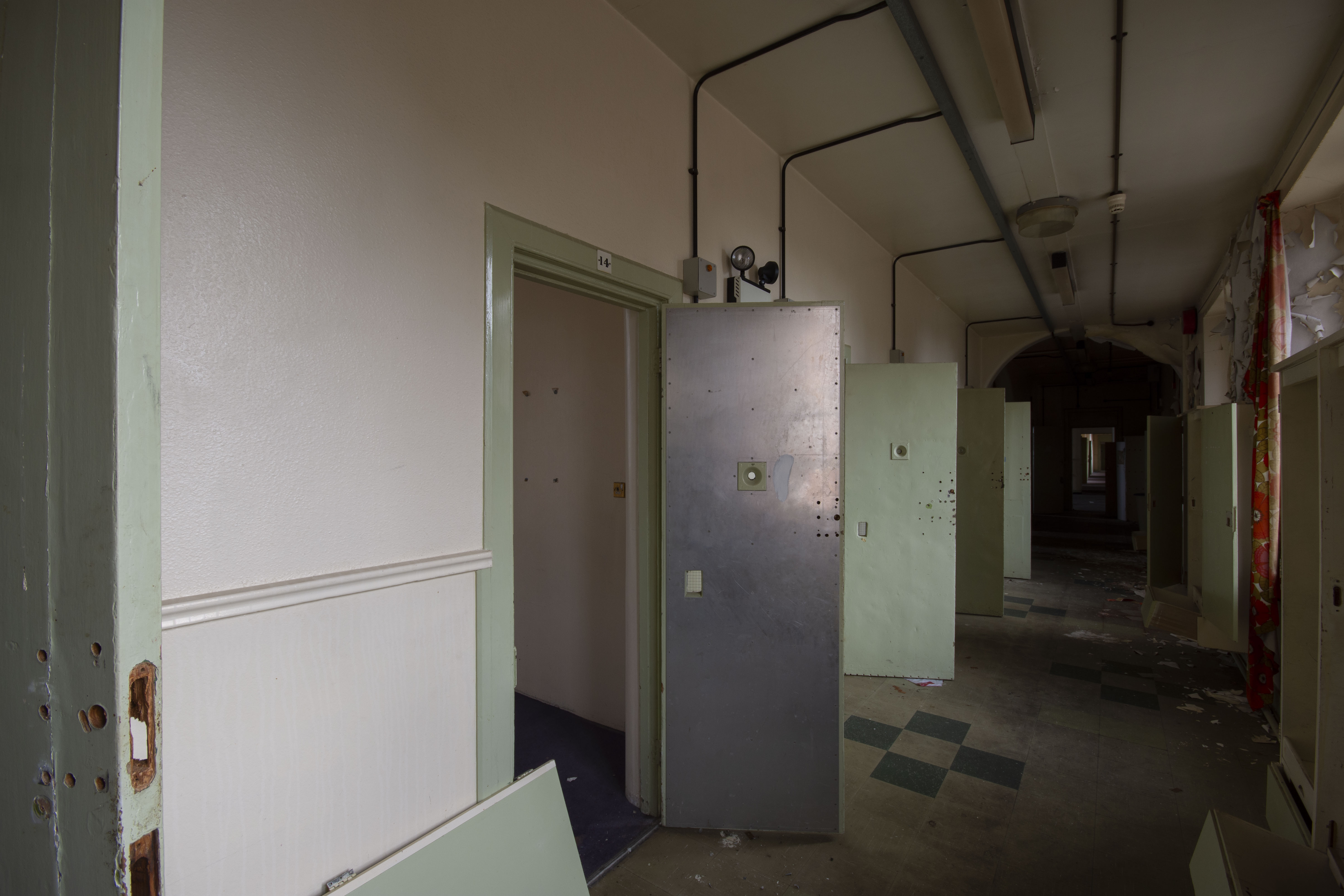
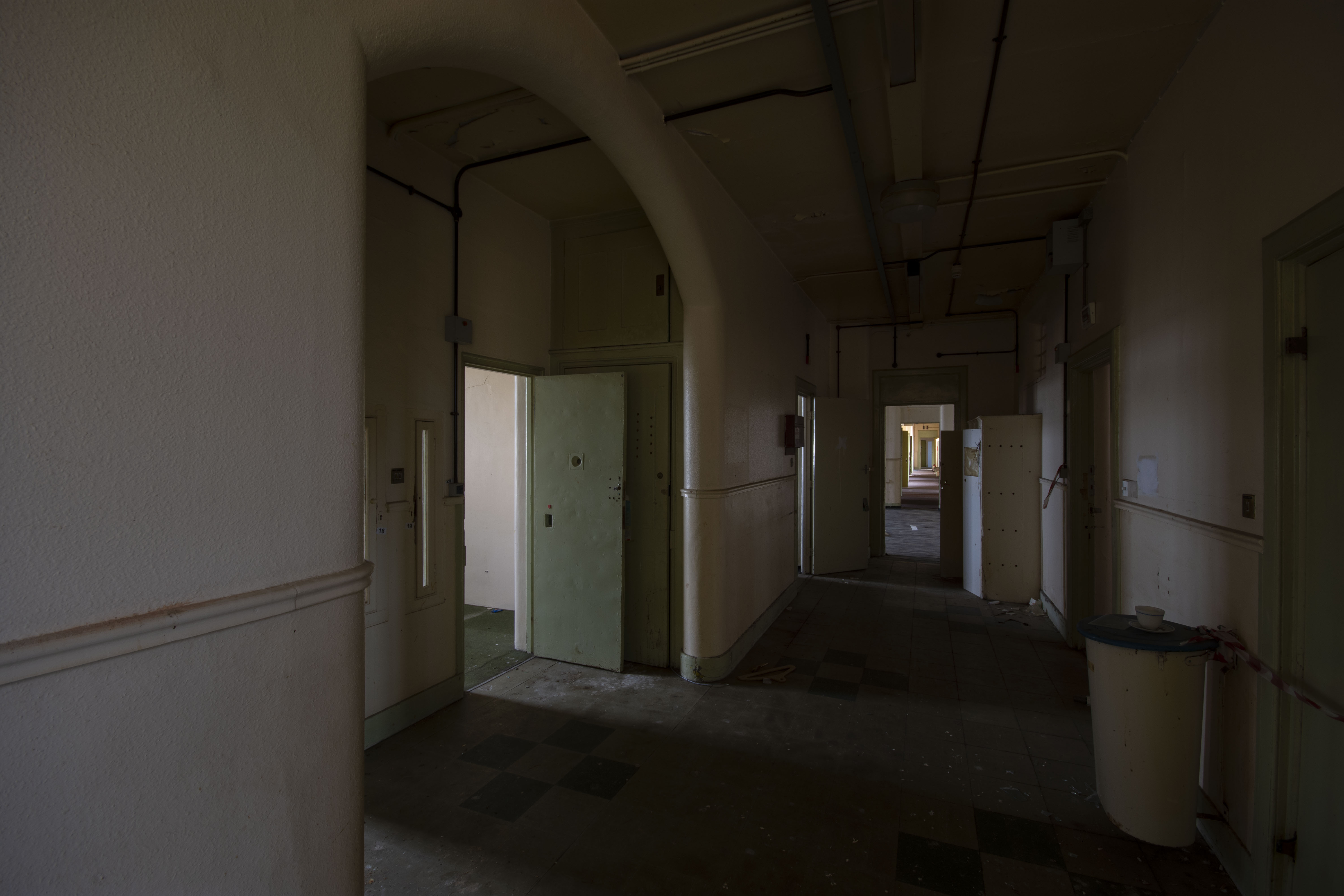
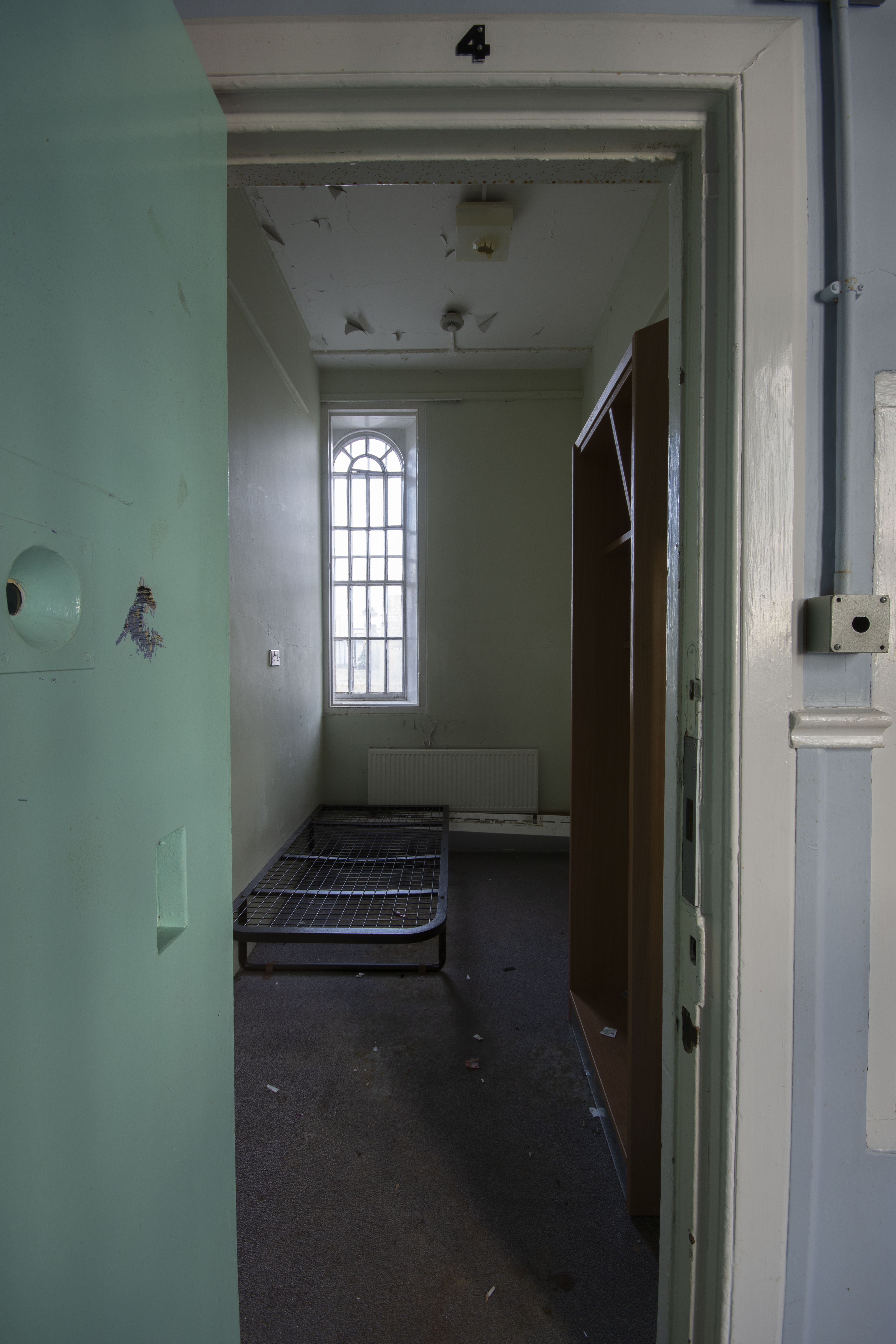
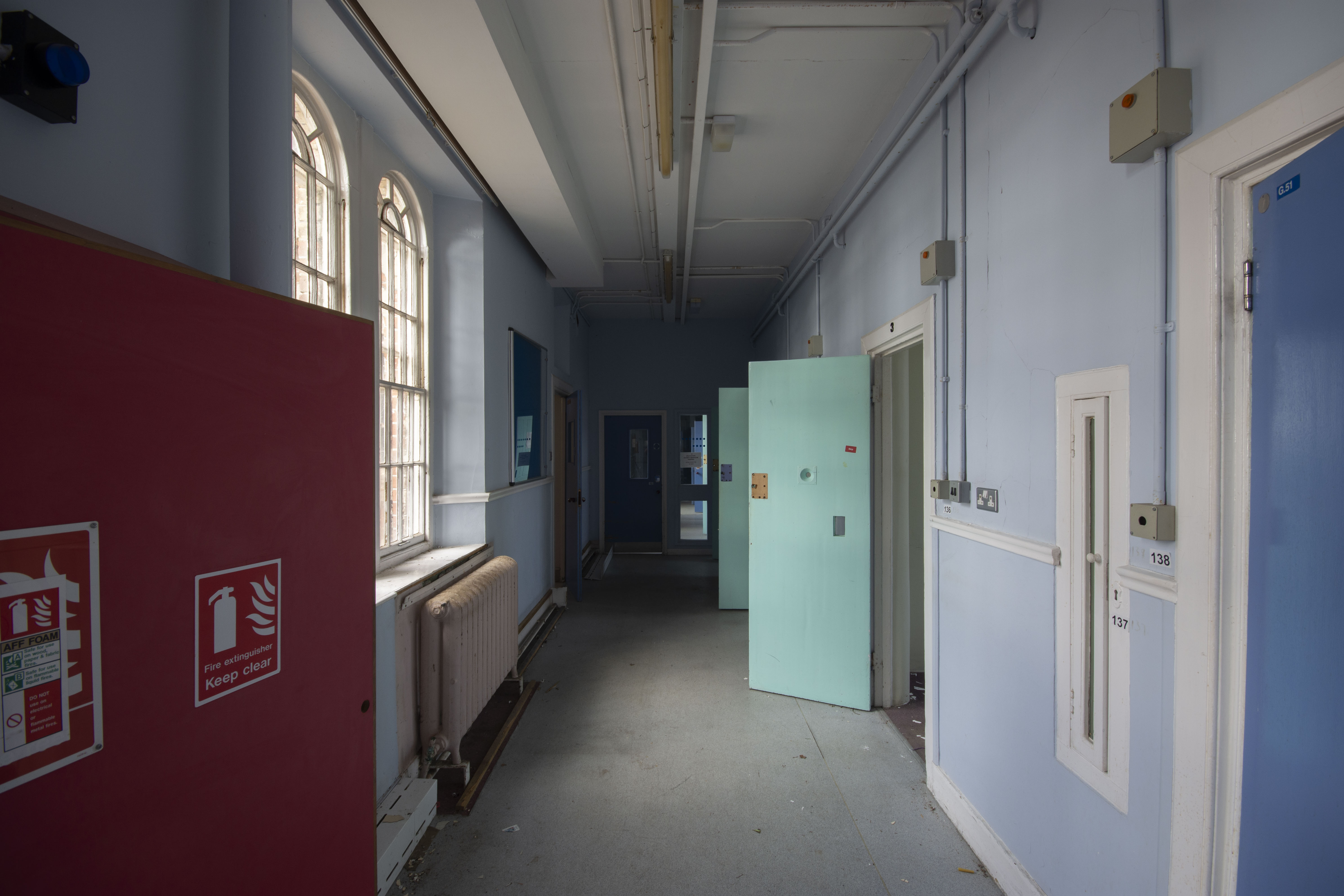
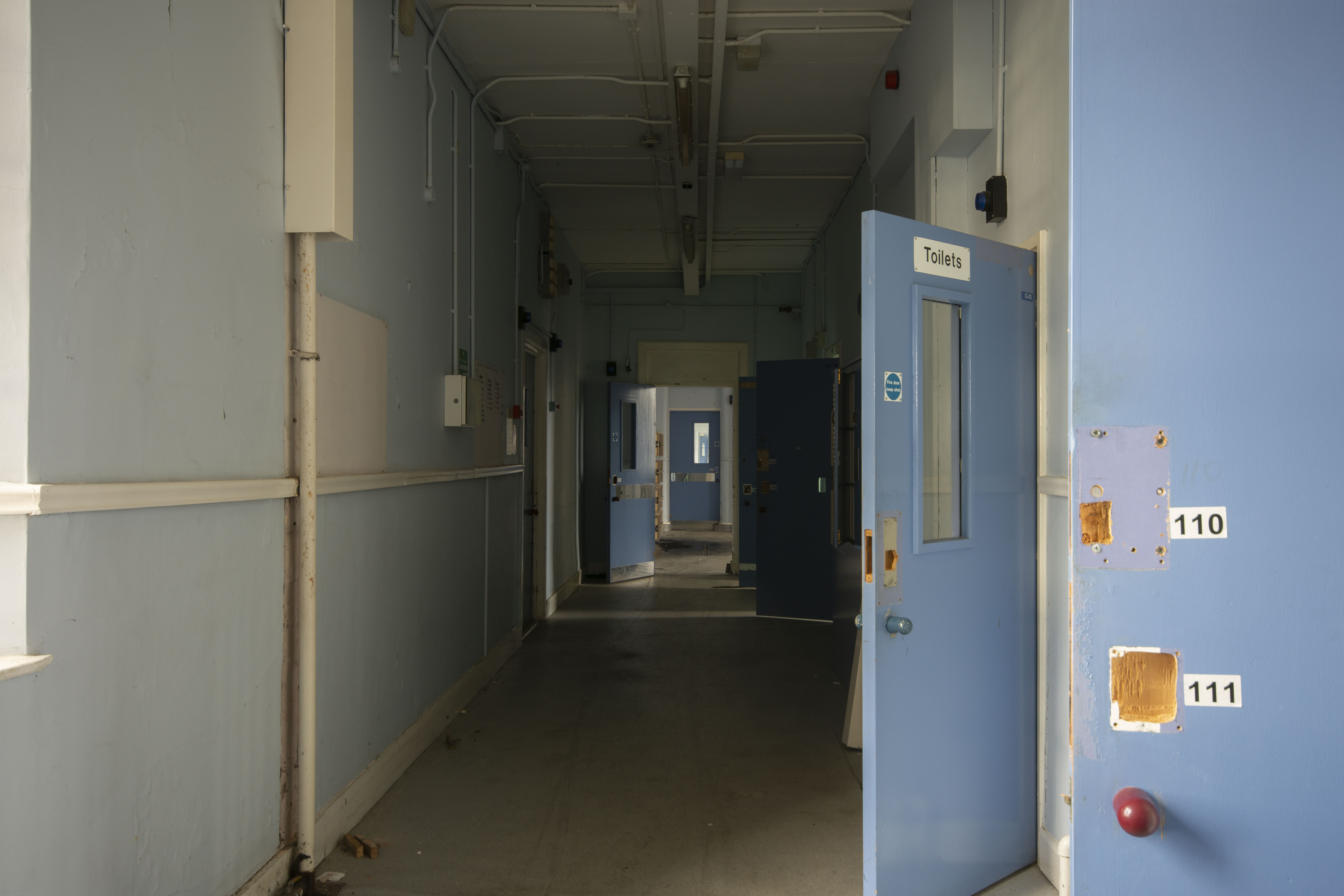
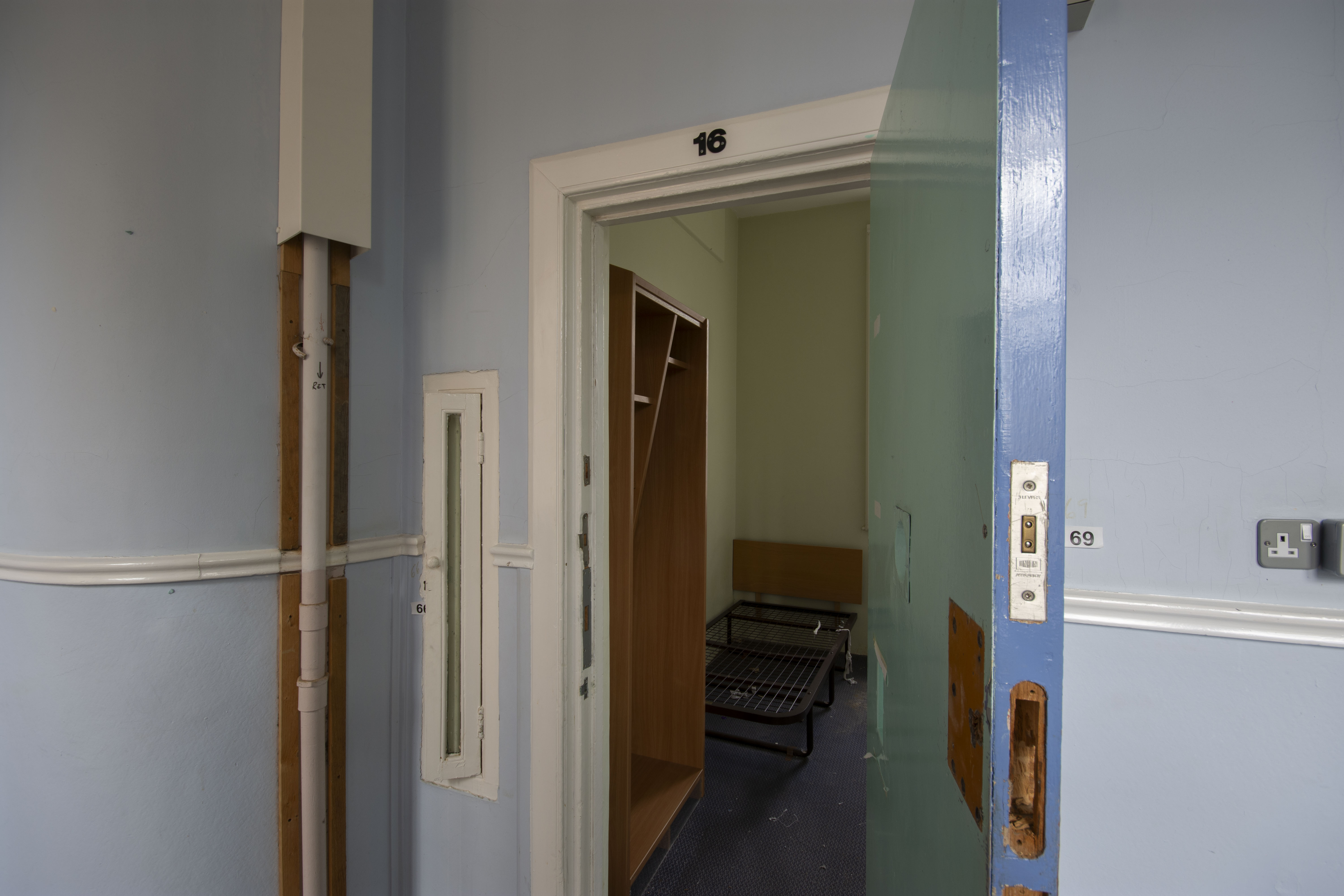
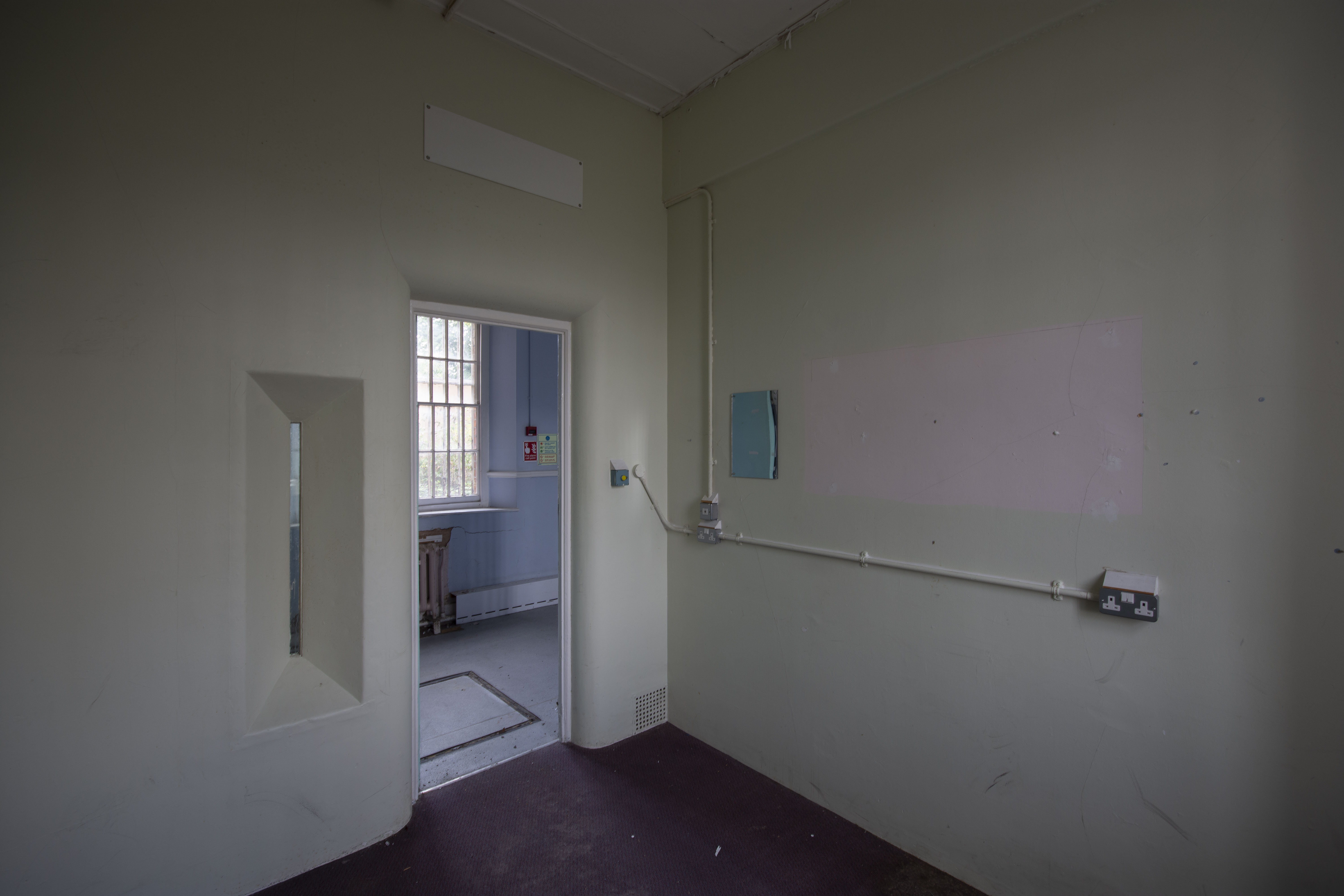
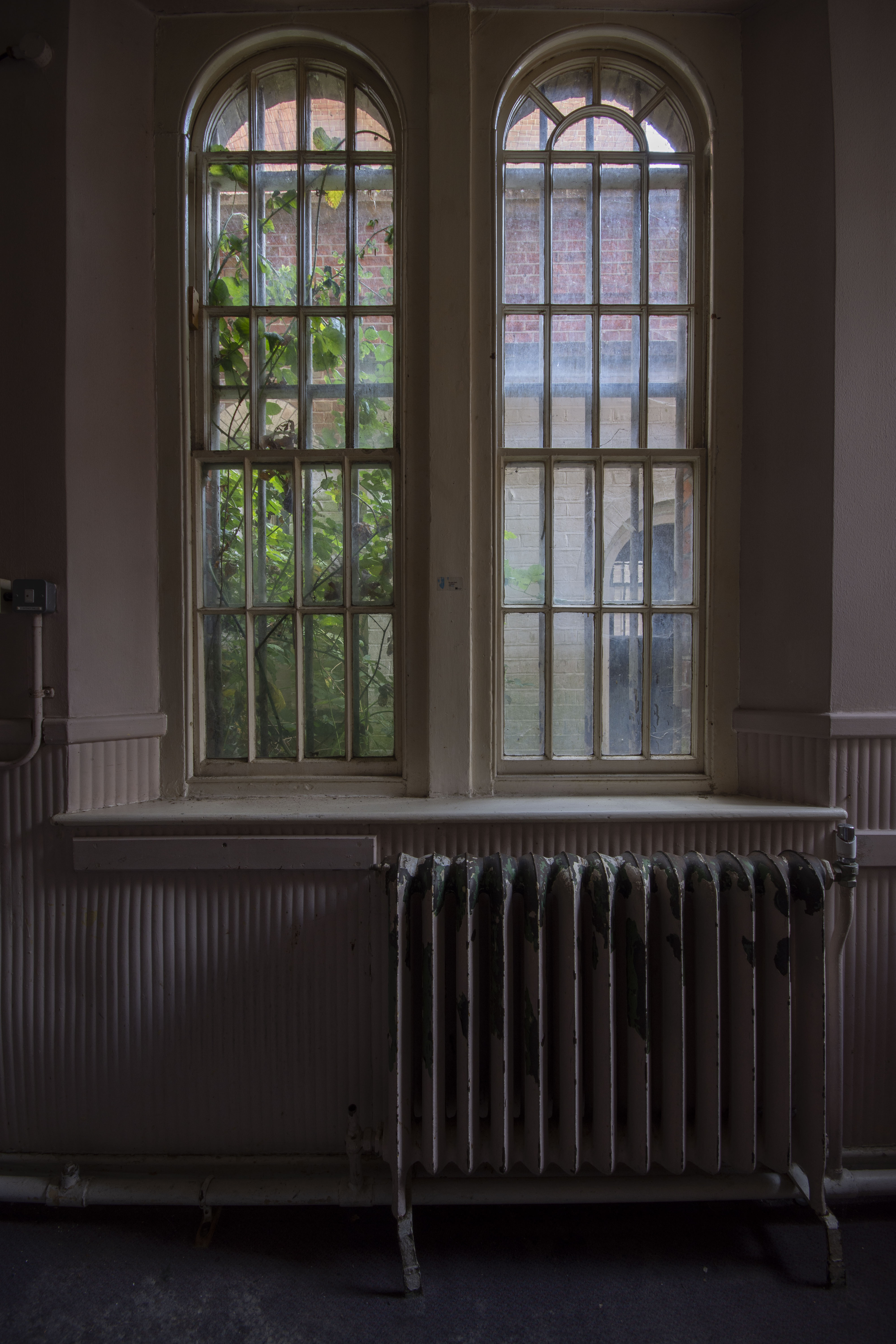
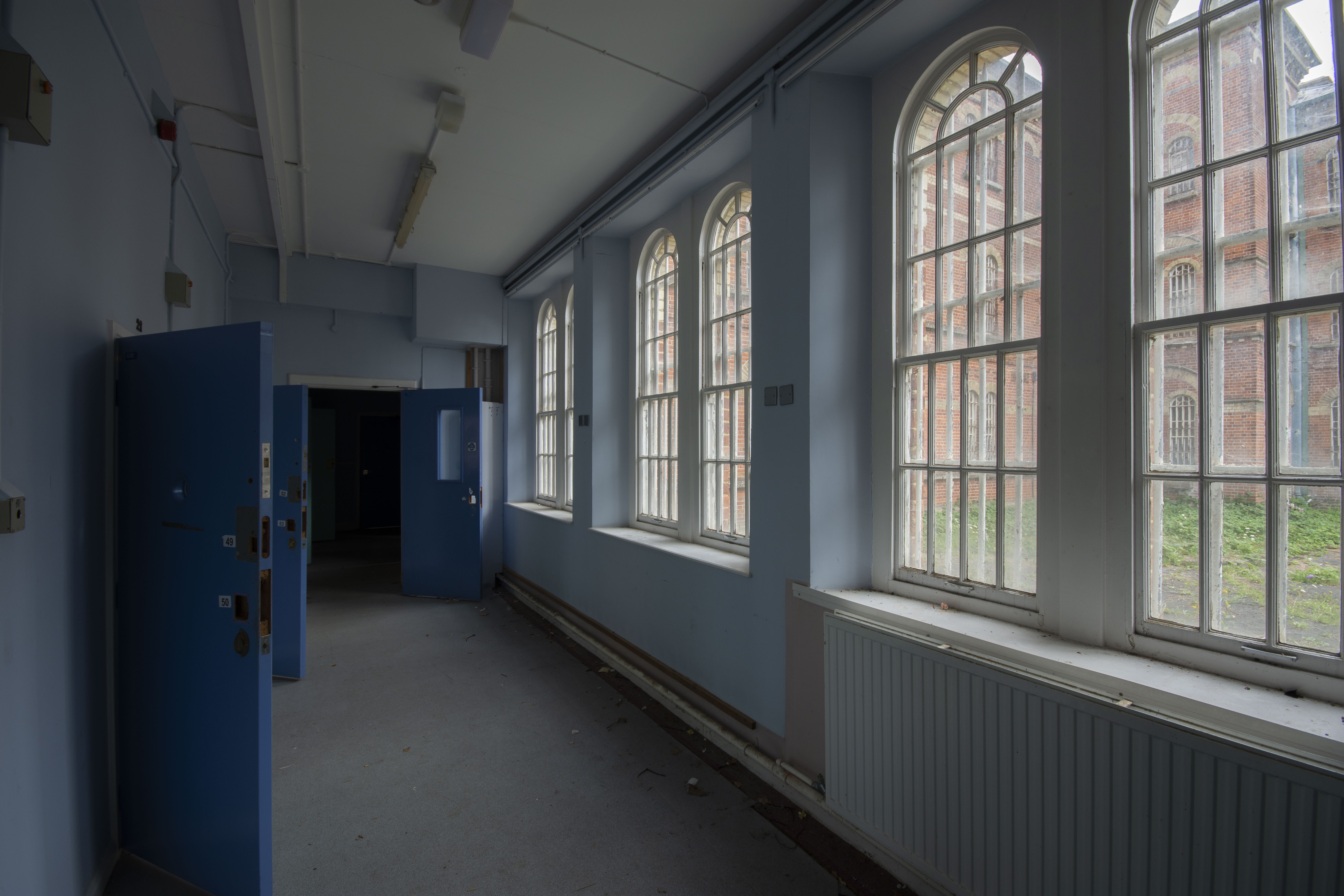
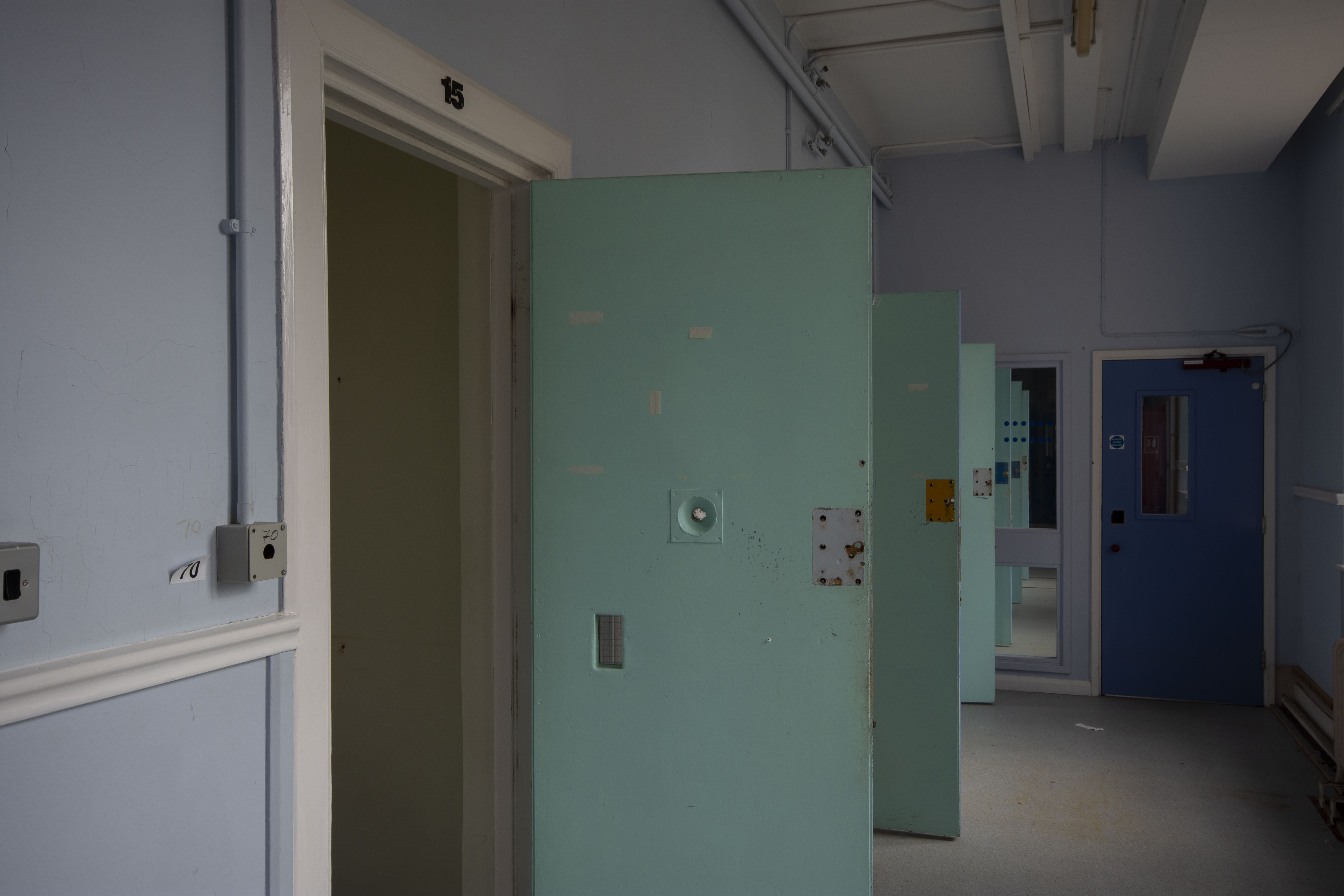
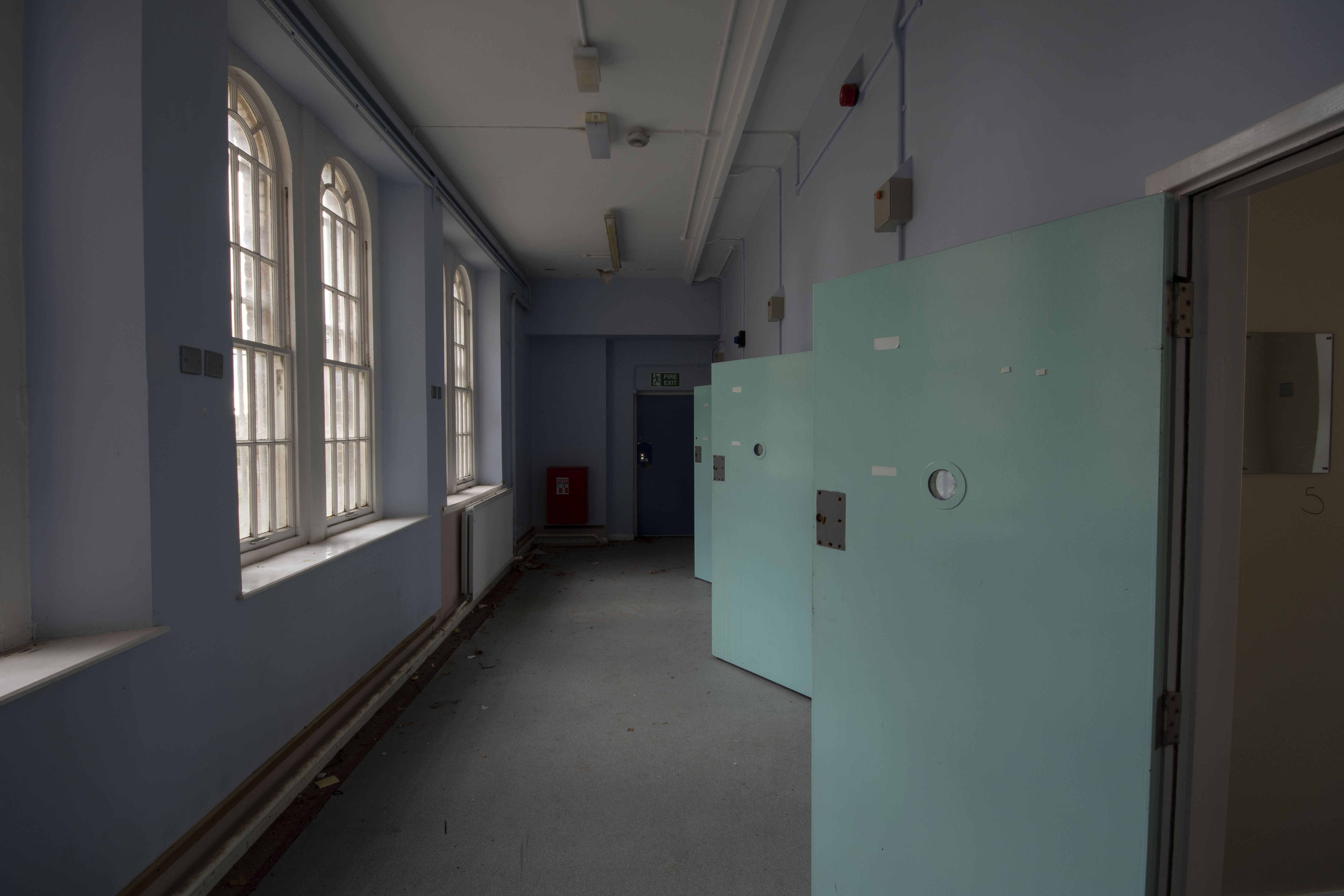
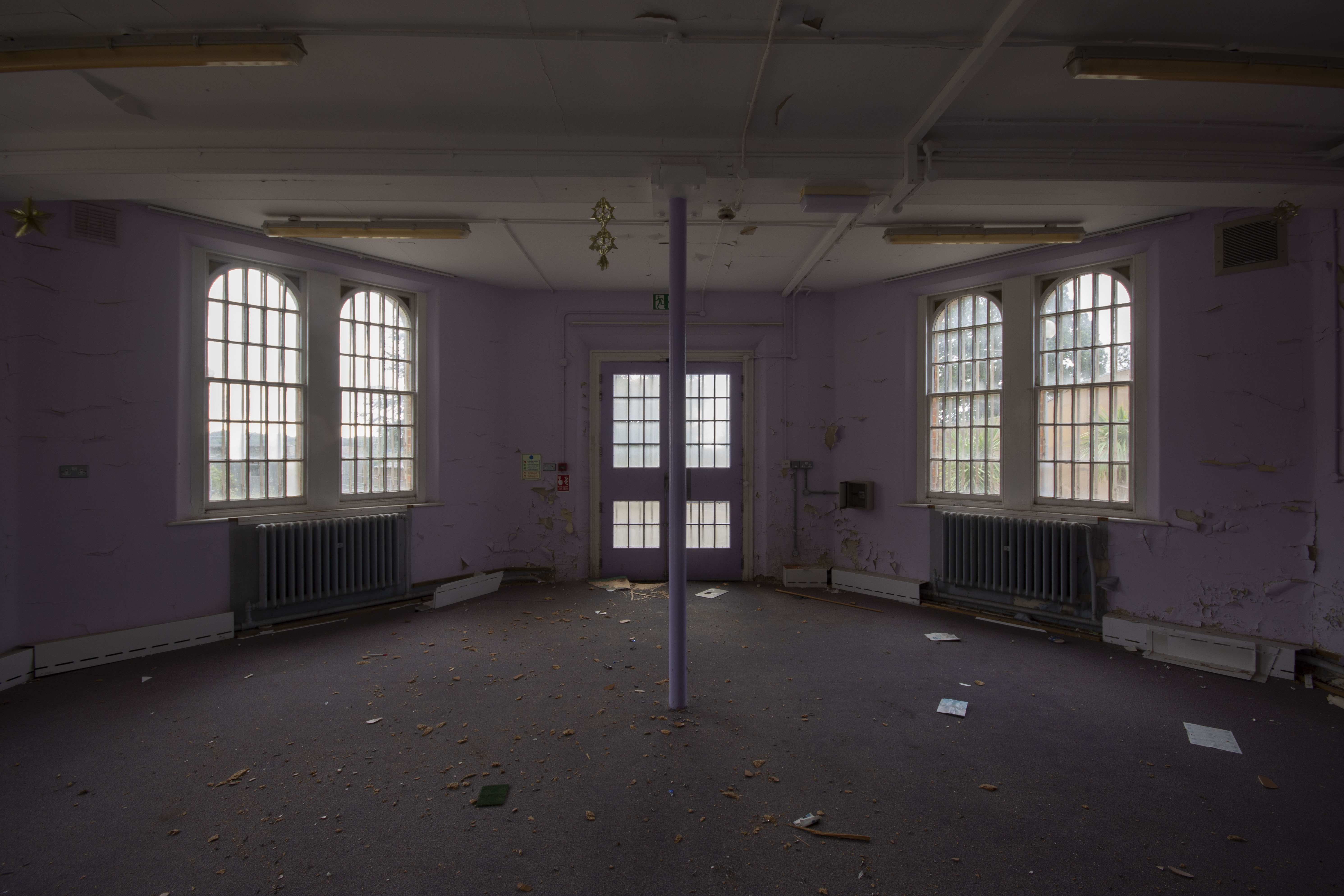
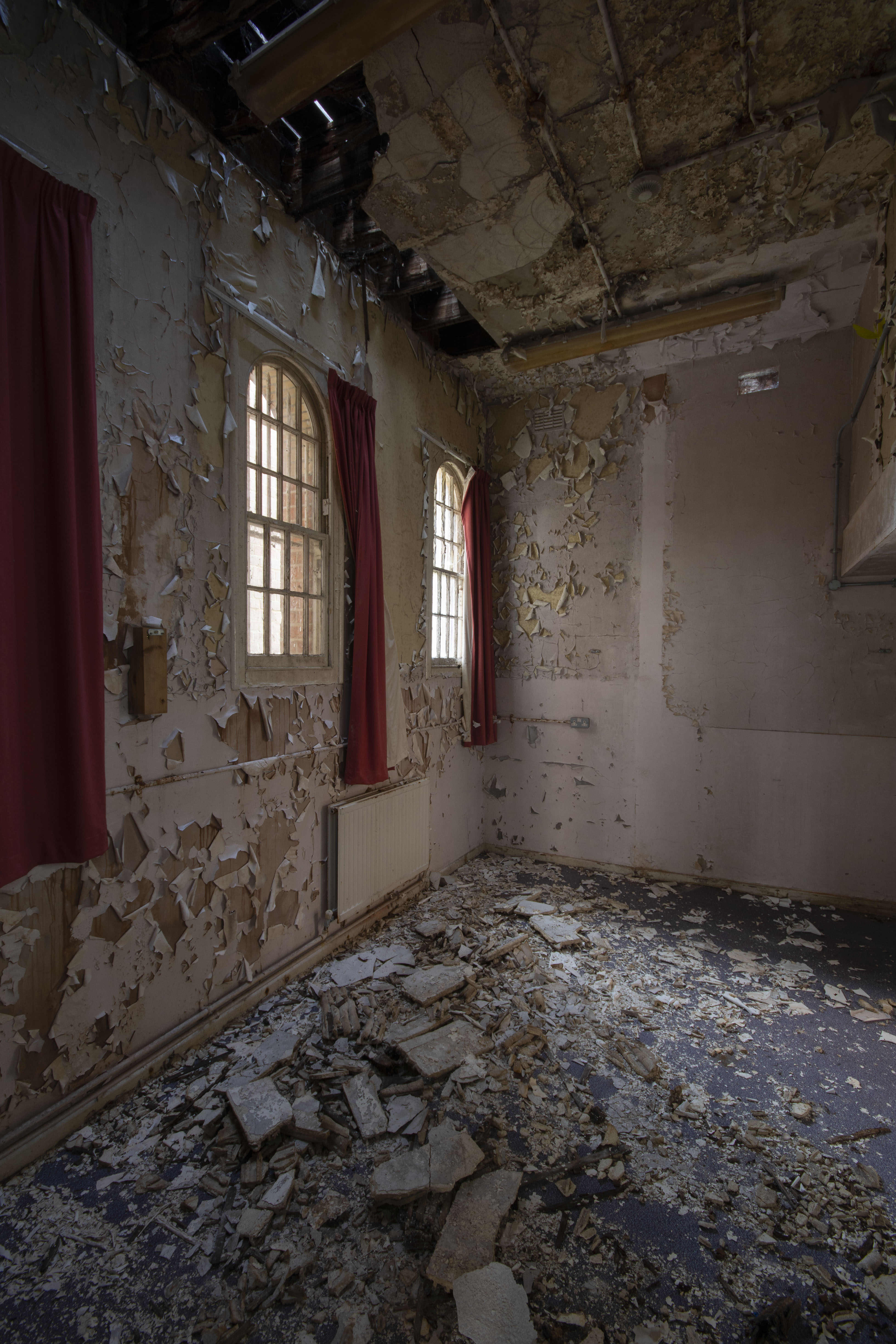
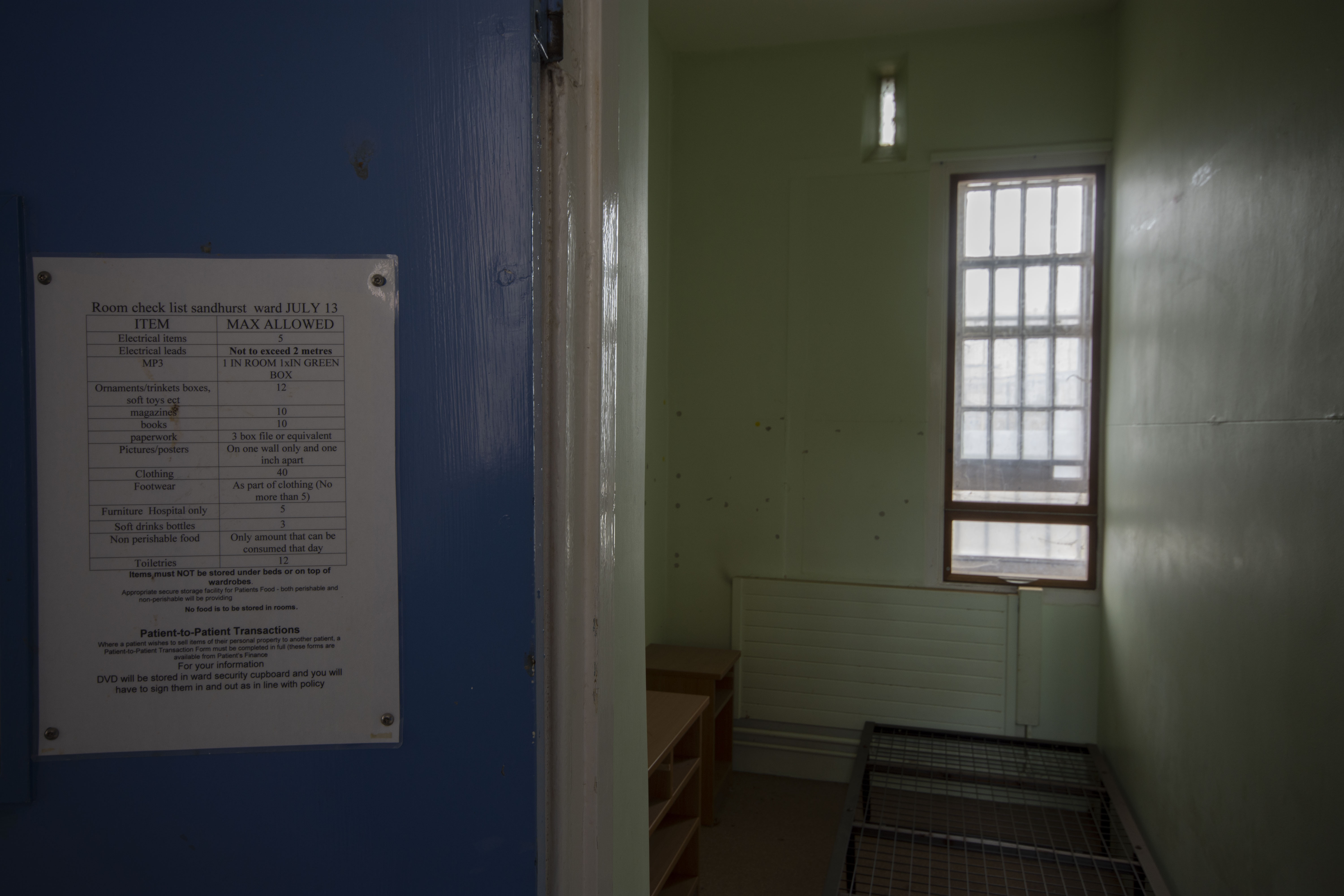
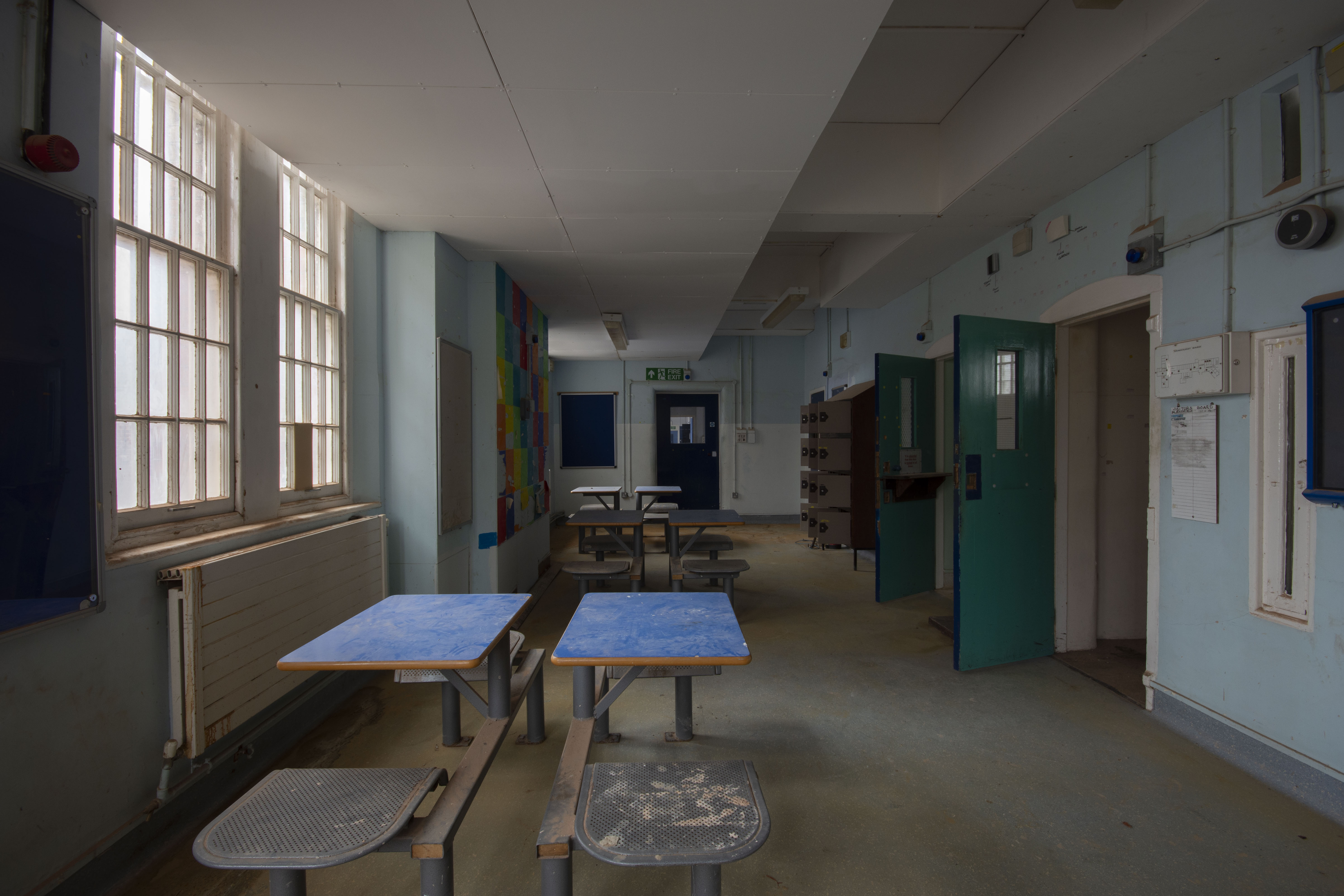
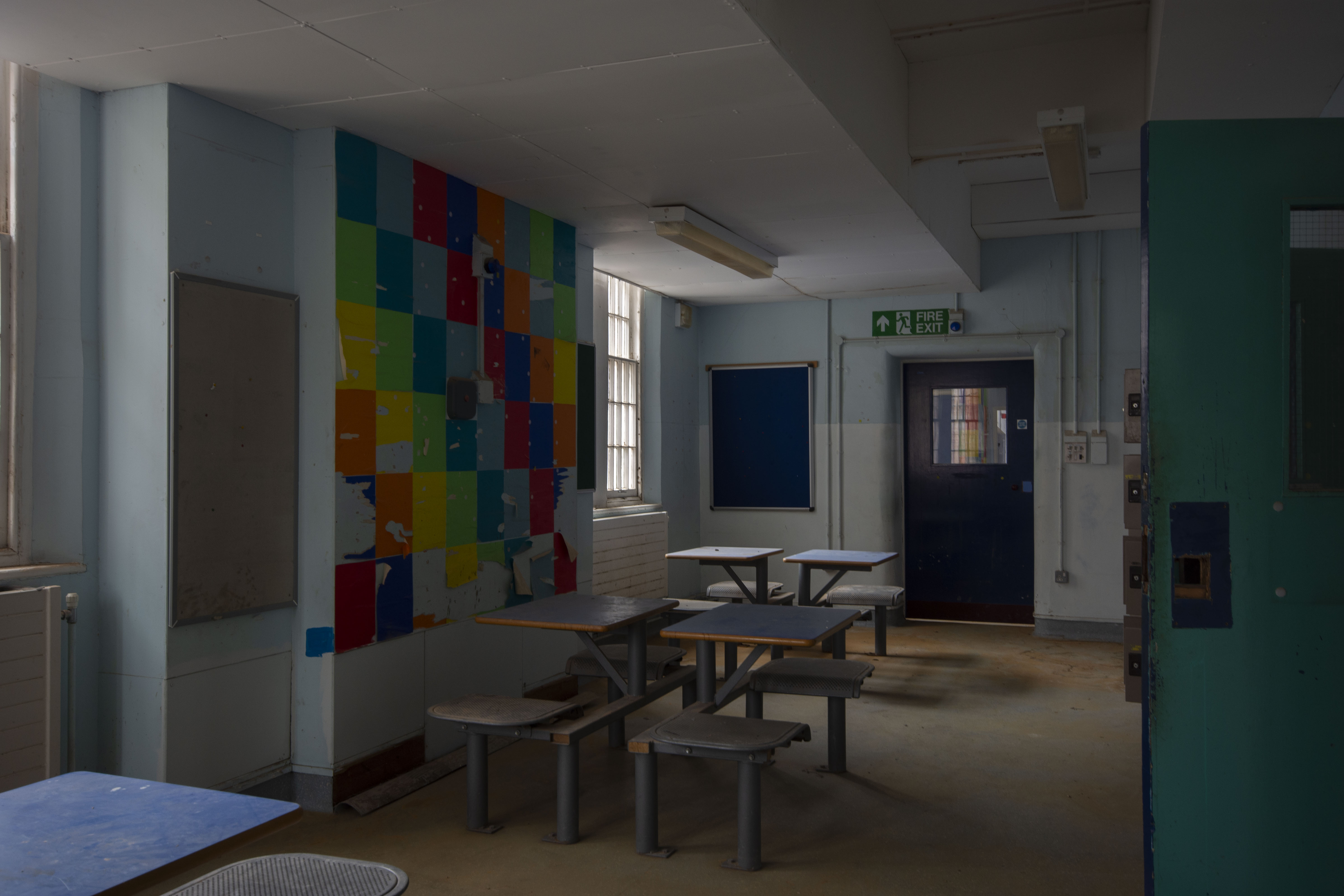
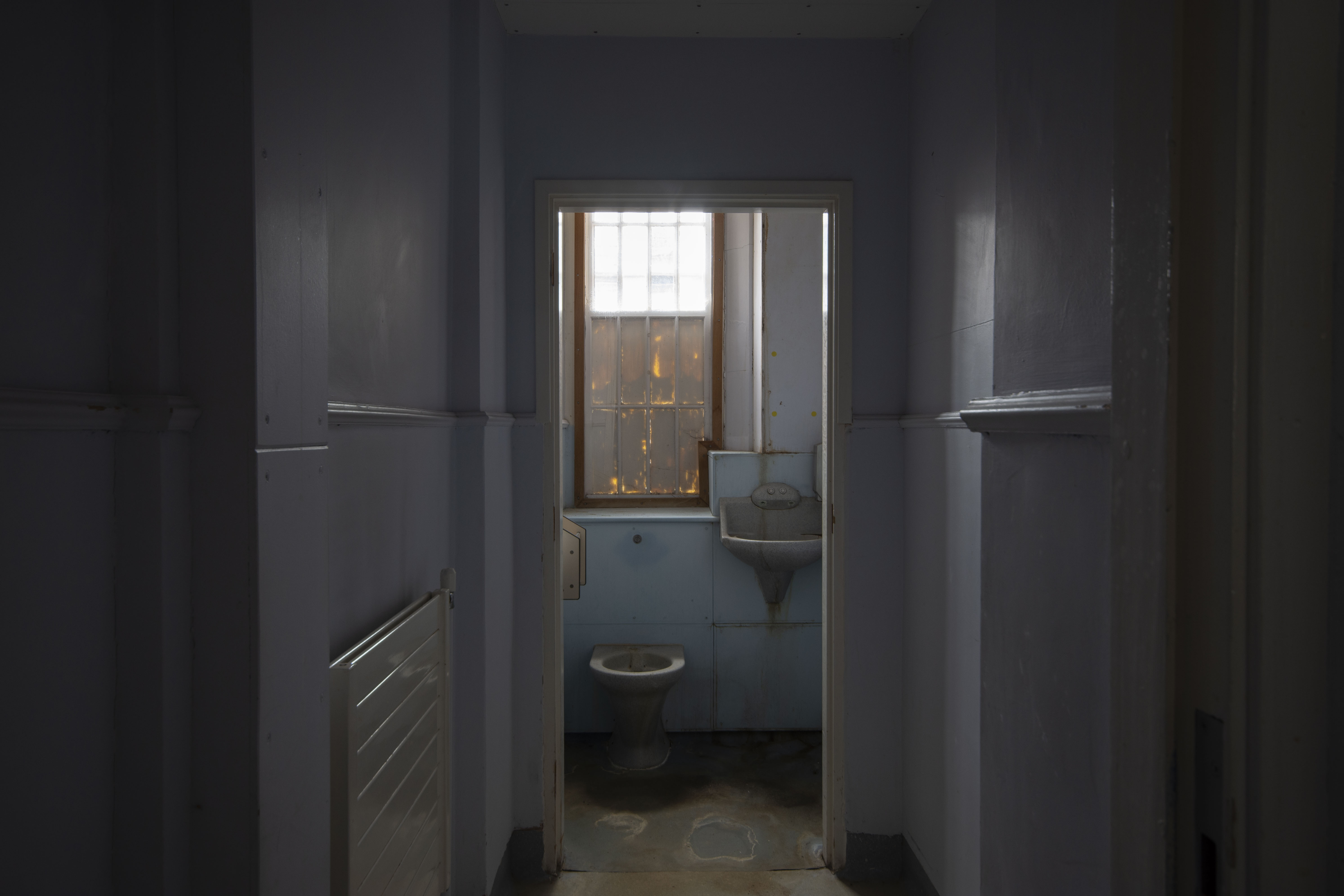
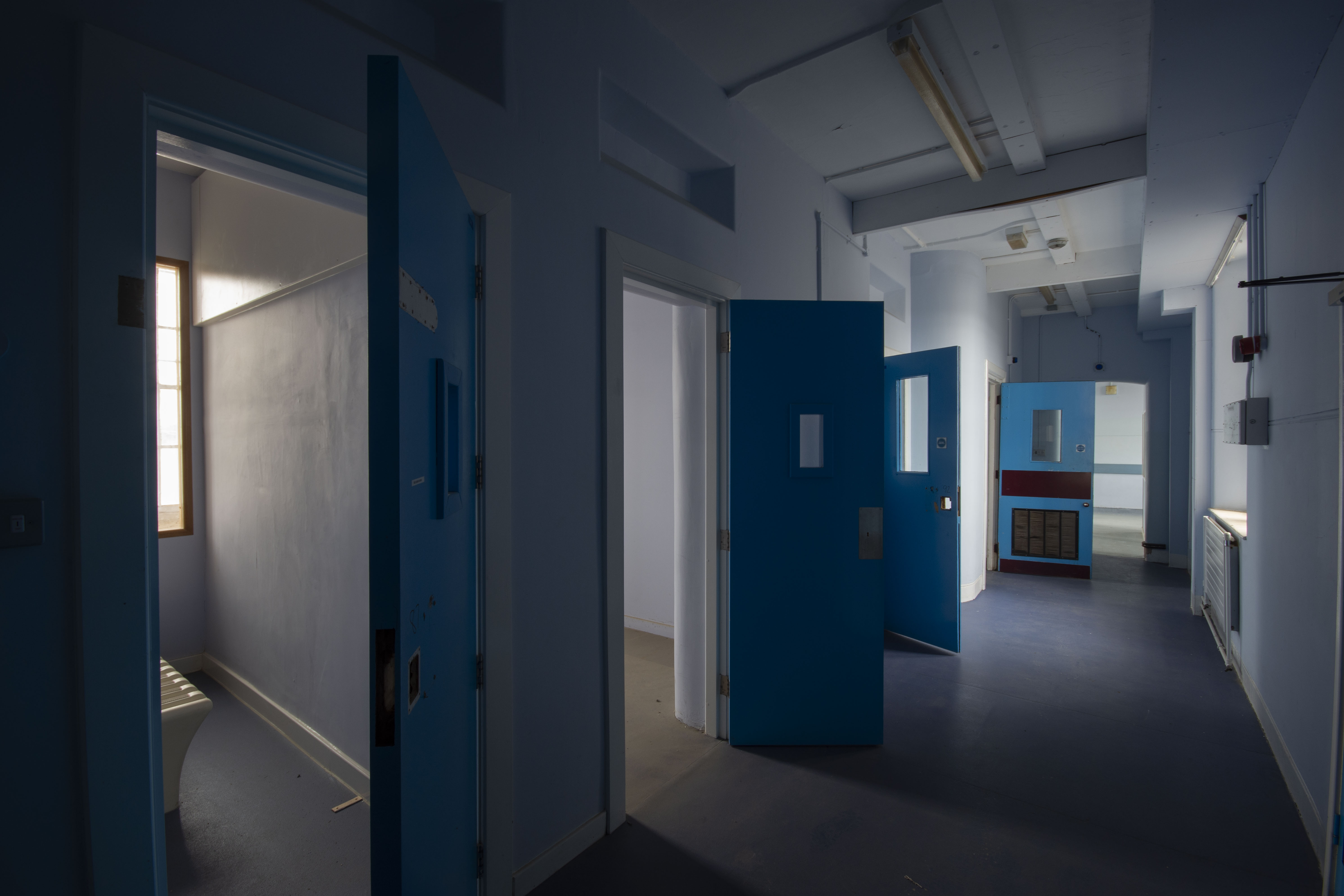
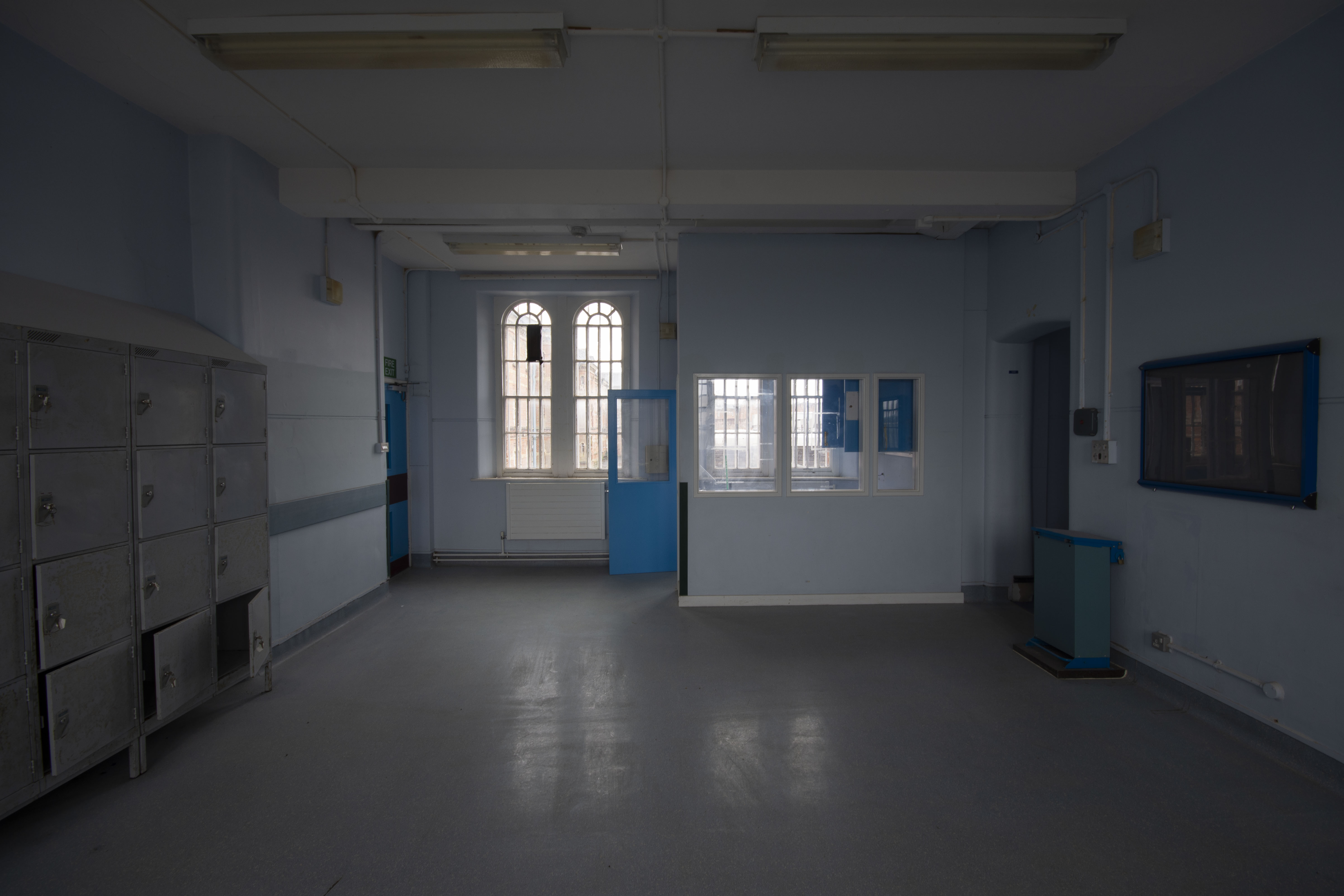
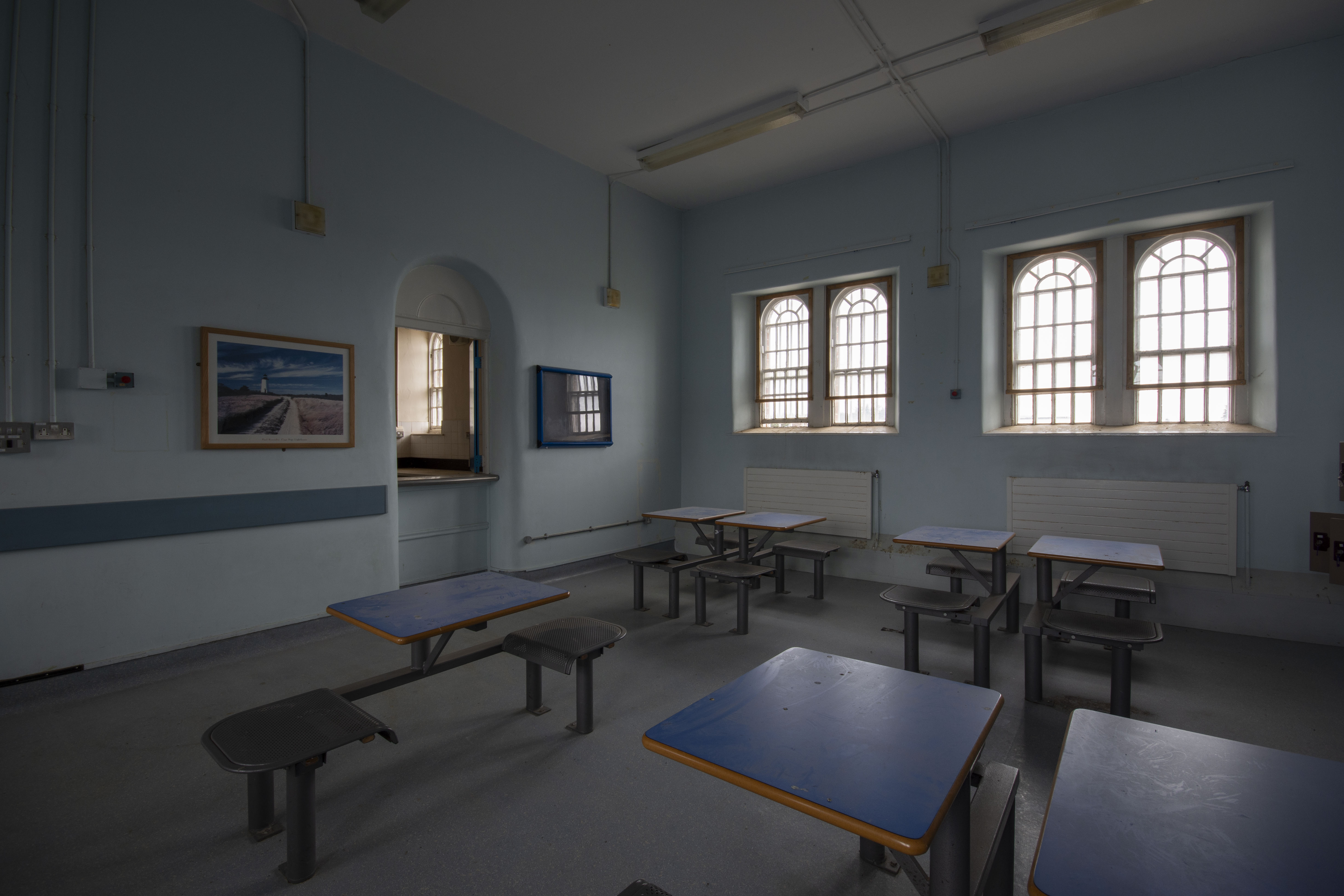
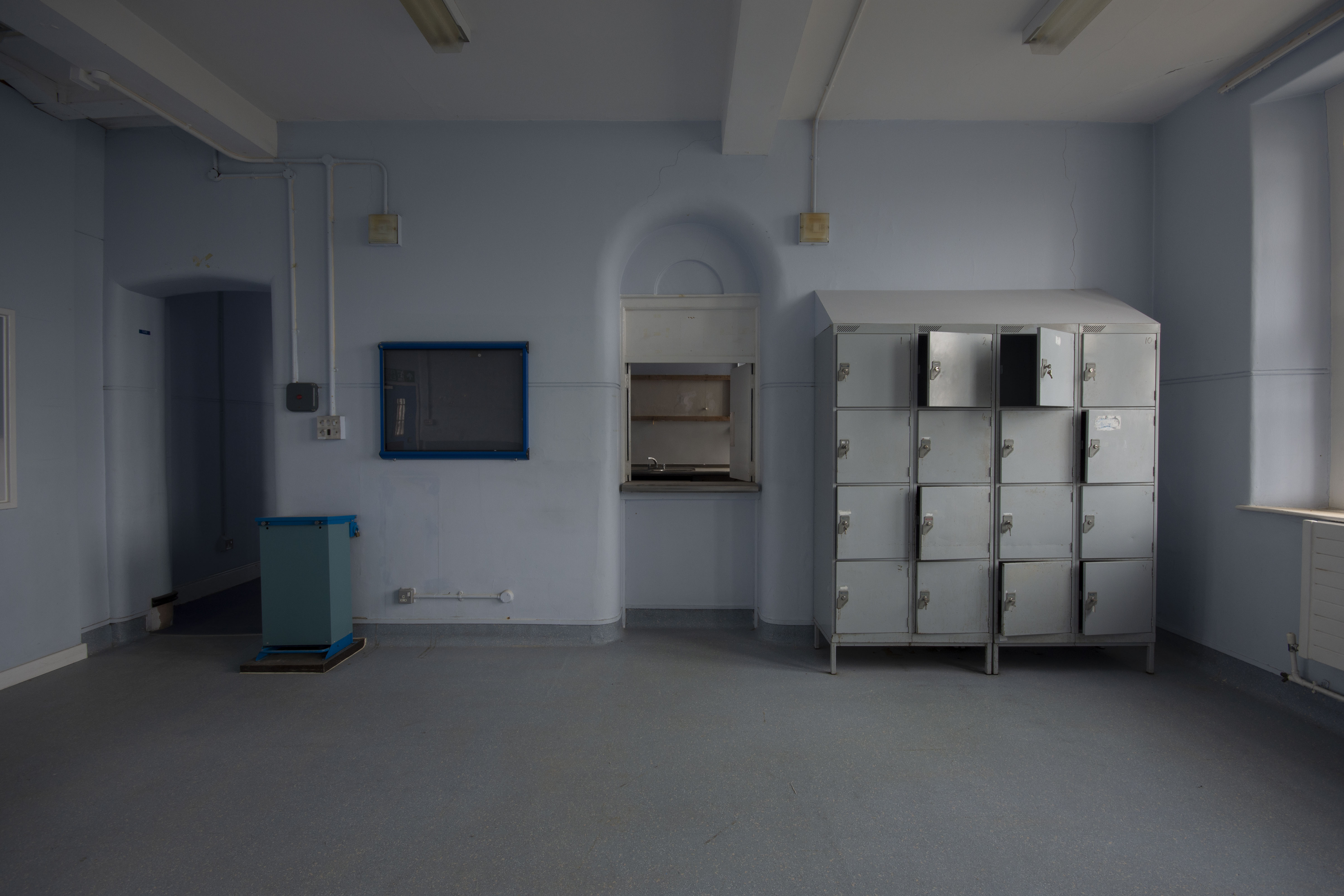
Dorset House lies to the west of the chapel and the upper floors contain the older wards of the hospital.






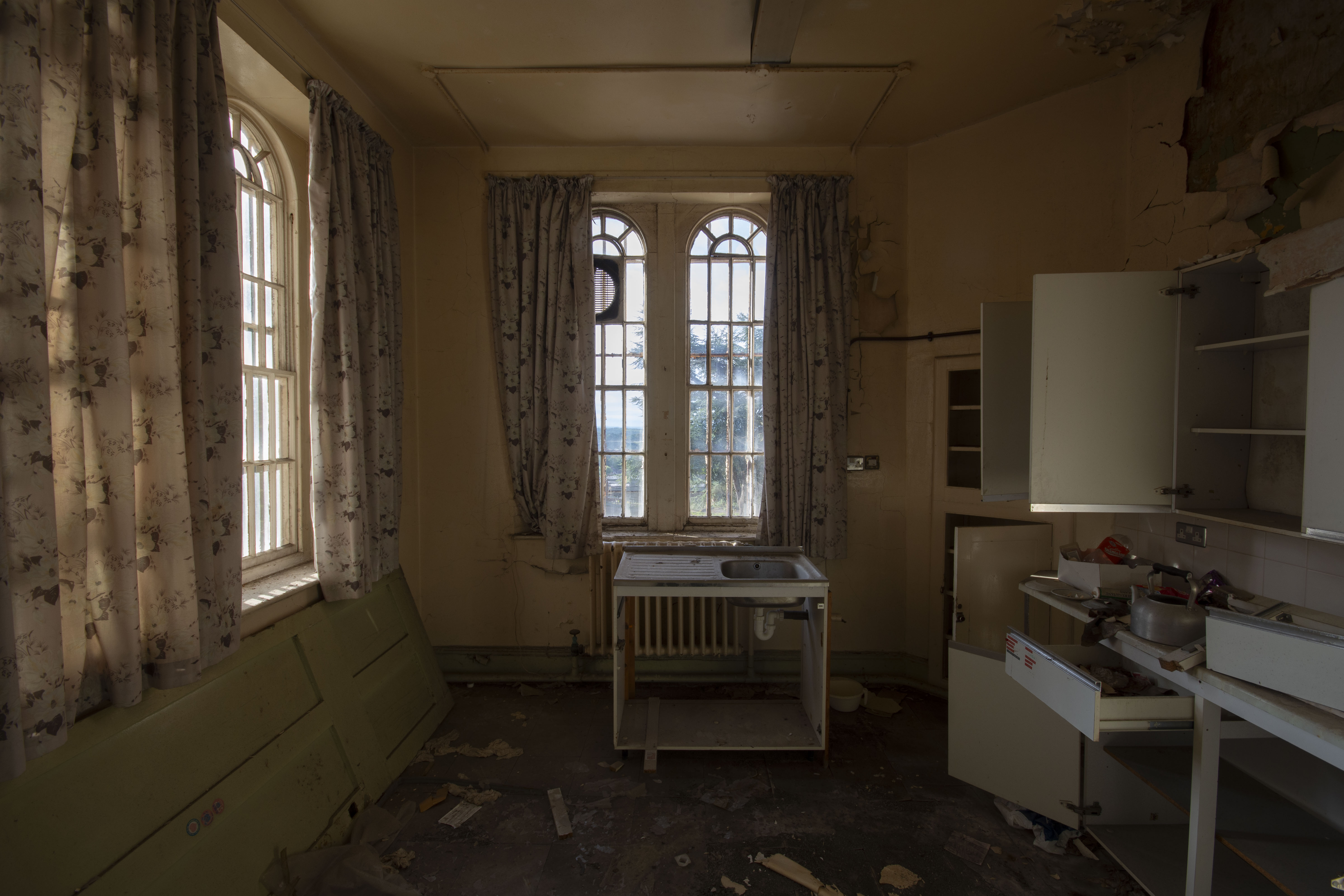
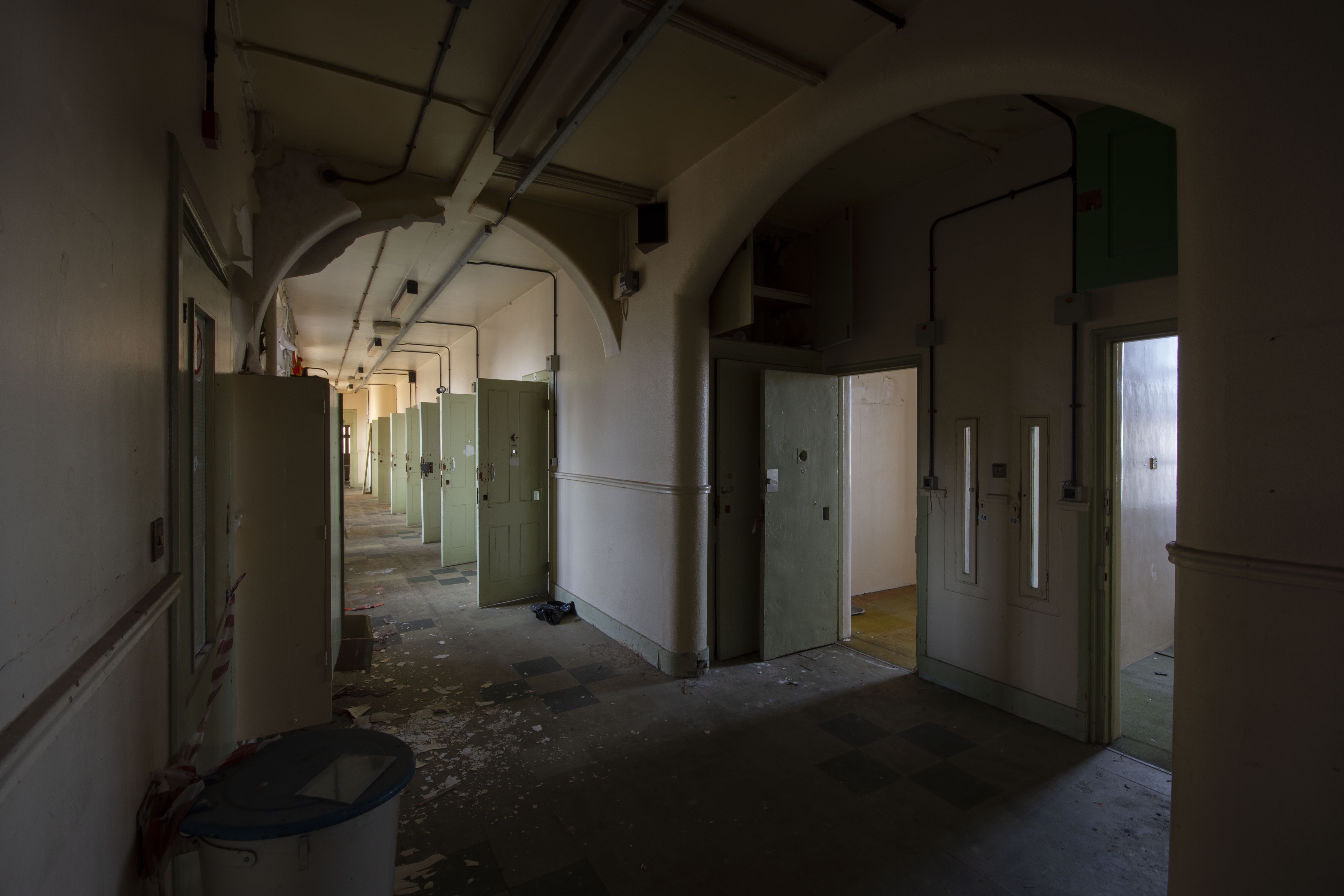


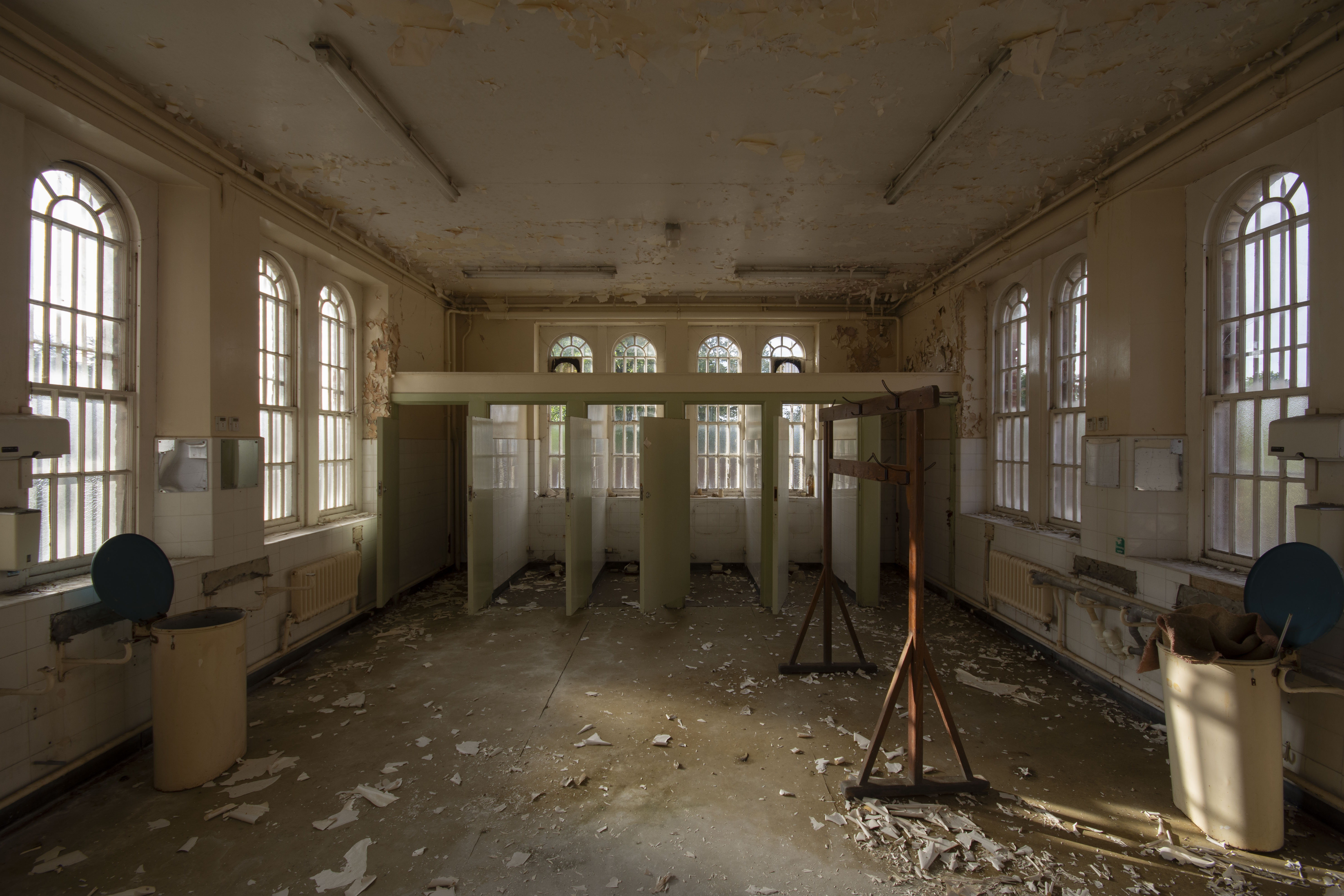
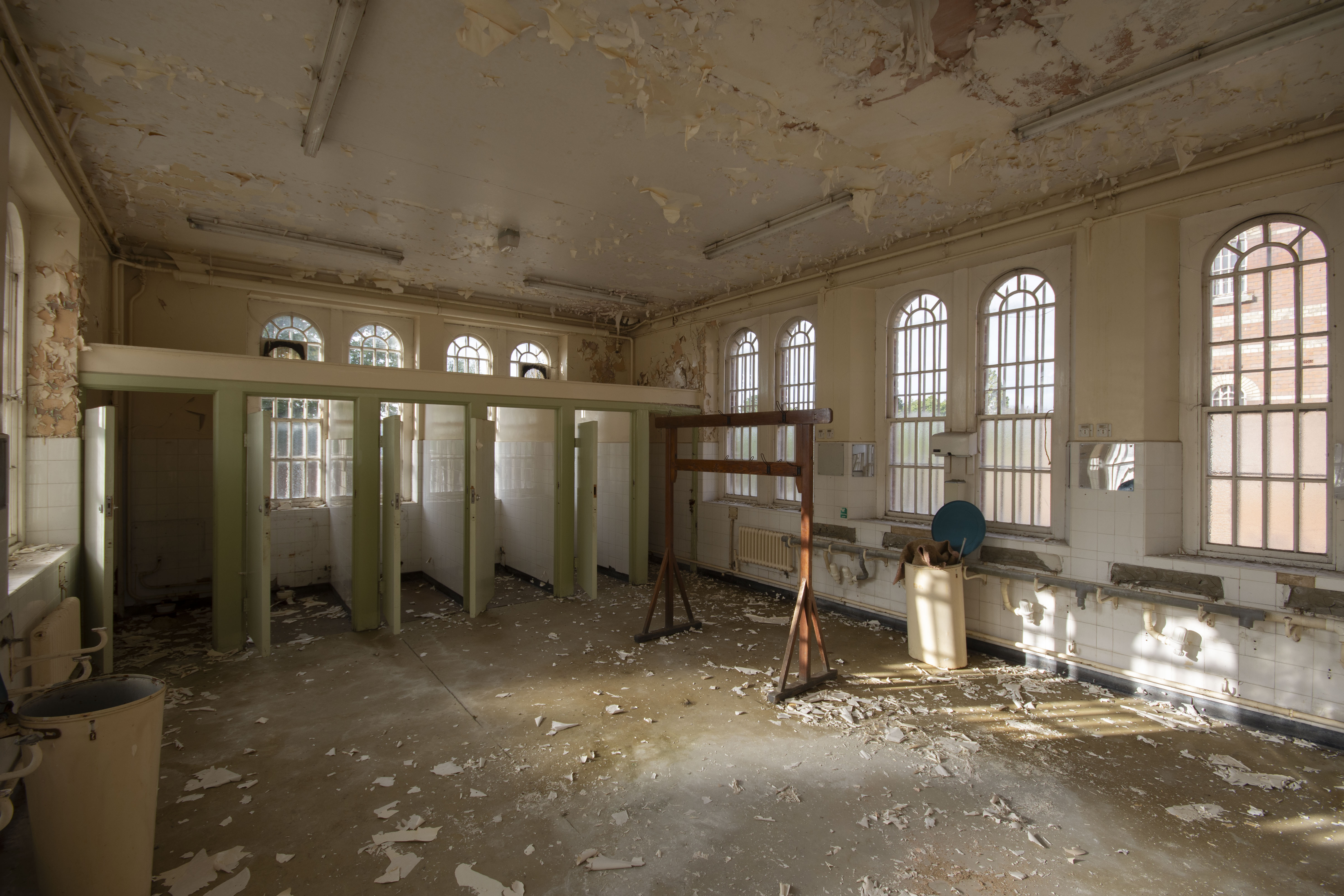













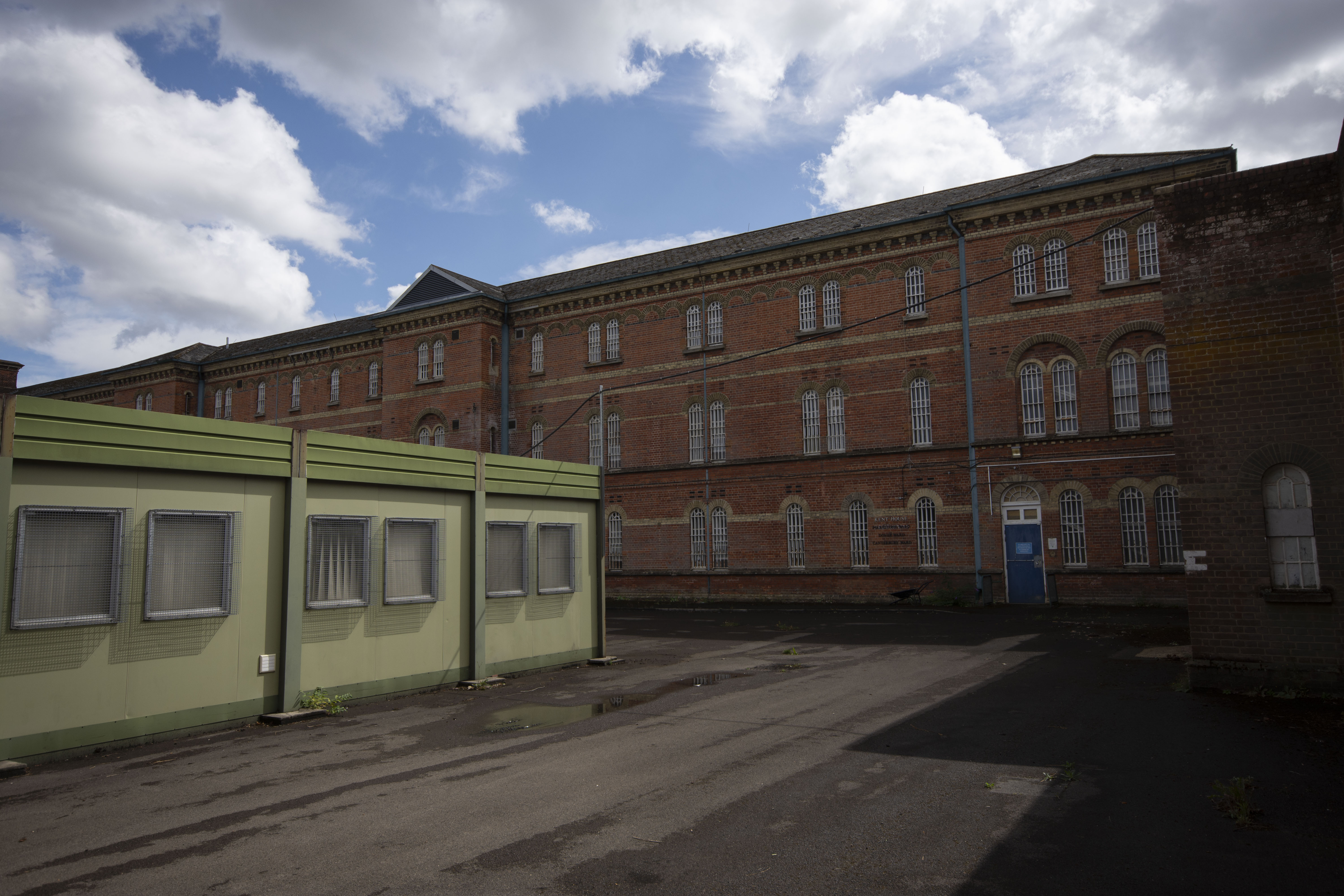
KENT HOUSE
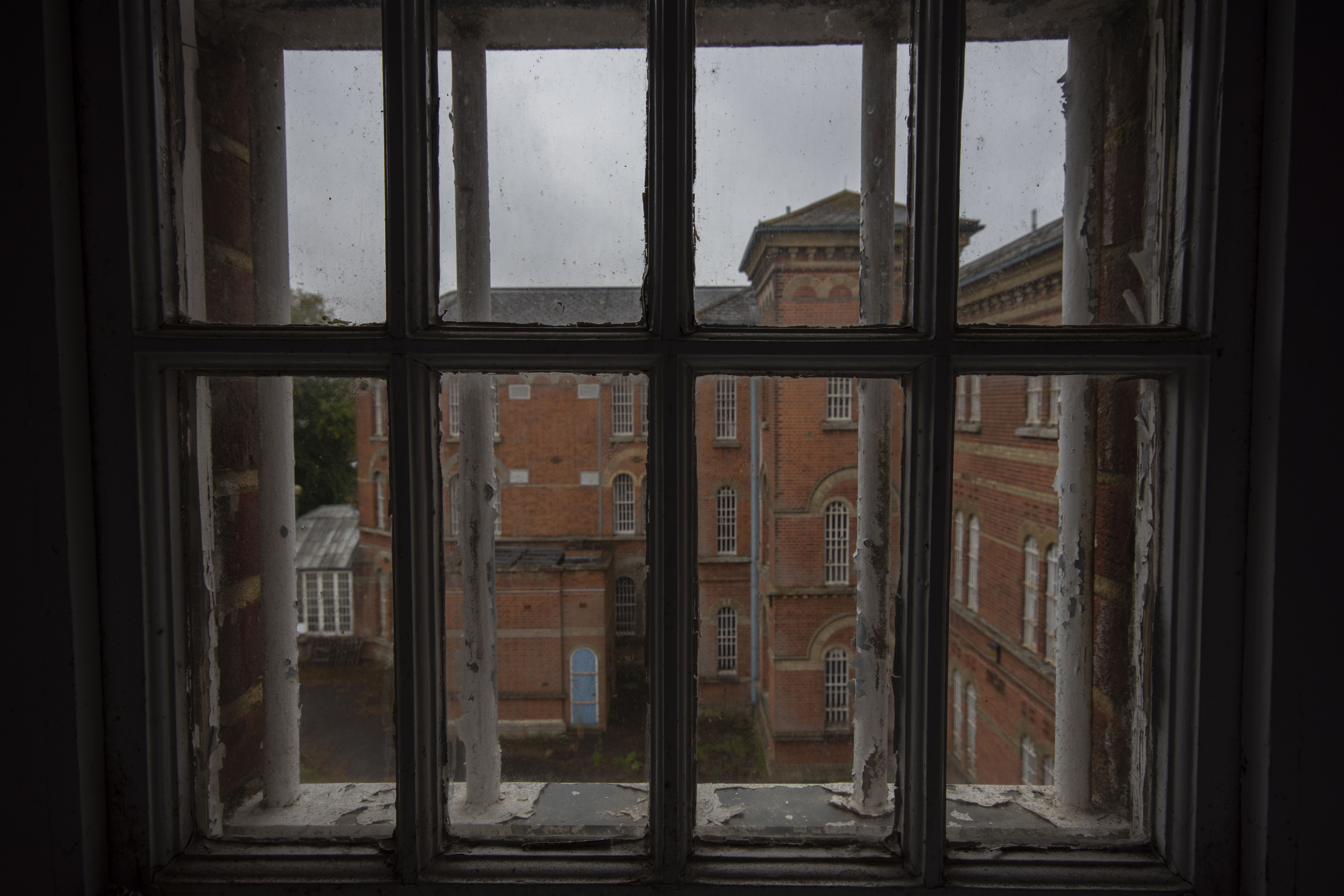
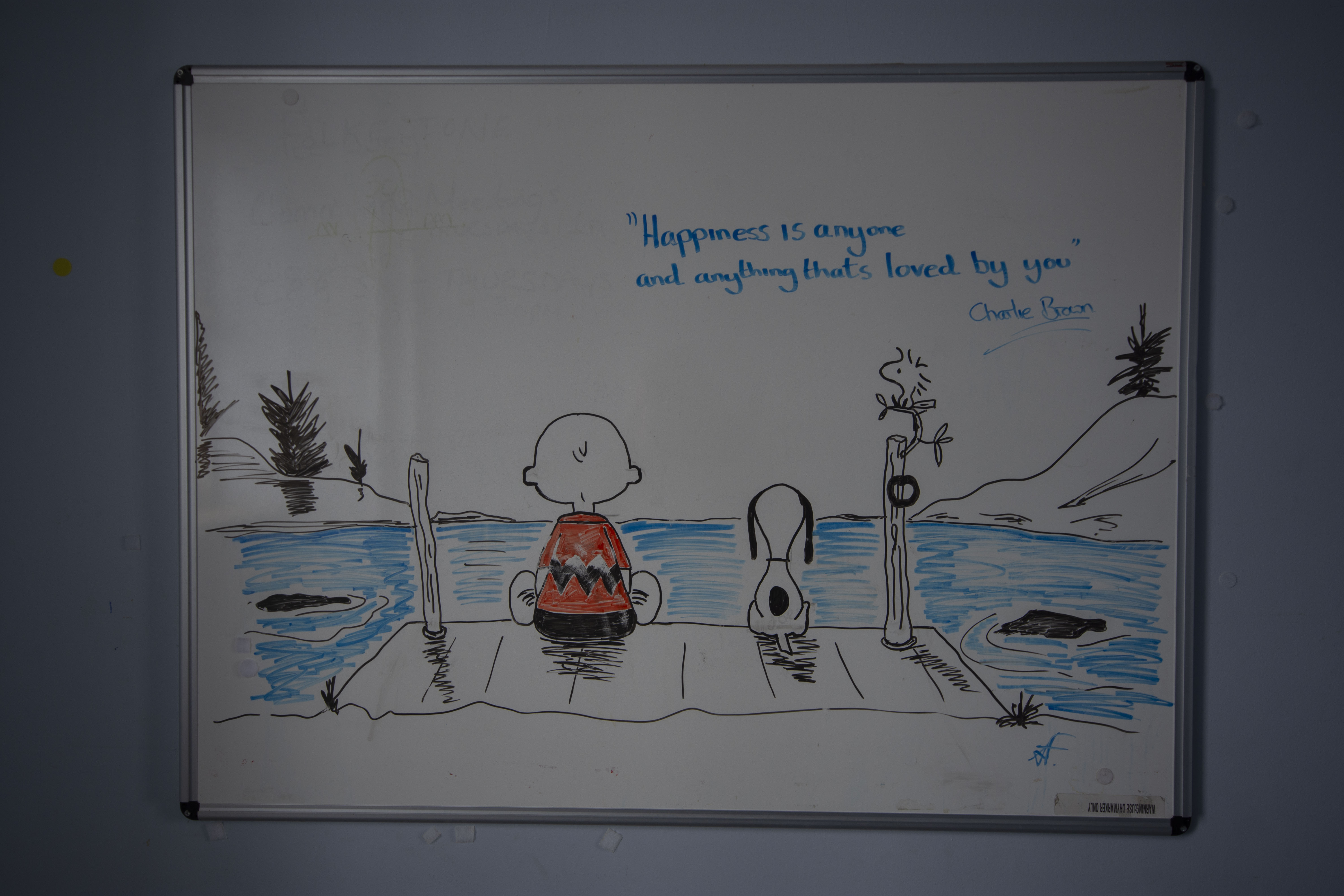
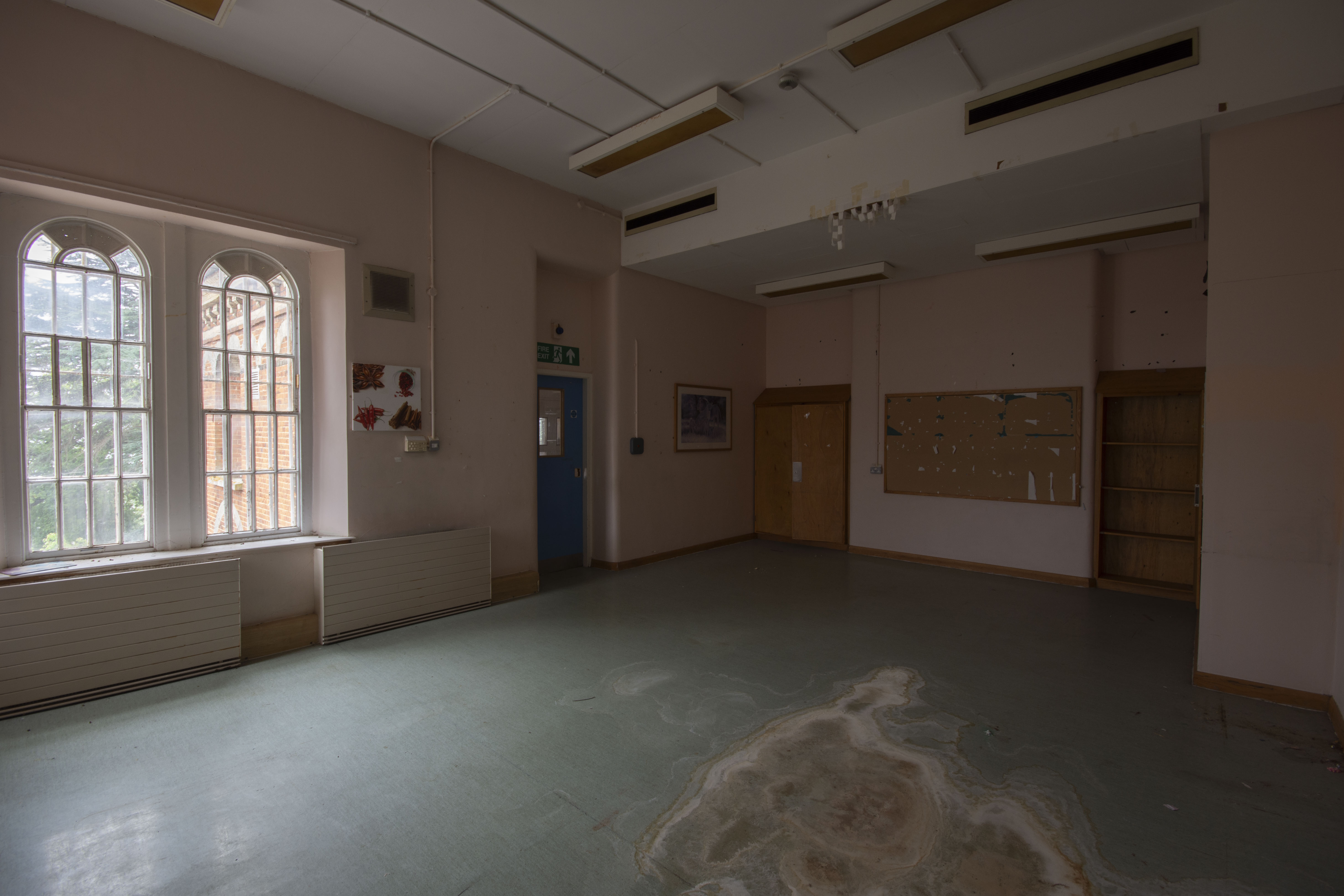
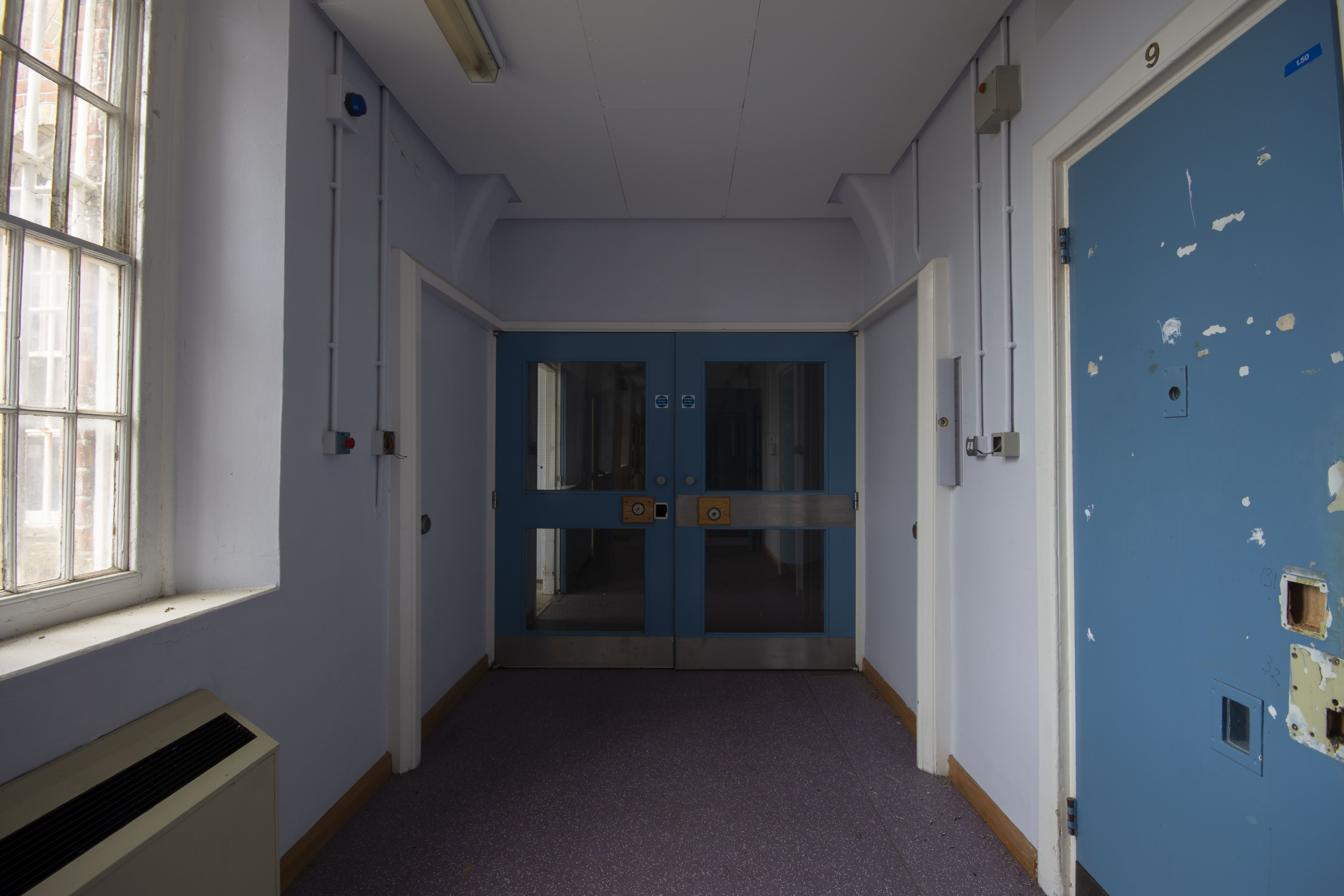
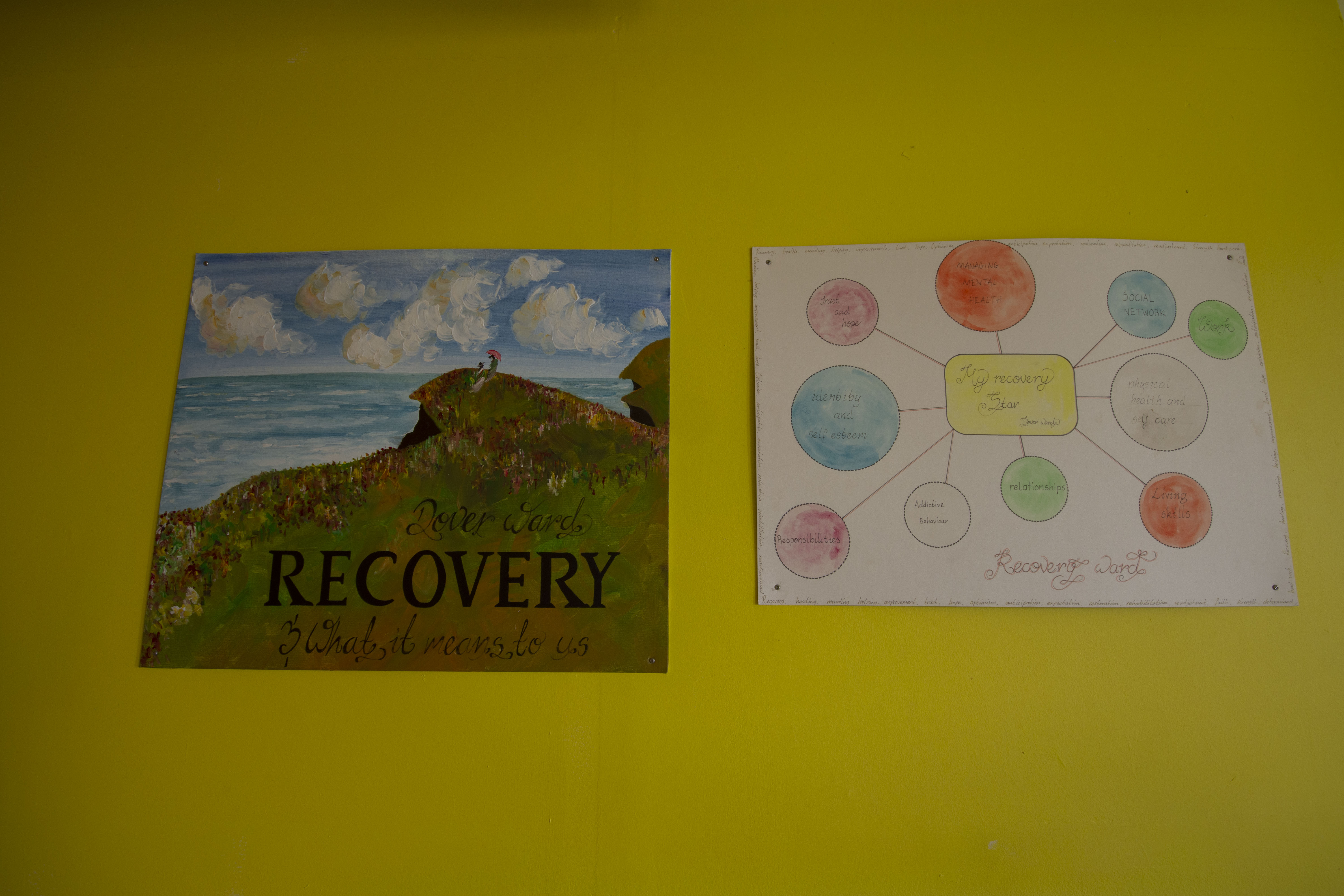
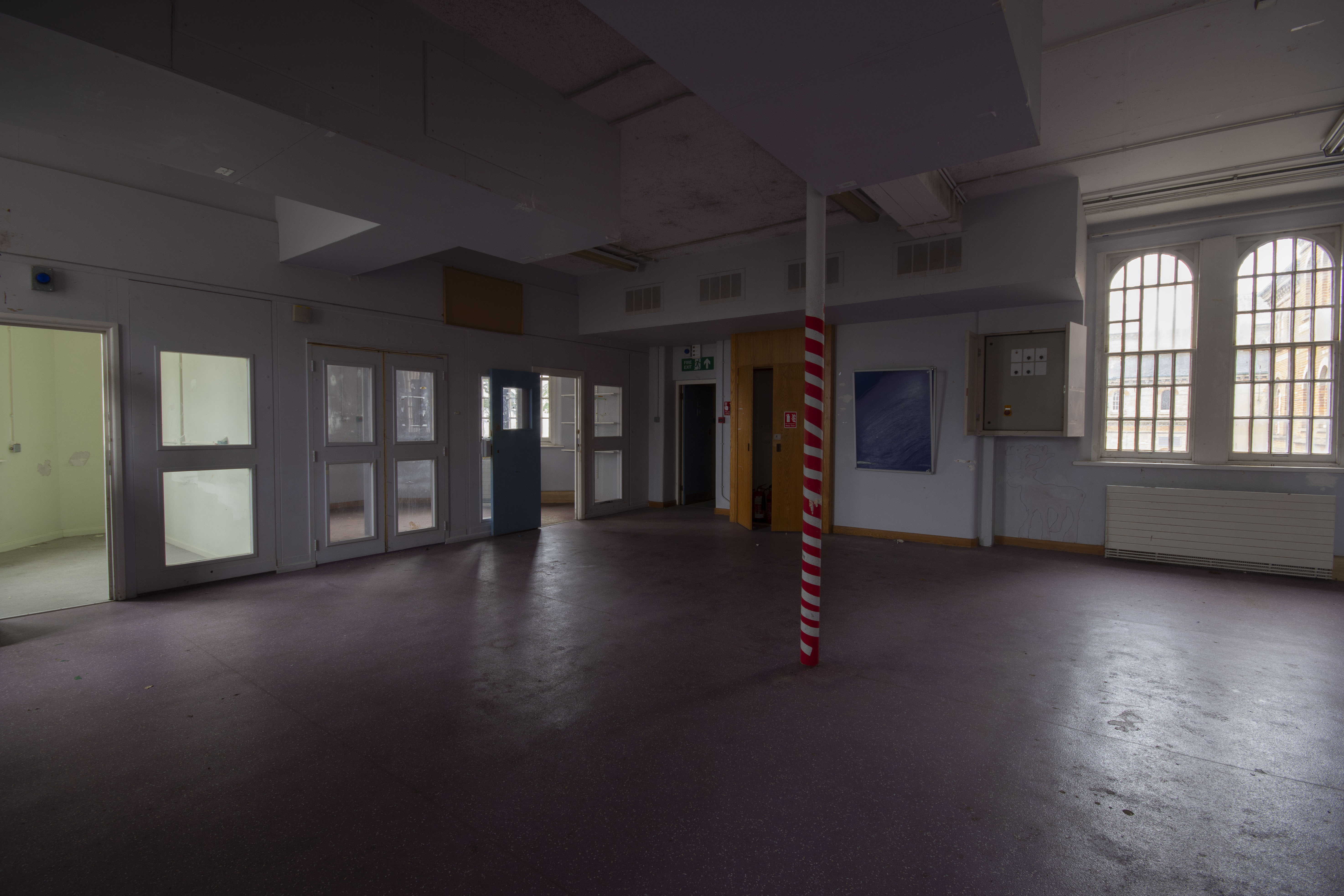
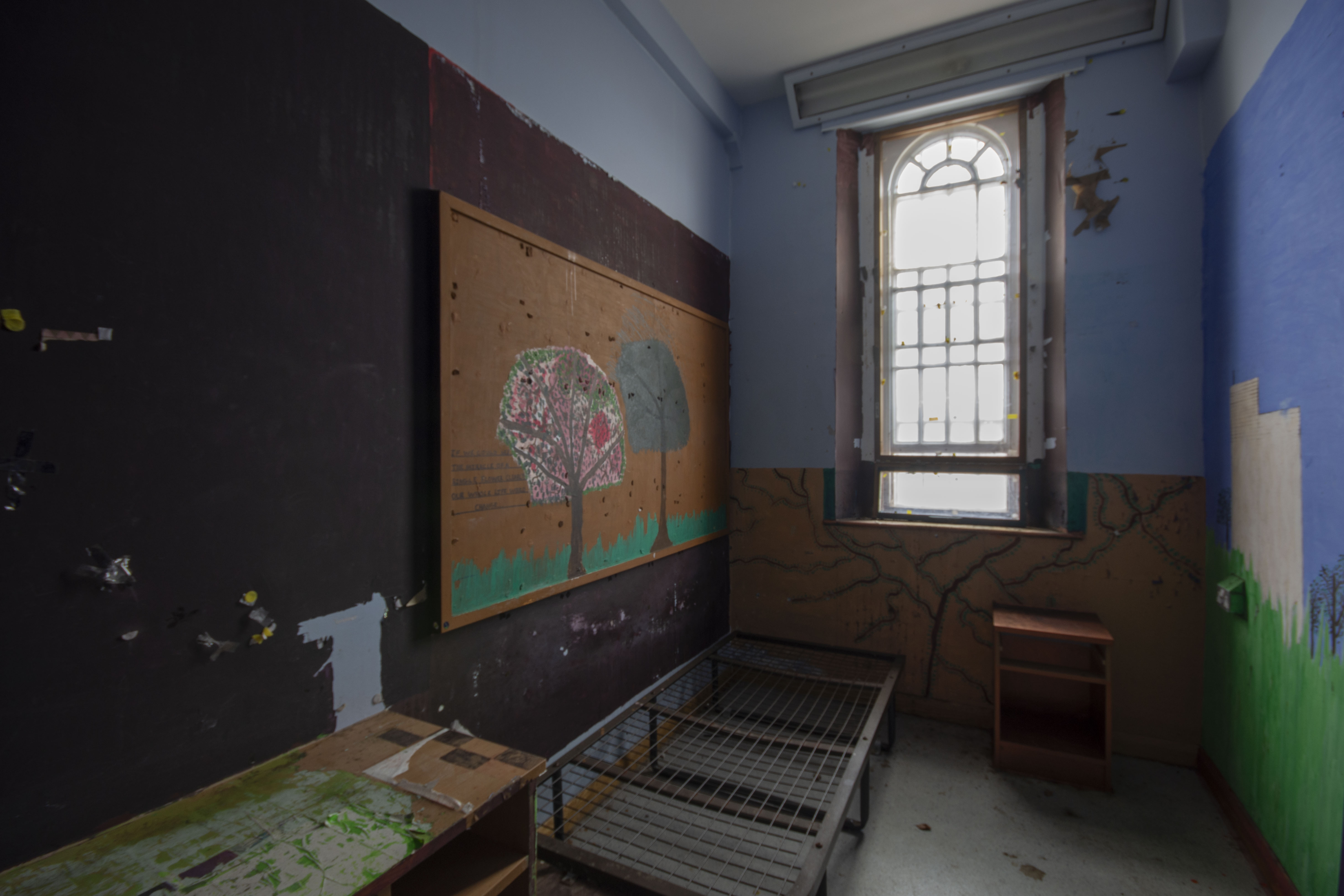
East of the chapel. Top floor is Folkestone Ward, Dover Ward middle and Canterbury Ward ground.








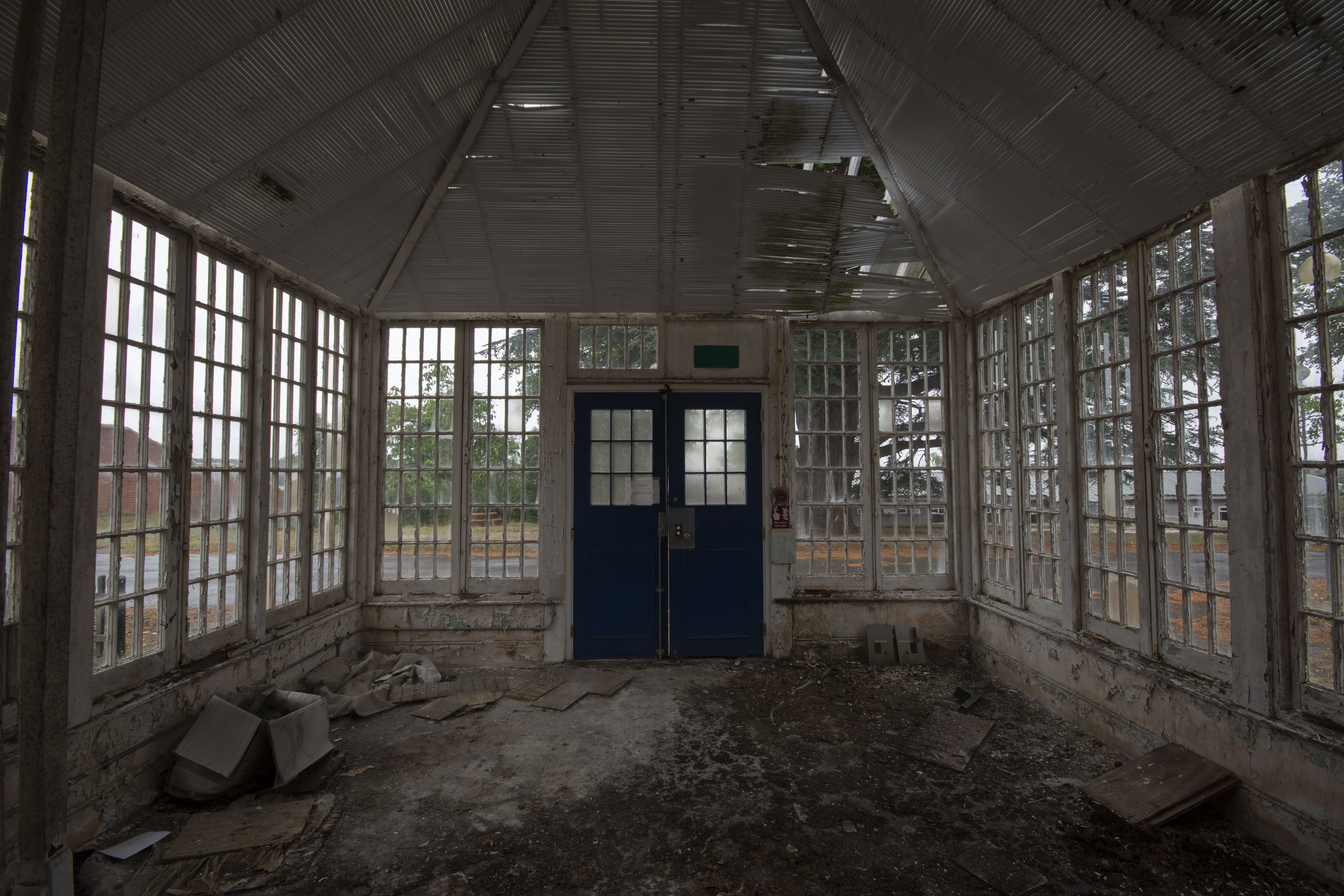

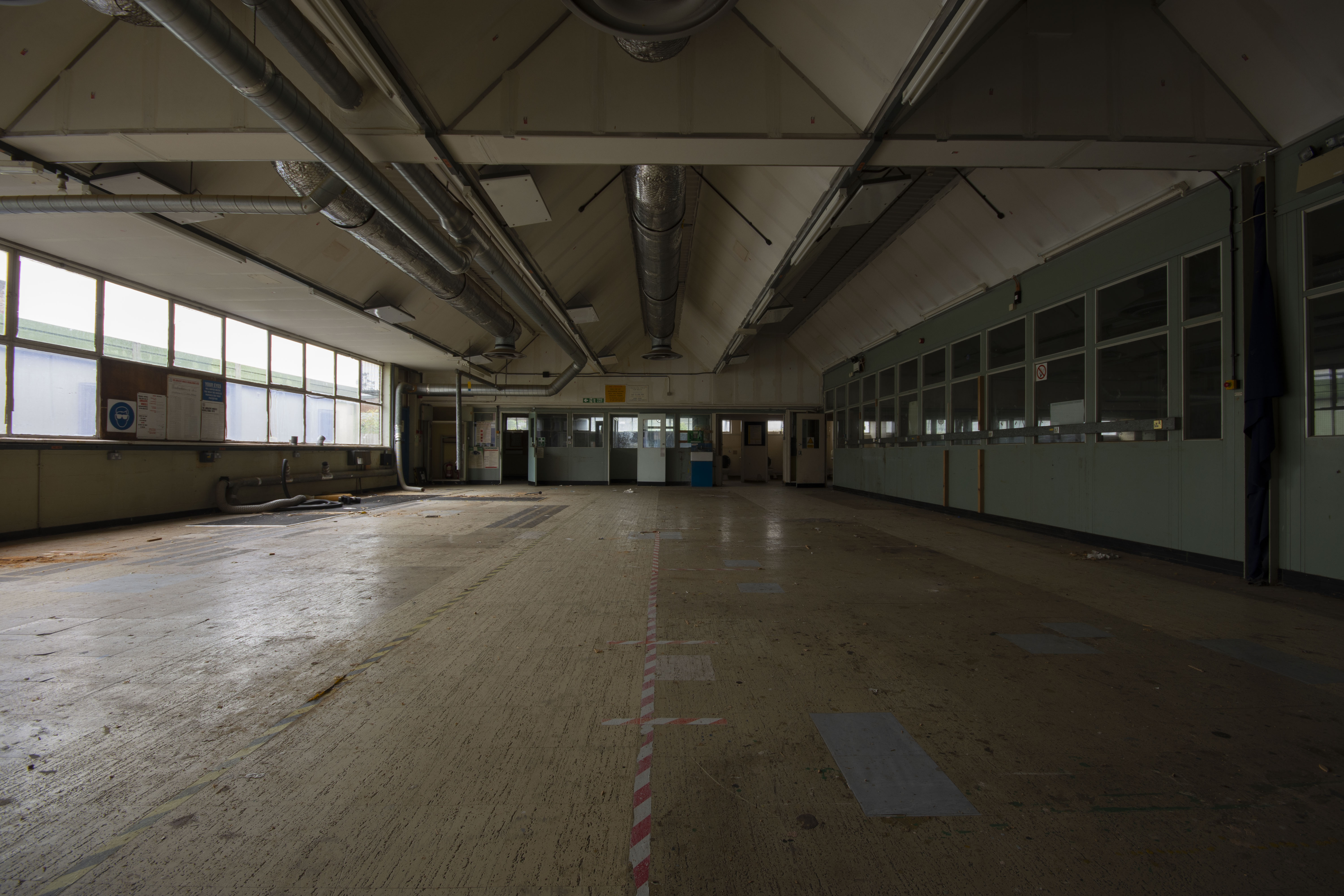
WOODWORK BUILDING
This building would have housed woodworking machinery for patients who signed up for vocational courses.


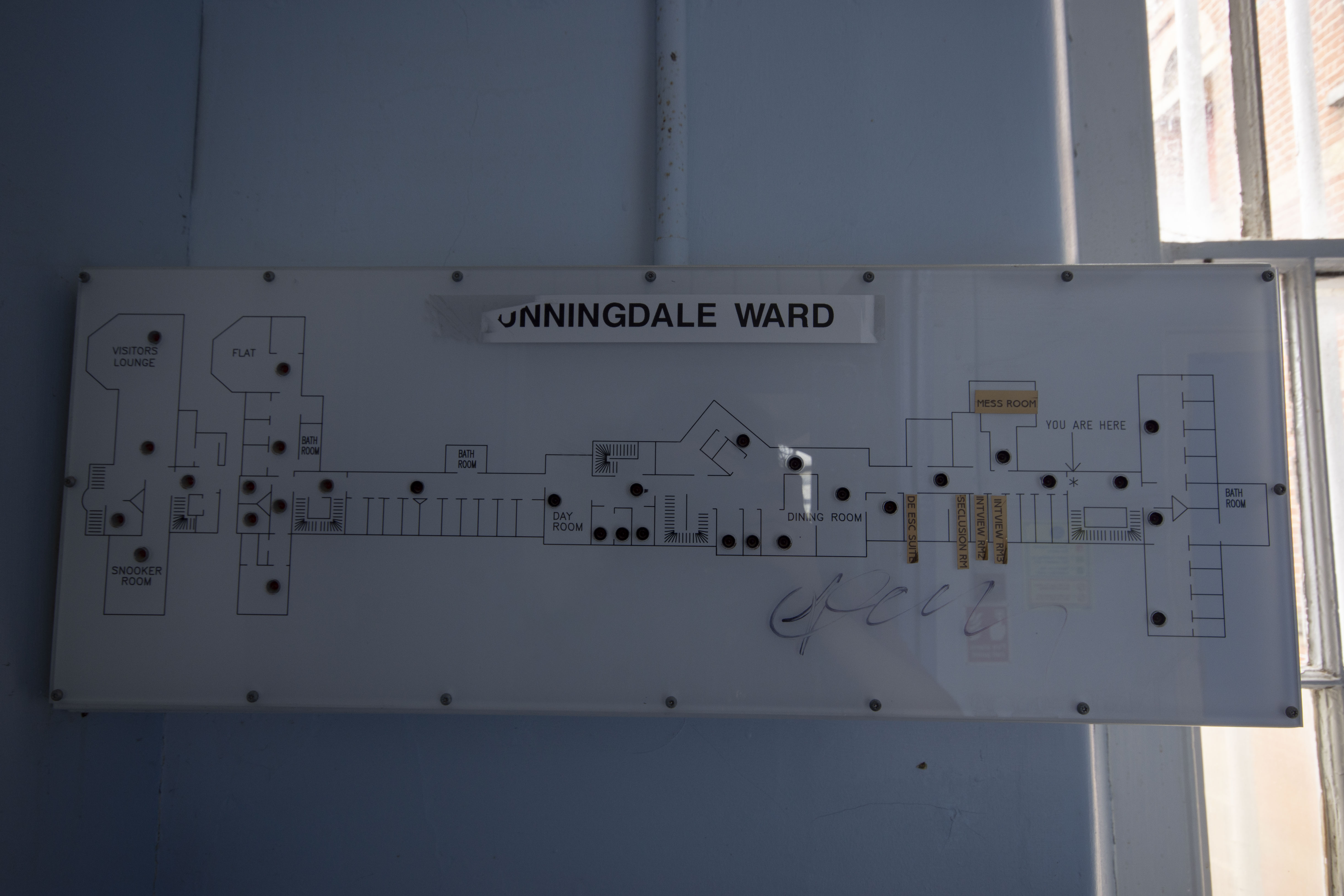
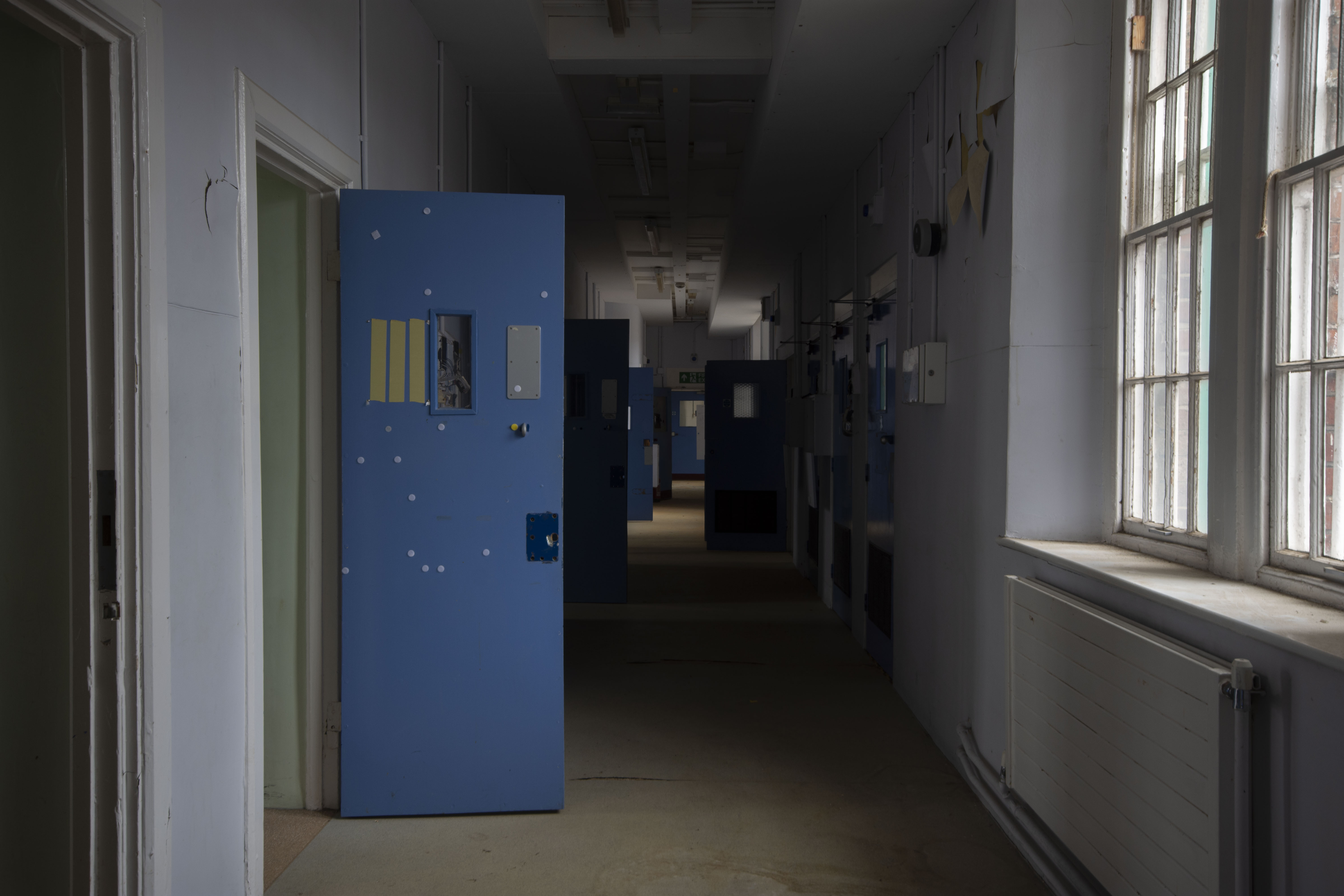
BERKSHIRE HOUSE
One of the outlying ward buildings. The southern half was demolished in late 2020.




 Shadow Dragon