Aberthaw Power Station
January 2022 | Wales | Demolition Ongoing
All I have to say is that this is a big big big tick off for me…
***
| Commission Date | 1971. |
| Decommission Date | 2020. |
| Capacity | 1,560MW (three 500MW units). |
| Cooling Towers | None – seawater was used as coolant. |
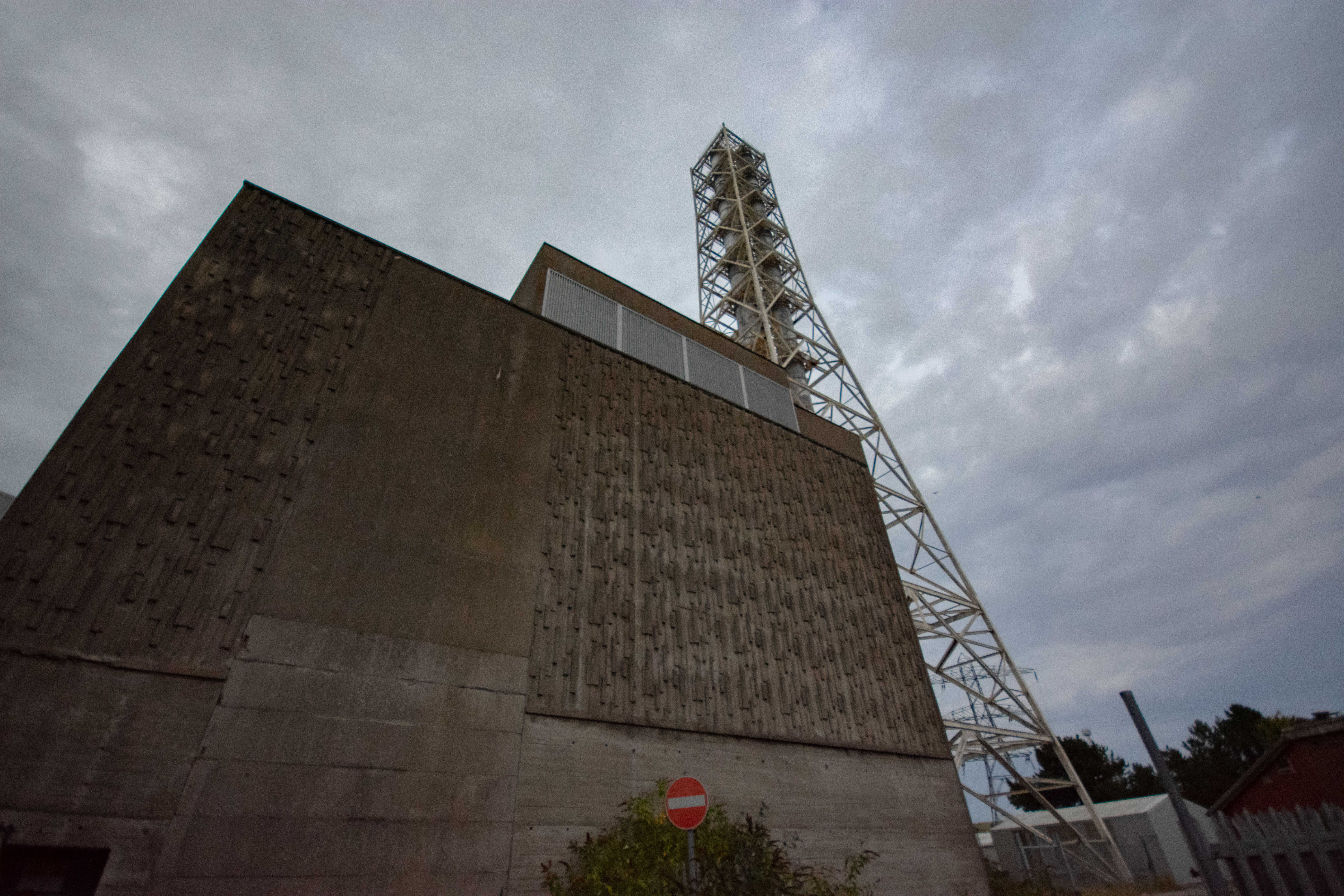
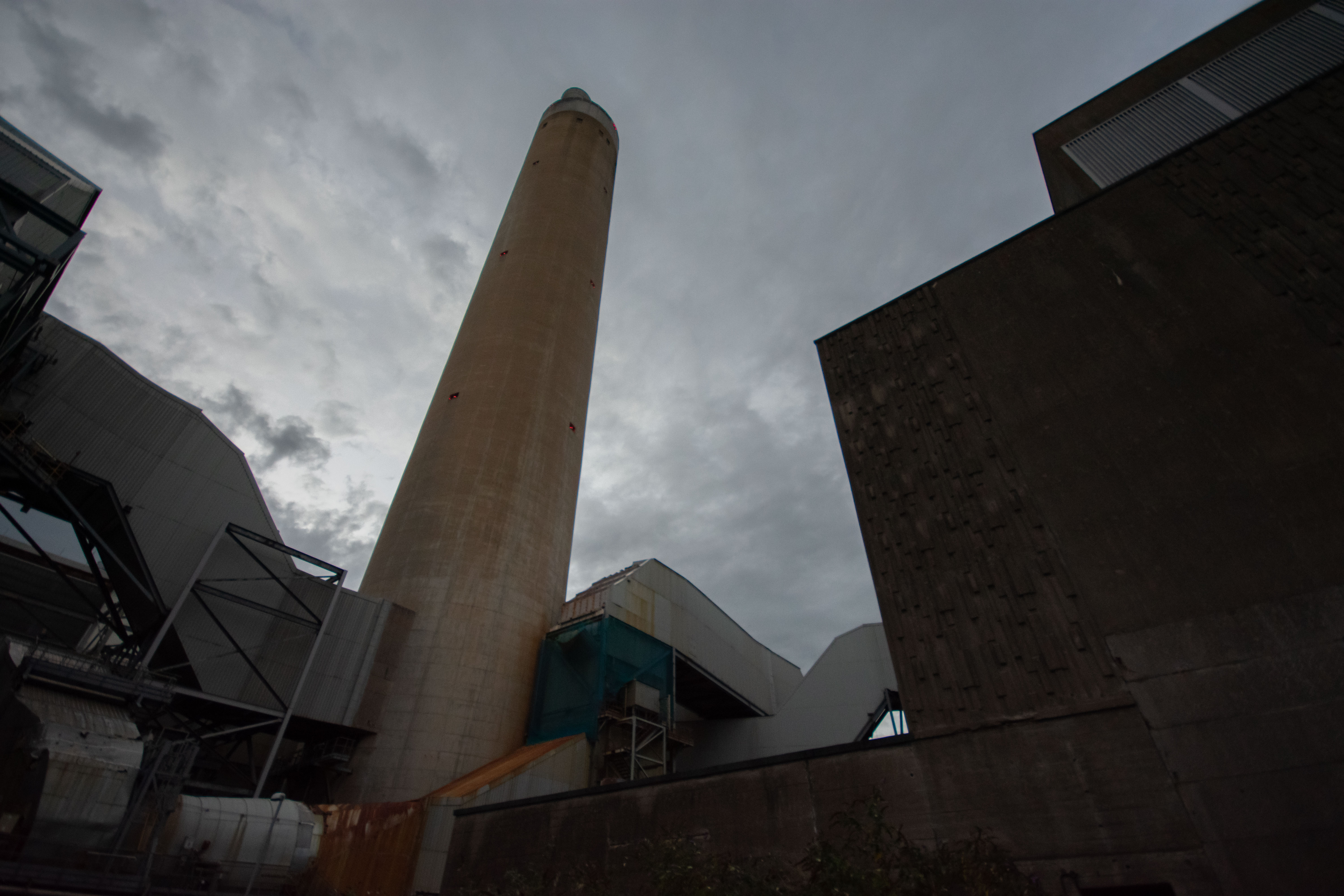
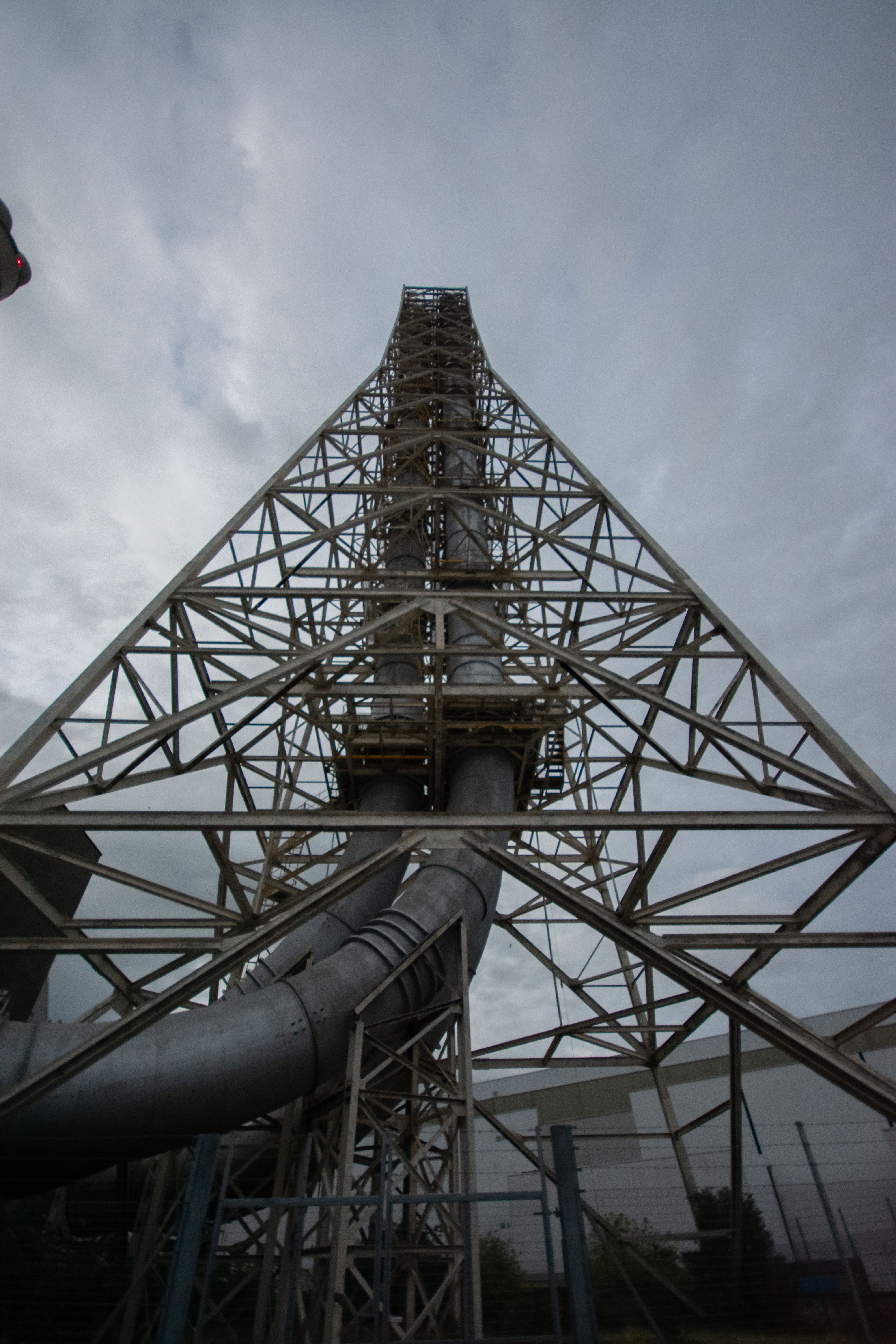
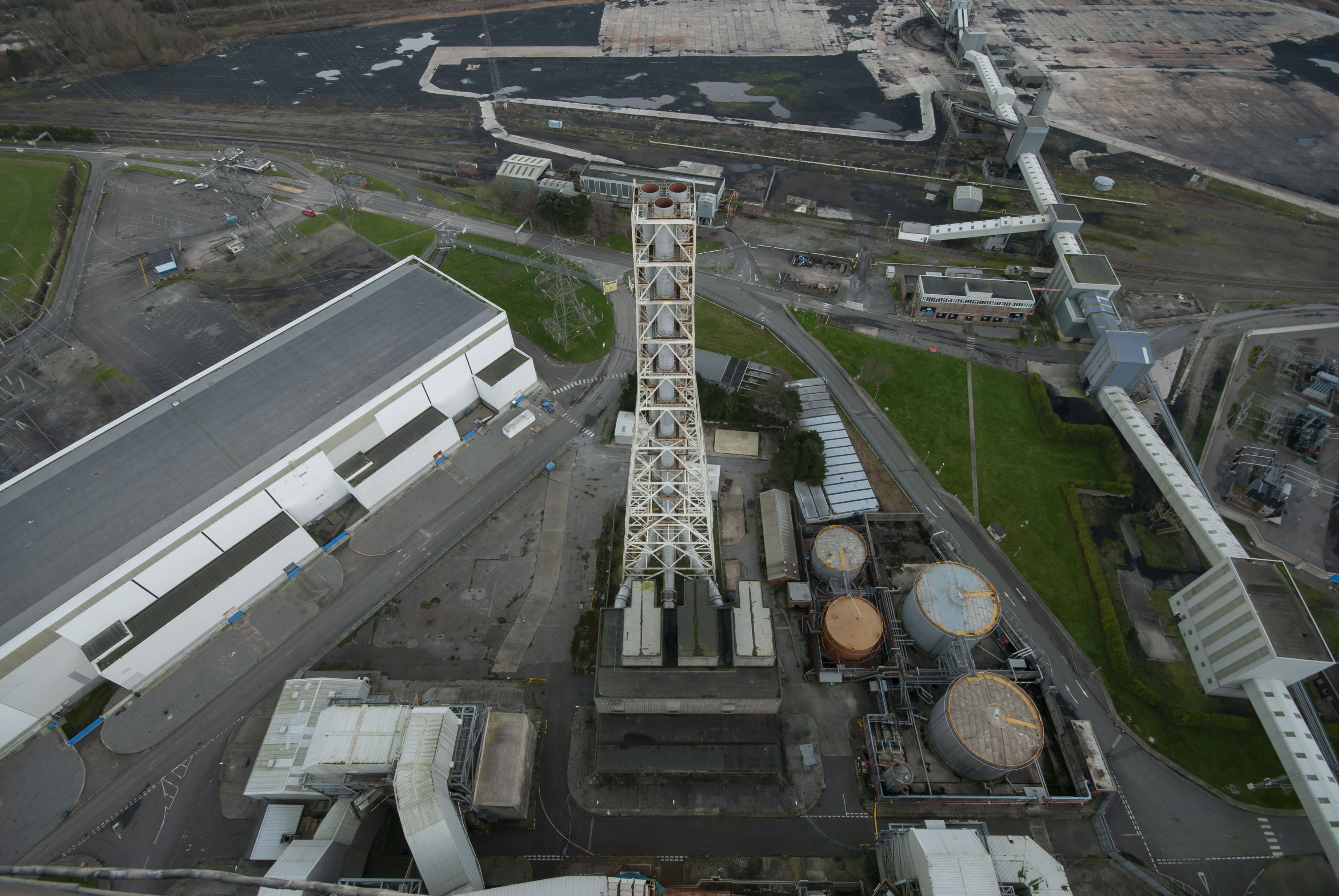
| Chimney | Single 165m multiflue stack. |
| Fuel Type(s) | Coal (primary), biomass (secondary). |
| Control System | Advanced Plant Management System. |
| Boiler Manufacturer | Foster-Wheeler LTD. |
| Turbine Manufacturer | Associated Electric Industries. |
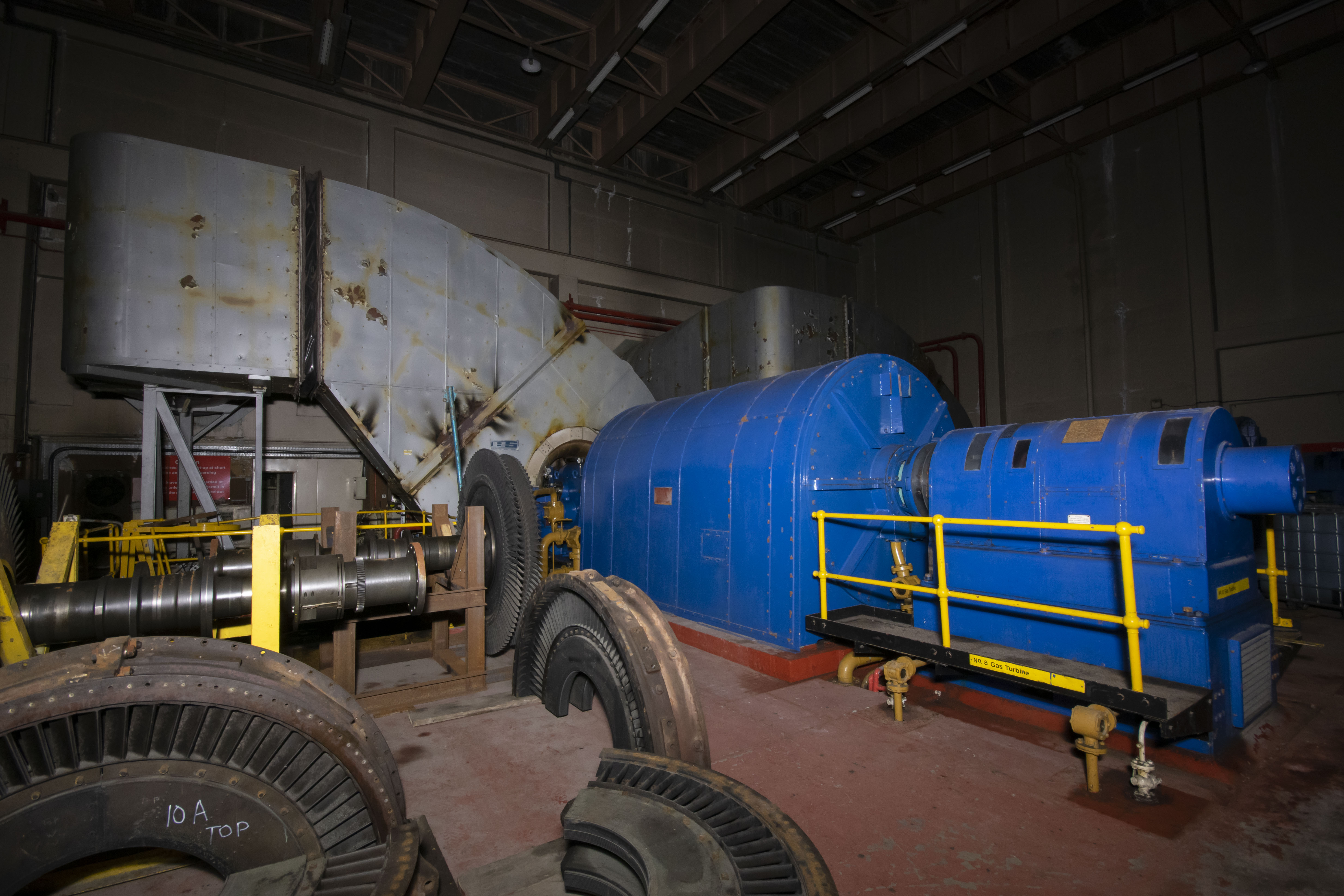
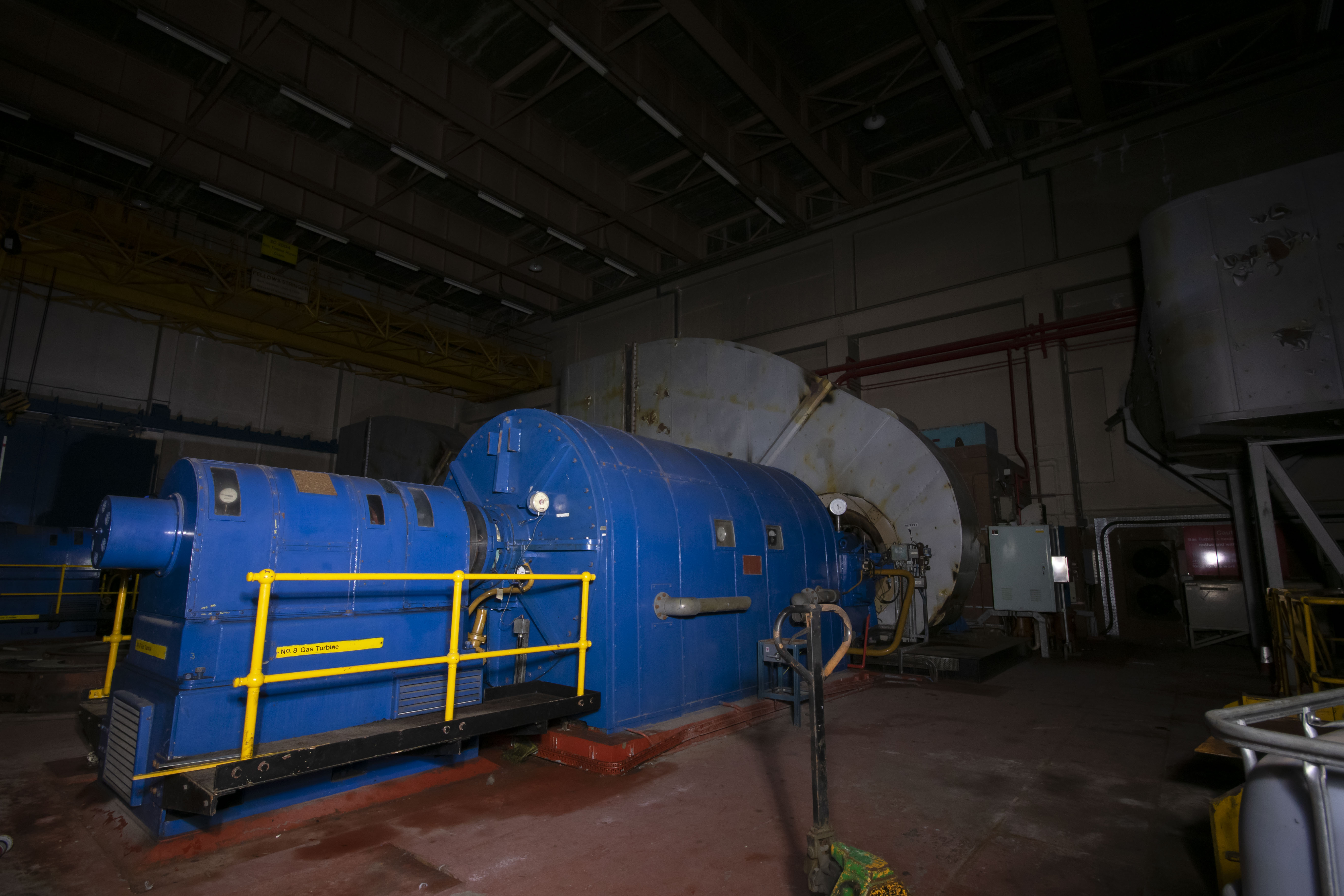
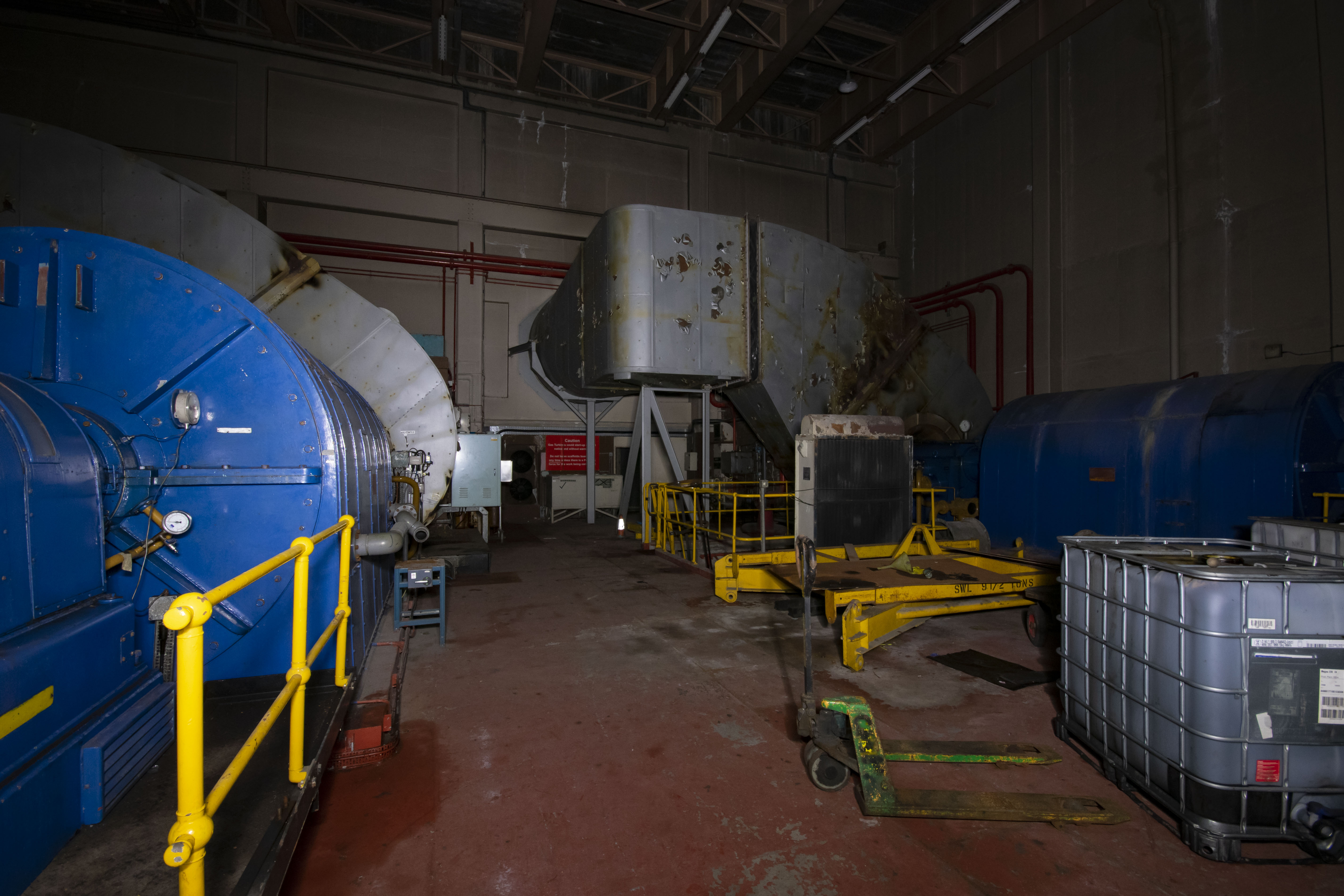
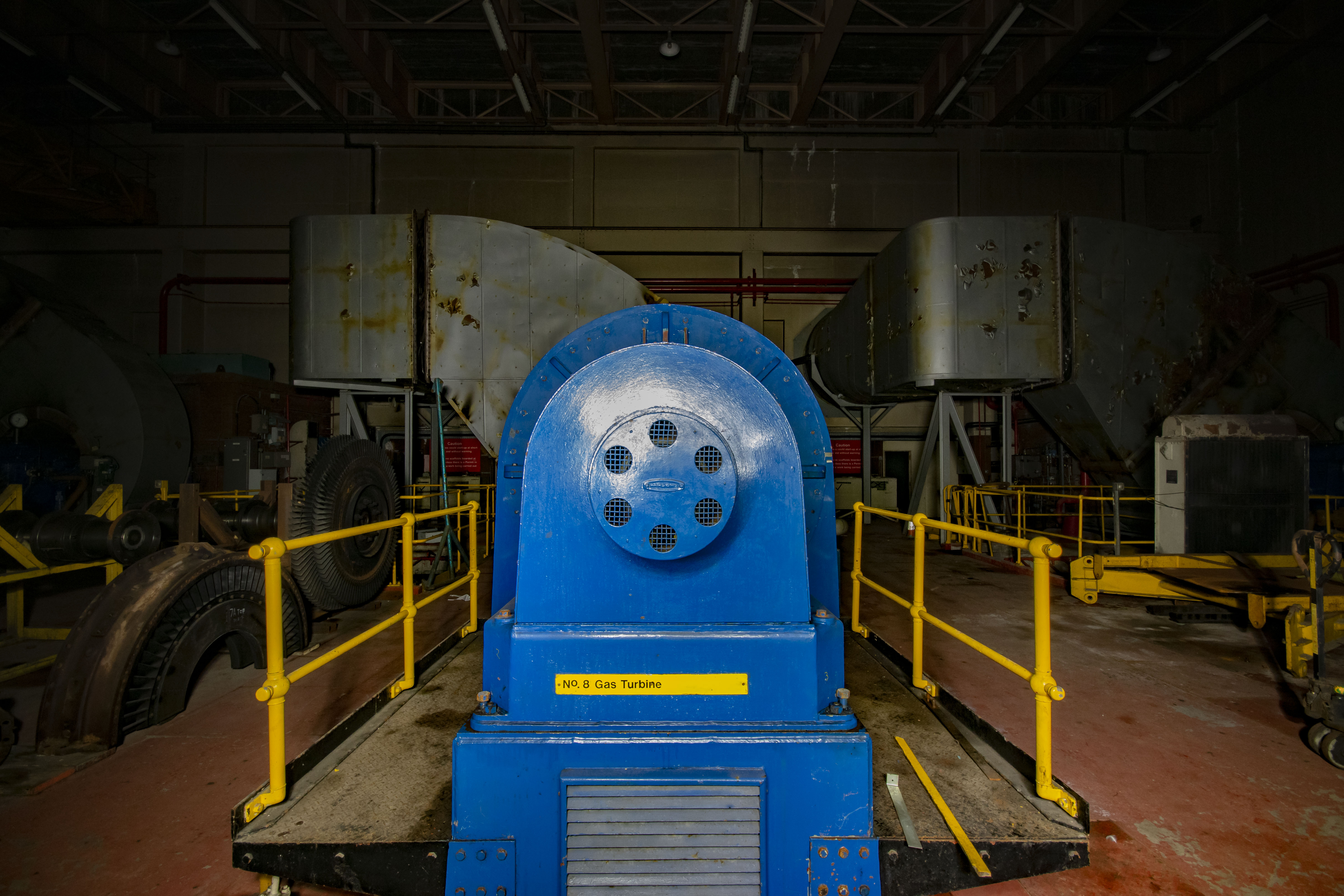
| OCGT Plant | Three 20MW Rolls Royce Olympus gas turbines. |
| Architect | Sir Percy Thomas and Son. |
| Status | Undergoing demolition. |
***
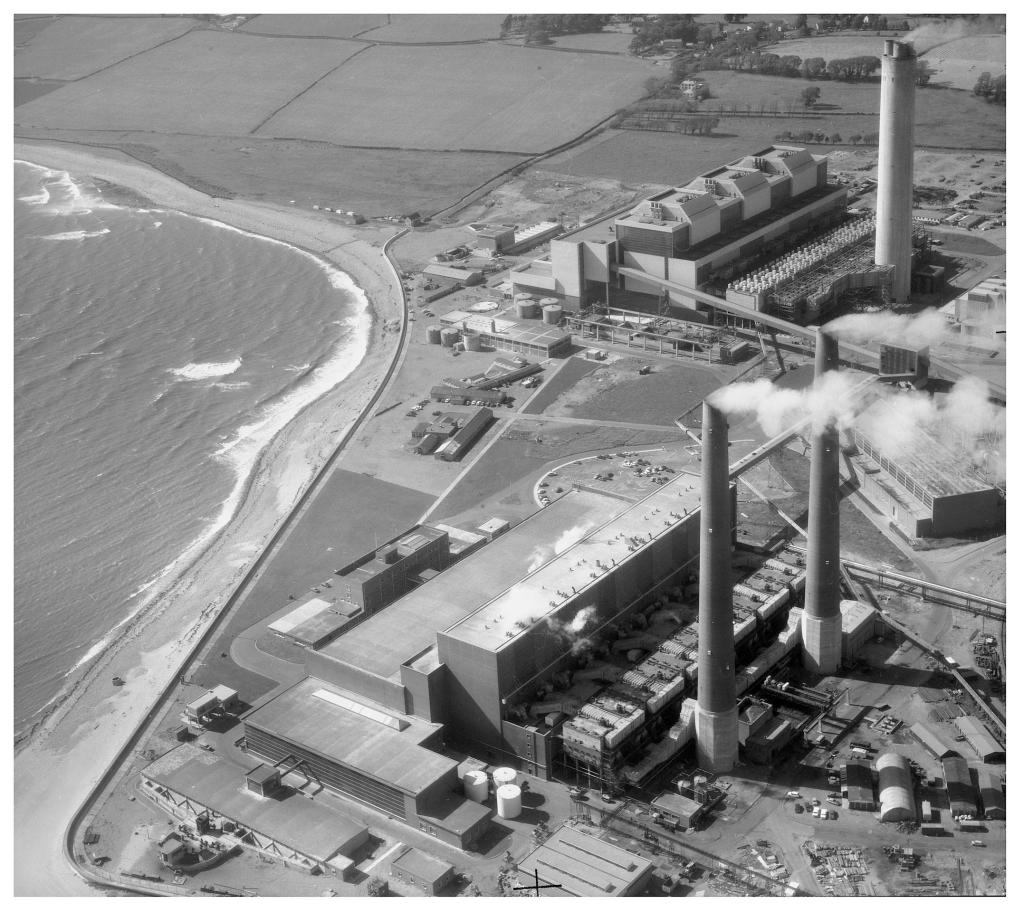
HISTORY: Aberthaw B Power Station is a decommissioned coal fired power station, near Barry in South Wales. There have been two power stations on the site, Breaksea Point, but only the B Station survives. Aberthaw A was built between 1957 and 1963 and commissioned that year; it had six boilers that fed six 100MW turbo-generator sets, feeding a total of 600MW to the National Grid. Aberthaw A and B Power Station are shown on the left. Both the power stations were built on a former golf course on a headland jutting out into the Bristol Channel. The chimneys were local landmarks and the B Station’s chimney is still used to this day by shipping and sailors as a navigational landmark which which bearings can be taken to plot the local of the vessel on maps and charts.
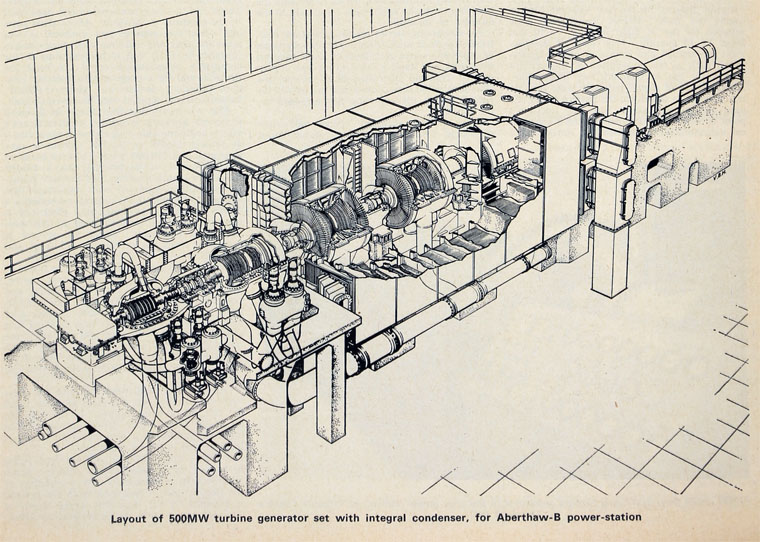
Aberthaw A was decommissioned in 1995 and subsequently demolished bit by bit – the last sections to be brought down were the chimneys. The switch house of the A side still survives to this day and is in use as a National Grid substation. Aberthaw B, the surviving and much grander big sister to the A side, was begun in 1967 and commissioned in 1971. The B Station comprises of three units, with three Foster-Wheeler boilers and three Associated Electric Industries turbo-generator sets. Each generator outputted 500MW, which meant the B Station generated a gross output of 1,500MW of electricity, with a further 60MW supplied from the three Rolls Royce Olympus gas turbines in a building to the east of the chimney. The station was efficient and very much a flagship of the 500MW turbo-generator fleet, being one of the most modern and grandest power stations at the time of its construction.

Three open cycle gas turbines were also built and these outputted 20MW each, bringing the B Station’s capacity to 1,560MW in total. The B Station was mired with disasters, with a particularly bad one ocurring just after the Station’s commissioning back in 1972. Unit 7’s turbine rotor exploded, which caused serious damage to the power station’s internal sections, as well as bringing down a section of the turbine hall’s roof.
The power station was built during the time of the chairmanship of Sir Christopher Hinton, who was the main driving force behind the 500MW generator sets for power stations – these were highly powerful and efficient for their time and were subsequently known as “Hinton Heavies”. Aberthaw B had flue gas desulphurisation installed between 2006 and 2008 to comply with the EU’s (rather murderous to UK only power stations…) Large Combustion Plant Directive, which brought the station’s sulphur emissions down by 90%. This was because Welsh coal, which comprised of up to 70% of Aberthaw’s fuel, has a high sulphur content and releases more when combusted.

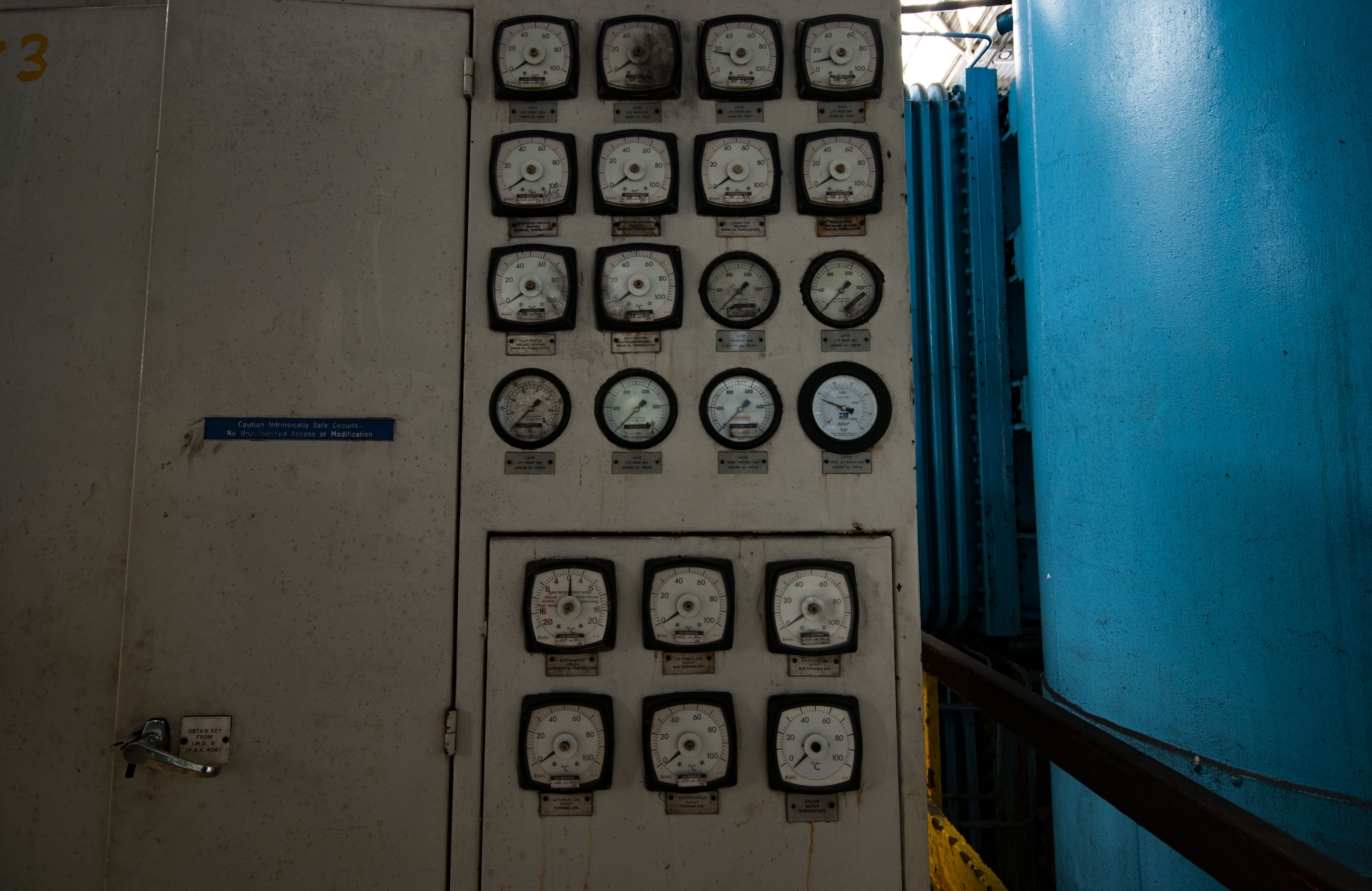
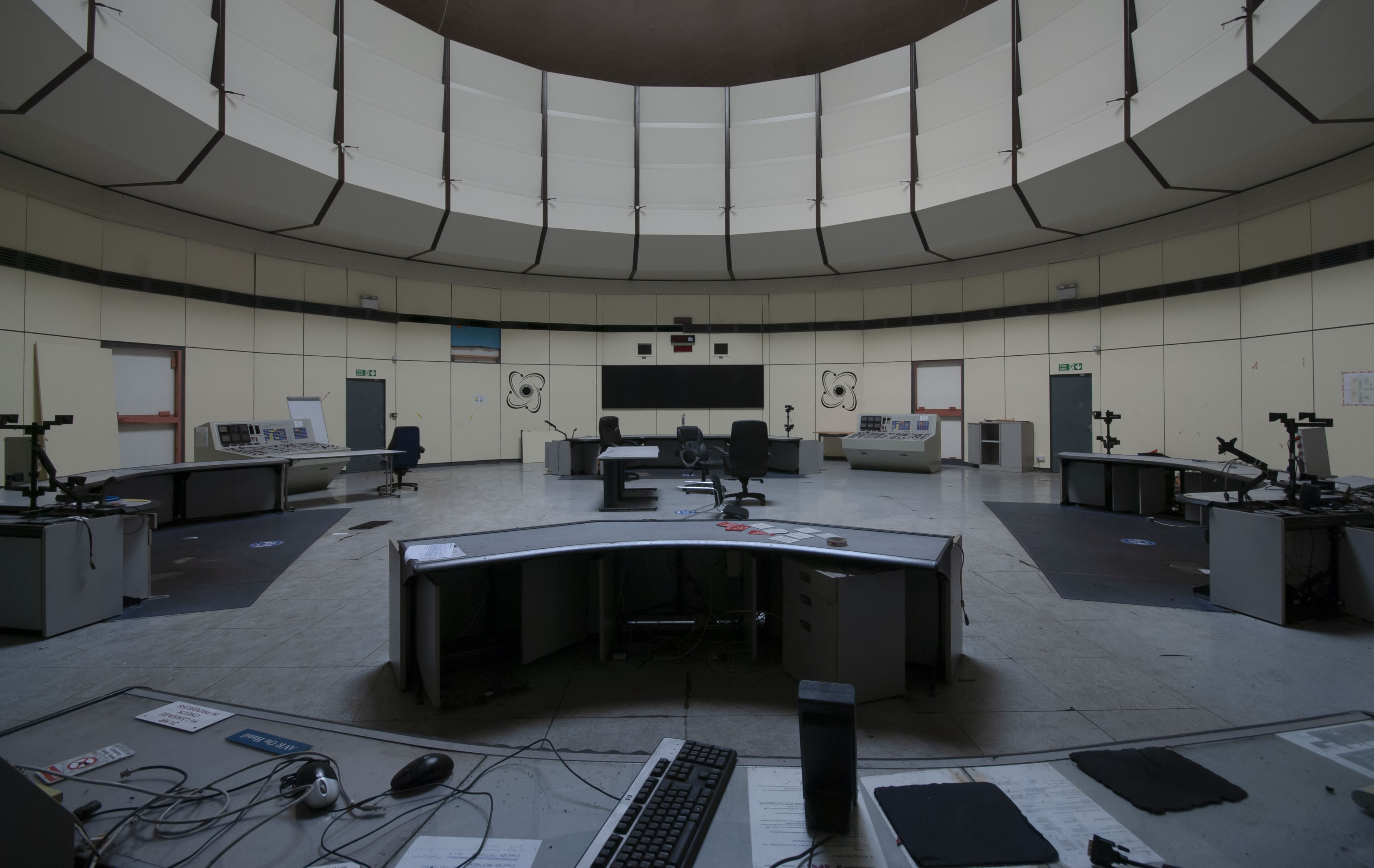
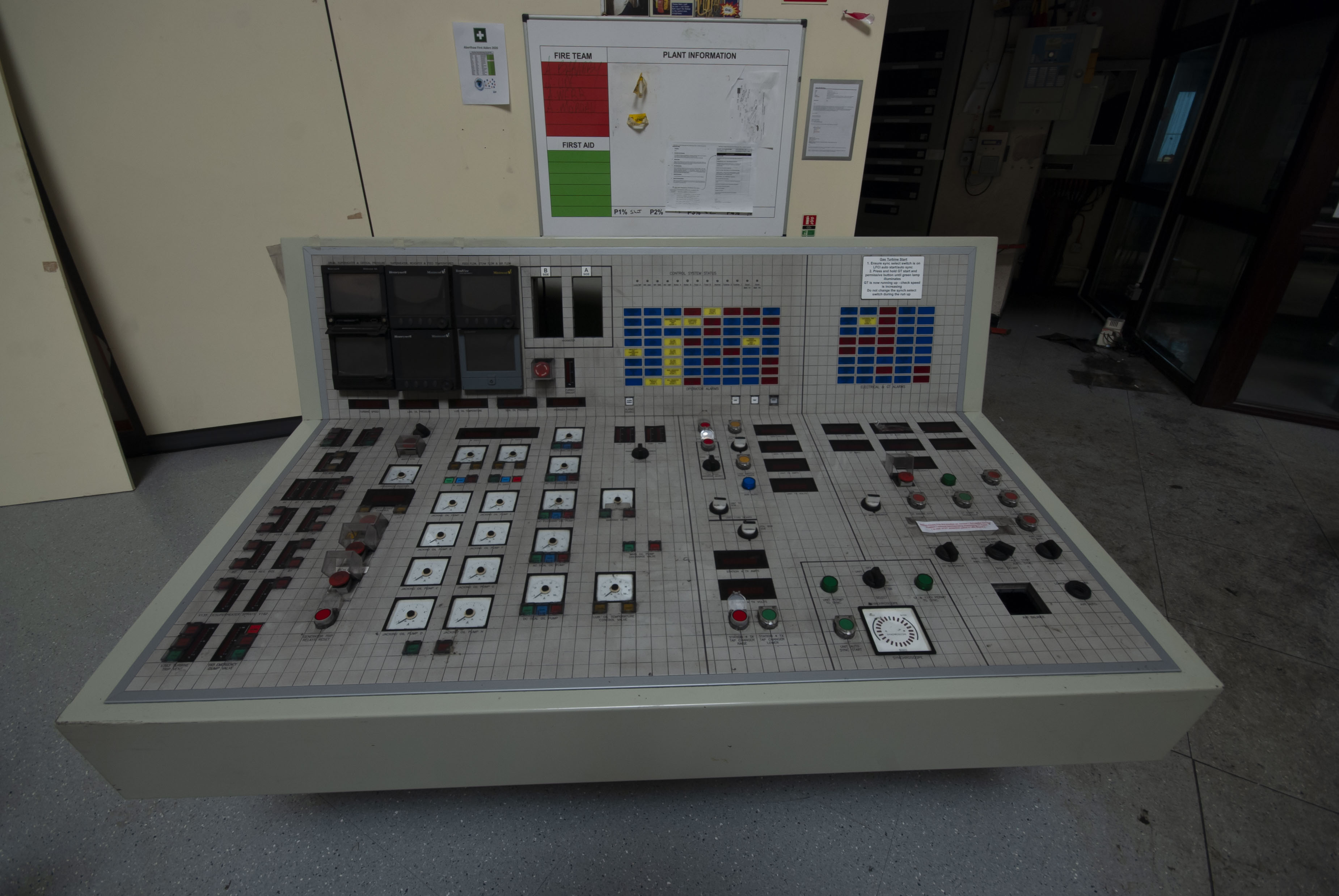
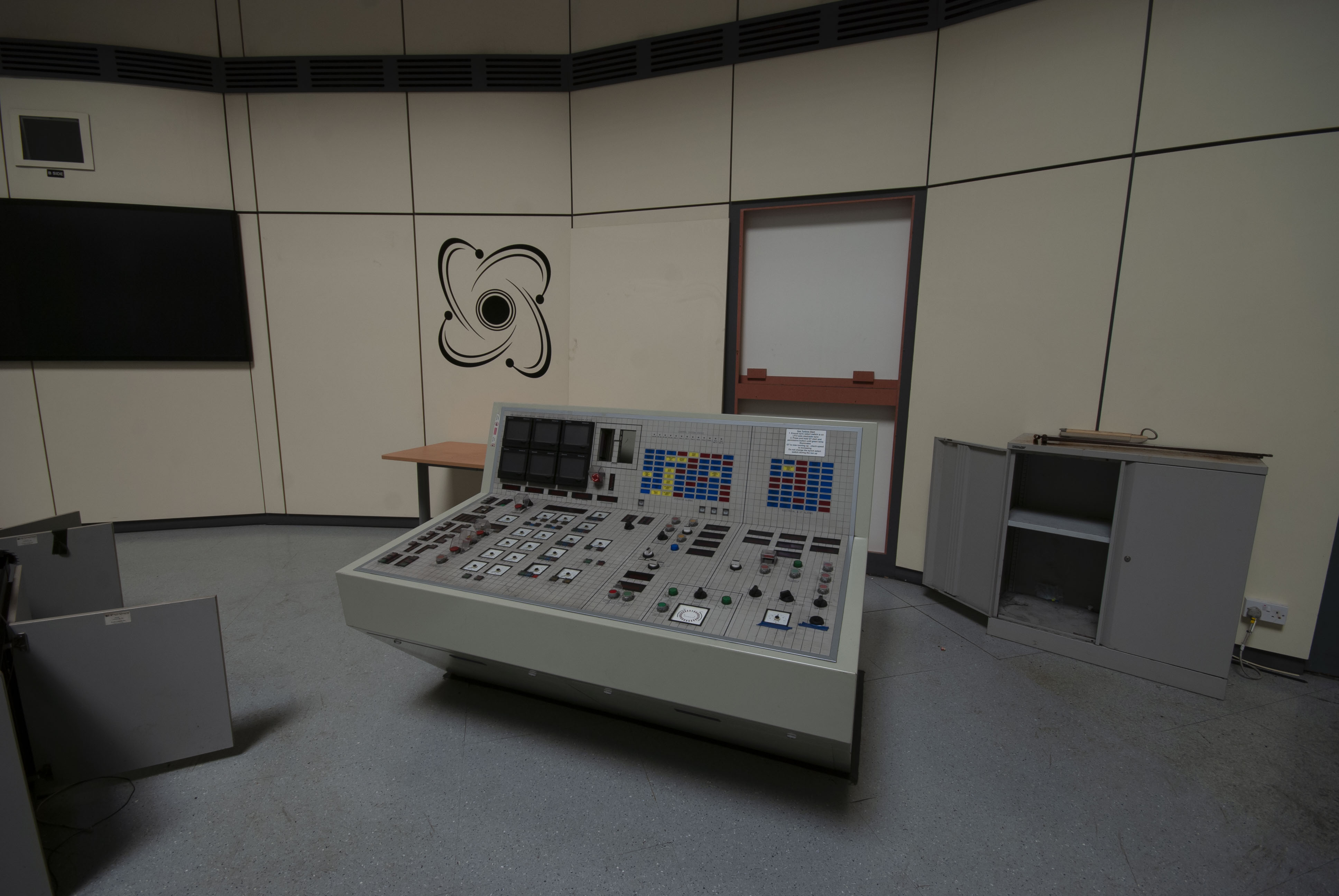
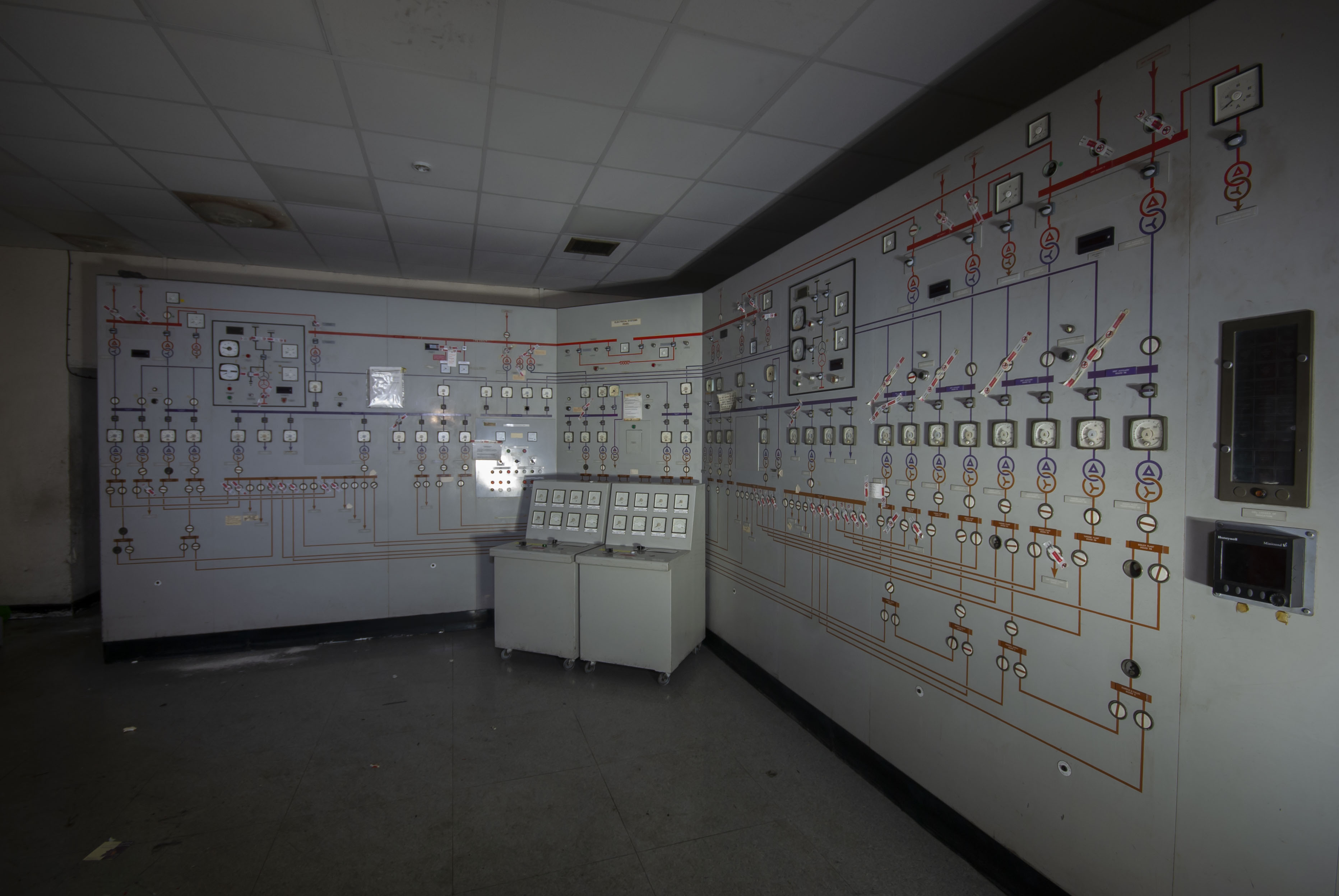
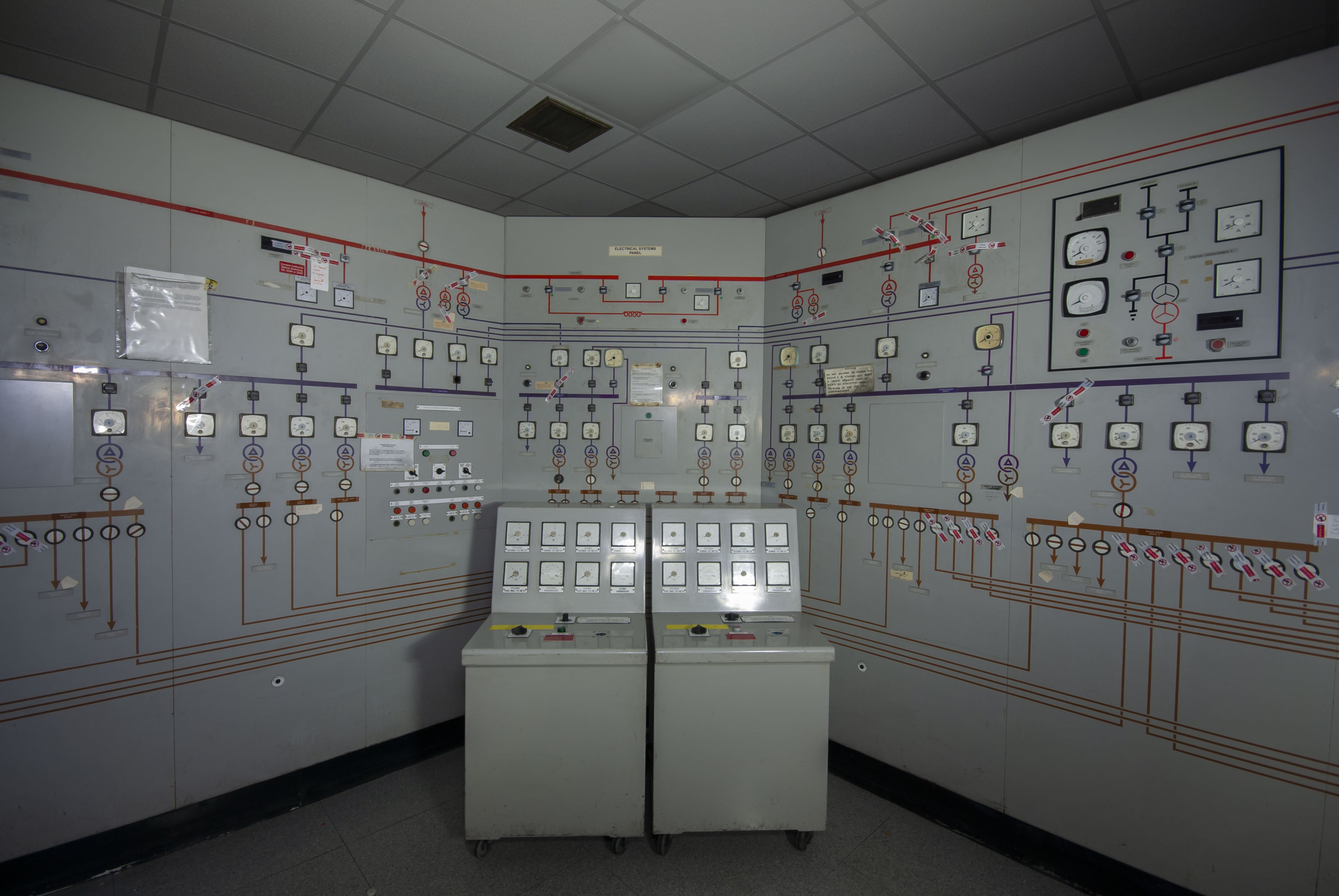
In the mid 2000s, the power station’s control systems were updated from the CUTLASS hard desk computer systems (control dials, buttons, knobs etc) to the more modern APMS (Advanced Plant Management System) which was developed by RWE to modernise the control of power stations. Many UK power stations were retrofitted with this system, for example: Ironbridge, Eggborough (part APMS), Didcot (part APMS), Fiddler’s Ferry, Drax, Ratcliffe-on-Soar etc. The last unit at Aberthaw to be converted to the new Advanced Plant Management System was Unit 8, which was shut down back in the summer of 2008 to facilitate the modernisation works. This resulted in the loss of the vast array of dials and switches. Which from a photography point of view is a massive shame as these old style control rooms make for fantatsic photography opportunities with all those lovely dials and buttons and switches.
Below: a 1992 National Power short documentary about Aberthaw.
Aberthaw B Power Station ceased generating on the 20th of December 2019, and officially closed on the 31st of March 2020, the same day as Fiddler’s Ferry Power Station near Widnes in Cheshire. Since then, the site has lain dormant and derelict, gathering dust. Unfortunately, demolition of Aberthaw Power Station began in 2024.
THE EXPLORES: this place has been on my to-do list since the day it was closed… and January 2022 was when my plans first came to fruition. I’ve wanted to go to this place since 2006 after seeing it on many childhood television programmes and wanted to see it even more in 2011 when it was used as a filming location for the a television series I loved a lot as a kid.
So, fast forwards to 2022. I jumped on a train to my friend’s in Northampton, meeting up with another in London on the way. We then went and picked the 4th member of our party up and then converged in the house of the 5th to discuss our plans. After a drink, we headed to bed… however we didn’t get much sleep. I packed my bag and made sure I had everything we needed and then we began the enormous drive at 1am.
We arrived at about 5am, having done a toilet and food stop, and began the walk to the power station. It was a quiet, tense walk, made worse by the fact that stories of hardcore explorers having police helicopters down on them with masses of police and being quite royally shafted were in the forefront of our minds. However, we pressed on. And slowly made our way towards the hulking mass of the building. The main issue around there is the sheer amount of infrared CCTV – almost every inch of the place is covered by some bastard camera so it’s a case of darting for it when you can. We were about to do that when I saw headlights coming from around a corner in front of us, so I hissed “SECCA!!!” and we all dived into a bush, with one of the others landing on top of me and squashing me flat! Security rounded the corner a second later and drove past slowly. I was sure we’d been clocked and was mentally preparing myself for the bollocking, but he just kept going… straight past us… about 20ft away. Thoughts along the lines of “what the actual f**k” were racing through my mind. I waited a few seconds to make sure he wasn’t turning around, and then gave the signal to leg it to shelter. We all piled inside a dark room and holed up for about ten minutes, catching our breath and having a drink. How were we not spotted? We have no idea, but bloody hell, it was too close for comfort.
After a short while, we went back out and padded quietly around, and then eyeballed a way over the 20ft electric fence – this was the challenging part, besides the CCTV everywhere. After a while, we were all inside the main compound and it wasn’t long before I found us access and we were all inside. I cannot tell you just how happy I was to get inside this power station. This has to be personally the most sought after explore I have ever done. 16 years I have wanted to see this place! 16 years! Then the explore began. Shortly after 7am. We must have covered the whole site, apart from the coal conveyors – I realised I missed those on the way out and kicked myself, quite literally. What I liked a lot about this power station was the use of space – the interior was so vast and airy, yet well laid out and not busy and cluttered. This makes it my favourite power station explore to date. I feel it is better than The Dark Power Station because it is nowhere near as cluttered and crammed as that one. The vast space inside this one is truly breath taking.
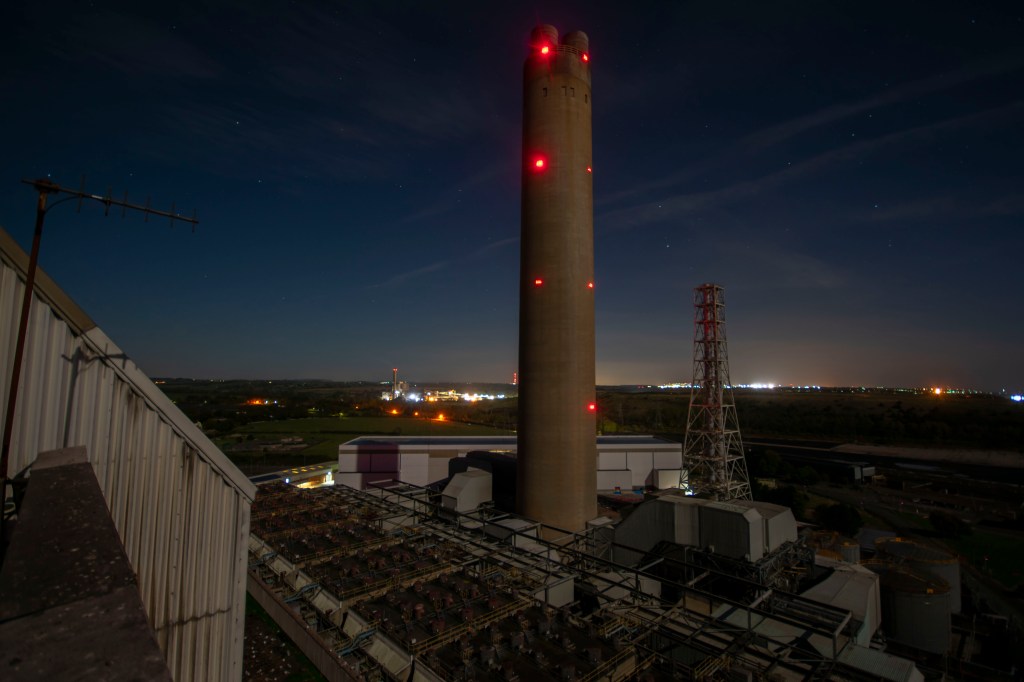
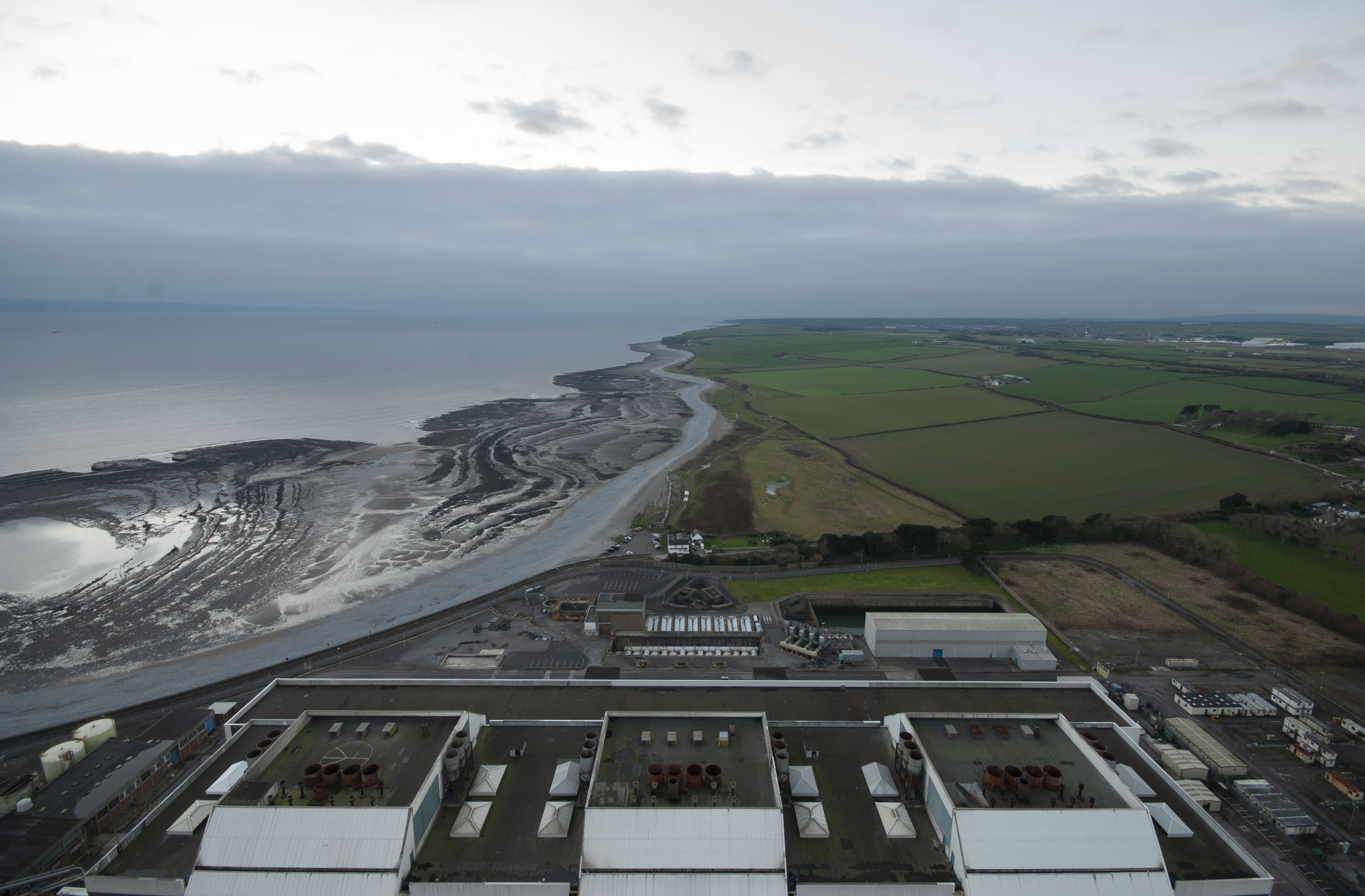
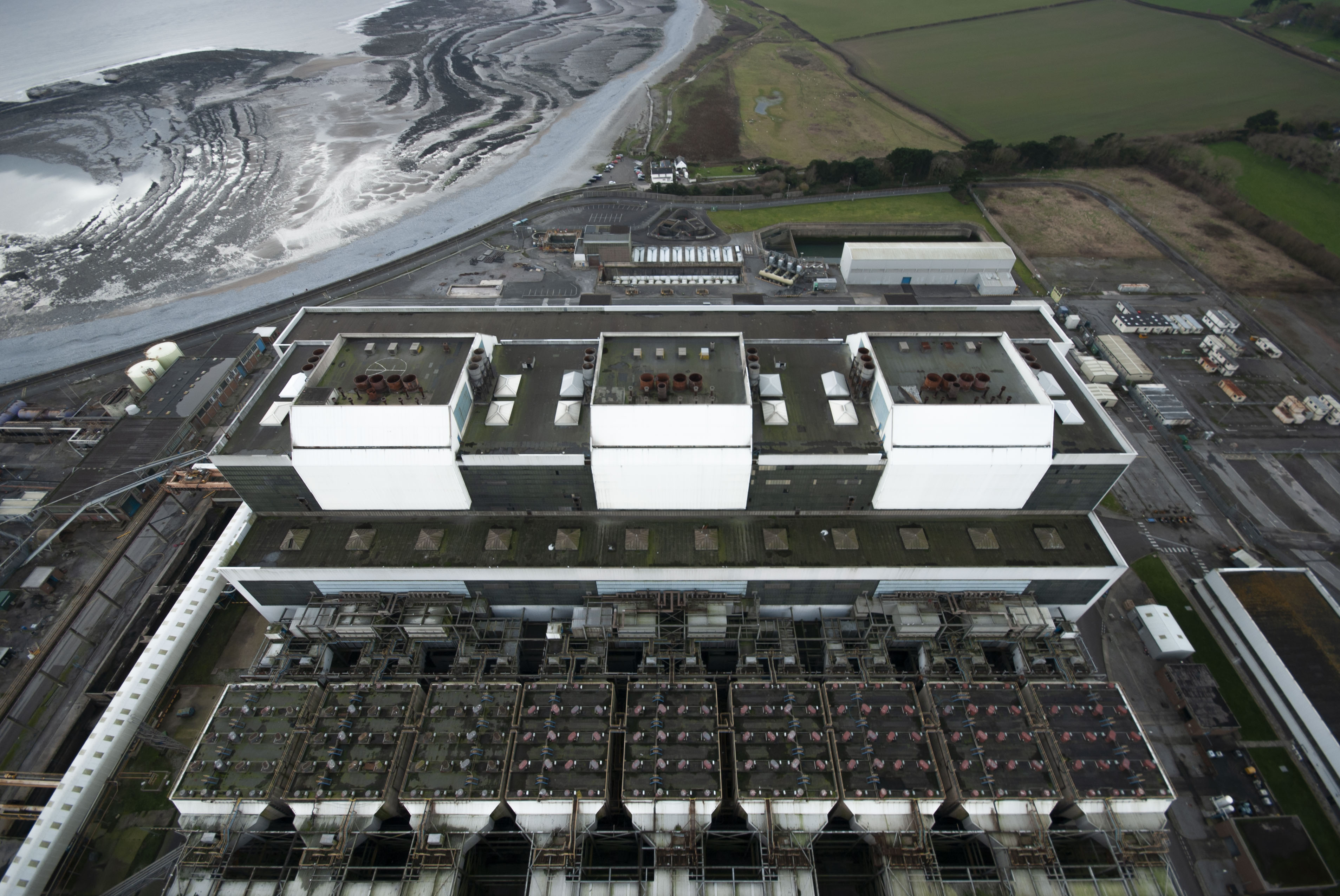
However, before we went out… the chimney. We managed to access the chimney! One of us decided to stay behind within the control room as he doesn’t like heights, so four of us converged on the chimney. It was a bloody long way up, as the chimney is over 550ft tall, and by that point I was feeling the burn from exhaustion (only half an hour’s kip since 10am the previous day) and also the burn of my muscles working overtime to climb those stairs. Despite the aches and raw lungs and burning legs, I made it to the top to one of the best views I have ever seen. It was so worth it, big time. We made it out of the site unscathed and uncollared at about 7pm and got back to the car about an hour later, aching and absolutely shattered. According to the step counters of the others’ watches, we did 26,000 steps… which is 14 miles of walking! No wonder we felt so tired and pained. A three hour drive back to Northampton (which I spent slumped completely sparko in my seat apparently) and in bed at 11 whereupon I slept for a further 13 hours. 16 hours of sleep needed after an explore shows how much effort was required to be put into it!
I returned to Aberthaw B on the night of the 8th of October in 2022, to spend my 22nd birthday there which was the following day – the 9th. The way into the site was exactly the same as last time, except this time we had sleeping gear and plenty of food with us, along with cooking utensils. This was going to be a rather luxurious exploration and camp out! We made our camp and began taking long exposure photos from the roof – the views across the Bristol Channel were magnificent. All in all, it was a brilliant second trip to this site.
EXTERIORS
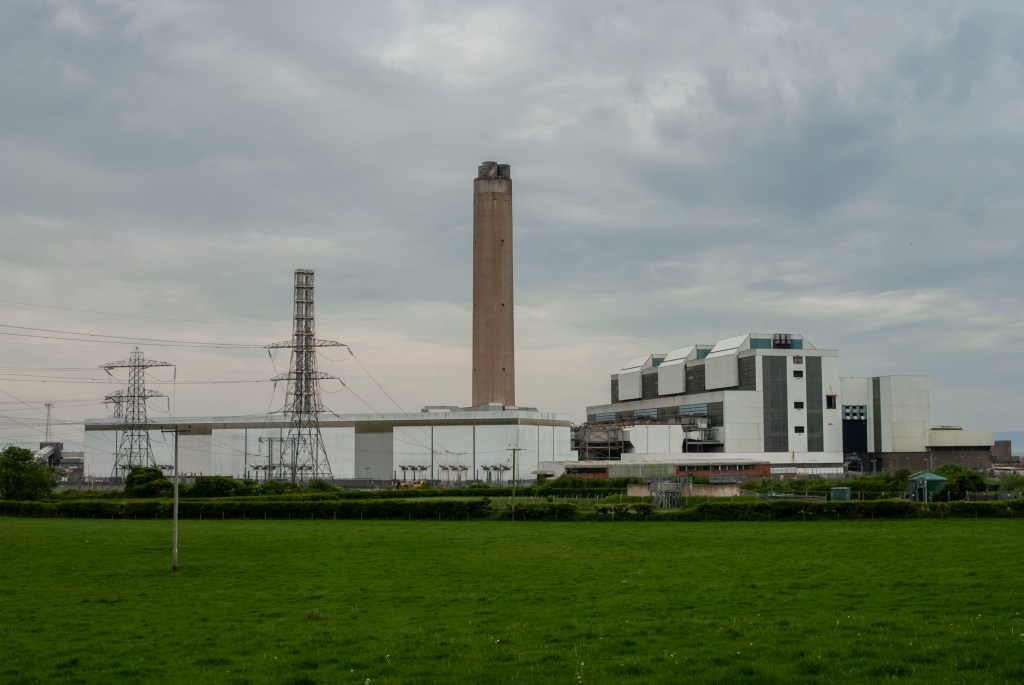
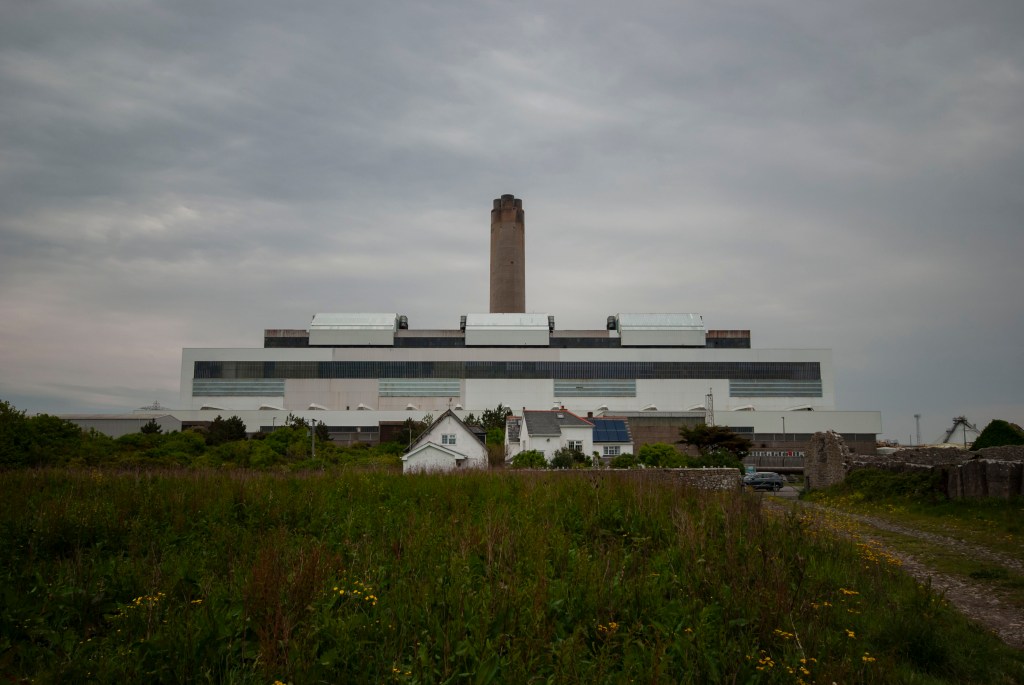
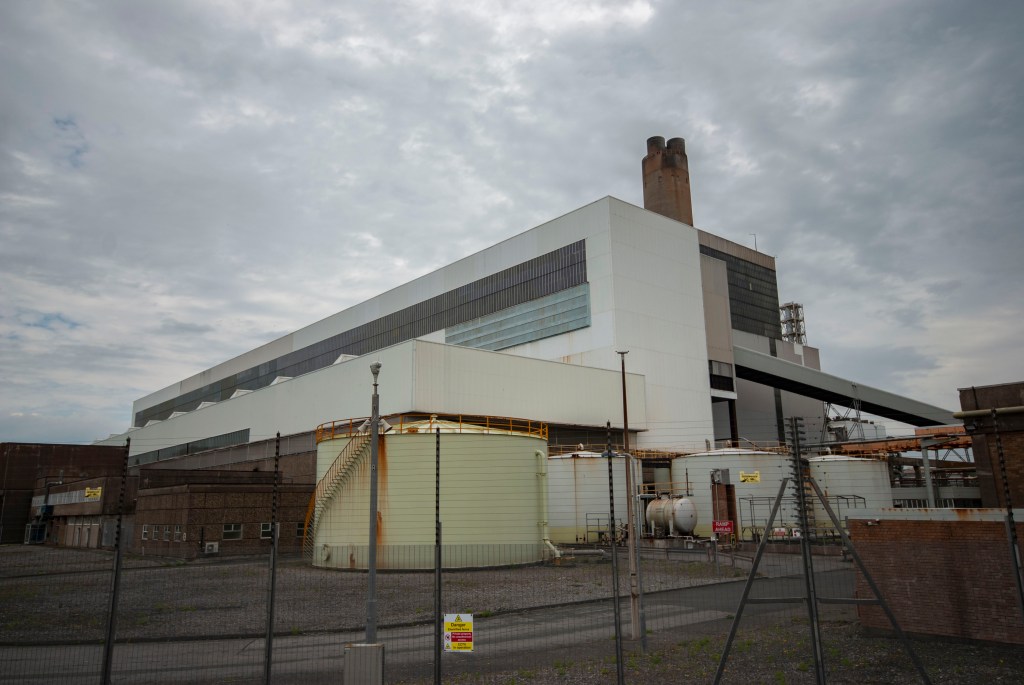
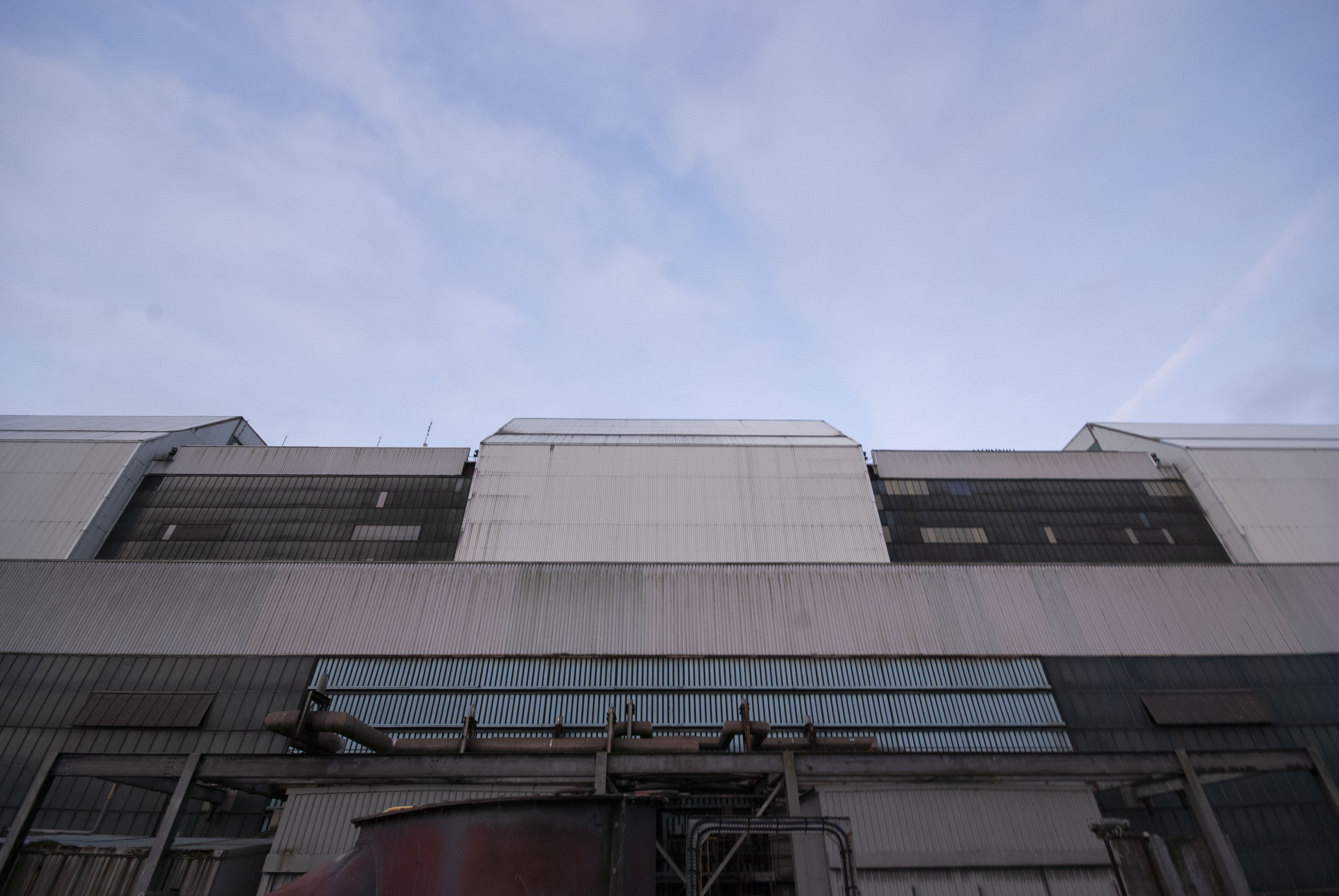
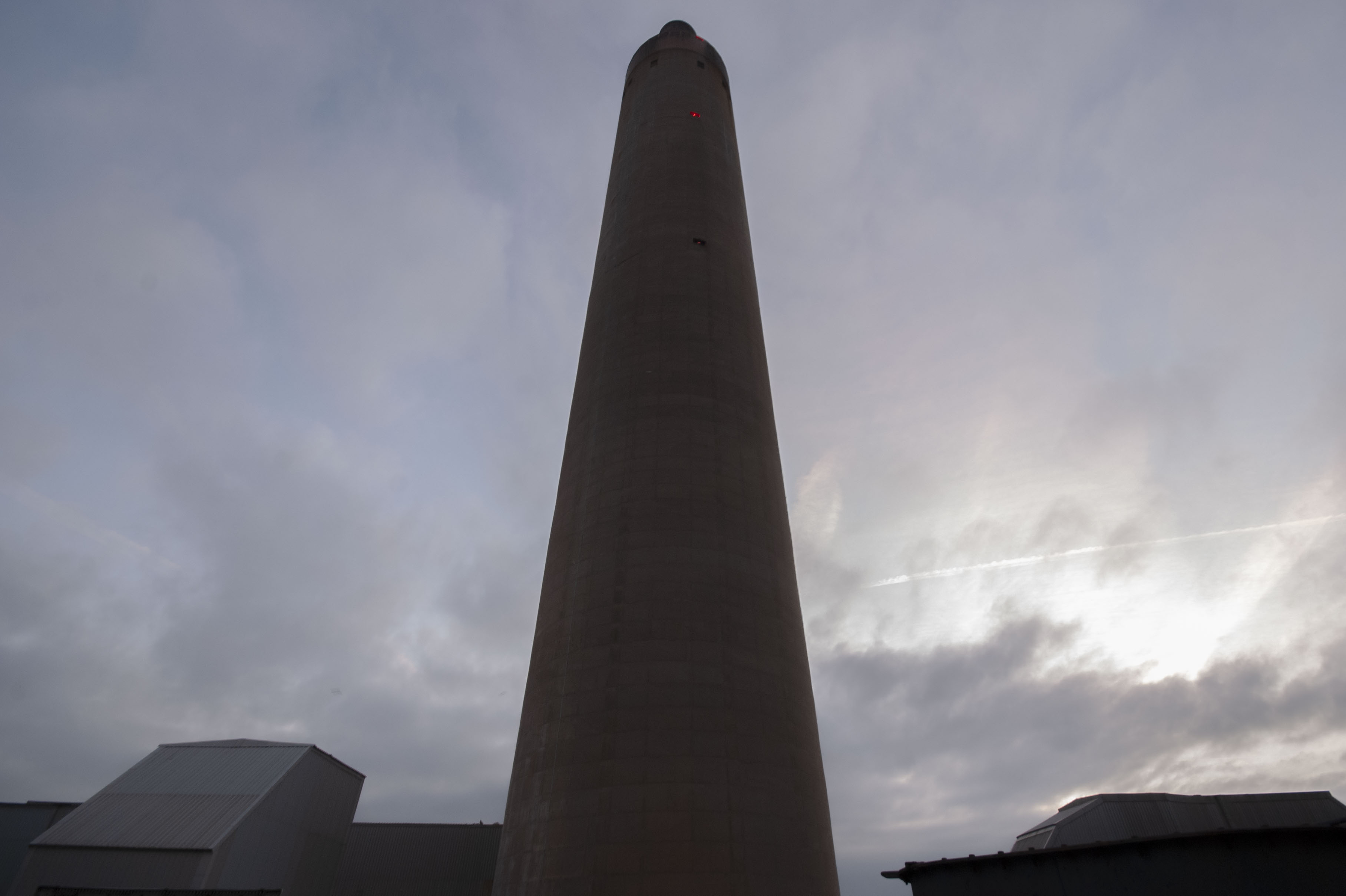
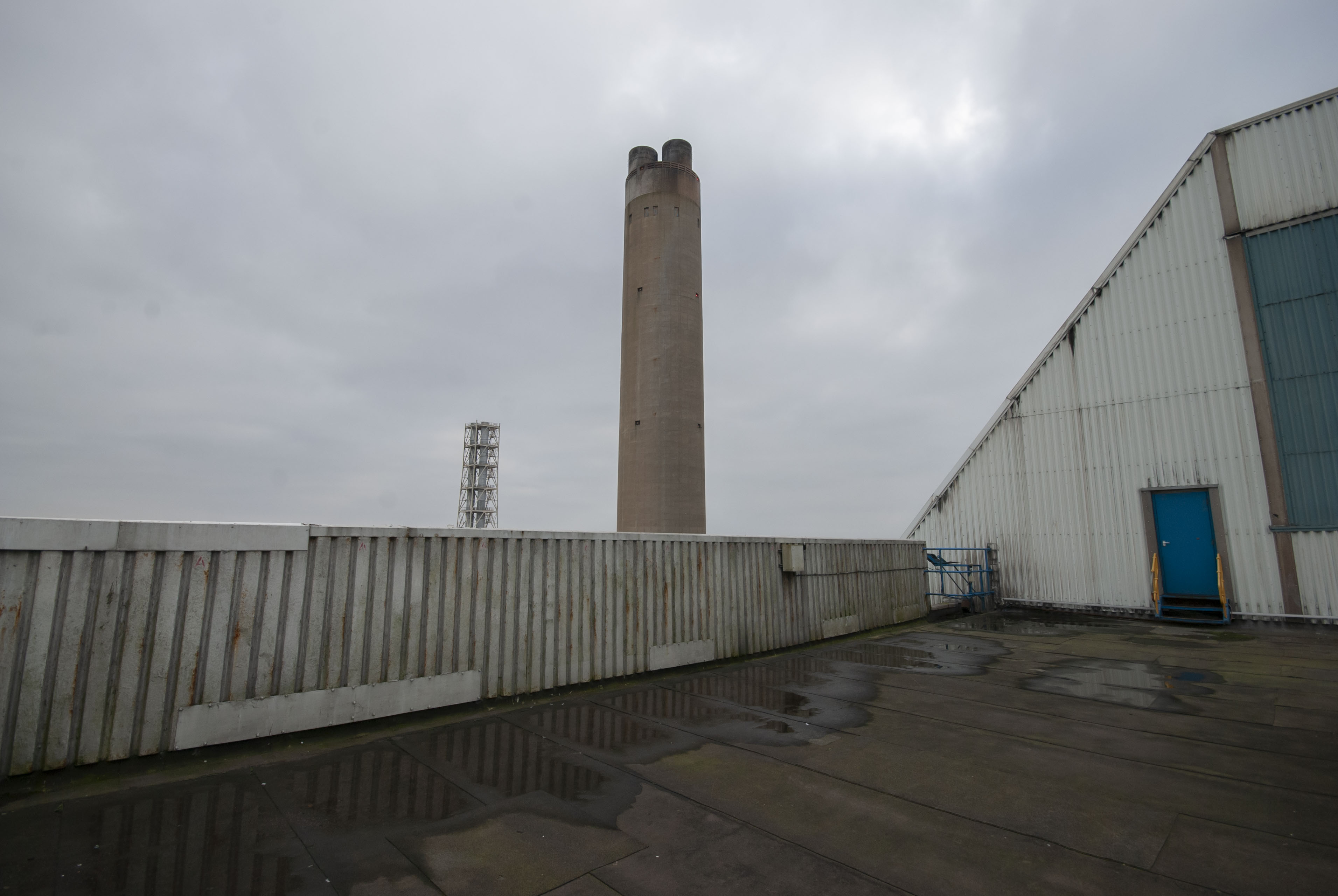
Showing the power station’s iconic design and dominant shape over the landscape.

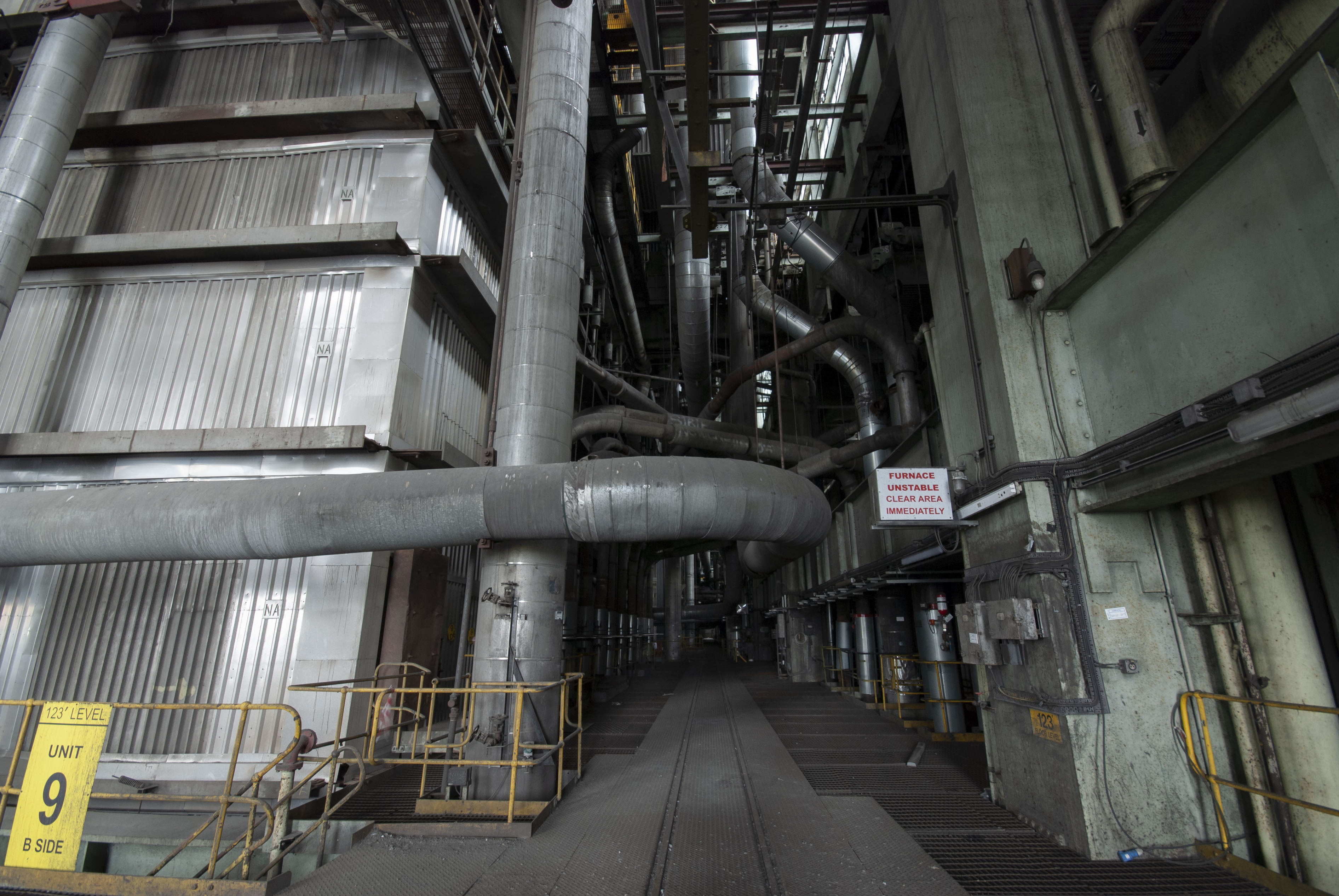
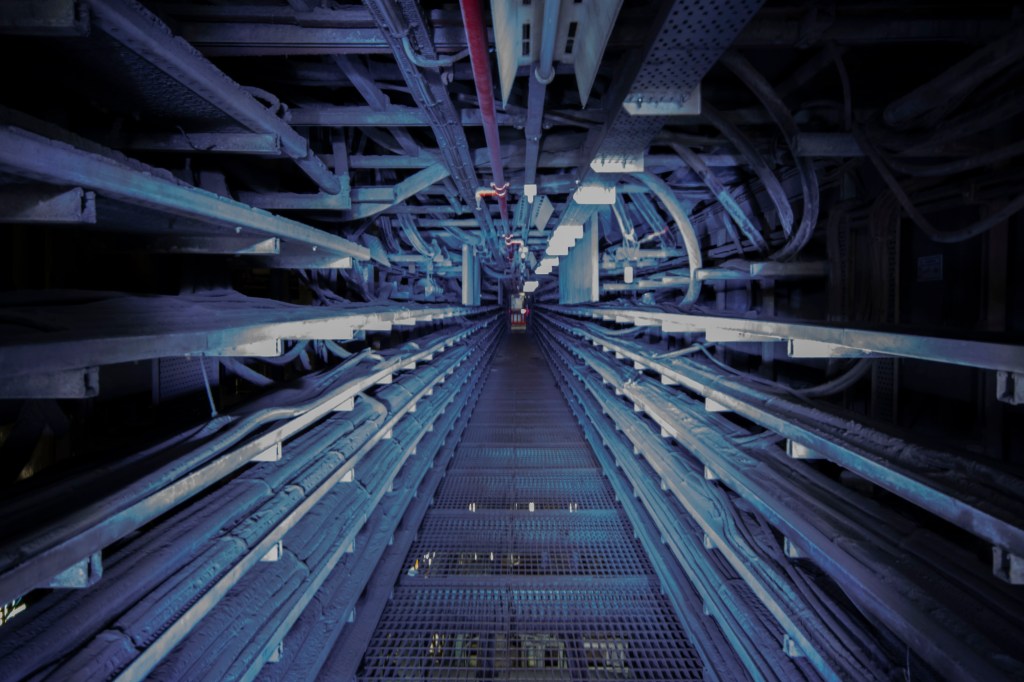
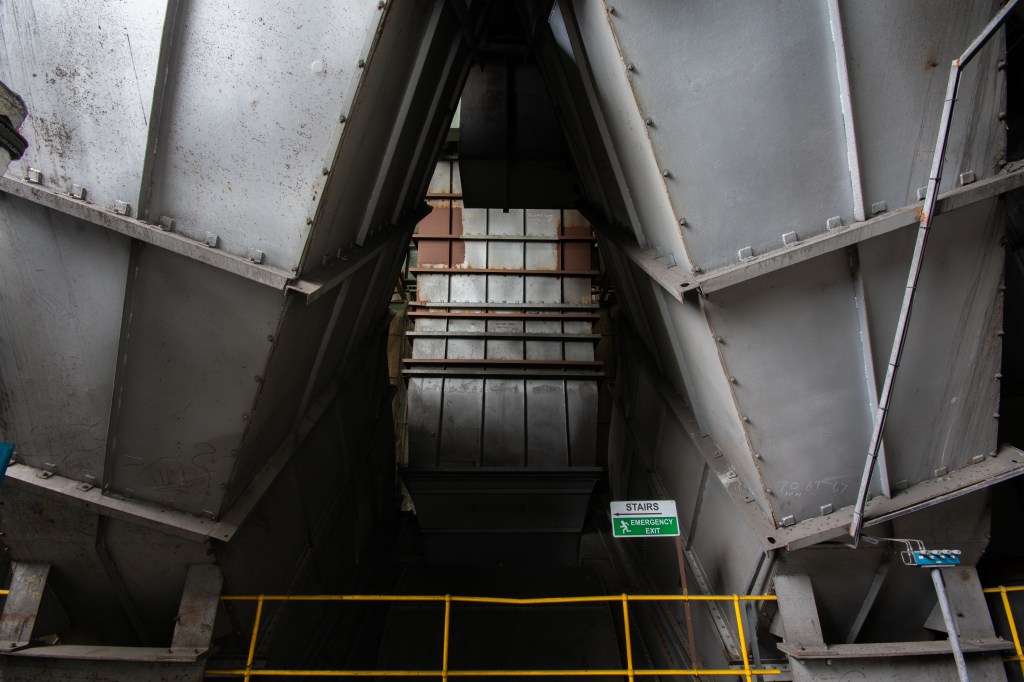
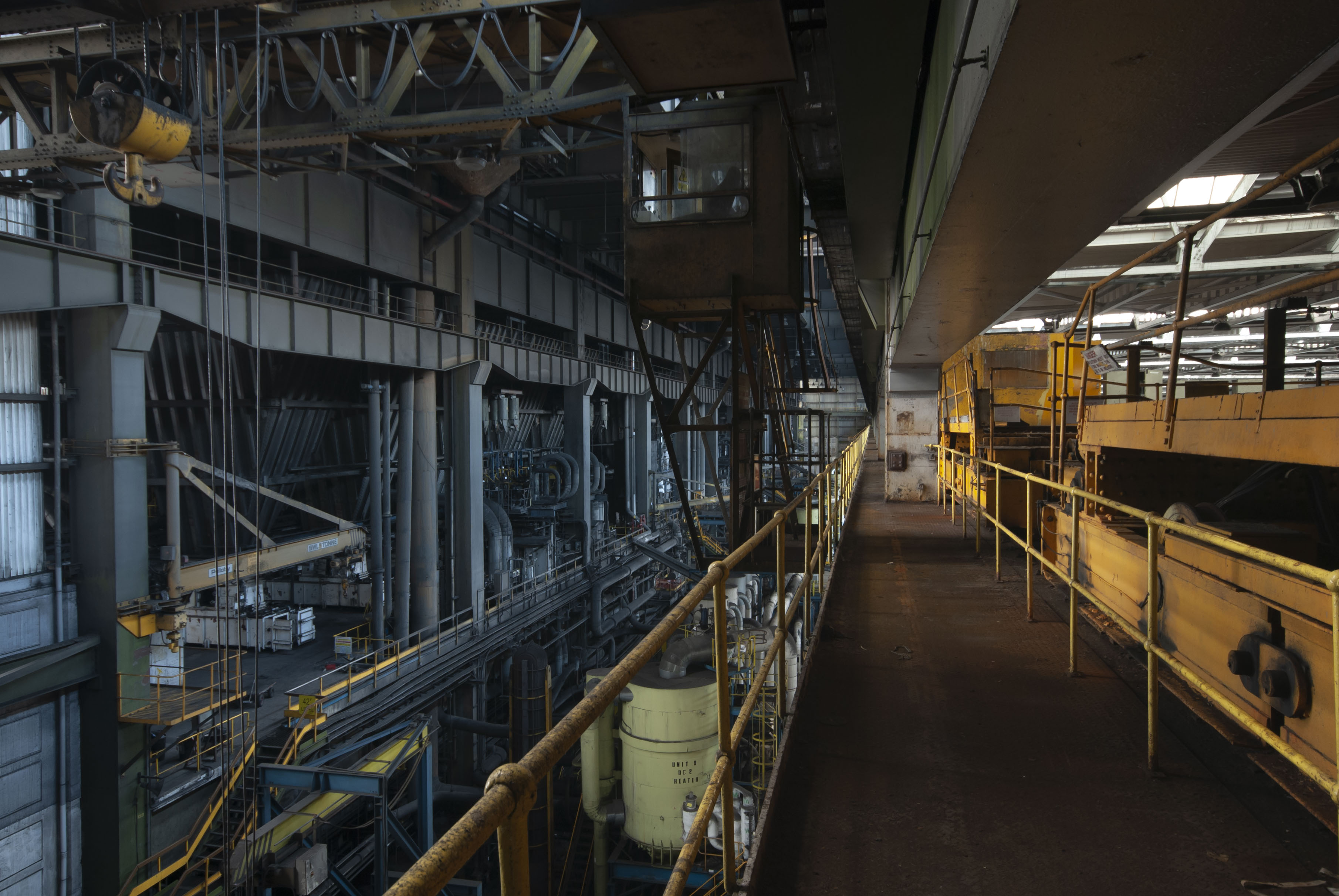
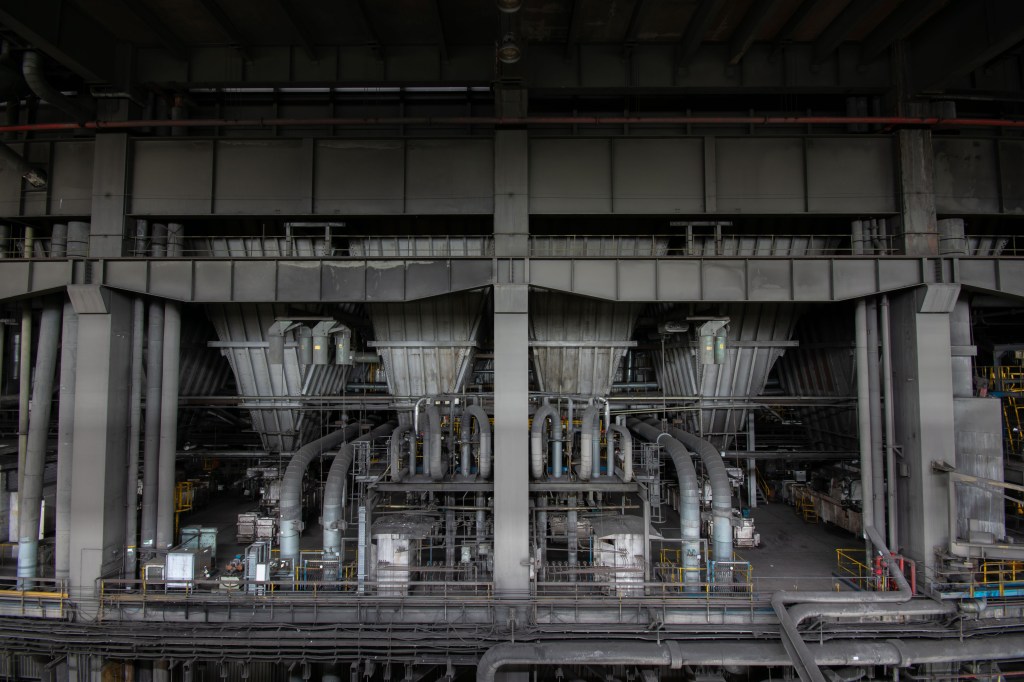
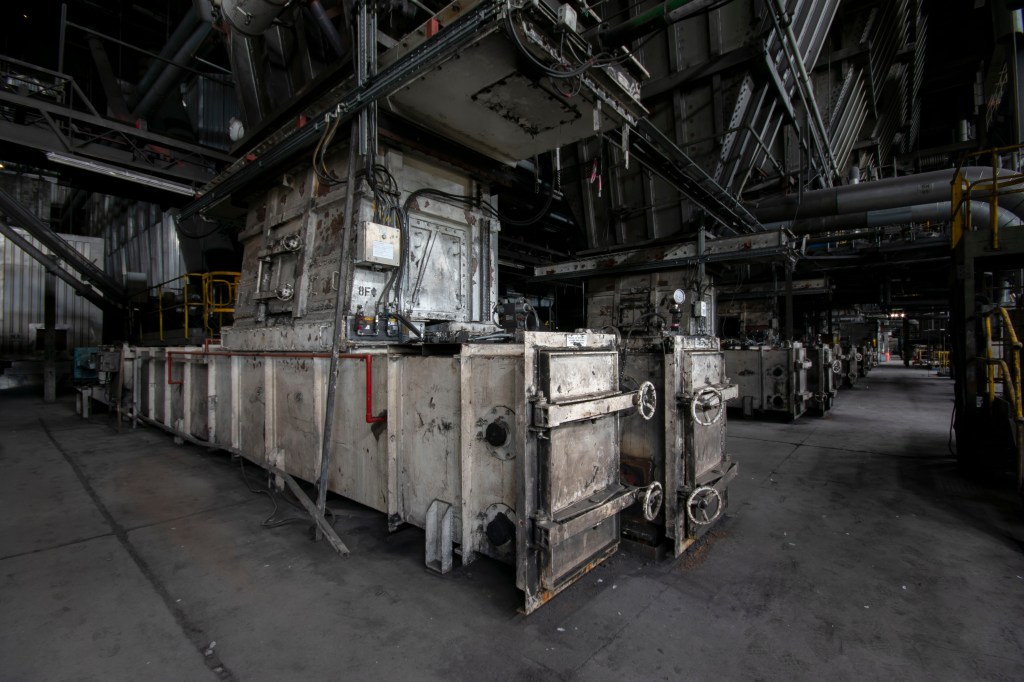
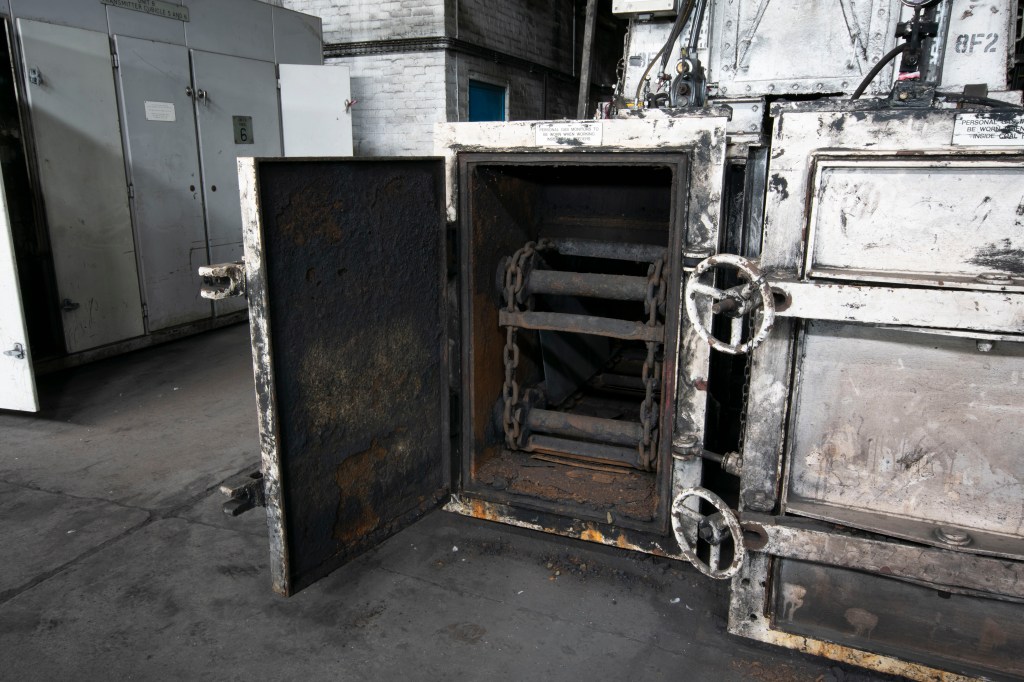
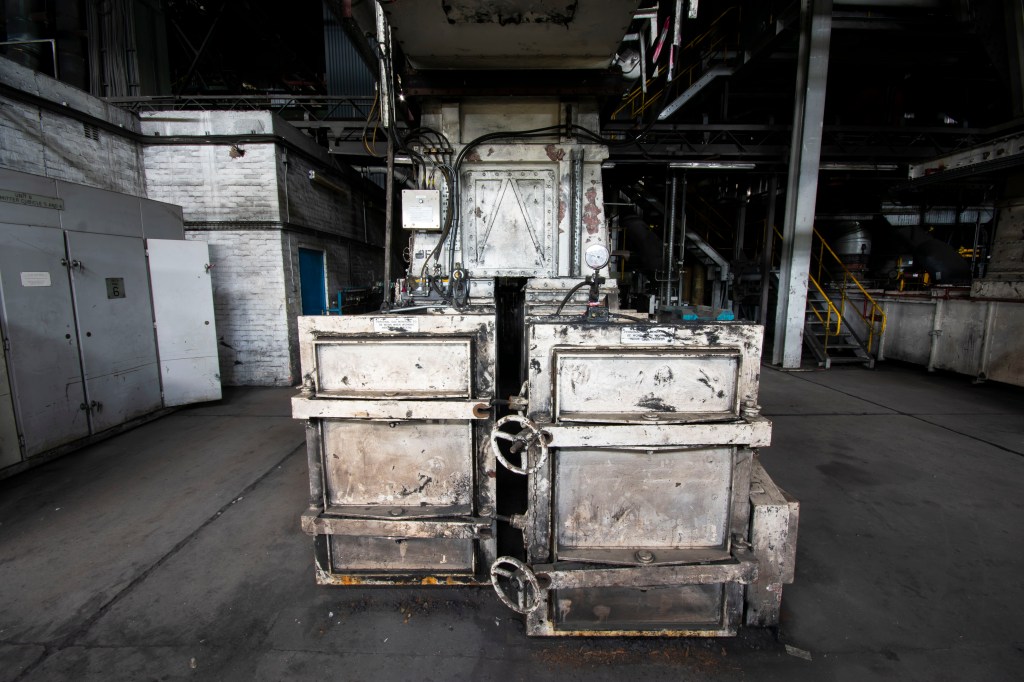
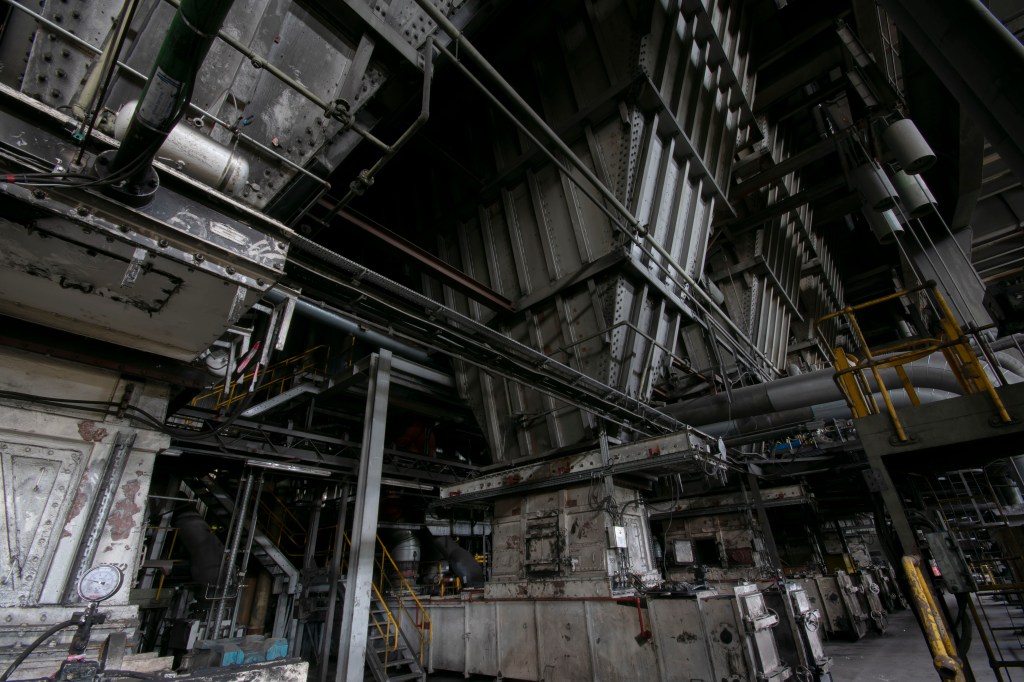
BOILER HOUSE
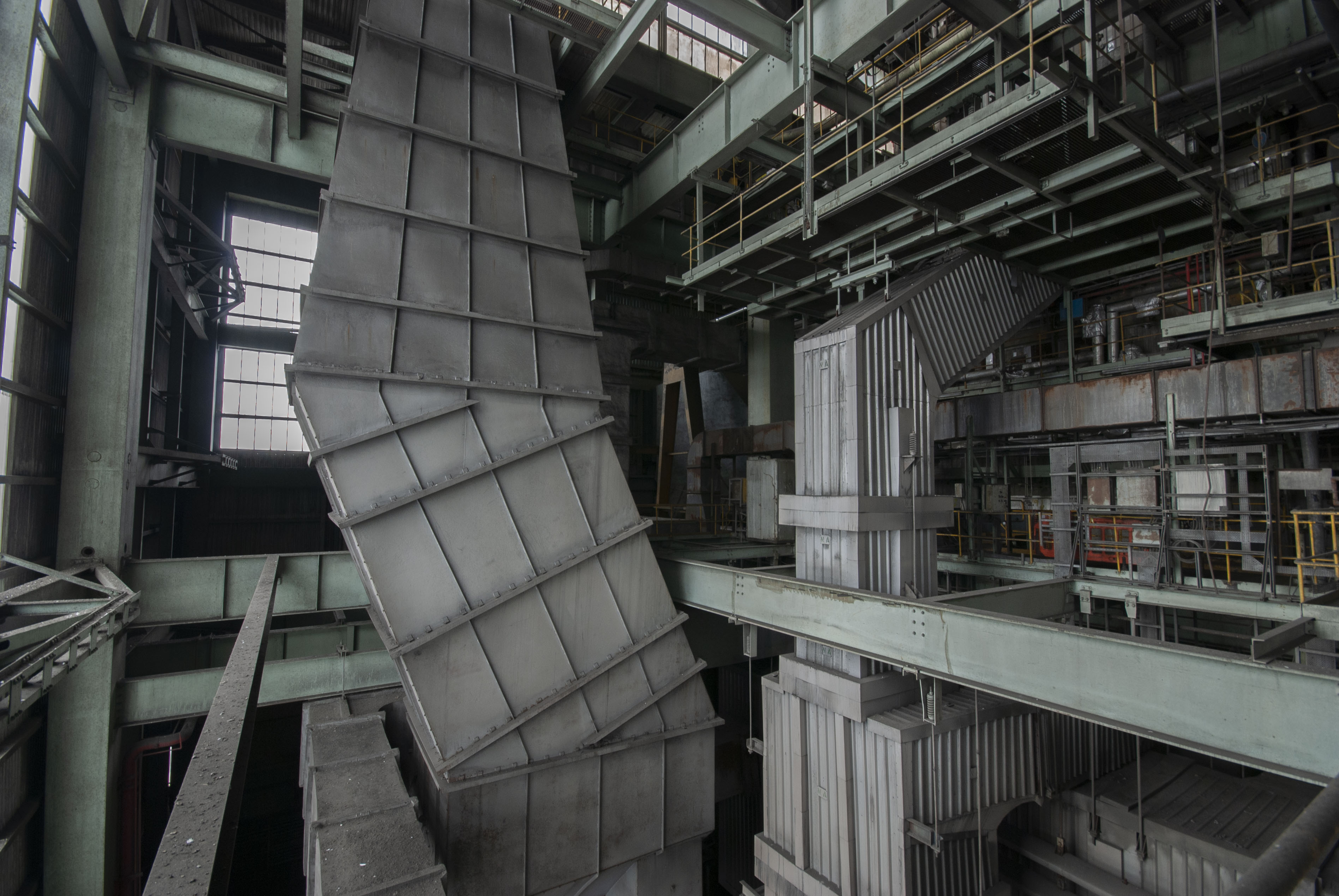
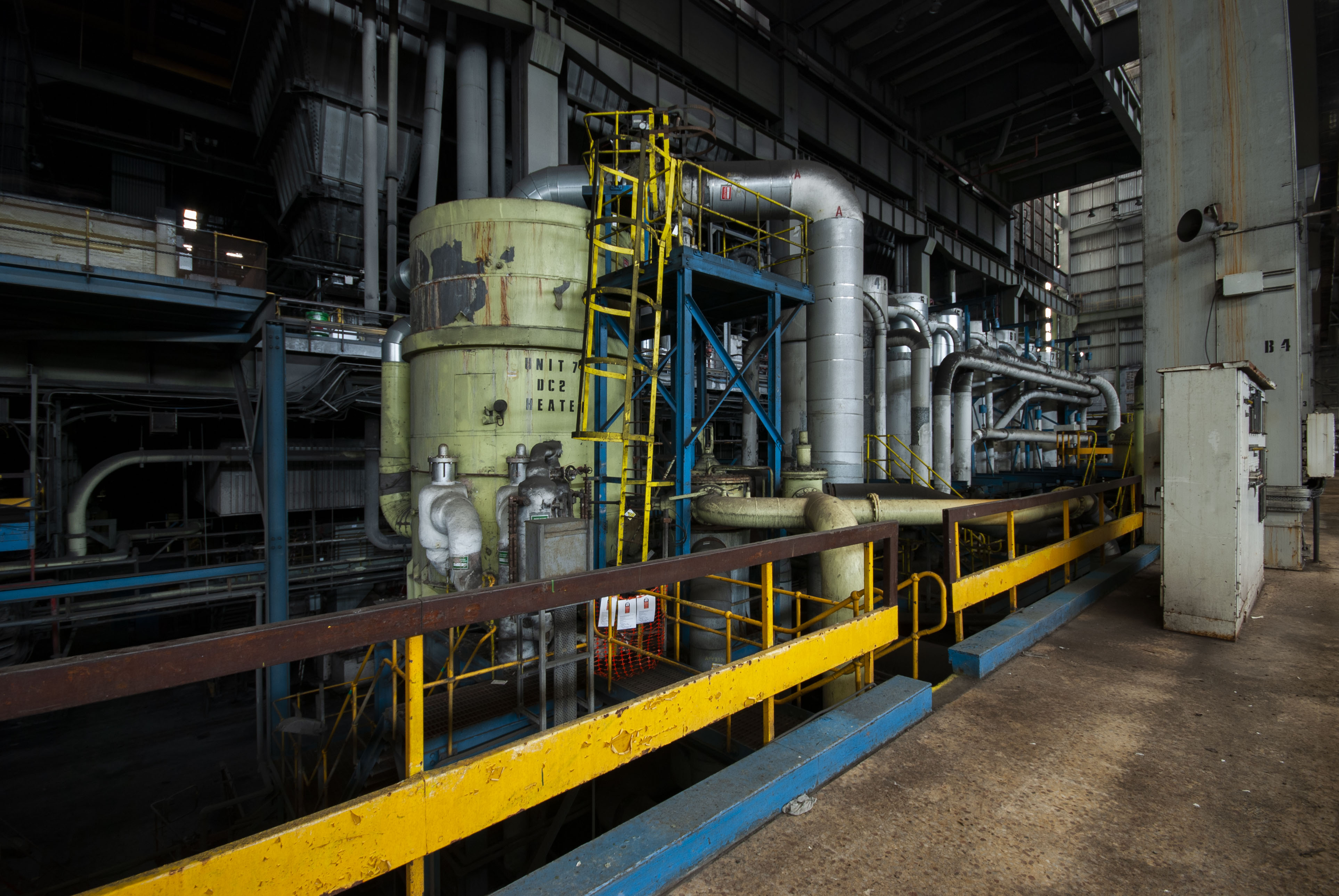
The boiler house of the power station. Dark, dusty and impressive.


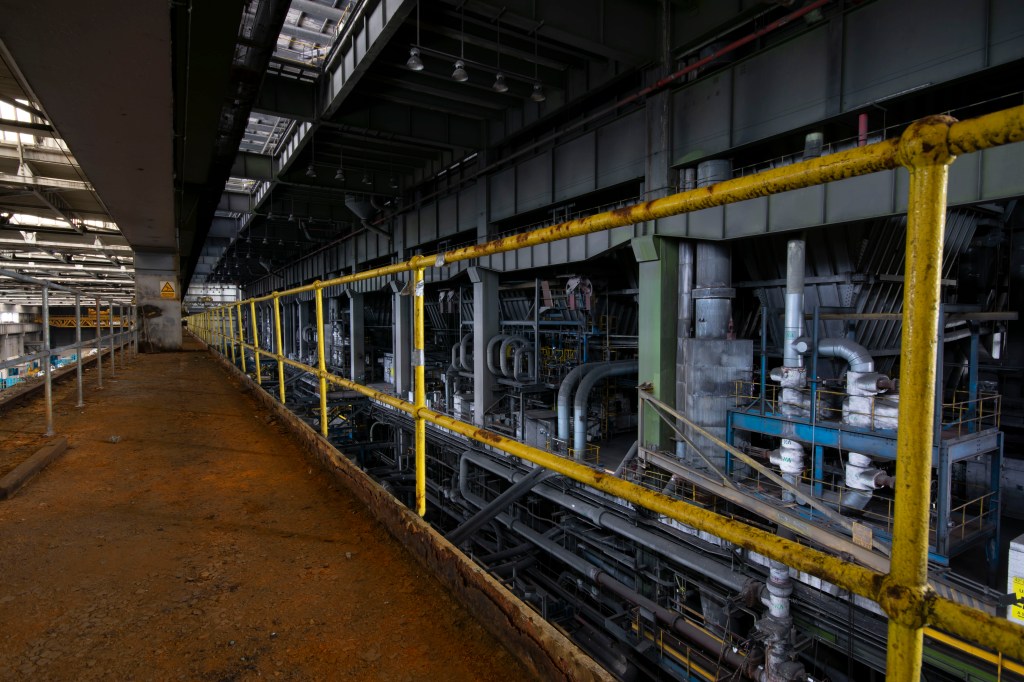
BUNKER BAY
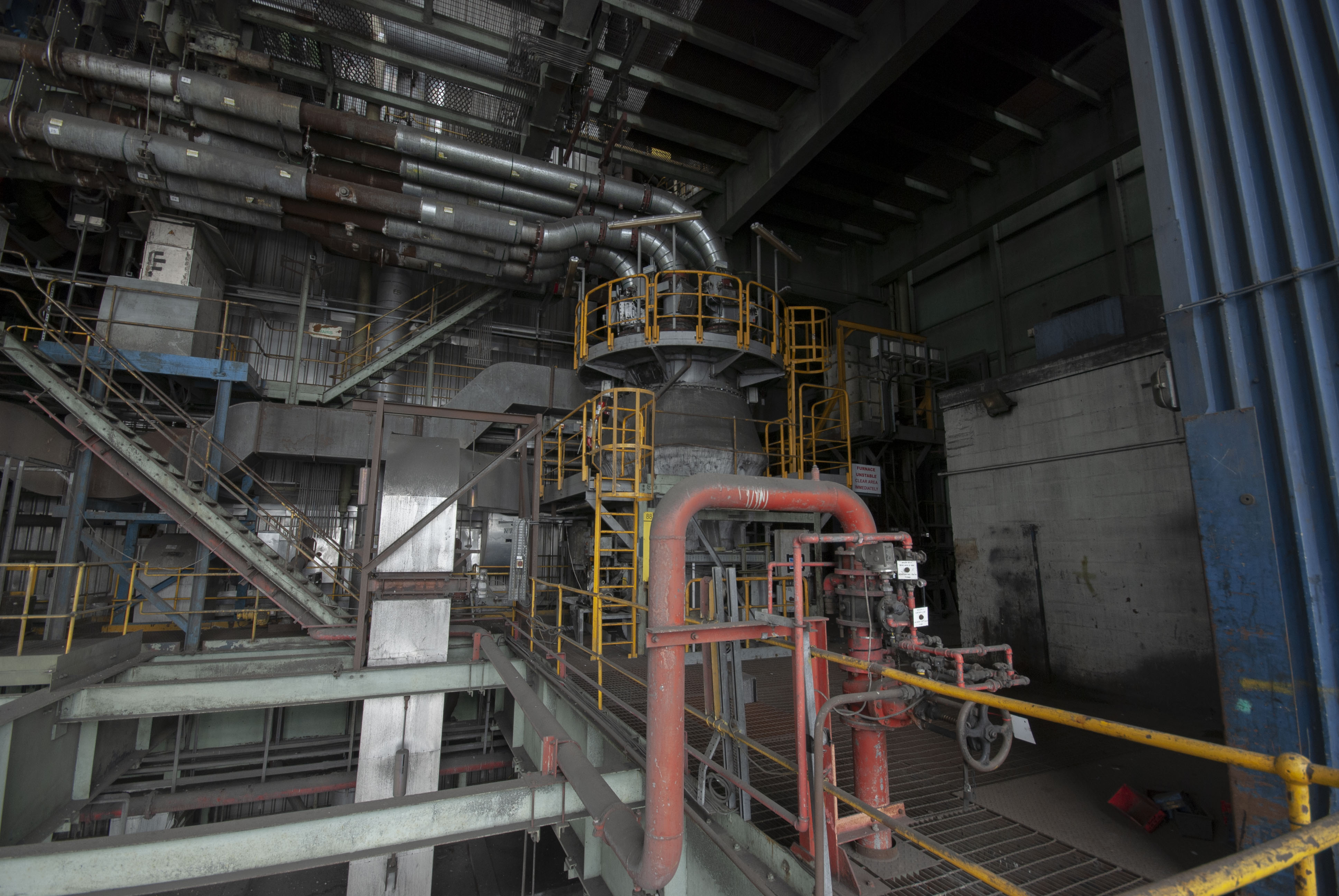
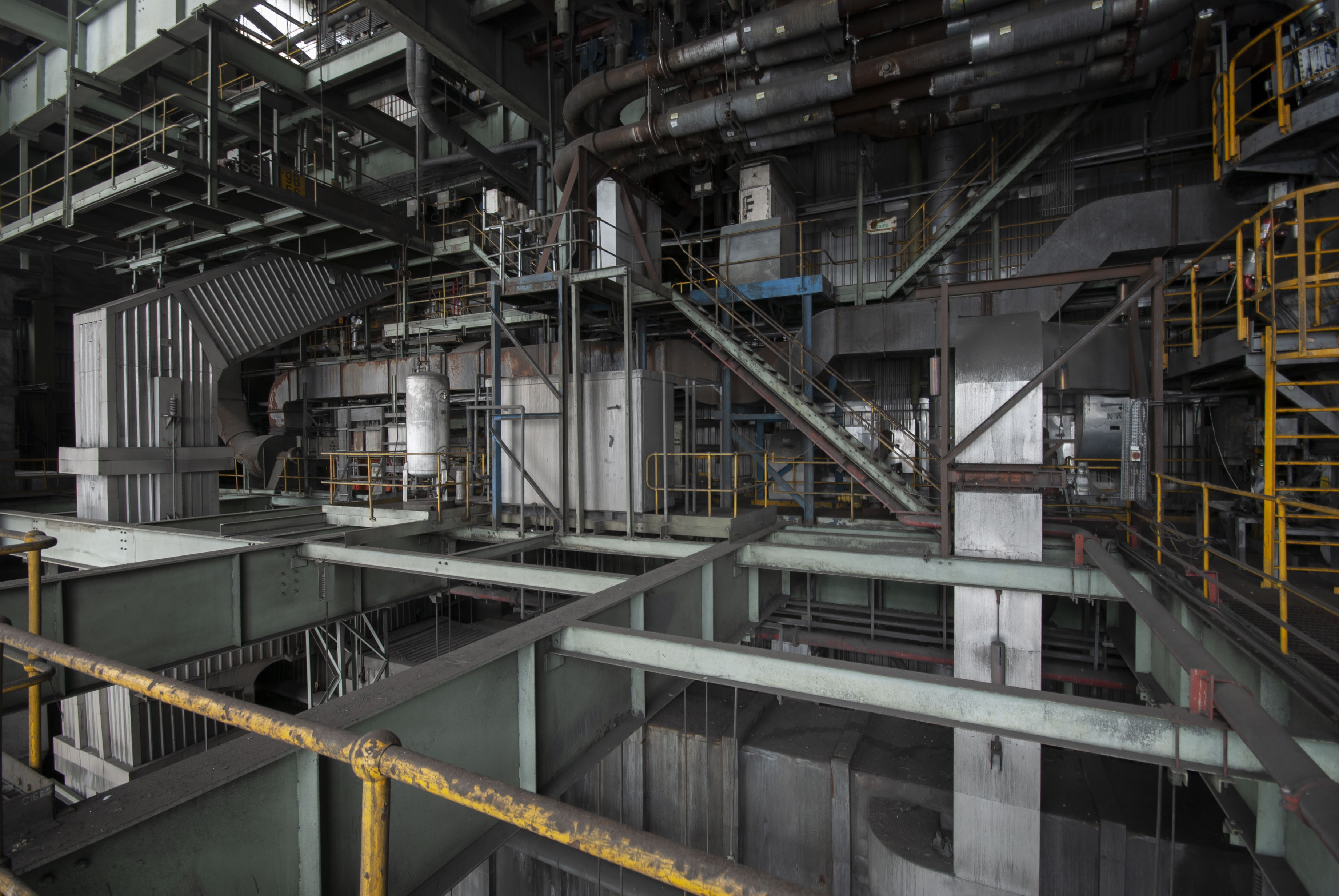
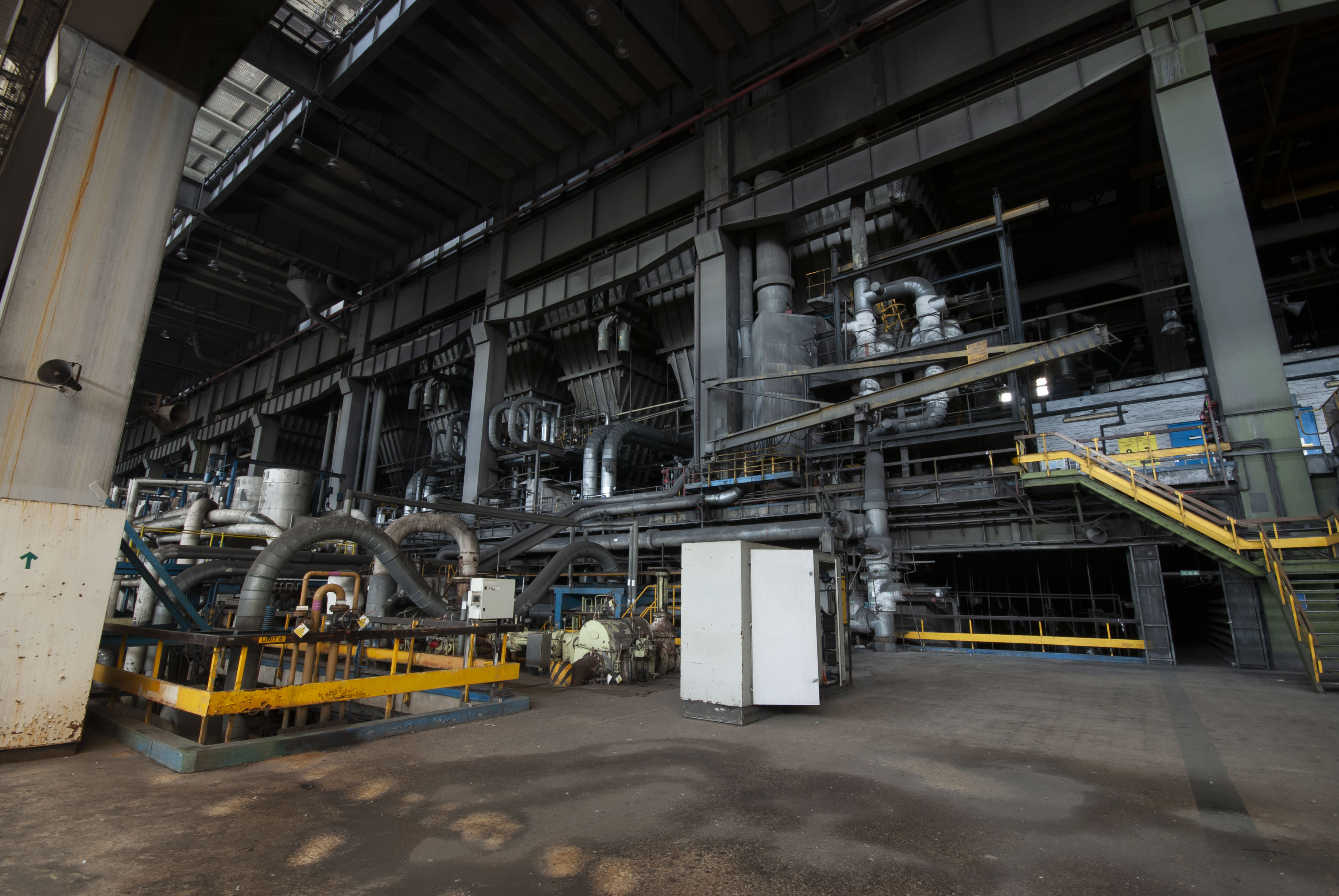
The coal bunker bay of the power station. Vast open space and impressive views.




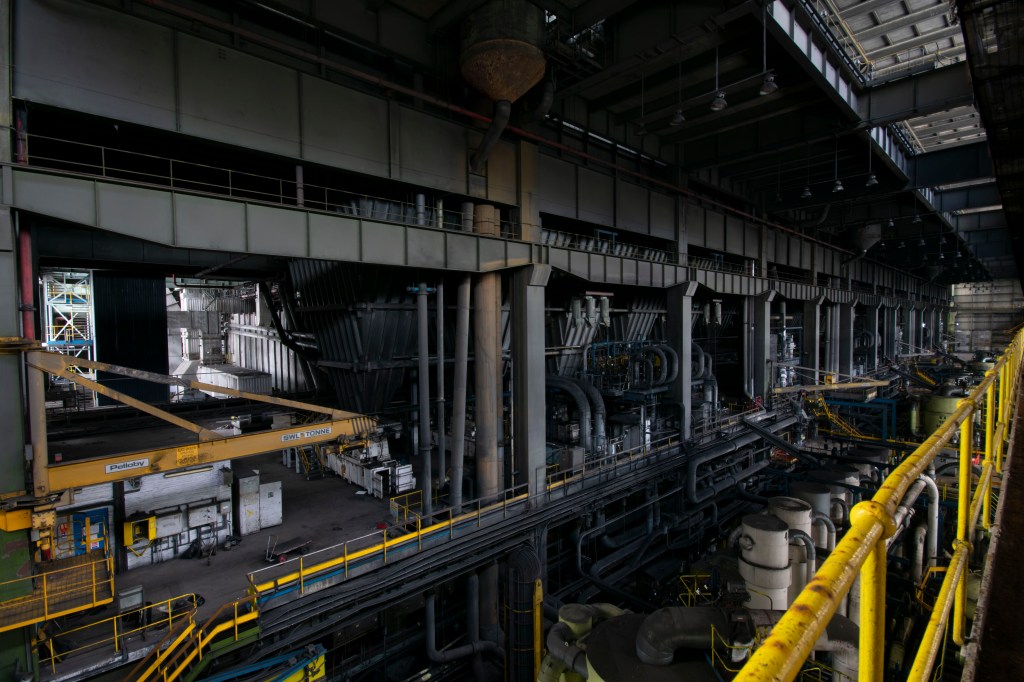
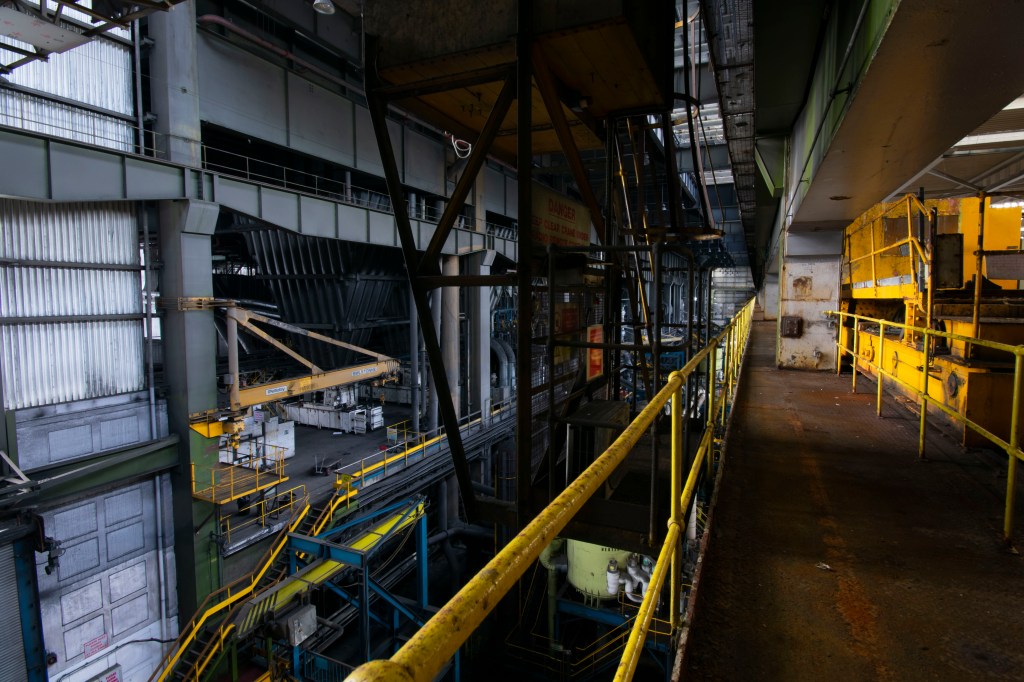
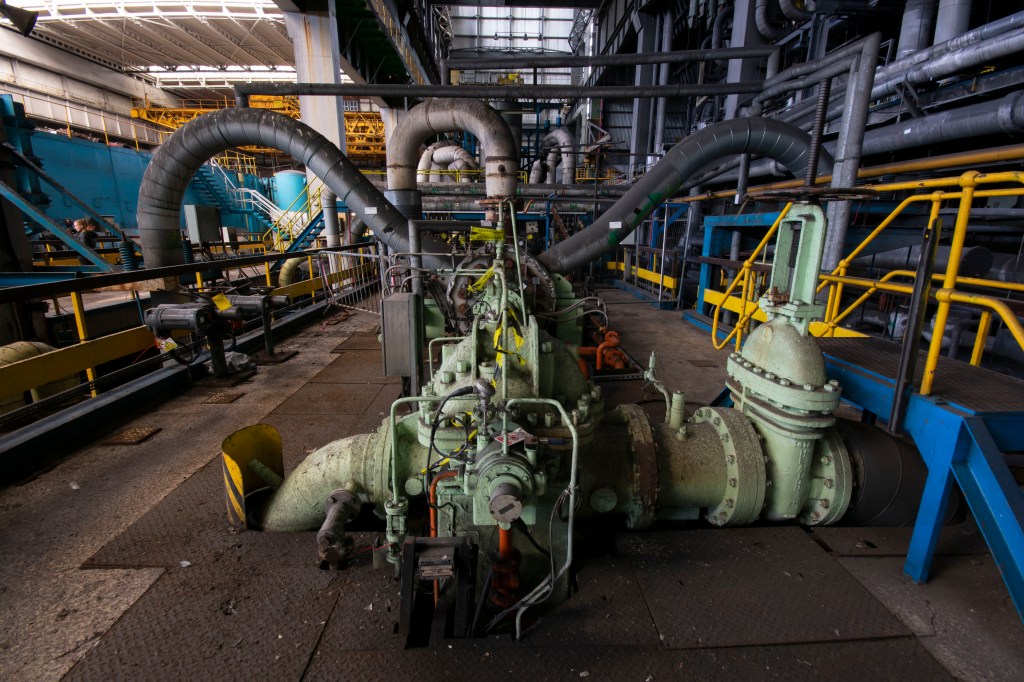
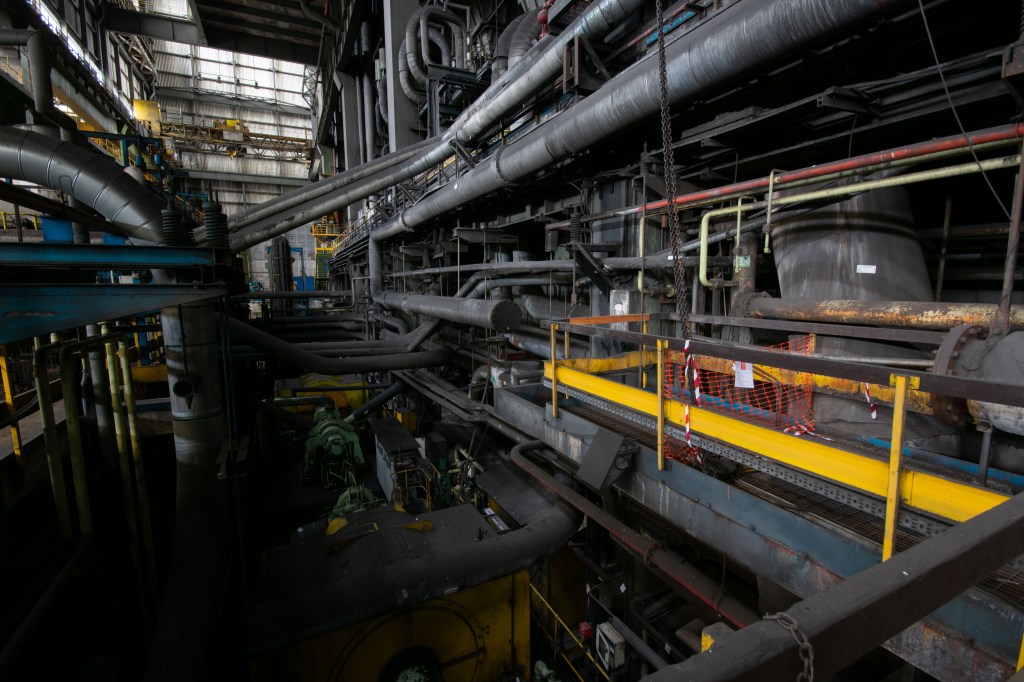
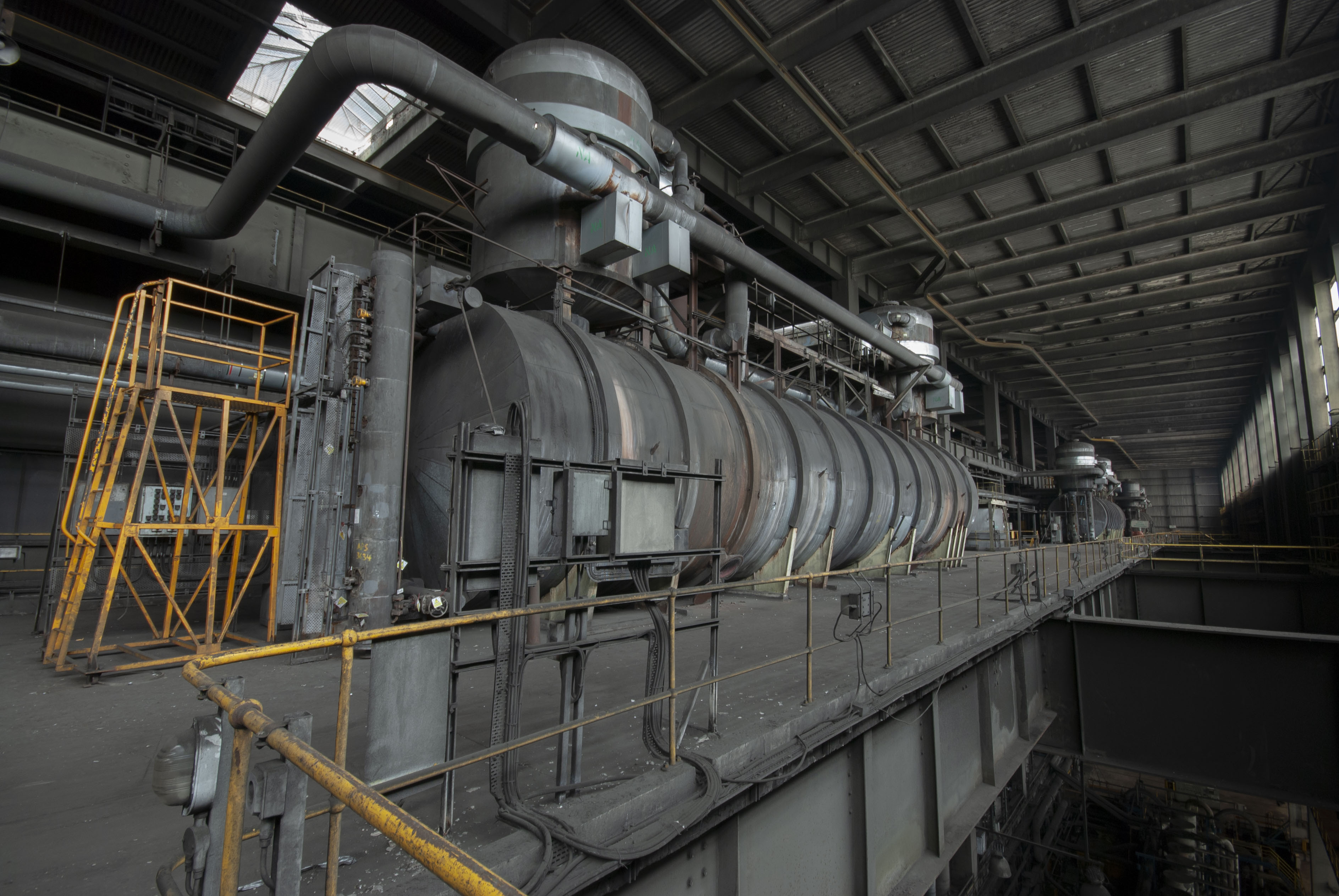
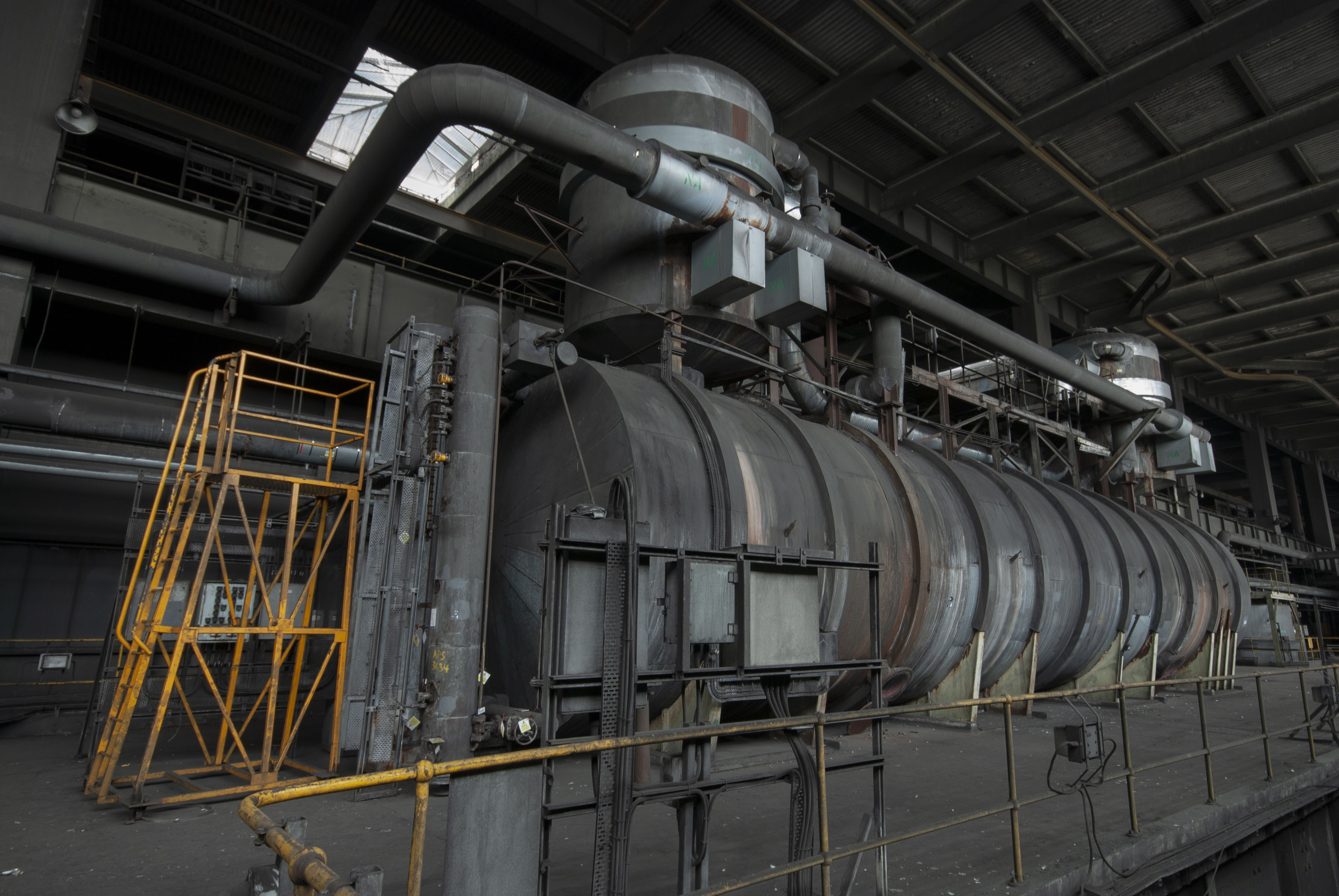
DE-AERATOR BAY
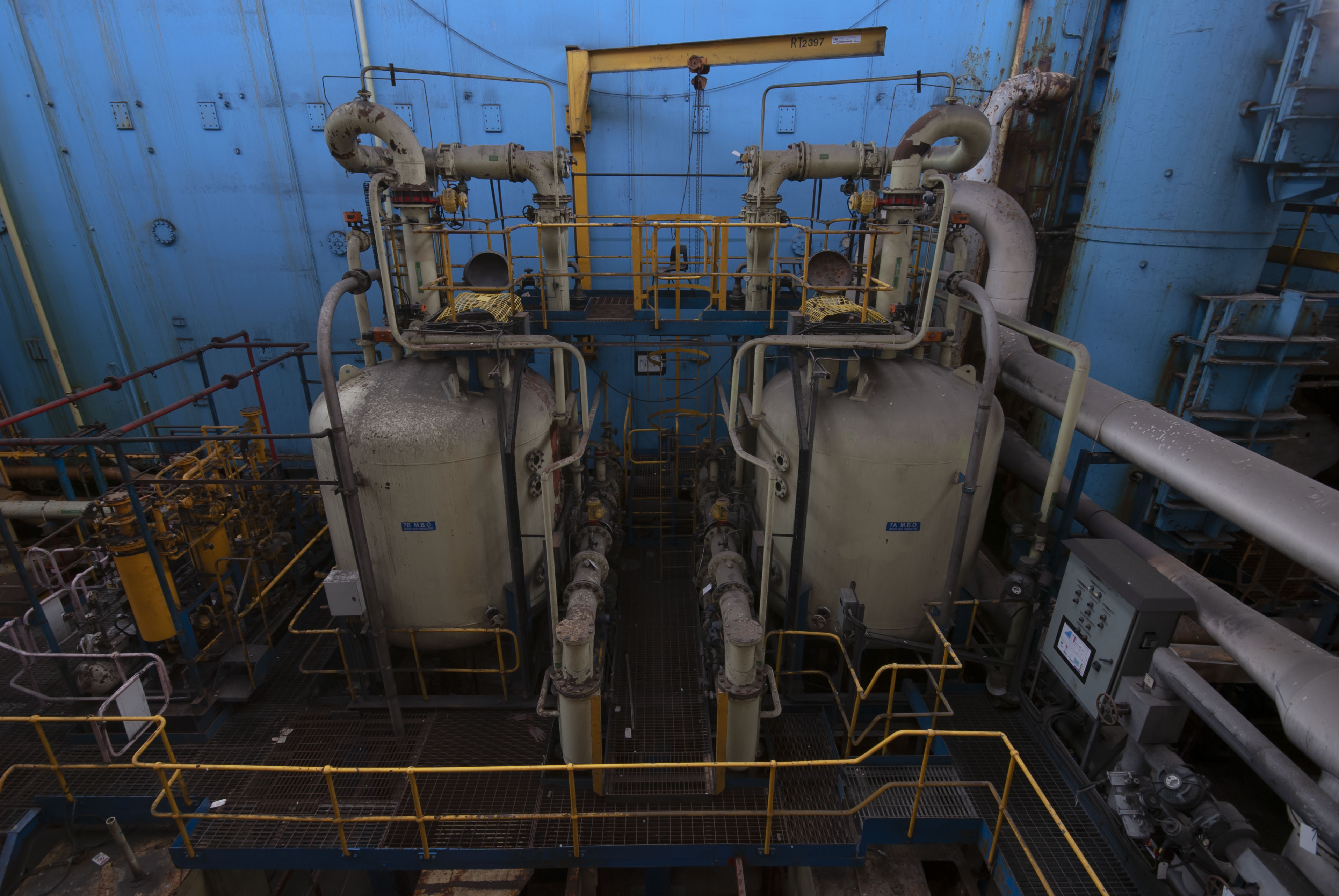
The de-aerator and steam drum bay of the power station.

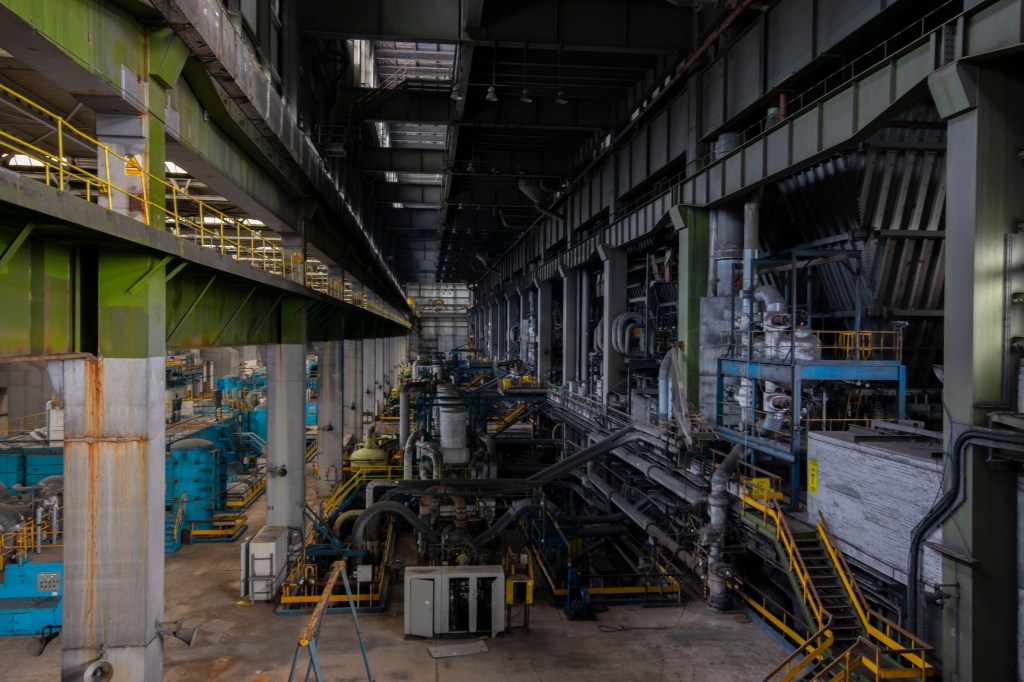
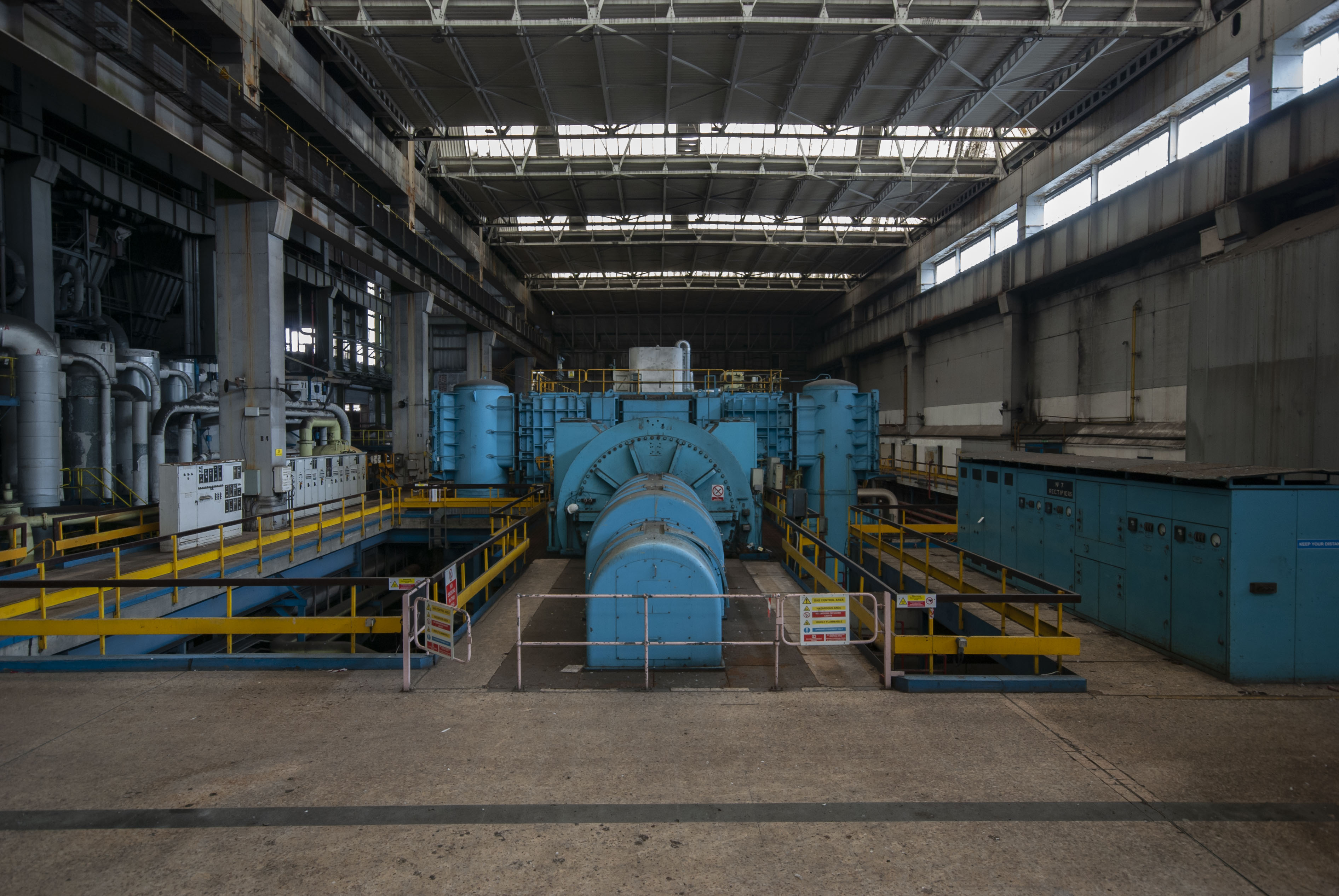
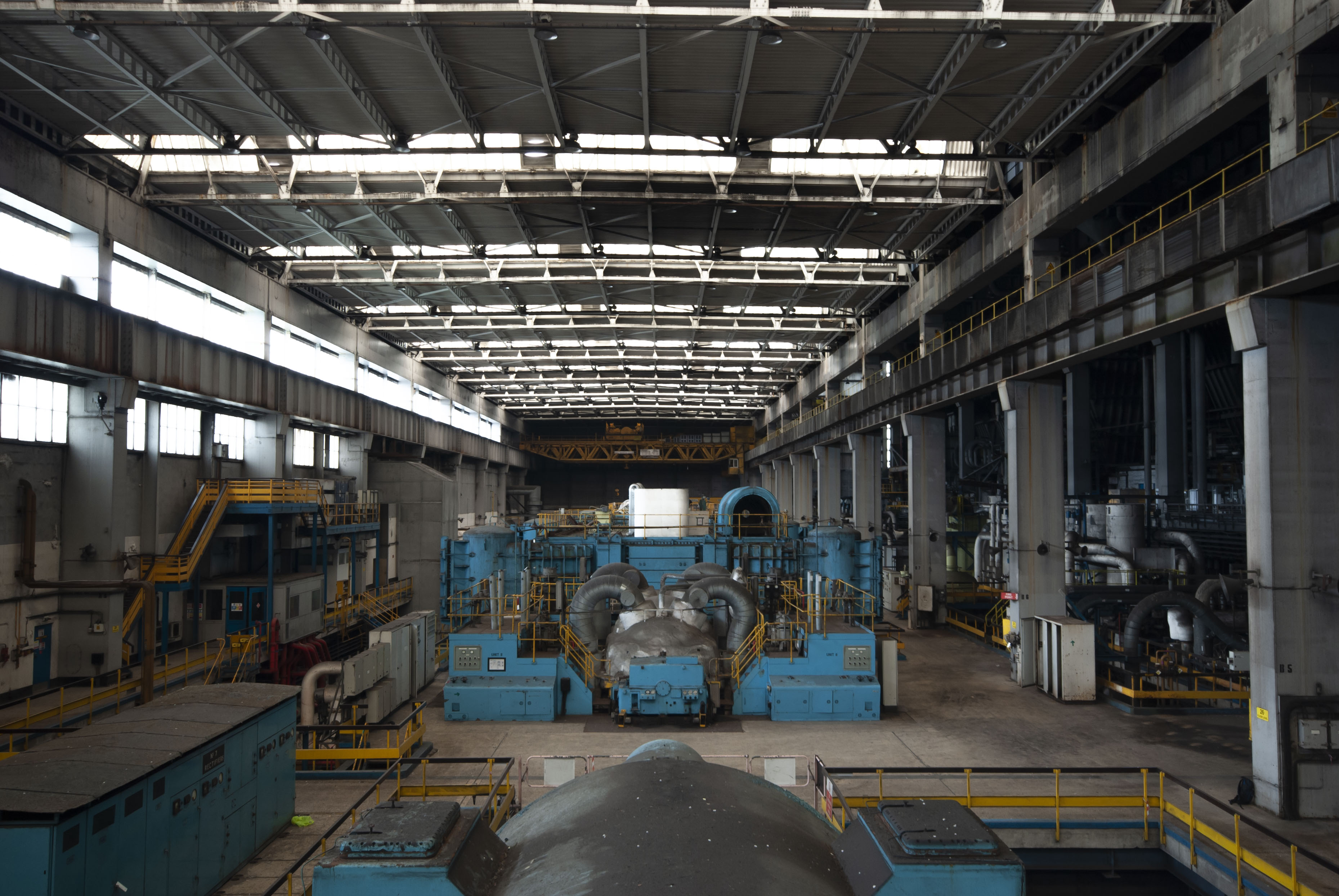
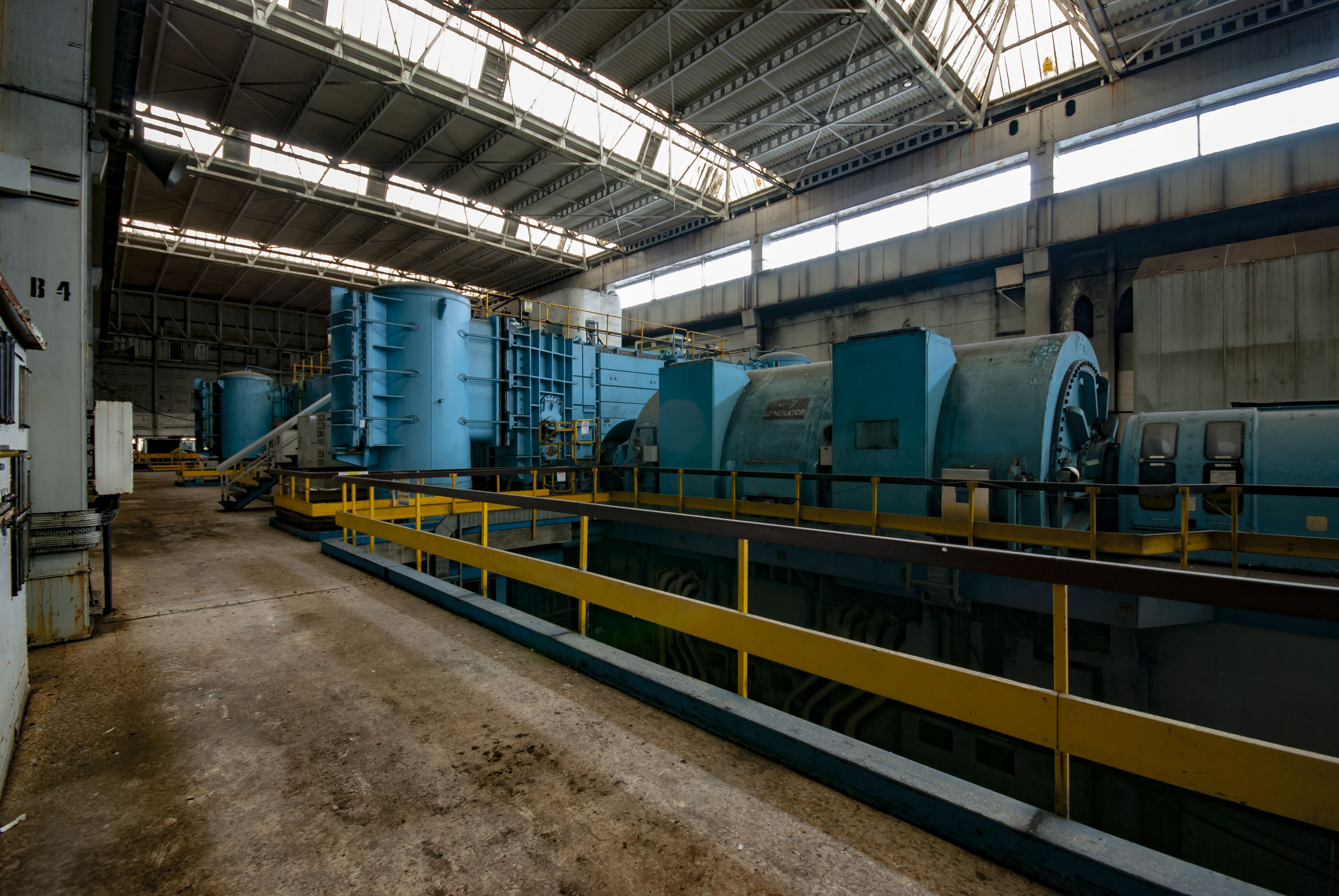
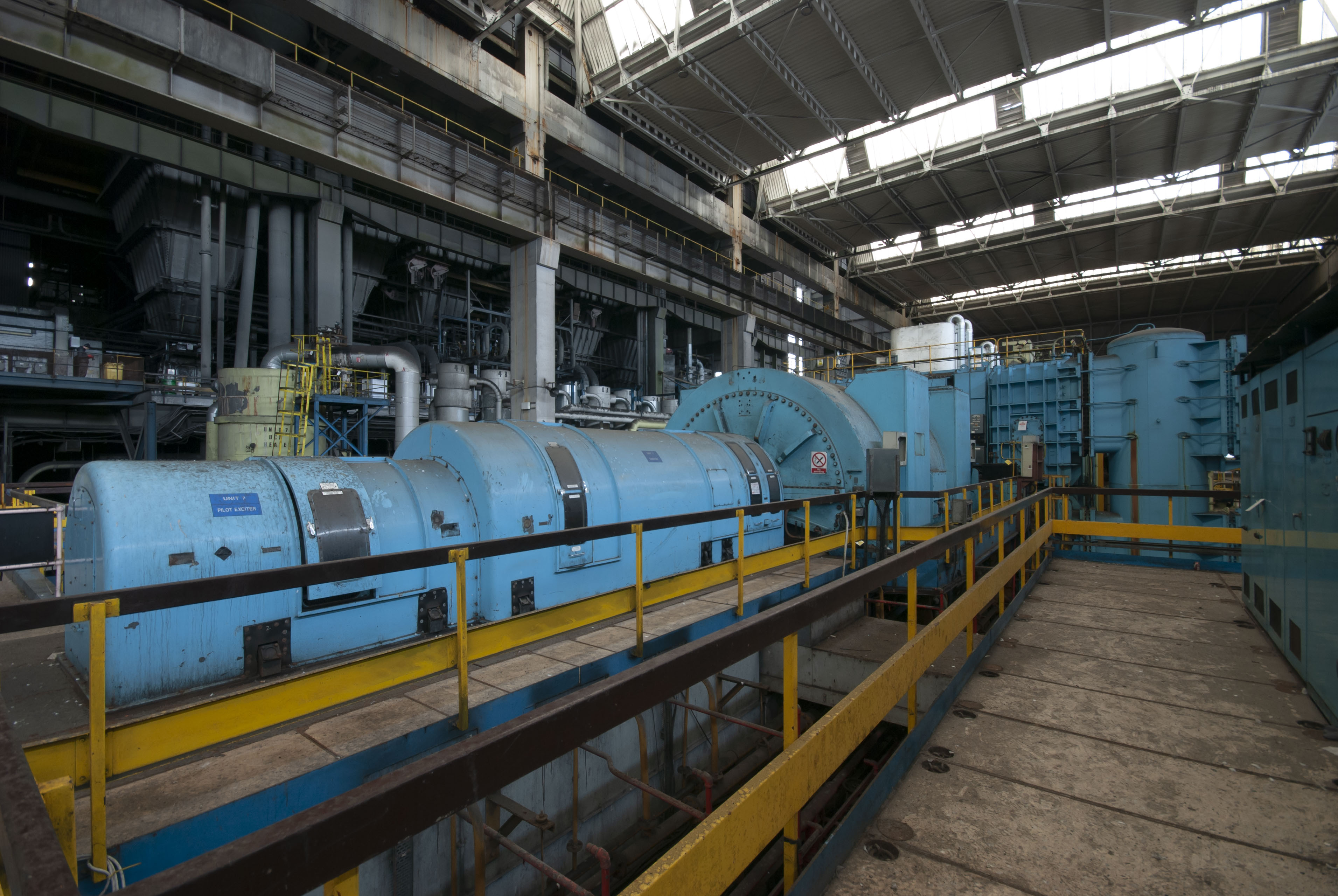
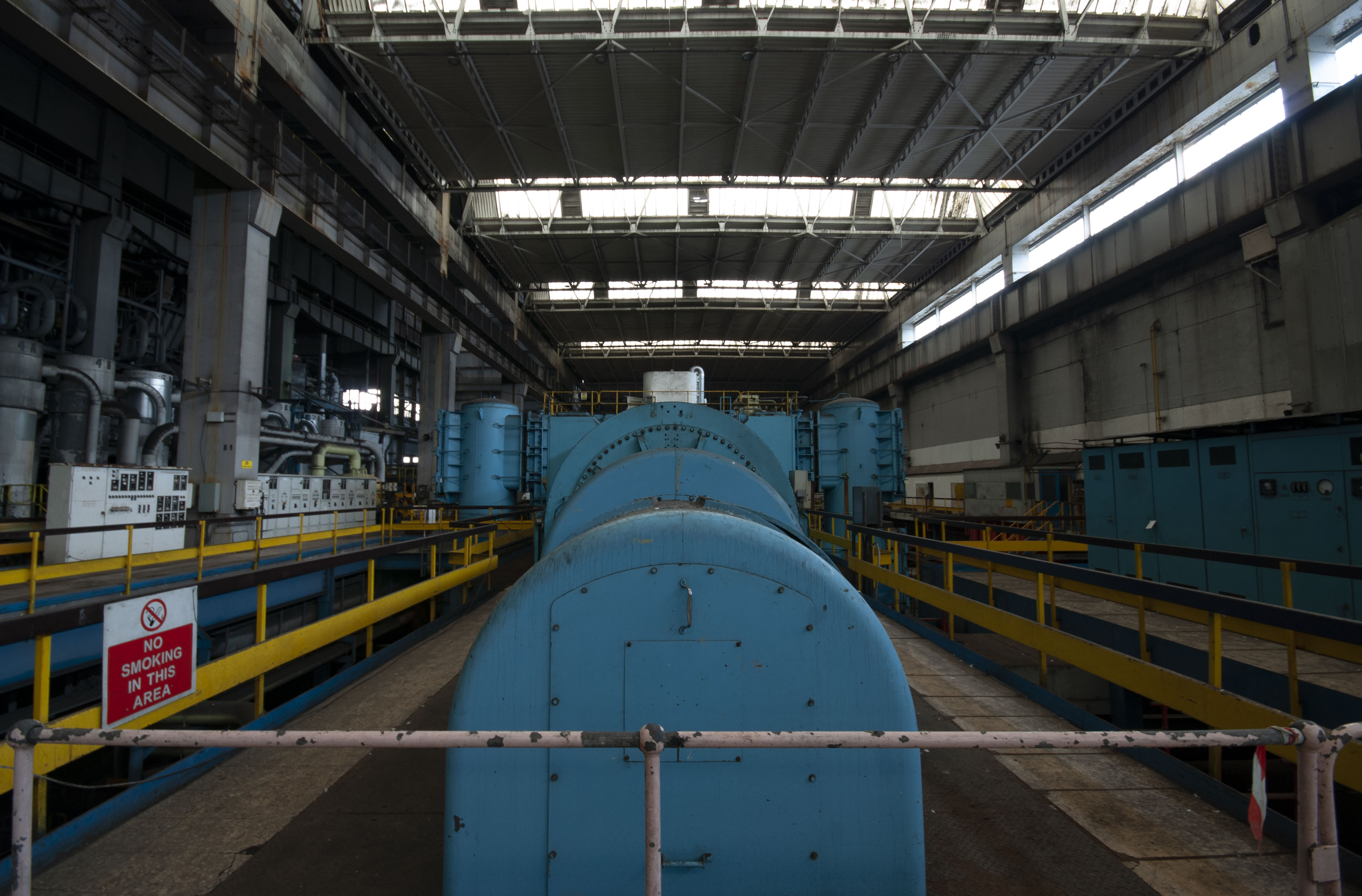
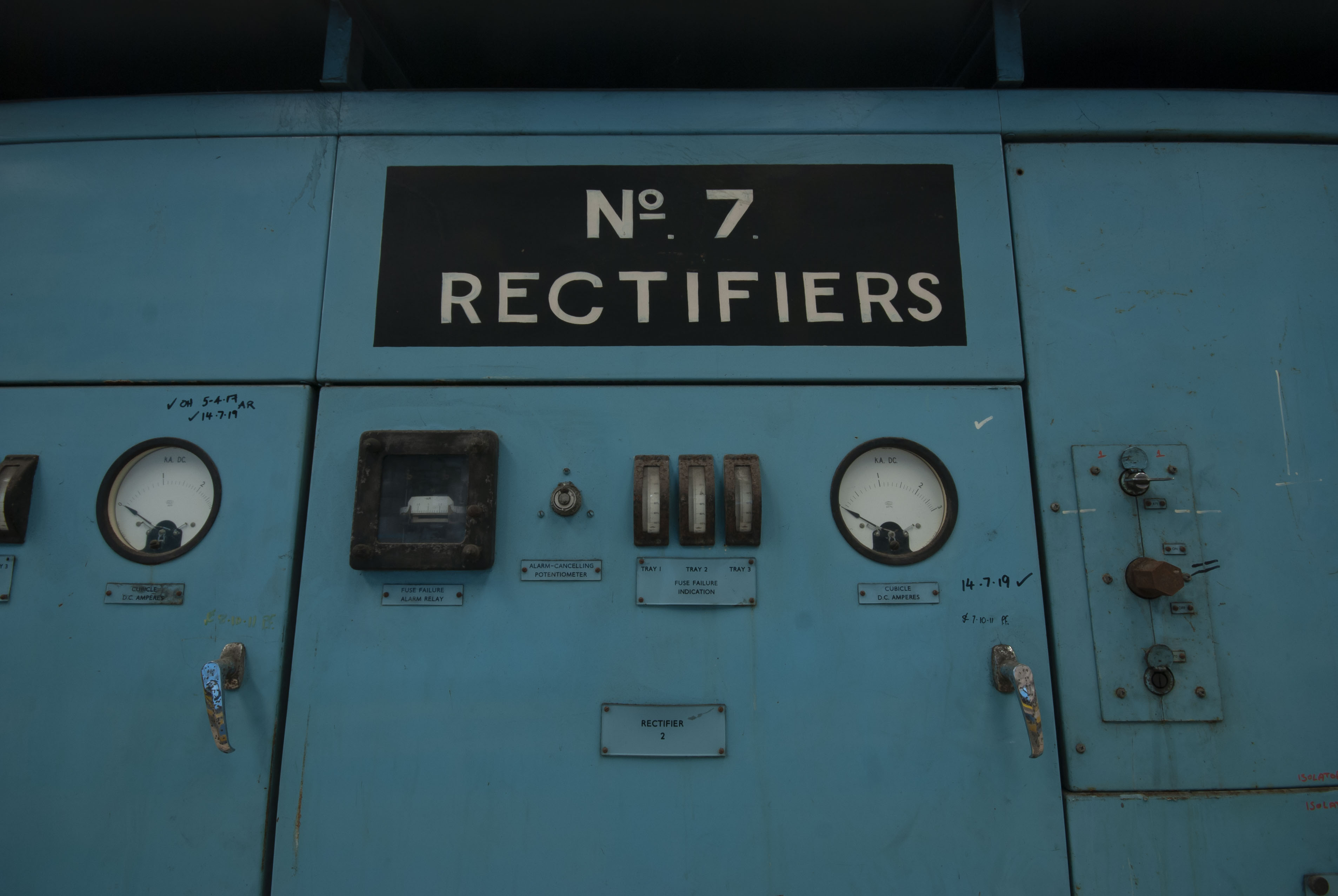
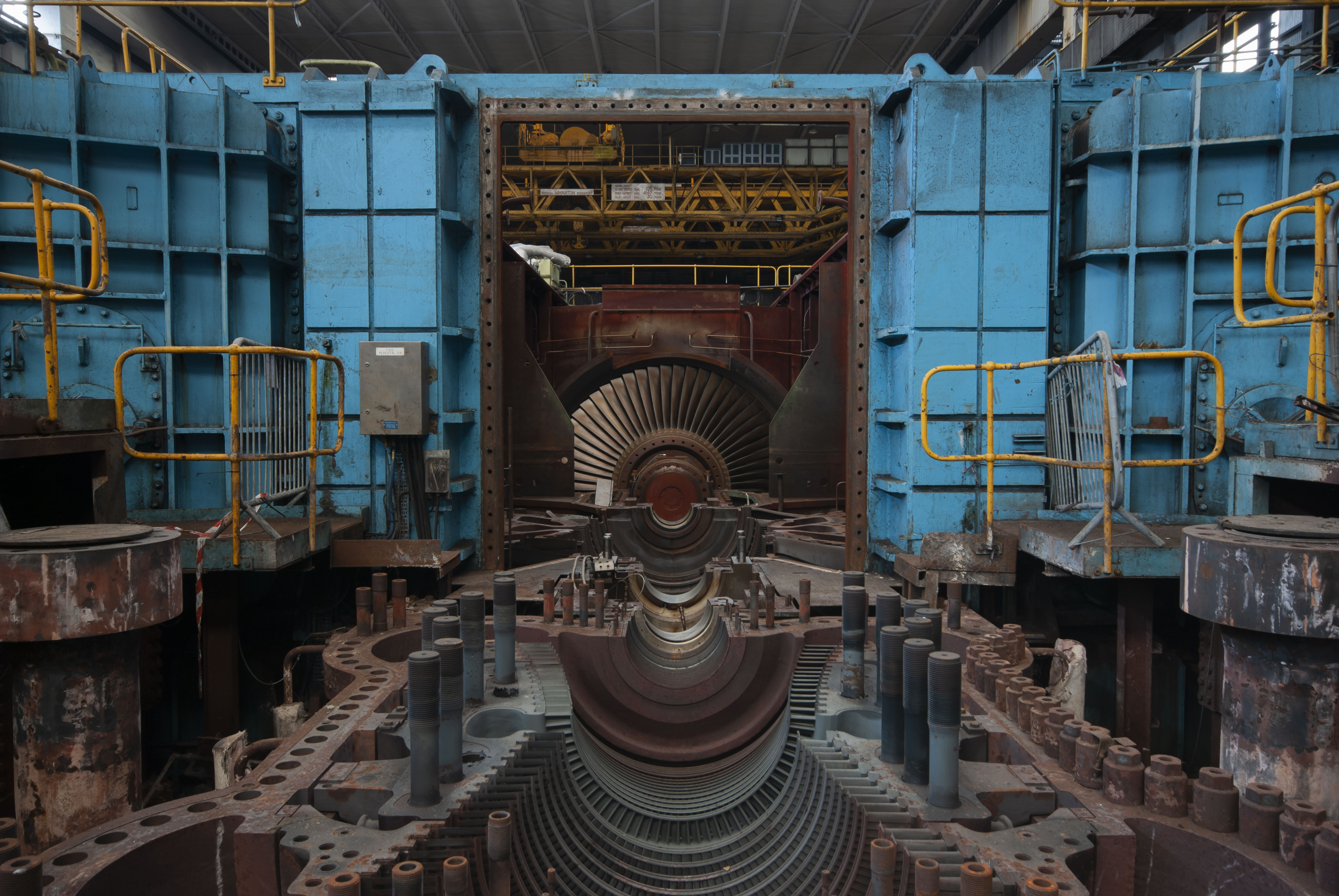
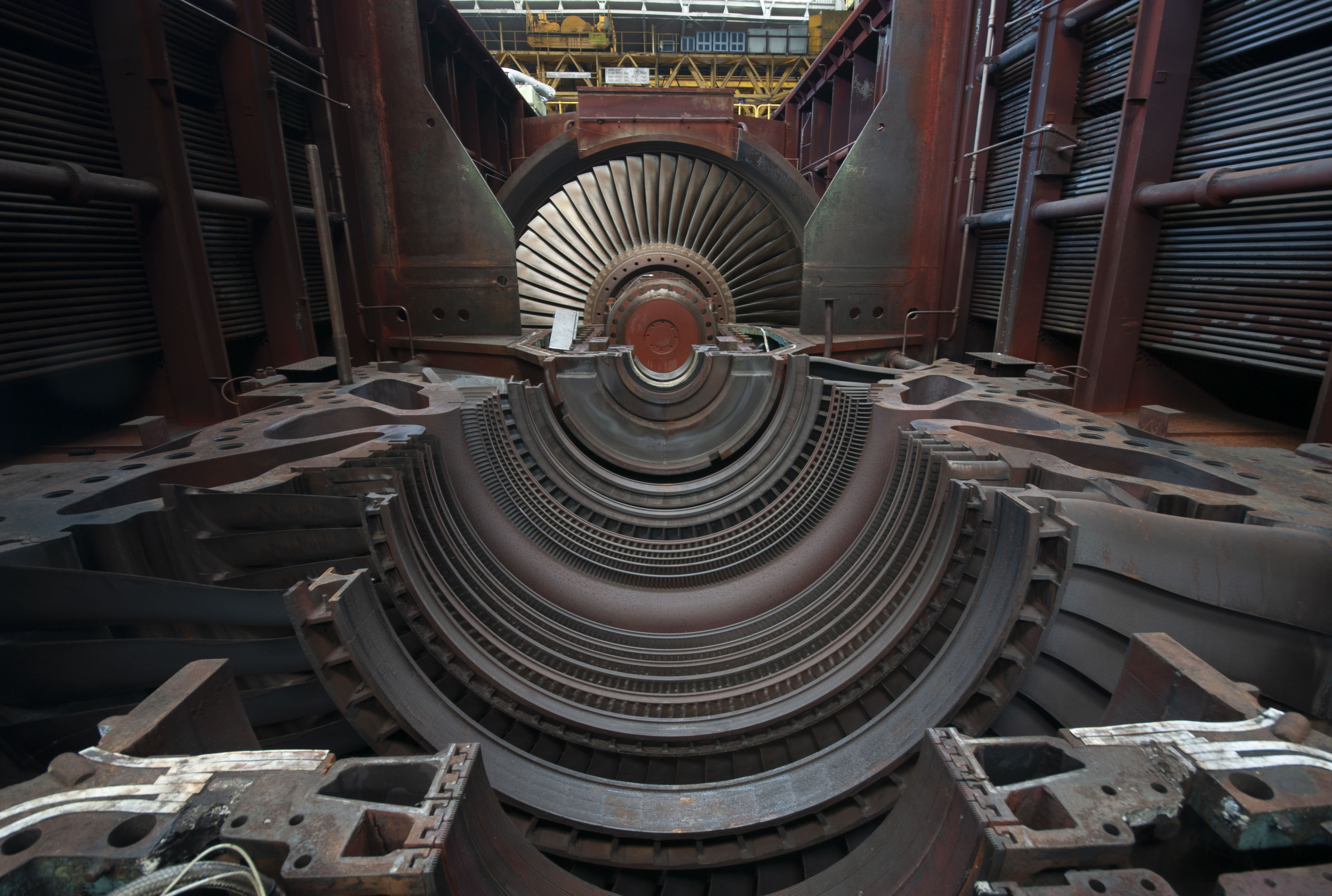
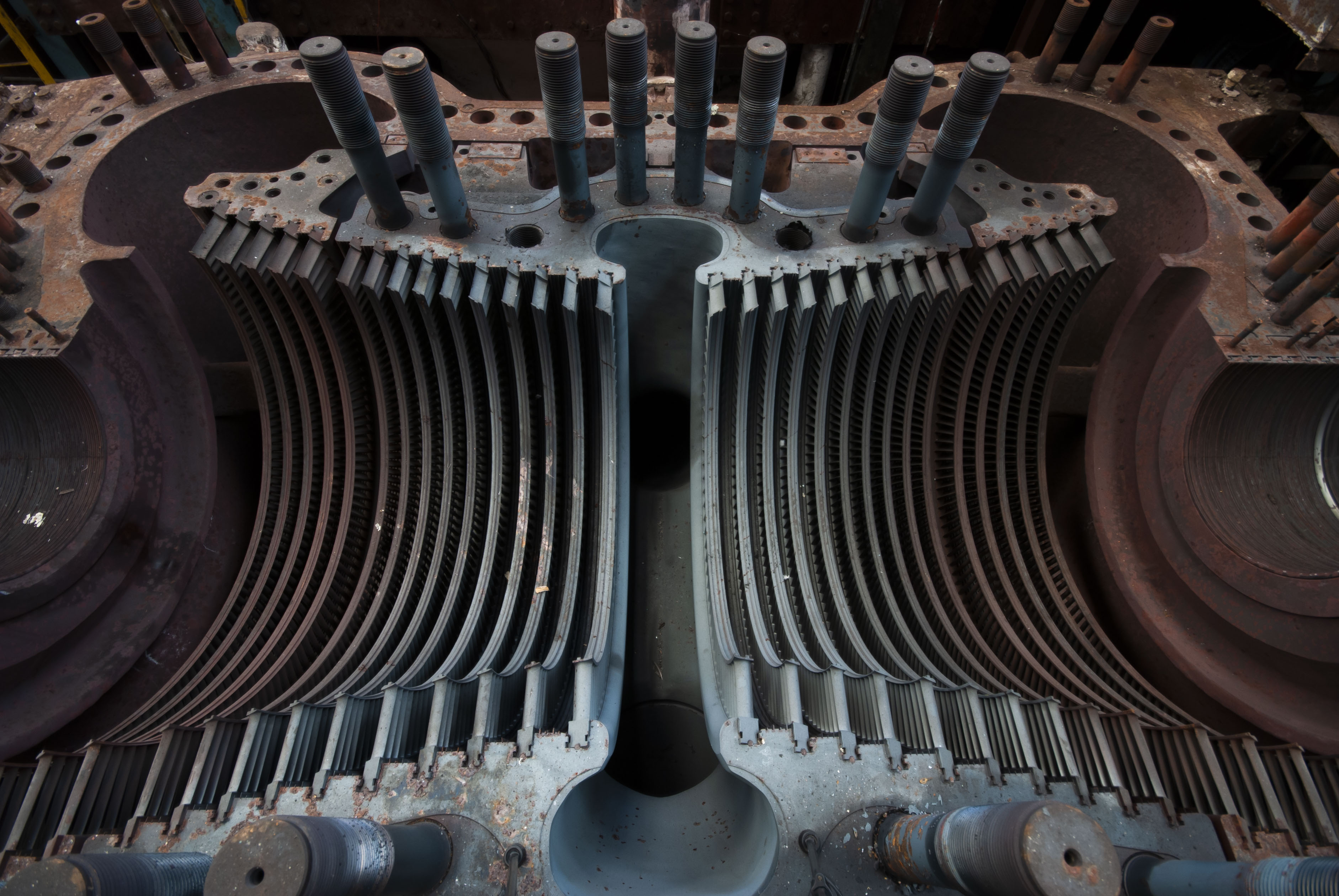
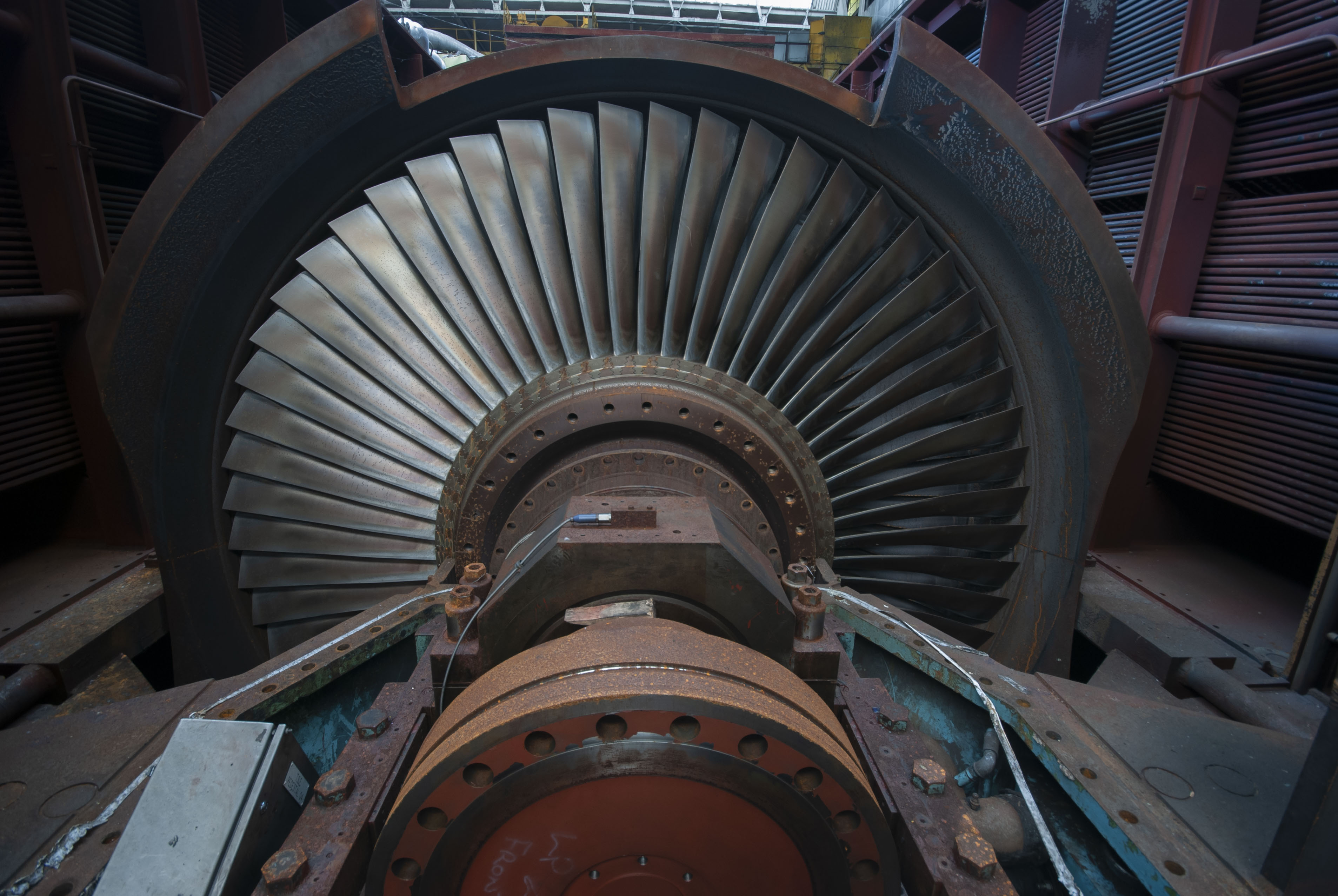
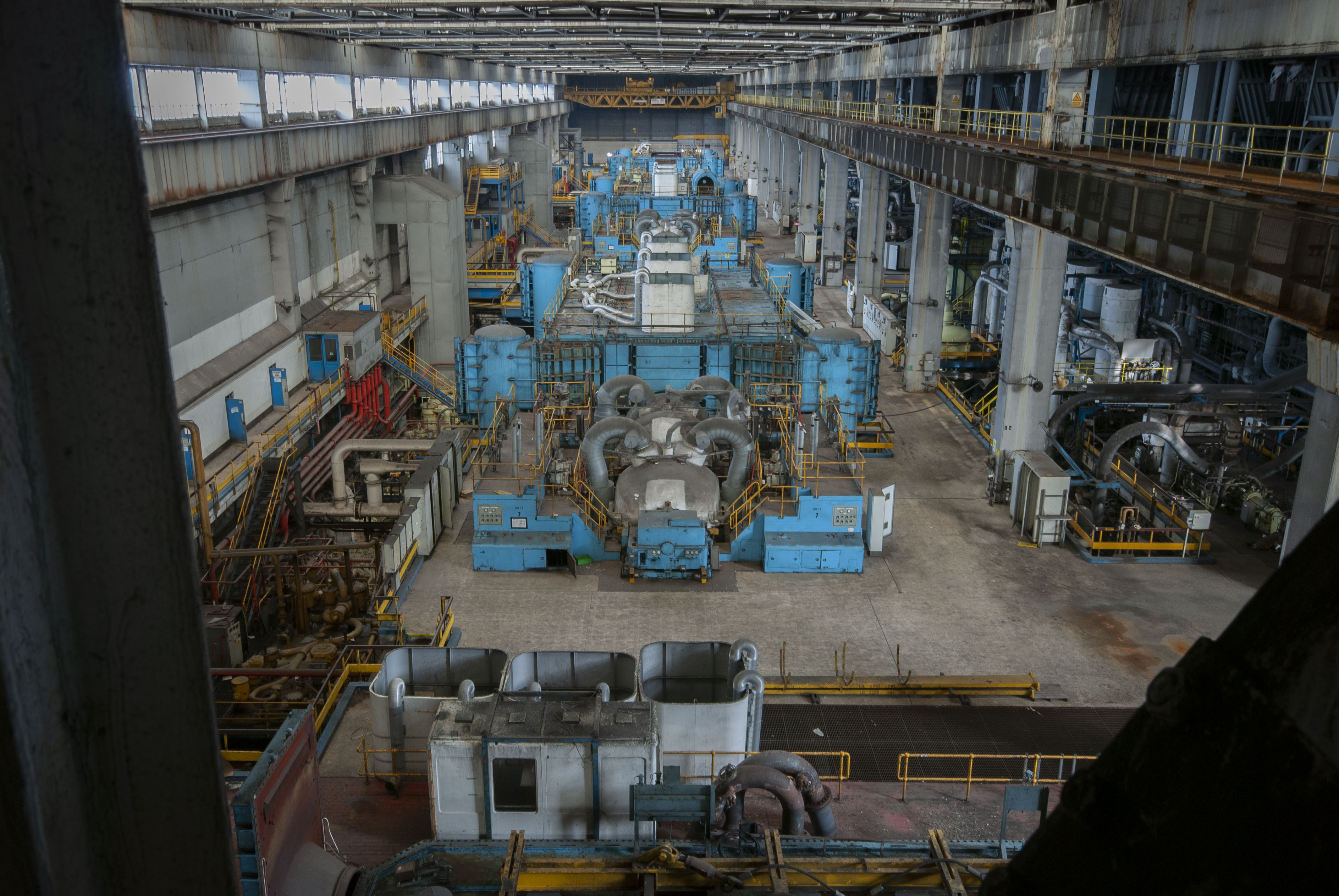
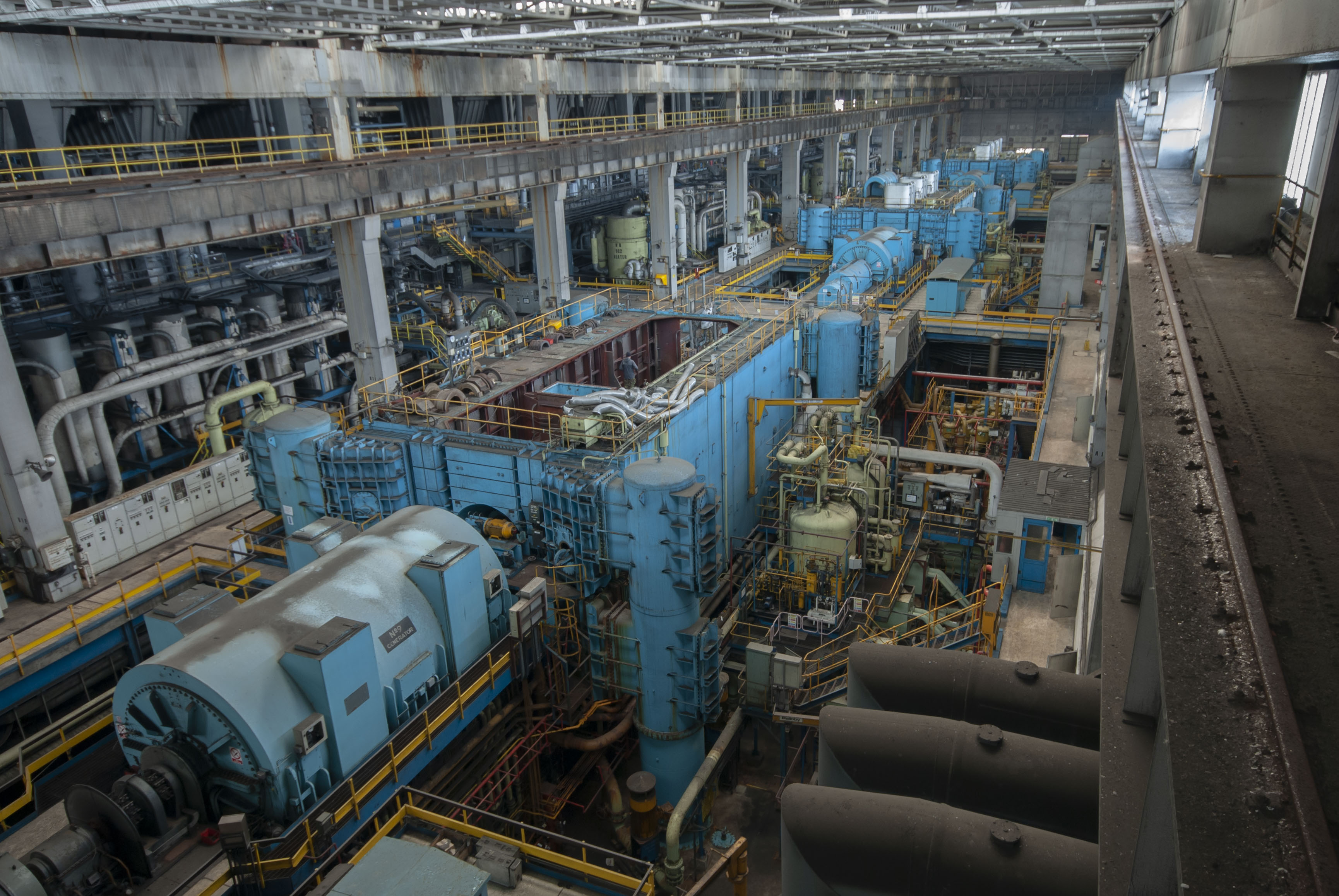
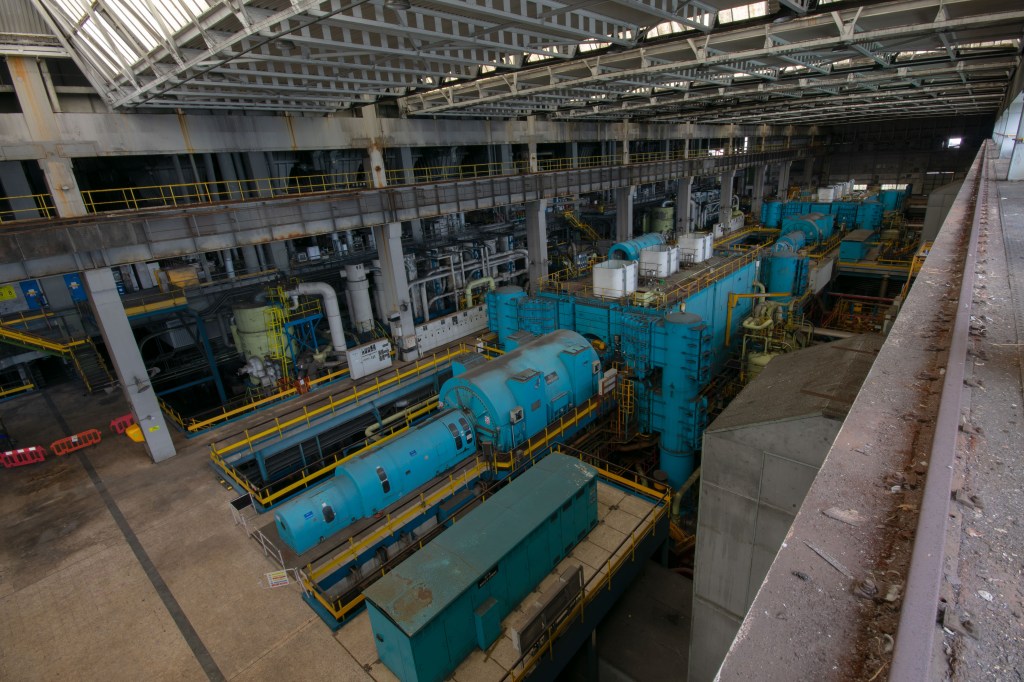
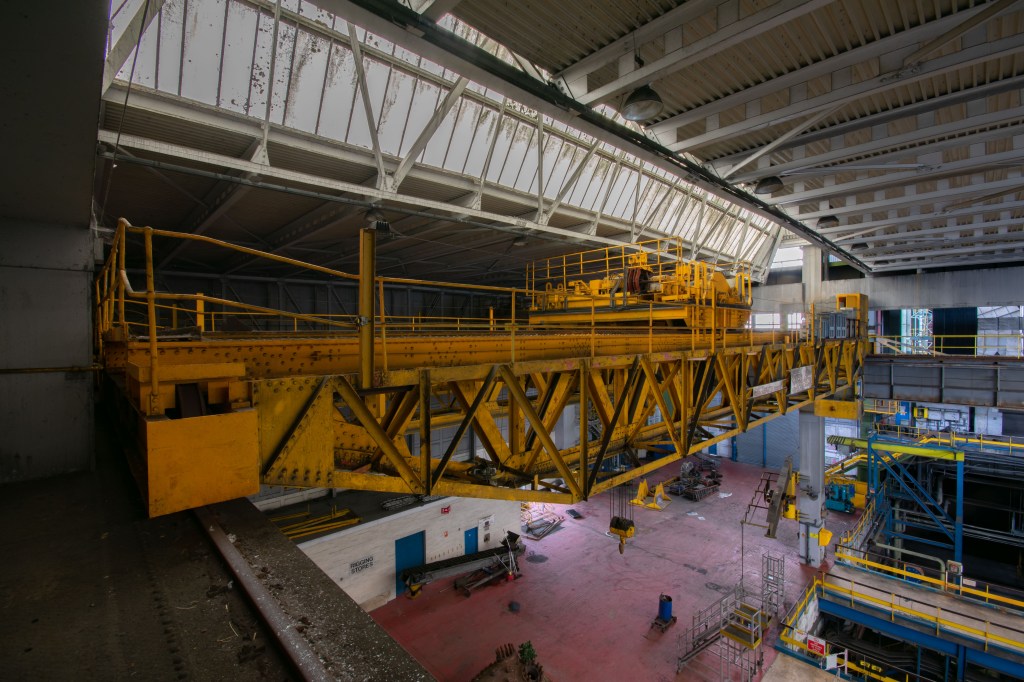
TURBINE HALL
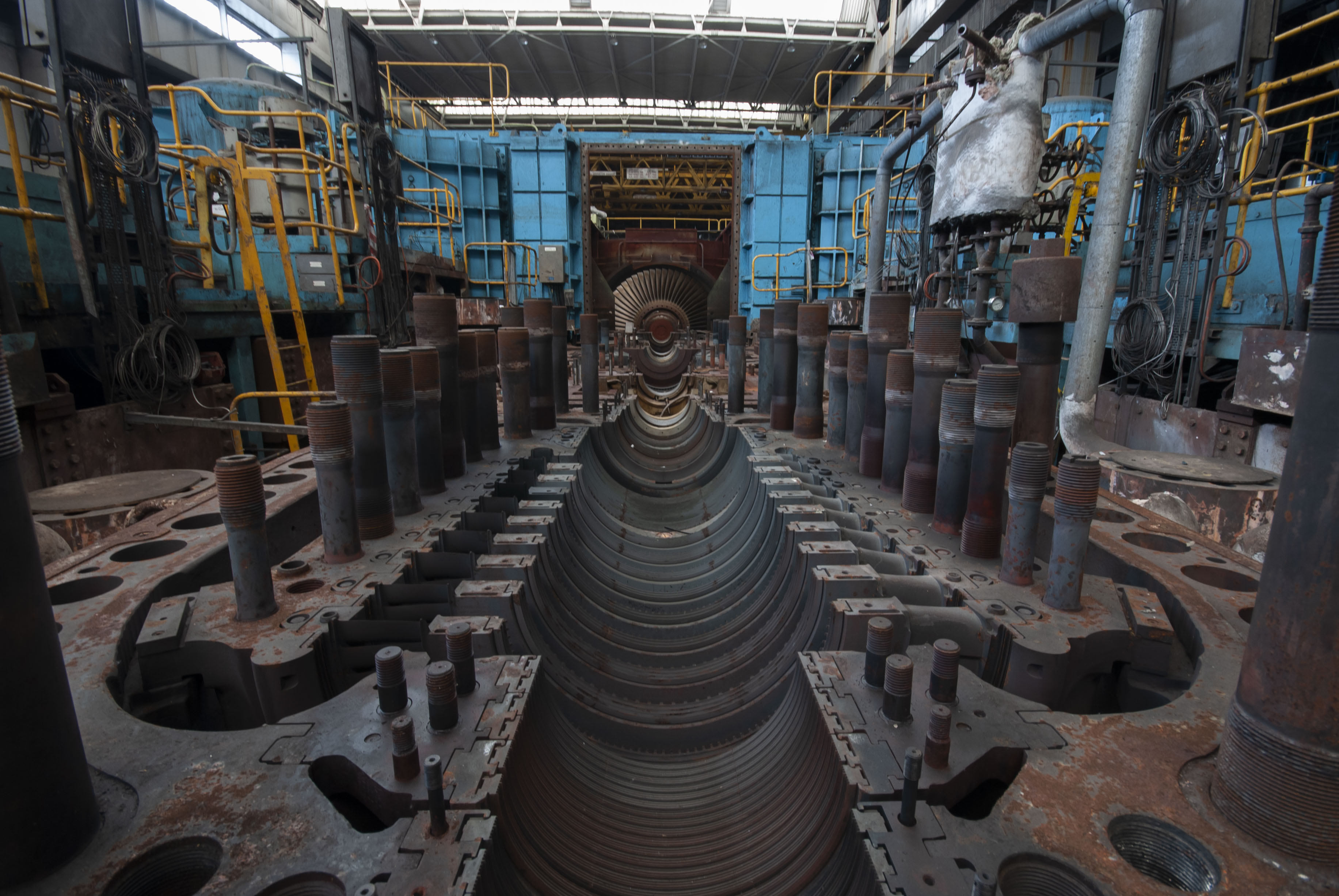
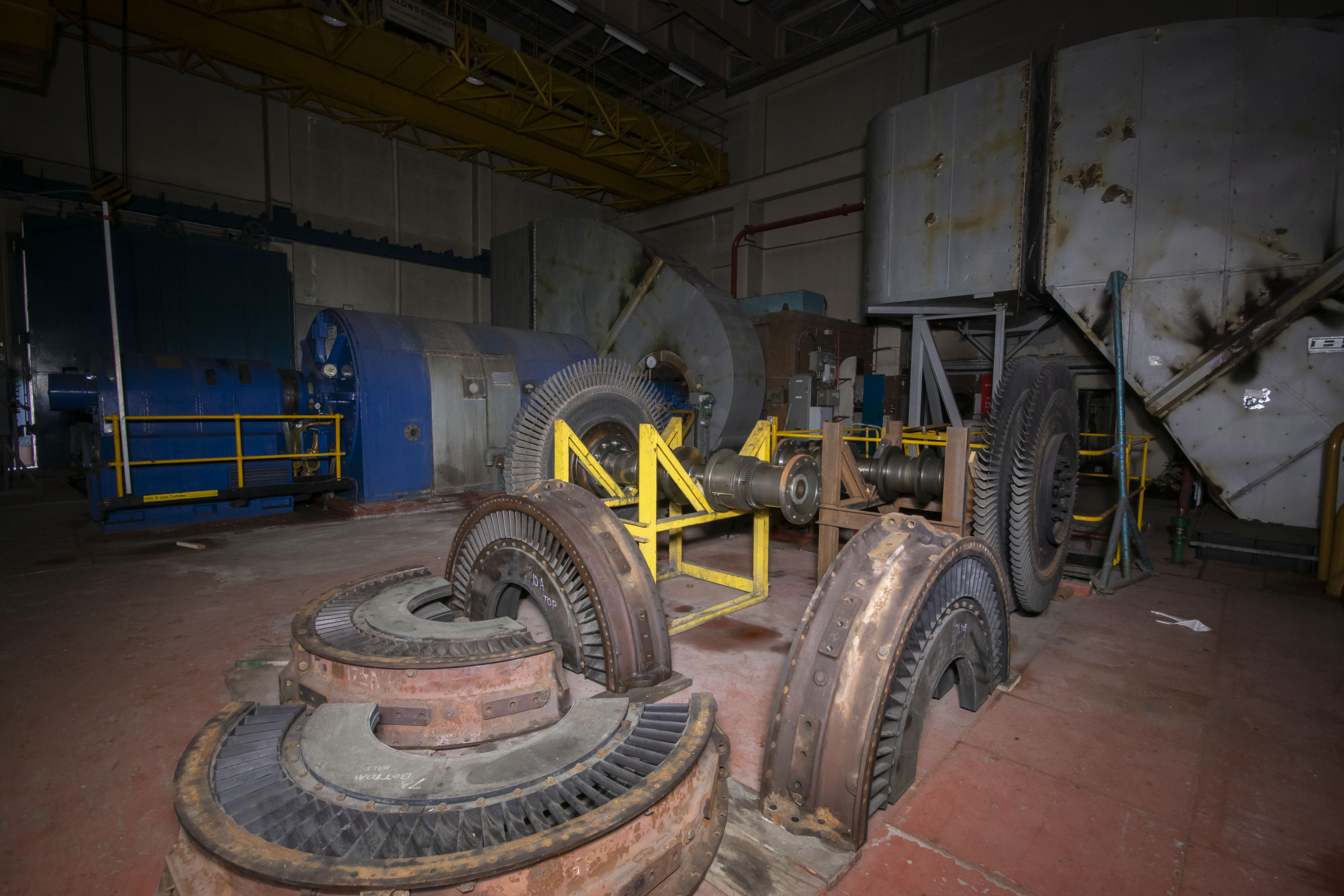
The turbine hall… the money shots!







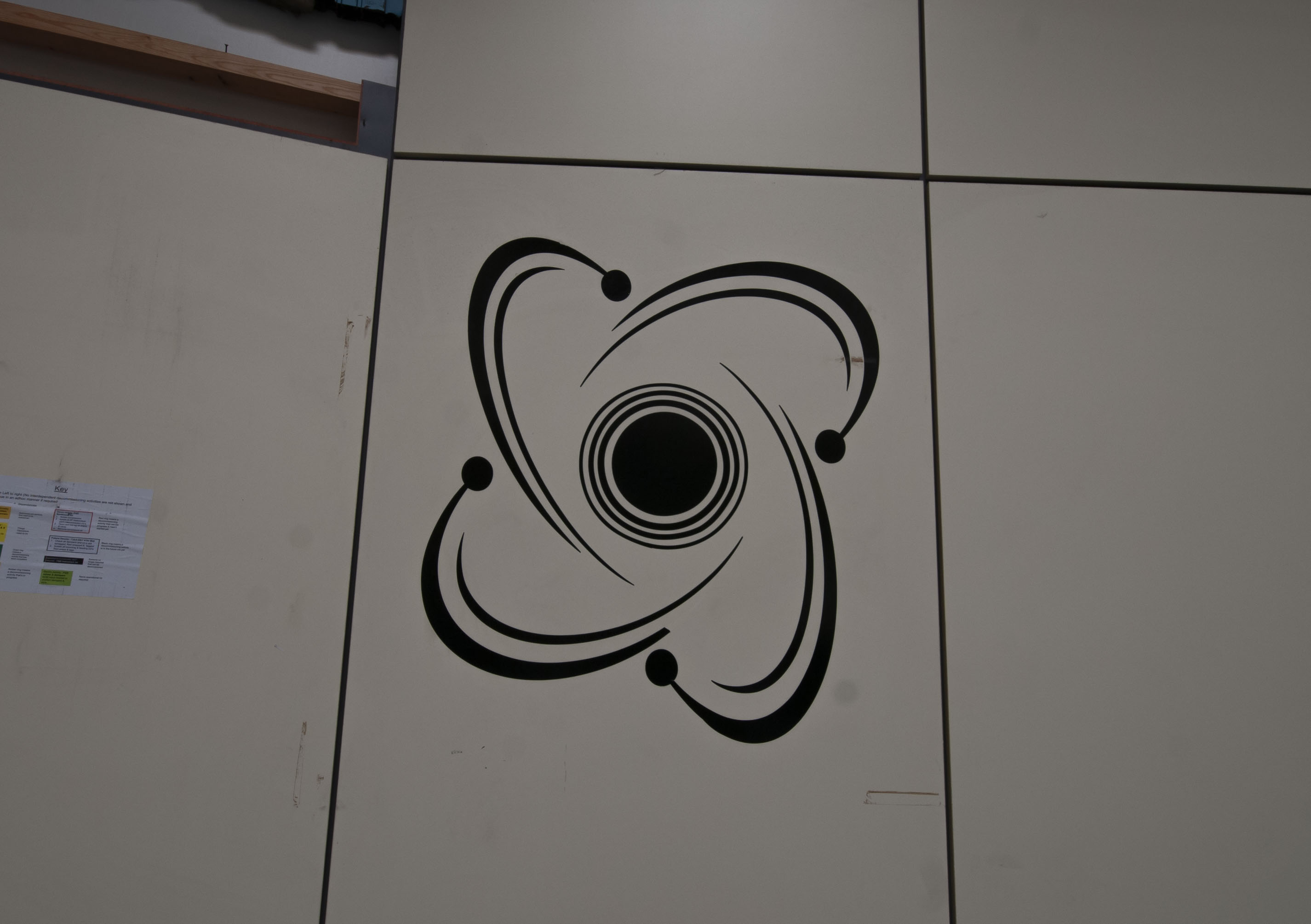
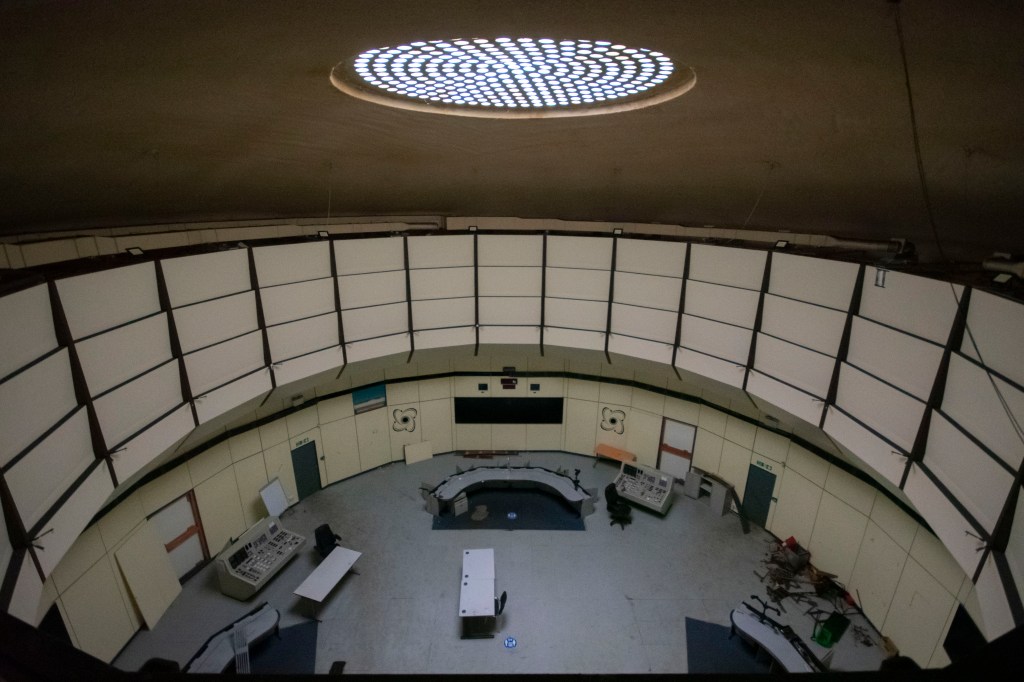
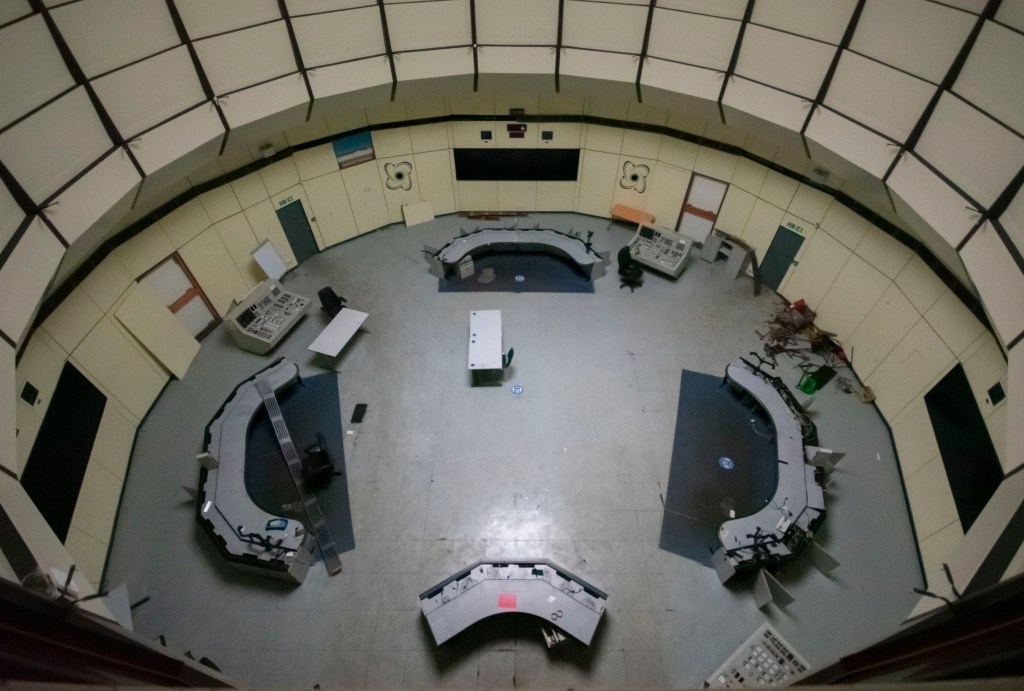
CONTROL ROOM
The control room. Used in the Sarah Jane Adventures.

GAS TURBINE BUILDING
The gas turbines. Rolls Royce jet turbines.



CHIMNEY
The towering 550ft (165m) chimney.

 Shadow Dragon