Abbaye Blanche
October 2025 | France | Extant
An abandoned Savignac and later Cistercian abbey in the heart of Normandie…
***
HISTORY: the Abbaye Blanche is a former Savignac and later Cistercian abbey, dating from 1105 when a community began to live on the site. Saint Vitalis of Savigny and his sister Saint Adeline both had dealings with the foundation. It was founded as a community of nuns, hence the name “Abbaye Blanche” which means ‘white abbey’. The abbey has significance in being one of the earliest known Savignac houses to have been founded – it was formally founded in 1115 with an endowment from William of Mortain, nephew of William the Conqueror.
The nuns of the Abbaye Blanche were known for their austerity and discipline, wearing their undyed woollen habits. From the years of 115 to 1147, the abbey was governed by the mother abbey of Savigny. It underwent a period of development where new buildings were constructed to accommodate a growing number of nuns.
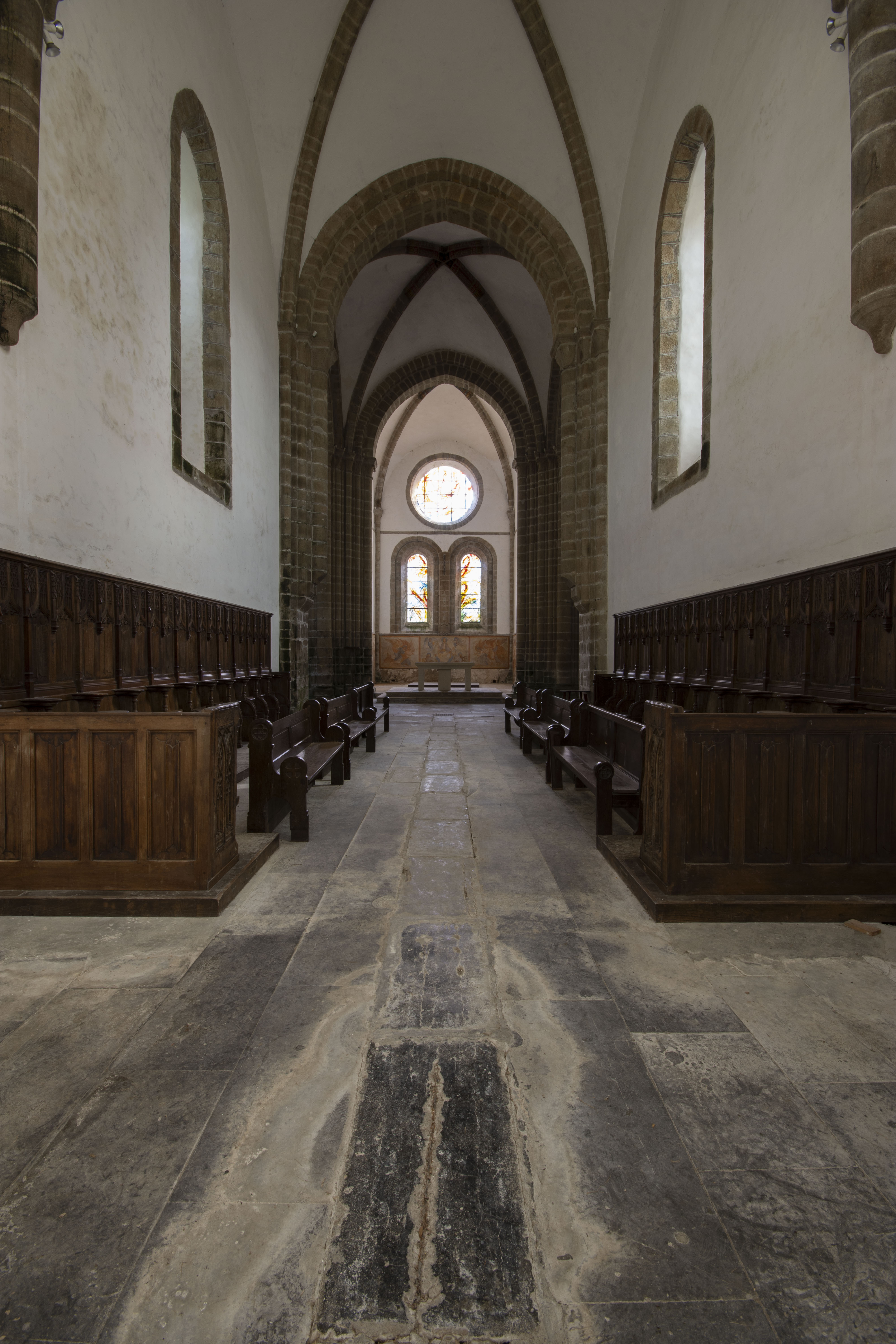
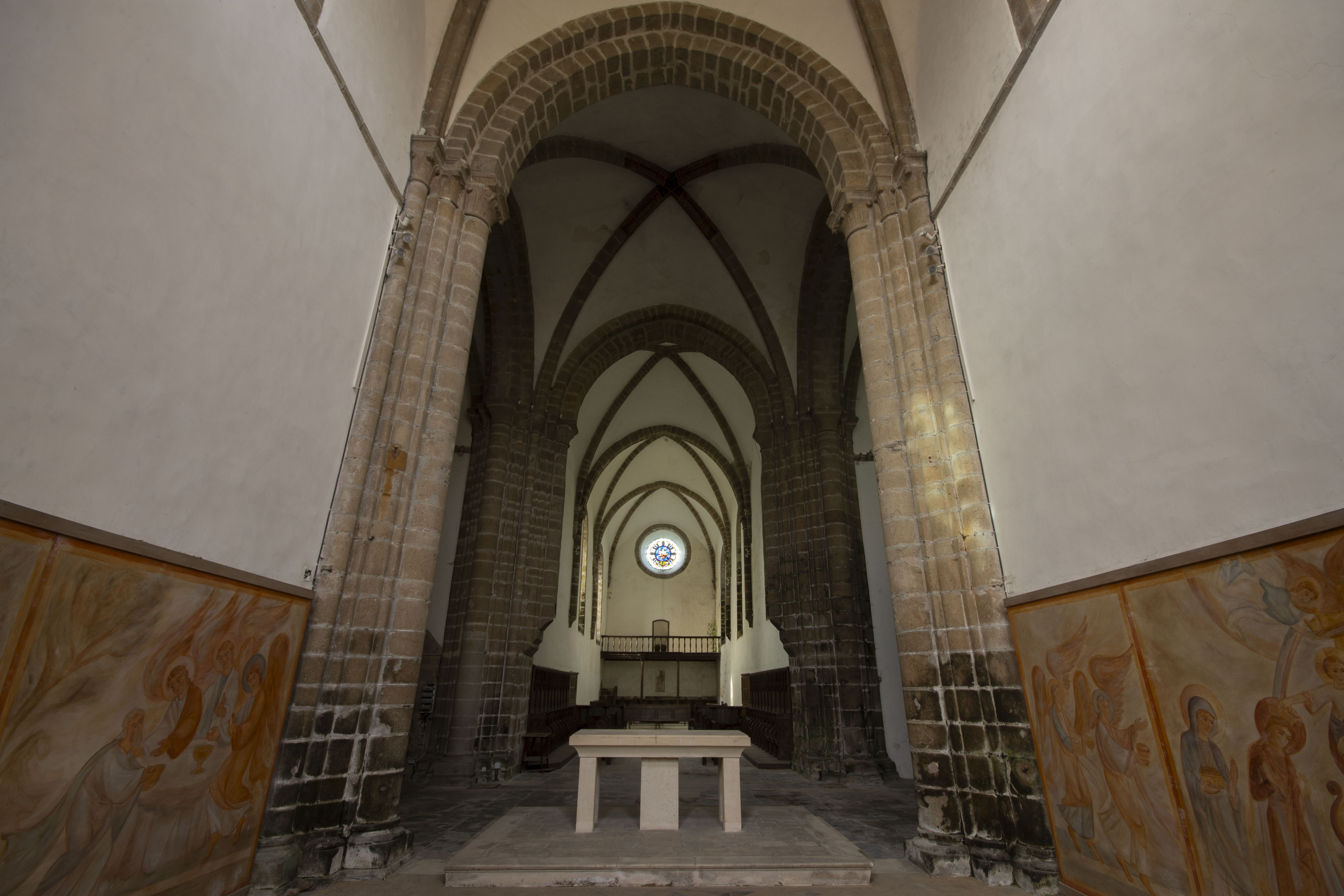
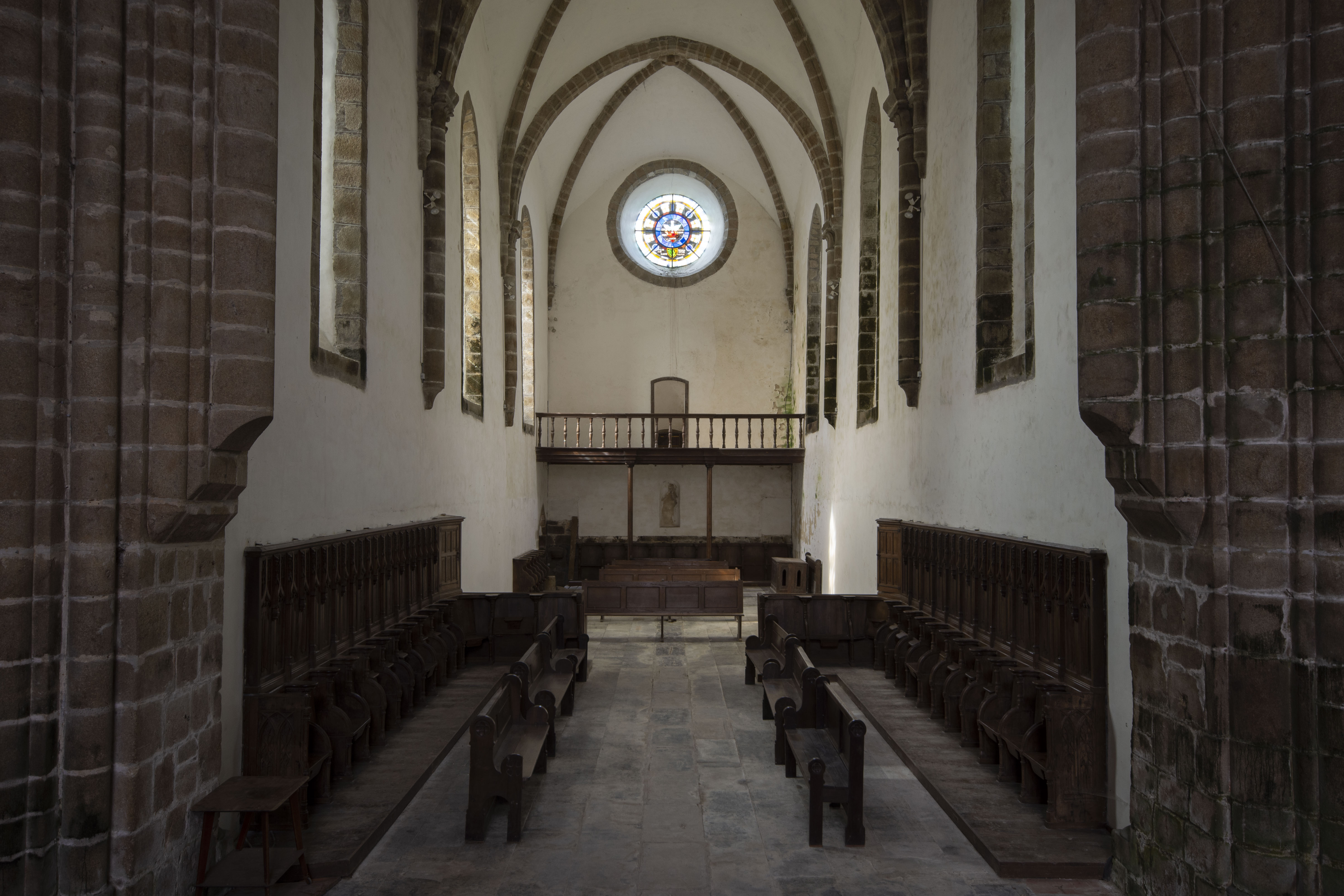
Between 1147 and 1148, the Savignac Order was absorbed into the Cistercian Order of the Catholic Church directly governed by the Abbaye de Cîteaux – this was overseen by Pope Eugene III, himself a former Cistercian monk. This meant that the Abbaye Blanche adopted Cistercian customs and liturgy. This caused an architectural change when new buildings were built in the years after. Starting in 1170 or so, the church that is still present today was begun in the transitional Romanesque style (the shift in architectural tastes towards the Gothic style which was being developed at the time by Abbot Suger at the Basilique St Denis in Paris is evident in the arches and vaults) and laid out in the Cistercian liturgical fashion – a cruciform layout for the church, with a broad nave and transept with northeastern and southeastern chapels. The church was consecrated in 1205.
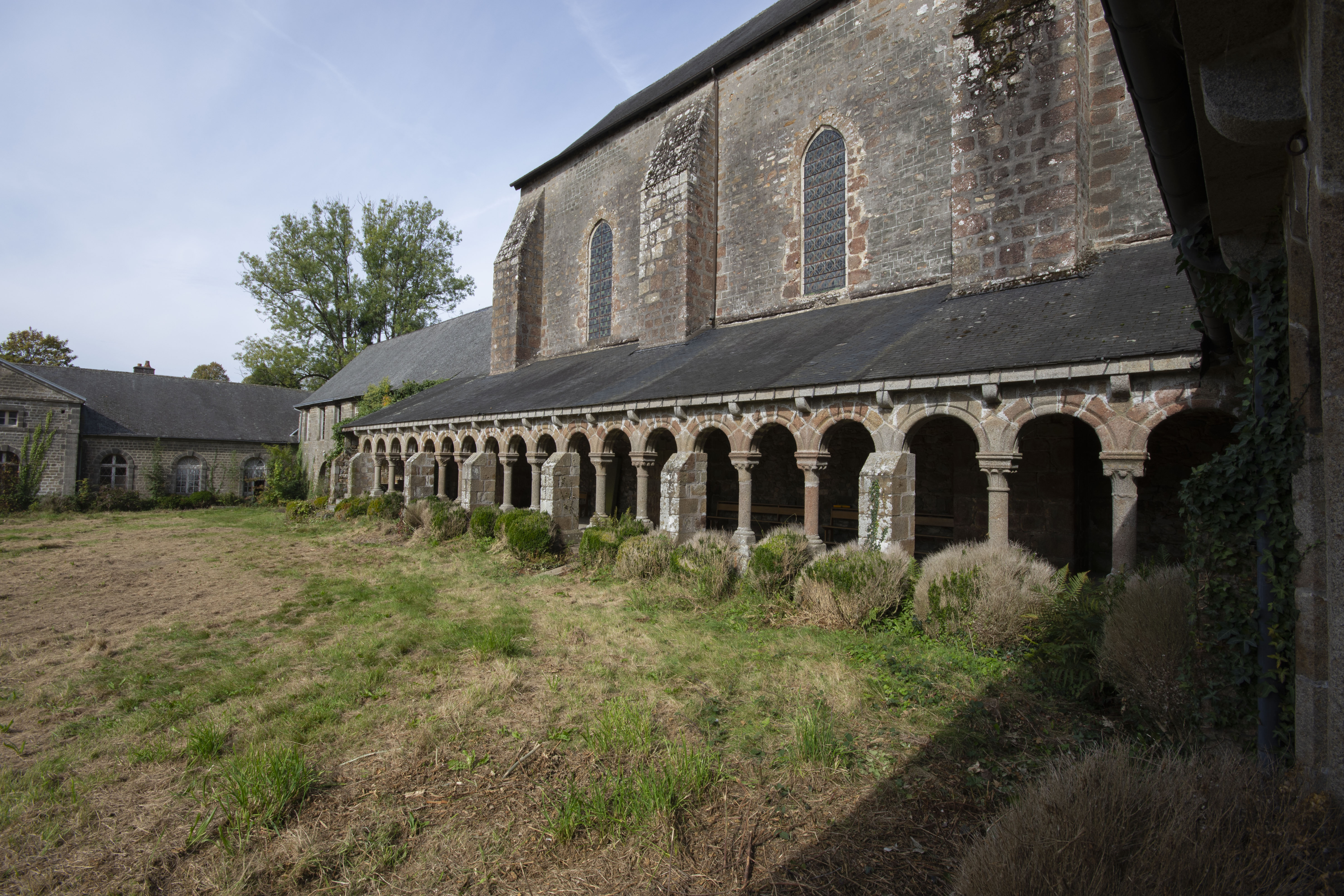
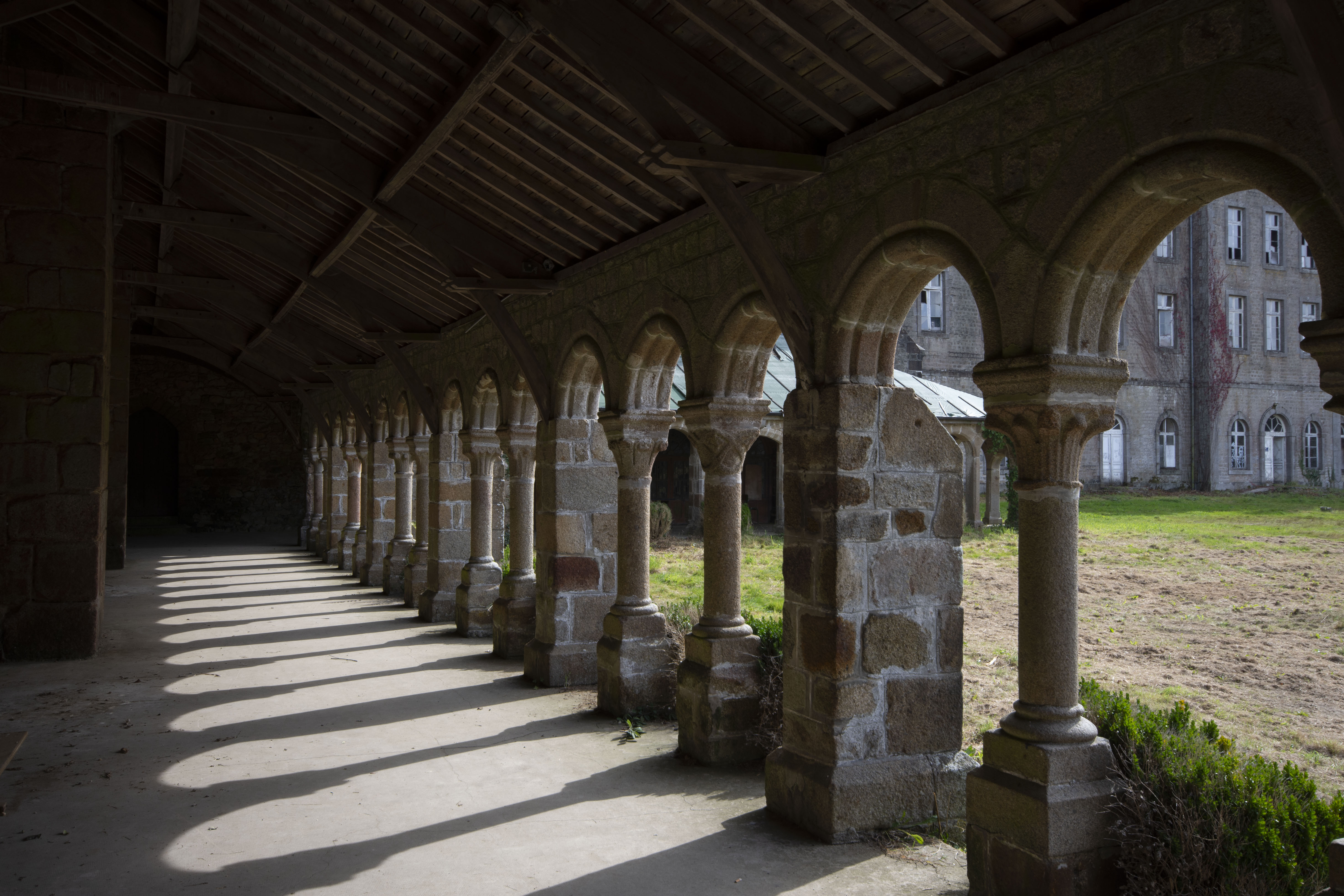
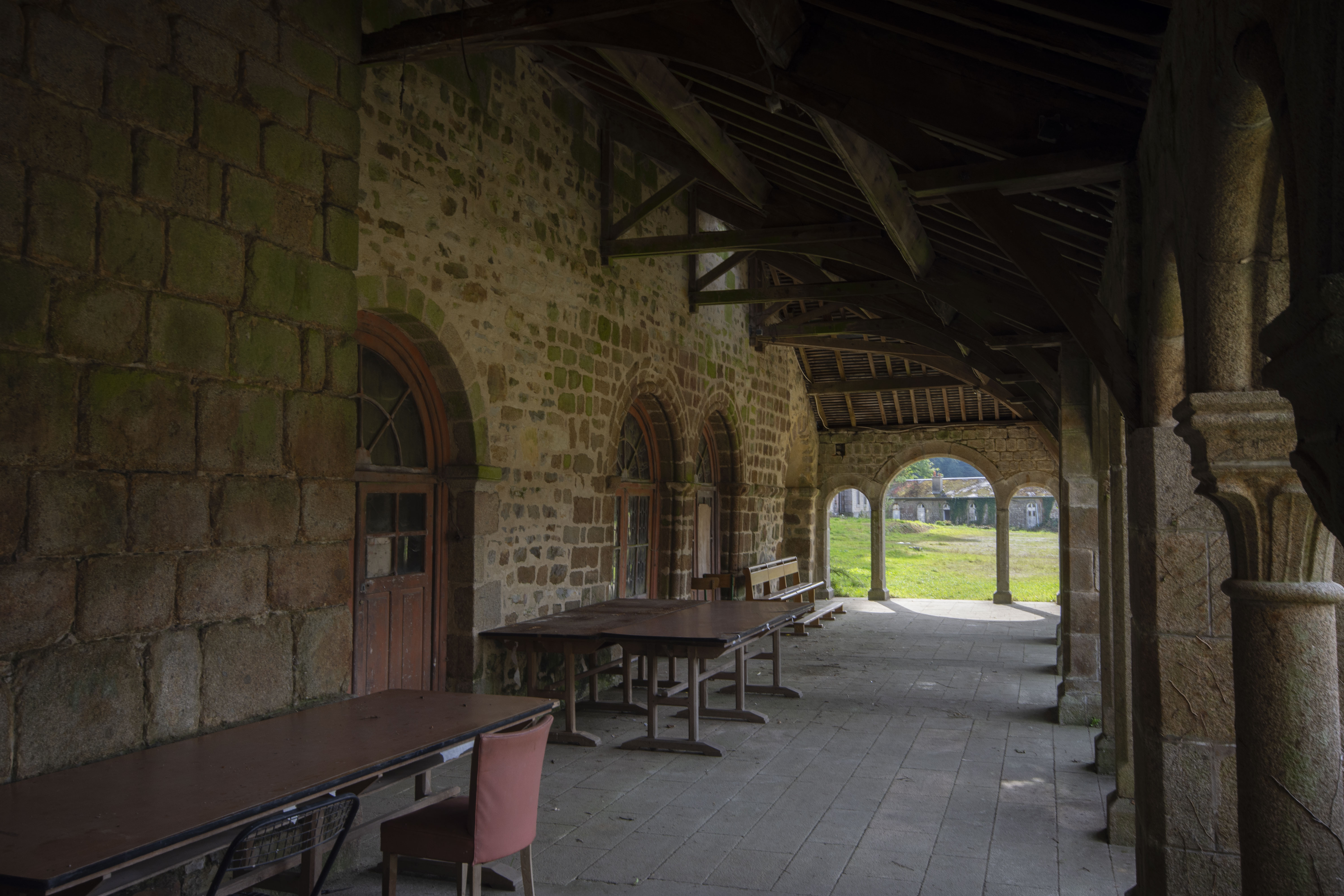
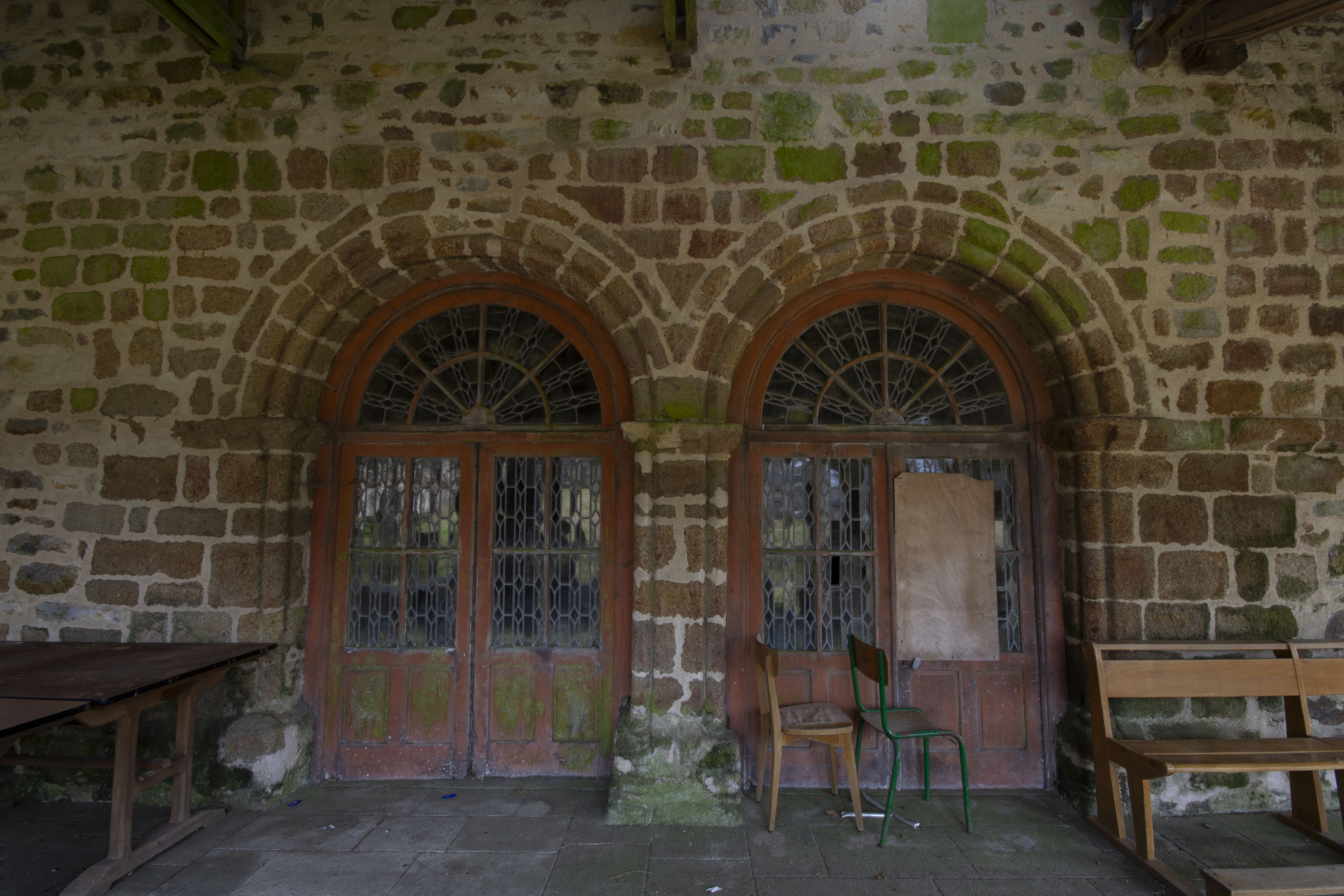
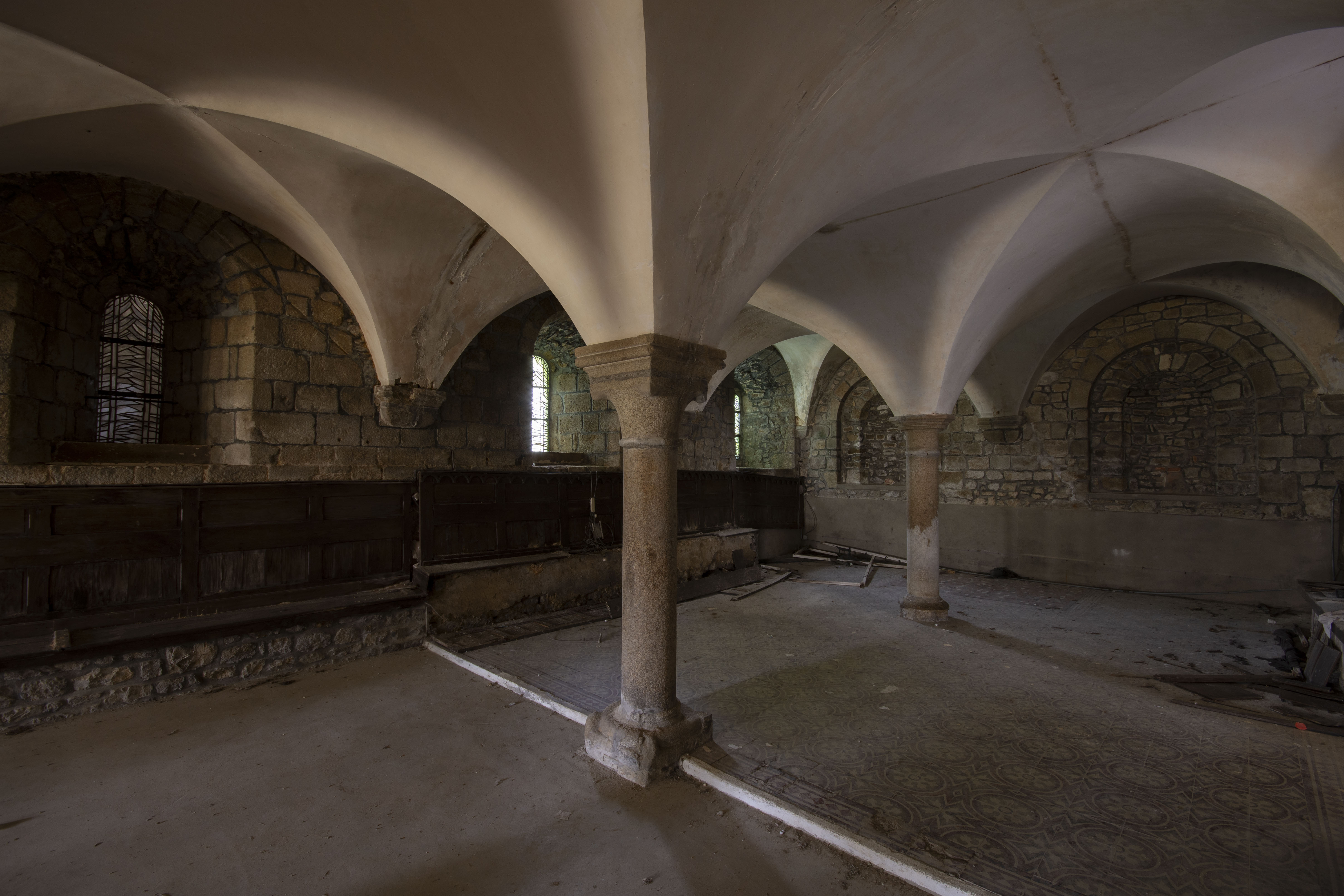
At the same time, a new cloister was built in the Romanesque style – this is an extremely rare surviving example, with many exquisite carved capitals. A new chapter house was also built to the south of the church’s transept. Other buildings were built gradually over the rest of the period of the 13th century. At this time, the flourishing abbey held a number of mills and plenty of agricultural land. A mill stands just northwest of the church.
The 14th and 15th centuries brought difficulties to the abbey. The Hundred Years’ War caused economic instability and caused hardship, which in turn meant a sharp decline in vocations and novice nuns joining the abbey. By 1350 or so, the Abbaye Blanche lost its status as an abbey and was reduced to a priory. This weakened its autonomy and influence, but the nuns still persisted.
Fortunes improved gradually and in the early 17th century some of the buildings were rebuilt. New domestic wings were built and the southern ranges of the cloister were reworked and rebuilt. In 1648, the abbey was restored to its status of an Abbaye Royale (Royal Abbey) under Louis XIV of France. This brought a period of financial recovery. However, the nuns were less austere and dedicated to their religious life than those of the 12th and 13th centuries. Commendatory abbesses were often noblewomen of the landed gentry who served in name only, and infrequently visited the site.
The French Revolution brought about the worst tumult for the Abbaye Blanche – in 1789, the abbey was seized by the revolutionaries and closed down, with the community dissolved and dispersed. The buildings were seized as national assets and repurposed for industrial use – the buildings were recorded as being used as a textiles and handkerchief factory. The Catholic Church in France was reestablished when Napoleon took power but it took a little longer for the Abbaye Blanche to be re-used for religious life. It wasn’t until 1820-1822 that the buildings would find re-use as a monastery. The Petit Séminaire de Mortain was founded in this time and took ownership and occupation of the buildings.
In or just after 1830, most of the medieval monastic buildings were demolished to make way for the enormous seminary buildings that are still extant today. The church, northern and half of the eastern sections of the cloister were retained, alongside the chapter house and part of the former dormitory. The new buildings were utilitarian yet grand, towering above the medieval structures. This seminary operated until 1905 when the Separation of the Church and State laws forced the site to close down, again.
In the years after, the Abbaye Blanche saw mixed usage – between the years of 1914 and 1918, the buildings served as a temporary hospital for Belgian soldiers. In 1920, the church and chapter house and surviving sections of the cloister were classified under the Monument Historique heritage protection. In 1923 after lying empty after the First World War, it was acquired by the Congregation of the Holy Spirit (Spiritans). They reestablished the abbey. From 1940 to 1944, the invading Nazi forces occupied the abbey. In August 1944, Operation Lüttich (the Mortain Counter-Attack) saw heavy fighting in the area which damaged the buildings. After the Liberation, the abbey’s buildings briefly served as a maternity hospital. And finally in 1945, Marcel Lefebvre reopened a seminary within the buildings, under the management of the Spiritans.
The Spiritans occupied the abbey until 1984 when ownership passed to the Community of the Beatitudes who owned it until 2011 – an ageing and declining population of nuns with limited resources and funds meant that they couldn’t afford the maintenance and running costs of the enormous buildings and therefore they sold the abbey to a new owner and moved out in 2011. Since 2011, the abbey has lain derelict. In 2024, the new owners were given a government grant to restore the abbey and turn it into a heritage centre… instead of doing so, the owners ran off with the money and have left the abbey completely abandoned, with vandalism and thefts happening regularly.
***
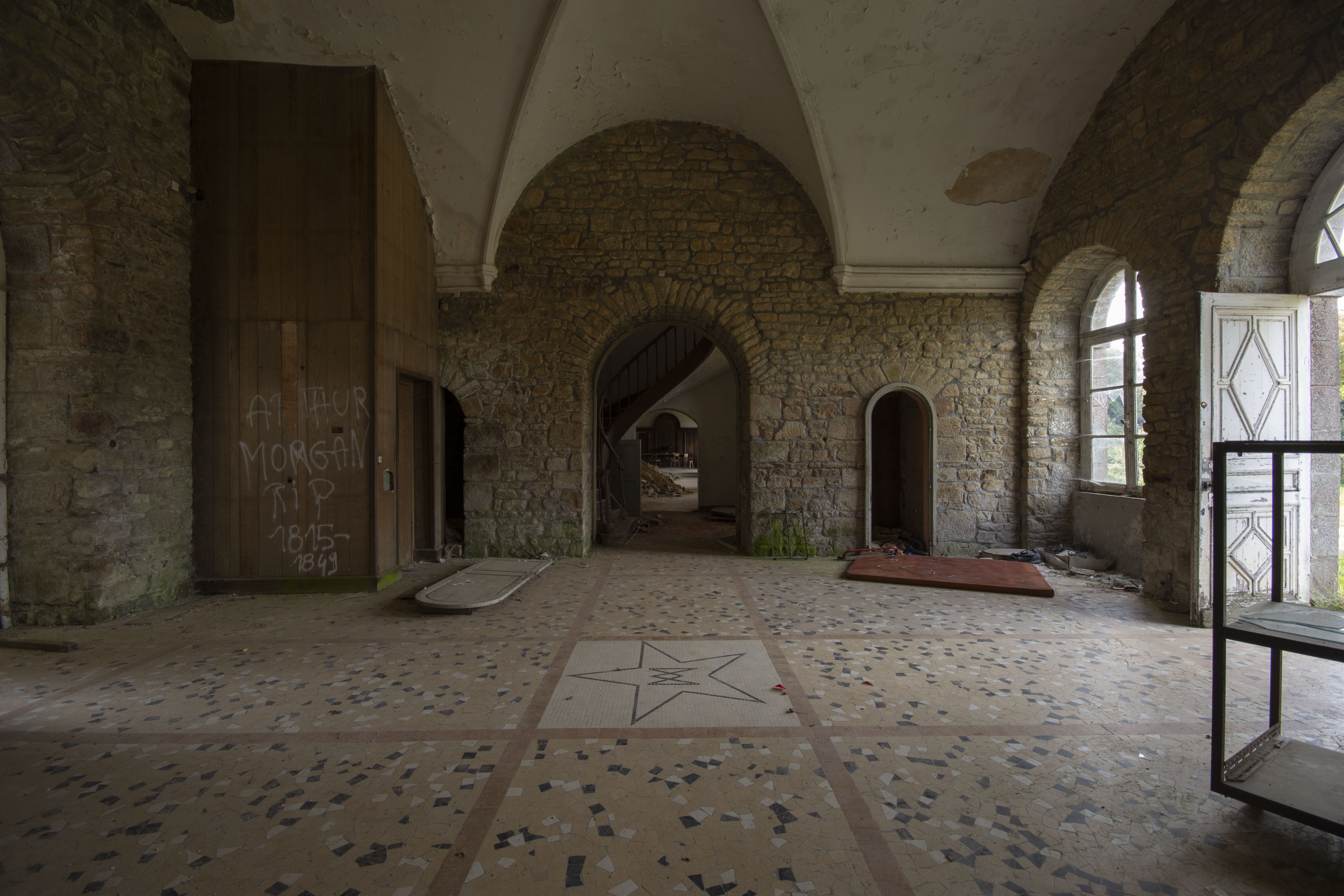
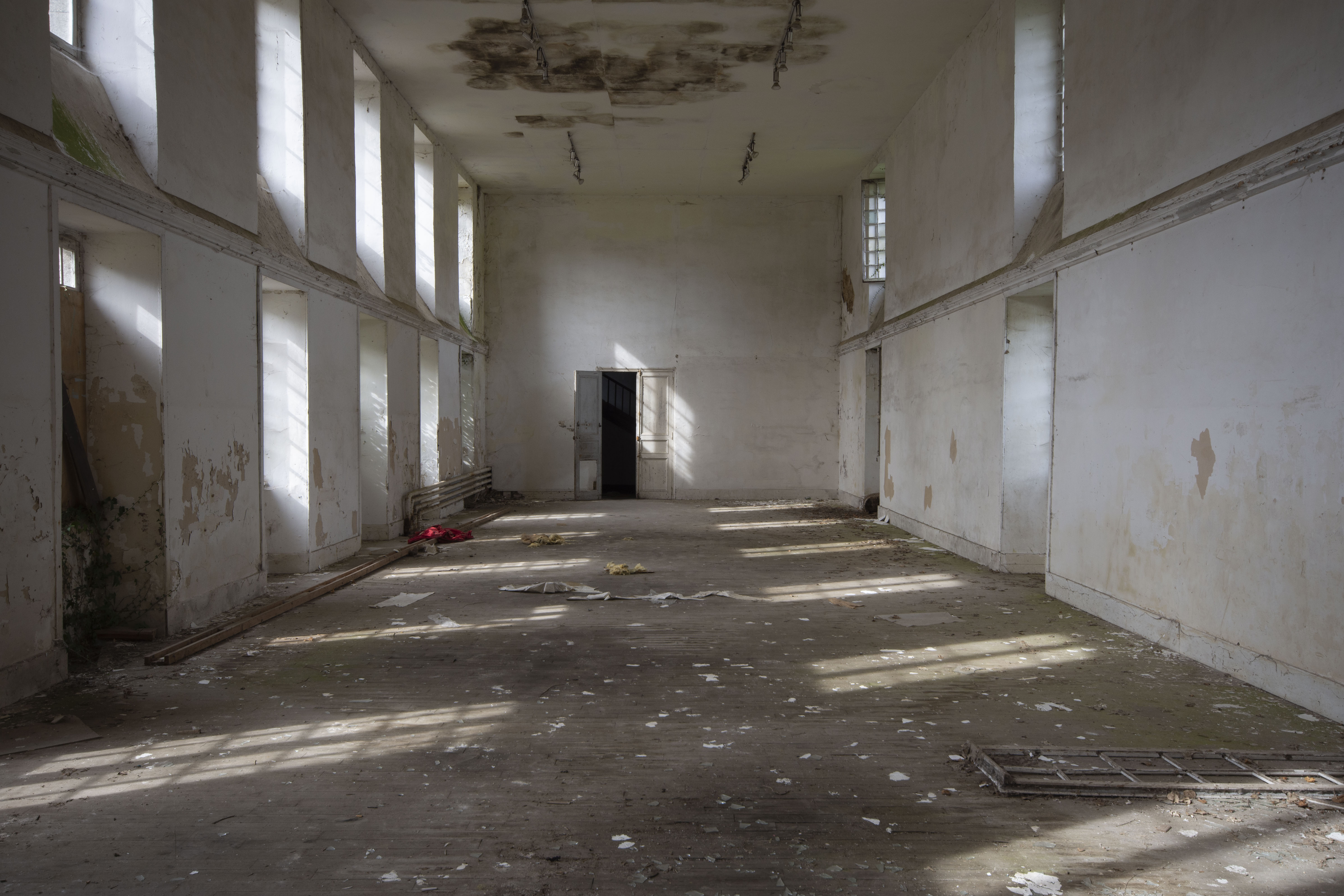
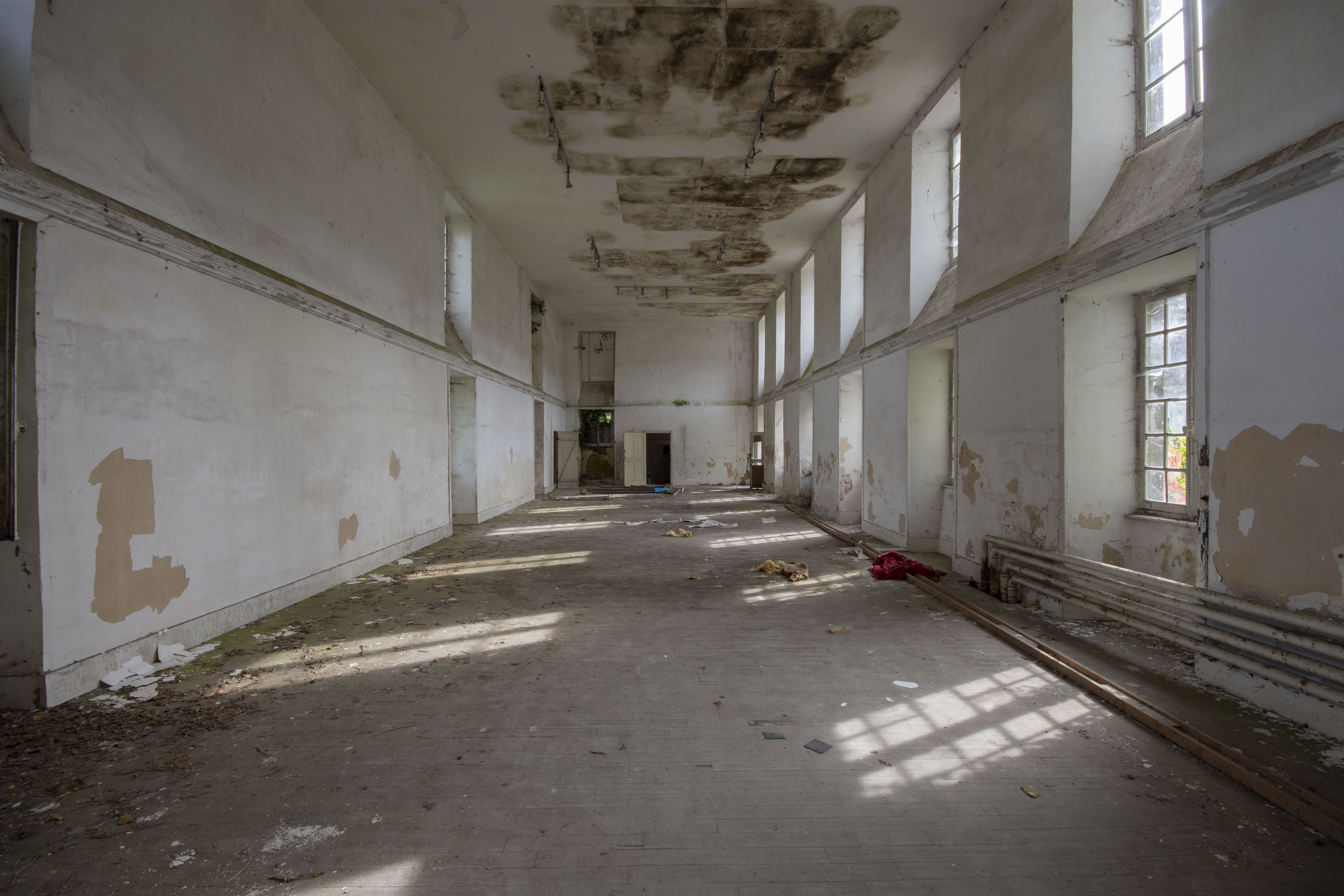
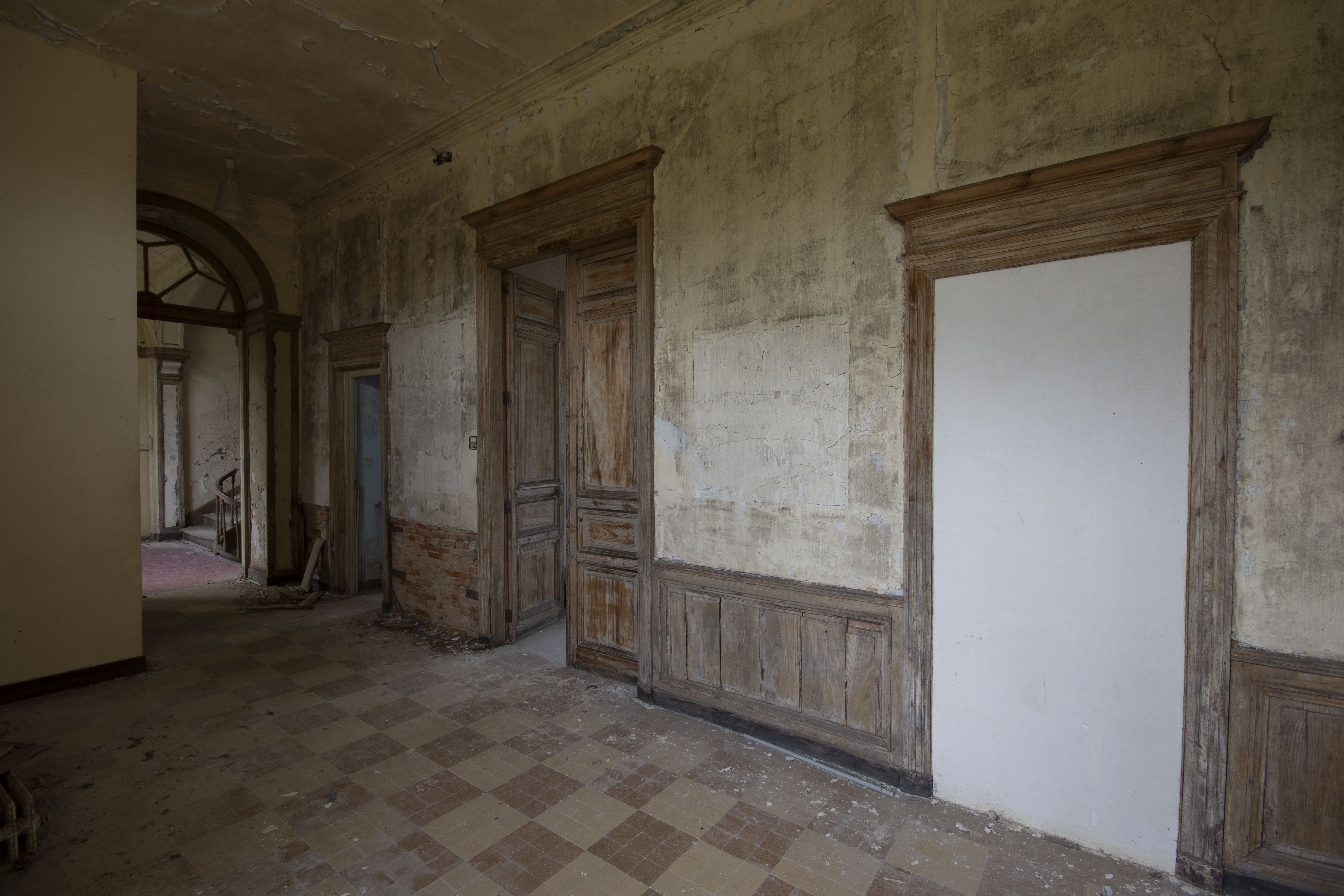
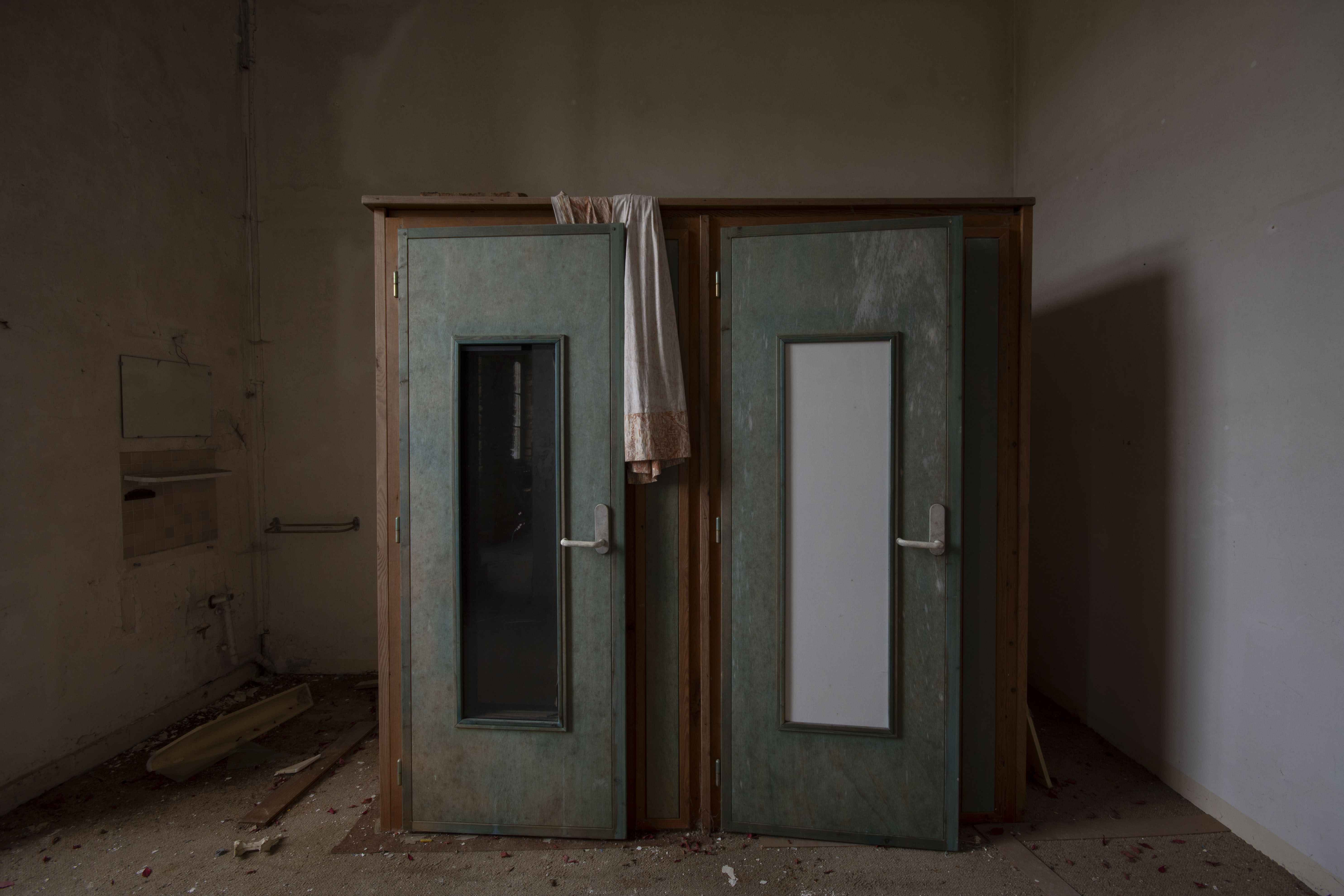
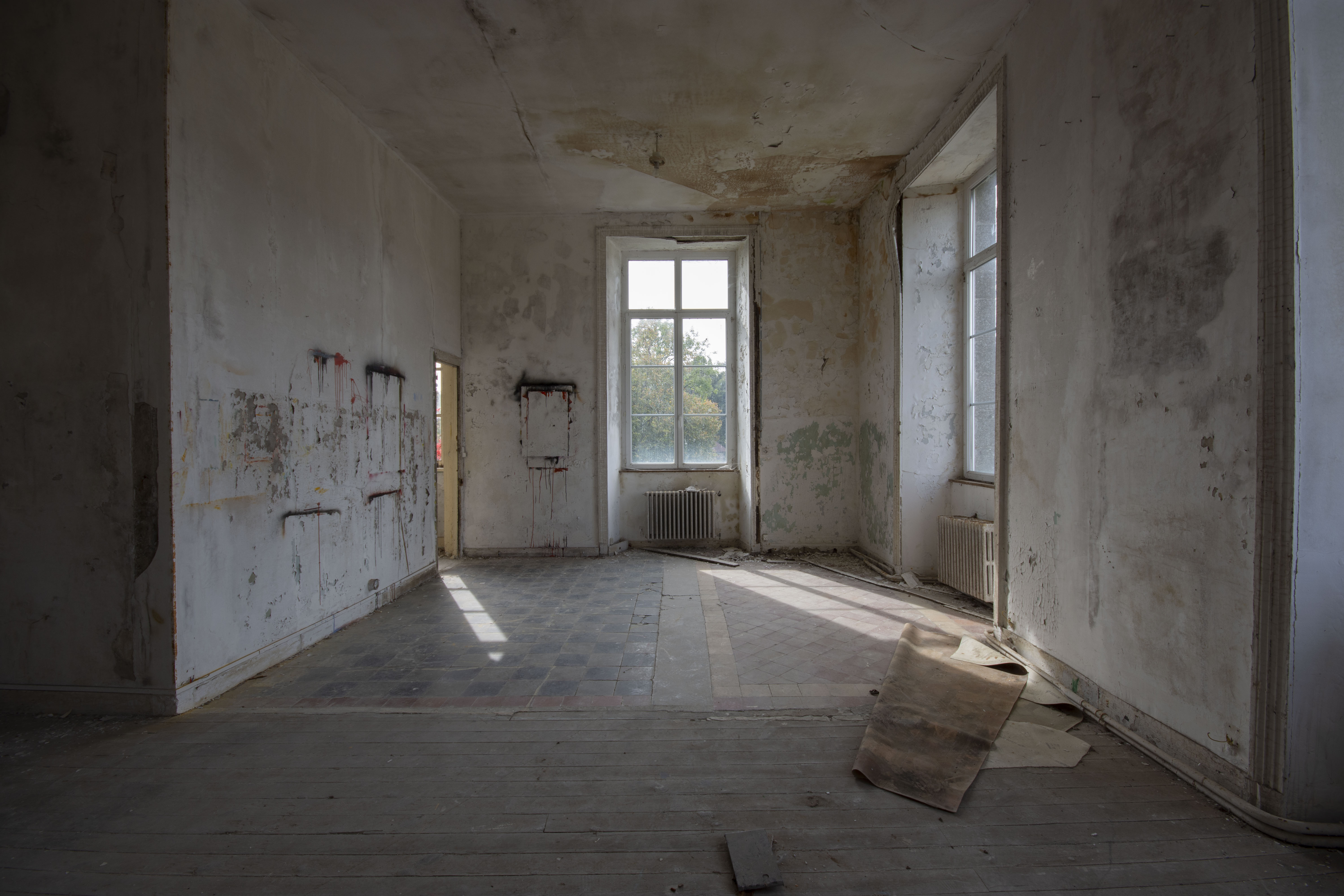
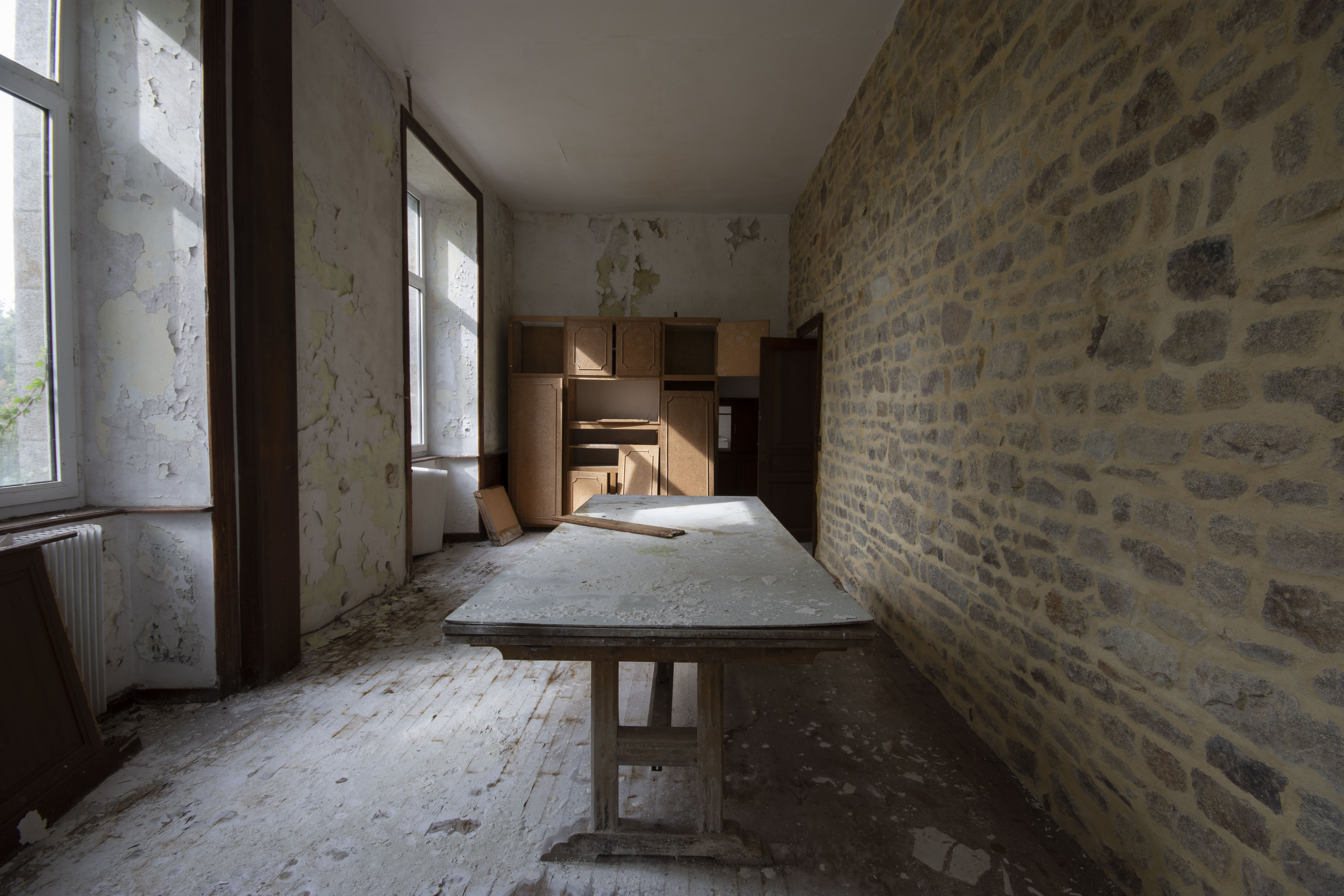
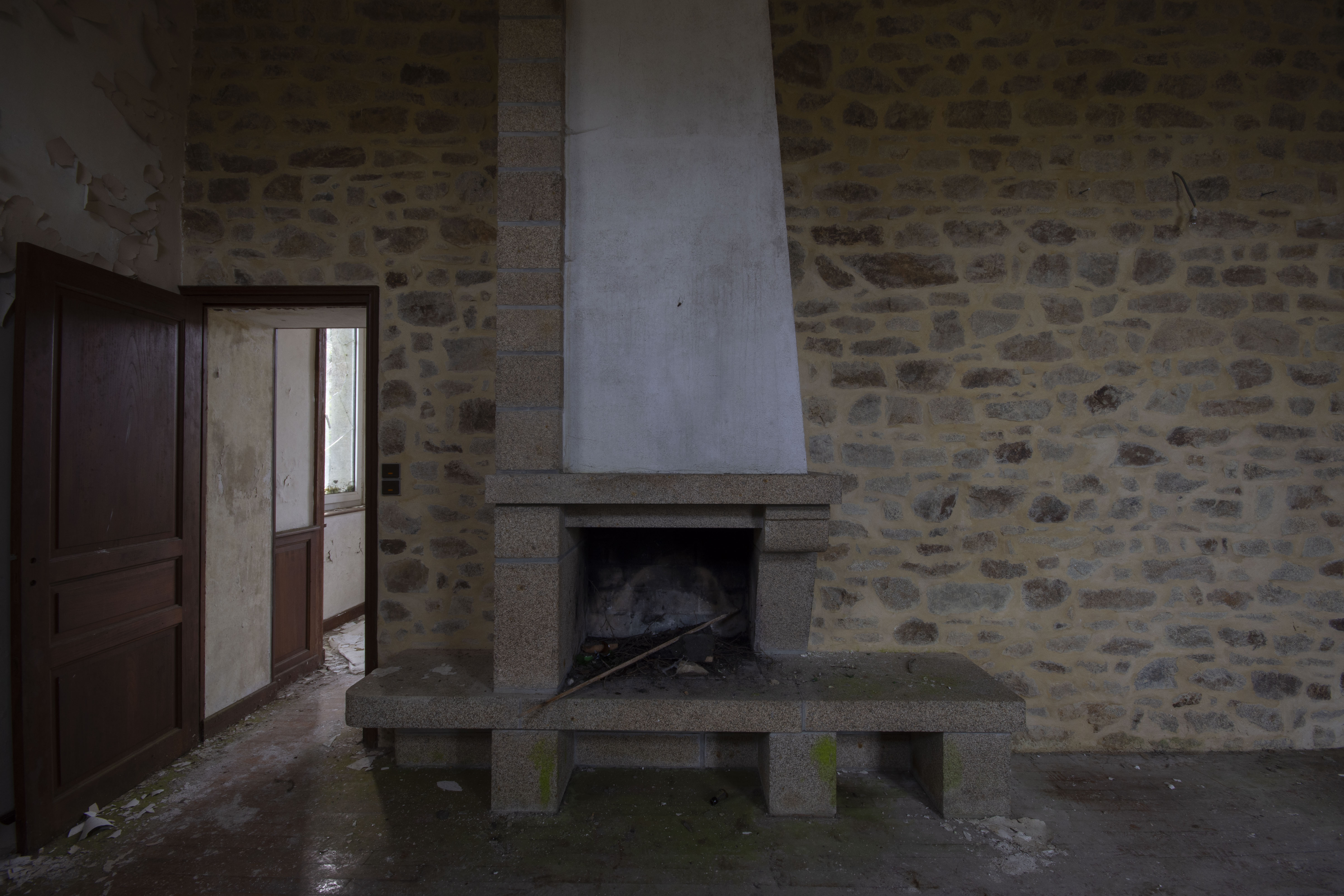
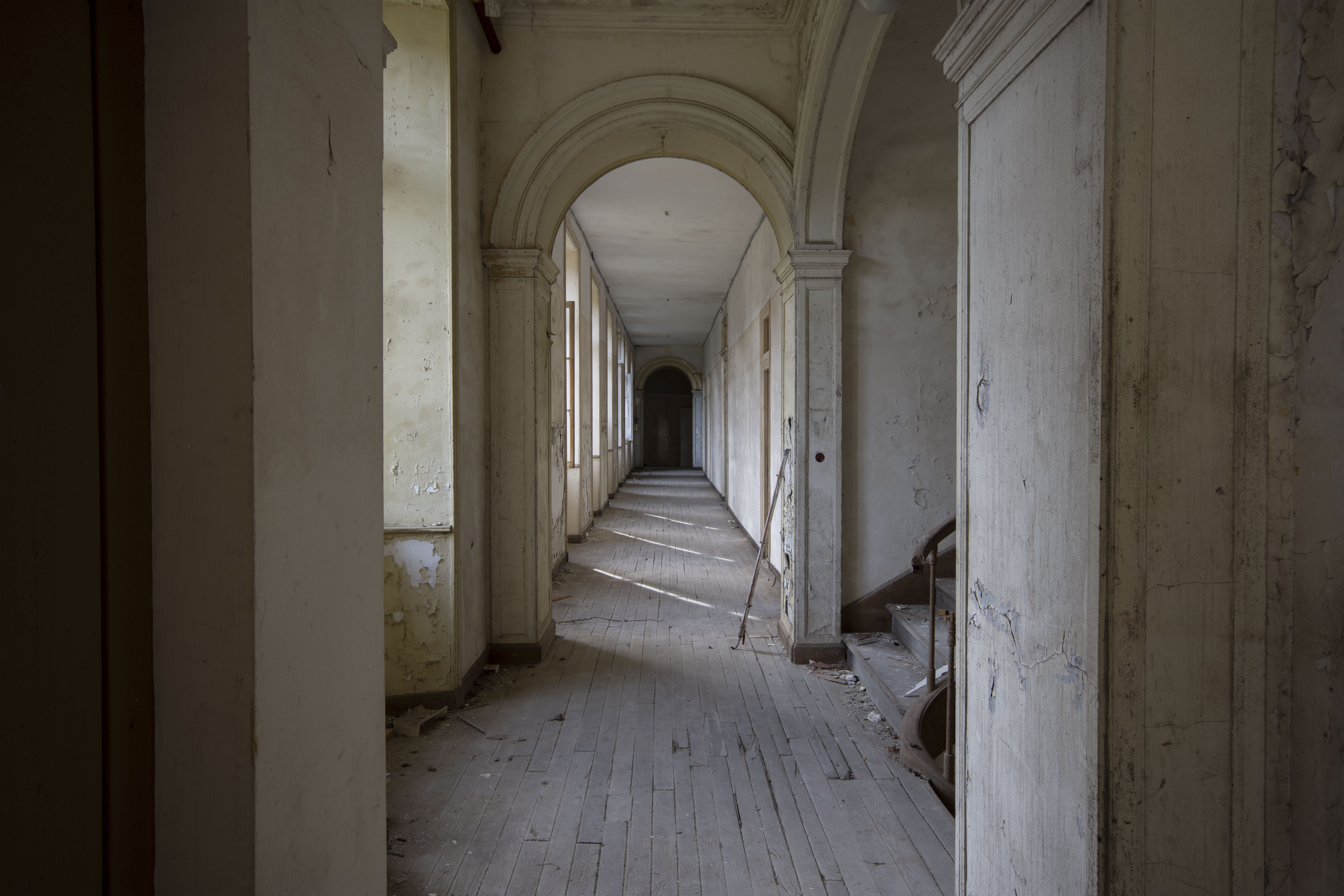
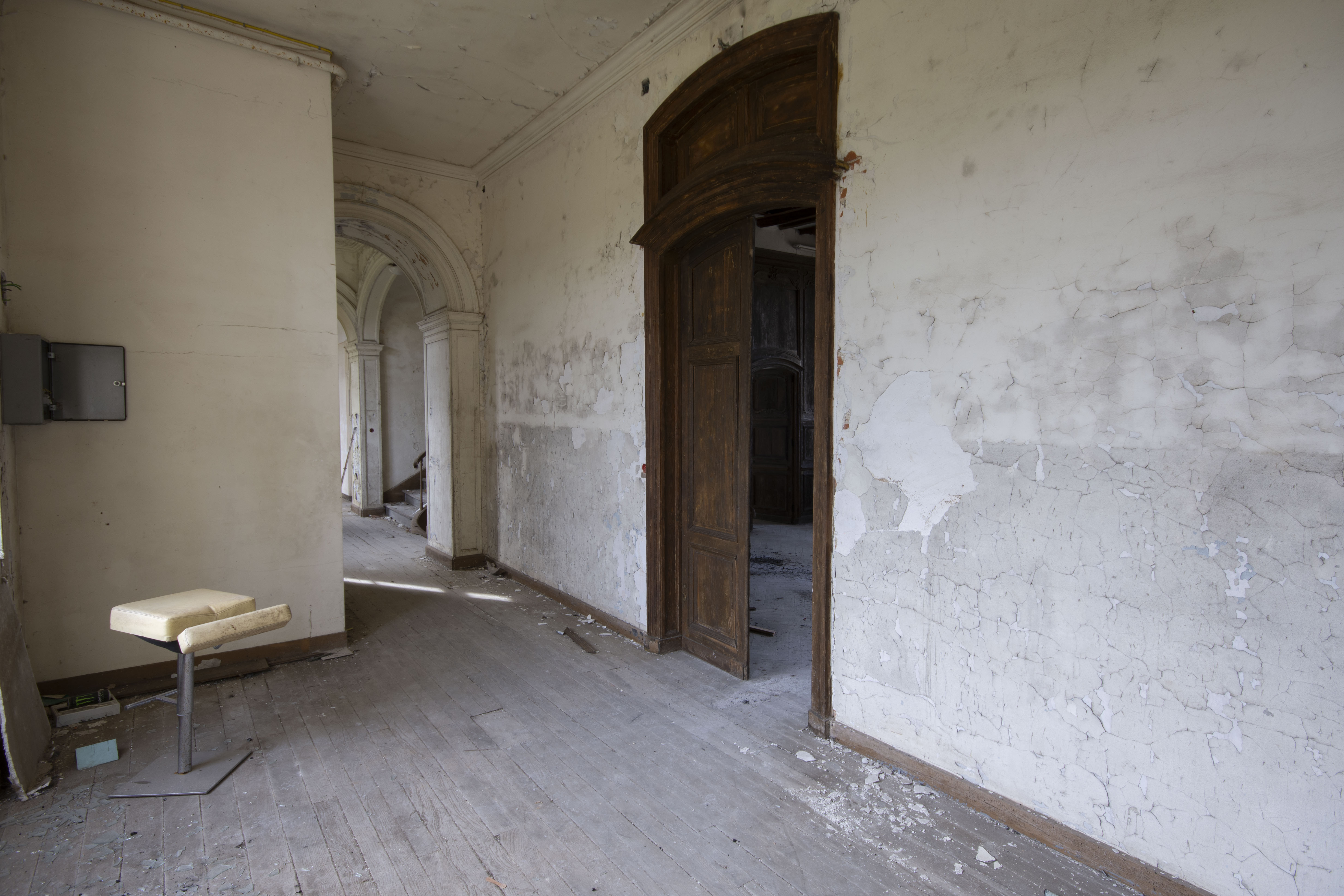
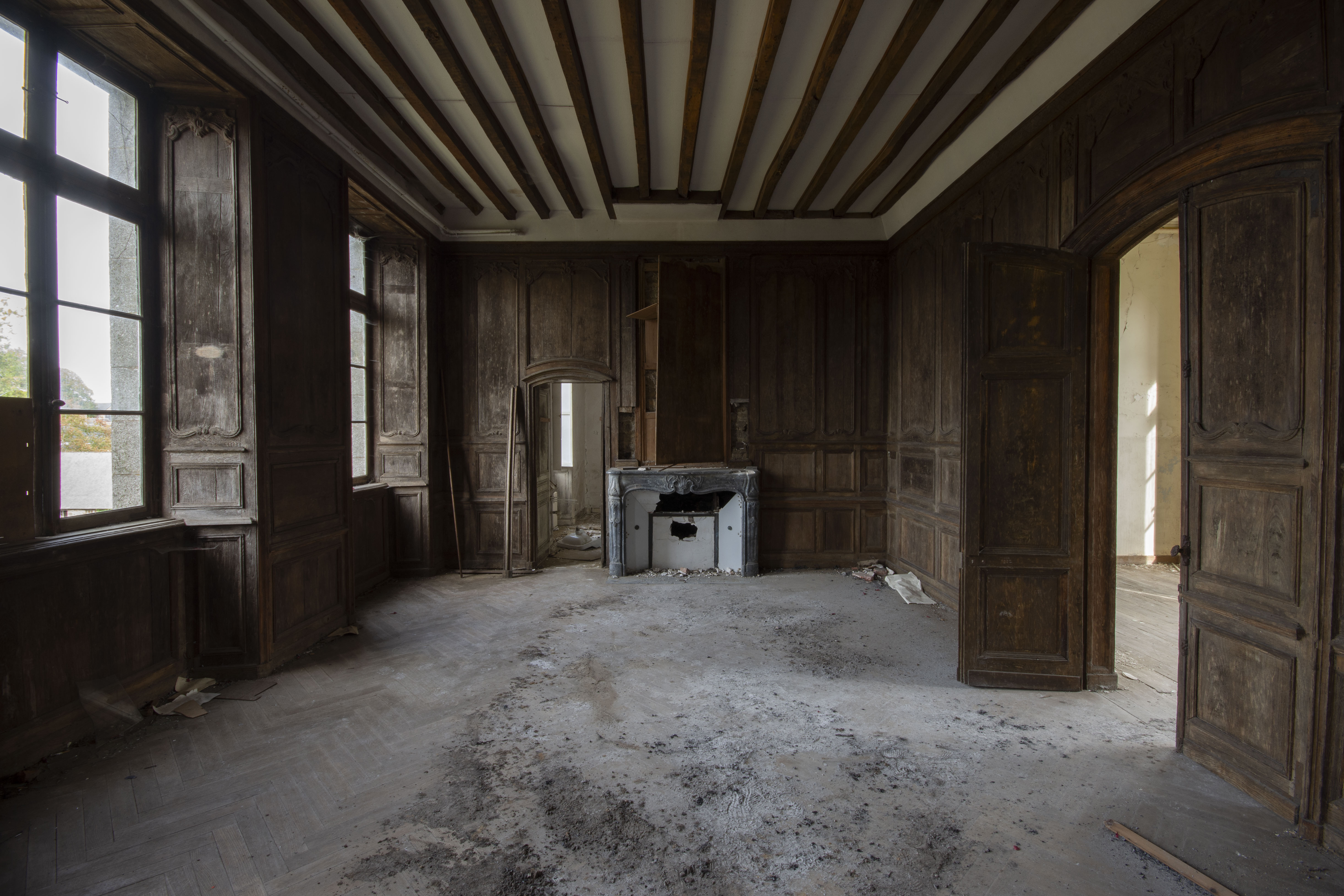
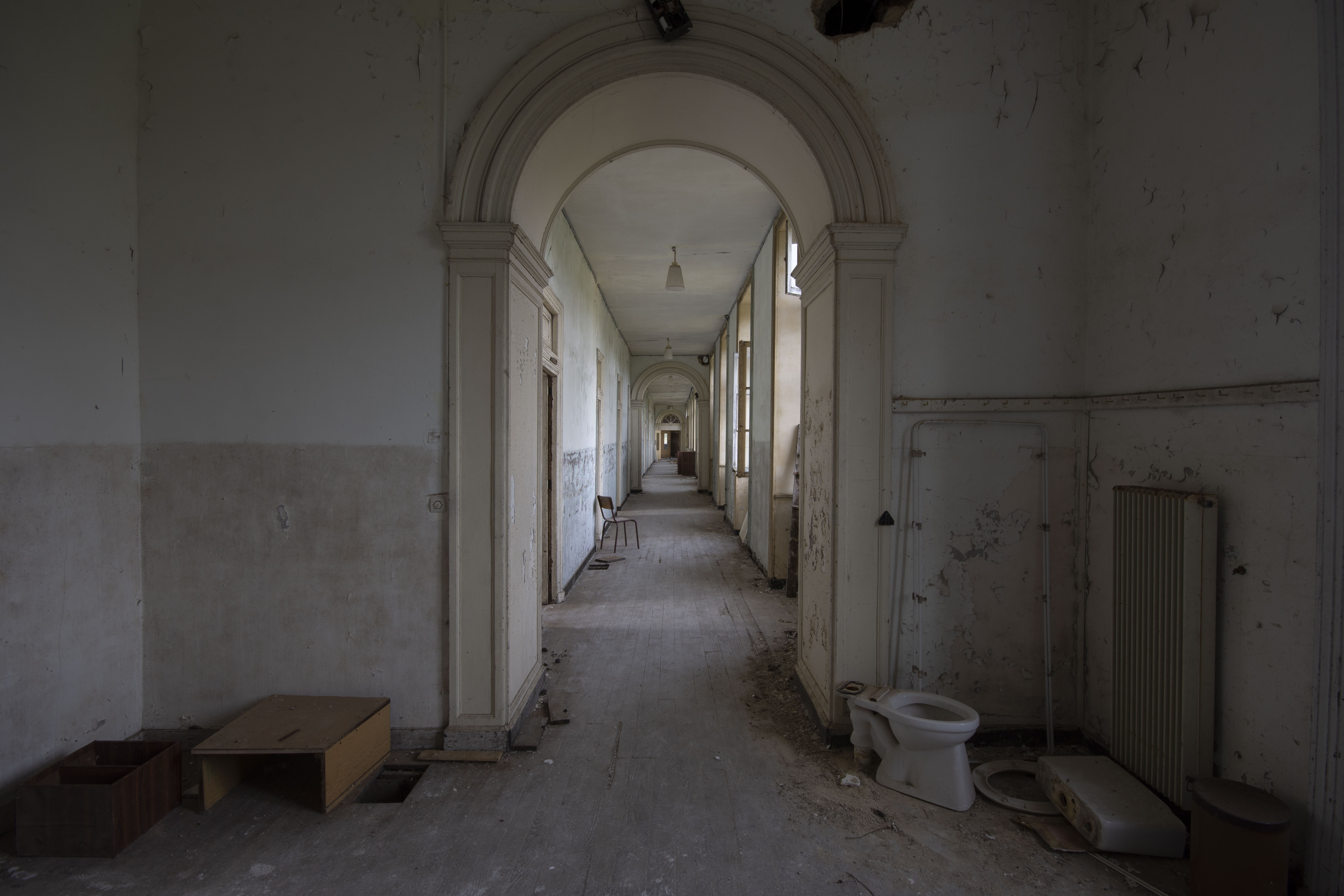
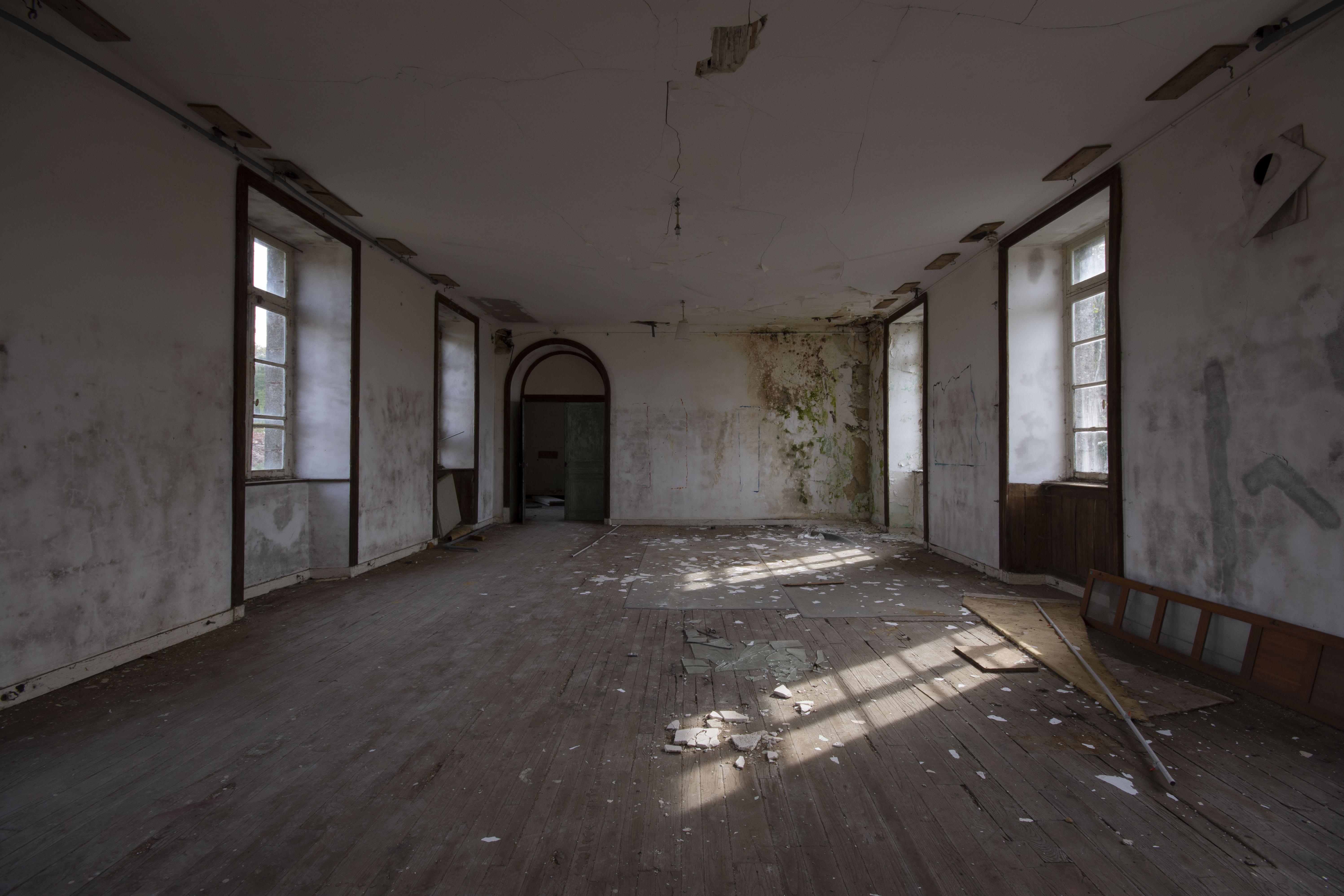
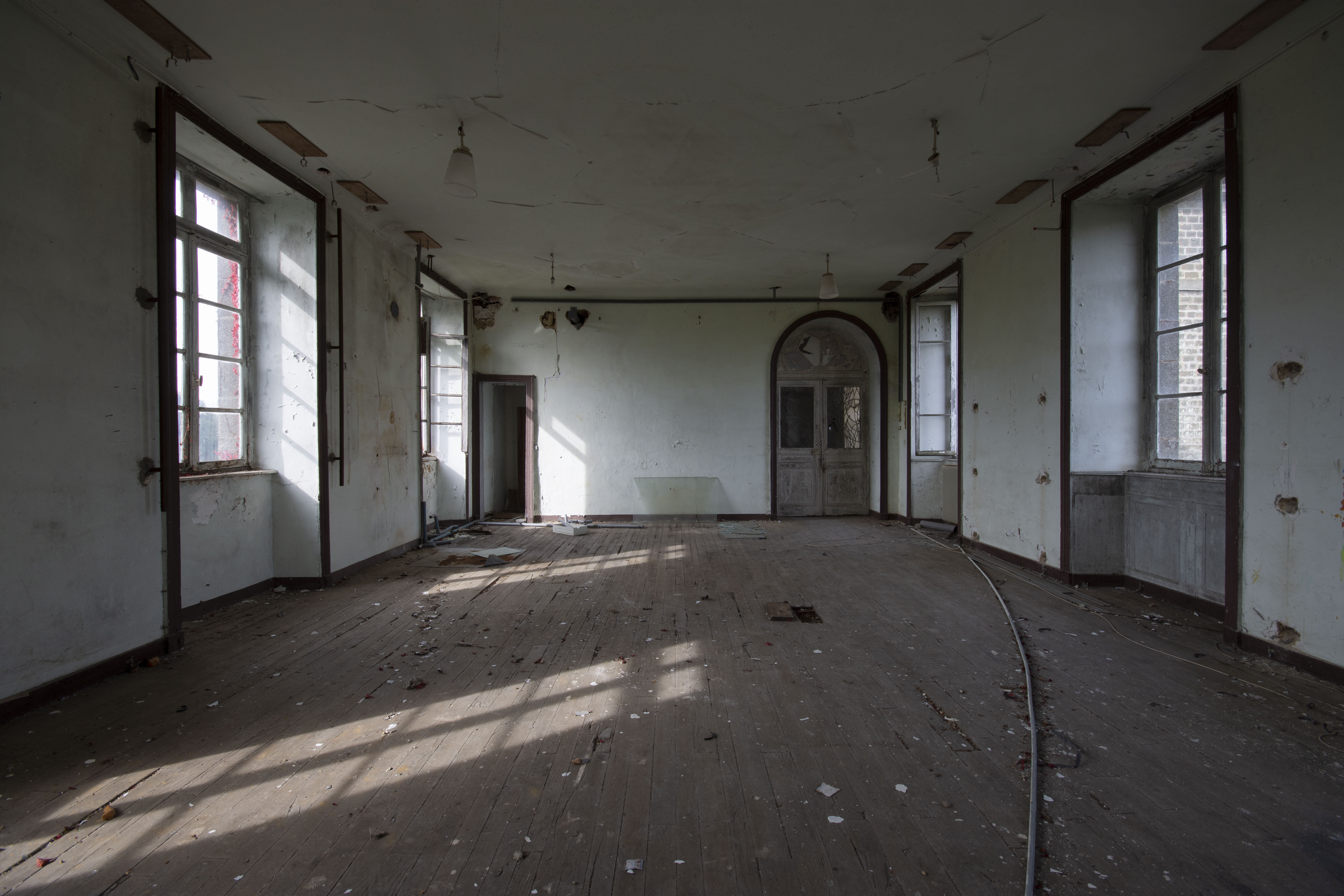
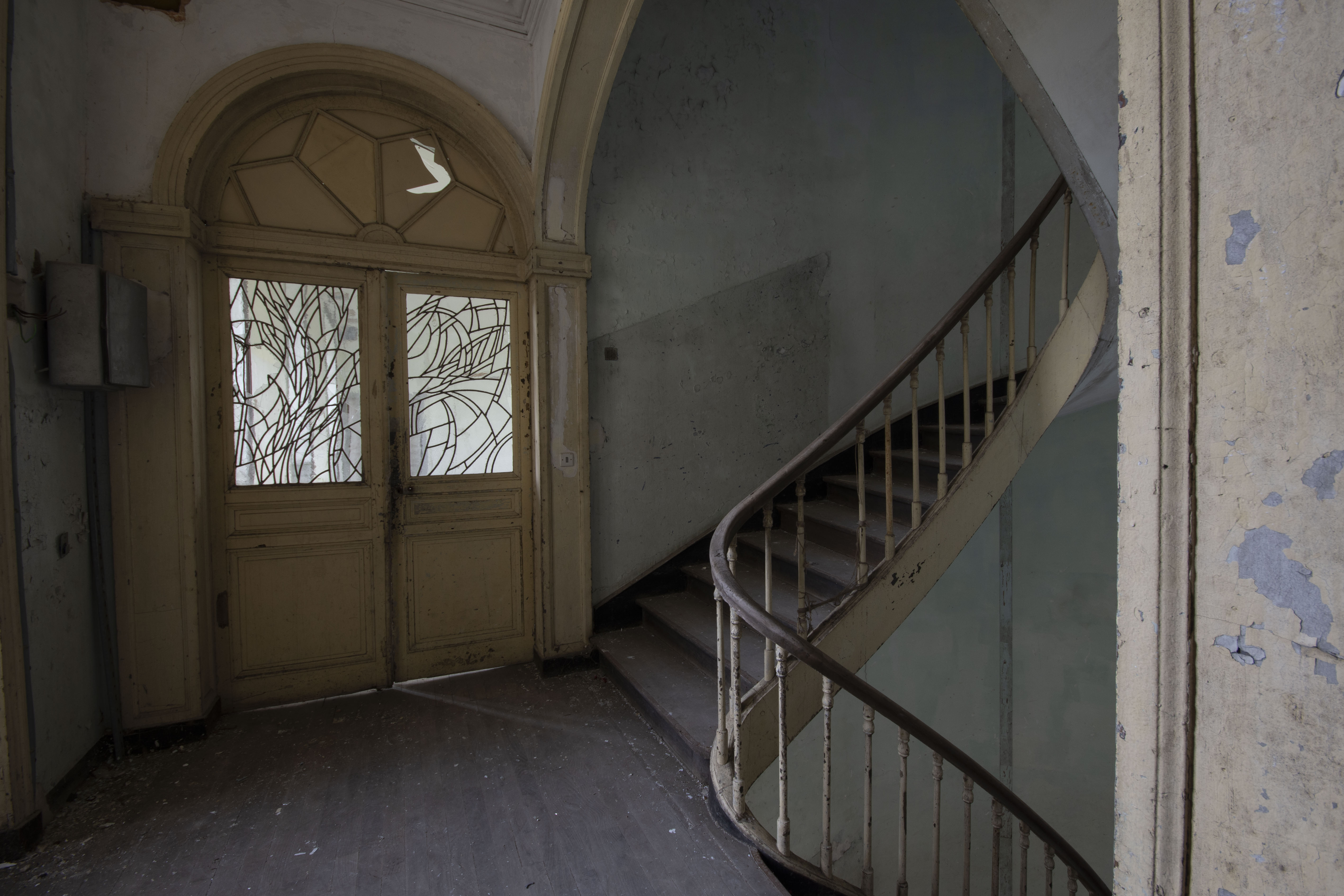
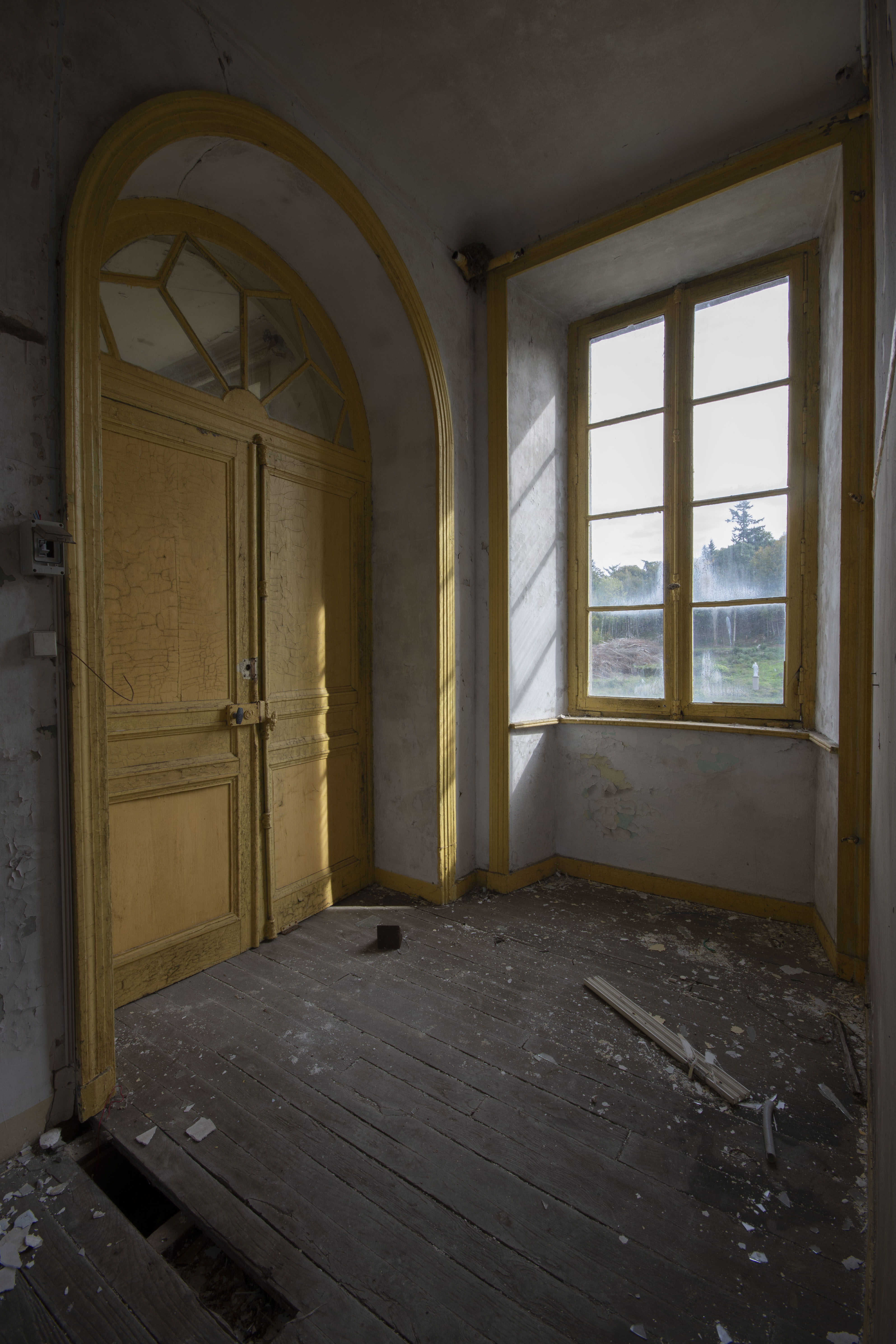
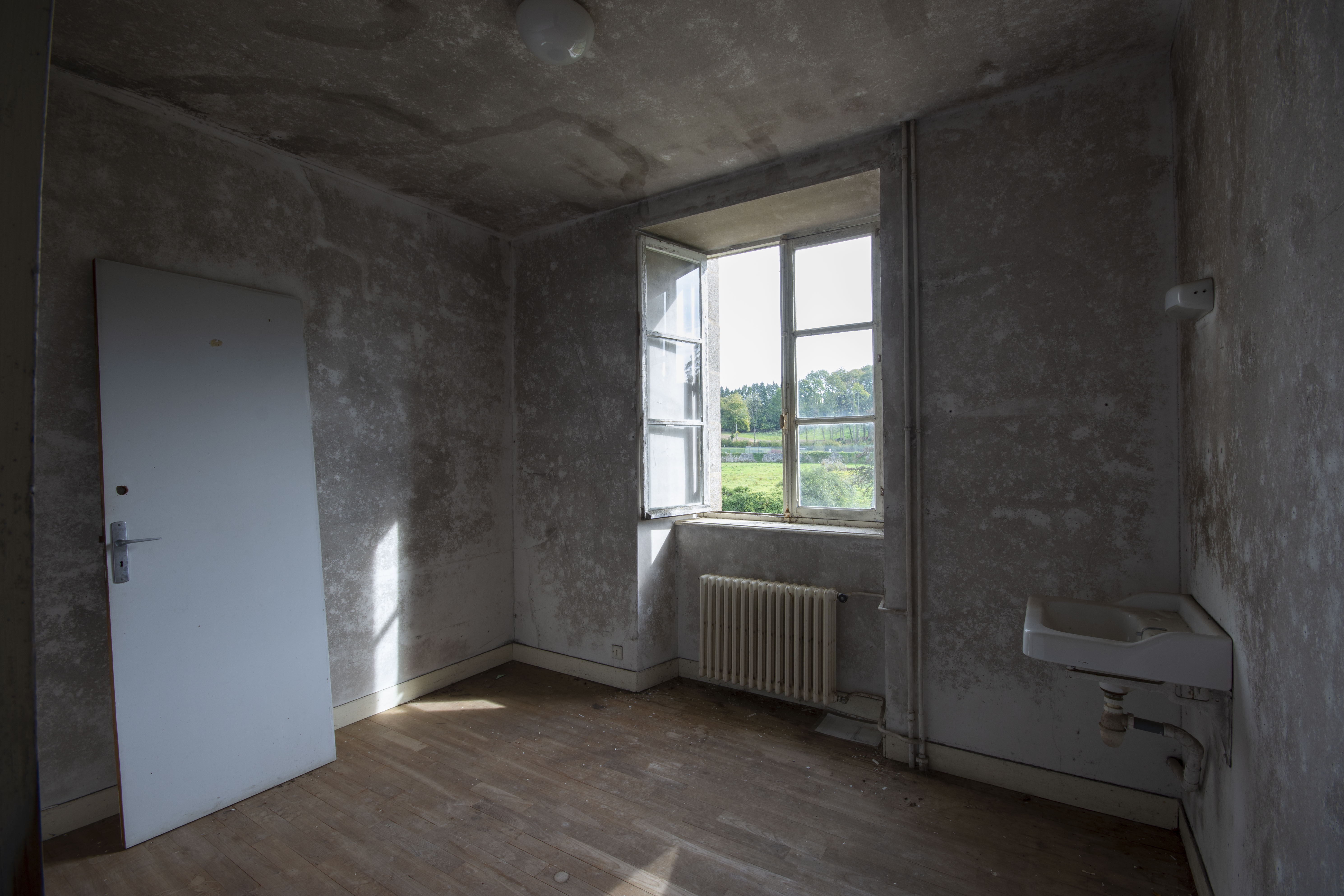
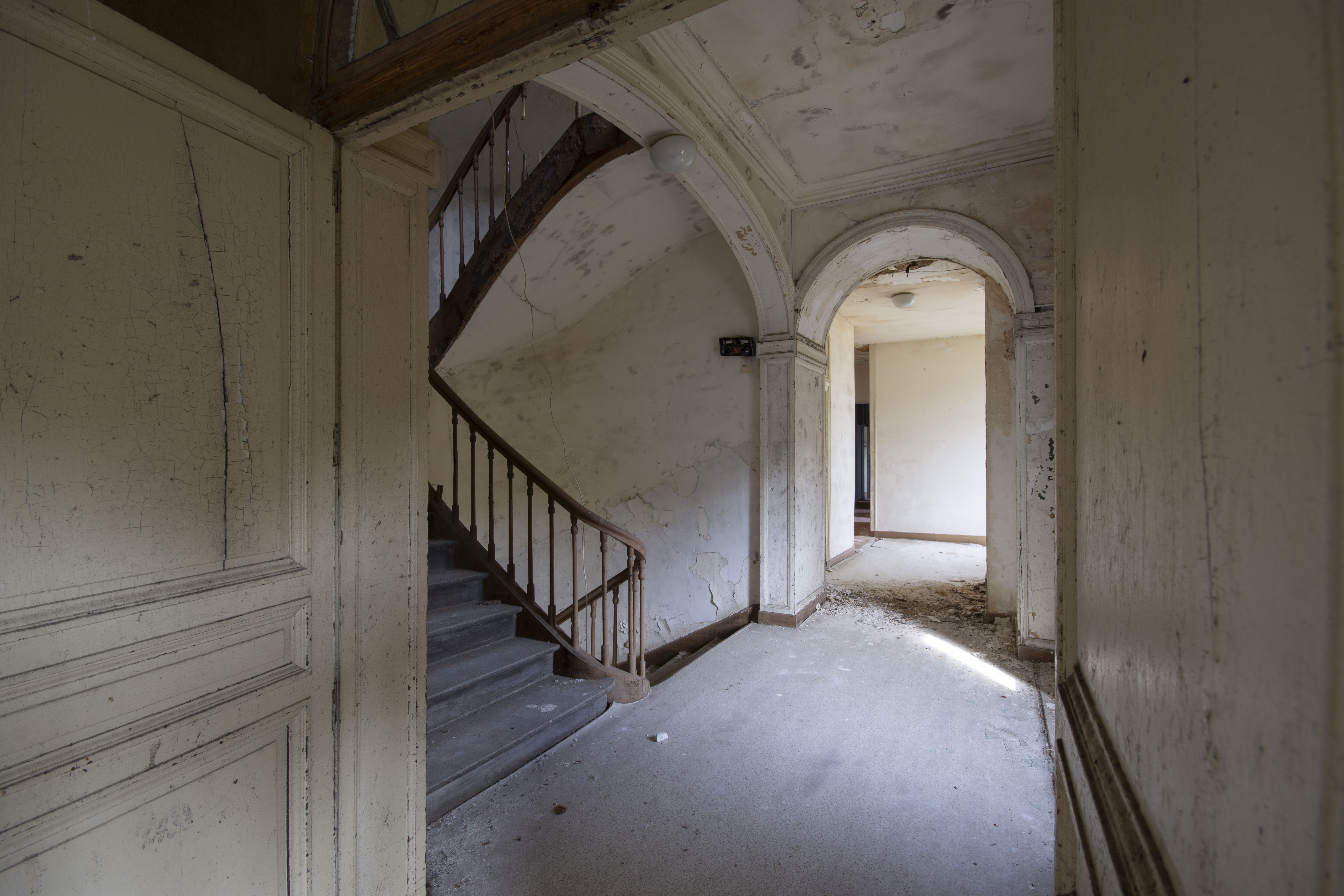
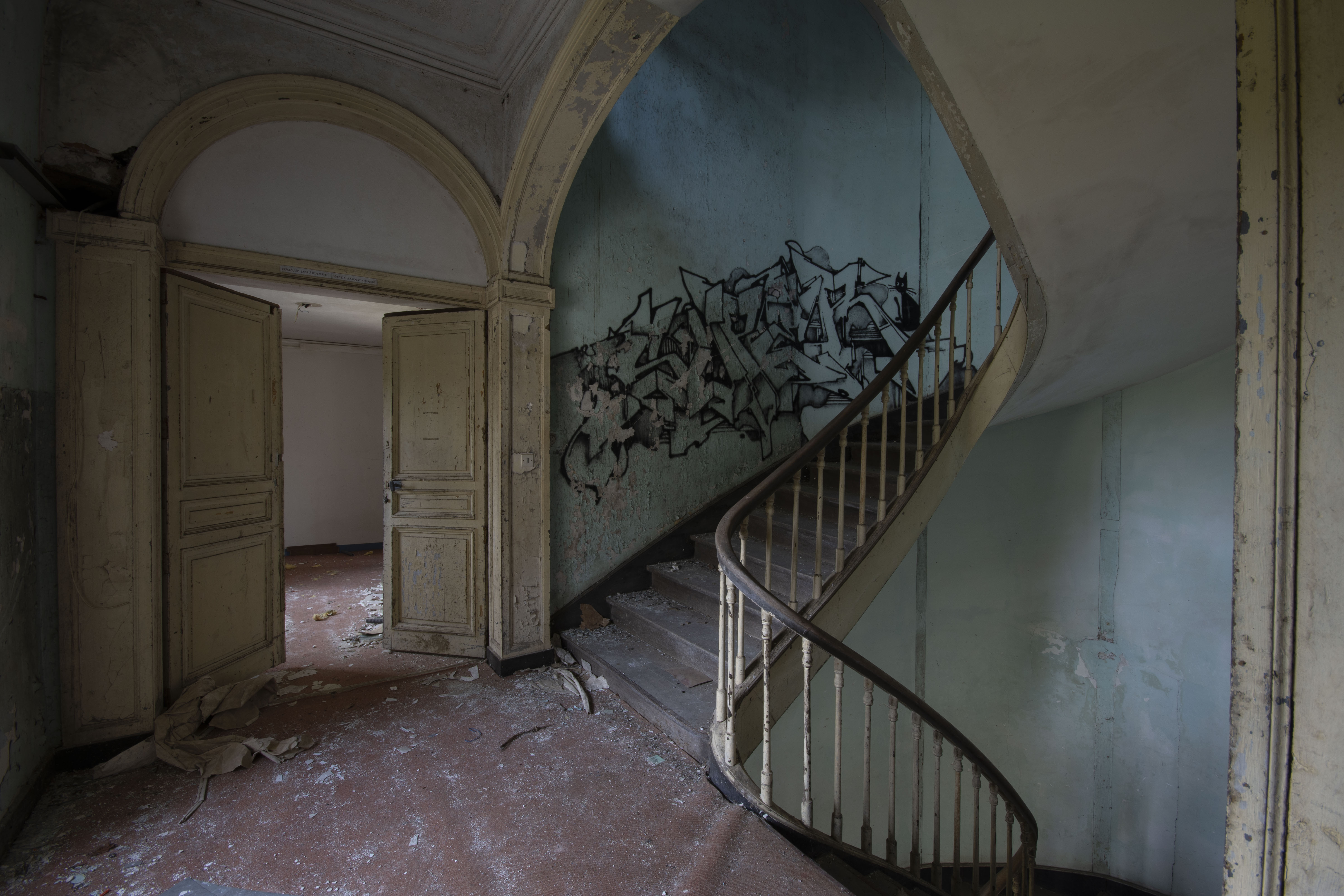
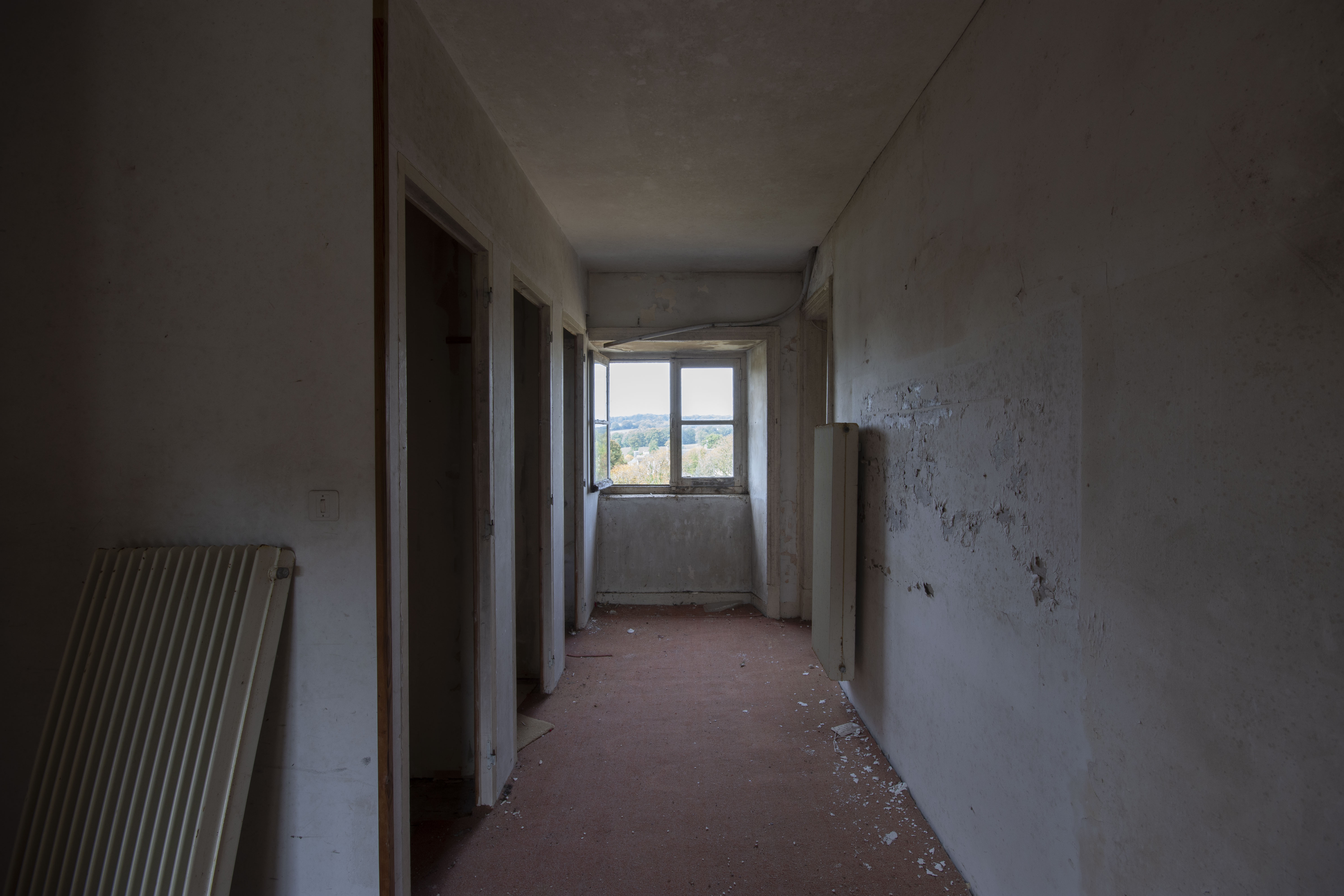
THE EXPLORE: I stopped by the Abbaye Blanche on my way to see some friends, after seeing the Chapelle des Pelotes. A little theme of religious buildings, I know! But still, the thought of exploring a derelict 12th century abbey? Tantalising. I parked up and headed over to the abbey, the buildings looming over the road. I found my way in pretty quickly and began snapping away. The upper three floors of the 19th century seminary buildings were evidently modernised during the late 20th century as they have hundreds of rooms with en-suite bathrooms. However, the further down you got, the better the building got. The library and one of the principal reception rooms boasted some very fine carved pannelling and fireplaces. Fine oval staircases wound their way up various spots of the building.
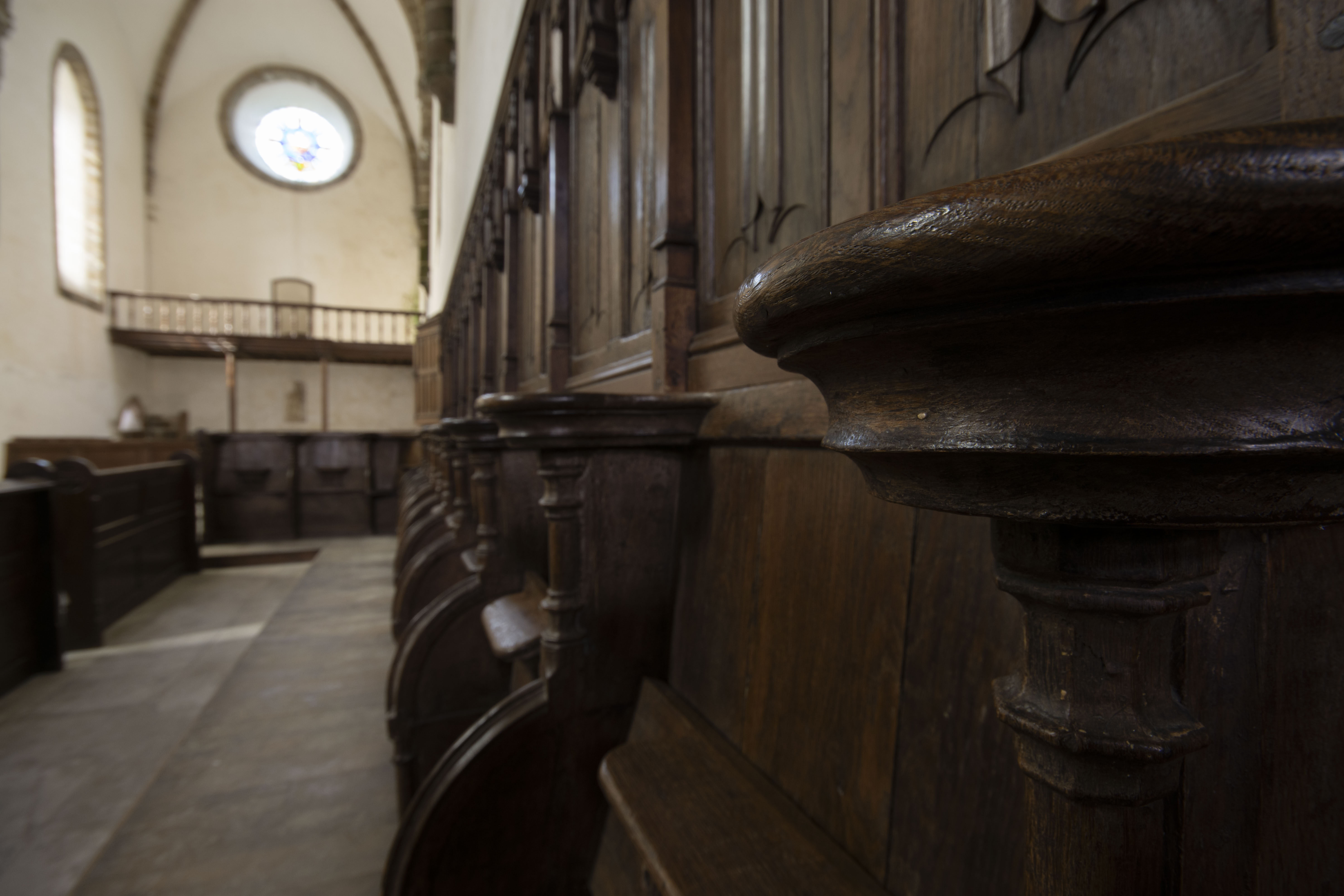
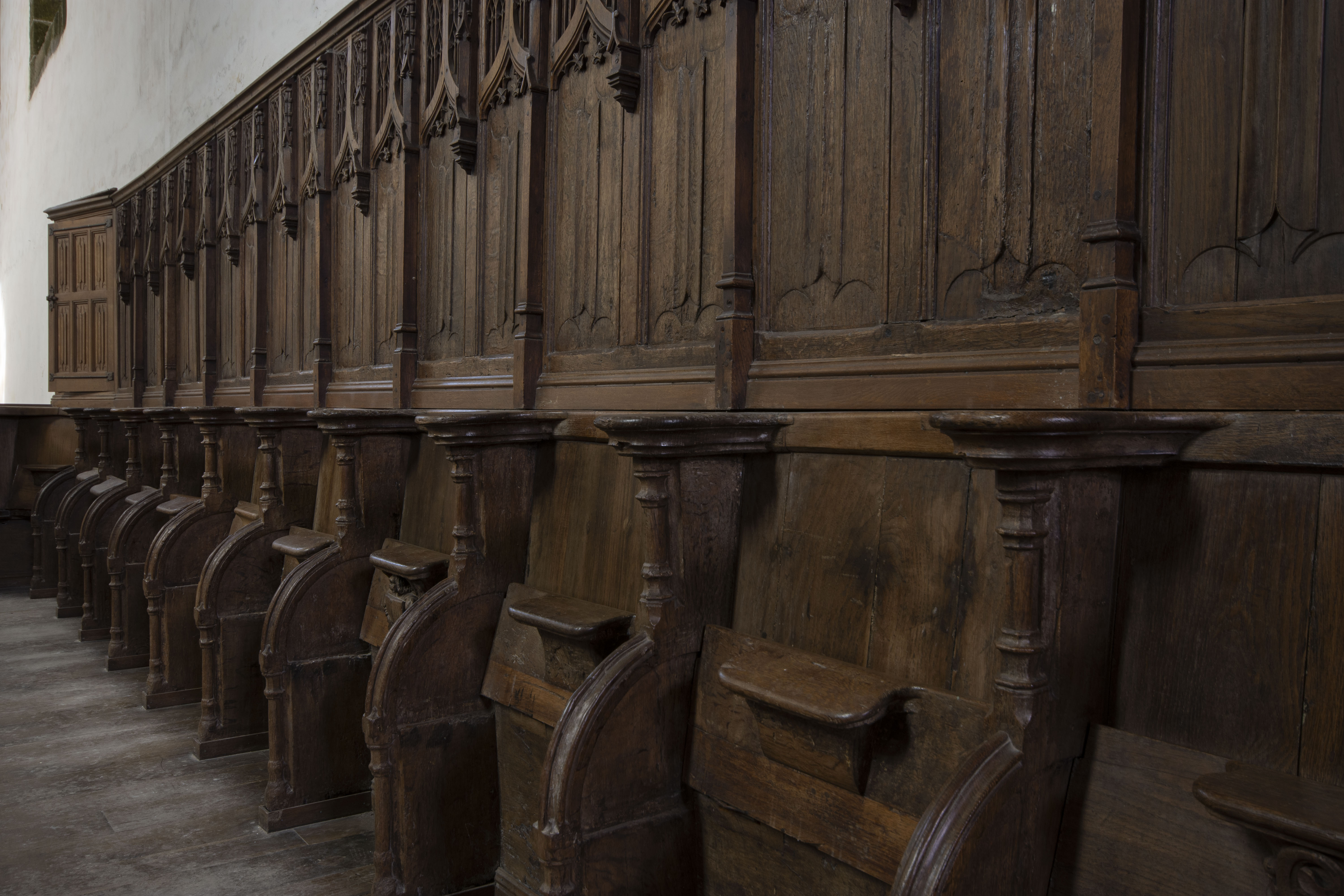
The church, however, was the best part by far. The acoustics within the building were absolutely something else, I can say that right now. After starting to shoot my photos, I decided to sing a verse of “Gloria in Excelsis Deo” from the altar. The sound echoed around the building and kept going for ages after I had finished singing. Spine chilling and frankly magical, especially when imagining the sound of a choir of nuns sat in the beautifully carved misericords (choir stalls). I snapped away and finished inside the church and then moved to the cloisters by which point the sun was in a fantastic position in the sky to get some glorious shots of the cloister.
I then found the access into the roof space over the church. My intention was to see if there was a bell within the tower. However, the French Revolution beat me to it… there was a medieval bell frame present but no bell… damn it! After this, I decided to make a move and head on to my next destination. Enjoy the photographs!
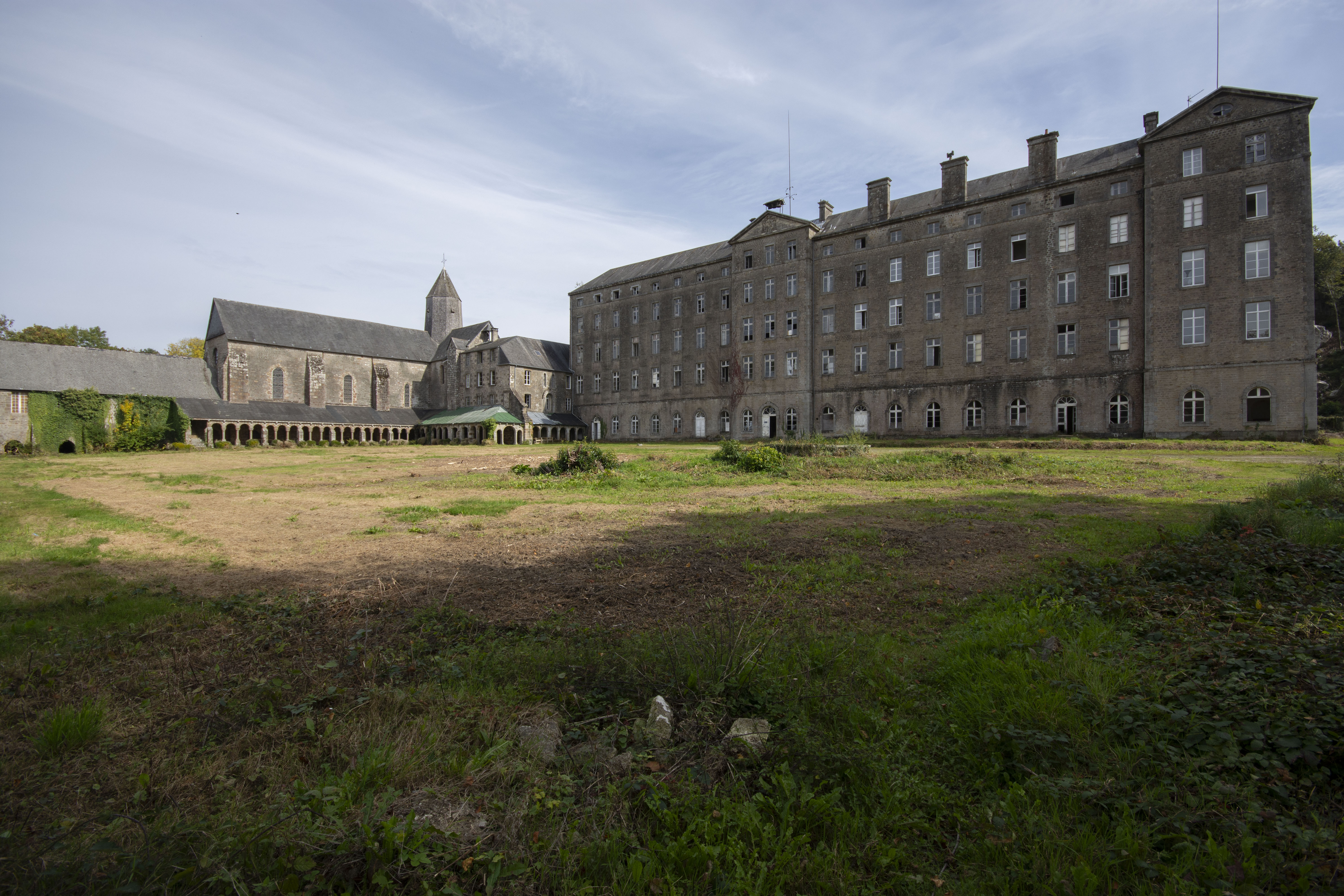
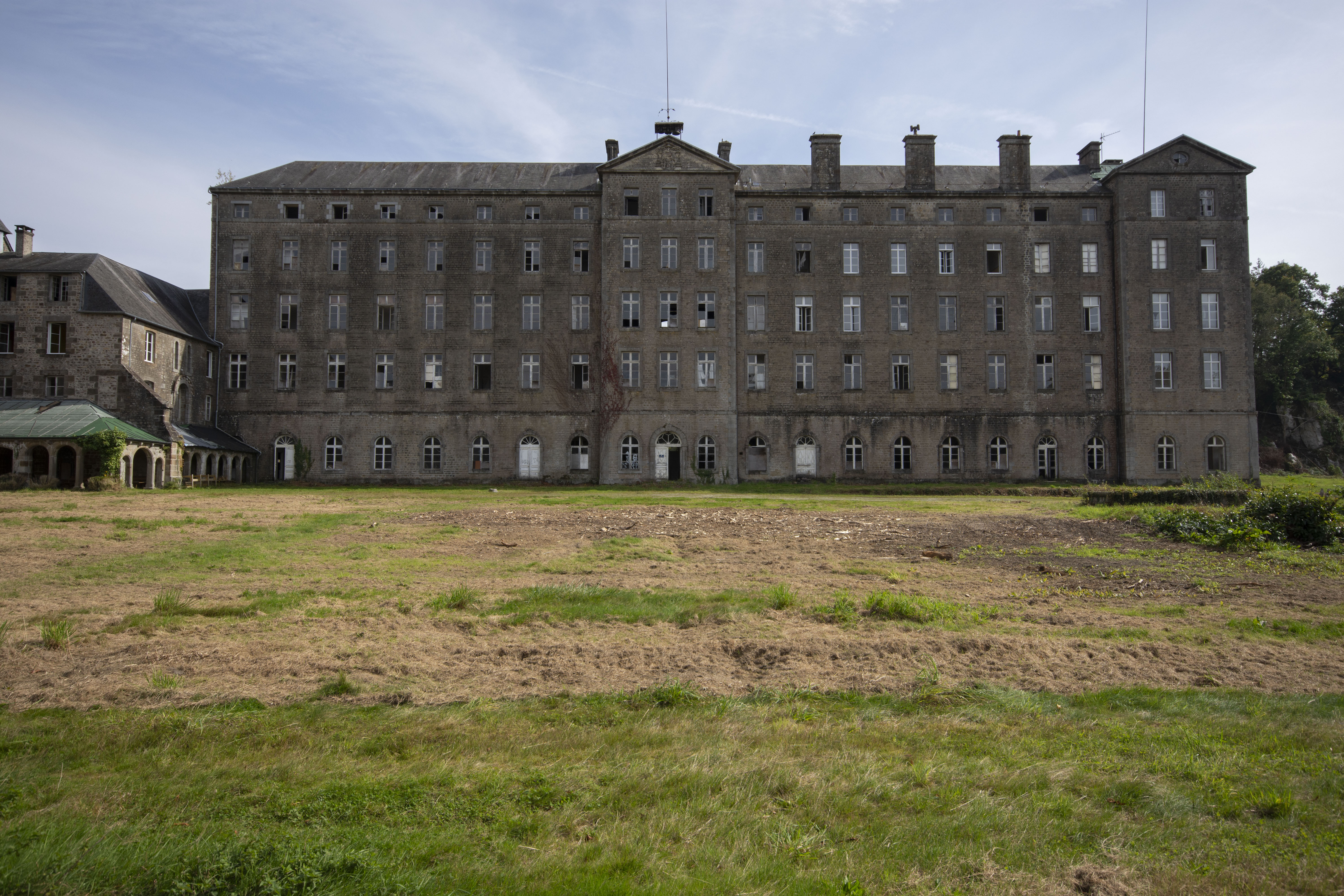
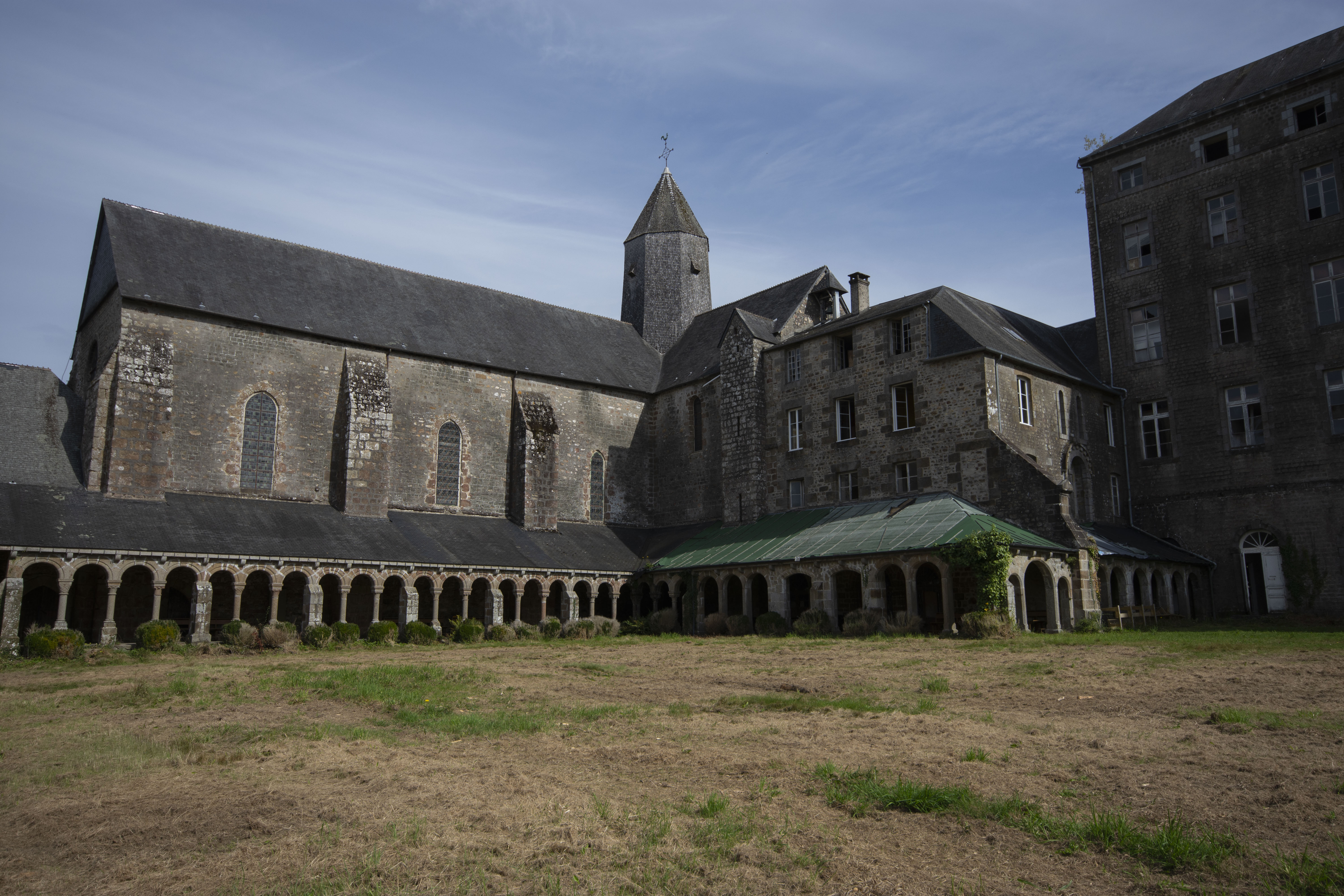
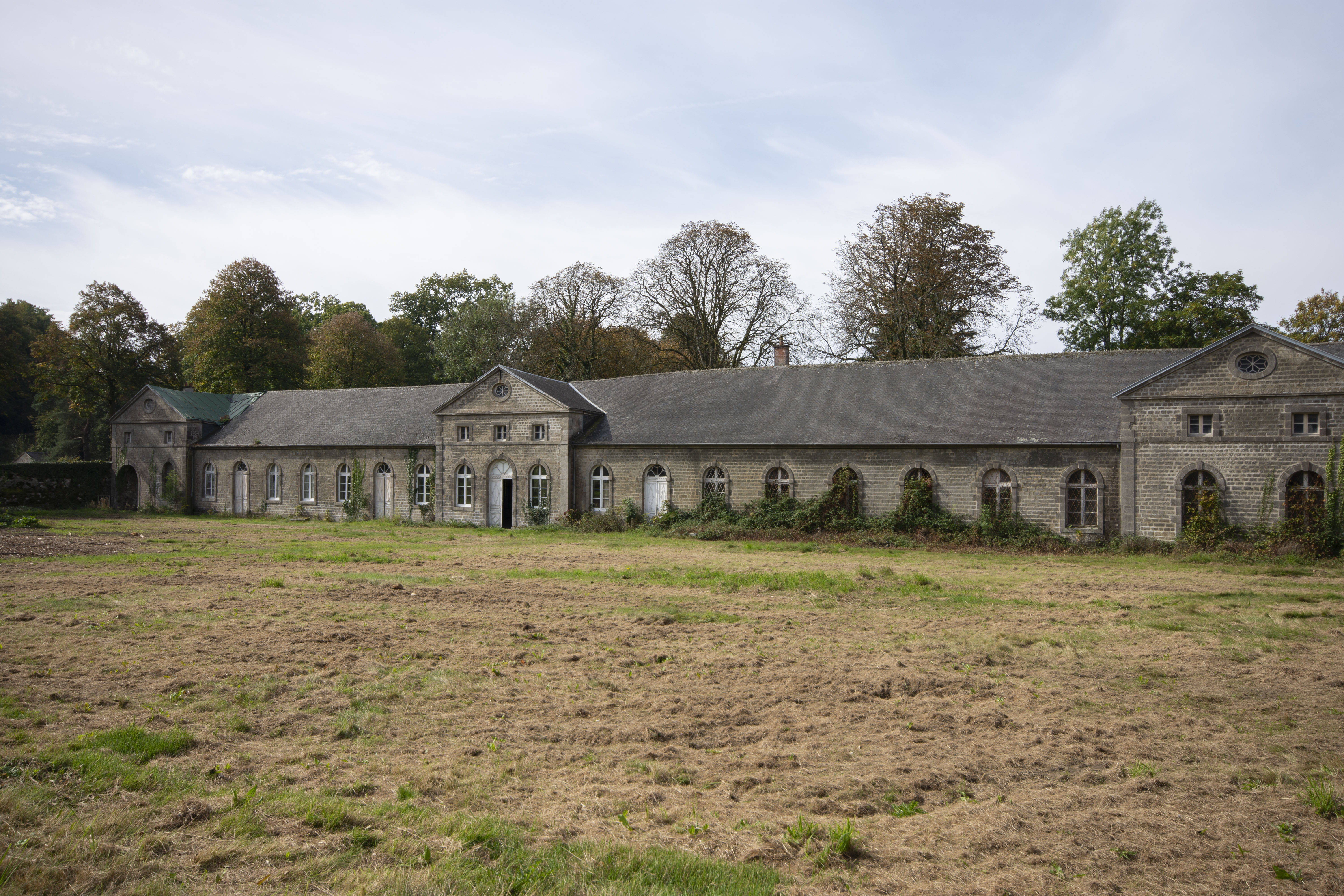
EXTERIOR
Showing the exteriors of the abbey buildings and church…

MONASTIC RANGES
Showing the mix of 17th and 19th century monastic buildings…


















CHURCH
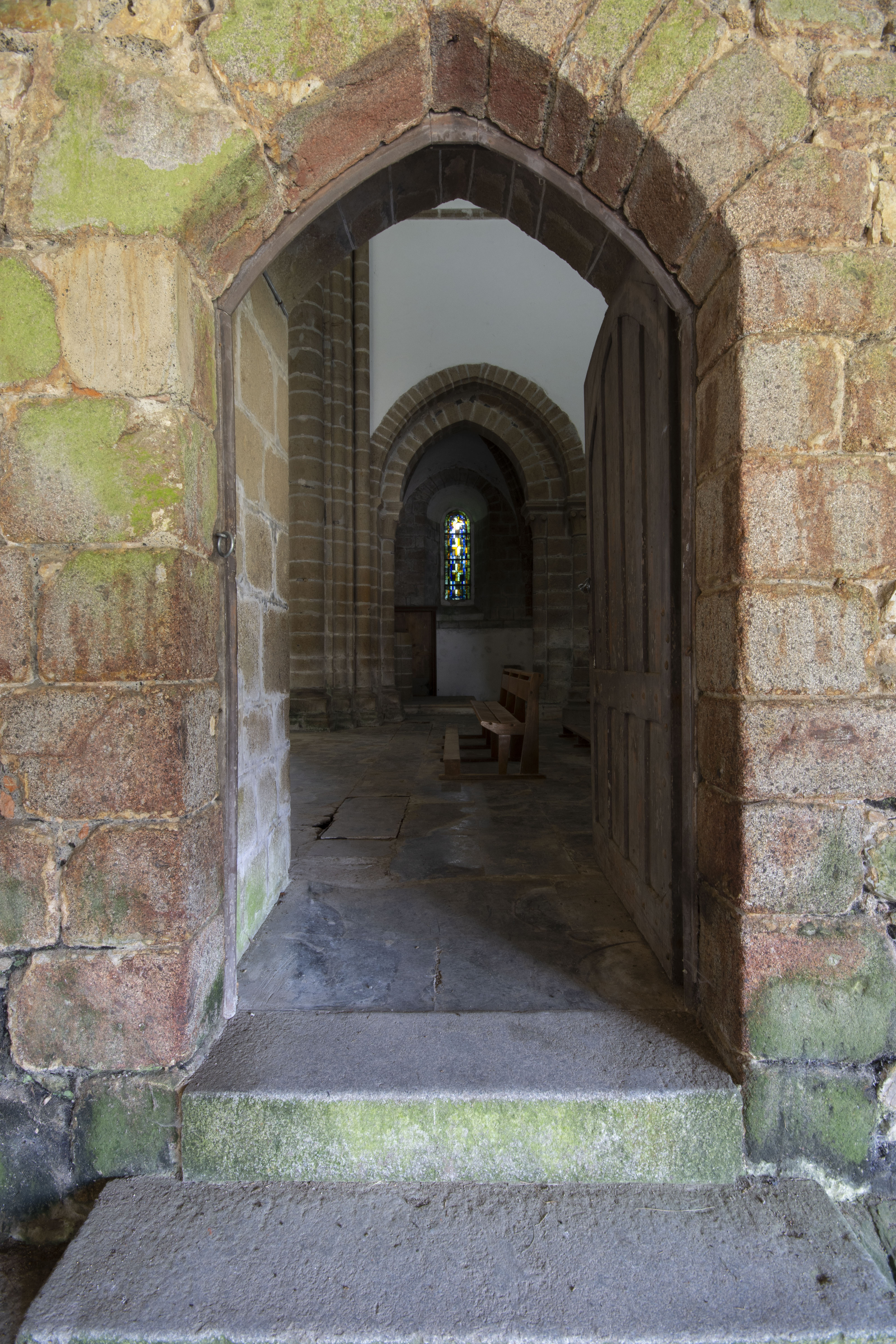
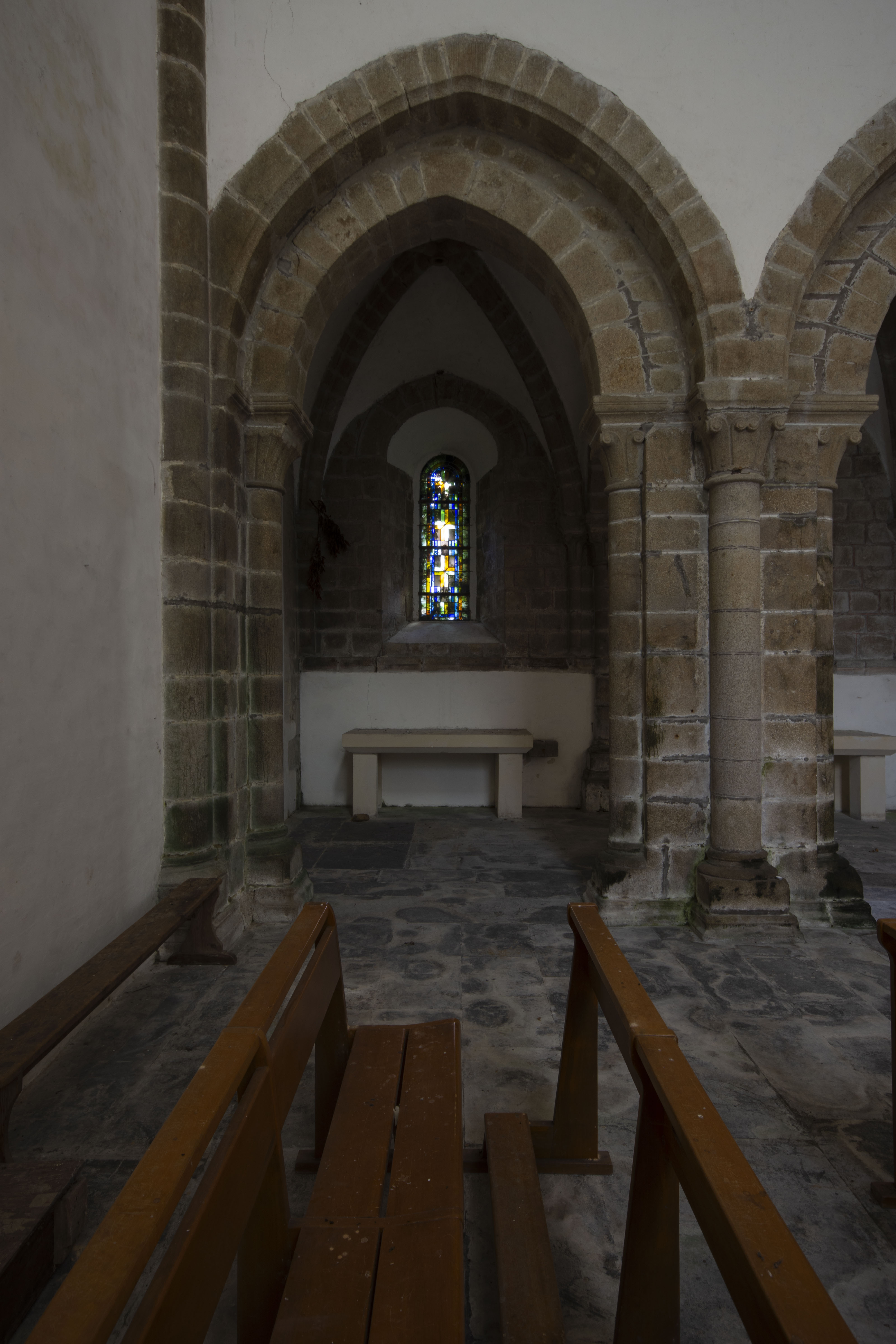
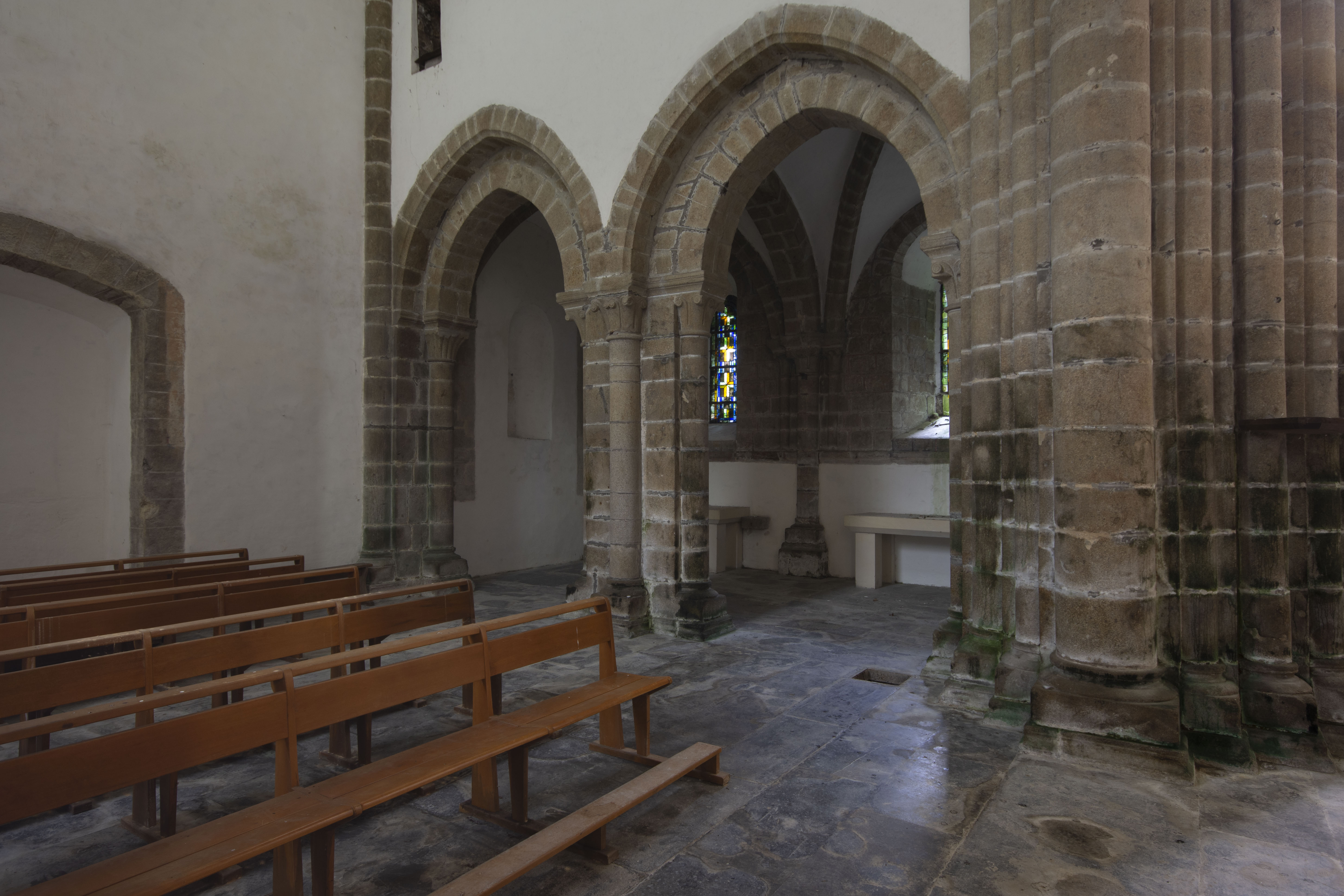
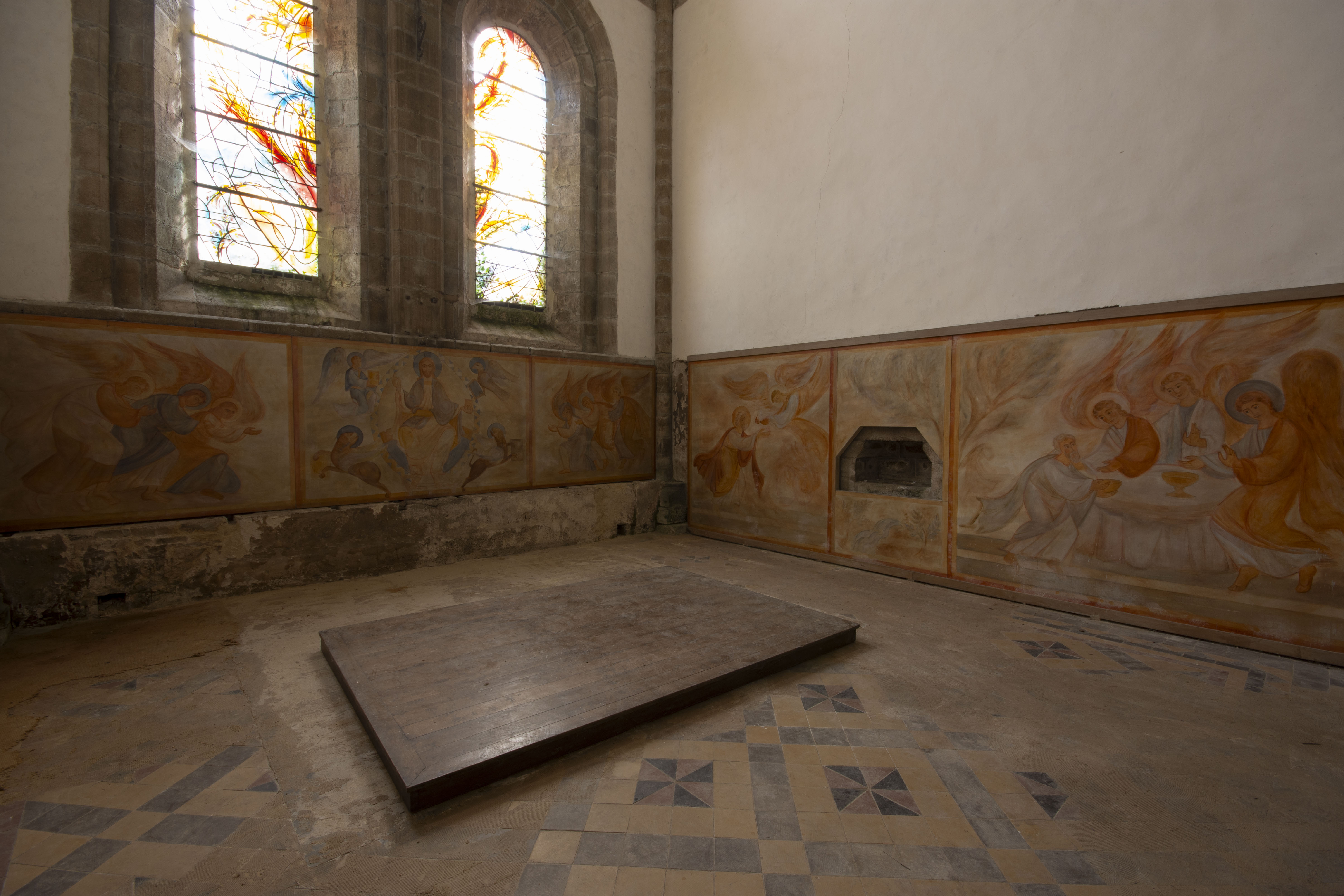
Showing the magnificent 12th century church…






CLOISTER AND CHAPTER HOUSE
Showing the Romanesque cloister and chapter house, a rare survival…

 Shadow Dragon